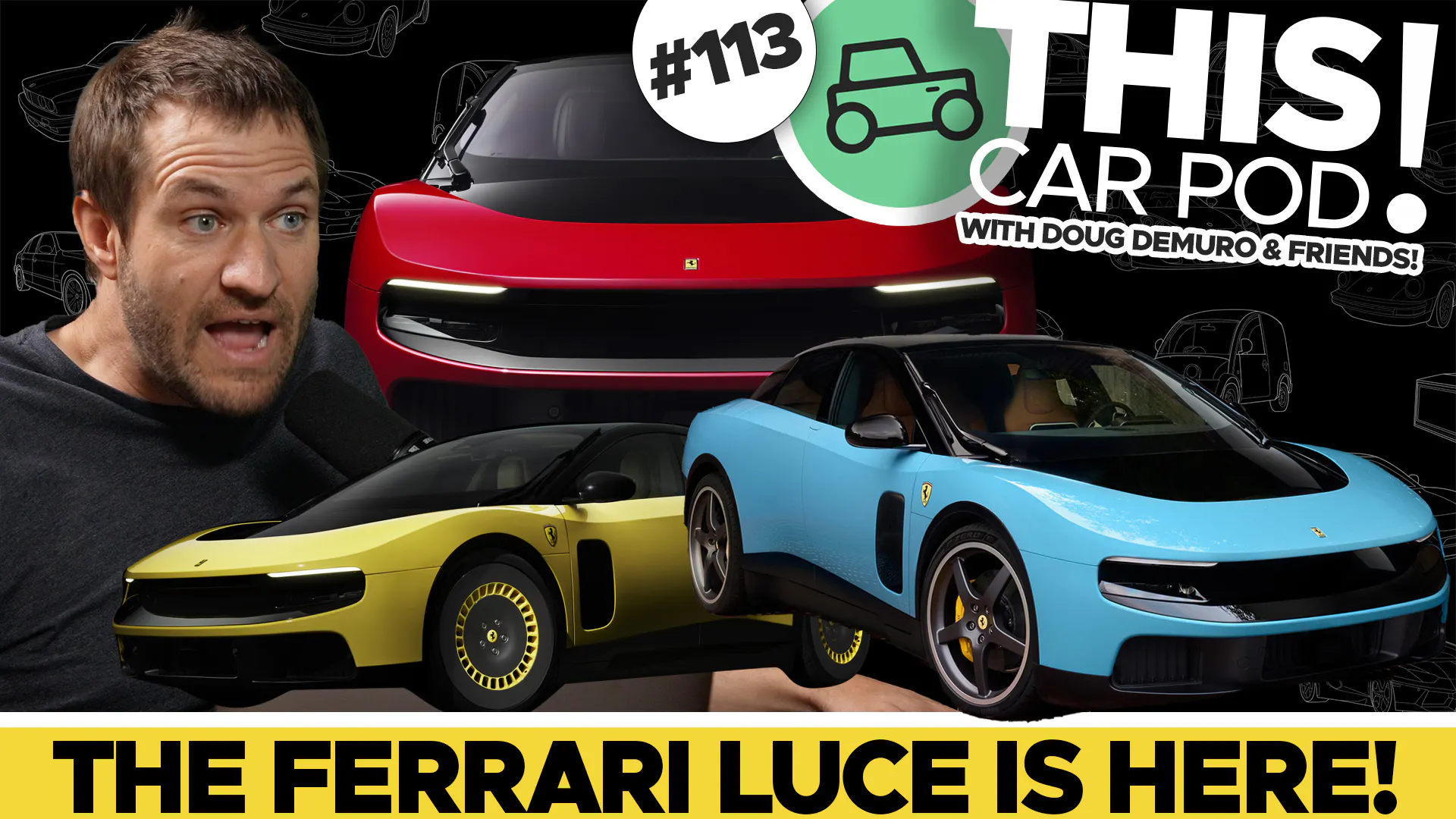
The Ferrari Luce Revealed! THIS CAR POD! EP113
About this episode
Ferrari’s newly revealed Luce dominates the conversation, with the hosts tearing into the five-seat, four-door electric Ferrari for its generic styling, underwhelming performance numbers, and sky-high price. They argue it feels like a brand-damaging move that chases new buyers while alienating enthusiasts, even as they note a few genuinely interesting details like Ferrari-designed motors, swappable battery architecture, and vibration-based sound. The episode then pivots into lighter banter about license plates, a Cybertruck getting pulled out by a Toyota Sienna, and an upcoming Cars and Bids event in Boston.
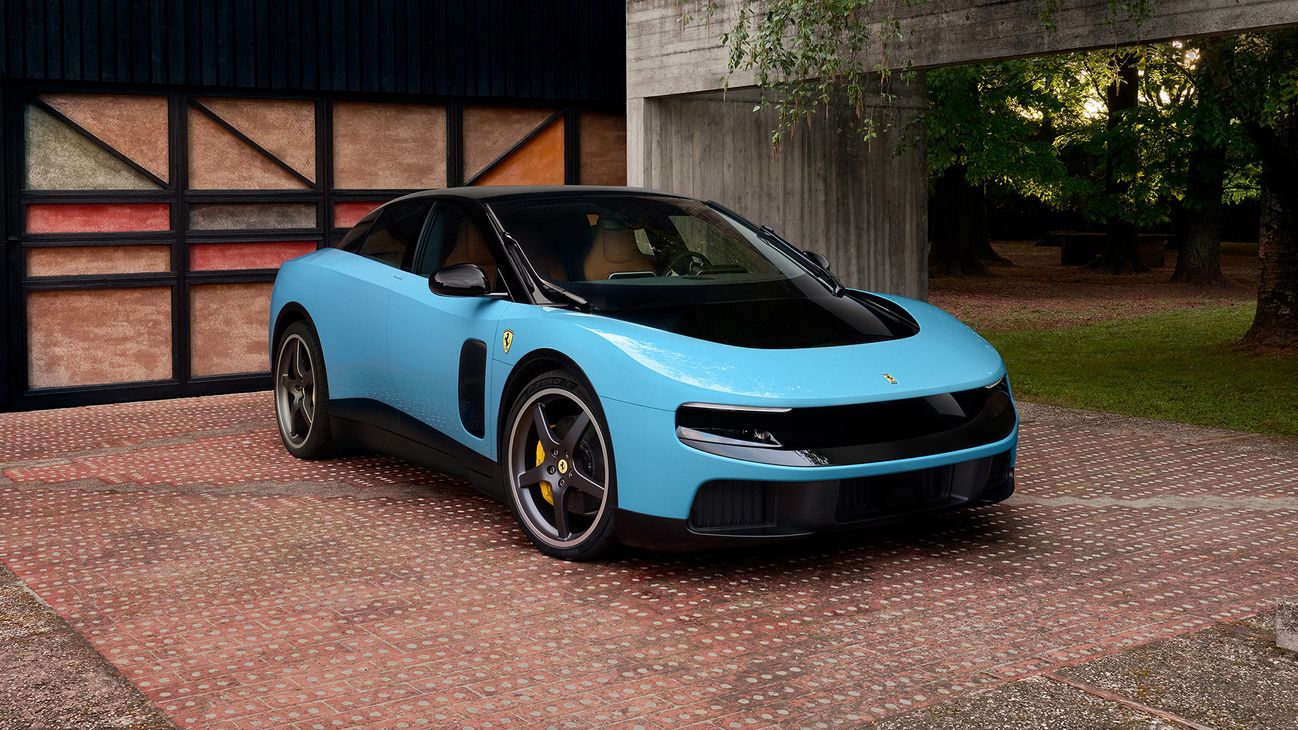
Ferrari Luce
"So Ferrari on Monday, yesterday was refilling this, revealed the Luce... [111.0s] It is a five-seater four-door electric vehicle."
The Ferrari Luce is a new Ferrari that’s fully electric. Unlike most Ferraris, it’s a four-door, five-seat car—so it’s meant to be more practical for everyday use.
The Ferrari Luce is Ferrari’s new four-door, five-seat electric vehicle, which is a major shift from the brand’s traditional two-door, driver-focused lineup. It’s positioned as an EV with very high output from multiple electric motors, aiming to combine Ferrari styling/branding with mainstream practicality.
four motors
"It has something like a 1,050 horsepower from four motors, one on each wheel. [123.0s] The rear ones produce 800 something of that."
Instead of one electric motor, the car uses four—so it can control power to the wheels more precisely. That can help with grip and how the car feels when you drive it.
Using four electric motors—one per wheel—lets the Ferrari Luce control torque independently at each axle or even each wheel. That setup can improve traction and enable more precise handling responses compared with a single-motor design.
1,050 horsepower
"It has something like a 1,050 horsepower from four motors, one on each wheel."
That “horsepower” number is how much power the car can make. For an electric car, it’s the combined output from its electric motors.
“Horsepower” here is the power output figure being claimed for the Ferrari Luce’s electric drivetrain. Because the car uses multiple motors, the total output is presented as a single combined number rather than one engine’s rating.
US cycle
"We expected to have just shy of 300 miles of range in the US cycle."
“US cycle” is the official test method used to estimate how far an EV can go on a charge in the U.S. Different countries use different test methods, so the range numbers can change.
The “US cycle” refers to the standardized testing procedure used in the United States to estimate an EV’s range. It’s meant to be comparable across vehicles, but it can produce different results than European testing.
WLTP European cycle
"A little bit over that in the WLTP European cycle."
WLTP is a standardized EV range test used in Europe. Because it’s a different test than the U.S. one, the same car can show a different range number.
WLTP (Worldwide Harmonized Light Vehicles Test Procedure) is the European standardized test used to estimate fuel economy and EV range. The Ferrari Luce’s range is described as “a little bit over” 300 miles under WLTP, highlighting that test methodology affects published range.
collaboration between Ferrari's design studio and Joni Ive and his design firm Love From
"It was developed and designed in collaboration between Ferrari's design studio and Joni Ive and his design firm Love From."
Ferrari worked with Jony Ive and his design company to help shape the car’s look and design. It’s basically a high-profile design team effort, not just internal styling.
This describes a design collaboration where Ferrari’s design studio worked with Jony Ive and his design firm, LoveFrom. In automotive terms, that kind of outside design partnership is meant to influence the car’s overall form language and interior/exterior design direction.
Luca de Montesemolo
"[241.0s] Luca de Montesemolo, who was Ferrari's CEO before, was quoted on the record today as saying, [247.0s] if I said what I think it would damage Ferrari, we risk the destruction of a myth."
Luca de Montesemolo is an important Ferrari leader. Here, he’s being quoted about how Ferrari has a special reputation and how damaging that image could hurt the brand.
Luca de Montesemolo is a key Ferrari executive who served as Ferrari’s CEO. In this segment, he’s quoted about protecting Ferrari’s brand image and avoiding actions that could “damage Ferrari” by destroying a long-standing myth.
destruction of a myth
"[247.0s] if I said what I think it would damage Ferrari, we risk the destruction of a myth. [253.0s] I hope they remove the prancing horse from that car."
This phrase is about protecting a brand’s image and reputation. The idea is that if you change things too much, people might feel the “magic story” behind the brand is gone.
“Destruction of a myth” is a brand-management idea: it refers to protecting the story and identity that fans associate with a company. In Ferrari’s case, the speaker frames the concern as preserving the aura and heritage that make the brand feel special.
prancing horse
"[253.0s] I hope they remove the prancing horse from that car. [256.0s] This isn't just a guy."
The “prancing horse” is Ferrari’s famous logo. It’s a big part of what makes a Ferrari feel like a Ferrari, so changing it would upset fans.
The “prancing horse” is Ferrari’s iconic logo: a rearing horse associated with the brand’s heritage. The speaker’s comment implies that removing or changing that emblem would be seen as a major break from tradition.
Ferrari's stock price
"[264.0s] Ferrari's stock price dropped. [266.0s] Ferrari's still resting on the steam in the momentum that Luca set in motion. [292.0s] But this changes things."
The speaker is talking about Ferrari’s stock price dropping after the announcement. They’re using that as proof that people beyond car forums are reacting negatively.
Stock price movement is used here as a real-time signal of market reaction to a Ferrari announcement. The speaker cites a near-5% drop to argue that the backlash isn’t only from online enthusiasts.
Ferrari IPOed
"[271.0s] Well, to a degree. [273.0s] I think Ferrari IPOed in a post-Luca era and have greatly expanded things since then in a way that some purists don't love,"
An IPO is when a company first sells shares to regular investors. The speaker is saying Ferrari went public after Luca’s time, and that changed how the company grew.
An IPO (initial public offering) is when a company sells shares to the public for the first time. The speaker says Ferrari IPOed in a “post-Luca era,” implying the company’s public-market ownership structure influenced how it expanded and operated.

Ford Mustang
" [328.0s] You know who likes this car? [330.0s] It's Mustang Mach-E buyers. [332.0s] It's the same exact concept. [334.0s] Let's take an iconic name and just put it on absolute crap and let's see what happens."
The Mustang Mach-E is Ford’s electric car. It’s meant to feel sporty like a Mustang, but it’s an EV crossover.
The Ford Mustang Mach-E is Ford’s electric crossover that uses the Mustang name to signal sporty styling and performance. In this segment, it’s used as an example of how an “iconic name” can attract buyers even when the product is an EV rather than a traditional gas sports car.
iconic name
"[332.0s] It's the same exact concept. [334.0s] Let's take an iconic name and just put it on absolute crap and let's see what happens. [339.0s] Okay, Mustang Mach-E is a relatively compelling when it came out EV product."
The host is describing a marketing strategy: using a famous car name to sell a very different product. The idea is that brand recognition can pull in buyers even if the underlying car concept (here, an EV) doesn’t match what enthusiasts expect.
offer an EV
"[346.0s] They realize that they have to, in some markets, Europe being one of them, frankly, [352.0s] if they want to have any amount of sales growth, they need to offer an EV. [357.0s] That's kind of non-negotiable for some of the world markets where they compete."
They mean that in some countries, you basically have to sell electric cars to keep growing. If you don’t, customers and rules push you out of the market.
“Offer an EV” here means that in certain regions, automakers need electric vehicles in their lineup to keep selling and grow. The host frames it as market pressure—especially in Europe—where EV demand and regulations make an all-gas strategy harder to sustain.
Batista
"[382.0s] I think that they saw the failure of some other cars, the P&F, the Batista being one of them, [387.0s] a bunch of others, where these are high-powered sports cars that have not done well in the market. [394.0s] And they thought, we need to go in a different direction."
The Batista is a very fast electric hypercar. In this segment, it’s mentioned as an example of an expensive performance EV that didn’t do well with buyers.
The Rimac Batista is a high-performance electric hypercar, and it’s being used here as an example of a “high-powered sports car” that didn’t succeed commercially. The point is that Ferrari (and others) may have learned from these EV hypercar failures and changed direction.
four-door car
"A practical four-door car is much more popular in China, where sports cars have not been particularly popular, even Porsches."
A four-door car is just a car with doors for both front and rear passengers. They’re saying this kind of practical layout is more popular in China than sports cars.
A “four-door car” refers to a sedan-style body with passenger access through two front and two rear doors. In this context, it’s used to explain market strategy—why a practical, family-friendly layout may appeal more in China than traditional sports cars.
0-60-25
"The car has basically the numbers of like a nice Polestar, right? Like 0-60-25. I know. It's not competitive."
They’re talking about acceleration test numbers—how fast the car gets up to speed. The point is that the Ferrari’s performance targets don’t sound impressive compared to what competitors can do.
“0-60-25” is shorthand for a measured acceleration performance sequence—typically meaning the car’s time to reach 60 mph, with an additional time marker (often tied to a later speed or a specific test condition). In this segment it’s used to argue the Ferrari Luce’s performance targets look mediocre compared with top EV benchmarks.

Lucid Air Sapphire
"The Lucid Air Sapphire is 1.8. 1.89. The Lucid Air Sapphire is 0-60-1.8 seconds. Ferrari's the fastest whatever."
Lucid Air Sapphire is a fast, high-end version of Lucid’s electric sedan. They’re using it as the yardstick for how quickly it accelerates and how much it costs, to judge whether the Ferrari makes sense.
Lucid Air Sapphire is a high-performance variant of the Lucid Air electric sedan, and the hosts are comparing its acceleration numbers to what they expect from the Ferrari Luce. The mention of its 0–60 time and pricing frames it as a benchmark for how “fast” and “worth it” the Ferrari would need to be.
0-60-1.8 seconds
"The Lucid Air Sapphire is 0-60-1.8 seconds. Ferrari's the fastest whatever."
“0-60” is how fast a car can go from standing still to 60 mph. Saying “1.8 seconds” is basically bragging that it launches extremely quickly.
“0-60” is a common performance metric: the time it takes a car to accelerate from 0 mph to 60 mph. Quoting “1.8 seconds” is meant to highlight elite EV launch capability and to set expectations for how fast the Ferrari Luce would need to be to justify its positioning.
Johnny Ive
"Sure, but in the design of this car, there's a lot of looking back. The round tail lights, a lot of the interior features, a lot of what Johnny Ive took from Ferrari is looking back."
They’re referencing Jony Ive, a famous designer associated with Apple. The point is that his design influence is showing up in the Ferrari’s styling choices, like the round tail lights and interior details.
Jony Ive (often spelled “Johnny Ive” in casual speech) is a renowned industrial designer best known for his work at Apple. The hosts are crediting him with design influence on Ferrari’s interior/exterior cues, specifically describing “looking back” elements like round tail lights and interior features.
sentimental
"Ferrari has actually not only have they don't view themselves as being sentimental, they've actually been successful by being not sentimental. Every time they've come out with a new product that has not been sentimental, an SUV, a four-seater convertible in 2008, which was a big deal,"
Here, “sentimental” doesn’t mean feelings in general—it means sticking to tradition and nostalgia. The point is that Ferrari thinks it’s done well by not clinging to the old expectations and instead pushing new products.
In this context, “sentimental” is used as a brand philosophy—whether Ferrari designs and sells cars based on emotional nostalgia and traditional expectations. The hosts argue Ferrari’s success has come from being “not sentimental,” meaning it’s willing to take directions that don’t rely on classic fan expectations.
EV strategies
"We have watched brand after brand attempt these things and not succeed particularly well and walk back EV strategies, not just in the States, but globally, because demand hasn't been there."
“EV strategies” just means how a car company plans to switch to electric cars. The point here is that some brands tried it, but if buyers didn’t show up, they backed off and adjusted their plans.
“EV strategies” means a company’s plan for how and when it will build and sell electric vehicles. The hosts argue that multiple brands tried EV directions, but when demand wasn’t strong enough, they scaled back or changed course—globally, not just in the U.S.
five-seater
"A couple of things that are interesting, legitimately. Five-seater, first five-seater Ferrari. And why they felt they need to do that."
A “five-seater” means the car can seat five people. The hosts are pointing out that this is a big deal for Ferrari because it changes the usual, more driver-only focus of many Ferrari models.
A “five-seater” is a seating configuration with room for five occupants, which is a notable shift for a brand known for more driver-focused, lower-occupant sports cars. The hosts emphasize it as the first time Ferrari has offered a five-seat layout, framing it as a major product-direction change.
Flavio Manzoni
"There's a creator named Cleo Abram that doesn't do car content, but got to interview Johnny Ive and Flavio Manzoni, who's the head of design for Ferrari. And she asked really the right questions that you want."
Flavio Manzoni is a top Ferrari designer. In this part of the episode, they mention him because he’s the person responsible for the car’s design direction. The discussion is about whether that design would impress people like Enzo Ferrari or Steve Jobs.
Flavio Manzoni is Ferrari’s head of design, so his involvement (and how he responds to tough questions) is relevant to understanding the design intent behind the Luce. The segment frames his difficulty answering questions about what Enzo Ferrari or Steve Jobs would think, which highlights how design decisions can be interpreted differently by different “taste-makers.”
Enzo Ferrari
"And she asked really the right questions that you want. You want to ask like what would Enzo Ferrari think of this? What would Steve Jobs think of this? And they had a really hard time answering those questions."
Enzo Ferrari was the founder of Ferrari. In this clip, they’re using him like a “would he approve?” test for the new car’s design. It’s about whether the car matches Ferrari’s original style and values.
Enzo Ferrari is the founder of Ferrari and the brand’s original design and engineering philosophy. The host uses him as a benchmark for whether the Luce’s design feels “Ferrari enough,” implying that the car’s styling choices are being judged against the founder’s taste. It’s a brand-identity reference rather than a technical spec.
Steve Jobs
"You want to ask like what would Enzo Ferrari think of this? What would Steve Jobs think of this? And they had a really hard time answering those questions."
Steve Jobs is famous for how he pushed Apple products to be extremely well designed and easy to understand. Here, they’re using him as another “would he like it?” yardstick for the Ferrari’s design. It’s more about design taste than car mechanics.
Steve Jobs is referenced as a symbol of product design and ruthless clarity about what “works” aesthetically and functionally. The segment uses him as a second benchmark alongside Enzo Ferrari, suggesting the Luce’s design is being evaluated not just as a car, but as a consumer product with strong design principles. It’s a design-criticism framing rather than a mechanical topic.
EV world
"That's somewhat rare in the EV world. The batteries are made to be able to swap out for future battery cell type, which is kind of interesting."
“EV world” just means the electric-car industry. The point here is that most EV makers don’t design everything themselves, so Ferrari doing the motor design is unusual.
“EV world” is shorthand for the electric-vehicle industry ecosystem, where many components (like motors and battery systems) are often sourced from specialized suppliers. The host uses it to emphasize that Ferrari designing its own motors is unusual in that supply-chain model.
swap out for future battery cell type
"The batteries are made to be able to swap out for future battery cell type, which is kind of interesting. The sound thing is actually truly interesting."
They’re talking about batteries that are designed so they can be updated later. That way, if battery technology improves, the car can potentially use newer battery cell types.
This refers to a modular battery strategy where the battery pack is designed to be updated for future battery cell chemistries or formats. The goal is to keep the car’s battery system adaptable as cell technology evolves.
sound is captured from the vibration and the axles
"So you can change the sound that you're getting from it, but the sound is captured from the vibration and the axles. It's not like a false sound that's generated for this like everybody else does."
Instead of playing a made-up sound through speakers, the car uses real vibrations from the drivetrain/axles as the basis for what you hear. Then it amplifies that so it sounds more “connected” to how the car is moving.
This describes an approach to generating or shaping an EV’s audible experience using real mechanical signals—vibration and axle-related motion—rather than only synthesizing a fake engine note. The idea is that the sound is derived from the car’s actual dynamics and then amplified.
false sound that's generated
"It's not like a false sound that's generated for this like everybody else does. Like BMW does that's Hans Zimmer."
Many electric cars use speakers to create an artificial engine-like sound. The host is saying this one is different because it’s based more on real movement than a purely fake sound.
In EVs, “false sound” typically means an artificial audio output created by speakers to mimic engine noise or create a desired sound character. The host contrasts this with the Ferrari Luce approach that uses vibration/axle-derived signals.
BMW
"It's not like a false sound that's generated for this like everybody else does. Like BMW does that's Hans Zimmer."
BMW is mentioned as another electric-car brand that uses an artificial sound through the car’s audio system. The point is that it’s different from the vibration-based sound being discussed here.
BMW is referenced as an example of an EV maker using a more artificial, speaker-based sound experience. The host specifically ties it to a “Hans Zimmer” sound approach, implying a curated audio signature rather than vibration-derived sound.
Hans Zimmer
"Like BMW does that's Hans Zimmer. Can you change the sound to make the car not suck?"
Hans Zimmer is a well-known movie music composer. In this context, he’s being mentioned because BMW has used his style/branding for an EV sound experience.
Hans Zimmer is a famous film composer, referenced here as the creative figure behind BMW’s EV sound branding. The host is using his name to signal that BMW’s approach is more “produced” and artificial than mechanically sourced.

Jaguar Ipace
"I do think that it looks like the next gen I-PACE. Like when I look at it, I think I see a next gen I-PACE."
The speaker compares the Ferrari Luce’s styling to the Jaguar I-PACE, implying the Luce’s exterior design cues resemble the Jaguar’s next-gen look. This is a visual comparison rather than a technical claim.
allocations
"But that's only because there are people who are hoping for allocations of other cars who are going to get stuck with them. ... people who are not just trying to play the allocation game and get allocated in SP4, in SP5, in SP6"
An “allocation” is basically a promised production slot—who gets to buy the car when there aren’t enough cars for everyone. Some people focus on getting those slots for the most wanted models.
In limited-supply luxury car markets, “allocations” are the production slots a manufacturer assigns to specific customers or dealers. The hosts are describing a strategy where buyers try to secure allocations for desirable models rather than buying whatever is available.
new buyers
"Ferrari has made it incredibly clear that they want this car to be a car that creates new buyers for them. And so there, I assume what they are hoping for is people who are not just trying to play the allocation game"
“New buyers” means Ferrari wants people who don’t already buy Ferraris to start considering the brand. The idea is that an EV might appeal to a different kind of customer.
“New buyers” here refers to expanding Ferrari’s customer base beyond the existing enthusiast crowd that already follows the brand and chases allocations. The hosts frame the Ferrari Luce as a potential gateway product to attract people who are more interested in tech and futuristic design.
allocation game
"they are hoping for is people who are not just trying to play the allocation game and get allocated in SP4, in SP5, in SP6 or whatever those cars come."
The “allocation game” is the behavior where buyers compete for limited manufacturer production slots rather than buying based on personal preference. In this segment, the hosts contrast that with Ferrari’s goal of attracting genuinely new customers for the Ferrari Luce.
SP4
"they are hoping for is people who are not just trying to play the allocation game and get allocated in SP4, in SP5, in SP6 or whatever those cars come."
SP4 sounds like a code Ferrari uses to categorize which cars or allocation slots someone gets. In the conversation, it’s part of the “allocation game” people try to win.
SP4 appears to be an internal or program code for a specific Ferrari allocation slot or model/phase in the brand’s ordering/assignment system. The context suggests customers are being “allocated” into different SP buckets.
SP6
"they are hoping for is people who are not just trying to play the allocation game and get allocated in SP4, in SP5, in SP6 or whatever those cars come."
SP6 is another code in the same allocation system. The idea is that some buyers try to get the specific code that leads to the car they want.
SP6 is referenced as part of Ferrari’s allocation/program buckets, grouped with SP4 and SP5. In context, it’s one of the “slots” people try to secure so they receive a particular desired car.
SP5
"they are hoping for is people who are not just trying to play the allocation game and get allocated in SP4, in SP5, in SP6 or whatever those cars come."
SP5 is another label/code used in the allocation system. The hosts are saying people try to get the “right” code so they end up with the car they want.
SP5 is another internal code in the same allocation/program system referenced alongside SP4 and SP6. The hosts imply these codes correspond to different cars or allocation phases that customers chase.
derivative
"I get your point about it being looking like a lot of other EVs and being a little derivative of that. I don't fully agree."
“Derivative” here means the design looks like it’s copying or closely resembling other things. One host thinks the Ferrari Luce looks too similar to other EVs.
In design talk, calling something “derivative” means it borrows heavily from existing styles rather than feeling original. The host argues the Ferrari Luce may look like other EVs, while the other host counters that it has unique elements.

Lamborghini Huracan
"...ers bang their heads against the wall saying this Huracan is just as good. Why can't we keep resale?"
The Lamborghini Huracan is a high-performance supercar made by Lamborghini. People buy it for speed and driving excitement. The podcast mentions it in relation to resale value—how much it’s worth later.
The Lamborghini Huracan is a modern Lamborghini supercar known for its performance and for being a core model in Lamborghini’s lineup. The podcast context mentions resale and whether it’s “just as good,” which points to how buyers evaluate value over time. It’s discussed because the Huracan is widely owned and compared when people talk about long-term desirability.
resale
"Other automakers bang their heads against the wall saying this Huracan is just as good. Why can't we keep resale?"
They’re talking about what a car is worth later when you sell it. The point is that Ferrari cars tend to hold their value better than competitors.
In this context, “resale” means how much value a car holds when you sell it later (its resale value). The host is saying other automakers struggle to match Ferrari’s ability to keep strong resale and demand over time.

MC20
"Why can't we get people into an MC20, right? Even though it's the same, it looks even better."
They mention the Lamborghini MC20 as another supercar people could buy. The point is that Ferrari’s brand pull makes it difficult for other brands to attract the same level of attention and buyers.
The Lamborghini MC20 is brought up as a model people want to get buyers into, but the host argues Ferrari’s mystique makes that harder. The discussion contrasts “getting people into” a different supercar with Ferrari’s ability to maintain demand and desirability.
corrosion
"For the battery, look for corrosion and get it tested. [1261.0s] AutoZone does that for free."
Corrosion is when metal gets damaged by chemicals, often showing up as crusty buildup. On a battery, it can mean the connection isn’t working well, so you should check it.
Corrosion is the buildup of rust or chemical damage on metal surfaces. On a car battery, corrosion can indicate poor electrical connections and can contribute to starting/charging problems, so it’s worth inspecting and testing.
serpentine belt
"Need to swap a serpentine belt? [1277.0s] AutoZone's Lona Tool Program has you covered."
A serpentine belt is one long belt that powers multiple parts of your engine. If it starts squealing or looks worn, it’s a sign it may need replacing soon.
A serpentine belt is a long, single belt that routes around multiple pulleys to drive several accessories at once (like the alternator and power steering pump). If it squeals or shows signs of wear, it can affect charging and other systems, so replacement is often urgent.

Ferrari SF90s
"And we've seen Pininfarina and we've seen Rimmak other companies, including Ferrari's own SF90s, [1332.0s] which are trading at half of sticker."
The Ferrari SF90 is a Ferrari supercar that uses both a gas engine and electric motors. The discussion is about how some SF90s aren’t holding value the way people expect, with prices dropping below the listed sticker price.
The Ferrari SF90 is a plug-in hybrid supercar from Ferrari, known for combining a high-output combustion engine with electric motors. The speaker’s point here is about how SF90 pricing and demand have shifted in this “different era of Ferrari,” with examples of cars trading below sticker.
full departure
"This is the first full departure, right? Every other car has had some connective tissue to what made Ferrari Ferrari. Even if they're looking forward, weren't looking in their past, right?"
“Full departure” means this new car is a much bigger change than previous ones. The host is saying it may be the first time Ferrari really strays from the formula longtime enthusiasts expect.
“Full departure” here means a model that breaks more decisively from what fans associate with the brand’s identity. The host contrasts it with earlier cars that still had “connective tissue” to Ferrari’s defining traits, implying the Luce is the first major break.
connective tissue
"This is the first full departure, right? Every other car has had some connective tissue to what made Ferrari Ferrari. Even if they're looking forward, weren't looking in their past, right?"
“Connective tissue” here means the common traits that tie the cars together. The host is saying earlier Ferraris still had enough of the same “Ferrari feel” to satisfy enthusiasts.
“Connective tissue” is a metaphor for the shared design/engineering cues that make different models feel like they belong to the same brand. In this segment, it’s used to argue that earlier Ferraris still carried recognizable Ferrari DNA, even when moving forward.
V12
"The Piero Sangue has a V12. The California has a great V8. There's something about this departure."
A V12 is an engine with 12 cylinders arranged in two rows. The host is using it to point out that some Ferraris still use the classic, high-cylinder approach.
A V12 is an engine with 12 cylinders arranged in a “V” shape (two banks of six cylinders). In Ferrari context, V12s are often associated with the brand’s traditional high-performance character and distinctive sound and smoothness.
V8
"The Piero Sangue has a V12. The California has a great V8. There's something about this departure."
A V8 is an engine with eight cylinders arranged in two rows. In this segment, it’s mentioned mainly to compare engine types across different Ferraris.
A V8 is an engine with eight cylinders arranged in a “V” configuration (two banks of four). The host uses the California’s V8 as part of a comparison to explain how the Luce represents a shift away from earlier Ferrari formulas.
Apple iPhone guy
"And honestly, people have been complaining about the departure of Pinoferrina since it happened. I don't entirely agree. I think that Ferrari has always been sort of a futuristic leader type brand, And they've taken the company in a completely futuristic direction that has been kind of cool and interesting. And until now, and now forever, we will have, we will associate, you know, they went to the Apple iPhone guy and got an Apple iPhone car."
The host is comparing Ferrari’s direction to Apple’s approach—more focused on a modern, mainstream audience. The point is that Ferrari may be changing its style to attract people who aren’t traditional car enthusiasts.
This phrase is a reference to Apple’s design/tech leadership style—using a consumer-tech approach to product design and branding. The host uses it to argue Ferrari is adopting a similar strategy, aiming at a new audience rather than traditional enthusiasts.

Porsche Cayenne
"I remember when the Cayenne came out, one of Porsche's fallbacks was, okay, say what you will, but this makes the X5 drive like a truck. That was a direct quote from the people at Porsche. And when people drove the original Cayenne, they had that opinion and it really did start to sway public opinion on it."
The Porsche Cayenne is Porsche’s SUV. The speaker is saying that when it first came out, some people thought it didn’t drive like a “real Porsche,” and that opinion influenced how others viewed it.
The Porsche Cayenne is Porsche’s SUV that became a major talking point because some enthusiasts felt it drove “like a truck.” Here, the host references the Cayenne’s early reception as an example of how public opinion can shift based on how an SUV actually feels to drive.

BMW X5
"... was, okay, say what you will, but this makes the X5 drive like a truck. That was a direct quote from ..."
The BMW X5 is a luxury SUV that’s meant to be comfortable and easy to drive. Some versions can feel heavier and less “car-like,” especially compared with sportier vehicles. That’s why people sometimes describe it as driving more like a truck.
The BMW X5 is a midsize luxury SUV that’s popular for combining comfort with strong driving dynamics. The podcast quote highlights that, in some configurations, it can feel heavy or “like a truck,” which is a common talking point when comparing how different SUVs drive. It’s discussed because the X5’s feel can vary a lot depending on engine, suspension, and drivetrain setup.
high powered EVs
"I don't think that's going to happen here because we've seen the pin in Frena Batista and the Rimec, and other high powered EVs and we've already had that experience."
This means electric cars that are really strong and fast. The speaker is saying we’ve already seen what that kind of power feels like in other EVs, so it’s hard to imagine a new one surprising people in a good way.
“High powered EVs” refers to electric vehicles with strong electric motor output, typically translating to quick acceleration and high sustained performance. The host is using the phrase to argue that even other fast EVs have already set expectations for how they should drive.
EV
"I think Ferrari, an EV Ferrari, if we're being honest about the future of cars, this is a direction they probably do have to go."
EV means the car runs on electricity from a battery. Instead of a gas engine, it uses electric motors to move the car.
EV stands for electric vehicle, meaning the car is powered primarily by one or more electric motors and a battery rather than a gasoline engine. When someone says “an EV Ferrari,” they’re talking about Ferrari moving toward battery-electric powertrains.

Honda Prelude
"... at this price point is just laughable. The Honda Prelude is off the hook. We have a new worst automotive d..."
The Honda Prelude is a sporty two-door car made by Honda. It’s aimed at people who want something fun to drive rather than just a basic commuter. In the podcast, it’s mentioned as being surprisingly good for its price.
The Honda Prelude is a sporty coupe from Honda that’s known for being a driver-focused, enthusiast-style car. In the podcast context, it’s brought up as a surprising standout at its price point, suggesting it offers more excitement or value than people expect. That kind of comparison is typical in car discussions about what’s “worth it” in a given market.

Fiat Multipla
"...sto mod, or even some weird modern classic like a Multipla, you already know that these cars aren't just use..."
The Fiat Multipla is a small family-type vehicle made by Fiat. It’s known for having a very unusual, distinctive look. The podcast mentions it as an example of a car people consider a “modern classic.”
The Fiat Multipla is a quirky, compact multi-purpose vehicle known for its unusual design and practical layout. In the podcast context, it’s mentioned as an example of a “weird modern classic,” meaning a car that’s memorable and has a following. It’s discussed because cars like the Multipla stand out visually and can become interesting collector or customization targets.
Resto mod
"whether it's a pristine 90s JDM icon like the Zesty Drift car, [1703.0s] or a high horsepower Resto mod, or even some weird modern classic like a Multipla,"
A restomod is an older car that’s been fixed up and upgraded with newer parts. It tries to keep the classic style, but make it drive better than the original.
A restomod is a classic car that’s been restored and then modernized with updated mechanicals, electronics, or performance parts. The idea is to keep the original look/feel while improving drivability and reliability versus a purely stock vintage car.
Hagerty
"And that is exactly why regular car insurance just doesn't cut it. [1715.0s] And that is why Hagerty is the official insurance provider of cars and beds and Ryan Lopez's drift car."
Hagerty is an insurance company that focuses on collector and enthusiast cars. They’re often used when normal insurance doesn’t match how special or valuable the car is.
Hagerty is an insurance brand that specializes in coverage for enthusiast and collectible cars. In this segment, it’s positioned as a better fit than regular car insurance for cars that owners treat as hobby investments.
Ryan Lopez
"And that is why Hagerty is the official insurance provider of cars and beds and Ryan Lopez's drift car."
Ryan Lopez is the person mentioned as having a drift car. The hosts bring him up to explain why a collector-focused insurance company like Hagerty is relevant.
Ryan Lopez is referenced here as the owner/driver of a drift car that the hosts mention in connection with Hagerty insurance. The segment uses his car to illustrate why collector-focused coverage can matter for enthusiast vehicles.
tow hitch
"And this Sienna is so weak that it doesn't even have a tow hitch. [2204.0s] They've got this strap hooked up somewhere to like a child [2207.0s] safety tie."
A tow hitch is the metal connector on a vehicle that lets you attach a trailer or towing equipment. If there’s no tow hitch, you can’t tow in the normal, intended way.
A tow hitch is the receiver-mounted hardware on a vehicle that allows it to connect to a trailer or towing setup. The hosts point out the Sienna doesn’t even have one, implying the towing situation is improvised rather than properly supported.
child safety tie
"They've got this strap hooked up somewhere to like a child [2207.0s] safety tie. [2208.0s] The Cybertruck is such a pathetic vehicle that it's getting"
Child safety ties are the anchor points meant for installing a child car seat. Using them to tow a heavy vehicle is not what they’re designed for.
A child safety tie refers to the anchor points used for child seats (often via the LATCH/ISOFIX-style system). The segment claims the towing strap is hooked to those anchors instead of a proper tow hitch, which would be unsafe and not designed for vehicle recovery loads.
hybrid
"It's a hybrid. [2221.0s] Okay. [2222.0s] Okay. [2223.0s] And then you see it's some, I don't want to be sexist on this"
A hybrid uses a gas engine plus an electric motor. In this clip, they’re saying the towing vehicle is a normal hybrid minivan, not a special heavy-duty truck.
A hybrid vehicle uses both an internal-combustion engine and an electric motor/battery system to improve efficiency. Here, the hosts mention the Sienna is a hybrid to emphasize it’s a typical family vehicle, not a dedicated tow rig.
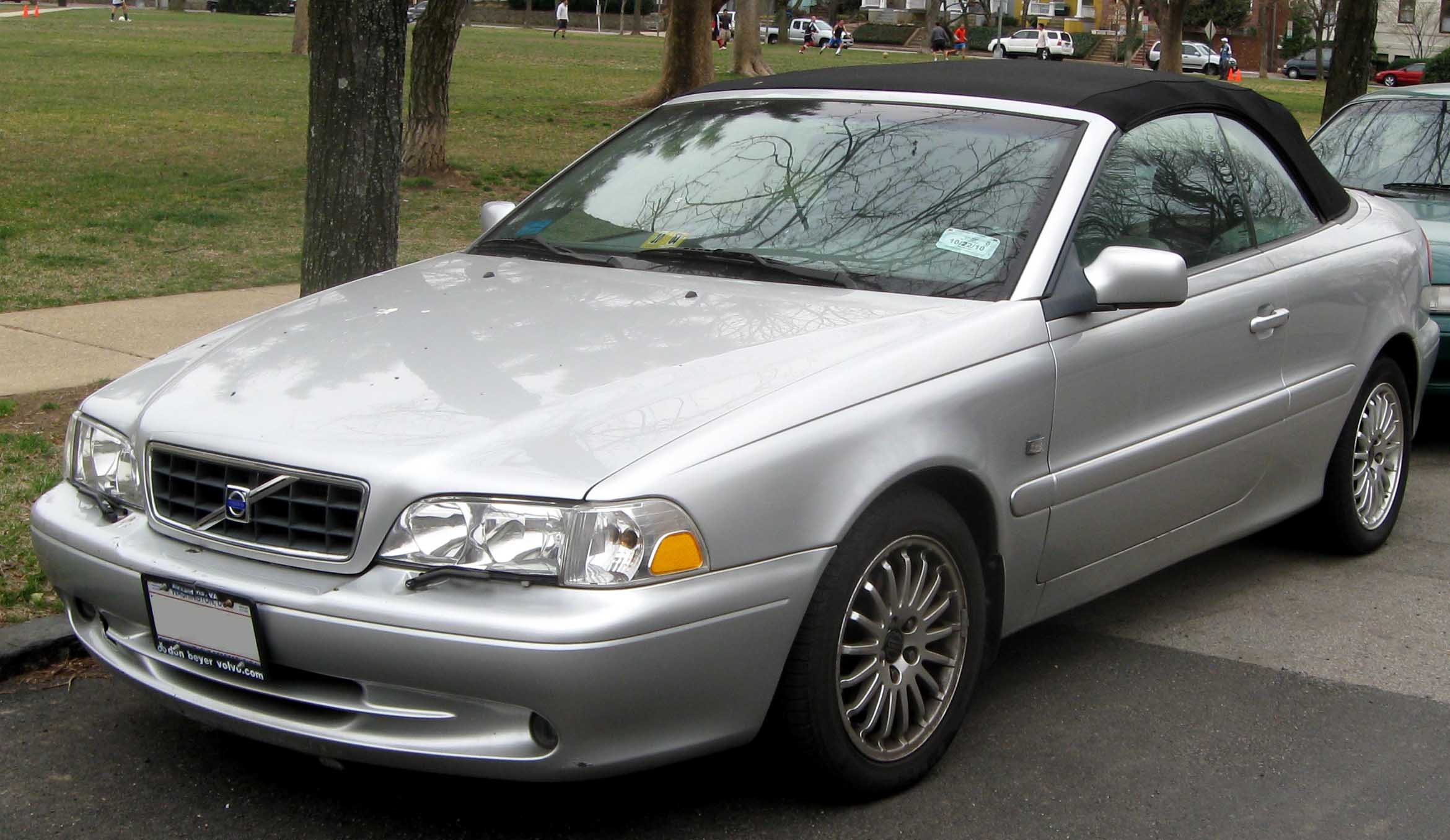
Volvo C70
"Oh, it is. It's a C 70 that aftermarket blue top. You think I would be wrong about what kind of Volvo is the"
The Volvo C70 is a Volvo luxury car that can be made as a convertible. In the podcast, they mention a specific C70 with a blue roof setup. It’s brought up because the details of the roof color matter for identifying the car.
The Volvo C70 is a luxury car from Volvo that’s known for being available as a convertible-style model. In the podcast context, it’s described as a “C70” with an aftermarket “blue top,” which suggests a specific appearance or roof-color setup. It’s discussed because the speaker is identifying a particular car’s configuration and details.

Toyota Sienna
"That is so a Toyota and 45 bystanders. A Toyota Sienna. And it's still kind of not out all the way at the end there."
The Toyota Sienna is a family minivan. It’s the kind of vehicle people use to carry kids and gear, and here it’s being mentioned alongside the Cybertruck situation.
The Toyota Sienna is a minivan built for family hauling, with a focus on practicality and space. In this segment, it’s mentioned as one of the vehicles present in the video scenario, contrasting with the Cybertruck’s reputation.
all wheel drive
"Hey, is that an all wheel drive Sienna? ... I think it is an all wheel drive."
All-wheel drive means the car can send power to all four wheels. That usually helps it grip the road better than a car that only powers two wheels.
All-wheel drive (AWD) means power is sent to all four wheels, improving traction compared with two-wheel drive. Here, the hosts are trying to determine whether the Sienna they’re looking at is AWD and even whether it’s the “platinum” trim.
platinum
"Yeah, that's a, well, it's not a platinum. ... the platinum Sienna has two different wheel design."
“Platinum” is a higher trim level, kind of like a more option-packed version of the same model. Different trims can come with different wheels and features.
“Platinum” here refers to a specific trim level on the Toyota Sienna. Trim levels bundle options and styling differences, and the hosts claim the Platinum has different wheel designs depending on whether it’s two-wheel drive or all-wheel drive.
wheels are articulating
"Well, you see both the wheels are articulating there. What did you think when you saw this video for the first time?"
Wheel articulation means the suspension letting the wheels move to follow bumps and dips in the ground. It helps keep the tires touching the surface, but if the truck is stuck deep enough, it still may need help getting out.
Wheel articulation is how much a vehicle’s suspension allows each wheel to move up and down independently over uneven terrain. More articulation helps maintain tire contact, but if the vehicle gets dug out and can’t regain traction, articulation alone won’t prevent a recovery situation.
off road
"Well, they got in this situation because they thought this could off road, which it does have like all terrain tires. Does it not?"
Off-road means driving on rough, unpaved, or uneven ground instead of normal roads. It’s harder because the tires can lose grip and the vehicle can get stuck more easily.
Off-road driving refers to operating a vehicle on unpaved or uneven terrain where traction, ground clearance, and suspension travel become critical. This segment uses it to explain why the vehicle ended up stuck despite having off-road-oriented tires.
all terrain tires
"Well, they got in this situation because they thought this could off road, which it does have like all terrain tires. Does it not?"
All-terrain tires are tires made to work on both regular roads and rougher surfaces like dirt or gravel. They improve grip, but they can still fail to save you if the vehicle gets buried in soft ground.
All-terrain tires are designed to handle a mix of pavement and light off-road surfaces using a tread pattern that balances road comfort with extra grip on dirt and gravel. They can help a vehicle go off-road, but they don’t guarantee you won’t get stuck if you’re dug in or if the vehicle can’t reach firmer ground.

Cybertruck
"Well, they got in this situation because they thought this could off road, which it does have like all terrain tires... But they don't know that because they have a Cybertruck and they have no capacity for understanding how to operate it in any situating manner. That's so true. Cybertruck getting pulled out by a Sienna."
The Tesla Cybertruck is an electric pickup truck with a very distinctive, angular design. Here they’re talking about it getting stuck off-road and needing help to get out, which shows that even a “tough-looking” truck can struggle if conditions aren’t right.
The Tesla Cybertruck is an electric pickup known for its angular stainless-steel body and unusual off-road styling. In this segment, it’s referenced in the context of getting stuck and needing recovery, which highlights how tires and ground clearance matter when you leave paved roads.

Ford F-150 Lightning
".... I mean, Ford has the ability to just cancel the lightning and absorb those costs."
The Ford F-150 Lightning is an electric pickup truck. It’s based on the F-150, but it uses electricity instead of gasoline. The podcast mentions it in the context of Ford’s decisions about the vehicle.
The Ford F-150 Lightning is an electric version of the Ford F-150 pickup, combining the familiar F-150 shape with EV power. The podcast context mentions Ford’s ability to cancel the Lightning and absorb costs, which frames it as a business and production decision rather than a driving comparison. It’s discussed because the Lightning represents a major shift in how a mainstream truck model is offered as an EV.

Chevrolet C7
"It's going to be. If you got a base automatic C7 show, he's going to park 14 of them in a row. We ..."
The Chevrolet Corvette is a sports car made by Chevrolet. It’s designed for fast driving and is known for being a strong performance value. In the podcast, it’s mentioned in the context of having multiple Corvettes lined up.
The Chevrolet Corvette is a long-running American sports car known for delivering high performance at a relatively accessible price compared with many supercars. The podcast context references a C7-generation base automatic Corvette and the idea of parking multiple examples together, which points to how common and collectible they can be in certain circles. It’s discussed because Corvettes are both enthusiast favorites and practical performance cars.
coupé
"Leave the M5 at home. You're talking about a coupé. Yeah, of course."
A coupé is a car body style usually with two doors and a fixed roof. People use the term to describe the shape and layout of the car.
A coupé is a specific body style: typically a two-door car with a fixed roof and a more driver-focused, sporty shape. In car talk, “coupé” helps distinguish the body style from sedans, hatchbacks, and convertibles.
Asuna Sunrunner
"You want an Asuna Sunrunner. Yeah. If you have an Asuna Sunrunner with, there's actually an Asuna Sunrunner, not a GeoTracker."
The Asuna Sunrunner is a small, niche vehicle that was sold in the U.S. years ago. Here, they’re saying they’d accept that specific model.
Asuna Sunrunner is a model line from Asuna, a brand that sold small, utility-focused vehicles in the U.S. in the 1990s. In the transcript, it’s mentioned as a specific “want”/dream car, and the speaker contrasts it with a GeoTracker, implying they’re talking about a particular niche vehicle rather than a mainstream sports car.
GeoTracker
"If you have an Asuna Sunrunner with, there's actually an Asuna Sunrunner, not a GeoTracker."
GeoTracker is another small, rugged vehicle name from the Geo brand. They’re pointing out that it’s not the same thing as the Asuna Sunrunner.
GeoTracker is a model line associated with Geo, a brand that sold compact, rugged vehicles in the U.S. In this segment, the speaker says an “Asuna Sunrunner” is actually an Asuna Sunrunner “not a GeoTracker,” implying the two are easily confused and that the exact badge/model matters to them.
General Motors
"And so General Motors sensed that and they decided that they would create a brand for only small cars, but they would call it Asuna"
General Motors is the big car company behind this story. They made the Asuna brand to sell small cars in Canada and tried to make them feel more European, even though many were based on Japanese cars.
General Motors (GM) is the automaker that created the Asuna brand as a Canada-focused way to sell small cars. In the segment, GM’s strategy is described as rebadging Japanese cars and marketing them with a more European image.
European flair
"they would call it Asuna and give it sort of a European flair, even though it was actually American cars rebadged from Japanese"
“European flair” is basically a marketing vibe. The host is saying GM wanted the cars to feel “European” to buyers, even though the underlying cars weren’t truly European.
“European flair” here refers to marketing positioning—trying to make Canadian buyers associate the cars with European styling or character. The host contrasts that image with the reality that the cars were rebadged Japanese models.
rebadged
"even though it was actually American cars rebadged from Japanese because this started life as a Suzuki."
“Rebadged” means the car is basically the same, but it’s sold with a different brand name and badges. The host is saying Asuna cars were Japanese cars with different branding for Canada.
“Rebadged” means taking an existing car (often built by another manufacturer) and selling it under a different brand name with different badges and branding. In this segment, the host says the Asuna cars were rebadged from Japanese models.
Suzuki
"because this started life as a Suzuki."
Suzuki is a Japanese car company. The host is saying the Asuna cars were originally Suzuki designs before being sold under the Asuna badge.
Suzuki is the Japanese automaker the host says the Asuna cars “started life as.” That claim supports the segment’s theme that Asuna models were based on Japanese cars and then marketed differently in Canada.

Pontiac Sunfire
"...bek, you can't fool. Did Alex Trebek have a Asuna Sunfire? No, he didn't."
The Pontiac Sunfire is a smaller, everyday car made by Pontiac. It’s not a high-end sports car; it’s more of a regular commuter type. The podcast mentions it as part of a joke or trivia question.
The Pontiac Sunfire is a compact car that was sold by Pontiac, typically positioned as an affordable everyday vehicle. In the podcast context, it’s referenced in a trivia-style joke about whether a celebrity had one, which suggests the car is being used as a recognizable but not exotic name. It’s discussed because it represents a more mainstream, budget-friendly Pontiac model rather than a performance icon.
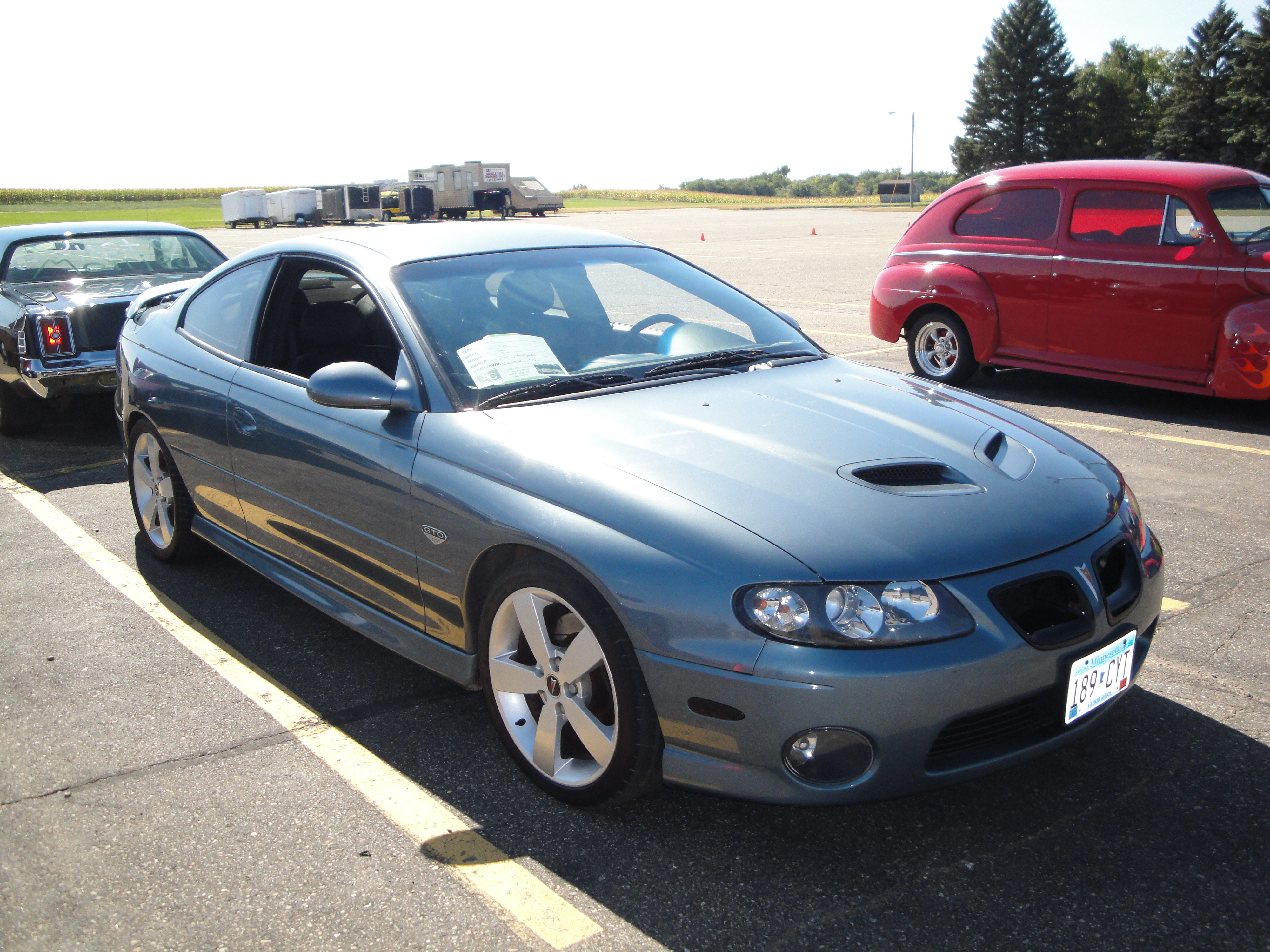
Pontiac Gt
"No. Pontiac GT. The Zuzu Impulse."
The Pontiac GTO is a muscle car, meaning it’s built for strong acceleration and performance. In the podcast, it’s mentioned because someone is clarifying the correct car name. It’s a well-known model among classic car enthusiasts.
The Pontiac GTO is a muscle car model associated with Pontiac’s performance era. In the podcast context, it’s mentioned alongside a correction about the name, indicating the conversation is about identifying the right car. It’s discussed because the GTO name carries strong recognition among classic performance-car fans.
Le Mans
"[2748.0s] Le Mans? [2749.0s] Yes."
Le Mans is a super famous long-distance race in France. Cars have to last for hours, so it’s not only about speed—it’s also about staying reliable.
Le Mans most commonly refers to the 24 Hours of Le Mans, a famous endurance race held in France. It’s known for long-duration reliability, pit strategy, and prototype/sports-car performance rather than just short sprints.

Pontiac Le Mans
"Yes. That little Korean-made Pontiac Le Mans? Yeah."
This is a Pontiac convertible that the podcast describes as a small and unusual car. The speaker is talking about it as something that’s not common or not what most people expect. The conversation focuses on the car’s odd identity and rarity.
The Pontiac LeMans GTO Convertible is being referenced as a small, unusual Pontiac with a specific identity mix in the conversation. The podcast context calls it “Korean-made,” which suggests the speaker is describing a particular variant or misunderstanding about origin while focusing on the car’s rarity and oddness. It’s discussed because it’s not a typical mainstream car and stands out due to its unusual background and configuration.
Lars Andersen
"[2770.0s] So, Felipe, you're going to be at Lars Andersen. [2772.0s] At Lars Andersen. [2773.0s] Thanks for getting us back on track."
Lars Andersen is a popular car creator/event host. The conversation is basically saying Felipe will be there at his event.
Lars Andersen is a well-known automotive YouTuber and event personality, and “Lars Andersen” here is being used as the name of an appearance/event. The hosts are setting up where Felipe will show up next.

Ferrari 400
"Do you think a Ferrari 400 is going to come? There was one. I was there."
The Ferrari 400 is an older Ferrari model that’s extremely rare today. The conversation is basically about whether one might show up for sale or be mentioned, because it’s not something you see often.
The Ferrari 400 is a rare, late-1970s/early-1980s-era Ferrari model that’s mostly discussed as a collector curiosity rather than a common road car. In this segment, the hosts are debating whether one will appear, which highlights how scarce and hard-to-find it is compared with more frequently traded Ferraris.

Ferrari 550
"There's 550, which we sold on cars and bids, actually, later on. Really?"
The Ferrari 550 is a well-known older Ferrari with a V12 engine. In the chat, they’re saying they’ve actually sold one through auctions, so it’s a real car people can buy and sell.
The Ferrari 550 is a mid-engine V12 Ferrari from the late 1990s/early 2000s, known for its high-revving character and strong collector demand. Here, it’s referenced as a car the speaker previously sold via auctions, reinforcing that it’s a real, tradeable model rather than a rumor.
federalized
"But I'm sure if there were one that would show... You know, there's two guys... Calgary. The car was federalized."
“Federalized” means a car that wasn’t originally built for the U.S. was made legal to drive in the U.S. That usually requires meeting U.S. rules for things like emissions and safety.
“Federalized” means modifying and certifying a non-U.S. vehicle so it can be legally registered and driven in the United States. Typically this involves meeting U.S. safety/emissions requirements (often via paperwork, equipment changes, and inspections), which is why it comes up when discussing cars that originated in Canada or elsewhere.
Lars Anderson Museum
"Folks, come to the Lars Anderson Museum just to put him out of his misery."
This is a car museum tied to Lars Anderson. The hosts are joking that people should go there to see the guest’s project or story in person.
The Lars Anderson Museum is a car museum in the U.S. associated with Lars Anderson, known for collecting and displaying unusual and historically significant vehicles. In this segment, it’s mentioned as the place where the guest will be “promoted” or showcased.
Ian Callum
"Ian Callum re-did the..."
Ian Callum is a famous car designer from the UK. In this discussion, he’s mentioned as part of the creative side behind these modernized classic-car builds.
Ian Callum is a well-known British automotive designer, associated with high-end, design-led sports cars and coachbuilding-style projects. Here, he’s referenced as being involved in reworking the concept being discussed, tying into the broader “modern classic” restomod trend.
Singerized
"Right. They've singerized blah, blah, blah, sing, blah, blah, blah."
“Singerized” is a slang term derived from Singer Vehicle Design, used to describe restomod-style builds that follow Singer’s approach: modern engineering and materials applied to an older Porsche. In the segment, it’s used to criticize how many imitators copy the formula without matching Singer’s execution.
restoration
"They've tried to make Resto Mod new but old versions of... 2934.0s Now it's like dozens of different cars."
They’re talking about the difference between restoring a classic car to stay close to original versus modifying it with modern upgrades. The point is that copying the idea isn’t the same as doing it well.
The segment contrasts “restomod” attempts with older “new but old versions” of cars, implying a spectrum between keeping a car stock (restoration) and heavily modernizing it. The hosts are arguing that doing it well is difficult, even when companies copy the look and idea.
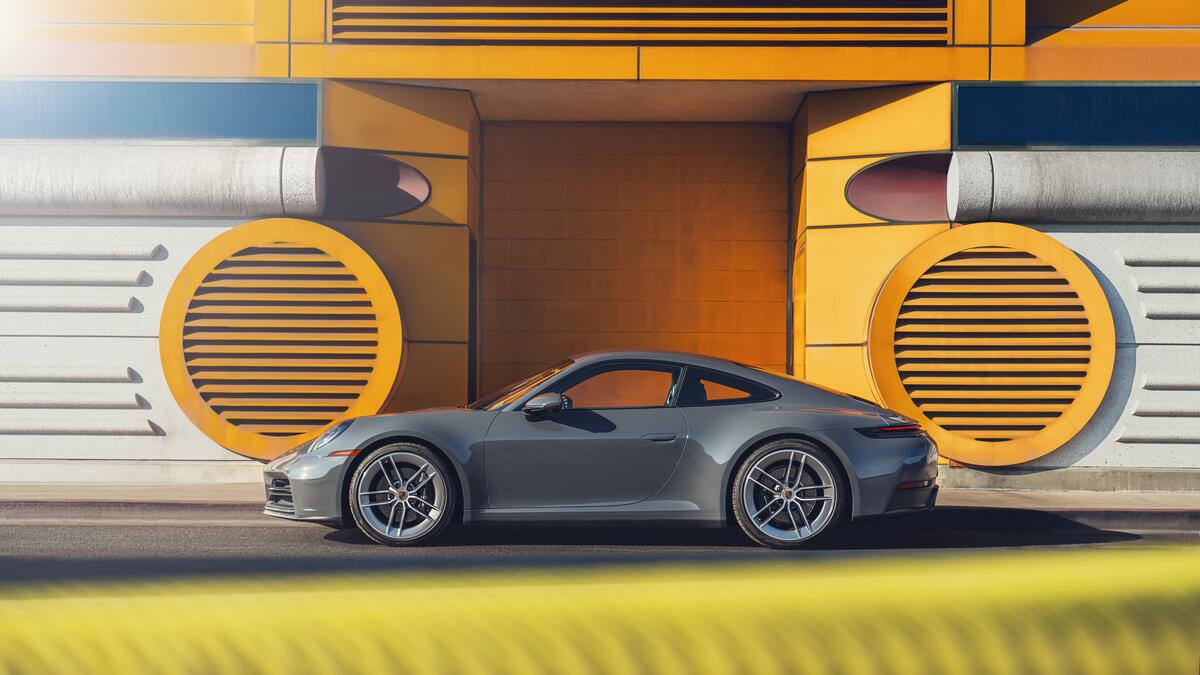
Porsche 911
"In fact, I have an entire list on my phone dedicated to Porsche because there's so many companies that do it and pop up every day where they take some air-cooled 911, do some vague modifications to it and charge $750,000 for it, and people pay it."
The Porsche 911 is a classic sports car that a lot of restomod companies use as a starting point. Here, they’re saying people buy an older air-cooled 911 and then pay huge money for upgrades.
The Porsche 911 is the iconic air-cooled sports car platform that many restomod companies start with. In this segment, the hosts specifically mention “air-cooled 911” builds that get vague modifications and high pricing, using the 911 as the most common restomod donor car.
air-cooled 911
"where they take some air-cooled 911, do some vague modifications to it and charge $750,000 for it, and people pay it."
“Air-cooled” means the engine is cooled mainly by air passing over it, not by coolant in a radiator. Older air-cooled 911s are a common base for expensive classic-car upgrades.
An “air-cooled” engine uses airflow over the engine to remove heat instead of relying on a liquid coolant system. The air-cooled Porsche 911 era is especially popular for restomods because it has a distinct mechanical character and enthusiast following.
wiring harness
"And they solved a couple of them. That's great. So they solved, like, they changed the wiring harness. I think the engine does come out more easily."
The wiring harness is basically the car’s electrical “wire bundle.” If it’s changed, it usually means the original wiring had a problem—like a connection or routing issue—that could lead to failures or dangerous overheating.
A wiring harness is the bundled set of wires and connectors that distributes power and signals to the car’s electronics. Changing the wiring harness is a common fix when early cars have electrical faults that can cause intermittent failures or, in severe cases, overheating and fires.
chain drive system
"I asked the engineers, I said, so did you guys consider a chain drive system or something like that, so you, you know, don't have to take the engine out? Because all the things catching on fire, that is one of the big issues it's known for."
A chain drive system is a way to transfer power using a chain. They’re bringing it up as an idea that might make repairs easier—so you wouldn’t have to pull the engine as often.
A chain drive system uses a chain (instead of gears or a belt) to transmit mechanical power between components. The host is suggesting a chain-based layout could reduce the need to remove the engine for certain service operations, improving maintainability.
catching on fire
"Because all the things catching on fire, that is one of the big issues it's known for."
They’re talking about a serious problem where the car can ignite. They connect it to electrical issues, which is why changes like updating the wiring harness matter.
“Catching on fire” refers to a severe safety failure where heat or an electrical fault ignites materials in or around the engine bay. The segment frames it as a known issue and connects it to the earlier discussion about electrical fixes like the wiring harness.

Ferrari 355
"in my view, and I haven't driven one in fairness, but in my view, there are two things that 355 has to do. It has to look good and has to sound good."
The Ferrari 355 is a classic Ferrari from the 1990s with a mid-mounted engine. Here, the host is basically saying the original 355 already looks and sounds great, and that changes made to it didn’t really make it better.
The Ferrari 355 is a mid-engine Ferrari from the 1990s known for its V8 layout and iconic styling. In this segment, Doug DeMuro focuses on how the car’s look and sound are central to its appeal, and he argues that later styling changes didn’t improve the original 355’s design.
Ferrari 280 TTO
"The F40, I mean, oh, yeah. The 280 TTO. And like the rear lights, I think is cool."
The Ferrari 280 TTO is a historic Ferrari race car from the early era of modern racing. The host is using it as a style reference—suggesting the rear lighting and details feel like they belong on a classic Ferrari racer.
The Ferrari 280 TTO is a legendary late-1950s/early-1960s racing Ferrari, best known for its aerodynamic bodywork and competition heritage. In this segment, it’s mentioned alongside other rear-light and styling references, implying the discussed design cues are inspired by classic Ferrari race-car aesthetics.
20 miles an hour
"But the other thing is the gauges, you know, they famously like are showing 20 miles an hour and like still does that."
They’re talking about the speedometer gauge design. Even though the car might be updated, it still keeps an old-school look—like showing “20 mph” in the same way it used to.
This refers to a gauge/cluster design choice where the speedometer is marked in a way that still shows “20 mph” as a notable reference point. It’s a styling/heritage cue—keeping the look and feel of an older dashboard rather than modernizing everything.
Request an Explanation
Heard something you'd like explained? We'll add it to this episode.
Sign in to request explanations for terms you heard.
Want to learn more?
Browse our glossary for plain-English explanations of automotive terms, jargon, and concepts.
Help improve this episode
See something that's not quite right? Our annotations are AI-generated and can sometimes miss the mark. Click the flag icon on any annotation to suggest a correction.