The Most Reliable Porsche You Aren’t Buying
About this episode
Porsche service director Angelo Scuderi joins Derek for a practical, opinionated look at the most reliable modern Porsche sports cars for daily driving. He makes a strong case for the Cayman as the best all-around bet, especially the 987.2 for value, simplicity, and low drama, while also praising the naturally aspirated 991.1 911 as a solid, dependable choice if you want more performance. The conversation also touches on how to drive these cars properly, the cost of ownership, and Angelo’s own passion project: a 1979 930 he rescued and restored.
Is the Porsche community sleeping on the best daily driver ever made? In this episode of ElevenAfterNine, I’m joined by my "brother from another mother," Angelo Scuderi.
Angelo isn't just a Porsche enthusiast; he’s the Service Director at Porsche of Nashua and a Goldmeister Master Mechanic. He’s the guy I trust with my own cars, and today, he’s dropping some serious truth bombs that might make you rethink your next purchase.
In this episode, we dive into:
- The "Zero-Failure" Engine: Why Angelo has never had to tear down a 4-cylinder 718 motor in all his years at the dealership.
- The Daily Driver Myth: Why the 987.2 Cayman might be the best "bang-for-your-buck" Porsche on the planet.
- 930 Turbo vs. The World: I tell Angelo why his dream 1979 Turbo is a "beautiful piece of crap" (and he explains why I’m wrong).
- Maintenance vs. Oil Changes: The critical distinction every owner needs to understand to save their engine.
- The Death of the Manual: Why the manual transmission is disappearing and what it means for the secondary market.
Whether you're looking for your first Porsche or you're a seasoned Rennlist regular, this conversation is about the real-world usage of these machines—not just the spec sheets.
HELP SPREAD THE WORD I’m focused on creating the best content possible for the "regular" Porsche enthusiast, which means I don't have a ton of time for social media marketing! If you enjoyed this conversation, please:
- Share a link in your local PCA WhatsApp group.
- Drop a post on the forums (Rennlist, Pelican Parts, etc.).
- Subscribe and hit the bell so you don't miss next Tuesday’s episode.
CONNECT WITH ELEVENAFTERNINE
- YouTube Main Channel: ElevenAfterNine
- Instagram: @theElevenAfterNine
- Email: [email protected]
- Website: ElevenAfterNine.com
#Porsche #Cayman #718 #911 #930Turbo #PorscheMaintenance #ElevenAfterNine #CarPodcast #Goldmeister
Hosted on Acast. See acast.com/privacy for more information.
The Most Reliable Porsche You Aren't Buying
"Podcast: Eleven After Nine | A Porsche Culture Podcast Episode: The Most Reliable Porsche You Aren’t Buying ..."
The episode is about finding a Porsche that’s known for being reliable, but that most people don’t think to buy. The goal is to help listeners choose smarter based on what actually holds up.
This episode title frames the discussion around identifying a Porsche model that tends to be dependable but may be overlooked by buyers. That’s a useful “buyer’s lens” topic because it shifts attention from hype to real-world ownership experience.
Porsche of Nashua
"...he is the service director at Porsche of Nashua, and he is a goldmeister, master mechanic with Porsche. And so he's been the brain trust that I've relied on..."
That’s the Porsche dealership in Nashua where Angelo works. Since he runs the service department, he’s likely seen the same problems (and fixes) on lots of Porsches over time.
“Porsche of Nashua” is the dealership where Angelo Scuderi works as a service director. For listeners, this matters because dealer service teams often see common Porsche issues firsthand and can speak to real-world reliability and maintenance patterns.
goldmeister
"...he is the service director at Porsche of Nashua, and he is a goldmeister, master mechanic with Porsche. And so he's been the brain trust that I've relied on..."
“Goldmeister” is Porsche’s way of recognizing top-level technician skill. It’s basically a credential that says the mechanic has been trained and proven to work on Porsches at a high level.
“Goldmeister” is a Porsche technician certification/recognition that indicates a high level of training and expertise. When someone is described as a “goldmeister, master mechanic with Porsche,” it signals they’ve met Porsche’s standards for technical competence.
service director
"...he is the service director at Porsche of Nashua, and he is a goldmeister, master mechanic with Porsche. And so he's been the brain trust that I've relied on..."
A service director oversees a dealership’s service operation—staffing, workflow, customer communication, and quality control. In a reliability-focused episode, that role is relevant because it connects directly to how cars are diagnosed, repaired, and tracked over time.
master mechanic
"...he is the service director at Porsche of Nashua, and he is a goldmeister, master mechanic with Porsche. And so he's been the brain trust that I've relied on..."
A “master mechanic” is an expert-level technician who’s been trained to handle complex repairs. It suggests Angelo has a lot of hands-on experience diagnosing and fixing Porsches.
“Master mechanic” generally refers to a top-tier technician designation, often tied to manufacturer training and experience. In this context, it supports the episode’s premise that the guest can speak credibly about which Porsche models are more reliable based on real service work.
daily driver myth
"And they said, first question, Angelo daily driver myth, which modern Porsche is actually the most reliable for someone putting on 10,000 plus miles a year?"
They’re basically asking: is there a common belief that Porsches aren’t good for everyday driving? And they want to know which one is actually reliable if you drive it a lot each year.
The hosts are challenging the idea that a “daily driver” Porsche must be a certain kind of model or that reliability is automatically worse than it really is. They’re framing the question around real-world ownership—especially high annual mileage—and asking which Porsche actually holds up.
10,000 plus miles a year
"...which modern Porsche is actually the most reliable for someone putting on 10,000 plus miles a year?"
They’re talking about reliability for someone who drives a lot—like 10,000 miles a year or more. If you rack up miles, you find out faster whether a car truly holds up.
This frames reliability in terms of real usage rather than low-mileage ownership. High annual mileage increases the importance of avoiding chronic issues and keeping up with maintenance, because small problems show up sooner.

Porsche Cayenne
"Because it's like, well, Cayenne, dummy or Panamera, we're filling the blank."
They briefly bring up the Porsche Cayenne as another model people might consider. Then they decide to focus on sports cars instead.
The hosts briefly mention the Porsche Cayenne as a possible “fill in the blank” answer before steering the discussion toward sports cars. It’s an example of how Porsche’s lineup includes SUVs that can be considered for daily driving and reliability comparisons.

Porsche Panamera
"Because it's like, well, Cayenne, dummy or Panamera, we're filling the blank."
They mention the Porsche Panamera as a possible answer, but they don’t want to compare sedans/SUVs for this question. They want to talk sports cars instead.
The Porsche Panamera is mentioned as another candidate in the reliability question, but the hosts pivot away from sedans and SUVs. The mention helps set up the episode’s focus on sports cars as the comparison group.
set of snows
"...you find a nice reasonably used... Cayman's are cheaper... So, you can rip one of those... year round if you wanted to, honestly, with a set of snows..."
They’re saying you can drive it year-round if you use winter tires. Winter tires grip the road much better in snow and cold weather.
The hosts suggest using a set of winter tires (“snows”) to make the Cayman usable year-round. Winter tires improve traction in cold, snow, and slush, which is especially relevant for a sports car that might otherwise be limited seasonally.
sunroof
"...with a set of snows... It would be completely fine. It's got no sunroof."
They point out the car has no sunroof. Sunroofs have extra parts and can sometimes cause leaks or rattles, so a car without one can be simpler to own.
The host notes the Cayman “has no sunroof,” implying a reliability/ownership advantage. Sunroofs add moving parts and potential leak points, so deleting them can reduce complexity and maintenance headaches.
water leaks
"You almost never have to worry about water leaks. You never have to worry about, pretty much, anything that typically goes wrong if people aren't maintaining them."
Water leaks are when rain or moisture gets into the car where it shouldn’t. The hosts are saying this particular Porsche setup is unlikely to have that kind of problem, which helps reliability.
“Water leaks” refers to moisture intrusion into the cabin or interior components, often caused by failed seals, gaskets, or drainage issues. The hosts claim you “almost never” have to worry about water leaks in this context, framing it as part of why the car is low-stress to own.

Porsche Cayman
"And on top of that, being that it's a Cayman versus a 9-11, it's going to be less expensive to maintain as well, because there's just less going on with it. ... What generation Cayman would you pick? ... So as far as just a cost factor and injection enjoyment, you'd probably find one of those for better bang for the buck."
A Porsche Cayman is Porsche’s mid-engine sports car (a coupe). The hosts are saying it’s often easier and cheaper to own than a 911 because there’s less going on mechanically. They also talk about which Cayman generation is the best value.
The Porsche Cayman is the mid-engine coupe in Porsche’s lineup, closely related to the Boxster roadster. In this segment, the hosts discuss why a Cayman can be cheaper and simpler to maintain than a 911, and they debate which Cayman generation is the best balance of reliability and cost.
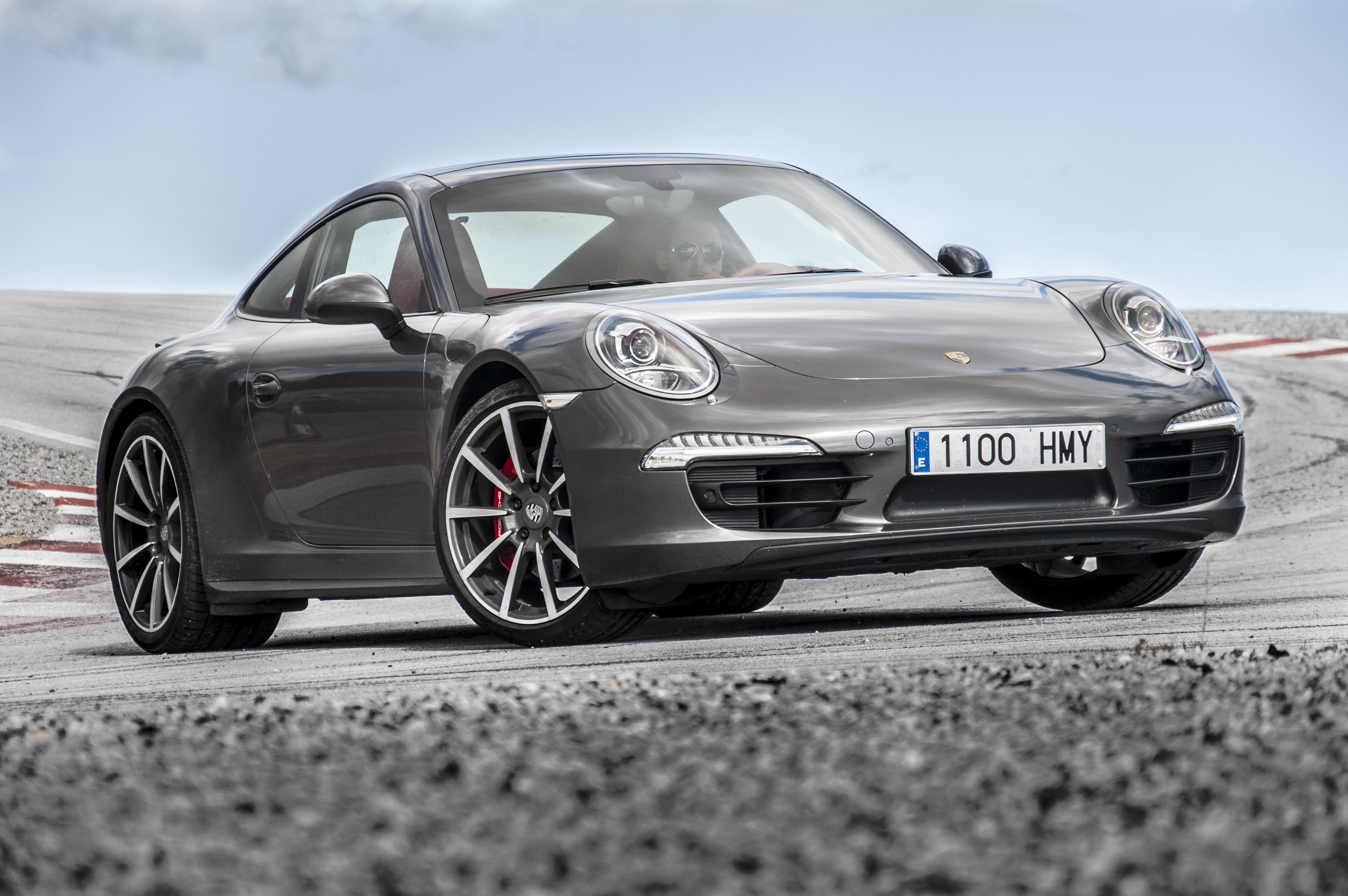
Porsche 911
"And on top of that, being that it's a Cayman versus a 9-11, it's going to be less expensive to maintain as well, because there's just less going on with it. ... Do you think that the 981, which is for years like say 2012 and a half to 2016, do you think that's a less reliable car or is it just like a size thing?"
The Porsche 911 is Porsche’s famous sports car. In this discussion, they’re basically saying it can cost more to keep running than a Cayman because there’s more complexity.
The Porsche 911 (referred to here as “9-11”) is Porsche’s iconic rear-engine sports car. The hosts compare it to the Cayman, arguing the 911 can be more expensive to maintain because it has more complexity and more things that can go wrong if neglected.
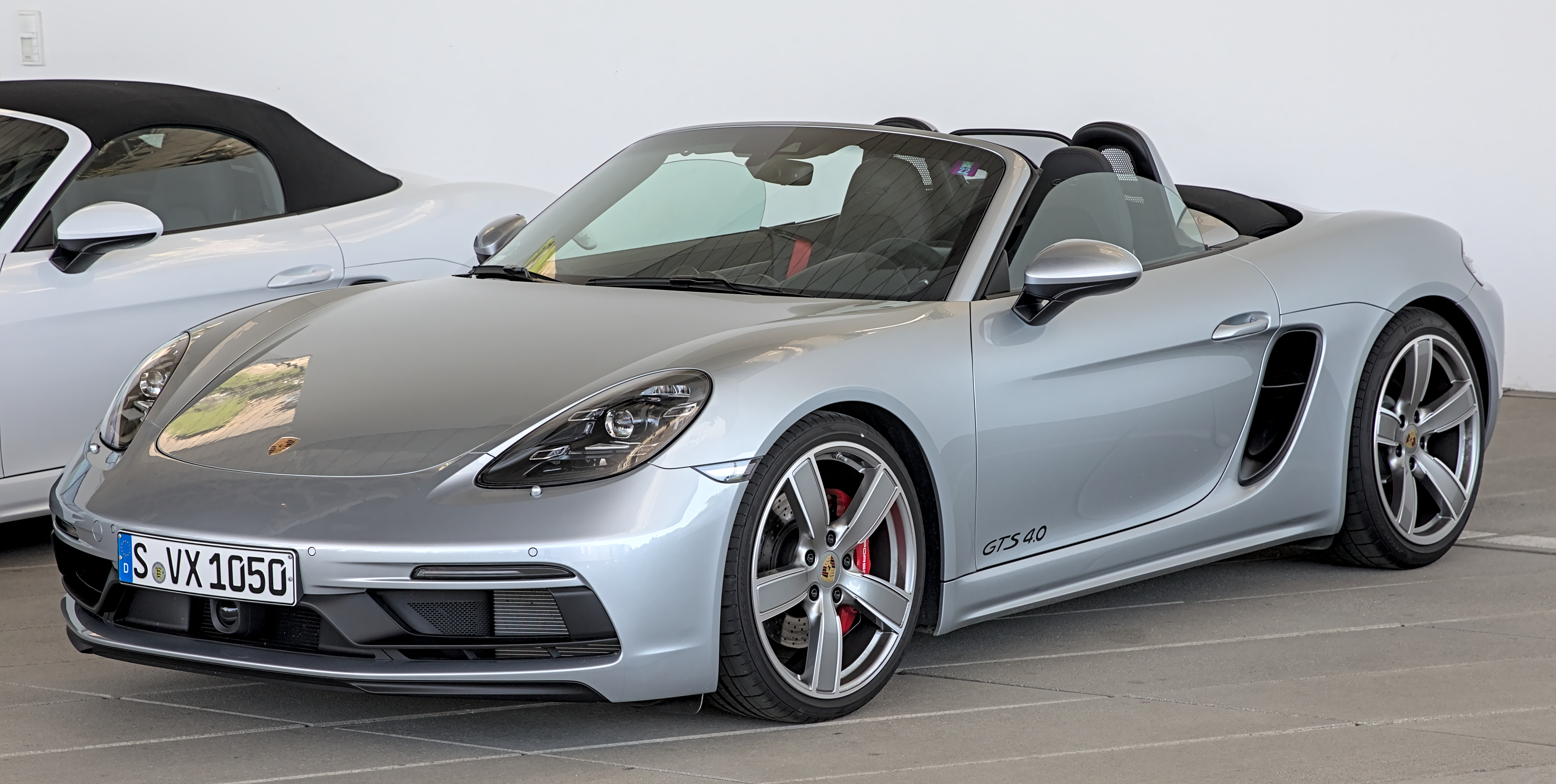
Porsche Boxster
"...t one. It was a dot one, basically the same as a Boxster, everything honestly identical, other than it's a..."
The Porsche Boxster is a Porsche sports car with the engine placed in the middle of the car. It’s designed for open-top driving and sporty handling. People bring it up because it’s a common way to get into Porsche ownership without stepping into the most expensive or complex model.
The Porsche Boxster is Porsche’s mid-engine roadster, built around the idea of delivering the feel of a sports car with a more approachable layout than the 911. It’s often discussed alongside other Porsche models because it shares many engineering principles and can be a practical entry point for enthusiasts. In the podcast context, it’s mentioned as a reference point for what a “dot one” is essentially like—suggesting close similarity in design and purpose.
direct injected
"And the only reason I say dot two is because, especially if you're looking like an ass, right, it's direct injected. It's got some of the nicer updates with the headlights are a little bit nicer, the taillights are LED versus just incandescent bulbs."
Direct injection means the fuel is sprayed straight into the engine’s cylinders. The hosts are saying this is one of the updates that can make the car feel more advanced.
“Direct injected” refers to direct fuel injection, where fuel is sprayed directly into the combustion chamber rather than into the intake tract. The hosts mention it as part of what makes the Cayman “dot two” feel more modern and desirable.
LED
"It's got some of the nicer updates with the headlights are a little bit nicer, the taillights are LED versus just incandescent bulbs. ... It just looks a little bit more modern without the expense of getting into a 981 generation Cayman."
LEDs are a type of light technology used in the car’s lights. They usually last longer and can look brighter than older bulb types, which is why the hosts mention them as an upgrade.
LED tail lights use light-emitting diodes, which typically provide brighter illumination and longer service life than older incandescent bulbs. Here, the hosts cite LED taillights as one of the “nicer updates” that helps the Cayman look more modern.
incandescent bulbs
"It's got some of the nicer updates with the headlights are a little bit nicer, the taillights are LED versus just incandescent bulbs. It just looks a little bit more modern without the expense of getting into a 981 generation Cayman."
Incandescent bulbs are the older kind of light bulbs that use a filament. The hosts are saying LEDs are the newer upgrade compared to these.
Incandescent bulbs are the older-style light bulbs that use a heated filament to produce light. The hosts contrast them with LED taillights, implying the LED-equipped Cayman feels more modern and may be less hassle over time.
bang for the buck
"So as far as just a cost factor and injection enjoyment, you'd probably find one of those for better bang for the buck."
“Bang for the buck” just means getting good value—getting a lot of what you want without spending the most money. They’re saying an earlier Cayman can be the smarter buy.
“Bang for the buck” is a value concept meaning you get the most satisfaction or capability for the money spent. In this segment, the hosts apply it to choosing an older Cayman generation that delivers desirable updates and ownership confidence without paying the premium of newer models.

Porsche 981
"The 981 would probably be a better car, but you're also adding, you know, 1520 grand for, I don't know if it's 1520 grand more of a car, you know? Yeah, it's a great car."
“981” is Porsche’s code name for a generation of Boxster/Cayman. People like it because it tends to feel more modern and easier to live with than older ones, while still being a true Porsche to drive.
The Porsche 981 is the internal code for the Boxster/Cayman generation that came after the 987. It’s often considered a sweet spot for driving feel and modern usability compared with older 987-era cars, which is why it comes up in “best value” reliability discussions.
daily driver-ness
"Do you do you feel like the 987 from 09 to 012? Is it a better driver too for your daily driver-ness? It's just if you like that connected feel, if you like, it's just a smaller feeling car when you're in it."
This phrase just means “how good is it for everyday driving.” They’re talking about whether the car feels easy and enjoyable to use regularly, not just impressive on a drive.
“Daily driver-ness” is shorthand for how well a car fits everyday use—comfort, ease of living with, and how manageable it is day-to-day. In this segment, it’s tied to the idea of a “connected feel” and a cabin that feels smaller and more engaging.
depreciation vs value jump
"I mean, all Porsches are getting really expensive and it seems like by the week they're jumping up in value. And you just picked a 15-year-old car that you'd still daily drive, which obviously speaks to the model and the brand."
They’re talking about how Porsche prices in the market keep going up. That matters because it changes which used Porsches feel like a good deal.
The hosts note that “all Porsches are getting really expensive” and that values are “jumping up,” which is about market pricing behavior rather than mechanical reliability. For buyers, rising prices can shrink the pool of “reliable but affordable” options and change what “best value” means.
NA
"Why that? It's NA. I'm still, I mean, don't get me wrong, I love turbos."
“NA” means the engine breathes on its own without a turbo. Because there’s less hardware involved, it can be easier and sometimes cheaper to live with day to day.
“NA” means naturally aspirated, i.e., the engine makes power without a turbocharger or supercharger. In general, naturally aspirated engines can be simpler and sometimes less expensive to maintain than forced-induction setups, which is why the hosts connect NA to daily-driver reliability and cost.
all-wheel drive
"But then you got to deal with all-wheel drive. You got to deal with extra servicing when it comes to the front diff and everything else."
All-wheel drive means the car can send power to more than two wheels for better grip. The downside is it can have more parts that need maintenance, which can cost more over time.
All-wheel drive (AWD) sends power to more than just the rear wheels, improving traction but adding drivetrain complexity. The hosts specifically tie AWD to extra servicing needs, including work related to the front differential, which can increase the cost of ownership on used cars.
front diff
"You got to deal with extra servicing when it comes to the front diff and everything else. Because if we're talking used cars here, these are all things that may or may not have been done when you bought it."
The front diff is a part that helps send power to the front wheels. On an AWD car, it’s one more thing that may need fluid service or repairs, so it can affect what you’ll spend after buying used.
The “front diff” is the front differential, a gearbox that distributes torque to the front wheels in an AWD Porsche. Differential service can be overlooked on used cars, so the hosts are warning that you may need to pay for maintenance that the previous owner didn’t do.
drive it like it should be driven
"And then you just go for a rip in one and actually drive it like it should be driven. You would not be disappointed."
This phrase is about using the car as intended—accelerating, braking, and cornering with purpose rather than treating it like a commuter. In enthusiast circles, it’s often used to show that a “normal” spec can feel dramatically more exciting when driven dynamically.
320 horse
"It's like 320 horse in that maybe something like that? ... That was right on 320."
They’re talking about horsepower—how much power the engine makes. The discussion is basically: even around 320 hp, a Porsche 911 can still feel incredibly quick when you drive it.
“320 horse” is shorthand for about 320 horsepower, a common way enthusiasts talk about engine output. The hosts use it to argue that you don’t need huge power to have a car that feels fast and fun.
power band
"It's just the power band comes on a little later, right? So it definitely needs the RPMs to be up there."
Your engine has a range of engine speeds where it feels strongest. If the power comes on later, you usually have to rev it a bit more to get the car to feel right. That’s what they mean by needing the RPMs up.
The “power band” is the engine’s effective RPM range where it makes strong power and feels responsive. Turbo cars and different 911 variants can have power that arrives earlier or later, which changes how you should drive them. The hosts are discussing how this particular car’s power band comes on later than an “S,” so you need to keep RPMs up.
RPMs
"So it definitely needs the RPMs to be up there. But once you get the feeling of how it's supposed to be driven, you just find yourself getting into that, that motion of how it should be."
“RPMs” (engine revolutions per minute) are a key part of how you drive a performance car. Keeping RPMs higher can place the engine in its most responsive range, especially when power arrives later. Here, the speaker ties RPM management directly to how the car’s power band behaves.
non-runner
"No, it was just a non-runner. I mean, it really wasn't a basket case. Honestly, if it was kind of like that dream bar and find because it hadn't been abused, it hadn't been modified."
A “non-runner” is a car that doesn’t run on its own right now. Angela’s point is that it wasn’t wrecked or modified—it just had problems that stopped it from working. That can make it cheaper, but it usually takes work to get it back.
A “non-runner” is a car that won’t start or operate under its own power, often due to mechanical or electrical issues. In this segment, Angela describes her Porsche as a non-runner that still had an original, unmodified body—meaning it wasn’t abused, but it likely needed troubleshooting and repair. This is a common path for enthusiasts seeking reliability and originality without paying for a fully sorted car.
second gear started to grind
"And the previous owner honestly stopped driving it because second gear started to grind and he didn't want to abuse the car anymore."
“Second gear started to grind” suggests a transmission or gearbox issue, often related to synchronizers, clutch adjustment, or internal wear. Grinding typically indicates the gears aren’t engaging smoothly, which can worsen quickly if driven hard. The speaker notes the previous owner stopped driving because of it, implying it was a clear reliability red flag.
paint correction
"And COVID actually gave me the time to redo the entire exterior. [825.0s] I kind of taught myself how to do like a three point, just like paint correction, you know, nothing crazy."
Paint correction is basically polishing the car’s paint to make it look smoother and shinier. It fixes minor scratches and swirl marks without having to repaint everything.
Paint correction is the process of removing surface defects from a car’s paint, usually using polishing compounds and pads. The goal is to restore gloss and clarity and reduce things like swirl marks and light scratches without repainting the whole car.
motor out
"So that was it. [837.7s] So everything. [838.1s] Motor out, completely rebuilt the motor, right?"
“Motor out” means the engine is taken out of the car. Mechanics do this when the job is big enough that they need full access to everything around the engine.
“Motor out” means removing the engine from the car to access components that are otherwise hard to reach. It’s a sign of deeper work—often used for full rebuilds, major repairs, or when the engine bay needs to be completely refreshed.
completely rebuilt the motor
"So everything. [838.1s] Motor out, completely rebuilt the motor, right? [841.0s] Took it down to the crank to tasteful rebuild."
A complete engine rebuild means the engine internals are taken apart, checked, and rebuilt with new or refreshed parts. It’s done to fix wear and make the engine run like it should.
A complete engine rebuild typically replaces or re-machines worn internal parts and reassembles the engine to restore reliability and performance. In Porsche culture, this is often done when a car has been neglected, has high mileage, or when the owner wants a known baseline before further upgrades.
took it down to the crank
"Motor out, completely rebuilt the motor, right? [841.0s] Took it down to the crank to tasteful rebuild. [845.8s] You know, originally when I got the car, I wanted it to be this crazy."
Taking it down to the crank means the rebuild got into the engine’s bottom end. That’s where the main moving parts are, so it’s a more serious level of work.
Going “down to the crank” means the rebuild reached the bottom end of the engine, where the crankshaft and related bearings/rotating assembly live. This usually implies the builder addressed wear at the core rotating components, not just surface-level fixes.
five, six hundred horsepower
"You know, originally when I got the car, I wanted it to be this crazy. [849.0s] I wanted to make a five, six hundred horsepower like monster car. [852.9s] Yeah."
They’re talking about aiming for a very high power number—around 500 to 600 horsepower. Getting there usually takes more than just maintenance; it typically requires upgrades to the engine and airflow system.
“Five, six hundred horsepower” refers to a target power level that typically requires significant performance modifications beyond basic maintenance. For many Porsches, reaching that range often means forced induction (turbo/supercharger) or extensive engine and supporting upgrades, depending on the starting platform.
low compression motor
"“So when it's, so it's a low compression motor, you know, this was Porsche's go at adding turbocharged.”"
Lower compression means the engine squeezes the air-fuel mixture less than usual. Turbochargers raise pressure, so lower compression helps the engine avoid pinging/knock. The downside is it may feel less lively when you’re not boosting yet.
A “low compression motor” means the engine’s compression ratio is reduced. For turbocharged engines, lower compression helps prevent knock (detonation) when boost increases cylinder pressure. The result is usually safer boost operation, but it can make the engine feel weaker when you’re not on boost.
non assisted steering
"“So around town with, you know, your non assisted steering, you really, it was, it wasn't like a very peppy car.”"
“Non assisted steering” means the steering system doesn’t use power assistance (no hydraulic/electric power steering). That typically increases steering effort, especially at low speeds, and can make the car feel heavier or harder to maneuver in town. It’s a feel-based change that can strongly affect daily drivability.
on boost
"“You really had to kind of like push it to try to keep it in that almost on boost thing.”"
“On boost” means the turbo is actually working and pushing extra pressure into the engine. If you’re not on boost yet, the car can feel slower because the turbo hasn’t built up pressure. That’s why you might have to rev it or drive more aggressively to keep it feeling responsive.
“On boost” refers to the turbocharger producing significant boost pressure. Before boost builds, a turbo engine can feel slower because exhaust gas hasn’t yet spun the turbo enough to create the extra airflow and power. This is why some turbo cars feel less “peppy” around town unless you drive them to keep the turbo active.
on ramps
"So, so then the brilliance of this car was your on ramps. So where I was living in Massachusetts, you get on the on ramp."
An on-ramp is the short road you use to get onto the highway. It’s where you have to accelerate quickly so you can merge with traffic, so the car’s acceleration and shifting feel really noticeable.
On-ramps are short acceleration lanes that force you to merge quickly into faster traffic. How a car responds under throttle—especially at low speeds and during upshifts—matters a lot on ramps because you’re trying to build speed fast before merging.
four speed car
"I had a four speed car, which you do as well. And you'd lay into the gas and that thing, the classic light switch."
A “four-speed” means the car has four forward gears. With fewer gears, you often shift more to keep the engine pulling hard, especially when accelerating.
A “four-speed” car has a transmission with four forward gears. Fewer gears can make acceleration feel more dramatic because you’re more likely to be shifting frequently to keep the engine in its power band.
lay into the gas
"And you'd lay into the gas and that thing, the classic light switch. Yeah. Oh yeah."
“Lay into the gas” just means pressing the accelerator hard. That makes the engine rev up and the car accelerates quickly.
“Lay into the gas” means stomping the accelerator to request maximum throttle. In older manual or simple automatic setups, that typically brings the engine quickly into higher RPM, which can make the car feel like it “jumps” forward before the next upshift.
shift into second
"And it's just like, and then you shift into second. And you're just like, all of a sudden you start passing all the cars on the highway and you're still on the on ramp."
Shifting into second is the next gear after first. It helps the car keep accelerating instead of bogging down.
Upshifting into second gear is an early acceleration step that keeps the engine in a useful RPM range. The point being made is that the car’s gearing and throttle response let it keep pulling strongly even while still on the on-ramp.
shift into third
"Then you slam it into third. And if you got pulled over by the Massachusetts state, you were probably going to jail."
Shifting into third is another upshift during acceleration. It’s part of how the car keeps speeding up as the RPM changes.
Shifting into third gear is typically the next step after second during acceleration. The transcript uses it to describe how quickly the car builds speed and how the driver manages RPM drops and gear changes to keep momentum.
slam it into third
"Then you slam it into third. And if you got pulled over by the Massachusetts state, you were probably going to jail."
“Slam it into third” means you shift very aggressively to get more acceleration. It’s the kind of driving that keeps the car pulling hard instead of slowing down during the shift.
“Slam it into third” describes an aggressive, fast upshift under heavy throttle. In a manual car, that usually means the driver is rev-matching and getting the car back into the power band quickly; in an automatic, it implies a hard kickdown/rapid shift strategy.
shifted into fourth
"And so you quickly shifted into fourth and then the revs dropped down. And then you get in the middle lane and you're driving a Honda record with heavy steering."
Shifting into fourth is going to a higher gear. Higher gears usually make the engine spin slower (lower revs) while you keep going faster.
Shifting into fourth gear is the higher-gear step in a four-speed transmission, usually used once speed is up. The comment about revs dropping highlights the typical effect of upshifting: RPM decreases while the car continues moving faster.
use case
"I always talk about use case, right? ... what's your use case?"
“Use case” just means what you’ll use the car for. If you mostly drive twisty roads and enjoy higher revs, you should pick a car that feels good in that situation—not one that only looks great on paper for straight-line speed.
“Use case” is the idea that the “right” car depends on how you’ll actually drive it—your roads, your habits, and what you value. In this segment, it’s used to argue against judging a car only by performance metrics like acceleration.
930
"I'm grateful to the 930 because it told me the kind of driver that I wanted to be in terms of what made me happy... I'm not a straight line speed guy... I'm a back roads, high RPM, you know, really worked the car type of driver."
“930” is Porsche’s 911 Turbo. The point here is that the host likes the way it drives on twisty roads and at higher engine speeds, not just how fast it can sprint in a straight line.
“930” refers to the Porsche 911 Turbo (the 930 generation). The host uses it as an example of choosing a car based on how you actually like to drive—back roads and high-RPM feel—rather than chasing straight-line speed or 0–60 times.
0 to 60
"I'm not a straight line speed guy. I'm not a zero to 60 guy. I'm a back roads, high RPM..."
“0 to 60” is how fast a car gets from standing still to 60 mph. It’s a simple speed test, but it doesn’t tell you how fun or responsive the car feels on real roads.
“0 to 60” is a common performance benchmark measuring how quickly a car accelerates from a stop to 60 mph. The host contrasts it with the kind of driving he prefers, implying that acceleration numbers don’t capture the full driving experience.
head studs
"So first and foremost, one of the most like common things on those to fail... head studs. They actually would snap..."
Head studs are strong bolts that hold the engine’s cylinder head onto the engine block. If they fail, it can cause serious engine problems, so the material and heat they see matter a lot.
Head studs are the threaded fasteners that clamp the cylinder head to the engine block. The host explains a failure mode where studs could snap, and then ties it to material choice and thermal behavior between the intake and exhaust sides.
expansion rates
"They used dissimilar metals for the head studs on the intake side versus the exhaust side because they knew the temperatures would heat up differently... They were trying to make it..."
When metal gets hot, it expands. The exhaust side of an engine runs much hotter than the intake side, so engineers choose materials that expand in a more compatible way to reduce stress on the fasteners.
“Expansion rates” refers to how different materials grow in size as they heat up. The host’s point is that the exhaust side gets hotter than the intake side, so using dissimilar metals for the studs helps manage different thermal expansion and reduces stress that can lead to cracking or snapping.
always let it warm up
"Just like everyone tells you, always let it warm up because I think it gets you."
The host references the common practice of warming up an engine before revving. The underlying idea is to reduce thermal shock and allow components to reach operating temperature more evenly, which can help longevity.
tolerances
"The tolerances are so tight. They're so tight that they actually have to warm the motor up with the oil to get it to turn over to fire up."
Tolerances are the small gaps between moving engine parts. If those gaps are very tight, the engine can be hard to start when everything is cold, because the oil is thick and parts don’t move as easily.
“Tolerances” are the tiny clearances between engine parts that determine how freely they move. When tolerances are extremely tight, cold oil and cold metal can prevent parts from turning over until everything warms up and oil flows properly.
warm-up with oil to get it to turn over
"They actually have to warm the motor up with the oil to get it to turn over to fire up. Otherwise, it won't even fire up."
When an engine is cold, the oil is thick and doesn’t lubricate as well. Letting it warm up helps the oil flow and reduces friction so the engine can crank and start.
The idea is that cold engines need time for oil to circulate and thin out so moving parts can overcome tight clearances. In extreme builds (or very tight tolerances), warming the oil helps the engine rotate freely enough to fire.
turbo charging
"The whole thing with the studs was that they would break and was super common on turbos because they specifically did on those because of all the heat with the turbo charging."
Turbocharging uses exhaust energy to spin a turbine and push more air into the engine. More boost usually means more heat, so parts can wear or fail sooner if they aren’t designed for it.
Turbocharging forces more air into the engine using an exhaust-driven turbine, which increases heat and thermal cycling. That extra heat is why certain fasteners and components can experience higher stress and failure risk if the engine isn’t built and maintained for it.
ARP studs
"So, you know, I went crazy with ARP hardware. I did ARP studs all the way around."
ARP studs are stronger bolts/studs used in high-stress engine areas. People upgrade them to reduce the chance of parts loosening or breaking when the engine runs hot or makes more boost.
ARP is an aftermarket performance hardware brand known for stronger, more consistent fasteners. “Studs” in this context are typically engine head studs or similar high-stress mounting hardware, and upgrading them can help resist stretching or failure under high heat/boost.
ARP rod bolts
"I did ARP studs all the way around. I did ARP rod bolts."
Rod bolts hold the connecting rods to the crankshaft. Stronger bolts help the engine handle higher cylinder pressures without stretching or failing.
Connecting rod bolts clamp the connecting rods to the crankshaft and must withstand significant cylinder pressure. Upgrading to ARP rod bolts is a common strength-and-consistency move for engines that see high boost, heat, or performance tuning.
a company in Germany
"...I ended up going, I couldn't get new pistons for it. And at the time, I didn't have the money to do like a Mali 3.4 conversion on it... So I ended up finding a company in Germany that would actually make the pistons for them..."
They couldn’t get pistons from Porsche anymore, so they found a specialist in Germany to make them. It’s a reminder that older cars sometimes need aftermarket or custom parts to keep running.
The host describes sourcing pistons from a specialist manufacturer in Germany because OEM parts were no longer available. This highlights a common Porsche ownership reality: discontinued parts can force owners to use specialty suppliers or custom manufacturing.
parts discontinued by Porsche
"...because I couldn't get them from Porsche anymore. They basically discontinued everything. So I ended up doing that."
They couldn’t buy the parts new from Porsche anymore. When that happens, you may have to hunt for aftermarket or custom replacements, which can be more expensive and harder to find.
The host says Porsche discontinued the parts they needed, which is a major ownership consideration for older models. When OEM supply dries up, owners may need to rely on aftermarket sources, custom fabrication, or used parts—often at higher cost and with more uncertainty.
emissions out the tailpipe
"...because one of the biggest problems with the 930 was it was filthy. It threw emissions out the tailpipe and it didn't care."
If an engine is “dirty,” it can burn fuel inefficiently and send more pollutants out through the exhaust. The host is saying their 930 had that problem and they tried to fix it.
“Emissions out the tailpipe” is a shorthand for poor combustion or incomplete burning that results in higher exhaust emissions. The host frames it as a major drawback of the 930 in their experience, implying that tuning and hardware choices can affect how cleanly the engine burns fuel.
Merritt Parkway
"And driving home on the Merritt Parkway coming up through Connecticut. The Merritt Parkway has these like little turnoffs."
The Merritt Parkway is a Connecticut highway known for frequent on/off “turnouts” that function like rest stops. In the transcript, it’s used to set the scene for aggressive driving behavior and stop-and-go merging, which makes fuel economy and smell issues more noticeable.
0.5 miles a gallon
"And I do that car was getting like 0.5 miles a gallon. And there were just these little gas gremlins like just piling gas onto the exhaust."
They’re saying the car was burning fuel at an absurd rate—far worse than normal. The reason they connect it to the exhaust smell is that something was likely dumping too much fuel into the exhaust.
“0.5 miles a gallon” is an extreme way of describing catastrophic fuel consumption. In context, it’s tied to fuel smell and “gas gremlins” piling fuel onto the exhaust, which points to a severe fueling/emissions problem rather than normal driving.
SC motor
"... they could because they just made it look like a turbo and stuffed the SC motor in it because that one was a lot easier to keep, you know, clean and make it happen."
“SC” is a specific Porsche 911 engine/variant. They’re saying Porsche used the SC setup instead of the earlier Turbo approach because it was easier to make run cleaner for U.S. rules.
“SC” refers to the Porsche 911 SC, which used a 3.0-liter air-cooled flat-six in the late 1970s/early 1980s. The host’s point is that Porsche swapped in the SC engine to make the U.S. version easier to keep clean and compliant.
turbo car on a normally aspirated base
"It was the body of a turbo on a normally aspirated regular motor car. Did it have like turbo brakes too? Brake suspension. They had everything but the gearbox and the engine."
It’s basically a car that started out as a non-turbo, but it got a bunch of turbo parts. So it can feel more like a turbo car even though the core drivetrain might not be fully turbo.
This describes a “hybrid” build where the body and many systems come from a turbo 911, but the engine/transmission remain from a naturally aspirated setup. The result is a car that carries turbo hardware and styling cues, but may not deliver the same performance characteristics as a true factory turbo drivetrain.
turbo brakes
"Did it have like turbo brakes too? Brake suspension. They had everything but the gearbox and the engine."
“Turbo brakes” just means bigger or higher-spec brake parts from the turbo version of the car. The point here is that the package could include better stopping hardware.
“Turbo brakes” typically means brake components (calipers/rotors and related hardware) used on Porsche turbo models. In the segment, the host connects this to the idea that the M 491 package included turbo braking hardware even though the engine/gearbox were not turbo.
ball bearing Garrett turbo
"And then the last thing I did was I ended up switching out the turbo and I did a ball bearing Garrett turbo so that it just, I mean, with that, along with the exhaust, which was, this guy is amazing."
This is a turbo upgrade from Garrett that uses ball bearings inside. The idea is that it can spin up quicker, so the car feels more responsive.
A “ball bearing Garrett turbo” uses a Garrett turbocharger with ball bearings in the center cartridge. Ball bearings generally help the turbo spool faster and can improve efficiency and responsiveness compared with older journal-bearing designs, especially in street driving.
400 horse
"So I told him, I said, this is what I'm expecting to get. And I said, you know, Max is probably a 400 horse."
“400 horse” means they expected the car to make about 400 horsepower. It’s a rough way of talking about how strong the build is after the upgrades.
“400 horse” is shorthand for an output target around 400 horsepower. In Porsche culture discussions, horsepower targets often reflect how much the car was reworked (engine management, turbo choice, exhaust, and supporting modifications).
cam
"If I can get there, you know, crank, and if I can get that with this cam and this and this. And he was like, okay."
The cam controls when the engine’s valves open and close. That timing can change how the engine feels—especially when you’re trying to get power at lower or mid-range RPM.
A camshaft (often shortened to “cam”) controls valve timing and lift, which strongly influences engine breathing. In turbo builds, cam choice can affect where power comes on and how the engine behaves around the turbo’s boost threshold.
turbo spool-up (RPM where boost arrives)
"I mean, it spools up now at probably 2,500, 2,600 RPM. Oh, so that's way more usable. It is so much more usable."
Spool-up is when the turbo starts working and the car begins to feel strong. If it happens at lower RPM, you don’t have to rev as high to get acceleration.
Turbo “spool-up” describes how quickly the turbo starts producing meaningful boost after you press the throttle. A lower spool-up RPM (like 2,500–2,600) usually makes the car feel more usable in everyday driving because it responds sooner.
custom exhaust
"So he custom built the exhaust from it took about a month or two from to put it together, sent it to me so that with the turbo."
The exhaust system helps move gases out of the engine. Changing it can make the engine and turbo work more efficiently, which can improve how quickly the car feels like it’s accelerating.
A custom exhaust can change exhaust flow and backpressure, which affects turbo response and overall power delivery. When paired with other changes, it can help the turbo reach boost sooner and make the car feel more “usable.”
flat six
"It really is. All right. I mean, you could probably punch 6,700 horsepower out of that four cylinder and it won't break. I mean, it is just, it's just a miniature version of the flat six and it's so rock solid that, I mean, it's insane."
A “flat six” is Porsche’s classic six-cylinder boxer engine. They’re basically saying the four-cylinder boxer feels like a smaller, similarly solid version of that design.
“Flat six” refers to Porsche’s traditional six-cylinder boxer engine layout, used in many 911 models and earlier Cayman/Boxster variants. The speaker compares the four-cylinder boxer’s construction to a “miniature” flat-six, implying similar engineering robustness.

718
"My mind's blown because listen, so the 718, they're the four cylinder boxers and Caymans came out in 2017 to when?"
Porsche’s 718 line is the Cayman/Boxster family that uses a flat-four engine instead of the older flat-six. The hosts are talking about how that change made some people doubt it at first, even though it can still be very quick.
The Porsche 718 is a model line that replaced the older flat-six in many Cayman/Boxster applications with a turbocharged flat-four. In this segment, the hosts are discussing why people were skeptical about the four-cylinder setup and how it evolved over time.
four cylinder boxers
"My mind's blown because listen, so the 718, they're the four cylinder boxers and Caymans came out in 2017 to when?"
A boxer engine is an engine layout where the cylinders move sideways in opposite directions. Here, they’re talking about Porsche using a turbocharged four-cylinder version, which some people didn’t expect to feel as good as the older six-cylinder.
A “boxer” engine is one where the cylinders sit opposite each other and the pistons move horizontally. In the 718 era, Porsche used a turbocharged flat-four boxer, which changed the character from the older flat-six but can still make strong power and feel responsive.
facelift
"So when they did like the tiny little facelift, but it wasn't, I mean, it really wasn't much of a change, honestly. The internals, as far as powertrain and stuff like that, nothing really changed."
A facelift is when a car gets refreshed partway through its life—usually small styling changes and some updates. Here, they’re saying the mechanical stuff stayed mostly the same.
A facelift is a mid-cycle refresh where manufacturers update styling and sometimes add new equipment or variants. In this segment, the hosts emphasize that the facelift they’re discussing didn’t really change the core powertrain, but it did bring new options like the GTS.
Turbocharged four
"Turbocharged four. Yeah, and people just, they just did not want to accept it..."
This means the engine has four cylinders and uses a turbocharger to make more power. The hosts are saying the car can be very fast even if it doesn’t sound like the older engines people expected.
“Turbocharged four” refers to a turbocharged inline-four or flat-four engine producing power with forced induction. In the 718 context, it’s the turbocharged flat-four boxer setup, and the hosts argue it can deliver strong performance despite sounding different from a six-cylinder.
tune
"And if you put a tune in them, forget it. I mean, forget it."
A tune is when someone reprograms the car’s computer to make the engine run differently for more power. It’s an aftermarket modification, and the hosts are implying it can make these cars feel dramatically quicker.
A “tune” is an aftermarket calibration change—typically to the engine control unit (ECU)—to alter fueling, boost, and timing for more performance. The hosts suggest that once these cars are out of warranty, tuning can unlock substantial gains.
variable vein turbo geometry
"And I mean, the 25 even has variable vein turbo geometry. Like it's bizarre how good they put that thing together."
This is a turbo feature that changes how the turbo works depending on engine speed. It helps the car feel punchier at low speeds and smoother overall.
Variable vein turbo geometry (often called VGT) adjusts the turbocharger’s internal vanes to control exhaust flow. That helps the turbo spool more effectively across different engine speeds, improving responsiveness and efficiency.
dead generation of Boxtrain Cayman
"So, a lot of people trashed, people listening, a lot of people trashed the dead generation of Boxtrain Cayman because it has a four cylinder motor. It does."
This is basically a nickname people use to say a certain generation isn’t worth it. The hosts disagree and are saying the four-cylinder Cayman generation isn’t as bad as people claimed.
“Dead generation” is a dismissive way of describing a particular 718 Cayman/Boxster generation—here, the hosts are referencing the backlash against the four-cylinder era. The segment argues that despite the criticism, these cars can be reliable and perform well, especially once sorted and maintained.
stick
"And as a stick, it's like a lot of fun to drive. ...Even with the old slash box autos, those were the numbers? That five speed, zero to 60..."
“Stick” is shorthand for a manual transmission. The speaker contrasts manual driving with PDK/automatic behavior, emphasizing how shift timing affects turbo boost delivery and acceleration metrics.
PDK
"I would imagine a PDK with the, with the variable vein technology on the turbos has got to be a blast. It's, it's a ripper that asks for the PDK. I'm always old school with the manuals."
PDK is Porsche’s automatic gearbox that shifts very fast. Because it’s always ready with the next gear, it helps the car keep pulling without big slowdowns between shifts.
PDK is Porsche’s dual-clutch transmission. It’s designed to keep power flowing by pre-selecting the next gear, which helps maintain boost and RPMs on turbo cars for quicker, smoother acceleration.
variable vein technology
"I would imagine a PDK with the, with the variable vein technology on the turbos has got to be a blast. It's, it's a ripper that asks for the PDK. I'm always old school with the manuals."
“Variable vein” refers to variable-geometry turbocharger technology, where the turbo’s internal vanes adjust to improve exhaust flow. That helps the turbo spool more quickly and keep boost more consistent across different engine speeds.
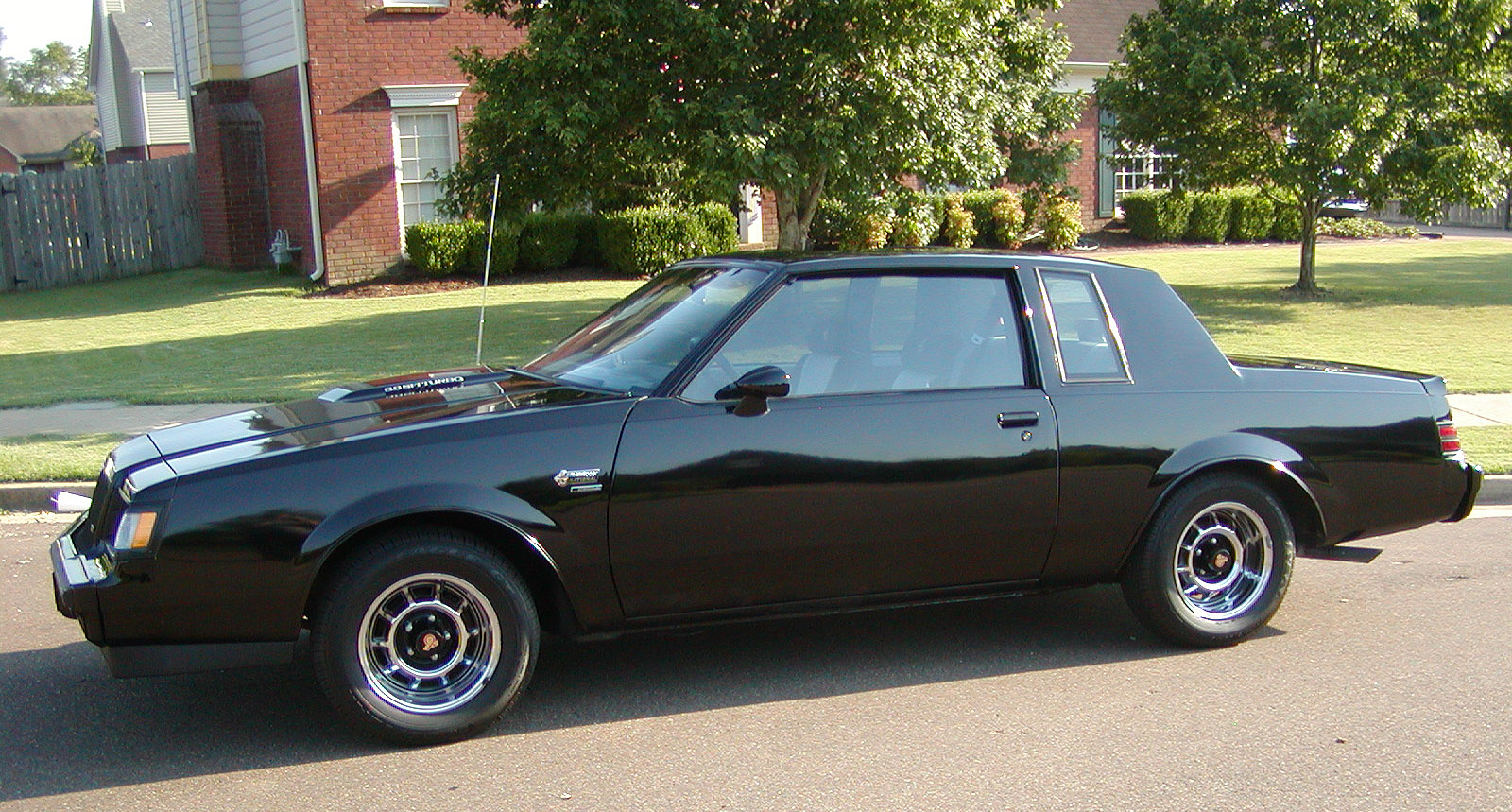
Buick Grand National
"...ars, but everyone always lost their minds because grand nationals with these rocket ships used to rip down the quar..."
The Buick Grand National is a high-performance version of the Grand National line, made to be fast. People talk about it because it could accelerate very strongly, especially in short straight-line races. In the podcast, it’s mentioned as a car that was known for impressive quarter-mile speed.
The Buick Grand National is a performance-focused muscle car known for its strong acceleration and reputation in drag-style racing. In the podcast, it’s brought up in the context of cars that “rip down” the quarter-mile, highlighting how these models became famous for quick times. That performance legacy is why it’s often discussed by enthusiasts even decades after the original run.
quarter mile
"...but everyone always lost their minds because grand nationals with these rocket ships used to rip down the quarter mile, right? Right."
The quarter mile is a standard drag-racing distance. People use it to talk about how fast a car accelerates in a straight line.
The quarter mile is a drag-racing distance (about 402 meters) commonly used to compare acceleration performance. The hosts reference it to explain why certain turbo cars became famous for fast straight-line runs.
hold the boost
"...but it was stuck to this God awful automatic transmission that did one thing, hold the boost because you're not letting off the throttle. The other thing was a rocket ship down the road."
It means the turbo keeps pushing boost even when you’re not asking for it as much. That can make the car feel weird or less smooth compared to a system that responds more naturally to your throttle.
“Hold the boost” refers to keeping turbo boost pressure active even when the driver lifts off the throttle. The speaker criticizes an older automatic’s behavior as being stuck in a boost-holding strategy, which can change drivability and acceleration consistency.
zero to 60 times
"All the zero to 60 times were all done with the automatic because the automatic is faster in a zero to 60 time than the stick. Even with the old slash box autos..."
“Zero to 60 times” measure acceleration from a standstill to 60 mph, a common benchmark for comparing performance cars. The hosts note that automatics often post faster results because they can shift quickly and keep the engine in its effective range.
automatic
"It makes you cry a little inside because you're like, with an automatic, but it did... We'll make the car faster if we make it an automatic and you guys can't control it."
An automatic transmission changes gears by itself. You don’t have to use a clutch or shift manually.
An automatic transmission shifts for you, using hydraulic/mechatronic control rather than a driver-operated clutch and gear lever. In performance discussions, automatics are often praised for fast, consistent shifts and repeatable acceleration.
manual
"We're done with manuals on all of our cars... Porsche realized... they want to drive a stick... But now we're starting to see it again where they're restricting it to only special models..."
A manual transmission requires the driver to select gears and operate a clutch, which can create a more direct connection between driver inputs and vehicle behavior. The hosts frame Porsche’s manual availability as a key part of brand identity and driver “connectiveness.”
Porsche 911 R
"And then the 911 R came out in the mid-2000s and everyone just lost their mind. That Porsche came back out with a stick..."
The Porsche 911 R is a special 911 that was made to feel more connected and fun to drive. A big part of its appeal is that it brought back the manual transmission.
The Porsche 911 R is a special, driver-focused 911 built around the idea of analog feel—most notably with a manual transmission. It became a rallying point for fans who wanted Porsche to keep offering a real stick-shift experience.
hybrid
"...For a normal base or an S or a GTS. I don't believe currently, yeah, GTS forget it with the hybrid that's just not happening."
A hybrid uses both a gas engine and an electric system. In this conversation, they’re saying hybrids may make it harder to offer a manual gearbox.
A hybrid powertrain combines an internal-combustion engine with an electric motor and battery system. The hosts suggest that, in the referenced Porsche lineup, hybridization may limit the availability of manual transmissions.
Porsche 911 T
"But I think right now the only way you can get a stick is if you do a 911 T or GT3, regular GT3 or GT3 Torn."
The Porsche 911 T is a version of the 911 meant to feel more “driver-focused.” Here, it’s brought up because it’s one of the few 911s you can get with a stick shift.
The Porsche 911 T is a trim focused on a more driver-oriented feel, typically with a lighter, simpler approach than the most extreme 911 variants. In this segment, it’s mentioned as one of the few 911 options you can still get with a manual transmission.
TK case
"And they get a TK case. All right. So all right, now I'm getting fired up because I'm going to punch my desk."
“TK case” doesn’t clearly match a well-known Porsche term from this snippet. It sounds like the speaker is referencing a specific option or setup, but the exact meaning isn’t certain here.
“TK case” is unclear in this transcript and may be a mishearing or shorthand for a specific Porsche option/package or transmission-related term. Because the surrounding context is about manual availability and buyer behavior, it likely refers to a specific configuration detail, but the exact meaning can’t be confirmed from this excerpt alone.
secondary buyers of Porsche
"Dude, like this is the problem that it's the secondary buyers of Porsche that, well, I'm going to insult the first line buyers that they're not enthusiast."
“Secondary buyers” refers to people who purchase the car after the initial wave of enthusiasts—often prioritizing the newest features, availability, and brand status over driving feel. The speaker’s point is that this buyer mix pushes Porsche toward automatics like PDK, because that’s what the broader market wants.
rarity
"Don't get me wrong, but I don't know if there's this like, I think it's the rarity of it that makes it special to more than anything."
They’re saying the car might feel “more special” mainly because it’s rare. When only a small number of cars were made, people tend to value them more.
The hosts suggest that the 911 R’s “special” status may come less from its mechanical/usage differences and more from how rare it is. In collector-car culture, rarity often amplifies desirability because fewer cars exist and fewer people get to experience them.
over MSRP
"And the fact that they were flipping for so crazily overmarket, way over MSRP."
MSRP is the price the automaker lists for the car. If someone sells it “over MSRP,” they’re charging more than that sticker price—often because the car is hard to get.
“Over MSRP” means the car is sold for more than its manufacturer’s suggested retail price. In limited-supply situations, dealers or flippers can push prices higher, which can distort the market and make the car feel “unobtainable” even if it’s not truly rare in production terms.
market got "crapped the market out"
"And it did. It crapped the market out for a long time before it came back."
When too many cars show up at once, resale prices can fall. The phrase here means Porsche’s actions made the car easier to find, so it wasn’t as valuable on the used market for a while.
This describes how Porsche increasing availability (or re-releasing a desirable configuration) can flood the market and temporarily crush resale values. When supply rises faster than demand, prices often drop until the market “rebalances.”
mid engine cars
"So Porsche 718, the four cylinder boxers and Caymans are the unsung heroes of the mid engine cars."
A mid-engine car puts the engine closer to the middle of the vehicle. That can make the car feel more balanced and easier to handle, especially when turning.
“Mid-engine” means the engine sits near the center of the car, typically behind the driver and ahead of the rear axle. This layout helps balance weight distribution and can improve handling and traction, which is why mid-engine sports cars are often described as more agile and predictable at the limit.
horsepower per cylinder
"I remember when the Subaru WRX STI came out and they were pushing 100 horsepower per cylinder and we were like, oh my God, this is if God came out of the sky and touched the chassis of a car."
Horsepower per cylinder is just a comparison: how much power each cylinder is making. If that number is high, it usually means the engine is tuned to work harder.
“Horsepower per cylinder” is a way to compare how much power an engine makes relative to its number of cylinders. It’s often used to highlight how aggressively an engine is tuned—especially for turbocharged engines—because more power per cylinder usually means higher boost, higher compression, or more advanced engine calibration.

Subaru Wrx
"I remember when the Subaru WRX STI came out and they were pushing 100 horsepower per cylinder and we were like, oh my God, this is if God came out of the sky and touched the chassis of a car."
The Subaru WRX STI is a fast, turbocharged Subaru that’s built for grip and performance. It’s famous for being a “serious” four-cylinder that made big power feel normal later on.
The Subaru WRX STI is a performance-focused compact sedan known for its turbocharged four-cylinder engine and rally-inspired all-wheel-drive setup. When the hosts mention it “came out” and talk about high power per cylinder, they’re referencing how early STI-era specs felt extreme for a small engine.
pea green interior
"I don't recall the color or the name of the green, but the entire interior was green. And I'm not talking like a nice deep like hunter green. It was pea green."
They’re describing the interior as a very bright, unusual green—“pea green.” Interior color matters to many buyers because it changes the whole vibe of the car.
“Pea green” is being used as a vivid description of an extremely bold interior color choice. In collector terms, interior color and materials are often part of a car’s originality and desirability, especially when the theme is unusual or highly coordinated.
unsellable spec
"And the car gets delivered and it's in a completely unsellable spec and then the person flakes on delivery and they don't pick it up. And the dealer is just said, they're holding this thing that they can't possibly turn over."
Sometimes people order a car with options that nobody else wants. If the color/option combo is too weird or too specific, the dealer can’t easily sell it again.
An “unsellable spec” is a car configured with options and colors that are so unpopular or unusual that it’s hard to resell. Dealers end up stuck with inventory that may take a long time to sell, especially if the build is highly personalized.
Request an Explanation
Heard something you'd like explained? We'll add it to this episode.
Sign in to request explanations for terms you heard.
Want to learn more?
Browse our glossary for plain-English explanations of automotive terms, jargon, and concepts.
Help improve this episode
See something that's not quite right? Our annotations are AI-generated and can sometimes miss the mark. Click the flag icon on any annotation to suggest a correction.