
The Used Car Market Is SCREWED | Episode 1039
About this episode
Cox Automotive’s Mannheim data paints a grim picture: tax refunds are boosting used-car demand, wholesale values are rising fast (up about 5.6% YTD), and inventory is tight (around 25 days supply). Dealers are bidding harder at auctions, especially for hybrids and EVs, eroding the old “deal” on pre-owned electrics. A quick CarEdge live search suggests prices may be dropping slowly on some fresh listings, but the broader trend points to elevated asking prices. The hosts also flag a loan risk: below-prime auto delinquencies are lingering longer, with serious 60+ day issues doubling and long-duration cases tripling since 2019.
Hello Nancy
"[33.9s] And if you don't, listen closer. [36.1s] Meet Lem by Hello Nancy."
Hello Nancy is the company making the product they’re advertising.
Hello Nancy is the brand behind the product being advertised (“Lem”). The episode segment is an ad, so it’s not directly related to the used car market topic, but it’s a distinct brand mention.
lemon-shaped toy
"[36.1s] Meet Lem by Hello Nancy. [38.0s] Yes, it looks like a lemon, but it's anything but innocent."
They’re calling the product “lemon-shaped” because of its look. It’s not talking about a car problem—just describing the toy’s shape.
The speaker uses “lemon” as a marketing description, not a car-related term. In car culture, “lemon” usually means a vehicle that repeatedly fails to meet quality standards, but here it’s clearly a novelty product shaped like a lemon.
used car market
"We're going to talk about the used car market, and oh my goodness, it is not good what is going on there."
The used car market is the world of pre-owned cars—how many are available and what they cost. When people say it’s “not good,” it usually means deals are harder to find or prices are higher.
The used car market refers to pricing, inventory, and demand for pre-owned vehicles. When it’s “not good,” it usually means shoppers are seeing higher prices, fewer good deals, or tougher buying conditions than they expect.
CarEdge.com
"today's show is brought to you by CarEdge.com. For those of you that are unfamiliar for the past six years, me and my dad have been providing a car buying service"
CarEdge.com is a website that helps people buy cars. They do things like research cars, contact dealers, and help you negotiate so you don’t have to do everything yourself.
CarEdge.com is the sponsor and the service being promoted in this segment. The hosts describe it as a car-buying assistance platform that handles research and dealer outreach to help buyers negotiate.
dealer outreach
"providing a car buying service that takes care of research, dealer outreach, and even negotiation. We learn what matters to you, contact car dealers for you, compare real offers"
Dealer outreach means contacting car dealerships to ask about the car and the price. Instead of calling around yourself, the service does it for you.
Dealer outreach is the process of contacting multiple dealerships on a buyer’s behalf to request pricing and availability. In a hot or confusing market, this can help you compare offers faster and avoid relying on one dealer’s numbers.
negotiation
"that takes care of research, dealer outreach, and even negotiation. We learn what matters to you, contact car dealers for you, compare real offers"
Negotiation is trying to get a better deal on the car price. Even if the market is tough, you can still often improve the final cost or terms.
Negotiation is the back-and-forth process of trying to reduce the final price and improve deal terms. In used-car markets, negotiation can be especially important when pricing is volatile or dealers are holding firm on margins.
sales conversion rates
"Wholesale values, appreciating. Sales conversion rates, higher. We have fortunately, dad, a little bit of normalcy in terms of day supply of inventory in the used car market."
Conversion rate is how often people who show interest actually end up buying. If more people are buying, dealers sell cars faster and prices can stay higher.
Sales conversion rate is the percentage of shoppers or leads that turn into actual purchases. Higher conversion rates can increase demand pressure, which can contribute to faster sell-through and firmer pricing.
day supply of inventory
"We have fortunately, dad, a little bit of normalcy in terms of day supply of inventory in the used car market. Otherwise, you'll see here in a second that day supply is much lower than we would want it to be."
It’s basically a “how many cars are available right now” number. If there are fewer days of cars available, sellers have more leverage and prices tend to rise.
“Day supply of inventory” is a measure of how many days of used cars are sitting on lots (or available through the market) relative to current sales pace. Lower day supply usually means tighter supply, which can push prices up.
wholesale dealer auctions
"What we see going on at the auctions is suggesting that prices are going up rather quickly on the wholesale level. Yeah, so here's the Mannheim Used Vehicle Value Index."
Auctions are where car dealers shop for used cars. If auction prices rise, dealers usually have to charge more when they sell those cars.
Wholesale dealer auctions are where dealers buy used vehicles in bulk, often before retailing them. Auction pricing is a leading indicator for what dealers will pay, which influences retail prices later.
Mannheim Used Vehicle Value Index
"Yeah, so here's the Mannheim Used Vehicle Value Index. This is essentially an index that shows you values of used vehicles at wholesale dealer auctions."
This is a pricing “thermometer” for used cars at dealer auctions. If the index goes up, wholesale used-car prices are rising.
The Mannheim Used Vehicle Value Index is a benchmark that tracks used-vehicle pricing based on auction results. It’s used to gauge how wholesale used-car values are moving over time.
EVs are actually outpacing non-electric vehicles
"You can see here, certain vehicles are up more than others. For example, EVs are actually outpacing non-electric vehicles in terms of appreciation."
This highlights that different vehicle categories can appreciate at different rates. In this case, the market is treating EVs as holding value better (or rising faster) than non-electric vehicles, which can affect how dealers price trade-ins and inventory.
day's supply of inventory right now is 25.1 days
"And dad, what I wanted to pull up here was the day's supply. So the day's supply of inventory right now is 25.1 days. That is super, super, super low."
This number tells you how long the current supply of used cars would last if sales keep going the same way. A low number usually means cars are selling quickly and prices can be higher.
A “days supply” figure of 25.1 days indicates how quickly current inventory would be sold at the current sales rate. When the number is very low, it signals tight supply—often leading to higher prices and fewer choices for buyers.
gas prices
"Because they're anticipating that those are going to be if gas prices continue to rise. And I must admit, I forgot to check today to see where we're at."
When gas gets more expensive, people look for cars that cost less to run. That can make used hybrids and EVs more in-demand and more expensive.
Gas prices influence consumer demand for hybrids and EVs because they affect the relative cost of driving. If gas prices rise, buyers may shift toward vehicles that reduce fuel expenses, which can raise used prices for hybrids and EVs.
original MSRP
"At one point in time, represented a tremendous value when it came to what you had to pay for a pre-owned EV in comparison to what the original MSRP was. And some of those savings that had been there are starting to erode and evaporate."
MSRP (Manufacturer’s Suggested Retail Price) is the sticker price a vehicle was sold for when new. The speaker is saying that pre-owned EVs used to be a much better deal versus their original MSRP, but those savings are shrinking as used prices rise.
Cox Automotive
"We have the two biggest players, Cox Automotive, who owns Mannheim and Blackbook, who tracks about 95% of all wholesale activity on a weekly basis, both showing tremendous growth in the used car wholesale prices through the first three months of the year."
Cox Automotive is a big company that tracks car-market pricing. Here, they’re mentioned because their tools help measure what dealers are paying.
Cox Automotive is a major automotive data and services company. In this context, it’s important because it owns key pricing/market-tracking brands used to measure wholesale activity.
dealers are paying way more
"Dealers are paying way more for lesser quality vehicles than they have in the past. They're just refusing to walk away from them."
Dealers are paying more to buy cars. If their costs go up, they usually can’t sell for the same prices you might expect.
This describes dealer purchasing behavior at wholesale—dealers paying higher prices for inventory. Higher acquisition costs often translate into higher retail pricing or tighter deal-making.
quality used cars are scarce
"For Igor, used cars are available, but quality used cars are scarce. Values are shooting up across the board on all segments today."
They’re saying there aren’t many really good used cars available. When the good ones are hard to find, prices tend to go up.
This points to an imbalance: fewer “good condition” used cars available relative to demand. Scarcity can push up prices even if the overall market isn’t rising uniformly.
days on market
"So I'm going over here on the left and I'm clicking on days on market. [612.5s] I want to look at vehicles that, what do you say, in the last 30 days have been looked at for sale?"
“Days on market” means how many days a car has been advertised for sale. If it’s been sitting a long time, the dealer may be more willing to lower the price.
“Days on market” is how long a specific used vehicle has been listed for sale. It’s a key metric for spotting pricing pressure—cars that sit longer often get discounts or price drops, while fresh listings may still be overpriced.
30 days on their lot
"[664.1s] This particular vehicle, they're asking $36,500 and this is a used car that's been on their lot for 30 days. [672.4s] Okay."
They’re pointing out the car has been sitting for about a month. If it hasn’t sold yet, it’s a good clue to check whether the price is realistic or if the dealer might lower it.
The segment ties the asking price to a specific inventory age: the car has been on the lot for about 30 days. This is a practical way to evaluate whether a dealer is adjusting pricing in response to slow sales.
CarMax
"All right. I don't want to look at CarMax right now and I want to look at F-150s. I think F-150s are really interesting."
CarMax is a big used-car dealership chain. The point of mentioning it is to compare how their pricing changes versus other dealers.
CarMax is a large used-car retailer that typically uses a standardized pricing approach compared with traditional dealers. Mentioning CarMax suggests the speaker is comparing how different sellers adjust prices over time.
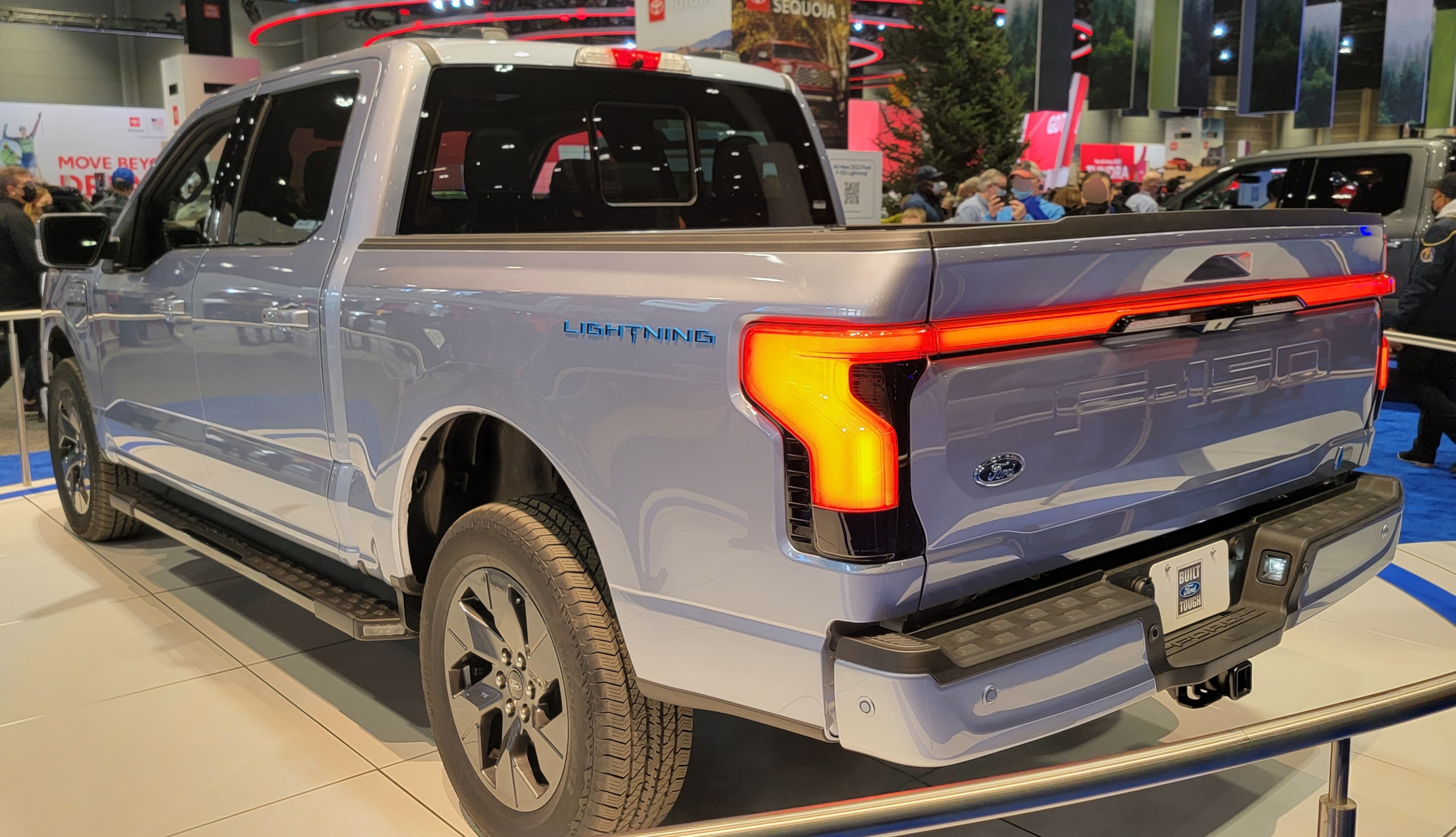
2023 Ford F-150 XLT
"So we've got a 2023 Ford F-150 XLT. Yes. This one's been on the dealer's lot for 99 days."
That’s a 2023 Ford F-150 pickup, in the XLT trim. It’s a very common “everyday” truck, so its used price changes are a big clue about what’s happening in the market.
This is a 2023 Ford F-150 in the XLT trim. The F-150 is Ford’s best-selling full-size pickup, and XLT is a mid-level configuration that’s commonly used as a benchmark for used-truck pricing.
blackbook
"We've seen approximately the same type of increase in blackbook. Yeah."
Black Book is a well-known used-vehicle pricing data service that publishes market value trends. When the episode says Black Book shows similar increases, it implies multiple pricing indexes agree that wholesale/market values are moving up.
increased interest in hybrids and EVs
"The days to turn are low. There is an increased interest in hybrids and EVs. I think it's almost as if there's a perfect storm..."
Demand shifts toward hybrids and EVs can affect used-car pricing across the board, especially for late-model electrified vehicles. If buyers increasingly want these powertrains, their used values can remain elevated even when other segments soften.
dealers lowering prices
"I just don't see dealers lowering prices anytime soon."
Dealer pricing behavior is a key driver of transaction prices. If dealers believe market conditions will support higher margins, they may be reluctant to lower prices even when buyers become more price-sensitive.
pre-owned car
"...if you're looking at a pre-owned car today, it will probably be cheaper today than it will be tomorrow."
A pre-owned car is a used vehicle sold by dealers or private sellers after its initial purchase. In a market where new prices are rising and inventory is tight, pre-owned cars often become the default option, which can increase demand and pricing.
asking prices moving upwards
"I think we're going to continue to see the asking prices moving upwards..."
When asking prices move upwards, it means sellers are listing vehicles for higher amounts over time. That typically reflects stronger demand and/or tighter supply, and it can make it harder to find deals in the near term.
delinquency rate
"The key point that the share of 60-plus-day delinquent loans stuck in delinquency for five months or more has tripled from 5% to 15% since 2019, while the overall 60-plus-day delinquency rate has roughly doubled from 3.1% to 6.2%."
A delinquency rate is a percentage that tells you how many car loans are late. If it goes up, it means more borrowers are struggling.
The delinquency rate is the percentage of loans that are past due by a defined amount (here, 60+ days). Tracking changes in delinquency rate helps gauge how stressed the auto-loan market is over time.
slower cures
"This points to slower cures, meaning people getting out of their delinquency and rising long duration risk in the below-prime segment, a trend worth being aware of as we move through 2026."
A “cure” is when someone who’s behind on payments gets caught up. “Slower cures” means it’s taking longer for people to fix the problem.
“Cures” in this context means bringing a delinquent loan back to current status. Slower cures imply borrowers are taking longer to get back on track, which increases long-duration risk in the affected segment.
serious delinquency for five months or more
"...the dark area are those who have been in serious delinquency for five or more consecutive months... We've tripled the number of people that actually have delinquencies for five months or more..."
This means people have been behind on their car payments for a long time—at least five months. That’s a big red flag for lenders, so it can make it harder for others to get approved.
The phrase describes a credit-risk bucket where borrowers are behind on payments for an extended period (five months or more). Longer delinquency windows typically correlate with higher default/recovery costs for lenders and tighter lending standards.
retail auto sales
"...something that I think can play a major role in what's going to happen in the auto industry and ultimately for retail auto sales."
Retail auto sales are regular people buying cars from dealers. If fewer people can get approved for loans, fewer cars get sold.
Retail auto sales are vehicle purchases by end customers through dealers or direct sales channels. Credit stress (like higher delinquency) can reduce financed purchases, which can slow overall retail sales even if inventory exists.
auto loan
"talking about it for a long time now, it's easier to get approved for an auto loan today than ever before, which is also partly why a chart like this can exist, because it was easier and has become easier to get approved for auto loans than ever before."
An auto loan is money a bank lends you to buy a car, and you pay it back over time. If banks make it easier to get approved, more people can buy cars—especially used ones.
An auto loan is financing used to pay for a vehicle, typically repaid in monthly installments. When lenders loosen or tighten approval standards, it directly affects how many buyers can afford used cars and how prices move.
negotiate on your behalf
"We provide car buying services. We'll reach out to dealers and negotiate on your behalf. We learn what matters to you, contact those dealers, compare real offers and help you get the best deal without the stress."
This means the service talks to the dealer for you to try to get a better price. Instead of you doing all the back-and-forth, they handle it.
“Negotiate on your behalf” means the service communicates with dealers to try to secure better pricing or terms for the buyer. In used-car markets, negotiation leverage can matter because pricing can vary widely by dealer and inventory.
Request an Explanation
Heard something you'd like explained? We'll add it to this episode.
Sign in to request explanations for terms you heard.
Want to learn more?
Browse our glossary for plain-English explanations of automotive terms, jargon, and concepts.
Help improve this episode
See something that's not quite right? Our annotations are AI-generated and can sometimes miss the mark. Click the flag icon on any annotation to suggest a correction.