
These Brands Will NEVER Stop Recalling Your Car | Episode 1048
About this episode
Ray and Zach kick off with a data-driven rant on recalls, using ICARs research to argue that Ford and Lincoln keep racking up non-OTA safety recalls far more than most brands—while Mercedes shows up at the low end. They then pivot to used-car pricing, citing Wolf Street’s wholesale index: seasonality is arriving earlier and prices aren’t dropping like they used to. EVs are highlighted as reversing their prior depreciation spikes. Ray also demos CarEdge’s new map concept for spotting the most negotiable inventory by “days supply,” and ends with Kia’s push into midsize pickups.
caredge.com
"Today's show is brought to you by caredge.com. For those of you that are unfamiliar, my dad and I for six years now have been providing a buying service..."
CarEdge.com is the service sponsoring the show. The host says it helps people research cars, contact dealers, and negotiate so the buying process is less stressful.
CarEdge.com is the sponsor and is described as a buying service that handles research, dealer outreach, and negotiation. For listeners, this is relevant because recall information and pricing can both influence the buying decision.
Mercedes
"Ford is the most recalled brand. Mercedes is the least recalled, but it is interesting when you dive into the data here."
Mercedes is mentioned as the least recalled brand in the episode’s research. This sets up a contrast with Ford and helps listeners think about how recall rates can vary widely between automakers.

Lincoln Aviator
"“We'll do a poll. … How many recalls will a Lincoln Aviator? … The Lincoln Aviator is going to have 92 recalls over 30 years.”"
The Lincoln Aviator is a luxury SUV made by Lincoln. They’re talking about how many recalls it’s had, and using it to show that some cars can rack up a lot of recall notices over time.
The Lincoln Aviator is Lincoln’s midsize luxury SUV. In this segment, it’s used as an example of how recall counts can add up over a vehicle’s lifetime.

Lincoln Corsair
"... I'll think about that for a second. The Lincoln Corsair will have 70 recalls over the course of its life..."
The Lincoln Corsair is a luxury SUV. It’s meant for comfortable everyday driving with more upscale features than regular SUVs. The podcast mentions it because it has had a notable number of recalls.
The Lincoln Corsair is a compact luxury SUV positioned as a more upscale alternative to mainstream crossovers. It’s brought up in the podcast specifically in relation to recall activity, with the host noting a high number of recalls over its life. That makes it relevant to discussions about ownership risk and how to evaluate a vehicle beyond just features.

Porsche Taycan
"...times more than median than average. The Porsche Taycan, dad. Not only does it not sell because it's a re..."
The Porsche Taycan is an electric car. It’s designed to be a sporty, high-performance sedan. The podcast mentions it because it’s part of a discussion about how well certain expensive models are selling.
The Porsche Taycan is an electric performance sedan from Porsche, built to deliver high power and sporty driving dynamics. It’s discussed in the podcast in a context that suggests it may not be selling as strongly as expected, and it’s also tied to pricing or market behavior. That makes it a useful example when talking about how EV performance models perform in the real market.

Ford Maverick
".... 14. So, look at these brands on here. The Ford Maverick. What a bummer. Look at the brands. Look at the ..."
The Ford Maverick is a small pickup truck. It’s meant to give you the usefulness of a truck, like hauling or carrying things, without being as expensive or big as many other trucks. That’s why it can show up in conversations about what people are buying.
The Ford Maverick is a compact pickup truck designed to be more affordable and easier to live with than full-size trucks. It often comes up in discussions about truck demand because it targets buyers who want truck utility without the higher cost. In the podcast context, it’s referenced as one of the notable brands/models in a ranking or sales/market comparison.
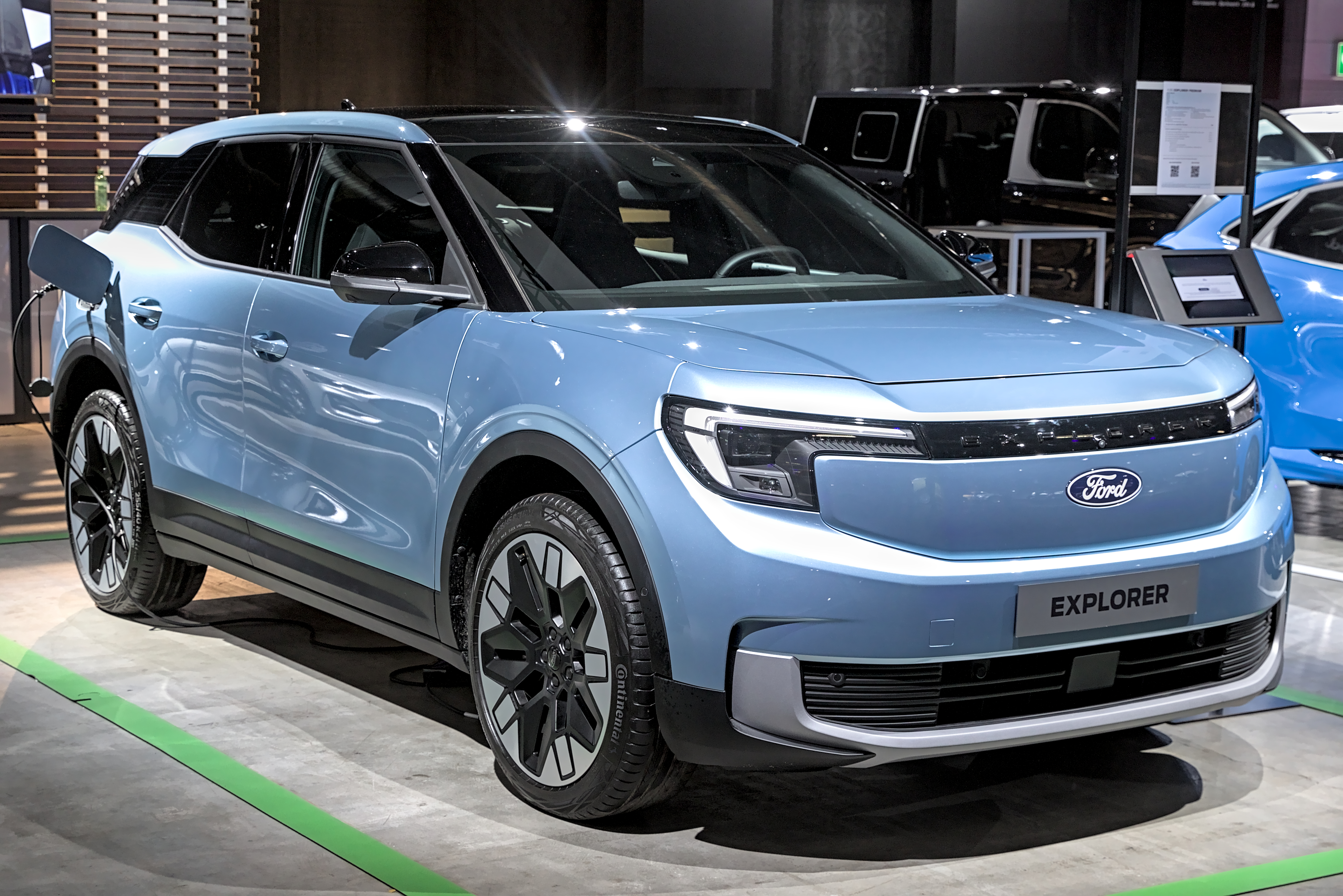
Ford Explorer
"...rsche Taycan, 56.7. Ford Maverick, 44.2. The Ford Explorer, 31.7. And the Ford Bronco, with 29. Six. So, ou..."
The Ford Explorer is a midsize SUV. It’s built for everyday driving and family use, with room for several people. The podcast brings it up because it’s a common, widely sold SUV that shows up in market comparisons.
The Ford Explorer is a midsize SUV known for being a mainstream family vehicle with seating for multiple passengers and available powertrains. It’s frequently discussed because it’s a high-volume model that reflects broader SUV market trends. In the podcast, it’s mentioned alongside other popular vehicles as part of a comparison list.

Lexus IS 500
"...At number 25, the Lexus with the IS 350 and 500, 0.7 and 0.6."
They also mention the Lexus IS 500 as another low-recall example in their ranking.
The Lexus IS 500 is paired with the IS 350 in the speaker’s low-recall example. Including both trims/models emphasizes that the analysis is looking at specific nameplates rather than just brand-level averages.
least number of recalls
"[530.2s] Mercedes-Benz [530.2s] owns this list in terms of the least number of recalls, and obviously the brands with the most recalls."
The speaker is comparing brands based on how many recalls they have. But recall numbers don’t always mean one brand is “better”—they can be influenced by how many cars the brand sells and how issues are handled.
This refers to comparing brands by how many recalls they have (or how often they trigger recall actions). It’s important because recall totals can be affected by factors like how many vehicles a brand sells, how quickly issues are discovered, and how manufacturers handle early interventions.
IC cars
"[583.1s] my Mazda. All right, so huge thanks to IC cars for pulling that data together. And again,"
IC cars is the company the speaker credits for compiling the data. The takeaway is that the recall charts come from a specific source, and different sources can sometimes show different results.
IC cars is referenced as the data source that pulled the recall-related information used in the episode. For listeners, it’s a reminder that recall comparisons depend heavily on the dataset and methodology behind the numbers.
Wolf Street
"There's a blog called Wolf Street that publishes articles fairly often about the auto industry. Used vehicle wholesale prices jumped."
Wolf Street is a website that publishes articles and charts about the economy and industries. In this episode, they’re used as the source for the used-car price data.
Wolf Street is a financial/news website that publishes data-driven articles, including coverage of the auto industry. Here, it’s cited as the source for charts tracking used-vehicle wholesale price movements.
seasonality
"And you can see, y'all, there's typically seasonality at the beginning of each year. Look at 2014. Goes up during the springtime, comes back down during the remainder of the year..."
Seasonality means used car prices tend to follow a yearly pattern. The episode says the usual pattern is happening earlier and stronger than normal.
Seasonality refers to predictable patterns in used-car pricing that repeat during the year. In this segment, the host notes that prices typically rise early in the year and then ease later, but that the current cycle is more aggressive than prior years.
retail values follow six to eight weeks behind what you see on the wholesale level
"Well, eight weeks puts us into June, okay? And that's a little later in the year than when we would"
Dealers often change their prices after auctions/wholesale prices move. The episode says retail prices usually catch up about 6–8 weeks later.
This describes a timing lag between wholesale used-car price changes and retail pricing at dealerships. The host uses it to estimate when wholesale increases will show up in what consumers actually pay at retail.
electric vehicles
"...I want to look at some electric vehicles that have been on sale"
Electric vehicles run on electricity stored in a battery. The speaker is focusing on EVs to talk about how their used prices have been moving.
Electric vehicles (EVs) use an electric motor powered by a battery instead of an internal combustion engine. In this segment, EVs are the focus for discussing how used prices and depreciation patterns have changed.
MSRP
"...I’m curious how these relate relative to their original MSRP. So I’ll get three of them open here... The MSRP of over $130,000 for a plaid is crazy."
MSRP is the “new price” the manufacturer originally lists for the car. When you compare the current price to MSRP, you can tell how much the car has gone up or down in value.
MSRP (Manufacturer’s Suggested Retail Price) is the sticker price a carmaker sets for a vehicle when it’s new. The hosts compare today’s asking prices to MSRP to see how much the car has depreciated or whether dealers are adjusting pricing.
price history chart
"...let's come all the way down here. The price history chart. Interesting... This would be the original price they listed it at... And now it's sitting here at $50,414."
A price history chart shows how the asking price changes over time. They’re using it to see if the dealer keeps adjusting the price upward again or just lets it drift down.
A price history chart shows how a listing’s asking price changes over time. Here, the hosts use it to track whether the seller is raising prices back up or steadily lowering them after initial listing.
Audi North Scottsdale
"What dealers add that? Just out of curiosity. Audi North Scottsdale."
This is the name of the dealership they’re looking at. The point is that this dealer’s pricing choices (like add-ons and fees) can make the car cost more than it should.
Audi North Scottsdale is the specific dealership being referenced. The hosts use it as an example to discuss how dealer pricing and add-ons can push a vehicle’s out-the-door cost higher than expected.

Audi A6 Sportback e-tron premium plus
"Thanks for asking who the dealer was for that Audi that they're trying to sell for over original MSRP, that A6 Sportback e-tron premium plus."
This is an electric Audi A6 wagon-style car (the Sportback). The key point here is that the dealer is asking more than the suggested price, which can happen when a car is hard to find or the dealer thinks buyers will pay.
The Audi A6 Sportback e-tron is a battery-electric version of the A6 Sportback line. The speaker mentions it in the context of dealer pricing—specifically trying to sell it above MSRP—which can be a sign of supply/demand dynamics or inventory strategy.

Ford Ranger
"Kia... is in pursuit of Tacoma and Ranger sales."
The Ranger is Ford’s midsize pickup truck. The point is Kia wants to compete in the same market that buys Tacomas and Rangers.
The Ford Ranger is a midsize pickup that competes directly with other global midsize truck offerings. The speaker mentions it alongside the Tacoma to define the specific sales segment Kia is targeting.

Toyota Tacoma
"Kia... is in pursuit of Tacoma and Ranger sales."
The Toyota Tacoma is a long-running midsize pickup known for strong resale value and off-road capability. The speaker uses it as a benchmark for where Kia wants to compete in the pickup market.
Kia
"Apparently, the world is now obsessed with pickup trucks. And so Hyundai and Kia, along with every other manufacturer out there, is going to do everything in their power to see to it that everybody has at least one pickup truck in their driveway"
Kia is another big car brand from South Korea. In this part of the show, they’re talking about Kia joining the pickup-truck push.
Kia is Hyundai Motor Group’s sister brand and also a key player in the U.S. market. Here, it’s mentioned alongside Hyundai as a company likely to pursue pickup-truck sales aggressively through the late 2020s.
Hyundai
"Apparently, the world is now obsessed with pickup trucks. And so Hyundai and Kia, along with every other manufacturer out there, is going to do everything in their power to see to it that everybody has at least one pickup truck in their driveway"
Hyundai is a car company from South Korea. The discussion here is about Hyundai trying to sell more pickup trucks in the U.S. market.
Hyundai is a major Korean automaker that’s expanding aggressively in the U.S. pickup-truck segment. In this segment, the host frames Hyundai as pushing to get more trucks on the road (and in driveways) as demand grows.
Genesis
"they have turned it around completely to where, you know, they even came out with what they say is a luxury brand, Genesis. And they have become a major force in automotive in the United States and worldwide."
Genesis is Hyundai’s luxury car brand. The point being made is that the company has moved upmarket and can build more premium vehicles, not just budget cars.
Genesis is Hyundai Motor Group’s luxury brand, positioned above mainstream Hyundai and Kia models. The host uses Genesis as evidence that the group has “turned it around” and can compete in higher-end segments as well as mainstream trucks.
Q4
"which again, Toyota, it was like, I think the experience data I looked at from Q4 was a quarter of all new vehicle registrations in the United States with Toyotas."
Q4 is just the last three months of the year. They’re using Q4 data to talk about which brands are selling the most.
Q4 means the fourth quarter of the year (October through December). The host references Q4 “experience data” to support claims about brand registration share and how dominant Toyota is in new-vehicle registrations.
supply (days supply)
"where they have a 45 to 60 days supply, or even just more locally in Utah, where there's a 68 to 90 days supply."
“Days supply” is a way to estimate how many cars are sitting around compared to how fast they’re selling. More days supply usually means more choice for buyers and more room for discounts.
“Days supply” is an inventory metric that estimates how long current stock would last based on typical sales rates. Higher days supply generally means more vehicles are available than buyers are demanding, which can make pricing more negotiable.
inventory understocked vs overstocked
"[2080.7s] from a store in upstate New York. It was a ton more Nissan. You get more with a ton more. No, [2088.0s] that wasn't really their ad, but they were overstocked, okay, and we were understocked. [2096.7s] And I believe it was winter, and I believe they were in Buffalo, New York."
“Understocked” and “overstocked” describe mismatches between what a dealer has and what the market is buying. The host’s example shows how buying excess inventory from another dealer can improve cash flow and prevent cars from sitting too long.
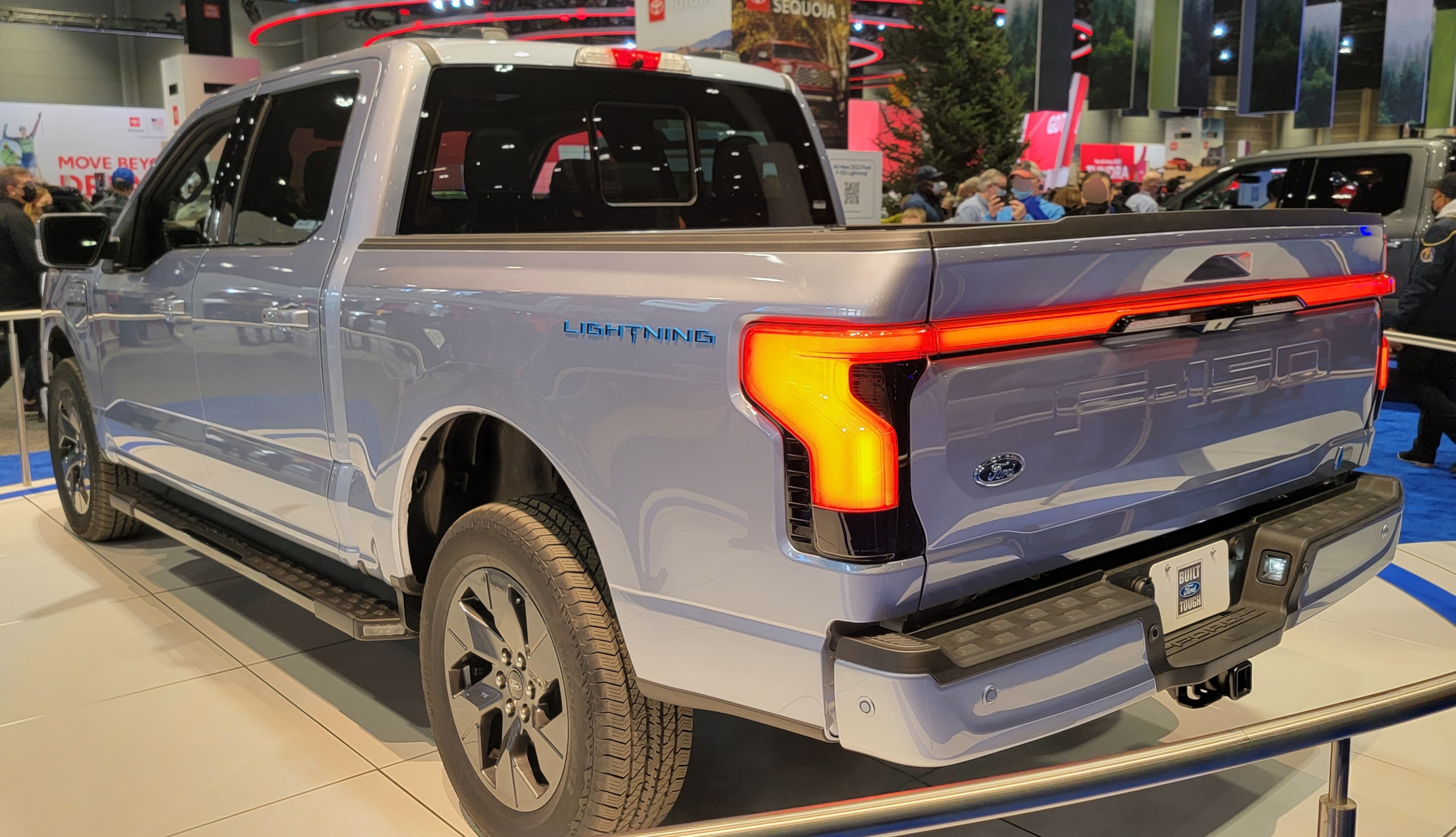
Ford F-150
"[2124.1s] Let's do it for one more now. I'm just purely curious. Maybe a vehicle that's got more variability [2131.2s] nationwide. So we did an F-150. We did a Grand Highlander."
The Ford F-150 is a very common U.S. pickup truck. Because it’s so popular, where it’s sitting in inventory can vary a lot by region—affecting how much you might be able to negotiate.
The Ford F-150 is a full-size pickup truck and one of the best-selling vehicles in the U.S., so it tends to have lots of regional inventory variation. In this segment, it’s used as an example of a vehicle you could map by availability to find where negotiation leverage might be strongest.

Mazda Miata
"So if you're a Mazda Miata shopper and you're in the Southeast, this is showing you that in the Southeast, there's a more competitive market than in the West right now."
The Mazda Miata is a popular two-seat sports car that’s known for being easy and fun to drive. Here, they’re talking about how where you live can change how many Miatas are for sale and how competitive the market is.
The Mazda Miata is a small, lightweight roadster known for being fun to drive and relatively affordable. In this segment, the hosts use it as an example of how regional supply and demand can affect pricing and availability.
Request an Explanation
Heard something you'd like explained? We'll add it to this episode.
Sign in to request explanations for terms you heard.
Want to learn more?
Browse our glossary for plain-English explanations of automotive terms, jargon, and concepts.
Help improve this episode
See something that's not quite right? Our annotations are AI-generated and can sometimes miss the mark. Click the flag icon on any annotation to suggest a correction.