
Toyota CEO Admits They Have a HUGE PROBLEM | Episode 1070
About this episode
Toyota’s CEO and the hosts zero in on affordability as the industry’s biggest threat, tying it to tariffs, cross-border costs, and a shortage of lower-priced inventory. They argue pricing stays high even if tariffs fade, pointing to dealer leverage, real transaction prices, and how “days supply of inventory” reveals seller-favored markets. The discussion also speculates on a RAV4-based compact pickup, hybrid demand outstripping supply, and why stretching model life cycles could help.
tariffs
"I saw that tariffs and the cost of tariffs have made life difficult for Toyota and every other manufacturer out there... Even they... realize that they don't have enough lower priced vehicles."
Tariffs are extra taxes on imported products. If car parts or cars are imported, those taxes can make them cost more, which can push up vehicle prices.
Tariffs are taxes a government places on imported goods. In autos, tariffs can raise the cost of parts and vehicles that cross borders, which then pressures manufacturers to raise prices or reduce how many lower-priced models they can offer.
matching demand and production
"nobody does a better job at this moment of matching demand and production the way Toyota has. Even they... realize that they don't have enough lower priced vehicles."
It means building the right number of cars or trucks that people want. If a company doesn’t make enough of the cheaper ones, customers can’t buy them even if they’re interested.
Matching demand and production means planning manufacturing output so the number of vehicles built lines up with what customers actually want to buy. If production doesn’t align—especially for lower-priced trims—dealers can run short on the models shoppers consider “affordable,” even if overall sales are strong.

Ford Maverick
"Look at the Maverick Playbook. Maverick's selling off the shelves. It's an affordable or seemingly affordable pickup truck. They're not making as many as they should."
The Ford Maverick is a smaller pickup truck that’s often priced lower than typical trucks. The hosts bring it up because it’s an example of an affordable truck that customers want, but the supply hasn’t kept up.
The Ford Maverick is a compact pickup known for being relatively affordable compared with most trucks. The hosts use it as an example of a “seemingly affordable” model that sells strongly, illustrating how hard it is for automakers to keep enough lower-priced inventory available.
Toyota Motor North America
"I want to say on Toyota here, Deb, I am actually surprised to hear the first words out of your mouth when we talk about this, to be tariff, because again, the North America CEO of Toyota talked about tariffs... Which tariffs have hurt Toyota Motor North America more..."
Toyota Motor North America is Toyota’s office for selling and running the brand’s business in North America. When they talk about what its CEO said, it’s about how Toyota is dealing with local market issues like pricing.
Toyota Motor North America is Toyota’s regional organization responsible for the company’s business in the U.S., Canada, and often Mexico. When the hosts mention its CEO and comments, they’re referring to how Toyota manages local pricing, supply, and product planning for North American customers.
supply chain localization
"We cannot change the supply chain so quickly. So we have asked our suppliers to more deeply localize parts."
Supply chain localization means making more of the parts locally instead of importing them. That can help when tariffs or trade rules make imported parts cost more.
Supply chain localization means shifting production and sourcing so more parts are made closer to where the vehicles are sold. The goal is to reduce border-related costs and disruptions, especially when trade rules change.
affordability
"Let's dig in a little bit more on affordability... Yes, the issue is affordability. Right now, the average ticker price is over $50,000."
Affordability here means whether most people can afford to buy a new car at today’s prices. The CEO says that’s the biggest problem right now.
In automotive pricing, affordability refers to whether typical buyers can realistically pay the current transaction price for new vehicles. The segment frames affordability as the top challenge, citing rising average prices and the need to keep some models under a lower price threshold.

Toyota Corolla
"vehicles they sell are way higher priced than the Corolla or maybe the Prius. You start getting into the Highlander, the Grand Highlander, their pickup trucks."
The Toyota Corolla is one of Toyota’s most common, budget-friendly cars. Here, it’s used as the “cheap baseline” compared to Toyota’s pricier SUVs and trucks.
The Toyota Corolla is a mainstream compact car that’s often used as a benchmark for affordability. In this segment, the hosts contrast its lower price point with Toyota’s more expensive models like Highlander and Tundra.

Toyota Prius
"vehicles they sell are way higher priced than the Corolla or maybe the Prius. You start getting into the Highlander, the Grand Highlander, their pickup trucks."
The Toyota Prius is Toyota’s popular hybrid car. In this discussion, it’s just being used as an example of a cheaper Toyota than the SUVs and trucks they’re talking about.
The Toyota Prius is Toyota’s best-known hybrid model, built around an electric motor assisting the gasoline engine. In this segment, it’s mentioned as another lower-priced reference point versus Toyota’s higher-priced lineup.

Toyota Highlander
"You start getting into the Highlander, the Grand Highlander, their pickup trucks. I mean, we've seen tundras that are $75,000, $80,000."
The Toyota Highlander is a larger SUV than the Corolla or Prius. Here it’s mentioned to show that Toyota’s vehicles get much more expensive higher in the lineup.
The Toyota Highlander is a midsize three-row SUV that sits above the Corolla/Prius in price and typical buyer profile. The hosts use it to illustrate how Toyota’s pricing climbs as you move up the lineup.

Toyota Grand Highlander
"You start getting into the Highlander, the Grand Highlander, their pickup trucks. I mean, we've seen tundras that are $75,000, $80,000."
The Toyota Grand Highlander is a bigger version of the Highlander. The hosts bring it up to show Toyota’s more expensive offerings are selling at higher prices.
The Toyota Grand Highlander is a larger, higher-priced variant of the Highlander family, positioned to compete for buyers wanting more space. In this segment, it’s part of the example of Toyota’s shift toward higher-priced vehicles.
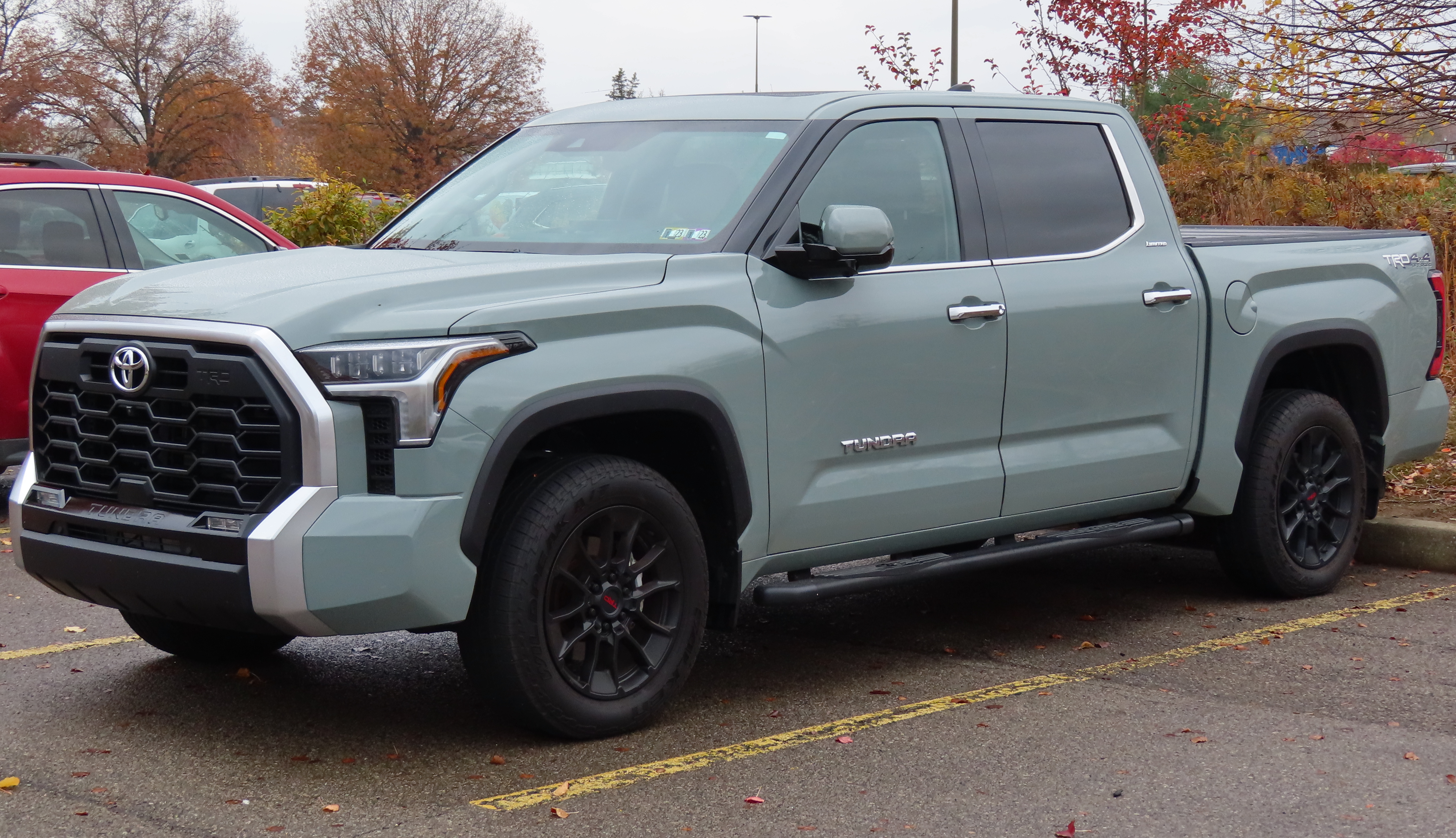
Toyota Tundra
"I mean, we've seen tundras that are $75,000, $80,000. That's a far cry from affordable. And yes, across the industry, the average is in excess of $50,000..."
The Toyota Tundra is Toyota’s big pickup truck. They’re using its high price to show that Toyota’s trucks can cost as much as luxury-level vehicles now.
The Toyota Tundra is Toyota’s full-size pickup truck, typically priced far above compact cars. The hosts cite Tundra prices around $75,000–$80,000 to argue that Toyota’s lineup has moved into much higher price territory.
inventory turning over
"we track every single month the fastest selling cars in the United States of America. This is a great indication of vehicles that have no negotiability or lots of negotiability based on how quickly inventory is turning over."
Inventory turnover is a measure of how fast car lots sell their cars. If cars are selling quickly, dealers often don’t have to discount much, because buyers are already snapping them up.
Inventory turnover describes how quickly a dealership sells through its supply of cars. Faster turnover usually indicates stronger demand and can correlate with less discounting (less “negotiability”) because the dealer doesn’t need to cut prices to move units.

Lexus RZ
"And when you look at this list, 90% of it are Toyotas. Two of those are Lexus vehicles, the RZ and the GX. So let's exclude those."
The Lexus RZ is an all-electric Lexus SUV. They mention it only to exclude it from their list, because it’s not directly comparable to the Toyota models they’re focusing on.
The Lexus RZ is Lexus’s battery-electric crossover, which makes it a different pricing and demand category than Toyota’s mainstream gas models. The hosts mention it to exclude Lexus EVs from their “fastest-selling Toyotas” comparison.

Lexus GX
"Two of those are Lexus vehicles, the RZ and the GX. So let's exclude those. Toyota Camry is the ninth fastest selling vehicle..."
The Lexus GX is a more upscale SUV than most Toyota models. They bring it up to say, “we’re excluding Lexus,” so the rest of the list is mostly Toyota vehicles.
The Lexus GX is a luxury midsize SUV known for off-road capability and a higher-end positioning than mainstream Toyota models. In this segment, it’s mentioned alongside the Lexus RZ as an outlier they exclude from a Toyota-focused sales-speed list.
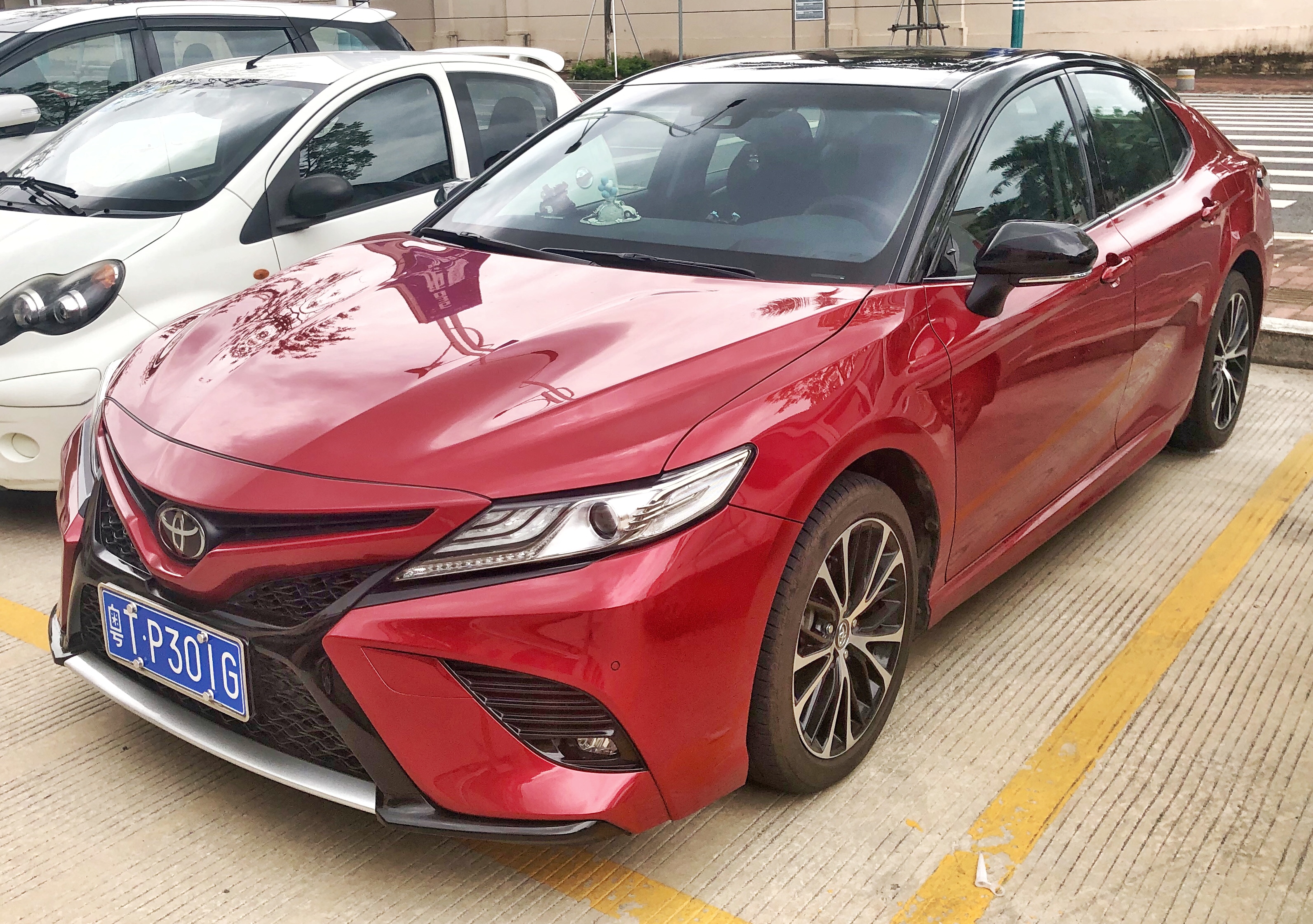
Toyota Camry
"So let's exclude those. Toyota Camry is the ninth fastest selling vehicle in the United States at a $36,568 price point."
The Toyota Camry is a popular mid-size sedan. In this segment, it’s mentioned because it’s selling quickly and at a relatively high price compared with cheaper Toyota models.
The Toyota Camry is a mid-size sedan that’s historically one of Toyota’s core volume models. Here it’s used as a data point for “fastest selling” vehicles and a specific transaction price level.

Toyota Sienna
"Look at this, Deb, the Sienna is the sixth fastest selling vehicle in the United States of America at almost $54,000. $54,000 Toyota Minivan is your sixth fastest selling car..."
The Toyota Sienna is Toyota’s minivan. They mention it because it’s selling very fast even at around $54,000, which shows how expensive new vehicles have gotten.
The Toyota Sienna is a minivan, typically serving as a family-focused alternative to SUVs. In this segment, it’s highlighted as the sixth fastest selling vehicle at nearly $54,000, illustrating how high transaction pricing has become.

Toyota RAV4
"The RAV4 average transaction prices has creeped all the way up to $41,358. The Toyota Corolla Cross is over $32,000."
The Toyota RAV4 is a popular compact SUV. They’re pointing out that the average price people pay for it has been climbing.
The Toyota RAV4 is a compact crossover SUV and one of Toyota’s biggest mainstream volume models. The hosts cite its average transaction price creeping up to about $41,358 as evidence of rising prices across the lineup.

Toyota Corolla Cross
"The RAV4 average transaction prices has creeped all the way up to $41,358. The Toyota Corolla Cross is over $32,000. And then the Highlander is $55,500."
The Toyota Corolla Cross is a small SUV version of the Corolla. They mention it because it’s also selling at higher prices than you might expect.
The Toyota Corolla Cross is Toyota’s compact crossover built on the Corolla nameplate. In this segment, it’s used as another example of a Toyota model selling at an elevated average transaction price.
vehicle life cycle extension
"I think most of the manufacturers are looking at extending the life cycle of all their vehicles. You know, it used to be three to five years."
It means keeping the same basic car around longer. Instead of replacing it quickly, the company updates it less often to save money.
Vehicle life cycle extension means stretching how long a model stays on sale before a full redesign. Instead of frequent updates and a new generation every few years, manufacturers keep the same platform longer to reduce development and production costs.
mid-cycle refresh
"You'd come out with the vehicle and in three years, two years, there'd be like a mid-cycle refresh. You know, you make minor changes, you keep it pretty much the same for five years."
It’s like a “face-lift” that happens partway through a car’s life. The car gets some updates, but it’s not a brand-new model yet.
A mid-cycle refresh is a planned update halfway through a vehicle’s generation life. Automakers typically change styling, add features, and sometimes tweak powertrains or electronics without redesigning the whole car.
redesigned version
"And then on the sixth year, Bingo, it's a new redesigned version of it."
That’s when the car gets a bigger overhaul. It’s more than a small update—it’s closer to a new generation.
A redesigned version is a full generational change where the car is reworked more deeply than a refresh. This often includes new styling, updated platforms, and major changes to powertrains or software.
compact pickup truck
"Another question... is that compact pickup truck that could change the game significantly for Toyota and for the auto industry?"
It’s a smaller kind of pickup. The idea is to get the benefits of a truck, but in a size that’s easier to live with and often cheaper.
A compact pickup truck is a smaller class of truck designed for easier daily use and lower costs than full-size pickups. In the U.S. market, it can be a strategic product because it targets buyers who want truck utility without the size and price of larger models.
chicken tax
"I guess they can't import them because of the chicken tax, but they already make stuff."
The “chicken tax” is a U.S. import tax that can make it harder to bring certain types of trucks into the country. That can limit which small truck models Americans can buy.
The “chicken tax” is a nickname for U.S. tariffs that were originally imposed on imported light trucks and certain goods. It has long affected how easily some small trucks can be imported into the United States, shaping what models are available to American buyers.
Toyota North America's CEO
"How does polymarket work? No clue. Are there more opportunities to work closely with Subaru and Mazda? That was a question that was posed to Toyota North America's CEO."
The speaker is talking about Toyota’s top leader for the U.S. market. The question is basically whether Toyota’s plans match what dealers and customers actually need.
This refers to the executive leadership of Toyota’s U.S. operations, who would be responsible for coordinating strategy with Toyota’s dealer network and production plans. In this segment, the CEO is being questioned about whether Toyota can meet demand and how it plans to expand offerings.
Subaru
"Are there more opportunities to work closely with Subaru and Mazda? That was a question that was posed to Toyota North America's CEO."
Subaru is another automaker mentioned as someone Toyota might work with. The idea is that partnerships can help companies build or deliver cars more effectively.
Subaru is mentioned as a potential partner for Toyota, implying collaboration on products, platforms, or supply relationships. Dealership and manufacturing partnerships can matter when one automaker needs help meeting demand or developing new vehicles faster.
Mazda
"Are there more opportunities to work closely with Subaru and Mazda? That was a question that was posed to Toyota North America's CEO."
Mazda is another car company brought up as a potential partner. Working together can help automakers develop cars faster and meet demand.
Mazda is mentioned alongside Subaru as a possible collaboration target for Toyota. Automakers often partner to share engineering work, platforms, or manufacturing capacity, which can reduce time-to-market for new models.
battery electric vehicles
"The response to that question was, quote, our collaborations aren't really limited to battery electric vehicles, but also other areas."
Battery electric vehicles are fully electric cars that run on a battery instead of gasoline. The point here is that Toyota’s partnerships aren’t only about fully electric cars—they could also involve other kinds of powertrains.
Battery electric vehicles (BEVs) are cars powered only by electricity stored in a battery pack, with no gasoline engine. When the CEO says collaborations aren’t limited to BEVs, they’re signaling that partnerships could also cover hybrid and other powertrain technologies.
hybrid
"55% to 60% of all their sales right now are hybrids... And I've been saying this for four or five years. I always thought that hybrids were that bridge to whatever alternative fuel type of situation is going to be the norm in the future... none of the manufacturers seem to be able to produce enough of those hybrid vehicles to satiate that demand."
A hybrid uses two power sources: a gasoline engine and an electric system. The hosts are saying hybrids are still in high demand, and automakers aren’t making enough of them to satisfy everyone.
A hybrid vehicle uses both an internal-combustion engine and an electric motor/battery to move the car. The transcript highlights Toyota’s hybrid dominance and the idea that hybrids are still growing because manufacturers can’t build enough hybrid vehicles to meet demand.

Mazda Cx50
"And as we mentioned yesterday, for instance, in the Mazda CX50 hybrid, that's a Toyota hybrid system. Now, in the future, it will be a Mazda hybrid system, but until that time, you can't find a more proven hybrid system than what Toyota has been working on all these years."
The Mazda CX-50 hybrid is a Mazda SUV that, at least for now, uses a hybrid system that comes from Toyota. That’s important because the hybrid system is what determines how efficient and smooth the car feels day to day.
The Mazda CX-50 hybrid is a hybrid SUV where the hybrid system is described as being Toyota-sourced in the current timeframe. That matters because hybrid system design (battery, power electronics, and control strategy) strongly affects real-world fuel economy and how smoothly the car transitions between electric assist and engine power.
bridge to alternative fuel
"I always thought that hybrids were that bridge to whatever alternative fuel type of situation is going to be the norm in the future. Whether that be battery electric or something else, I don't know."
The “bridge” idea means hybrids are a middle step on the way to cleaner future power sources. They help people transition now, while the industry figures out the next big shift.
The “bridge to alternative fuel” idea is that hybrids can serve as a stepping stone toward a future where non-gasoline powertrains (like battery electric vehicles) become the norm. In practice, hybrids let automakers and customers gain experience with electrified drivetrains while charging infrastructure and battery supply ramp up.
dealer add-ons
"In this case, this dealership's putting some add-ons on vehicles. So it's something you need to be aware of."
Dealer add-ons are extra charges or add-on items a dealership adds to a car deal. They can make the final price higher than you expected, so it’s worth checking before you buy.
Dealer add-ons are extra products or services added to a vehicle sale beyond the base price. They can increase the out-the-door cost and are often a key reason two listings with the same car price can end up costing very different amounts.
tariff refunds
"That doesn't mean that there probably aren't some refunds that these manufacturers are about to get from the government. Ford booked 1.3 billion in tariff refunds already..."
Tariff refunds are money back from the government after a company paid extra taxes on imports. For car companies, refunds can help reduce the financial hit from tariffs.
Tariff refunds are reimbursements a government provides when companies paid tariffs that are later refunded or offset. Automakers may book these refunds as expected revenue, which can partially offset higher costs they incurred during the tariff period.
COVID shortage
"But it's like everything in life. What all the manufacturers discovered during COVID when there was a shortage was that if the"
During COVID, there were shortages that made it harder to get enough cars and parts. The host is saying companies learned from that and may keep prices higher longer than you’d expect.
The transcript references what automakers learned during COVID when supply shortages disrupted production and sales. Those shortages helped create pricing power and inventory constraints, which can influence how companies set prices even after conditions improve.
MSRP
"dealers could raise the prices above the MSRP as much as they could, and people would buy them,"
MSRP is the “starting” price the manufacturer lists for a new car. If a dealer charges more than that, you’re paying a markup.
MSRP (Manufacturer’s Suggested Retail Price) is the price automakers publish as the baseline for a new vehicle. Dealers may charge above MSRP, which is often called a markup, especially when demand is high.
supply and demand
"I think even more important than tariffs that are supply and demand and look no further than a brand named Jeep to see that Jeep is the only manufacturer that I know of that has over the course of a model year switchover slash their MSRP by upwards of $5,000, $10,000."
Supply and demand means prices change depending on how many cars are available and how badly people want them. If fewer people are buying, prices usually have to drop to sell the cars.
Supply and demand is the idea that prices move based on how many cars are available versus how many people want to buy them. If sales slow and inventory builds, dealers typically lower prices to attract buyers.
model year switchover
"Jeep is the only manufacturer that I know of that has over the course of a model year switchover slash their MSRP by upwards of $5,000, $10,000."
A model year switchover is when the car changes from the current year to the next year. Dealers may cut prices on the older-year cars to make room for the new ones.
A model year switchover is when automakers transition from one model year’s production to the next (often bringing new styling, tech, or pricing). Dealers sometimes discount the outgoing-year cars to clear inventory before the new year arrives.

Porsche Cayman
"Best part about the 2025 Porsche Cayman is the 2012 interior and tech that debuted on a 991911 tiny screen and buttons flawless."
The Porsche Cayman is a sports car from Porsche with the engine placed toward the middle of the car. Here it’s mentioned mainly because the host thinks the older interior and tech were better.
The Porsche Cayman is a mid-engine sports car from Porsche, known for its balanced handling and driver-focused layout. In this segment, the host highlights the 2012-era interior/tech feel as a key point of comparison.
buyer's market
"Thanks for this or Sylvie, excuse me. Is it a buyer's market? Should better pricing be expected"
A buyer’s market is when it’s easier for shoppers to get a deal because there aren’t enough buyers chasing the cars that are for sale. That usually means more discounts or lower prices.
A buyer’s market is when consumers have more negotiating power because there are more cars available than buyers. In that situation, discounts and better pricing are more likely than when demand is tight.
inventory oversupply
"Are they oversupplying their dealers to a large degree like they had in the past? I don't think so."
Oversupply means there are too many cars available compared to what buyers want. When that happens, dealers often lower prices to sell them.
“Inventory oversupply” is when manufacturers or the dealer network have more cars than the market can absorb at current prices. That typically forces dealers to discount to move units, which can lower average transaction prices. The hosts contrast past oversupply with the current situation where inventories are growing but not excessive.
on-hand inventory
"I think inventories are growing to a certain degree, but I don't think they're that unwieldy yet. The on-hand inventory at the moment is still 2.9 million."
On-hand inventory means how many cars are actually sitting at dealerships right now. More cars available can make it easier to negotiate, because dealers compete more.
“On-hand inventory” refers to the number of vehicles physically available at dealers (or in the channel) at a given time. Higher on-hand inventory usually increases competition among sellers, which can pressure prices downward. The hosts use it to argue that supply is improving but not yet at “unwieldy” levels.
leverage
"Buyer's market, seller's market is all about leverage. The floor has been raised..."
Leverage here just means who has the upper hand in negotiations. If dealers have leverage, they can resist discounts; if shoppers have leverage, they can negotiate harder.
In car-shopping terms, “leverage” is the negotiating advantage one side has over the other. When dealers have leverage, they can keep prices higher; when buyers have leverage, they can push for discounts, better financing, or more concessions. The episode frames leverage as the key driver behind buyer’s vs seller’s markets.
average transaction price
"No, it's crazy that the average transaction price for a new car now is north of $50,000."
“Average transaction price” is the typical final price paid for a car after discounts, incentives, and dealer pricing—so it’s closer to what buyers actually pay than the sticker price. When the hosts say it’s “north of $50,000,” they’re pointing to real-world pricing levels across the market. This helps explain why prices can feel high even if inventory changes.

Nissan Rogue
"We're looking at Nissan, this is on the Car Edge car search, Nissan Rogue step, and I went to the map view. And I'm shocked. I would have thought Nissan Rogue, this chart, would be full green."
The Nissan Rogue is a very common SUV. Here it’s used to show that whether deals are good or bad can change depending on where you live.
The Nissan Rogue is a popular compact crossover/SUV that’s often used as a real-world example for how pricing and availability vary by region. In this segment, the hosts use the Rogue to illustrate how local inventory levels can shift it from a buyer’s market to a seller’s market.
seller's market
"This shows you where there's a buyer's market and where there's a seller's market based on day's supply. ... it's all red because it's not enough supply and there's too much demand."
A seller’s market is when people want the cars more than there are cars available. That usually means less discounting and faster sales.
A seller’s market means demand is high relative to available inventory, which typically reduces negotiating power for buyers. The hosts connect it to “days supply of inventory,” where low days supply indicates cars are selling quickly.
day's supply of inventory
"The number one indicator for buyer's market versus seller's market is day's supply of inventory. And day's supply of inventory is how long it would take to sell all available inventory based on current sales rate."
This is a way to estimate how long the current stock of cars would last if sales keep going at the same pace. If it’s high, there are lots of cars sitting around (buyer’s market); if it’s low, cars move fast (seller’s market).
“Days supply of inventory” is a metric that estimates how long it would take to sell all currently available vehicles at the current sales rate. The hosts use it as the key indicator for whether a region is a buyer’s market or a seller’s market.
geography-based market pricing
"But that's like, that shows you how nuanced it is, dad. And do that chart for any Toyota product... It's an impossible question to answer broadly, but can be answered when you drill down to certain locations, areas of the country, regions."
The segment emphasizes that used/new-car pricing and deal strength can vary dramatically by location because inventory and demand differ from state to state. The hosts argue that broad national answers are unreliable, but drilling down to specific regions makes the market dynamics understandable.
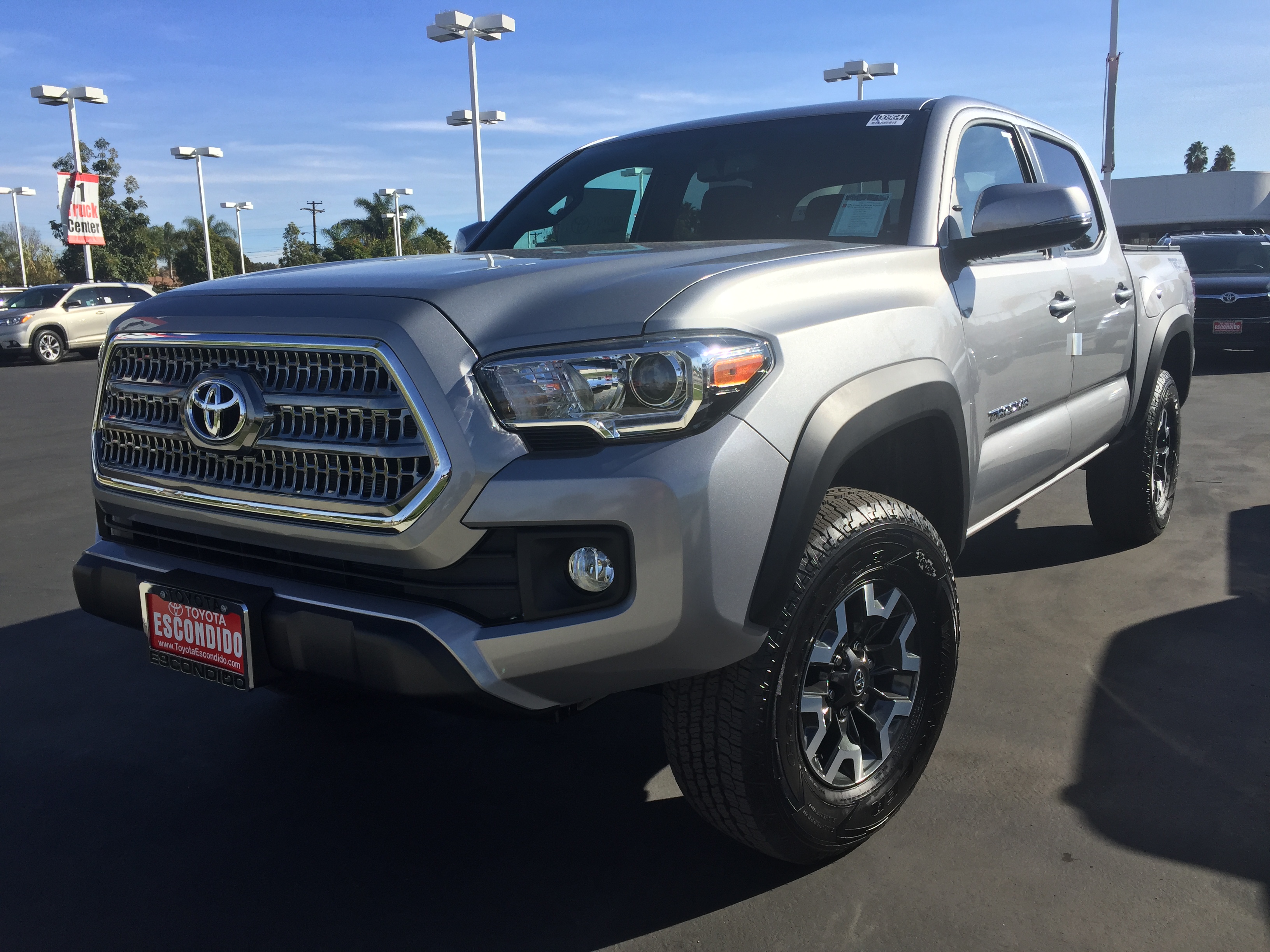
Toyota Tacoma
"And do that chart for any Toyota product with the exception of the Tacoma and the Tundra. And yeah, they're, it's all red."
The Toyota Tacoma is a popular pickup truck. In this discussion, it’s singled out as not following the same local supply-and-demand pattern as most other Toyotas.
The Toyota Tacoma is a midsize pickup truck that the hosts call out as an exception to the “all red” supply/demand pattern they see for most Toyota models. That implies Tacoma availability and pricing dynamics differ by region compared with other Toyotas.

Toyota Hilux
"Two things stop [1897.7s] in the Toyota Hilux, in my opinion, emissions and safety ratings. Yeah, maybe. Yeah. Yeah."
The Toyota Hilux is a tough pickup truck that’s sold in many countries. Here, they’re talking about whether the version you can buy has good emissions and safety ratings.
The Toyota Hilux is a globally popular pickup truck known for its rugged, work-focused design. In this segment, the hosts mention it in the context of emissions and safety ratings, which are key factors buyers consider when evaluating whether a specific market version meets regulations and expectations.
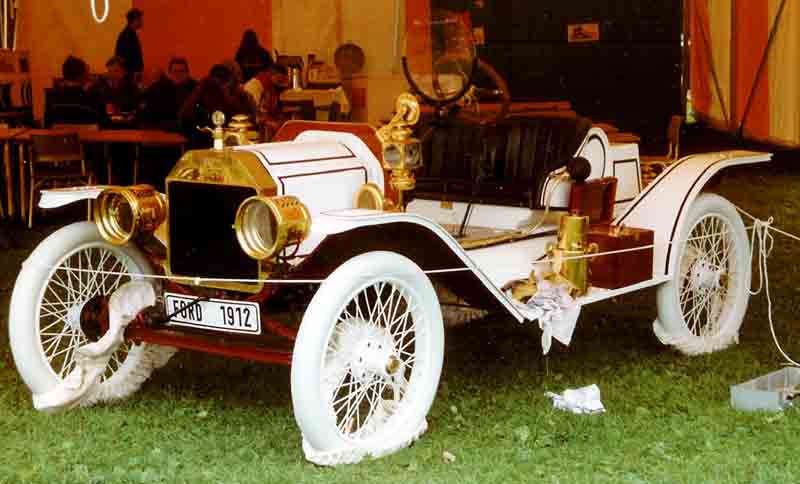
Ford Model T
"...ciate as always. Pops, please tell your child the Model T. The T in debuted is silent. Yeah. I was going to..."
The Ford Model T is an old car from the early days of automobiles. It’s famous because it was made in large numbers and helped make cars more common. The “T” being silent is just a pronunciation detail people often mention.
The Ford Model T is a historic early mass-produced car that helped popularize affordable personal transportation. It’s often referenced in storytelling or family conversations because it’s one of the most recognizable vehicles from automotive history. In the podcast context, it’s brought up as a “tell your child” moment, highlighting its place in the timeline of cars.
sticker price
"Got $19,000 off sticker price on a new Jeep Gladiator Sport S fully loaded"
Sticker price is the listed price on the car’s window sticker. When someone says they got money off sticker, they mean they paid less than that list price.
“Sticker price” is the manufacturer’s suggested retail price shown on the vehicle’s window sticker. Discounts are often described as a dollar amount off sticker, which helps compare deals even when final out-the-door pricing varies.

Jeep Gladiator Sport S
"Got $19,000 off sticker price on a new Jeep Gladiator Sport S fully loaded [1946.2s] V6 triple-clack premium Alpine stereo."
The Jeep Gladiator Sport S is a pickup truck from Jeep. They’re using it here to talk about a big discount from the listed price, which can happen depending on the buying situation.
The Jeep Gladiator Sport S is a midsize pickup that blends Jeep-style off-road capability with a truck bed. In this segment, it’s used as an example of a deal—specifically a discount off the sticker price—showing how pricing can vary by market and timing.
Alpine
"V6 triple-clack premium Alpine stereo. Bless your heart."
Alpine is an audio brand known for aftermarket and factory-fit car stereos. When a listing mentions an “Alpine stereo,” it typically means the vehicle’s sound system uses Alpine components and tuning rather than a generic head unit.
Request an Explanation
Heard something you'd like explained? We'll add it to this episode.
Sign in to request explanations for terms you heard.
Want to learn more?
Browse our glossary for plain-English explanations of automotive terms, jargon, and concepts.
Help improve this episode
See something that's not quite right? Our annotations are AI-generated and can sometimes miss the mark. Click the flag icon on any annotation to suggest a correction.