
Trusted Automotive Advice Personalized for You Too
About this episode
The hosts tackle a mix of practical repair questions and truck-buying advice, from whether oil additives can quiet a ticking Tacoma to diagnosing intermittent auto-lock failures on a Mazda CX-30. They also dig into diesel fuel lubricity additives, a water-damaged Ford Super Duty tail light and module issue, and what to watch for at an auction on a 2012 Ram. Later, they help a caller plan a modernized vintage Ford truck build and discuss exhaust noise, wiring diagrams, and troubleshooting blown fuses.
We have the expert advice! Call our show live 866-594-4150 and get help on the live show. Looking to save money on car repairs? Tune in to our latest episode of Under The Hood for practical automotive advice that can help you avoid costly repairs.1. 19 Tacoma should I use oil additive? 2. 24Mazda CX-30 Door won't auto lock with proximity sensor on fob 3. 12 Ram auction buy 4. 20 6.7 Ford Diesel fuel additive or not? 5. 20 Ford Radar sensor taillight failure fix 6. 19 F150 noisy exhaust after Supercharger install 7. 12 Sorento blows fuses 8. 70 F100 Resto mod 9. 2016 Kia Sedona Headlight shadows 10. 04 Dodge Diesel overheats 11. 23 Ridgeline
Lowe's
"[80.3s] To buy a select cobalt 40 volt trimmer and blower combo kit, our best lineup is here at Lowe's. [87.1s] Lowe's, we help you save. [90.1s] Validate 5-6, annuals offer excludes Alaska and Hawaii."
Lowe’s is a store that sells tools and home supplies. In this segment, they’re promoting a cordless trimmer and blower kit.
Lowe’s is mentioned as the retailer for a “cobalt 40 volt trimmer and blower combo kit.” While not an automotive brand, this is a power-tool purchase reference that appears in the sponsor block.
cobalt
"[80.3s] To buy a select cobalt 40 volt trimmer and blower combo kit, our best lineup is here at Lowe's. [87.1s] Lowe's, we help you save. [90.1s] Validate 5-6, annuals offer excludes Alaska and Hawaii."
Cobalt here refers to a brand of cordless yard tools. They’re selling a trimmer and blower kit that runs on a 40-volt battery system.
“Cobalt” is referenced in the context of a “40 volt trimmer and blower combo kit.” In many markets, Cobalt is used as a power-tool brand name, commonly associated with cordless yard equipment.
collector car insurance
"[103.8s] Berkeley One Classics, your key to collector car insurance. [107.4s] And Road Ready Wheels, replica OEM wheels at huge savings. Use the offer code hoodie for even more. [114.9s] And by car dash part, over 200 million used parts ready to ship to you fast."
Collector car insurance is a specialized type of coverage for vehicles that are owned for hobby use rather than daily commuting. It often uses agreed value or stated value approaches and may include coverage tailored to limited mileage and storage conditions.
replica OEM wheels
"[107.4s] And Road Ready Wheels, replica OEM wheels at huge savings. Use the offer code hoodie for even more. [114.9s] And by car dash part, over 200 million used parts ready to ship to you fast. [120.0s] Thank you for subscribing. Wherever you listen to your podcast, we would love if you'd subscribe and rate and review us."
Replica OEM wheels are replacement wheels made to look like the original factory wheels. They can be a cheaper way to get the stock look, but you still want to make sure they fit your car correctly.
“Replica OEM wheels” refers to aftermarket wheels designed to match the look of factory (original equipment manufacturer) wheels. Enthusiasts often choose them for styling continuity, but fitment and quality can vary by brand and application.
car dash part
"[114.9s] And by car dash part, over 200 million used parts ready to ship to you fast. [120.0s] Thank you for subscribing. Wherever you listen to your podcast, we would love if you'd subscribe and rate and review us. [125.7s] We appreciate it. Here is the Under the Hood Show podcast."
“car dash part” is mentioned as a sponsor offering “over 200 million used parts ready to ship.” This points to an online used-parts marketplace where you can source components for repairs or restorations.
0W20
"I got a 2019 Tacoma and my question is, so the truck runs a 20-weight oil, 0W20... And I'm just wondering if I should put an oil additive into that."
0W-20 is the type of engine oil thickness. The “0W” part means it’s easier to start when it’s cold, and the “20” part means how it behaves once the engine is warmed up. Using the right oil grade helps the engine stay properly lubricated.
0W-20 is an oil viscosity grade. The “0W” indicates it flows well in cold temperatures, and “20” indicates its thickness when the engine is at operating temperature. Using the viscosity recommended by the manufacturer matters for lubrication and noise characteristics.

Toyota Tacoma
"I got a 2019 Tacoma and my question is, so the truck runs a 20-weight oil, 0W20... What about the noise? Will it quiet it down?"
They’re talking about a 2019 Toyota Tacoma. You’re hearing a ticking noise and wondering if you should add something to the oil. The host explains whether additives are necessary for this truck and what the noise might mean.
The speaker is discussing a 2019 Toyota Tacoma and its lubrication needs. They mention the truck uses a specific oil viscosity and ask whether an oil additive is worthwhile. The conversation also touches on a common concern: engine noise (a ticking sound) and whether oil additives would help.
oil additive
"And I'm just wondering if I should put an oil additive into that... If this was a different manufactured engine from somebody else that was known for oil system issues, I'd say yes, an oil additive would be a good choice."
An oil additive is something you pour into your engine oil to try to improve how the oil works. Some additives are meant to reduce wear or help with things like noise. But if your engine is already doing well and you’re changing oil on time, the host says it usually isn’t needed.
An oil additive is an aftermarket product mixed into engine oil to change lubrication or reduce wear/noise. In this segment, the host argues additives are more useful when an engine is known for oil-system problems, but less necessary for vehicles with a strong track record like the Tacoma/Toyota mentioned. The discussion also implies additives can’t compensate for poor maintenance or mechanical failures.
ticking
"And I'm just wondering, the motor sounds a little louder than I would think you'd hear. It's that little ticking, you know?... What about the noise? Will it quiet it down?"
The caller describes a “little ticking” noise and asks whether it can be quieted with oil additives. Ticking can come from several sources (for example, valve train noise, lifter behavior, or other mechanical clearances), and oil additives generally can’t fix internal mechanical wear. The host’s response focuses more on whether additives are needed than on diagnosing the noise directly.
oil system failures
"The Tacomas and the Toyotas have been pretty good oil system-wise. We don't see very many oil system failures with those vehicles at all, and therefore they're typically fine with just regular oil changes."
Oil system failures are when the engine’s lubrication system doesn’t work correctly, which can lead to poor protection for the engine. The host says Toyota/Tacoma engines usually don’t have these kinds of problems. That’s why they recommend normal oil changes instead of extra additives.
“Oil system failures” refers to problems in the engine’s lubrication system—such as oil pump, passages, or related components—that can lead to low oil pressure or insufficient lubrication. The host claims Tacomas and Toyotas rarely have these issues, so routine oil changes are usually enough. They also distinguish oil-related damage from failures caused by component quality.
Justice Brothers heavy-duty vehicle
"I'd say yes, an oil additive would be a good choice. The Justice Brothers heavy-duty vehicle, something that has something to take the place of the missing lubricants that were added to oils in the past."
The Justice Brothers heavy-duty vehicle product is referenced as an example of an oil additive. The host describes it as having ingredients meant to replace “missing lubricants” that were previously added to oils. This is essentially a marketing/ingredient claim about additive chemistry and lubrication performance.
lifter tick
"If it's coming from the lifters on the upper end of the engine, then a product like Hotshot Secret, lifter tick-fix could fix that..."
A “lifter tick” is a light tapping/ticking noise from inside the engine. It often happens when the oil isn’t staying clean or the engine parts aren’t getting proper lubrication.
“Lifter tick” refers to a ticking sound that can come from the engine’s valve train—often hydraulic lifters—when they’re not pumping up properly or are sticking. It’s commonly associated with oil-related issues like sludge or infrequent oil changes, rather than a catastrophic failure.
hydraulic lifters
"If it's coming from the lifters on the upper end of the engine..."
Hydraulic lifters are parts that help keep the engine’s valves adjusted automatically using oil. If the oil is dirty or the lifters get gummed up, they can start making a ticking noise.
Hydraulic lifters are valve-train components that use engine oil pressure to automatically maintain proper valve clearance. If they’re contaminated or not getting clean oil, they can produce a ticking sound as they fail to pump up smoothly.
Hotshot Secret
"If it's coming from the lifters on the upper end of the engine, then a product like Hotshot Secret, lifter tick-fix could fix that..."
Hotshot Secret is a brand of engine additives you pour in to help clean or condition parts. Here, they’re talking about using it to reduce a ticking noise that might be caused by oil buildup.
Hotshot Secret is an aftermarket additive brand marketed for engine oil and fuel system cleaning/conditioning. In this segment, it’s specifically mentioned as a product intended to address lifter-tick-type noises and oil-related buildup.
oil seal conditioning
"It could be a little bit of just build-up in there... And that's what it's made for, to help condition seals."
The hosts mention that an additive is “made for” helping condition seals, implying it can reduce seal hardening and help prevent leaks. This is typically marketed as improving oil seal flexibility and reducing seepage, though results vary by vehicle and condition.
oil changes
"sometimes people go really long on oil changes and they can build up stuff... What is your oil change routine? It's every 3,000."
Oil changes matter because dirty oil can let gunk build up inside the engine. Changing oil regularly helps keep moving parts lubricated and can prevent noises caused by buildup.
The hosts connect ticking noises to oil-change intervals, noting that going “really long” between oil changes can allow deposits to build up. They also discuss a common maintenance routine of changing oil every 3,000 miles, which is intended to keep oil clean and reduce sludge-related wear.
high-pressure injector noise
"you're aware of the difference between like a high-pressure injector noise versus a tick... Especially if you leave the engine cover off."
Fuel injectors can make a loud clicking/tapping sound on newer cars. The key point is not to assume every tick is engine damage—some injector sounds are normal.
Modern high-pressure fuel injectors can make a noticeable mechanical noise, especially with the engine cover off. The segment emphasizes distinguishing injector noise from a true ticking problem (like lifter tick), because they can sound similar to untrained ears.
V6
"And which motor is it? Is it the 4-cylinder? No, the V6, I guess. Okay."
A V6 is an engine with six cylinders. It’s shaped differently than a 4-cylinder engine, so it can sound different—like what they’re noticing with the truck’s motor.
A V6 is an engine with six cylinders arranged in a “V” shape. The discussion contrasts a possible 4-cylinder with the V6, because different engine layouts can sound different and may affect perceived noise.
4-cylinder
"And which motor is it? Is it the 4-cylinder? No, the V6, I guess."
A 4-cylinder engine has four cylinders. They’re asking whether the truck is a 4-cylinder or a V6 because the engine type can change how it sounds.
A 4-cylinder engine has four cylinders and typically has a different sound and character than a V6. Here, the hosts are trying to identify which engine the truck has because engine configuration can explain why the motor sounds a certain way.
engine noise diagnosis via trial additive
"Well, like Russ said, you can sure give it a try on one of your oil changes and see if it quiets down... But there's nothing hurt by trying that to see if it quiets up... It shouldn't be dirty in there, but you could try it."
They’re basically saying: try a treatment during an oil change to see if the engine gets quieter. If the noise is caused by something like dirty oil or lubrication issues, it might improve—but if it doesn’t, you’ll want to look deeper.
The hosts propose a practical “trial” approach: use an engine treatment during an oil change to see if it reduces noise. This is a common low-risk diagnostic mindset—if the noise is related to lubrication/cleanliness, an additive may help, but it’s not a substitute for proper diagnosis if the noise persists.
Hot Shots Secret
"The Hot Shots Secret product would be a good one to choose. And just see if it changes. And you say you've heard other ones kind of the same."
Hot Shots Secret is a brand of engine treatment you add to your vehicle. They’re suggesting it as a try-and-see option during an oil change to help quiet down a noisy-sounding engine.
Hot Shots Secret is an aftermarket product line marketed for engine cleaning and performance/longevity benefits. In the segment, it’s recommended as an additive to try during an oil change to see whether it reduces engine noise and helps the engine run more smoothly.

Mazda Cx30
"I have a 2024 mod that's all getting recorded. The CX-30 with only about 15,000 miles on it. It's got automatic door locks where you set it in the menu system of the infotainment center."
A Mazda CX-30 is a small SUV/crossover. Some cars can automatically lock the doors when you close them and walk away, and this caller says that feature doesn’t work reliably on their 2024 model.
The Mazda CX-30 is a compact crossover that uses an infotainment system to control convenience features like automatic door locking. In this case, the listener reports the auto-lock feature only works intermittently even though the car is new.
infotainment center
"It's got automatic door locks where you set it in the menu system of the infotainment center. And you close the door and walk away and it locks the doors automatically."
The infotainment center is the screen in the car where you change settings and control things like locks and other convenience features. If the auto-lock feature is controlled there, the setting (or the software) can matter.
The infotainment center is the car’s main touchscreen/audio/computer interface. Many vehicle settings—like auto-lock behavior—are configured through it, so an incorrect setting or a software glitch can directly affect how features behave.
automatic door locks
"It's got automatic door locks where you set it in the menu system of the infotainment center. And you close the door and walk away and it locks the doors automatically. However, that only works about 85% to 90% of the time."
Automatic door locks are the feature that locks your doors by itself when you close the door and walk away. If it sometimes fails, it could be something about how the car detects your key or how the system is set up.
Automatic door locks are a convenience feature that can lock the doors based on conditions like door closure and key presence. When it only works 85–90% of the time, it often points to a software setting, sensor/key-detection behavior, or a dealer diagnostic that didn’t capture the intermittent issue.
intermittent issue vs no trouble codes
"I bought it out of town and I'm wondering if that has anything to do with their diagnosis. You know, they hook it up to the computer and say, yeah, we're not getting any codes and then they call it good. No, it should not."
Sometimes a problem happens only sometimes, so the car doesn’t record an error code when the dealer checks it. That can make it seem like everything is fine even though you’re still noticing the issue at home.
Modern cars log problems as trouble codes, but intermittent faults may not trigger a code during a short dealer visit. That’s why a dealer can report “no codes” yet the customer still experiences the problem—especially with features tied to sensors, key detection, or software logic.
dealer diagnostic follow-up
"And, you know, we've got a good dealer network in our town. And so it's just important that you follow up on it to make sure if you don't feel like you're getting resolution. But I think you got to give them a chance to get some resolution on there because it is."
If the dealer checks the car and you still aren’t convinced the problem is fixed, it’s reasonable to go back and ask them to keep trying. Some issues need more than one attempt to track down.
When a customer doesn’t feel the dealer resolved the issue, follow-up is important—especially for intermittent or feature-related problems. The host suggests giving the dealer a chance to continue working toward resolution rather than assuming the first diagnostic attempt was sufficient.
intermittent problem
"Yeah, and so it's had this issue since it was new... It only does it about 85 to 90% of the time... Otherwise, they just plug it into the computer, don't get a code and send me home again... it can't be found. They do not see it occurring."
Some car problems only happen occasionally. If the shop can’t make it happen while the car is there, they can’t tell what’s causing it. That’s why it can feel like the dealership “can’t find anything,” even though you’re seeing it at home.
An intermittent problem is a fault that happens only sometimes, so it’s hard to reproduce during a dealership or shop visit. Because the car may not show the issue while it’s being tested, technicians can’t confirm the cause or pull a useful diagnostic result.
door locks automatically locks it after a few seconds
"And it's got a setting where you just close the door and it automatically locks it after a few seconds... It only does it about 85 to 90% of the time."
Some cars automatically lock the doors after you close them or after you walk away. If it doesn’t do it every time, something like a sensor or the key/remote signal may be acting up.
Many vehicles have an automatic locking feature that engages after a delay once the door is closed or when you walk away. If it only locks 85–90% of the time, it suggests a sensor, module, or key/remote-related input that’s not consistently being detected.
plug it into the computer
"Otherwise, they just plug it into the computer, don't get a code and send me home again... Which really... They can't get a code."
When shops “plug a car into the computer,” they’re using a diagnostic scan tool to read stored trouble codes and live data from the vehicle’s onboard systems. If the fault doesn’t occur during the visit, the car may not record a code, making diagnosis much harder.
key fobs
"And what is happening is you have a system that is looking for a signal from any and all key fobs that are attached to that vehicle, leaving the area... with the key fob in your pocket, you can go up and push the button on the door and it unlocks."
A key fob is the wireless “key” you carry. The car reads its signal, and when it senses the fob nearby it can unlock the doors, and when it senses the fob is gone it can lock them.
A key fob is a small wireless transmitter that communicates with the car’s body electronics. In proximity systems, the car constantly listens for the fob’s signal and uses it to decide when to unlock or lock doors.
proximity remote interference
"If it sees any kind of glitch or any other interference at the time, it won't work... If it's interference from something else and there's nothing wrong, they may not be able to do anything."
Sometimes keyless entry doesn’t work because the wireless signal gets messed up by other electronics or interference. If the problem can’t be repeated on demand, it’s difficult for a shop to prove what’s wrong.
Proximity keyless systems can fail if the fob-car communication is disrupted by “glitches” or radio interference at the exact moment the car expects the signal to drop. Because the system may not detect a fault when it’s happening, the issue can be hard to reproduce and diagnose.

Chevrolet Camaro
"GM had it with the Corvette and Camaros and different things with proximity remotes."
The Camaro is a Chevrolet car. The host is saying GM has seen similar keyless/proximity remote problems on some Camaros too.
The transcript mentions GM having proximity-remote issues with “Camaros,” referring to the Chevrolet Camaro. The takeaway is that keyless/proximity systems can have communication problems across multiple GM models.

Chevrolet Corvette
"GM had it with the Corvette and Camaros and different things with proximity remotes."
The Corvette is a Chevrolet sports car. The host is saying GM has seen similar keyless/proximity remote problems on some Corvettes.
The Chevrolet Corvette is one of the GM models cited as having issues with proximity remotes/keyless entry behavior. The point is that this isn’t an isolated brand problem—GM systems on certain cars have shown similar symptoms.
FCC
"If you read any electronic device on the back of it, it'll have a little FCC... this device must not interfere with any other electronic device and must accept all interference from other devices."
FCC is a government rule for wireless devices. It basically means the fob has to play by the interference rules, and it also has to keep working even if other electronics are causing radio noise.
FCC refers to the U.S. Federal Communications Commission, which regulates radio-frequency devices like key fobs. The label is a compliance statement about interference—devices must not cause harmful interference and must tolerate interference from other sources.
scanner data
"Let's look at the scanner data while they're walking away... I didn't see us lose contact."
Scanner data is information pulled from the car’s onboard computers using a diagnostic tool. In keyless/proximity issues, technicians may watch for communication dropouts or related fault codes while the vehicle is locking/unlocking.
factory system not working (warranty vs diagnosis)
"Now, with all that said, if you've got a car under warranty and a factory system is not working, they've got two choices... It's going to be on the manufacturer."
If the car is still under warranty and the problem is with a factory system, the dealer usually has to involve the manufacturer. If the issue is intermittent and can’t be reproduced, it may take logs or repeated visits to get it approved for repair.
When a car is under warranty and a factory-installed system fails, the responsibility typically shifts to the manufacturer rather than being “fixed” by the dealership alone. The transcript highlights that if the issue can’t be duplicated or proven, the manufacturer may need evidence from repeated occurrences or logs.
buy a car back
"They buy a car back because they can't. Oh, yeah, that's one where we've tried to fix this issue with the transmission six times and happens very seldom, but it does happen. So we'll buy it back."
A “buyback” (often called a vehicle repurchase) is when the manufacturer or dealer takes the car back and refunds the customer due to an unresolved defect. The hosts describe it as an extreme end of the resolution process when repeated repair attempts fail.
transmission
"We've tried to fix this issue with the transmission six times and happens very seldom, but it does happen. So we'll buy it back."
The transmission is what helps send power from the engine to the wheels. If it’s acting up and the fix doesn’t stick after repeated attempts, the customer may end up with a buyback or other resolution.
A transmission is the drivetrain component that manages how engine power is delivered to the wheels. The hosts reference a case where they tried to fix a transmission-related issue multiple times, illustrating how recurring problems can lead to buybacks under warranty.
tire pressure monitor
"It was something minor like that where it wasn't big like a tire pressure monitor."
A tire pressure monitor tells you when one or more tires aren’t properly inflated. They’re saying the example wasn’t something as straightforward as that—it was a smaller system issue.
A tire pressure monitor system (TPMS) alerts the driver when tire pressure is low or otherwise out of spec. The hosts contrast this common, easily understood feature with a smaller, less obvious system that wasn’t working, to explain why some issues are harder to diagnose.
credit
"And they said, well, okay, we're going to give you a credit for this to fix it because you've been a loyal customer and you bought the car new from us."
A credit is basically a discount or allowance the dealer gives you to help cover costs. In the story, it was offered to make things right when the problem couldn’t be resolved the usual way.
In dealership warranty situations, a “credit” can mean money or allowance applied toward repairs or related costs. The hosts describe a case where the dealer offered credit because the customer was loyal and the issue wasn’t straightforward to fix immediately.

Dodge Ram
"... So I got an auction coming up and there's a 2012 Dodge Ram pickup. And I'm just wondering if there's anythi..."
A Dodge Ram is a pickup truck made for work and towing, and it’s also used for regular driving. The podcast mentions a 2012 model because people shopping at auctions want to know what problems to look for and whether it’s a good buy.
The Dodge Ram is a full-size pickup truck line known for hauling capability and everyday truck practicality. In an auction context, a 2012 example is often discussed because it represents a common, mid-cycle used-truck generation where buyers want to know what to check before bidding. It may come up on the show due to typical ownership questions like fuse/lighting issues, maintenance history, and overall condition.
VIN number
"So I got an auction coming up and there's a 2012 Dodge Ram pickup... Is there a VIN number post? ... There is not."
The VIN is like the car’s fingerprint. It can tell you exactly which version of the car you’re looking at, including the engine and transmission, even if the listing doesn’t say.
A VIN (Vehicle Identification Number) is a unique 17-character code that identifies a specific vehicle and its build details. For auction cars, checking the VIN helps you confirm the exact engine/transmission, trim, and options so you don’t buy blind.
VIN decoders
"If it has a license plate on it, then you can, there's VIN decoders online that will, you put the license plate in the state and it'll just give you the VIN. It doesn't tell you who owns it, but it'll give you a VIN with an engine size."
VIN decoders are websites that take a car’s VIN number and tell you what that vehicle is. You can use it to figure out things like the engine type, even if you don’t know the owner.
A VIN decoder is a website or tool that reads a vehicle’s VIN (Vehicle Identification Number) and returns details like make, model, and often engine information. It can help you identify what you’re looking at before you ever meet the owner.
Hemi
"If it's not, you know, if it's just a 12, more than likely it's got a 5-7 in it, Hemi. ... We got a 12 up there for an engine right now, and an 11, so more than likely this is going to be a V8. Yeah, a Hemi."
“Hemi” is a nickname for a type of V8 engine design. The hosts are using it to guess whether the truck has a V8 and to set expectations for how it should sound and run.
“Hemi” refers to Chrysler’s hemispherical combustion-chamber engine design, commonly associated with V8 performance. In this segment, the hosts use it as a quick way to identify what engine a truck likely has based on badges and sound.
5-7
"If it's not, you know, if it's just a 12, more than likely it's got a 5-7 in it, Hemi. Unless it was like a Rebel or something like that, those newer one, and they'd be newer in that typically, but those trucks, some of those had V6."
“5-7” means a 5.7-liter engine. The hosts are using the engine size to figure out which version of the truck you’re looking at.
“5-7” is shorthand for the 5.7-liter engine size, which is commonly paired with V8 configurations in certain Dodge/Ram trucks. The speaker is using engine displacement as a clue to what powertrain the truck likely has.
pre-purchase start-up noise check
"If it is a Hemi, I guess the biggest thing that, for me, you better hear it run. Have it start up, you know, and if you could be the first one there to start it, it would be great just to see what the start up noises sound like and make sure it doesn't have, if you hear top end noise like lifters and that sort of thing..."
Before you buy, start the engine and listen carefully—especially when it first turns on. Weird rattles or tapping can be a warning sign that something inside the engine may be worn.
The hosts recommend a practical diagnostic approach: listen to the engine at first start and pay attention to abnormal startup noises. This is a common used-car strategy to catch potential internal problems (like lifter/cam concerns) before buying.
cam issue
"if you hear top end noise like lifters and that sort of thing, it's a possibility, strong possibility that it could have a lifter or a cam issue. If it rattles pretty good when it starts."
The camshaft controls when the engine’s valves open and close. If the engine makes loud top-end noises, it could mean the camshaft (or something tied to it) is worn or damaged.
A cam issue means a problem with the camshaft, which controls valve timing and lift. In this context, the hosts are warning that certain startup noises can indicate cam-related wear or damage, not just a minor sound.
51,000 miles
"It only has 51,000 miles on it. That's a good mileage indication. That's for low mileage."
Mileage tells you how much a vehicle has been driven. The hosts are saying 51,000 miles is relatively low, so if it’s making bad noises, that’s more suspicious than if it had very high mileage.
Mileage is a major indicator of wear and how likely certain problems are to show up. The hosts treat 51,000 miles as “low mileage,” using it to frame how concerning the noises would be if the truck is otherwise relatively new-to-use.
estate sale
"I'm going to just read between the lines if this is part of like an estate sale or something like that, you know, not being a fleet truck."
An estate sale is basically selling someone’s stuff when they’re no longer able to keep it. With a truck, it can sometimes mean the previous owner took good care of it, but you should still check it and confirm maintenance before buying.
An estate sale is when someone’s belongings are sold after they’ve passed away or moved out. In car shopping, it often means the vehicle may have been owned by an older person and maintained carefully, but you still need to verify condition and service history.
fleet truck
"I'm going to just read between the lines if this is part of like an estate sale or something like that, you know, not being a fleet truck."
A fleet truck is used by a business (like delivery or service work) and tends to rack up miles quickly with more standardized maintenance. Fleet vehicles can be fine, but they’re more likely to have been driven hard or have less personal care than a privately owned truck.
low miles
"It was probably really, really, really well cared for for a 12 without low miles."
“Low miles” means the truck hasn’t been driven much. That sounds good, but it doesn’t automatically mean the truck is problem-free—maintenance matters just as much.
“Low miles” generally means the odometer reading is relatively small for the truck’s age. Low mileage can be a positive sign, but it doesn’t guarantee reliability—some failures happen regardless of mileage, and neglected maintenance can still cause problems.
cam problems
"You just want to, you do want to hear it start up yet though, because we've seen really nice trucks with cam problems."
“Cam problems” means something is wrong with the engine’s camshaft, which helps control when the engine’s valves open and close. If the cam or related parts fail, the engine can run poorly or even stop working, so it’s a big thing to check before buying.
“Cam problems” refers to issues with the camshaft or cam-related components that control valve timing. These problems can be serious and may explain why a truck has low miles—sometimes it failed and was parked rather than repaired.
pre-purchase start-up check
"You just want to, you do want to hear it start up yet though, because we've seen really nice trucks with cam problems."
Hearing a truck start up before buying is a practical diagnostic step because it can reveal issues like hard starts, misfires, or abnormal noises. The speaker connects this to past experiences with “cam problems,” implying that a quick start test can catch serious red flags.
dipstick
"Does that have a dipstick in it? Should."
A dipstick is used to check the transmission fluid level and sometimes its condition. The speaker is emphasizing that you should verify the level and look for signs of trouble (like unusual color or odor).
low-mileage search online
"And you have indicated to a bunch of people, if you know what area you're from, that are going to now search the internet for a truck with 51,000 miles. I'm not interested at all, except now I want to see if I can find this truck online."
Searching online for a specific truck with a stated mileage is a way to validate pricing and identify similar listings. It can also help you compare options, but you still need to inspect the specific vehicle in person because mileage alone doesn’t confirm condition.
Saskatchewan, Canada
"He's in Saskatchewan, Canada, right? Is that what it says up there?"
Saskatchewan is a Canadian province known for cold winters, which can affect vehicle wear (especially rust and battery/starting behavior). Location matters when evaluating used trucks because climate and road salt can change the risk profile.
Color ID
"[1148.3s] How'd you guys know? [1149.6s] Color ID. [1150.5s] Yeah, that's great."
“Color ID” is a code that tells you the exact paint color a car left the factory with. It helps you confirm you’re looking at the right color, especially on a used car. That can matter when you’re checking repairs or ordering matching touch-up paint.
“Color ID” refers to identifying a vehicle’s paint color by a specific code or identifier. In practice, it helps confirm the correct factory color when checking a used car’s history, matching paint, or verifying parts/repairs. It’s also a quick way to avoid mixing up similar-looking colors.
kilometers and not miles
"[1150.5s] Yeah, that's great. [1151.3s] So you better check, make sure it's kilometers and not miles. [1153.6s] Right."
They’re saying double-check the distance units on the car. Some cars show mileage in kilometers (km) instead of miles (mi). If you mix them up, you might think the car has more or less wear than it really does.
The hosts are warning that some vehicles (especially imported ones) may display odometer or service information in kilometers rather than miles. This matters for interpreting mileage, maintenance intervals, and wear. Misreading units can lead to incorrect assumptions about how much the car has been driven.
dry startup
"[1158.5s] But starting it up here in it. [1159.9s] Well, that's going to be your quick indication. [1161.6s] If it's quiet on startup, I mean, you might get, if it's been sitting and you're the first one there, it could have a little bit of dry startup that might give it a little, a quick little bit."
“Dry startup” means the car starts a little rough or noisy when it hasn’t been driven for a while. That can be because fluids haven’t circulated and pressures haven’t built up yet. If the noise keeps going after the engine warms up, that’s a warning sign.
“Dry startup” is a colloquial way to describe a rough or noisy first start after the vehicle has been sitting. It can happen when oil or fuel pressure hasn’t built up yet, or when lubrication hasn’t fully reached components. If the noise persists after startup, it can indicate a deeper issue rather than just normal settling.
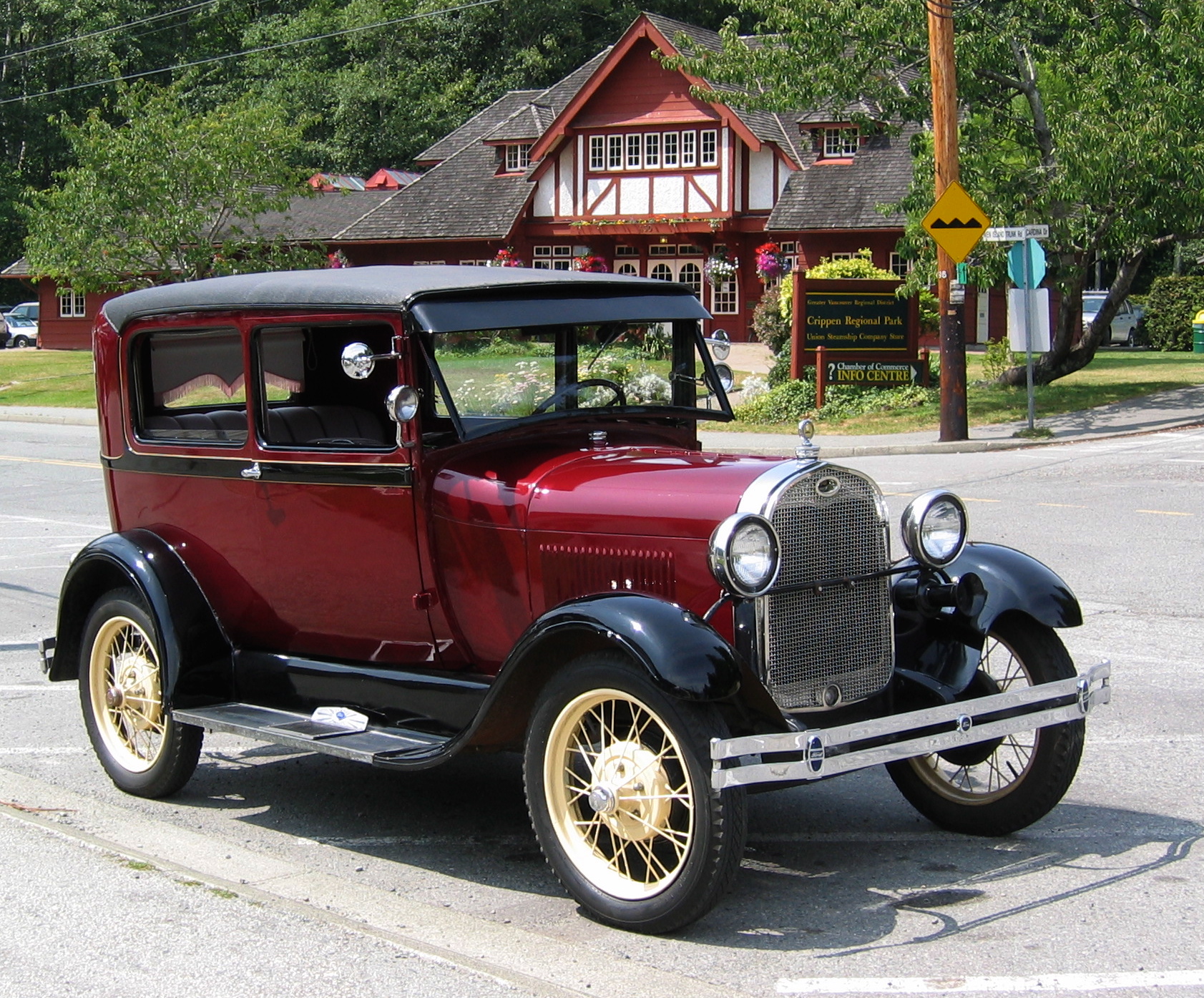
2020 super duty
"[1187.6s] Hey, guys. [1188.6s] Having a great day here. [1189.7s] Say you got a 2020 super duty, got a couple of questions."
“Super Duty” is Ford’s heavy-duty truck line. A “2020 Super Duty” means a 2020 model year of that truck. The caller is talking about a diesel problem and how it relates to the fuel system.
“Super Duty” refers to Ford’s heavy-duty truck line, and a “2020 Super Duty” would be a 2020 Ford Super Duty. On these trucks, diesel systems and fuel components are a common focus for troubleshooting. The caller is asking about diesel-related issues tied to the fuel system.
diesel
"[1189.7s] Say you got a 2020 super duty, got a couple of questions. [1192.9s] First of all, diesel, the injector motor or the injector pumps have been reading some stuff."
Diesel engines work differently than gas engines. Instead of spark plugs, they use high compression to ignite the fuel. Because of that, problems often show up in the fuel system and can affect how the engine starts and runs.
Diesel engines use compression ignition rather than spark plugs, and they rely heavily on the fuel system to deliver the right pressure and spray pattern. That’s why diesel “reading some stuff” or showing warnings often points to fuel delivery components, sensors, or injector-related issues. The caller is specifically connecting the problem to injector-related hardware.
lubricity product
"[1200.5s] My brother had issues with his about the dryness and the loose using a lubricity product, an [1206.5s] "
A lubricity product is an additive you mix with diesel to help it “lubricate” the fuel system. Diesel components rely on that lubrication to reduce wear. If someone thinks the fuel is too “dry” or not slippery enough, they may try a lubricity additive.
A lubricity product is an additive used to improve the lubricating properties of diesel fuel. This matters because low-lubricity fuel can increase wear in high-pressure components like pumps and injectors. The caller’s brother used a lubricity additive to address issues described as “dryness,” suggesting a fuel-quality or lubrication-related concern.
injector pumps
"You've got to keep that pump lubricated to the injectors. Every tank. Every tank."
On a diesel, the injector pump is like the fuel “pressure maker.” It pushes fuel to the injectors so the engine can burn it. If the fuel isn’t slippery enough, the pump can wear out faster.
Injector pumps are the components that pressurize diesel fuel and deliver it to the injectors. In many older and some modern diesel systems, pump lubrication is critical because the pump’s internal parts rely on fuel additives for wear protection.
injectors
"I see injectors out. I see pumps out. I see so many issues... it becomes a thousands and thousands of dollar fixed because it starts taking out injectors."
Fuel injectors are the parts that deliver fuel to the engine. If something goes wrong in the fuel system, the injectors can get damaged too, and that’s why the repair bill can get very expensive.
Fuel injectors are the components that spray fuel into the engine in precise amounts and timing. If contamination or debris circulates through the fuel system, injectors can fail or clog, leading to expensive repairs.
fuel system contamination cascade
"When you look at what the cost is in the problems that can create if that, if that pump goes out... it becomes a thousands and thousands of dollar fixed because it starts taking out injectors. It starts taking out other pumps."
Sometimes one fuel part fails and then causes problems for other parts. Debris can travel through the fuel system and damage more components than you’d expect, which is why costs can snowball.
A common failure pattern in fuel systems is a “domino effect,” where one component failure sends debris or contaminated fuel through the system. That contamination can then damage multiple downstream components, turning a single-part issue into a much larger repair.
high pressure pump
"...if that pump goes out, that, that high pressure pump goes out, the material that sheds into the system, it becomes a thousands and thousands of dollar fixed because it starts taking out injectors."
The high-pressure fuel pump is what forces fuel through the system at the right pressure. If it breaks, it can send debris downstream, which can then ruin other fuel parts like injectors.
A high-pressure fuel pump pressurizes fuel so it can be delivered accurately to modern fuel injection systems. When the pump fails, internal material can shed into the fuel, contaminating the rest of the system and triggering secondary failures like injector damage.
fuel additive
"So that investment in the, in the fuel additive is your relative that advises you just go ahead..."
Fuel additives are aftermarket products added to the fuel tank to clean deposits, reduce buildup, and sometimes improve combustion. In this segment, the host frames the additive as a preventive investment compared with the cost of fuel-system repairs.
aftermarket OEM replica wheels
"We want to tell you about our partner at Road Ready Wheels. Road Ready Wheels has the very best aftermarket OEM replica wheels available with a direct fit of the factory center caps and TPMS sensors so you don't need special caps and sensors."
These are replacement wheels made by a company other than the carmaker, but they’re designed to look like the original wheels. The benefit is that they may fit your car without extra adapters or special parts.
Aftermarket OEM replica wheels are non-factory wheels made to match the appearance and fitment of original equipment (OEM) wheels. The key point here is “direct fit” compatibility—replica wheels are often designed to work with factory center caps and sensor setups.
TPMS sensors
"Road Ready Wheels has the very best aftermarket OEM replica wheels available with a direct fit of the factory center caps and TPMS sensors so you don't need special caps and sensors. Simply transfer yours over when you replace the wheel."
TPMS sensors are the little parts that keep track of your tire pressure. If you change wheels, you want to make sure the sensors still fit and keep sending accurate pressure readings.
TPMS sensors monitor tire pressure and send that information to the car’s dashboard. When replacing wheels, sensor compatibility matters—some aftermarket wheels require different caps/sensors, while others are designed to reuse the factory sensors.
Road Ready Wheels
"Maybe your wheels leak air or maybe you want to upgrade from an old rusty steel wheel, Road Ready Wheels has both aluminum alloy and new steel wheels to fit many cars on the road today."
Road Ready Wheels sells replacement wheels for cars. They carry different types of wheels (like aluminum and steel) and help you pick the correct ones for your vehicle using an online tool.
Road Ready Wheels is a retailer focused on replacement wheels for many vehicles. They offer both aluminum alloy wheels and new steel wheels, and they emphasize fast shipping, returns, and an online vehicle-selection tool to match the right fitment.
wheels leak air
"Maybe your wheels leak air or maybe you want to upgrade from an old rusty steel wheel, Road Ready Wheels has both aluminum alloy and new steel wheels to fit many cars on the road today."
If your wheels leak air, your tires slowly lose pressure. That can make the car handle worse and can even be unsafe, so it’s a good idea to get it checked.
When wheels “leak air,” it usually means the tire is losing pressure due to a seal issue at the bead, a valve stem problem, or a wheel/tire damage. Low tire pressure can affect handling, braking, and fuel economy, so it’s worth diagnosing quickly.
aluminum alloy
"Road Ready Wheels has both aluminum alloy and new steel wheels to fit many cars on the road today."
Aluminum alloy wheels are made from aluminum mixed with other metals. They usually look nicer and don’t rust as easily as steel wheels, but they can cost more.
Aluminum alloy wheels are lighter than steel wheels and are commonly chosen for appearance and handling feel. They’re also typically more resistant to rust than bare steel, though they can be more expensive.
steel wheels
"Maybe your wheels leak air or maybe you want to upgrade from an old rusty steel wheel, Road Ready Wheels has both aluminum alloy and new steel wheels to fit many cars on the road today."
Steel wheels are typically heavier but often cheaper and very durable for everyday use. They can be a practical choice if you’re replacing a damaged or rusty wheel, especially for drivers who prioritize cost and toughness over weight.
OEM looking wheel
"With Road Ready Wheels, you get an OEM looking wheel that fits like it should, but costs much less."
An “OEM looking” wheel is an aftermarket wheel that tries to match the factory look. It’s meant to keep your car looking stock, but usually costs less.
“OEM looking” means the aftermarket wheel is designed to resemble the factory wheel style. The goal is to maintain the vehicle’s original appearance while using a less expensive wheel than a true OEM replacement.
vehicle selection tool
"Find out more by going to RoadReadyWheels.com where you can use their online vehicle selection tool to find your Road Ready Wheels today."
A vehicle selection tool helps match wheels to your specific car by using fitment information like bolt pattern, offset, and tire clearance. This reduces the risk of buying wheels that don’t fit correctly or require extra modifications.
value coverage
"Read value coverage so there's no disagreement on what your vehicle is covered for. They also have discounts for car club members."
“Value coverage” generally refers to how an insurer pays out based on the agreed or stated value of the vehicle, rather than only the lowest market value at the time of a claim. For collectors and classics, this can matter because replacement costs and market values can be unpredictable.
Berkeley One Classics
"For 50 years, Berkeley One Classics has ensured a wide range of vehicles from sports cars and rare exotic cars to antique vehicles including cars, trucks, tractors, military vehicles, and motorcycles."
Berkeley One Classics is an insurance company. They offer coverage for many kinds of vehicles and are pitching “value coverage” so you feel confident about how your vehicle is protected.
Berkeley One Classics is an insurance provider mentioned here in the context of coverage for a wide range of vehicles, including sports cars, rare exotics, antiques, and even motorcycles and military vehicles. The segment emphasizes “value coverage” and confidence in protection for a vehicle investment.
BerkeleyClassics.com
"BerkeleyClassics.com or call 1-800-603-3330. That's 800-603-3330."
BerkeleyClassics.com is mentioned as a place to go for help with automotive needs. The ad mainly tells you to call a number for assistance.
BerkeleyClassics.com is referenced as a source to call for automotive-related needs, likely tied to parts or services. The transcript doesn’t provide enough detail to confirm the exact offering beyond the call-to-action.
car-part.com
"And we have a great source for you to find those parts you need at great prices. If you need parts, whether it be for a brand new car or going back about 20 years, it doesn't matter, check out car-part.com."
Car-part.com helps you find used car parts online. It connects you with junkyards/recyclers and can show which parts will fit your car.
Car-part.com is an online marketplace for used auto parts sourced from recyclers across North America. The site emphasizes a large inventory and lets you search by fitment across different makes, models, and years.
fit your car
"We even let you know what parts from other models and years fit your car. Many recyclers supply pictures of their parts too."
“Fit your car” means the part will actually work on your exact vehicle. Even if two cars look similar, parts can differ by year or version.
The segment highlights part “fitment,” meaning whether a component from another model or year will work on your specific vehicle. Fitment is important because many parts vary by trim, production year, and regional specs.
recycled parts
"Whichever you choose, buying recycled is good for the environment and good for your wallet. If you're a repair shop, there is a professional version available for you at no charge."
Recycled parts are used parts taken from cars that are no longer on the road. They can be cheaper and are often better for the environment than buying brand-new parts.
The hosts discuss buying recycled (used) parts as a way to reduce cost while also lowering environmental impact. Using parts from recyclers can avoid the energy and materials required to manufacture new components.
motor medics
"Welcome back everybody. It's time to get back under the hood with our motor medics. 866-594-4150."
“Motor medics” is the show’s name for the help/support part of the program. They give a phone number so you can reach them.
“Motor medics” appears to be the show’s branded support segment/crew that listeners can contact by phone. It’s positioned as the place to reach the hosts at the end of the show.
collector car coverage
"Congratulations to our friends over at Berkeley One Classics. Celebrating over 50 years of collector car coverage."
Collector car coverage means special help for classic cars—either insurance or information that fits how enthusiasts actually use and protect them. Regular car insurance usually isn’t built for the way classics are valued and driven.
“Collector car coverage” refers to insurance and/or media coverage tailored to classic and enthusiast vehicles. Collector policies often account for agreed value, limited mileage, and restoration-focused claims handling compared with standard auto insurance.
deferred maintenance
"Oh, you should have seen the car that hit it. Did you work on it? No, I just was coming to work a couple days ago and I saw deer and car within about 30 feet of each other."
If a car hits something like a deer, it can cause hidden damage even if the car still drives. Getting it inspected soon helps prevent bigger problems later.
The segment implies a vehicle collision with a deer, which often leads to damage that can be tempting to ignore if it seems minor. In practice, small impacts can cause alignment, cooling, or suspension issues that worsen over time if not checked promptly.
fluid on the ground
"Maybe there wasn't any fluid on the ground. So maybe you'll see if there was fluid on the ground tonight."
Spotting fluid on the road is a key diagnostic clue because different fluids point to different systems (coolant, oil, transmission fluid, power steering fluid, etc.). The host is suggesting checking the scene for leaks to understand whether the vehicle had a mechanical failure or just visible damage.
CSI in my head
"Those deer hits, when people hit them, it sometimes makes me funny doing this CSI in my head as I drive by and out."
They mean they mentally “investigate” what caused the damage. Instead of assuming, they look for clues like where the car stopped, what broke, and what marks are left on the road.
The host is describing a “forensic” approach to driving—using clues like damage patterns and road marks to infer what happened. It’s similar to how investigators reconstruct events from evidence rather than guessing based on one symptom.
deer hits
"Why is that car stopped when it hit the deer and it just broke a headlight? Or other things like on our road coming in..."
When a car hits a deer, it can look like the damage is just one part (like a headlight). But the impact can still cause other problems that aren’t obvious at first glance.
Deer collisions often produce misleading damage patterns—sometimes the car appears to have “only” a headlight issue even though other components may be affected (cooling, alignment, brackets, wiring). The host is connecting animal strikes to how vehicles behave after impact.
wheels locked up
"Was it a trailer and maybe one set of wheels locked up on one side for that period? They drug it and then it was fine."
If the brakes grab too hard, the wheels can stop turning and the car slides. That sliding can leave long skid marks and can help explain what happened even if nothing was visibly hit.
Locked-up wheels happen when braking force exceeds tire grip, causing the tires to stop rotating and skid. That often creates one-sided skid marks and can explain why the vehicle’s path and damage don’t match a simple “hit something” story.
flat spots
"They definitely have some flat spots. You just see weird marks on the road."
Flat spots are when a tire gets damaged from sliding instead of rolling. It can leave noticeable marks and can help you understand how the car was moving when something happened.
“Flat spots” usually refers to tire damage from skidding or locking up, where the tire loses its round shape. Road evidence like this can indicate braking behavior (e.g., wheels locking) or how the vehicle moved during the incident.
batteries in my key fob
"[1996.8s] You know what, if he's like, never mind. [1998.9s] I was just going to ask you about batteries in my key fob. [2001.4s] Bob, do you have another question about your truck?"
Key fobs run on a small battery. If it’s getting weak, your remote might work sometimes but not others, or you may have to get very close to the car for it to respond.
Key fob batteries are a common maintenance item because they gradually lose charge over time. When they get weak, you may notice reduced range, intermittent lock/unlock, or the need to hold the fob closer to the car.
rear tail light full of water
"I'm following up, I called a couple of months ago about rear tail light full of water and the side sensor came on, which of course caused the whole interior."
If water gets inside a tail light, it can mess up the electrical connections. That can make other things in the car stop working or start acting weird, even if they’re not directly part of the tail light.
Water intrusion into a rear tail light can short out electronics and trigger multiple faults. Because the tail light assembly often shares wiring and sensors with other body electronics, one wet component can cause seemingly unrelated systems to act up.
side sensor came on
"I'm following up, I called a couple of months ago about rear tail light full of water and the side sensor came on, which of course caused the whole interior."
A sensor is a device that tells the car something’s happening. If it’s triggered by a wiring or water problem, the car may react by turning off or restarting other systems.
A side sensor triggering can indicate a fault condition that the car’s body electronics interpret as a safety or system error. When sensors report incorrect data (for example due to moisture or wiring issues), the car can disable or cycle multiple interior functions.
intermittent electrical faults causing multiple systems to cycle
"The windows didn't work, the radio, the climate control, everything went off and then it come on again, then it go off again... and all starts happening again."
Sometimes an electrical problem isn’t constant—it comes and goes. When that happens, the car’s computers can get confused and shut down several features at once, then bring them back later.
Intermittent electrical issues often come from marginal connections, corrosion, or moisture that temporarily breaks the circuit. Because modern cars use shared control modules and communication networks, one intermittent fault can cause multiple systems (windows, radio, climate) to go off and then return repeatedly.
harness
"And it ended up being the harness actually that goes from the back tail light where you plug it in to the sensor inside."
A harness is basically the car’s wiring bundle that connects sensors and lights to the rest of the car. If that wiring gets damaged or corroded, the car may think something is wrong and keep turning features on and off.
A wiring harness is the bundled set of wires and connectors that carries signals and power between modules. If the harness section near the rear tail light corrodes or has a bad connection, it can create intermittent sensor readings and repeated system resets.
reprogrammed
"So I got a new sensor, got a new harness, put everything together, had to have it reprogrammed."
When you replace certain sensors or electronics, the car sometimes needs a software update so it “learns” the new part. Without that step, the car can keep throwing the same errors.
Reprogramming (or re-flashing) updates the car’s electronic control unit so it recognizes new or changed components. After replacing sensors or modules, the vehicle may need calibration or coding to match the new hardware and prevent recurring faults.
sensor built right in the tail light
"And I'm just wondering the tail light itself, apparently there's a sensor built right in the tail light"
Some tail lights have sensors built into them. If water gets inside and damages that built-in sensor, you may need to replace the tail light assembly (or fix the sealing) rather than just the wiring.
Some tail light assemblies integrate sensors directly into the housing, so replacing only the external wiring or a separate sensor may not fully fix the issue. If the integrated sensor is affected by water intrusion, the tail light assembly itself may need replacement or resealing.
radar sensors in the tail
"it has the little like the wireless signal or radar signal on it. That means it's got the radar sensors in the tail."
Radar sensors can be built into the rear lights to help the truck “see” what’s around it. If you replace the tail light, the truck may need to be told that the new sensor module is installed.
Some vehicles use radar sensors integrated into the rear lighting area for driver-assist features (for example, detecting vehicles or objects behind/around you). Because the sensors are part of the tail light module, replacing the tail light can require reprogramming so the car recognizes the new hardware.
program a tail light
"It's got to be programmed. You got to program a tail light."
Programming means the car has to “learn” the new tail light. Without that step, the lights or the sensors inside them may not work correctly.
Programming a tail light means configuring the vehicle’s electronics so the new tail-light module communicates correctly with the car. This is common when the replacement part includes sensors or an electronic control unit, and the vehicle needs to match it to its systems.
Ford Tech
"And that's it. And we reprogrammed everything. It actually had to have Ford Tech come out and reprogram it"
A “Ford Tech” is a technician trained and equipped to use Ford’s tools. If the tail light needs special software updates, that kind of tech is often required.
“Ford Tech” refers to a Ford-trained technician who has access to the manufacturer’s diagnostic tools and software needed for module programming. When a tail light requires reprogramming, a dealer or authorized shop often must perform the update to ensure proper operation.
blind spot detector
"Blind spot detector comes on and then the, you know, the tire pressure sensor monitor lights flashing, the radio button's working."
A blind spot detector helps you avoid changing lanes into another car you can’t see. It uses sensors and will light up or warn you if it thinks something is wrong or if it can’t read the sensors correctly.
A blind spot detector is a driver-assistance system that warns you when another vehicle is in your blind spot. In many cars it uses sensors (often in the rear corners) and can trigger warning lights or alerts when it detects a fault or abnormal sensor readings.
Request an Explanation
Heard something you'd like explained? We'll add it to this episode.
Sign in to request explanations for terms you heard.
Want to learn more?
Browse our glossary for plain-English explanations of automotive terms, jargon, and concepts.
Help improve this episode
See something that's not quite right? Our annotations are AI-generated and can sometimes miss the mark. Click the flag icon on any annotation to suggest a correction.