
Walt Sipp from ProCharger talks about Corvette C8 and Gen 1 Ford Lightning superchargers, OBS Ford Truck superchargers and more.
About this episode
Walt Sipp from ProCharger walks through how the company tackles forced-induction fitment, tuning, and support—starting with Corvette C8 development. They explain early C8 hardware workarounds, why dealer markups can change the “base C8 + supercharge” math, and how liquid-air intercooling packaging evolved for the rear-engine layout. The conversation then expands to ProCharger accessory-drive kits for staged upgrades, plus Gen 1 Ford Lightning and OBS truck supercharger installs, belt drive details, and modern tuning and warranty coverage.
Follow @motorator
Follow Bravago Beverages
Hosted by Simplecast, an AdsWizz company. See pcm.adswizz.com for information about our collection and use of personal data for advertising.
front-engine accessory drive kit
"with ProCharger for a long time saying, we need to find a good front-engine accessory drive kit, [162.6s] something that we can use on custom cars, custom builds, because nobody that makes [167.3s] the front-engine accessory drive kit has brackets for a SuperCharger."
This is the set of belts and pulleys that powers the car’s accessories. If you add a supercharger, you usually need a special version so everything fits and the belts can run the supercharger and accessories correctly.
A front-engine accessory drive kit is the belt-and-pulley system that runs engine accessories (like alternators and power steering pumps) from the crankshaft. When adding a supercharger, the kit often needs custom bracketry and pulley alignment so the belts can drive both the accessories and the supercharger without interference.
PRI
"Eventually, I think I saw the first kit at PRI a few years ago and then it's developed. [202.2s] So I'm going to get into the serpentine kits and some of the newer kits that are out as well. [206.8s] And I have some questions around that, but let's start here."
PRI is a big trade show for racing and performance parts. The host is saying he first saw a kit there before it later got developed into newer versions.
PRI typically refers to Performance Racing Industry, an annual motorsports trade show where aftermarket companies debut new products and kits. In this context, the host is saying he saw an early supercharger-related kit there before it evolved into newer versions.
serpentine kits
"Eventually, I think I saw the first kit at PRI a few years ago and then it's developed. [202.2s] So I'm going to get into the serpentine kits and some of the newer kits that are out as well. [206.8s] And I have some questions around that, but let's start here."
A serpentine kit is an aftermarket belt setup that uses one long belt to run several engine accessories. When you add a supercharger, the belt routing often has to be changed, and these kits help make that work.
“Serpentine kits” are aftermarket accessory-drive setups that use a single continuous serpentine belt to run multiple engine accessories. For forced-induction installs, these kits are often used because they can be packaged and routed to accommodate additional pulleys and brackets for supercharger systems.

Chevrolet Corvette
"And I have some questions around that, but let's start here. [209.5s] Let's start with Corvette C8."
The Corvette C8 is a newer Corvette generation from Chevrolet. It’s special because the engine sits more in the middle of the car (not up front), which affects how companies build performance parts for it.
The Chevrolet Corvette C8 is the C8-generation Corvette, notable for moving the Corvette’s layout to a mid-engine design. That mid-engine architecture changes how the car packages powertrain components and how aftermarket forced-induction kits (like superchargers) are engineered.
pro-charge
"oh, I'm going to buy a C8 or I'm going to buy an E-Ray and it's this much money. And I'm going to do some modifications and I'm going to pro-charge it or whatever."
“Pro-charge” means adding a supercharger. A supercharger forces more air into the engine, which usually makes the car faster—so the host is talking about the cost of doing that after buying the car.
“Pro-charge” here refers to adding a supercharger to increase engine airflow and boost power. It’s part of the host’s shopping math: people plan to buy a base C8/E-Ray and then spend money to force-induct it instead of buying a higher-trim Corvette from the start.
dealer markups
"but you're not taking into account the potential dealer markups, right? You could walk into a dealer and somebody wants $50,000 over a sticker or more."
Dealer markups are when a dealership charges more than the normal listed price. The host is saying if you have to pay a big markup, then buying one Corvette and modifying it may cost more than just buying the higher-performance version.
Dealer markups are extra charges above the car’s advertised price (often above MSRP) that dealers add when demand is high. The host argues that when you include possible markups—like paying tens of thousands over sticker—the “buy a cheaper C8 and modify it” plan often stops making financial sense.
Super Trigger Kit
"We were the first ones to have a Super Trigger Kit for them. We had a Super Trigger Kit for them even before tuning was available."
A “Super Trigger Kit” is a device kit that helps an aftermarket supercharger system work with the car’s computer. The key point here is that it was available before proper tuning/calibration was ready.
A “Super Trigger Kit” is an aftermarket ProCharger control/trigger solution used to make a supercharger system work with the car’s factory electronics. In this segment, it’s described as being available before tuning was, implying it helps the system communicate and operate correctly while calibration options lag behind.
tuning
"We had a Super Trigger Kit for them even before tuning was available. ... there was no tuning available for them. So we had to find a way around it."
Here, “tuning” means adjusting the car’s computer settings so the engine runs correctly with the supercharger. If tuning isn’t ready yet, you may need a temporary workaround to make the system function safely.
In forced-induction setups, “tuning” means calibrating the engine control unit (ECU) so fuel, ignition timing, and boost targets match the new hardware. The host notes that when the C8 first came out, tuning wasn’t available yet, so they used other hardware to get around that gap.
ignition box
"So we had to find a way around it. With other things. So we had a ignition box that we used."
An “ignition box” is an extra electronics module that helps control how the spark/ignition behaves. The speaker is saying they used one because the proper computer tuning for the car wasn’t ready at the time.
An “ignition box” is an aftermarket electronic module that alters ignition-related signals to help the engine run with non-standard forced-induction hardware. In this context, it’s described as a workaround used when tuning for the C8 wasn’t available yet.
boost levels
"Worked well with some of the limitations we couldn't do as high at boost levels [405.7s] because there just wasn't much room in what we were doing"
Boost levels are how much extra pressure the supercharger is adding. More boost can make more power, but it also requires the engine to get enough fuel and be tuned correctly.
Boost levels are the amount of forced induction pressure (from a supercharger or turbo) measured relative to atmospheric pressure. Higher boost generally means more potential power, but it also increases demands on the fuel system, cooling, and engine calibration.
fuel system
"as far as the fuel system and tuning goes to support the higher boost levels [413.0s] on one of those cars."
The fuel system is everything that gets gasoline from the tank to the engine and keeps it at the right pressure. With more boost, the engine needs more fuel, so the fuel system has to keep up.
The fuel system is the set of components that deliver fuel from the tank to the engine and regulate pressure and flow. When boost increases, the fuel system often becomes a limiting factor, so tuning and hardware must ensure adequate fuel delivery.
V4 mode
"We've got special features in there that you can turn on and off V4 mode. [437.8s] You can change your launch reveler settings."
V4 mode refers to a cylinder-deactivation strategy where the engine runs on four cylinders instead of all eight (or otherwise reduces active cylinders). It’s typically used to improve efficiency, and performance tuning may allow it to be enabled/disabled depending on driving conditions.
launch reveler settings
"You can change your launch reveler settings. [442.4s] You can do a lot of that stuff all by buttons on the steering wheel."
These are settings that control how the car behaves when you start from a stop. The goal is usually to make launches more consistent and hook up better instead of spinning tires.
“Launch reveler settings” appears to refer to launch-control or launch-tuning parameters that control how the car accelerates from a stop. These settings typically manage throttle response, boost/fueling behavior, and drivetrain actions to improve consistency and traction.
cruise control
"So if you want to turn off V4 mode, you can turn on or off cruise control [449.3s] and that effectively turns that off."
Here, cruise control isn’t just for highway driving—it’s being used like a button to change how the engine runs. The tuner can link cruise control on/off to other engine settings.
In this context, cruise control is being used as an input/trigger for calibration behavior—specifically, turning V4 mode off. Some aftermarket tuning strategies repurpose existing driver controls to switch engine modes without extra hardware.
0 to 60
"Now you're able to make all of that power to all four wheels. So you're able to do subs, two seconds, zero to 60 launches in that thing,"
“0 to 60” means how fast the car goes from stopped to 60 mph. It’s a simple way to compare acceleration between cars.
“0 to 60” is shorthand for how quickly a car accelerates from a standstill to 60 mph. It’s a common performance metric because it reflects traction, drivetrain efficiency, and how effectively the engine’s power is delivered.
BlowerKit
"than out of BlowerKit too. So those cars really went well. I mean, yeah, 185 horsepower, all-wheel horsepower for a car with just a BlowerKit."
A “BlowerKit” is an aftermarket kit to add a supercharger. It usually includes the main blower and the extra parts needed to make it work properly.
A “BlowerKit” is an aftermarket forced-induction package that typically includes the supercharger/blower hardware plus the supporting components needed to install it. In this context, they’re comparing results from a BlowerKit-equipped car to what the e-Ray can do with its additional drivetrain capability.
all-wheel horsepower
"I mean, yeah, 185 horsepower, all-wheel horsepower for a car with just a BlowerKit."
“All-wheel horsepower” is basically about power being sent to all four wheels, not just one axle. That helps the car put the power down and accelerate more effectively.
“All-wheel horsepower” is a way of describing power delivery to all four wheels, typically associated with AWD/traction-focused setups. It emphasizes that the car can use the power effectively rather than just making peak engine horsepower on paper.
intake manifold
"Is one, the packaging, it's not common for ProCharger to have to replace the intake manifold. This isn't a twin-screw Whipple Supercharger."
The intake manifold is the engine part that channels air to the cylinders. If you add a supercharger, the airflow route changes, so the manifold may need to be replaced or modified.
An intake manifold is the part that routes air (or air/fuel mixture) from the intake system into the engine’s cylinders. When you add or change forced-induction hardware, the intake manifold often needs to be redesigned or replaced to fit the new airflow path and support the new boost setup.
twin-screw Whipple Supercharger
"This isn't a twin-screw Whipple Supercharger. This isn't that type of Supercharger."
A twin-screw Whipple is a type of supercharger. It uses two spinning parts to push air into the engine, and it can be set up differently than other supercharger styles.
A twin-screw Whipple supercharger is a specific type of positive-displacement supercharger that uses two intermeshing rotors (screws) to move air. Compared with other supercharger designs, it’s often chosen for its strong boost delivery characteristics and can require different packaging and supporting parts.
LT engine platform
"So we actually started on the LT engine platform with the C706 building intake manifolds."
The “LT engine platform” is GM’s modern V8 engine family. Starting with that platform means they’re designing the supercharger/intake parts around that specific engine’s layout.
“LT engine platform” refers to General Motors’ LT-family V8 engine architecture used in modern vehicles like the Corvette. When a builder says they started on the LT platform, they mean the base engine design and its mounting/packaging constraints that affect how intake manifolds and supercharger systems are engineered.
C706
"So we actually started on the LT engine platform with the C706 building intake manifolds. So obviously the C706 was a factory supercharged car."
C706 is referenced here as a factory supercharged configuration used as the starting point for building intake manifolds. In forced-induction discussions, these internal or model codes usually identify a specific engine/supercharged setup that determines what parts fit and how the airflow is routed.
supercharged
"So we actually started on the LT engine platform with the C706 building intake manifolds. So obviously the C706 was a factory supercharged car."
A supercharged engine uses a device to cram more air into the engine. More air means you can burn more fuel and make more power.
A supercharged engine uses a forced-induction device (a supercharger) to push more air into the engine than atmospheric pressure alone would allow. That increases the amount of oxygen available for fuel combustion, which is why supercharged cars can make much more power than stock.
front-mount intercooler
"But that was easy because we would run a front-mount intercooler just like we did on a regular C7 ... [625.6s] you know, tubing all the way up to the front to put a front-mount intercooler on there"
A front-mount intercooler is the common setup where the intercooler sits up front to get lots of cooling air. They’re saying the C8 makes that hard because the engine is in the back, so getting air and plumbing up front is complicated.
A front-mount intercooler is an air-to-air intercooler placed at the front of the vehicle where it can use incoming airflow. The host contrasts this with the C8, where plumbing tubing all the way forward would add pressure drop, complexity, and packaging challenges.
pressure drop
"you're not necessarily going to plumb, [625.6s] you know, tubing all the way up to the front to put a front-mount intercooler on there because [630.9s] of pressure drop and complexity and packaging"
Pressure drop means the boosted air loses some of its pressure as it travels through the system. If you have to run long tubes to the front, you can lose boost and make the setup harder to engineer.
Pressure drop is the loss of pressure as air moves through pipes, bends, and components. In forced-induction setups, extra tubing and restrictive routing can reduce effective boost and make the system more complex, which is why the host says running long tubing to a front intercooler is undesirable on the C8.
liquid air intercooler
"So in this particular set up, we decided that we were going to do a liquid air intercooler on one of those. [646.8s] We use a heat exchanger in one of the side pods."
An intercooler cools the boosted air before it goes into the engine. A liquid-air intercooler uses coolant and a heat exchanger to move that heat away, which can fit better when there isn’t room for a normal front intercooler.
A liquid-air intercooler cools compressed intake air using a liquid coolant that transfers heat through a heat exchanger. Compared with a typical air-to-air intercooler, it can be easier to package on cars where front-mounted airflow is difficult, like the C8’s rear-engine layout described here.
heat exchanger
"We use a heat exchanger in one of the side pods. [651.0s] So it was a nice fit for that to get air flow across the heat exchanger."
A heat exchanger is like a radiator-style part that moves heat from one place to another. In this case, it helps the intercooler system cool the boosted air using coolant and airflow.
A heat exchanger is a component that transfers heat between two fluids (or between a fluid and a surface) without mixing them. Here, it’s used in the C8 side pods as part of the liquid-air intercooler system to move heat away from the intake charge.
ice watered air set up
"For the C7, we also made our competition kit, which was a liquid air intercooler set up, and we made our pro-race kit, which was an actual ice watered air set up."
This describes a very aggressive cooling method using chilled water/ice to pull heat out of the intake air. It’s more like a race-focused trick than something meant for everyday driving.
An “ice-water” intercooling setup is an extreme cooling approach where water (often chilled with ice) is used to absorb heat from the intake charge or the intercooler system. It’s typically aimed at short, high-load “pro-race” conditions where maximum temperature control matters more than convenience.
air to water intakes
"So there was, we were already in the process of building some air to water intakes for other applications anyway."
An “air-to-water” intake setup uses water-cooled components (usually a heat exchanger/intercooler) to cool the compressed intake air. This approach can help manage intake temperatures and can be easier to package than air-to-air cooling in tight rear-engine or mid-engine bays.
OE
"You're controlling the whole path from the supercharger, not having to adapt to something that's OE, like you can start to control it."
“OE” means the original parts the car came with from the factory. They’re saying their setup doesn’t have to work around those factory components as much.
“OE” means original equipment—i.e., the factory-installed components and design. In this context, the speaker contrasts their controllable aftermarket system with having to adapt around factory (OE) parts.
Whipple superchargers
"I will admit, I do see a lot of vehicles running Whipple superchargers and I don't know if it's just because of, you know, like Ford, for example, you know, their partnership with Ford superchargers being sourced from Whipple..."
Whipple is a company that makes aftermarket superchargers. The host is saying they see a lot of cars using Whipple when people add boost.
Whipple is a performance brand known for supercharger systems used on many American muscle and truck applications. The speaker notes seeing many vehicles running Whipple units, implying it’s a common choice for forced-induction upgrades.
Ford superchargers
"I will admit, I do see a lot of vehicles running Whipple superchargers and I don't know if it's just because of, you know, like Ford, for example, you know, their partnership with Ford superchargers being sourced from Whipple..."
This is talking about superchargers that are connected to Ford’s official offerings. The point is that the hardware may come from Whipple, not just a generic aftermarket kit.
“Ford superchargers” here refers to supercharger products associated with Ford’s ecosystem (likely OEM or official dealer-supplied forced-induction offerings). The speaker suggests these units are sourced from Whipple, which matters because it ties the brand of the hardware to the supplier.
emissions
"How are you guys, like emissions is a big issue now. [819.3s] That's obviously not a secret. [821.0s] So you guys are going after as much, you know, carb compatible kits now as possible."
Emissions are the exhaust pollutants your car produces. When you add parts like a supercharger, the goal is to keep the car within legal pollution limits.
In this context, “emissions” means the pollutants an engine produces and whether an aftermarket modification (like a supercharger kit) can still meet legal limits. The discussion ties emissions compliance to CARB compatibility and warranty coverage for customers.
carb compatible kits
"How are you guys, like emissions is a big issue now. [819.3s] That's obviously not a secret. [821.0s] So you guys are going after as much, you know, carb compatible kits now as possible."
CARB is California’s emissions agency. “CARB compatible” means the supercharger kit is designed to meet emissions rules, so it can be used in places with strict testing.
“CARB compatible” refers to meeting California Air Resources Board emissions requirements. For supercharger kits, it means the hardware and calibration are set up to pass emissions testing in California, which can be a major constraint on aftermarket forced-induction installs.

Mustang Fox Body
"...bottom of our program. We still do carb compliant Fox body kits all the way to new stuff. You know, we go ba..."
The Mustang is Ford’s performance car line. The podcast is talking about parts kits for older Foxbody Mustangs and also newer options. The point is that there are upgrade choices for different Mustang years.
In this podcast, “Mustang” refers broadly to the Ford Mustang platform and the ongoing support for Foxbody-style builds. The context mentions carb-compliant Foxbody kits and also “new stuff,” indicating a focus on parts availability and compliance for different eras. It’s discussed because enthusiasts often want upgrade paths that fit their specific Mustang generation.
Whipple brand
"Also, though, the warranty, as you mentioned, yeah, I mean, the thing that kind of, [902.0s] I'm sure helped, you know, the Whipple brand a lot was that, you know, that was sold through"
Whipple is a company that makes superchargers for performance cars. They’re saying Whipple did well partly because of how the products were sold and made available.
Whipple is an aftermarket supercharger brand, commonly associated with high-output forced-induction setups. The host credits Whipple’s sales success to distribution and how it was “sold through,” implying availability and support can matter as much as the hardware itself.
air to air
"The fact that it's an air to air versus an air to water, the power is a lot more consistent."
“Air-to-air” means the hot supercharger air gets cooled using outside air before it goes into the engine. Cooling the air helps the engine run better and more consistently. It’s one of the common ways to manage heat on supercharged cars.
“Air-to-air” refers to an intercooling setup where the supercharger discharge air is cooled by passing it through a heat exchanger that uses outside air. Compared with “air-to-water,” it can be simpler and may feel more consistent depending on airflow and installation. In forced-induction systems, intercooling helps reduce heat and helps the engine make more stable power.
10 speed automatic
"Plus, you know, like a 10 speed automatic, the way that that transmission works, it's not like an old three speed where you had big RPM drops between the shifts with a 10 speed."
A “10-speed automatic” is an automatic transmission with ten different gear ratios. Because it has more gears, it can shift in a way that keeps the engine in the right RPM range. That usually means fewer big RPM dips when you accelerate.
A “10-speed automatic” is a multi-gear automatic transmission with ten forward ratios. More gears let the transmission keep the engine closer to its ideal RPM range, which can reduce noticeable RPM drops during shifts. That can help maintain boost and make power delivery feel smoother under acceleration.
RPM drops
"it's not like an old three speed where you had big RPM drops between the shifts with a 10 speed."
“RPM drops” are when the engine speed briefly falls during a gear change. If it drops a lot, the car can feel like it loses power for a split second. More gears can help reduce how much the RPM falls.
“RPM drops” are the noticeable decreases in engine speed that can happen during an automatic transmission shift. In older transmissions with fewer gears, the engine may fall farther away from the boost-producing RPM range, which can feel like a momentary loss of pull. Modern multi-speed automatics aim to minimize this effect.
boost curve
"So you're going to get a flat boost curve, no matter what... So the boost curve is flat."
The “boost curve” is how much boost pressure the supercharger makes as you rev the engine. A “flat” boost curve means it stays more consistent instead of rising and falling. That usually makes the car feel more even when you accelerate.
The “boost curve” is how manifold boost pressure changes over time and engine RPM. A “flat boost curve” means the system holds boost more consistently across a wider RPM range, which can translate to steadier acceleration. The speaker links this to how the supercharger and transmission keep RPM in the right band.
centrifugal
"So you're going to get the efficiency of a centrifugal plus, you know, the RPM is going to stay flat."
A “centrifugal” supercharger is the common “spinning impeller” style that compresses air as it speeds up. How it makes boost can change with engine RPM. The speaker is saying this style helps keep boost more consistent when the engine stays in the right RPM range.
A “centrifugal” supercharger is the type that uses an impeller to spin and compress intake air, typically producing boost that rises with RPM. Centrifugal systems often have a different boost character than positive-displacement blowers, and they’re commonly discussed in terms of how they shape the boost curve. The speaker is attributing the flat/consistent boost behavior to the centrifugal setup plus RPM control.
powertrain warranty
"We have our own, we have, we work with our own partner now for the three year 36,000 mile powertrain warranty on those as well."
A “powertrain warranty” is coverage for the big moving parts of the car, like the engine and transmission. If something covered breaks, the warranty helps pay for repairs. Here, they’re talking about warranty coverage for the supercharger kit installation.
A “powertrain warranty” covers major components that make the car move—typically the engine, transmission, and related drivetrain parts. In the context of aftermarket supercharger kits, the warranty is a key part of risk management because forced-induction installs can be more complex than stock. The speaker specifies a duration and mileage to describe the coverage.
turnkey
"you get the same thing... you get a complete kit with tuning, with a warranty, turnkey, rated rock."
“Turnkey” means you get everything you need as a complete package. You don’t have to hunt down extra parts or do a lot of extra setup yourself. Here, they’re saying the supercharger kit is ready to go with tuning included.
“Turnkey” means the kit is provided as a complete solution that’s ready to install and use, rather than requiring the buyer to source separate parts or do extensive setup. In performance parts, turnkey often implies included calibration/tuning and the necessary hardware. The speaker pairs it with “complete kit with tuning” to emphasize end-to-end readiness.
crank bearing service bolts
"So for instance, you know, the crank bearing service bolts and recall, whatever it was that GM had on their trucks, well, that had nothing to do with us."
Crank bearings support the crankshaft, and “service bolts” suggests a specific hardware-related fix or procedure tied to a known issue. The host is describing a recall/service action on GM trucks that their warranty would not cover because it’s handled by GM.
pulley
"When it comes as a, you know, a system, it's going to come with our tuning, so we can be able to read the file, we can see what size pulley it had,"
In a supercharger setup, the pulley size affects the supercharger’s drive ratio, which changes how fast the blower spins. That directly influences boost level and the engine’s stress/load, so warranty decisions may depend on confirming the pulley size used.
octane
"we mean even down to the fact that if we needed to pull and see what kind of fuel it had in it to make sure they didn't put 87 octane in it, and that was the reason why it broke."
Octane rating is a measure of gasoline’s resistance to knock (premature combustion) under high load. Using too-low octane—like 87 instead of the required fuel—can increase knock risk and contribute to engine damage, which is why the segment mentions checking fuel type.
ASC certified mechanic
"So, the way ours is written, it would be a certified, you know, Procharger dealer or an ASC certified mechanic."
ASC certified mechanic means a technician who has been approved/qualified by a certification program. The warranty rules here require the work to be done by someone with that credential.
An ASC-certified mechanic is a shop credential used to qualify technicians for certain warranty or installation programs. In this segment, the warranty requires installation by a certified ProCharger dealer or an ASC-certified mechanic.
oil pump gears
"But where it starts to get interesting is because you're kind of giving that example, you know, oil pump gears or a crank bearing or a rear main seal."
Oil pump gears help the engine move oil to lubricate everything. If those gears fail, the engine may not get enough oil pressure, which can cause serious damage.
Oil pump gears are the internal gears that drive the engine’s oil pump to circulate lubrication. If they’re described as a “weak link” on certain vehicles, a failure can quickly lead to low oil pressure and major engine damage.
rear main seal
"oil pump gears or a crank bearing or a rear main seal. And they may be prone to failure on certain vehicles, but it could be hit or miss"
The rear main seal is a gasket-like seal at the back of the engine that keeps oil from leaking out. If it starts leaking, it can be expensive, and people may argue whether a modification made it worse.
The rear main seal seals the crankshaft where it exits the engine at the back, preventing oil leaks. If it’s described as prone to failure on certain vehicles, it can become a recurring warranty-related dispute when a supercharger install is blamed for exacerbating leaks or related stresses.
complete system
"You can get it as what's called a complete system for a bone stock car and you can buy what's called a tuner kit."
A “complete system” here means the supercharger kit is sold as a full package, not just parts. It’s meant to be set up so the car can run correctly with the new boost.
A “complete system” in this context means a packaged supercharger setup that includes the hardware plus the associated calibration/tuning support for a specific application. It’s contrasted with a “tuner kit,” where the customer handles more of the calibration work.
tuner kit
"You can get it as what's called a complete system for a bone stock car and you can buy what's called a tuner kit. So if you wanted to do your own tuning"
A “tuner kit” is a kit where you’re expected to handle the computer tuning side yourself (or through your own tuner). It’s different from a package that’s fully set up for you.
A “tuner kit” is a supercharger kit sold with the expectation that the buyer will perform or commission the engine calibration themselves. The distinction matters because warranty arguments often hinge on whether the install was done with the correct tuning and verification.
bone stock car
"You can get it as what's called a complete system for a bone stock car and you can buy what's called a tuner kit."
“Bone stock” means the car is basically as it came from the factory, with no mods. That makes it easier to set up and tune the supercharger correctly.
A “bone stock car” means the vehicle is in factory-original condition with no performance modifications. That matters because calibration and hardware compatibility are easier to validate when the engine is not already altered.
tuned
"Again, those kits, the way they're designed, the way they're tuned, beat on before anybody ever sees them, we're pretty sure that we're not going to have any issues with stock parts."
“Tuned” means the car’s computer settings are adjusted to work correctly with the new performance parts. With a supercharger, that usually means matching boost and engine timing so it runs right.
In forced-induction aftermarket installs, “tuned” refers to calibrating the engine’s control systems (fueling, ignition timing, boost targets, and related parameters) to match the hardware. Proper tuning helps the kit make power safely and consistently rather than relying on generic settings.
stock parts
"Again, those kits, the way they're designed, the way they're tuned, beat on before anybody ever sees them, we're pretty sure that we're not going to have any issues with stock parts."
“Stock parts” are the original factory parts that were already on the car. They’re saying the upgrade should work with those original parts for most people.
“Stock parts” are the factory components that came on the vehicle before any aftermarket upgrades. The speaker is claiming the kit’s design and tuning should work without needing to replace factory parts, at least for the typical use case.
aftermarket parts
"I never really thought about this until now, but when I was always thinking about warranties in this case with, you know, with aftermarket parts, I never really thought about warranty because of a failure with the ProCharger, right?"
Aftermarket parts are upgrades made by other companies, not the car’s original maker. They’re often installed to make the car faster or better, and warranties can work differently than with factory parts.
Aftermarket parts are components made by companies other than the vehicle’s original manufacturer, installed to change performance, appearance, or capability. The discussion contrasts aftermarket warranty expectations with the perceived reliability of the ProCharger system.
one year unlimited mile warranty
"You know, it comes with a one year unlimited mile warranty on the [1491.1s] Supercharger and its components, not wear items, but that standard comes with a kit,"
This is a warranty that doesn’t care how many miles you drive. In this case, it’s covered for one year, and they’re saying the supercharger system is included.
An “unlimited mile” warranty means the coverage isn’t limited by mileage; it’s based on time instead (here, one year). The host is emphasizing that ProCharger covers the supercharger and its components for that period, even if the vehicle can’t get a powertrain warranty due to age.
wear items
"it comes with a one year unlimited mile warranty on the [1491.1s] Supercharger and its components, not wear items, but that standard comes with a kit,"
Wear items are parts that slowly wear out as you use the car. The warranty they’re describing doesn’t cover those kinds of naturally wearing parts.
“Wear items” are parts that naturally degrade with use over time (like consumables or components expected to wear out). The speaker clarifies that the warranty coverage excludes wear items, even though it covers the supercharger and its components.
extended warranty
"So again, I couldn't sell [1507.2s] you an extended warranty on the head unit for $100 if I was worried that it was, I'm going to [1512.8s] see it often."
An extended warranty is extra coverage you buy on top of the normal warranty. They’re saying they offer it because they’re confident in the part’s reliability.
An extended warranty is additional coverage beyond the standard warranty period, usually offered for an extra cost. The speaker is arguing that they wouldn’t sell an extended warranty for the head unit if they expected it to fail often.
head unit
"And then you can get an [1499.9s] additional two extra years on the head unit for like a hundred bucks."
The head unit is the main part of the supercharger system—the core assembly that does the boosting. They’re talking about adding extra warranty coverage just for that main unit.
In ProCharger-style supercharger systems, the “head unit” is the main supercharger housing/assembly that contains the rotating components responsible for boosting. Here, the speaker says you can add extra warranty coverage specifically for that head unit.
stage one or stage two kit
"whether it's like a stage one or stage two kit with or without a warranty."
“Stage one” and “stage two” are like different upgrade levels. Stage two is usually the bigger/stronger upgrade, and they’re saying the warranty message applies to both.
“Stage one” and “stage two” are common upgrade tiers for performance parts, where higher stages typically mean more aggressive hardware and/or calibration for more power. The speaker uses these tiers to say the warranty approach is consistent regardless of which kit level you choose.
peace of mind
"again, it's just more of that peace of mind thing and to [1536.0s] make sure that we have, you know, that we're competitive,"
Here, “peace of mind” means the warranty helps you feel safer about buying the supercharger because you’re less worried about unexpected repair bills.
“Peace of mind” in this context means reducing the buyer’s anxiety about potential failure costs by bundling warranty coverage with the kit. The speaker frames the warranty as a competitive advantage and a way to remove uncertainty from the purchase decision.
2021 Mustang
"Right. Or the car's out of [1627.9s] warranty. I mean, and then you're like, sure, I've got a, you know, a 2021 Mustang or something [1633.3s] and go, hey, it's out of warranty."
The Ford Mustang is a performance car. Here, the point is that if a 2021 Mustang is out of warranty, the owner may decide to install a supercharger kit themselves instead of paying extra for warranty coverage.
A Ford Mustang is a popular American V8 muscle car, and the 2021 model is a modern, electronics-heavy platform. In this segment, the host uses it as an example of a car that may be out of warranty, which affects whether buyers want to pay for a ProCharger-related warranty or just install the kit themselves.

Dodge Charger
".... I'm going to put this, I'm going to put the pro charger on there now and I'm going to save the 700 bucks ..."
The Dodge Charger is a car that can be built for performance, not just everyday driving. In the podcast, they talk about adding a ProCharger, which is a device that helps the engine make more power. It’s mentioned because it’s part of a performance upgrade plan.
The Dodge Charger is a performance-oriented sedan that’s commonly modified for stronger acceleration and higher power. The podcast context mentions adding a ProCharger (a supercharger) and saving money, which points to a tuning/build discussion. It’s brought up because forced-induction setups are a major path for Charger performance upgrades.
headers
"they'll put it on, but they know in three months, the next big check that [1660.7s] they get, they're also doing headers and custom to them."
Headers are aftermarket exhaust parts that help the engine push exhaust gases out more easily. Here, they’re mentioned as another upgrade people may do later to make more power.
“Headers” are exhaust manifolds that replace the factory exhaust routing to improve exhaust flow. In this segment, the host mentions doing headers alongside the supercharger kit as part of staged upgrades to support more power.
EO number
"this is the engine and look at that old Ford Motorsport. That had an EO number. Yeah. No, I have the, so that was made by PowerDyne. Made by PowerDyne, which is gone."
An “EO number” refers to an Executive Order number from the U.S. EPA that certifies certain aftermarket parts for emissions compliance. When a supercharger has an EO number, it typically means it was approved to be installed legally for emissions purposes (depending on the application).
PowerDyne
"Yeah. No, I have the, so that was made by PowerDyne. Made by PowerDyne, which is gone."
PowerDyne is a company that makes aftermarket superchargers. Here, they’re saying their truck’s supercharger came from PowerDyne.
PowerDyne is an aftermarket forced-induction brand known for supercharger systems. In this segment, the speaker says the supercharger on their truck was made by PowerDyne and references an “EO number” on it.
Dart 427 small block
"We have a new engine. In this particular case, it's an all aluminum Dart 427 small block. We've done some cool stuff with it."
This is a custom engine build based on a 427 cubic-inch “small-block” V8, made with Dart parts. The big idea is it’s a lightweight aluminum build that’s stronger and more tailored than a stock engine.
“Dart 427 small block” refers to a Dart-built 427 cubic-inch small-block V8 engine assembly. Dart is known for aftermarket engine components and cylinder heads, and the speaker notes it’s an all-aluminum build with Dart heads and a Dart short block.
short block
"It's got their heads and they built the short block for us. But for me to put all of the factory accessories back on"
A short block is the engine’s bottom half. It’s the part you build on top of—then you add heads and other top-end parts to finish the engine.
A “short block” is an engine assembly that typically includes the lower rotating assembly and cylinder block, but not the full top-end components like the cylinder heads and intake. Builders often pair a short block with specific heads and accessories to match the intended power level and packaging.
six-rib belt kit
"Yeah, or you make sacrifices. You like that power line. It's a six-rib belt kit and Dylan is going to support an X amount of horsepower, so that's going to work out long term."
This is a belt-and-pulley setup that drives the supercharger. A “six-rib” belt has multiple grooves that help it grip and last under higher power demands.
A “six-rib belt kit” is a supercharger accessory drive setup that uses a multi-rib serpentine-style belt to transmit power from the engine to the supercharger. More belt ribs generally help with grip and durability when you’re pushing higher loads.
smog pump
"you know, most of the custom cars don't necessarily need, even if there are emissions compliant, you don't need the smog pump, right? Like a lot of those are eliminated because the catalytic converters are often much better, more efficient. You don't need the smog pump"
A smog pump is an emissions device that helps clean up exhaust on older cars. The point here is that newer emissions hardware (like better catalytic converters) can make it unnecessary for some builds.
A “smog pump” (often called an air injection pump) is an emissions device used on older vehicles to help reduce exhaust emissions by injecting air into the exhaust system. The speaker suggests many custom builds can omit it because modern catalytic converters are more efficient.
Supercharger companies
"Sure. But nobody out there is really working with the Supercharger companies, right? Other than maybe one or two. And none that I've seen that's working with like the Procharger going, hey, we've got Bill at Specialties or somebody like that is making a kit."
This just means companies that sell aftermarket superchargers and the parts needed to install them. The host is saying you can’t always mix-and-match brands easily, and that can get expensive.
“Supercharger companies” refers to aftermarket manufacturers that build forced-induction systems (superchargers) and the specific mounting/hardware kits needed to install them. The speaker’s point is that most customers aren’t coordinating between a supercharger brand and an accessory-drive kit brand, which can cause compatibility and budget issues.
serpentine accessory drive kits
"We've had Serpentine accessory drive kits for a long time. Now we've kind of called them our classic kits, but we've had them for a long time. So guys could do it."
A serpentine belt system uses one belt to power multiple engine accessories. The “serpentine accessory drive kit” is the set of parts that sets up that belt routing, and it can be bought in stages rather than all at once.
A serpentine accessory drive uses a single long belt that wraps multiple pulleys to run several accessories at once. ProCharger is calling these “classic kits,” and the key point is that they let customers run the accessory system without immediately buying the entire supercharger package.
small block Chevy
"We obviously started with certain markets, you know, that we, we, you know, did small block Chevy, big block Chevy, LS, LT, small block Ford was one that personally I've been asking for for a long time."
This is a type of Chevrolet V8 engine platform that a lot of people modify. The point here is that the kit is made to fit that engine family.
“Small block Chevy” is a family of Chevrolet V8 engines (the compact V8 platform) that’s commonly used as a base for aftermarket supercharger and accessory-drive kits. ProCharger mentions it because their accessory drive kits are designed to fit specific engine families.
big block Chevy
"did small block Chevy, big block Chevy, LS, LT, small block Ford was one that personally I've been asking for for a long time."
This is another Chevrolet V8 engine family, but it’s the larger “big block” version. Supercharger kits have to be designed differently to fit the engine’s mounting layout.
“Big block Chevy” refers to Chevrolet’s larger-displacement V8 engine family, which has different physical dimensions and accessory mounting points than small block engines. Aftermarket forced-induction kits often need different brackets and accessory-drive components to fit correctly.
LS, LT
"did small block Chevy, big block Chevy, LS, LT, small block Ford was one that personally I've been asking for for a long time."
These are GM engine families. The kit has to be built to fit the exact engine generation because the mounting points and accessory layout differ.
“LS” and “LT” are GM V8 engine families (LS is the earlier widely-modified generation; LT is the newer generation). They’re mentioned because accessory drive and supercharger bracket kits must match the specific engine’s front-end accessory layout.
small block Ford
"did small block Chevy, big block Chevy, LS, LT, small block Ford was one that personally I've been asking for for a long time."
This is Ford’s smaller V8 engine family that a lot of people build and modify. The kit needs the right brackets and belt routing to fit that engine correctly.
“Small block Ford” refers to Ford’s V8 engine family that’s commonly swapped and modified in classic and performance builds. ProCharger calls it out because their accessory-drive kit compatibility depends on the engine’s specific mounting and packaging.
8 rib drive or 10 rib drive
"that particular kit, you can do an eight rib drive or 10 rib drive for the supercharger. You can do supercharger models up to, you can come up with it up to an F1X or F, you know, F1A94 supercharger."
“8 rib” and “10 rib” refer to the number of grooves (ribs) on the belt used to drive the supercharger. More ribs generally means more belt surface area and grip, which can help handle higher power and torque loads.
F1X or F1A94 supercharger
"You can do supercharger models up to, you can come up with it up to an F1X or F, you know, F1A94 supercharger. So, you know, 1400ish horsepower."
These are specific supercharger model names. Different models can move different amounts of air, which changes how much boost and power you can realistically make.
F1X and F1A94 are specific ProCharger supercharger model designations. They indicate different blower sizes/capabilities, which affects how much boost and power the kit can support.

Ford F-150 Lightning
"...n a case like what we just talked about with your lightning, or a guy with a Fox body who doesn't want to run..."
The Ford F-150 Lightning is an electric pickup truck. The podcast brings it up as an example in a discussion about different kinds of builds and what people choose to do. It’s mentioned because it’s a different kind of powertrain than a typical gas car.
The Ford F-150 Lightning is an electric version of the F-150 pickup, built for everyday truck use with an electric powertrain. The podcast mentions it in a comparison context—someone with a Lightning versus someone with a Foxbody—suggesting a discussion about how different builds or setups are handled. It’s relevant because EV trucks introduce different constraints and considerations compared with gas performance builds.
serpentine accessory kit
"you don't have to settle with a basic lightning supercharger kit, you can buy a serpentine [2196.2s] accessory kit, move everything around, put some modern accessories on it, make it a lot more [2200.9s] compact..."
This is an upgraded belt system that runs the car’s accessories. Using a serpentine (one-belt) layout can help fit everything more neatly and support a stronger supercharger setup.
A serpentine accessory kit is an aftermarket belt-and-pulley setup that drives accessories (like power steering, alternator, and AC) using a single continuous belt. The speaker is describing how swapping to a serpentine layout can make the supercharger system more compact and easier to package for higher-power builds.
clock this supercharger
"you can clock this [2232.7s] supercharger, you can have, you can have this point down or point to the left or point to the [2237.6s] right. Like you can, you guys can set that up."
Clocking is just rotating the supercharger housing so the hoses and piping line up the way you want. It’s a packaging trick to make the install fit and route cleanly.
“Clocking” a supercharger means rotating its housing to change the orientation of the inlet/outlet and how the system routes piping. The speaker explains that different clocking positions (pointing down or left/right) can be used to package the kit and accommodate components like an intercooler.
oil clocking
"So the main part, if you look at the two images, you see the blue tag is sticking up. [2251.9s] That clocking because it's self-contained supercharger, the oil clocking matters, [2255.4s] but that's going to be set up by the bracket you use."
Oil clocking is about making sure the supercharger’s oil passages are oriented correctly after you rotate it. The goal is to keep the supercharger properly lubricated in your specific install.
Oil clocking refers to the orientation of the supercharger’s oil passages relative to the housing rotation. Because the unit is self-contained, the correct oiling orientation is set by the bracket and housing setup so the supercharger receives proper lubrication in the chosen mounting position.
low boost, low compression
"that serpentine accessory kit that you see, that car's low boost, low compression, you know, it's, it's definitely a driver."
They’re talking about running a supercharger with a smaller boost increase on an engine that has lower compression. The idea is to make more power without stressing the engine too much.
“Boost” is the extra air pressure a supercharger or turbo adds to the engine, and “compression” is the engine’s compression ratio. The host is describing a conservative tuning approach: run relatively modest boost on a lower-compression engine to keep the engine safe while still gaining power.
universal intercooler kit
"I definitely need an intercooler. I'm going to be about a power level. I need it more than you had here with the universal intercooler kit."
A universal intercooler kit is meant to work on many different cars. Instead of being perfectly shaped for one model, it uses parts you can route and position to fit your setup.
A universal intercooler kit is an intercooler system designed to fit multiple vehicles using adaptable piping and mounting hardware rather than a fully vehicle-specific layout. The host is comparing it to a more tailored setup that may clear specific chassis components better.
tubing application
"You loosen up the straps, you rotate the housing, you can make it fit however you need to do for your tubing application."
Here, “tubing application” means how the pipes for the supercharger system are routed around the engine bay. Getting the routing right helps everything fit and work properly.
In forced-induction installs, “tubing application” refers to how the charge pipes are routed and positioned to connect the supercharger, intercooler (if used), and throttle body. Proper routing affects fitment, airflow path, and clearance with the chassis and other components.
frame rail
"You're like, ah, man, that one hits my frame rail, but I need to go, you know, let's say straight down."
The frame rail is a strong structural beam along the side of the car. When you install performance parts, the piping and intercooler sometimes need to be positioned so they don’t hit that beam.
The frame rail is a structural member of the vehicle’s chassis that runs along the sides. When routing supercharger tubing, the host notes that the intercooler housing can interfere with the frame rail, so the kit’s orientation may need to be adjusted.
OE bolt on kit
"So you can do the, the OE bolt on kit or start with a custom solution like that and add to it over time"
An OE bolt-on kit is designed to install using existing mounting points, so you don’t have to cut or heavily modify the car. It’s usually meant to be a straightforward upgrade.
An “OE bolt-on kit” means an aftermarket kit designed to mount using factory-style mounting points and hardware, without requiring major fabrication. The host contrasts this with a custom solution that can be expanded over time.
cowl induction hoods
"One of the things that this is just me. I know I'm going to get blasted for this, but I'm not a fan of cowl induction hoods. I don't like cowl induction hoods."
A “cowl induction hood” is a hood with an intake scoop that pulls air from higher up on the car. The host doesn’t like the look and says it can make it harder to see over the hood.
A “cowl induction hood” is a hood design with a raised intake area that pulls air from higher up near the cowl. Enthusiasts debate them because they can look distinctive, but they may also block visibility and can be harder to package cleanly with certain supercharger setups.
coyote swap kits
"Well, funny you say that because we, yeah, we have coyote swap kits. We have Godzilla swap kits."
A “Coyote swap” means replacing the original engine in a truck with a Ford Coyote V8 from a newer Mustang. It’s a kit-based conversion so the swap is easier, and it can be paired with a supercharger.
A “Coyote swap” is an aftermarket engine conversion where a Ford Coyote V8 (commonly from the Mustang) is installed into a different vehicle that originally used another engine. In this segment, ProCharger describes offering Coyote swap kits for trucks so owners can add modern V8 power and then supercharge it.
push rod
"That truck originally had a push rod, 58 lightning motor in it that had a pro charger on it and made a lot of power."
A “pushrod” engine uses rods to open the engine’s valves. It’s a different engine design than some newer setups, and it’s often mentioned when people talk about swapping engines.
“Pushrod” refers to an engine design where the camshaft uses pushrods to actuate the valves. The segment contrasts this older-style engine architecture with the Coyote swap, which typically uses a different valve-actuation layout.
88 to 96
"…and some specific things to make it fit the, you know, basically 88 to 96 at 150."
“88 to 96” is the year range of trucks this kit is meant to fit. Different years can have different body and mounting points, so the kit is built for that specific range.
“88 to 96” is a vehicle fitment range, meaning the swap kit and components are designed to work with trucks from that model-year window. Fitment ranges matter because brackets, routing, and clearance behind the grille and bumper differ by generation.
cal induction hood
"…seeing that truck, I would ditch the cal induction hood myself personally, but I think it looks good."
A “cal induction hood” is a hood made for performance, usually with an opening that helps feed air to the engine. The speaker is basically saying they’d choose a different hood, but they admit it looks good.
A “cal induction hood” is an aftermarket hood designed to provide an induction (air intake) opening or improved airflow path to the engine. The host is giving a personal opinion on the look versus what they’d choose, but it’s still a specific style of hood used on performance builds.

Ford GT40
"new, right? That that I want to look at as well. So here we are. We're looking at these engines with the 351 with the GT 40 intakes on them. I showed you pictures of mine that had the old Ford Motorsport These are not intercooled kits that we're showing right here, but tell us about this. This kind of"
The Ford GT40 is a famous high-performance race car from Ford. The podcast is talking about engine parts related to it, like intake components, and how they fit into a build. It comes up because people use those parts to make an engine perform better or match a specific setup.
The Ford GT40 is a legendary race car known for its historic success and for being built around high-performance V8 engines. In the podcast, the discussion centers on engine components—specifically 351 engines and GT40 intake parts—showing a build or parts-comparison topic. It’s mentioned because GT40-related parts and setups are often sought for performance and authenticity.
GT 40 intakes
"…we're looking at these engines with the 351 with the GT 40 intakes on them."
“GT40 intakes” are aftermarket or upgrade intake parts that help air flow into the engine. People use them to improve how the engine breathes, especially on Ford builds.
“GT 40 intakes” refers to intake manifolds associated with Ford’s GT40 engine family, commonly used as performance upgrades. Intake manifolds shape how air flows into the engine, and enthusiasts often swap to GT40-style intakes for improved breathing and compatibility with certain builds.
351
"…we're looking at these engines with the 351 with the GT 40 intakes on them."
“351” refers to a Ford V8 engine size—351 cubic inches. It’s a classic displacement used in many older performance builds.
“351” is shorthand for Ford’s 351 cubic-inch V8 displacement class (often the Windsor family). It’s a common engine size in classic Ford performance builds, and pairing it with specific intakes (like the GT40-style) is part of how people tune airflow and power.
Ford Motorsport
"I showed you pictures of mine that had the old Ford Motorsport"
“Ford Motorsport” is Ford’s performance-racing brand/parts program. The host is saying their truck used parts associated with that performance lineup.
“Ford Motorsport” refers to Ford’s performance parts and racing-oriented branding used for certain factory-backed components. In this segment, it’s mentioned in relation to the host’s earlier pictures, implying the truck’s engine/parts were sourced from that performance ecosystem.

Chevrolet Tracker
".... That truck had a had a different brand of super tracker on it before, you know, we before this kicked off..."
The Chevrolet Tracker is a small SUV made by Chevrolet. In the podcast, they mention it in the context of changing equipment or parts—something like a “super tracker” setup. That’s why it’s part of a discussion about what they’re installing and testing.
The Chevrolet Tracker is a compact SUV/crossover that’s typically used for everyday driving and practical ownership. The podcast context mentions a “super tracker” and that the truck had a different brand before a new setup kicked off, which suggests an upgrade or tuning discussion. It’s relevant because it’s being used as a platform for performance or equipment changes.
OEM type kit
"So what we wanted to do was make a more complete style, you know, OEM type kit. If there was such a thing back in the day…"
An “OEM type kit” is an aftermarket upgrade meant to install like it belongs there from the factory. Instead of lots of custom brackets and weird routing, it uses the truck’s existing mounting points and parts.
An “OEM type kit” is an aftermarket supercharger installation package designed to look and fit like factory equipment. The goal is straightforward installation and using factory mounting points and accessories rather than custom fabrication.
shared drive kit
"So we really wanted to make something that was beefy going to support a decent amount of power. It's a shared drive kit. So it's really simple."
A “shared drive kit” means the supercharger is driven using the truck’s existing belt/drive system. That usually makes the install easier and cleaner because you’re not redesigning everything.
A “shared drive kit” means the supercharger drive system is designed to use the truck’s existing accessory drive layout rather than a completely separate setup. That typically simplifies installation and helps keep belt routing and packaging more straightforward.
six rib belt line
"It uses the factory six rib belt line, obviously with the longer belts, but we've given it plenty of wraps."
The “six rib belt line” is about the belt design—specifically how many grooves/ribs it has. That matters because the supercharger adds extra strain, so the belt setup needs to be up to the job.
“Six rib belt line” refers to the number of ribs on the accessory drive belt(s) used to transmit power to components. More belt surface area and a proper belt setup can help handle the extra load from a supercharger.
belt wrap
"…with the longer belts, but we've given it plenty of wraps. So, you know, your air conditioner, you don't have to worry about…"
“Belt wrap” means how much the belt is wrapped around the pulleys. More contact helps the belt grip better, which is important because a supercharger makes the belt work harder.
“Belt wrap” is how much of the belt’s circumference is in contact with pulleys. More wrap generally improves grip and reduces slip, which is important when the supercharger increases belt load.
slide tensioner
"It uses the factory tensioner, but we also have our own slide tensioner in there to help kind of preload that…"
A “slide tensioner” is a part that keeps the belt tight. If the belt tension isn’t stable, belts can slip or wear faster—so the kit adds a better tensioner to help prevent that.
A “slide tensioner” is an adjustable belt-tensioning hardware piece used to maintain correct belt tension under load. The host says they use their own slide tensioner to preload the belt system and address a known weakness in 1988–1996 trucks’ factory tensioner.
blow off valve
"…it's got a couple of sections of silicone, got a blow off valve in there."
A “blow off valve” releases some of the boosted pressure when you lift off the throttle. That helps keep the supercharger from fighting pressure changes and can make the car feel smoother.
A “blow off valve” vents compressed air when the throttle closes to prevent pressure spikes and compressor surge. In a supercharger setup, it helps protect components and can improve drivability during transitions.
higher compression build
"So if you've got a higher compression build, you want to push more boost and like, let's say, you know, we might set up on a stock one, certainly you can do that."
Higher compression means the engine squeezes the fuel-air mixture more tightly. That can help make power, but it also makes the engine more sensitive to knock, so you need the right boost and tuning.
A “higher compression build” means the engine’s compression ratio has been increased, so the air-fuel mixture is squeezed more before ignition. Higher compression can make more power, but it also increases sensitivity to detonation, so it often pairs with intercooling and careful boost/tuning strategy.
mass air converse
"The biggest thing on these is that they're the guys that know these know that, you know, you used to be able to do like a mass air converse on these trucks, burn a chip."
This is about how the engine measures how much air is going into it. Older setups were tuned one way, but the newer approach uses different sensors/strategies.
“Mass air converse” appears to refer to a mass-airflow (MAF) based tuning approach, where the engine control system uses a MAF sensor to measure incoming air. The host is saying that older tuning methods (like MAF-based calibration changes) aren’t the main path anymore for these trucks.
burn a chip
"The biggest thing on these is that they're the guys that know these know that, you know, you used to be able to do like a mass air converse on these trucks, burn a chip."
It means changing the engine computer’s settings by loading a different program into it. The host is saying that method isn’t the main solution anymore for these newer setups.
“Burn a chip” refers to flashing or programming an engine control unit (ECU) using a pre-programmed chip or reprogramming method. The host contrasts this older “chip” workflow with modern tuning using handheld devices or standalone solutions.
standalone
"So the new deal is some of by Holly or some standalone, you know, to tune them."
A standalone tuning computer is an aftermarket engine controller that gives you more control than the stock one. People use it when they add big modifications and need the engine tuned correctly.
In this context, “standalone” refers to a standalone engine management system that replaces or heavily bypasses the factory ECU for tuning. It’s used when the factory strategy isn’t ideal for the new forced-induction hardware or when you need more control over fueling and timing.
speed density type of system
"And I guess the issue would be trying to attempt to establish some sort of tune for this, you know, speed density type of system when, when the truth is, it's never going to run to its full potential."
This is how the engine computer figures out how much air is going into the engine. Instead of using a mass-airflow sensor, it estimates using RPM and pressure—so tuning can be trickier with big boost changes.
A speed-density system is an engine fueling strategy that estimates airflow using engine speed (RPM) and manifold pressure (rather than a mass-airflow sensor). The host is saying that building a tune for this type of system with their kit is more complex and may not reach the engine’s full potential.
timing
"So for a completely stock application, yes, it's certainly possible to do that. But as you mentioned, it's sacrifices, right? So all it does is add more fuel. It doesn't do anything with timing. It doesn't do anything with that."
In engine tuning, “timing” usually refers to ignition timing—when the spark occurs relative to piston position. The host notes that the described approach adds fuel but doesn’t adjust timing, which matters because correct timing is essential for power and for avoiding knock/detonation under boost or higher load.
FMU
"My old kit, you know, my truck, old school style, it has that fuel management unit, has that FMU on it, which is not the best solution, right? It's just creating some back pressure and creating more fuel into, you know, through the injectors."
An FMU (Fuel Management Unit) is a device that changes how much fuel your engine gets. It mainly helps add fuel, but it usually doesn’t adjust ignition timing, so it’s not a complete “tune” by itself.
FMU stands for Fuel Management Unit. In supercharger/turbo fuel-control setups, it’s used to increase injector fuel delivery by manipulating fuel pressure, but it typically doesn’t manage ignition timing—so you can end up with more fuel without the full engine calibration needed for safe, optimal operation.
back pressure
"My old kit, you know, my truck, old school style, it has that fuel management unit, has that FMU on it, which is not the best solution, right? It's just creating some back pressure and creating more fuel into, you know, through the injectors."
Back pressure is extra resistance that makes flow harder. In this context, it’s part of why the setup can behave in an undesirable way while pushing more fuel.
Back pressure is resistance to exhaust or fuel flow that increases pressure upstream. In the context of an FMU-style fuel-control setup, the host is implying it can create unwanted pressure effects while increasing fuel delivery, which may not be the best or safest way to manage fueling.
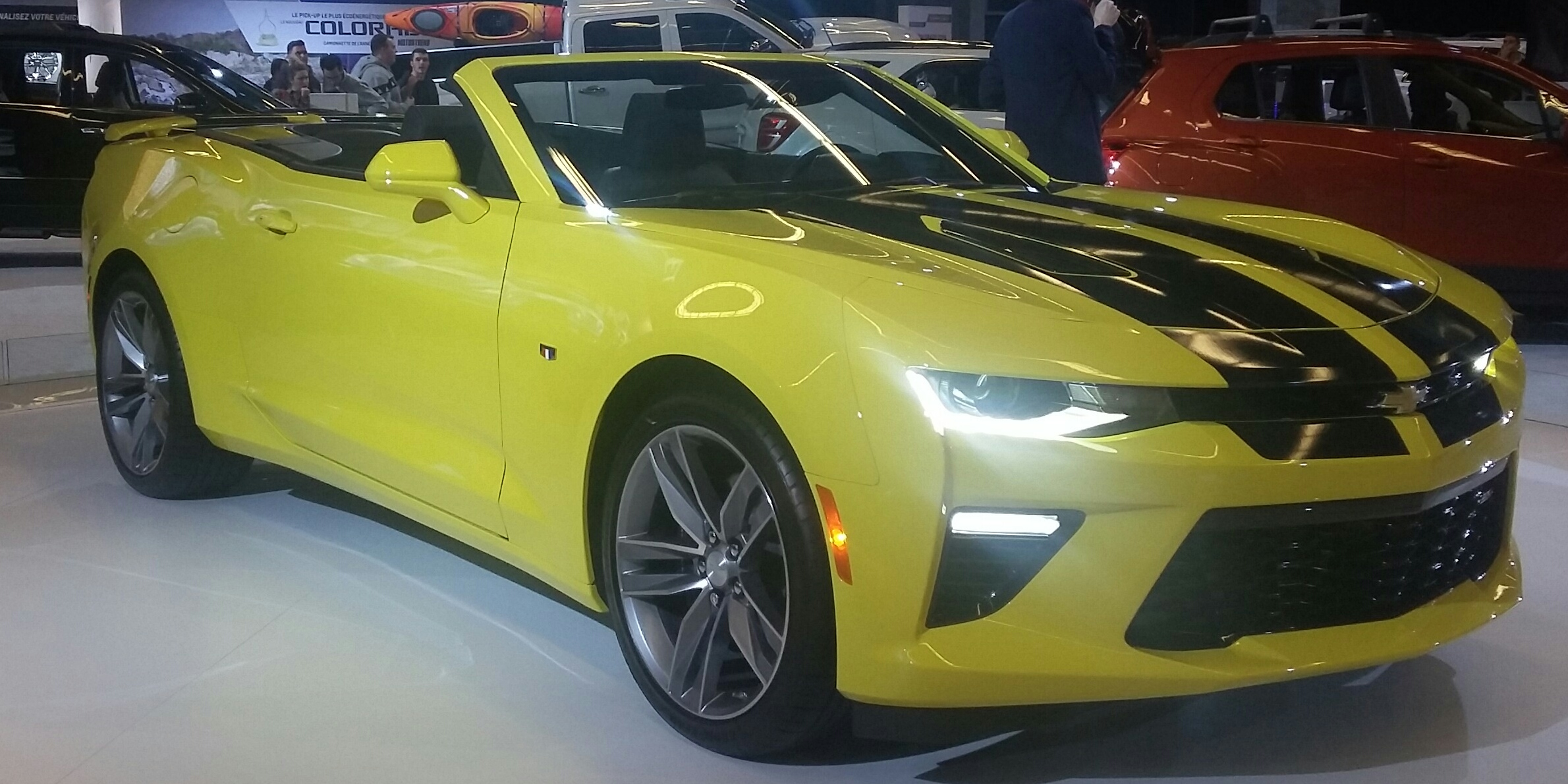
Chevrolet Camaro
"...ould even still sell like some old kits, some old Camaro Fox body kits, because you just want the look. Ho..."
The Chevrolet Camaro is a performance car, usually a coupe, made by Chevrolet. The podcast mentions older “kits” people can buy to get a certain look on older cars. That’s why it comes up in a conversation about customizing and restoring.
The Chevrolet Camaro is a performance coupe that has a large enthusiast community and a strong aftermarket for styling and power upgrades. The podcast mentions selling older Camaro Fox-body-style kits for the look, which highlights how people keep older generations alive with parts. It’s discussed because appearance and fitment kits are a common entry point for customization.
fuel pressure regulator
"Well, a factory fuel pressure regulator doesn't like 100 pounds of fuel pressure very long. Right. So, you know, keeping a handful of regulators in my center console was not the most fun thing."
A fuel pressure regulator keeps the fuel pressure at the right level for the injectors. If you push it to extremely high pressure for too long, it can wear out or fail.
A fuel pressure regulator controls the fuel pressure delivered to the fuel rail/injectors. The host is warning that a factory fuel pressure regulator can’t reliably handle very high fuel pressure for long periods, which can lead to failures and safety concerns.
boost control
"So now we're throwing more aftermarket parts that we're grabbing like an MSD, like a BTM or [3099.6s] something, some sort of boost control like ignition box and stuff."
Boost control is how you control how hard a supercharger or turbo pushes air into the engine. It helps you hit the power target without risking damage from running too much boost.
Boost control is how you manage how much pressurized air a supercharger or turbo system delivers. The goal is to keep boost at a target level safely, since too much boost can stress the engine and drivetrain.
mass air conversion kit
"I mean, if you could find a mass air conversion kit, cool. If you can find that [3118.5s] anymore."
A mass air conversion kit helps the engine computer measure how much air is entering the engine. It’s often used when you’re changing EFI parts so the fuel delivery stays accurate.
A mass air conversion kit is an aftermarket solution that changes an engine’s air-measurement approach to a mass-airflow (MAF) style sensor and associated calibration. People use these kits when swapping to different EFI hardware or when trying to modernize fueling/engine control.
Holley EFI
"It probably costs as much as a standalone EFI these [3122.4s] days. But going to like a Holley EFI or something is the way to go."
Holley EFI is an aftermarket computer-and-fuel system that controls how much fuel the engine gets. With superchargers, it’s commonly used so the engine runs correctly when boost changes.
Holley EFI refers to Holley’s electronic fuel injection systems and engine management. In forced-induction builds, a modern EFI setup is often used to meter fuel accurately under boost where factory calibration may not work.
intercoolers
"as I heard about this kit in development was intercoolers, intercoolers, intercoolers, [3142.3s] is like, are we going to develop an intercooler?"
An intercooler cools the hot, compressed air coming from a supercharger or turbo. Cooler air helps the engine make more power and can help prevent pinging/knock.
An intercooler is a heat exchanger that cools the compressed air from a supercharger or turbo before it enters the engine. Cooler intake air is denser and can improve power and reduce the risk of knock.
core support
"the core support, surprisingly, there's not enough for a lot of room to be able to get tubes [3203.0s] through there without actually putting a hole saw to it or whatever, right?"
Core support is the metal structure behind the front grille that holds the radiator area together. It can get in the way when you try to fit an intercooler and its hoses.
Core support is the structural panel behind the front grille that supports the radiator and other front-end cooling components. When installing an intercooler, the core support can limit how much space there is for piping and may require trimming.
transmission cooler
"You've got your hood latch. The latch is big. The latch comes down far. You've got your [3224.2s] transmission cooler"
A transmission cooler helps keep the transmission fluid from overheating. Since it’s often mounted up front, it can take up space where an intercooler would need to go.
A transmission cooler is a radiator-like heat exchanger that helps keep automatic transmission fluid at a safe temperature. On many trucks, it’s packaged in the front area, which can complicate intercooler placement and routing.
universal type kits
"certainly those universal type kits are way to go because you can build it how you want it. You don't have to take, let's say, factory engineered, you know, setup as gospel."
A universal kit is an aftermarket kit meant to work on more than one vehicle. It’s useful for custom projects because you can adapt it, but you may have to do more fitting and setup work.
“Universal type kits” are aftermarket forced-induction or accessory packages designed to fit a range of vehicles rather than being engineered for one exact factory configuration. The tradeoff is that they’re more flexible for custom builds, but may require more measuring, fitting, and setup than a vehicle-specific kit.
blow by
"Did you go through anything like valve seals or piston rings? Or did you are you getting any sort of blow by burn and oil?"
Blow-by is when some hot combustion gas slips past the piston rings instead of staying in the cylinder. If that’s happening, the engine can start using more oil and the crankcase can get messier—especially under boost.
“Blow-by” refers to combustion gases leaking past the piston rings into the crankcase. On high-mileage engines, adding boost can make ring sealing issues more noticeable, which can show up as oil contamination and increased crankcase pressure.
piston rings
"Did you go through anything like valve seals or piston rings? Or did you are you getting any sort of blow by burn and oil?"
Piston rings are small metal rings on the piston that seal the cylinder. If they wear out, the engine can lose compression and start letting gases (and sometimes oil) where they shouldn’t go.
Piston rings are the sealing rings on the pistons that help keep combustion pressure in the cylinder and control oil consumption. If rings are worn, you can get more blow-by and oil-related issues, which matters when an engine is pushed harder by forced induction.
valve seals
"When you when you put the supercharger on just for the guys with the high miles, did you did you have to rebuild the heads? Did you go through anything like valve seals or piston rings?"
Valve seals help keep oil from getting into the engine’s combustion area. If they wear out, the engine may start burning oil and you can see smoke or smell oil.
Valve seals are rubber or elastomer seals that prevent engine oil from leaking down the valve stems into the combustion chambers. Worn valve seals can cause oil burning, which becomes more noticeable when the engine is under higher load.

Byd Seal
"...the heads? Did you go through anything like valve seals or piston rings? Or did you are you getting any s..."
The BYD Seal is an electric car. The podcast asks questions about things like valve seals and piston rings, which are parts you’d normally hear about when diagnosing engine problems. That suggests they were discussing a specific symptom or repair topic related to the car.
The BYD Seal is an electric sedan from BYD, designed for passenger comfort with an emphasis on electric driving. The podcast context asks about internal engine-related wear like valve seals and piston rings, which are typical questions for diagnosing problems on internal-combustion engines. That makes the mention notable because it suggests the conversation may be comparing diagnostic approaches or discussing a specific issue being investigated.
compression tests
"the simple things you're going to want to do just to see is, you know, what's compression tests look like, what's a leak down test look like, you know, what conditions transmission are already in."
A compression test is a way to see how healthy each engine cylinder is. It measures how well the cylinder can “hold pressure,” which helps you spot internal wear before you add a supercharger.
A compression test checks how much pressure each cylinder can build when the engine is cranked. Lower-than-expected compression can point to worn rings, valve sealing issues, or other internal problems that matter before adding boost.
leak down test
"the simple things you're going to want to do just to see is, you know, what's compression tests look like, what's a leak down test look like, you know, what conditions transmission are already in."
A leak-down test checks whether air can escape from a cylinder when it’s sealed. If it leaks a lot, it usually means worn rings or valves, and that’s a red flag before adding boost.
A leak-down test pressurizes a cylinder at top-dead-center and measures how much air escapes. It helps distinguish where the problem is—like intake/exhaust valves or piston rings—so you know whether the engine is ready for forced induction.

2011 F-150
"I mean, you know, this is a plug for a different platform. But like, you know, my son has a 2011 F-150. It's got our stage two, you know, supercharger kit on it. Trucks got 220,000 miles on there."
The 2011 Ford F-150 is a common truck that a lot of people modify. Here, they’re talking about putting a supercharger kit on it and keeping it running reliably for a long time.
The 2011 Ford F-150 is a popular platform for supercharger builds because it has a strong aftermarket and can be tuned for higher boost. In this segment, it’s specifically discussed as a truck running a ProCharger stage-two supercharger kit for a long time.
supercharger kit
"my son has a 2011 F-150. It's got our stage two, you know, supercharger kit on it. Trucks got 220,000 miles on there."
A supercharger kit is a set of parts that adds a supercharger to make more power. It’s usually designed to work together, so you don’t have to guess what parts are compatible.
A supercharger kit is a packaged forced-induction upgrade that typically includes the supercharger hardware plus supporting parts and calibration changes. The “kit” approach is meant to deliver a complete, compatible system rather than piecemeal parts.
intake pumps
"[3617.4s] time, I'll probably do some more and turn it up from there. So you're just running like either [3623.1s] slightly larger intake pumps, like 155s or 190s, maybe an inline pump and an FMU and,"
They’re talking about fuel pumps that move more fuel to the engine. When you add boost, the engine needs more fuel, so people upgrade to bigger/higher-flow pumps.
In this context, “intake pumps” refers to fuel pumps used to supply fuel for boosted applications. The speaker mentions specific pump sizes (like 155s or 190s), implying higher-flow pumps to support the increased fuel demand.

Alfa 155S
"...ng like either slightly larger intake pumps, like 155s or 190s, maybe an inline pump and an FMU and, and..."
The Alfa Romeo 155 is a performance car model. The podcast talks about changing parts related to fuel delivery, like pumps, and using a device (an FMU) to help control fuel pressure. It comes up because those changes are part of making the car run stronger when modified.
The Alfa Romeo 155 is a performance-oriented compact sedan that’s often discussed in the context of tuning and fuel/air delivery upgrades. The podcast mentions intake pumps, inline pump options, and using an FMU, which points to fuel system calibration for higher performance. It’s brought up because these kinds of setups are common when modifying older performance cars.
inline pump
"[3623.1s] slightly larger intake pumps, like 155s or 190s, maybe an inline pump and an FMU and, [3631.1s] and that's it."
An inline pump is a fuel pump placed in the fuel line. It helps deliver enough fuel pressure/flow when the engine is demanding more fuel.
An inline pump is a fuel pump installed in the fuel line rather than inside the fuel tank. Inline pumps are often used in boosted setups to ensure consistent fuel pressure and flow.
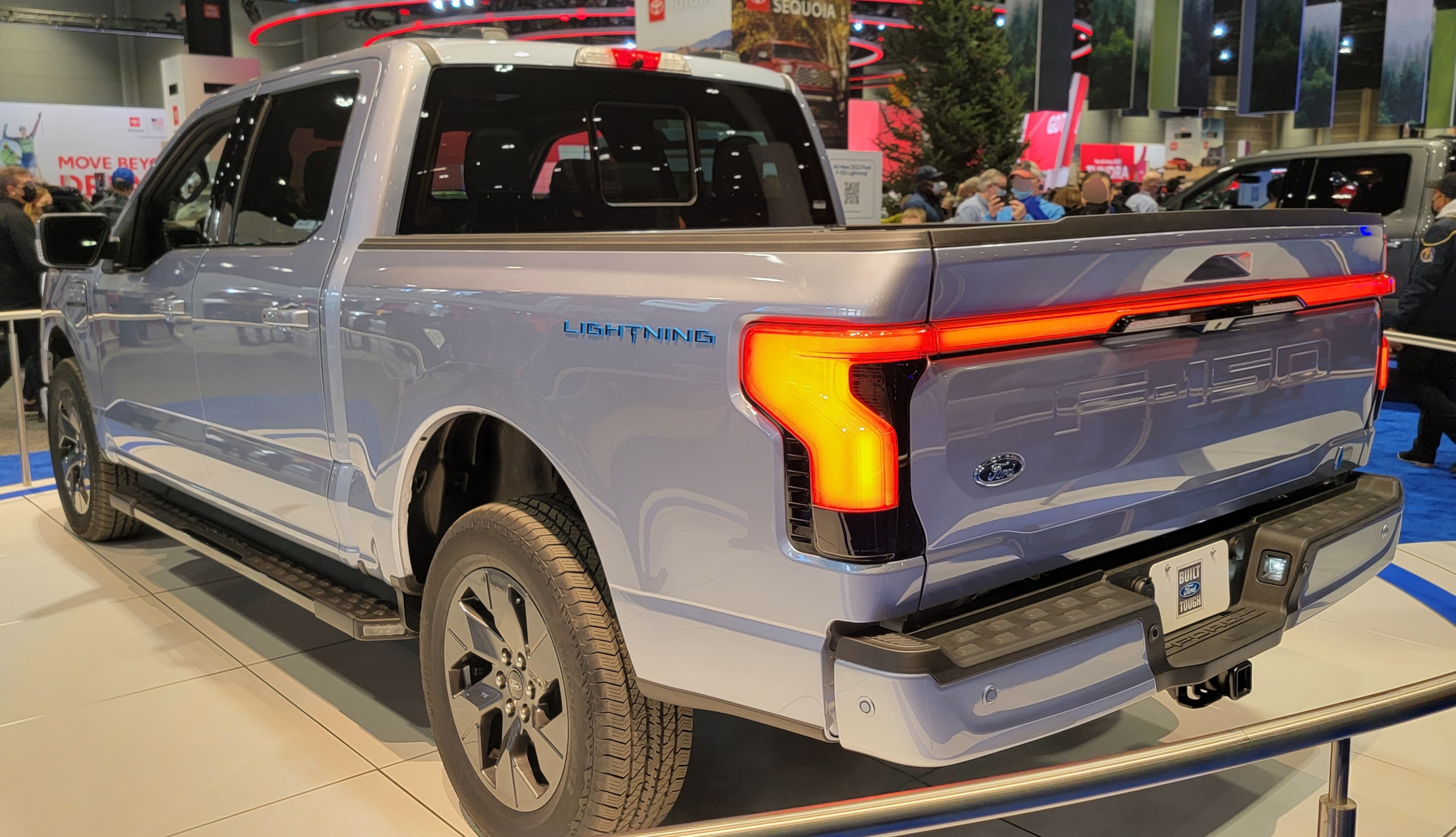
Ford Lightning
"[3675.3s] that's the simplest, easiest way to do it. You know, but again, on some of that stuff, low boost, [3680.5s] you know, those lightnings, the way they were fueled, they were already kind of over fueled compared to a regular F-150 anyway."
The Ford Lightning is a high-performance F-150 pickup. Here they’re explaining that it’s set up with bigger fuel injectors than a normal F-150, so it can handle boost better.
The Ford Lightning is a performance-focused version of the F-150 pickup that became especially known for factory-style supercharged setups. In this segment, the speaker discusses how Lightnings were fueled differently than a regular F-150, including larger fuel injectors to support boost.
24 pound injectors
"[3680.5s] you know, those lightnings, the way they were fueled, they were already kind of over fueled compared to a regular F-150 anyway. [3684.3s] So they had bigger, you know, 24 pound injectors versus the 19s and so on."
Injectors are the fuel nozzles. “24-pound” is a way of saying they can flow more fuel, which helps when the engine needs extra fuel under boost.
“24 pound injectors” refers to injector flow rate, commonly expressed in pounds per hour (lb/hr). Higher-flow injectors let the engine deliver more fuel when boost increases airflow.
19s
"[3684.3s] So they had bigger, you know, 24 pound injectors versus the 19s and so on. [3689.5s] So they got a little more room in them anyway than a standard F-150."
“19s” means a smaller injector flow rating than the “24 pound injectors” mentioned right before it. The point is that the Lightning had bigger injectors for extra fuel needs.
“19s” is shorthand for 19 lb/hr fuel injectors, meaning lower-flow injectors typically found on less-boosted factory applications. The comparison is used to show why the Lightning had more headroom for fueling.
front accessory drive bracket
"[3695.8s] that particular kit we're talking about for the lightning, it's also set up for that same style [3701.2s] front accessory drive bracket for five liter and 58 trucks in Broncos 88 to 96. [3708.3s] so the nice part is those front accessory drive, they're all the same."
This is the bracket at the front of the engine that supports accessory components and provides mounting points. If it matches between vehicles, the supercharger kit can be installed with fewer changes.
A front accessory drive bracket is the mounting hardware that holds engine-driven accessories (like alternator/power steering components) and provides attachment points for supercharger brackets. Kit compatibility often depends on whether this bracket geometry matches the target vehicle.
single or dual throttle body
"[3708.3s] so the nice part is those front accessory drive, they're all the same. [3712.4s] The difference comes down to whether it was a single or dual throttle body, you know, some of those old F-150s twin throttle body, [3717.5s] some of them were mass air trucks, even, you know, they had twin throttle bodies down to a single tube..."
The throttle body is the part that controls airflow into the engine. Some trucks use one throttle body, others use two, and that affects how the supercharger kit connects.
A throttle body controls how much air enters the engine, and “single vs dual” describes whether there’s one throttle plate assembly or two. Supercharger kit piping and connections can differ depending on which throttle-body setup the vehicle uses.
two into one tube
"[3734.6s] instead of a lightning, we take 50 bucks off because we don't send you some of the connections to go [3739.4s] from the blower to the throttle body. So we take 50 bucks off and just give you a part number for [3743.6s] the one that you can buy from Ford. It's basically a two into one tube. [3749.0s] and then now that becomes your discharge tube."
It’s a piece of tubing that combines two airflow paths into one. The speaker is saying the conversion is simple because it basically becomes one combined discharge tube.
A “two into one tube” is a specific intake/exhaust-style piping configuration that merges two paths into a single discharge tube. In this segment, it’s described as the simplified solution when converting a regular F-150 kit to fit the Lightning-style setup.
Request an Explanation
Heard something you'd like explained? We'll add it to this episode.
Sign in to request explanations for terms you heard.
Want to learn more?
Browse our glossary for plain-English explanations of automotive terms, jargon, and concepts.
Help improve this episode
See something that's not quite right? Our annotations are AI-generated and can sometimes miss the mark. Click the flag icon on any annotation to suggest a correction.