We need to talk about the Ferrari Luce - plus £30k Porsche Cayman alternatives and car features you can’t live without
About this episode
Sam and the hosts kick off with a classifieds hunt for a Porsche Boxster S, then pivot into Porsche reliability/IMS worries and why they’d avoid track-style suspension changes. Ferrari Luce takes over: it’s framed as a ground-up EV with four motors, 1050 hp, 800V charging, and a 122 kWh battery. They debate whether the Luce truly feels “Ferrari,” compare its silhouette and wipers, and argue about brand identity, value, and driving feel. The second half turns to “can’t live without” comfort features and £30k Cayman alternatives.
The biggest car story of the year? Quite possibly. Cam and Sam take a closer look at the new Ferrari Luce, the company’s first-ever EV, and dissect everything from its controversial styling and radical interior to the reaction from the PH community.
Then it's onto a £30k sports car buying challenge, replacing a 981 Porsche Cayman and Honda S2000 with a single car, before debating the car features we simply couldn’t live without. Air conditioning is only the beginning...
🏎️ Sell your car on PistonHeads auctions: https://www.pistonheads.com/sell/auctions
🎟️ Get your Annual Service 2026 tickets: https://www.pistonheads.com/events/annual-service
Chapters:
0:00 Intro
2:58 We need to talk about the Ferrari Luce
37:43 Two into one sports cars for £30k
52:09 Car features you cannot live without
TOPICS:
Ferrari Luce: https://www.pistonheads.com/news/electric-vehicles/omfg-ferrari-luce-kicks-off-new-ev-era/51238
2 into 1 sports car for £30k: https://www.pistonheads.com/gassing/topic.asp?h=0&f=255&t=2140415
Car features you cannot live without: https://www.pistonheads.com/gassing/topic.asp?h=0&f=23&t=2143094
CARS:
Sam’s Aston Martin V8 Vantage: https://www.pistonheads.com/buy/listing/20139454
Cam’s Lotus Exige S2: https://www.pistonheads.com/buy/auction/20474735
FOLLOW US:
🗣 Facebook: https://www.facebook.com/pistonheads
📸 Instagram: https://www.instagram.com/pistonheads
🐦 X: https://twitter.com/pistonheads

Porsche Boxster
"Welcome back to The Gassing Station, the podcast that goes sifting through the piss and heads forums like my co-host Sam Sheehan has been sifting through the classifieds for a Porsche Boxster."
A Porsche Boxster is a two-seat sports car from Porsche. It’s popular because it drives really well and feels “connected” to the road.
The Porsche Boxster is a mid-engine roadster from Porsche, known for its balanced handling and driver-focused feel. In this segment, the hosts are shopping specifically for a Boxster as a used-car alternative path.
center console
"It's silver, black interior, but it's a bit boring because it's just silver, black interior. So I'm looking already at a center console that's got body painted silver on it,"
A center console is the main control-and-storage area between the driver and passenger—typically housing the gear selector (or shifter), cupholders, switches, and sometimes infotainment controls. In this segment, the host is already judging the car’s interior layout by looking at that area.
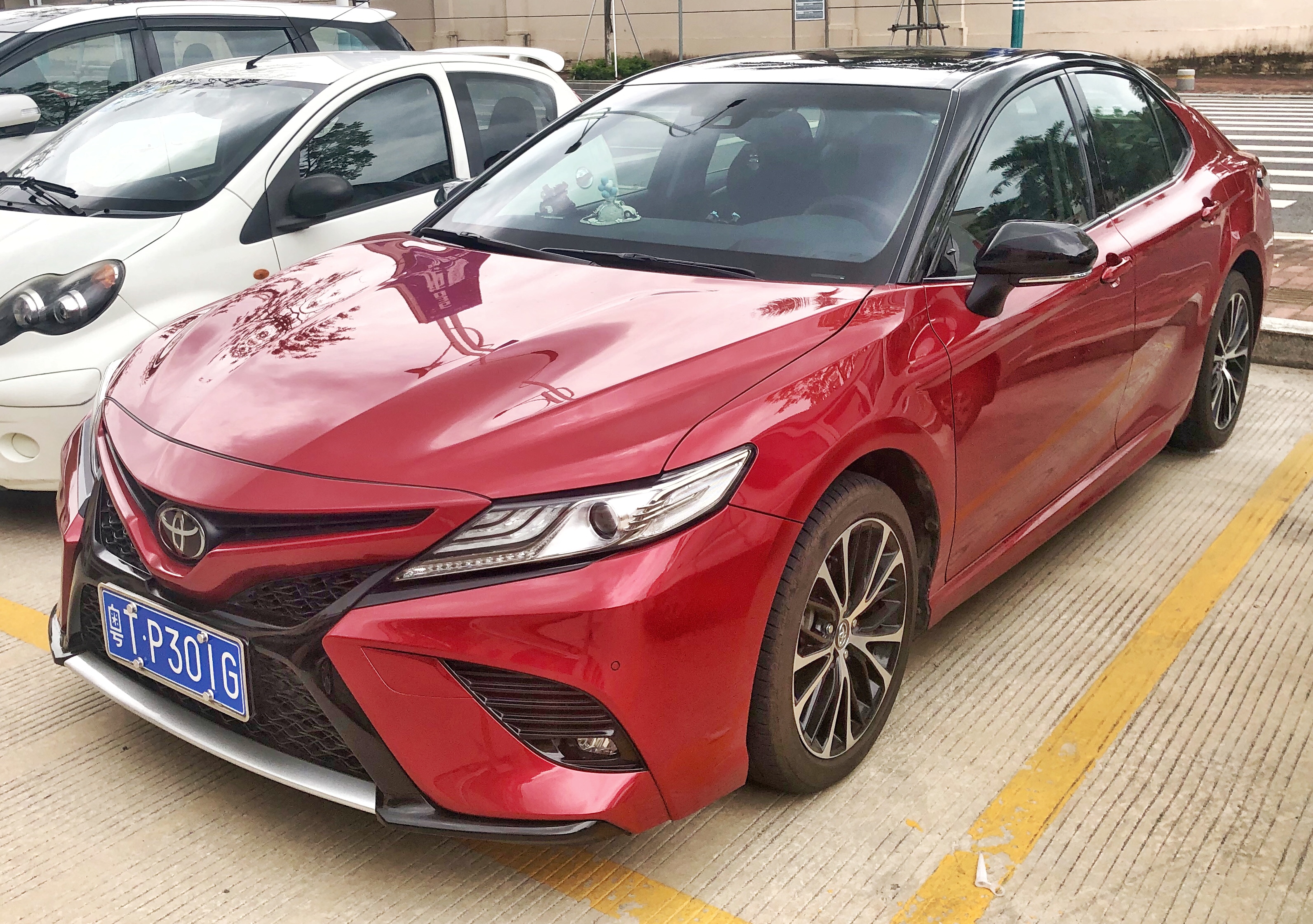
Toyota Camry
"... the podcast. That's basically what he did to his Camry. Yeah, he did."
A Toyota Camry is a regular family-style car, usually a sedan, meant for everyday driving. People talk about it a lot because it’s comfortable and generally dependable. The podcast mention sounds like someone’s personal experience with their own Camry.
The Toyota Camry is a mid-size sedan known for practical daily driving and long-term ownership. It often comes up in conversations because it’s common, reliable, and easy to live with. In a podcast, it may be mentioned in the context of what someone did to or with their own Camry.
coil overs
"I'm not going to... My intentions aren't to stick coil overs or anything to turn it into a track car or anything"
Coilovers are suspension parts that let you change how high the car sits and how firm it feels. People upgrade them when they want the car to handle more tightly.
Coilovers are an aftermarket suspension setup that combines a coil spring and shock absorber into one adjustable unit. Enthusiasts use them to lower the car and fine-tune ride height and damping for sharper handling.
IMS-related concerns
"like that because there is some IMS-related concerns. Not that this car has it."
IMS is a part inside some Porsche engines. Some versions can have a bearing problem that, if it fails, can lead to expensive engine damage—so people worry about it when buying or modifying those cars.
IMS (Intermediate Shaft) concerns refer to a known failure risk in certain Porsche flat-six engines where the intermediate shaft bearing can wear or fail. When it goes, it can cause serious internal damage, so buyers often look for evidence of an IMS upgrade or careful maintenance history.

Porsche 987
"I think the 987, I think it was the S or one of them, the bigger engine car, had more, was more susceptible to issues..."
Porsche 987 is the Boxster/Cayman generation from that era. The speaker is saying some versions of it had more problems than others, so you should be cautious about which one you buy.
The Porsche 987 is the generation code for the Boxster/Cayman family from the mid-2000s to early-2010s. In this segment, the host is talking about known reliability concerns on certain 987 variants, especially around engine-related issues and other mechanical wear items.
ball scoring
"...and then they had ball scoring and stuff, which this doesn't really have."
“Ball scoring” is a kind of wear damage where parts get scratched or grooved. The speaker is saying the new car doesn’t have that same problem.
“Ball scoring” refers to a type of surface damage where metal gets worn or scored in a pattern, often associated with internal engine or drivetrain wear. The host is contrasting it with the Ferrari Luce, implying the Luce’s design avoids that specific failure mode.
electric car
"it turns out most of the car media didn't know that Ferrari just dropped its new electric car. The luce, you have..."
An electric car runs on electricity stored in a battery. Instead of a gasoline engine, it uses an electric motor, which is why it’s a different kind of car to own and maintain.
An electric car is powered primarily by an electric motor drawing energy from a high-voltage battery pack. This matters here because the Ferrari Luce is positioned as Ferrari’s entry into that technology, which changes how the car delivers power and how it’s maintained versus a typical gasoline Ferrari.
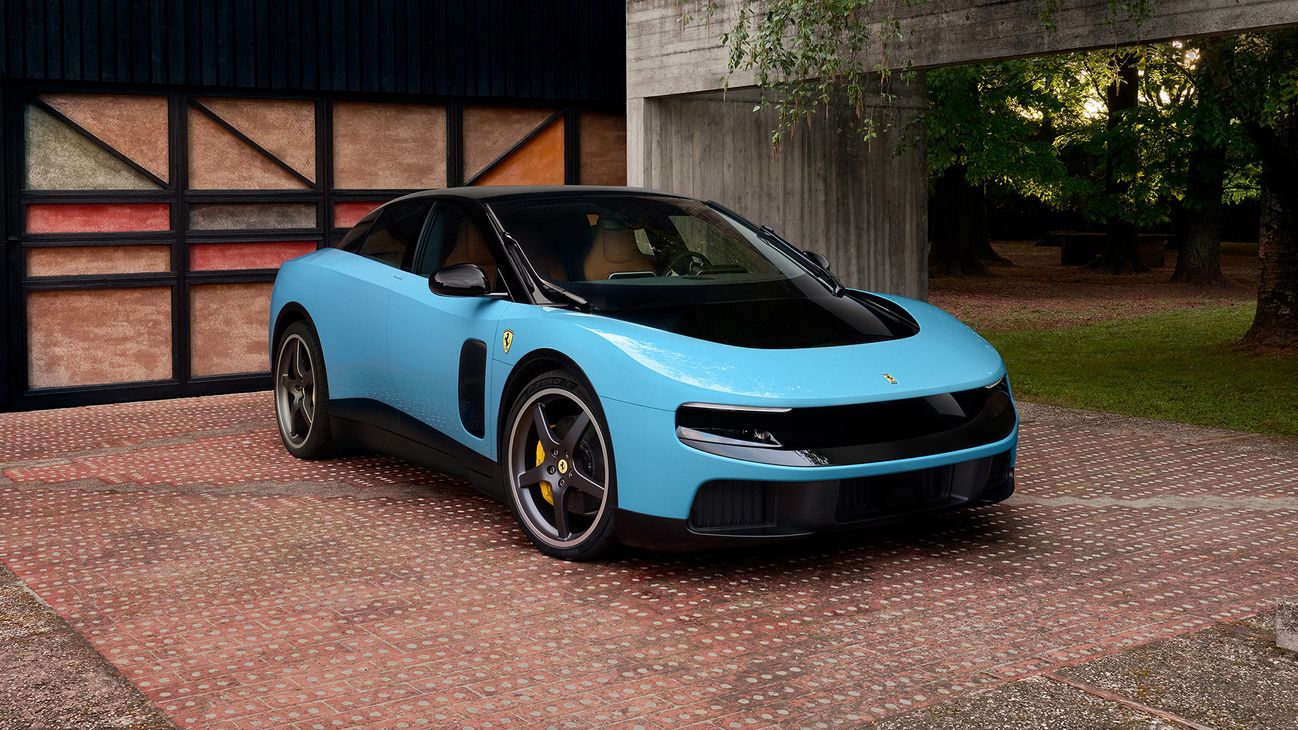
Ferrari Luce
"it turns out most of the car media didn't know that Ferrari just dropped its new electric car. The luce, you have..."
The Ferrari Luce is Ferrari’s new electric car. The hosts are saying it’s a big moment because it’s Ferrari moving into EVs, and the news caught a lot of people by surprise.
The Ferrari Luce is Ferrari’s newly announced electric car, and the big deal is that it signals a shift from Ferrari’s traditional combustion focus to battery-electric power. In this segment, the hosts frame it as a major “new EV era” moment and discuss how quickly the news spread through car media.
four electric motors
"So a quick overview of the car, it is, it has 1050 horsepower from four electric motors. [273.0s] Those are evolutions of the electric motor in the F80."
Some electric cars use more than one motor. With four motors, the car can control power to the wheels very precisely, which helps it grip the road and feel responsive.
Using four electric motors means each motor can be dedicated to driving a wheel (or axle) for very precise control. This setup is often used to improve traction and allow features like torque vectoring.
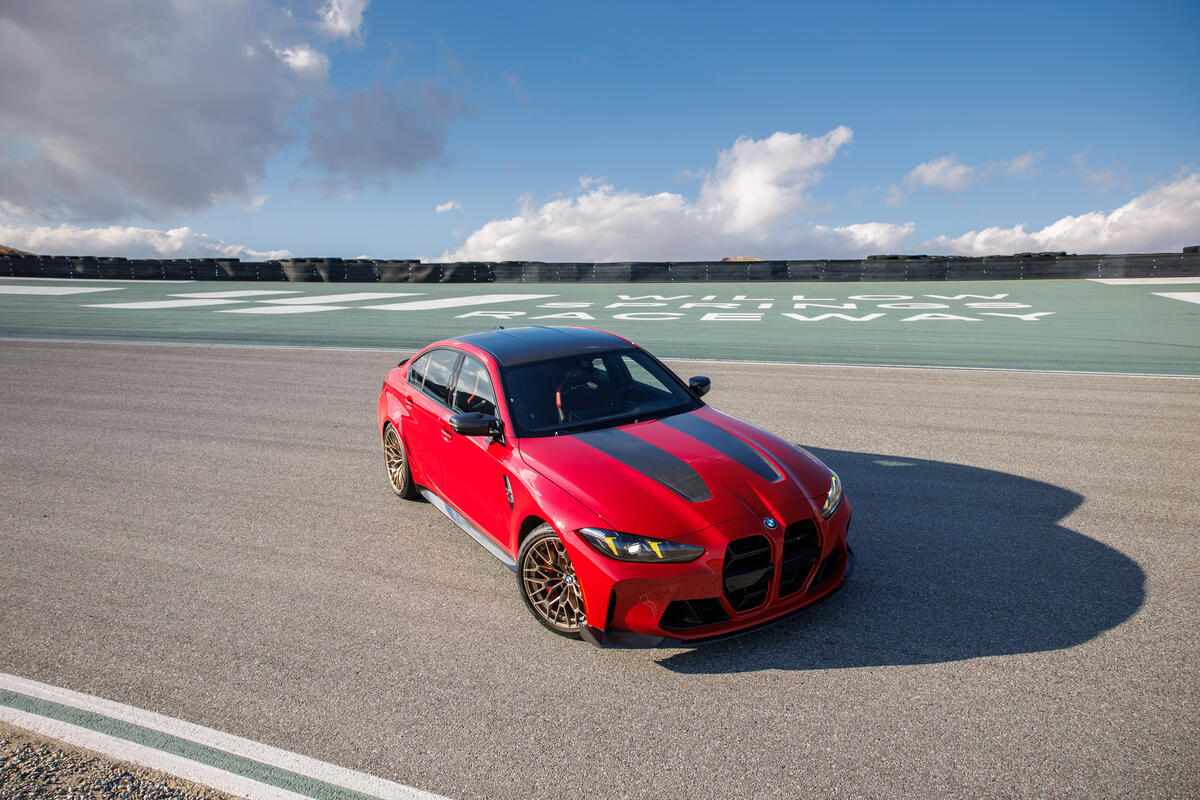
BMW M3
"...Those are evolutions of the electric motor in the F80. Are they, they power each wheel, don't they?"
The BMW M3 is a sporty BMW that’s made to drive fast and handle well. The podcast is talking about how electric power can be arranged and delivered to the wheels. That’s why the M3 comes up as a performance reference point.
The BMW M3 is a high-performance version of the 3 Series, built for driving enthusiasts. The podcast context suggests a discussion about electric motor “evolutions” and how power is distributed, which is a common topic when comparing modern performance tech. It’s mentioned because the M3 name is strongly associated with performance engineering.
power each wheel
"[278.2s] Are they, they power each wheel, don't they? [280.4s] They do, yeah, yeah. [281.3s] That's quite interesting."
If the car can send power to each wheel individually, it can adjust grip much better. That usually helps the car accelerate and turn more confidently.
Powering each wheel (often via four motors) lets the car vary torque side-to-side and front-to-rear. That improves grip and can make handling feel more “alive,” especially during acceleration and cornering.
800 volt architecture
"[282.0s] So that is a thing, 062 in 2.5 seconds, which is obviously very fast, very electric car, [289.4s] 194 miles an hour top speed, 800 volt architecture, which means you can benefit from 350 kilowatt [297.4s] charging or 22 kilowatts at home."
“800 volt” is how the car’s electrical system is set up. Higher voltage helps the battery accept electricity faster, so charging can be quicker.
An 800-volt architecture is an EV electrical system design that uses higher voltage to move more power efficiently. In practice, it supports faster charging rates and can reduce charging time compared with lower-voltage EVs.
350 kilowatt charging
"800 volt architecture, which means you can benefit from 350 kilowatt [297.4s] charging or 22 kilowatts at home. [301.1s] The battery, 122 kilowatt hours, which means a range of around about 330 miles."
This is the charging speed the car can handle at a fast charger. More kilowatts usually means you can add energy faster, but the exact time still depends on conditions.
“350 kilowatt charging” refers to the maximum power the car can accept at a fast-charging station. Higher kilowatt numbers generally mean faster charging, though real-world results depend on battery temperature, state of charge, and charger behavior.
122 kilowatt hours
"[301.1s] The battery, 122 kilowatt hours, which means a range of around about 330 miles. [308.8s] That's not massive."
“122 kilowatt hours” is the battery capacity, meaning how much electrical energy the EV can store. Larger capacity usually supports longer range, but weight, efficiency, and driving style also strongly affect real-world mileage.
2.2 tons
"[314.7s] Weight, 2.2 tons. [317.4s] To be fair, that's, it could have been a lot more for the way it could have been a heck of a lot more."
That’s the car’s weight. Heavier cars usually use more energy and can feel less agile, even if they have strong power.
“2.2 tons” is the vehicle’s curb weight, which matters a lot for EVs because battery mass can be significant. Weight affects acceleration, braking, tire wear, and how much energy the car needs to move.

BMW M5
"..., something like that. It's a lot lighter than an M5. Yeah, true."
The BMW M5 is a fast, sporty version of a BMW sedan. The discussion mentions it being heavier or lighter than something else, which affects how the car feels when driving. It’s brought up because it’s one of BMW’s well-known performance cars.
The BMW M5 is a performance sedan that blends everyday usability with serious power and handling. In the podcast, it’s referenced in a comparison where weight is being discussed, which matters because it affects acceleration and feel. It’s a frequent topic because it represents a “fast but practical” performance formula.
Polarcast
"There's obviously the Yang Wang that we've bought on the Polarcast, the wet Wang. We've bought that up before."
Polarcast sounds like the show or segment name where the hosts previously talked about this car. It’s mainly context for where they got their experience from.
Polarcast appears to be the show/podcast segment or platform where the hosts previously acquired and discussed the Yang Wang. It’s not a car term, but it’s a named context marker for where the comparison comes from.
EV
"it's kind of, it's very much an EV in the sense that the cabin's quite far forward. There clearly isn't an engine up front or in the middle or whatever."
EV just means electric car. Instead of burning fuel in an engine, it uses electricity stored in a battery to move the car.
EV means electric vehicle—cars powered primarily by electric motors and a battery rather than a gasoline or diesel engine. In this discussion, the host uses EV to describe the Luce’s layout, especially the lack of an engine up front or mid-car.
wipers
"The wipers. I would say the wipers. They've come off of an MPV... On the Luce, there are two of them and they're at either end of the windscreen."
Wipers are the blades that clear rain off your windshield. Here, the host is pointing out that the Ferrari Luce uses an unusual wiper layout—two blades positioned at the sides instead of one centered setup.
The speaker is describing a specialized wiper arrangement used for visibility and aerodynamics. They compare the Luce’s two wipers at the ends of the windscreen to how some MPVs and Le Mans-style cars place wipers differently to clear the glass effectively.
MPV
"The wipers. I would say the wipers. They've come off of an MPV... There have definitely been MPVs that have used that."
MPV means a family car built for practicality—lots of space and easy everyday use. The host is saying the Luce’s wiper design looks like something you’d see on that kind of vehicle.
MPV stands for multi-purpose vehicle, a family-focused car type known for practical packaging and often a more upright cabin. The host uses MPV as a reference point for the Luce’s windshield wiper styling, saying it resembles wiper designs seen on MPVs.
Le Mans
"So you know how in a Le Mans car, the kind of a wiper sticks up right in the middle... On the Luce, there are two of them and they're at either end of the windscreen."
Le Mans is a famous endurance race. The host is using it as a comparison point for race-car windshield wiper placement—basically, how the wipers are positioned for the way those cars are built.
Le Mans is famous for endurance racing, and the host is referencing race-car design cues associated with that style of car. The comparison is specifically about wiper placement—how a wiper can be mounted to clear the windshield in a way that fits the car’s aerodynamics and packaging.
silhouette
"I would say the silhouette, and I'm not saying this in the mean way, Ferrari, is probably similar to that of a Polestar 4."
“Silhouette” here just means the car’s overall shape—like the outline you’d notice from a distance.
In car design talk, “silhouette” means the overall outline of a vehicle as seen from the side or front—its shape and proportions. It’s often used to compare how two cars “read” visually at a glance, even if their details differ.

Polestar 4
"I would say the silhouette, and I'm not saying this in the mean way, Ferrari, is probably similar to that of a Polestar 4. Yeah, does that ring true to you?"
Polestar 4 is an electric car with a sporty, sloping shape. The hosts are saying its front outline looks similar to the Ferrari Luce.
Polestar 4 is a battery-electric fastback-style crossover-coupe from Polestar, known for its sleek silhouette and low, sporty stance. In this segment, the host compares its front silhouette to the Ferrari Luce, suggesting the two cars share a similar visual “shape language.”
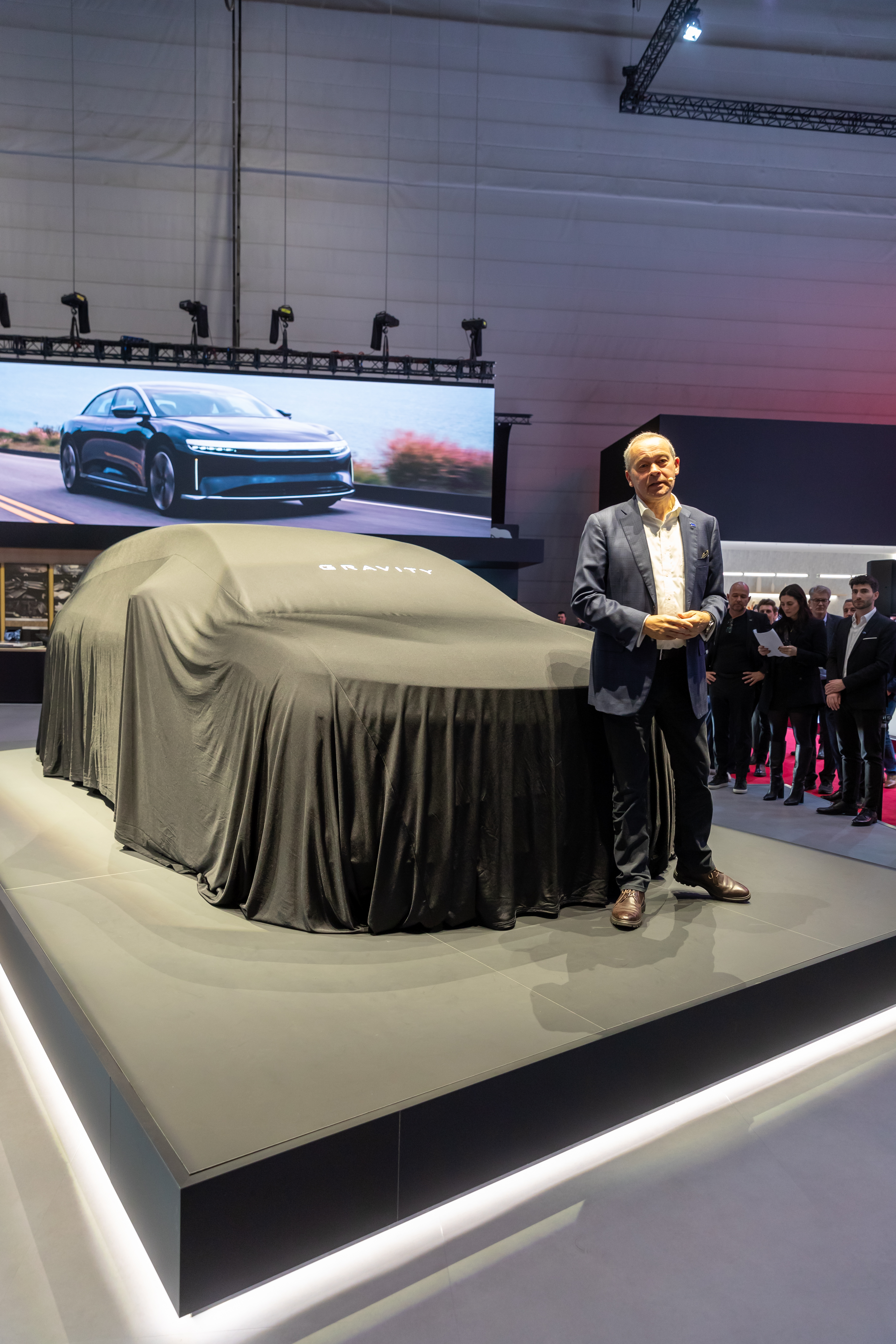
Lucid Gravity
"...lly it does in person. It's got a lower center of gravity, I saw, than the Ferrari SUV, the Per Sangui. I'm..."
The Lucid Gravity is an electric SUV, meaning it runs on electricity instead of gasoline. The podcast is pointing out that it sits lower, which can help it feel more stable when driving. It’s being mentioned as an example of how Lucid designs an electric SUV.
The Lucid Gravity is an electric SUV from Lucid, designed to offer a lower, more planted stance and efficient electric performance. The podcast context mentions its lower center of gravity compared with another SUV, which is relevant to stability and handling feel. It’s discussed because it represents Lucid’s approach to making an electric family-sized vehicle.
lower center of gravity
"It's got a lower center of gravity, I saw, than the Ferrari SUV, the Per Sangui. I'm going to say it right."
A “lower center of gravity” means the car sits with its weight lower down. That usually helps it feel more stable and less wobbly when turning.
“Lower center of gravity” means the car’s mass is positioned closer to the ground, which generally helps reduce body roll and improves stability during cornering. The host is using it as a handling/stance comparison between the Polestar 4 and the Ferrari SUV they mention.
Apple car
"[648.5s] Yeah. [648.8s] And I think if it was the Apple car, you'd go, that looks pretty good. [653.7s] But it isn't an Apple car."
“Apple car” is a nickname people use for an Apple-made electric car. The host is basically saying the design could look like a generic tech-company EV if it didn’t have Ferrari branding.
“Apple car” refers to the idea of an Apple-branded vehicle—an EV concept that people often use as shorthand for a sleek, tech-forward design. In this discussion, the host uses it as a style comparison: if you removed the Ferrari badges, it might look like something in that “tech product” direction.
FZ93 concept
"[666.8s] Weirdly, the car that came to mind when I first saw it was the FZ93 concept, [672.1s] which was a concept done in collaboration with Zegato."
The FZ93 is an older Ferrari concept car that was made with Zegato. The host is using it as a comparison to explain why the Luce’s design feels familiar in a weird, concept-car way.
The FZ93 is a Ferrari concept car associated with Zegato, and it’s being used here as a visual reference point for the Luce. The host describes it as having an F40-like vibe but with a “boatier” redesign, meaning the proportions and body shape look more elongated and less sharp.

Ferrari F40
"...a, I don't even know how you describe it, like an F40 style with a horrifically boaty redesign. And so ..."
The Ferrari F40 is a very famous, older supercar from Ferrari. People often talk about it because it’s known for being intense and special compared to normal cars. The podcast is using it as a reference point for how something new looks or feels.
The Ferrari F40 is a legendary, track-focused supercar known for its raw, mechanical character and iconic design. In the podcast, it’s referenced as a style comparison, including a comment about a “boat-y redesign,” which suggests they’re discussing how a new design language can change the feel of something classic. It comes up because the F40 is a benchmark for hardcore Ferrari heritage.
mobility
"[701.7s] And I hate to say it. [703.5s] The first thing that came to my mind was the word mobility. [706.9s] And it is a dirty, dirty word in the car world because it means moving from point A to point B."
“Mobility” is a marketing word that basically means “getting from one place to another.” The host thinks it’s a dirty word in car culture because it ignores the fun and personality of cars.
In car marketing, “mobility” is often used as a broad, corporate term for transportation-as-a-service—moving people from point A to point B. The host dislikes it because it reduces the car hobby/enthusiast meaning of driving to a utilitarian function.

BMW i3
"...f reminded me a little bit of the BMW. Was it the i3 or was it the i8? That looked like, it was the i8..."
The BMW i3 is a small electric car that runs on a battery instead of gasoline. The podcast is comparing it to another BMW electric model, the i8, based on what someone remembers seeing. The i3 is typically the more practical, everyday-sized EV.
The BMW i3 is a compact electric car designed for city driving and efficient everyday use. In the podcast, it’s mentioned alongside the i8, likely as part of a discussion about BMW’s electric lineup and which model someone saw or remembered. It’s relevant because the i3 is one of BMW’s earlier mainstream EV efforts.
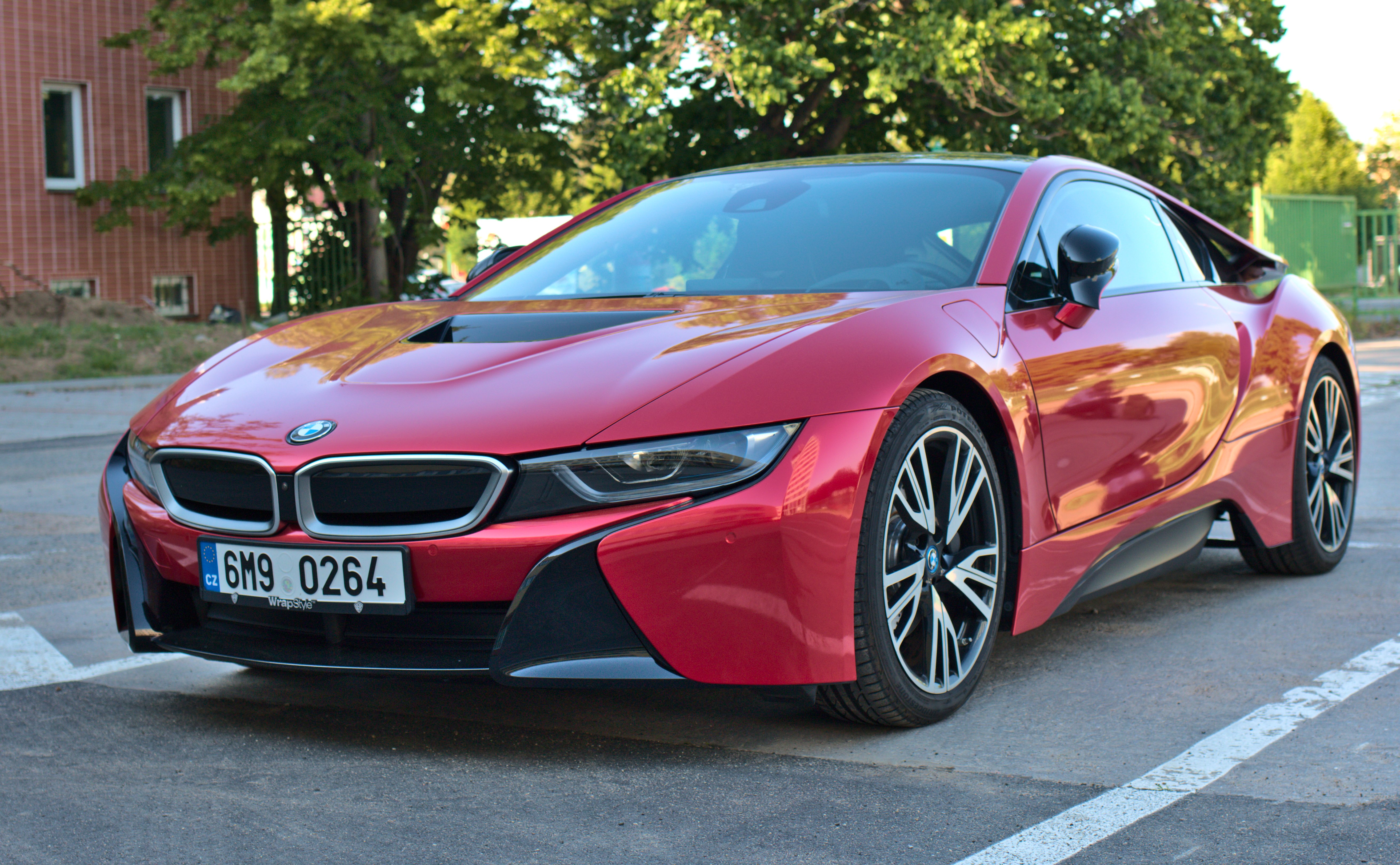
i8 (I12)
"...ittle bit of the BMW. Was it the i3 or was it the i8? That looked like, it was the i8 that looked like..."
The BMW i8 is a sports car that uses both electricity and gasoline. The podcast is basically saying they think they saw the i8, not the i3. It’s a hybrid, so it can run on electric power and also use a gas engine.
The BMW i8 is a plug-in hybrid sports car that combines an electric motor with a gasoline engine for performance and efficiency. In the podcast, it’s mentioned as the model someone saw or remembered, which fits because it’s a distinctive-looking BMW hybrid. It comes up when discussing BMW’s electric or electrified lineup.
wraparound bodywork
"I saw a few AI or people have edited a way that surrounding wraparound bodywork [774.8s] in creating a more coupé silhouette out of the luce design."
Wraparound bodywork means the car’s outer panels curve and flow around the body in one continuous shape. Here, they’re talking about using that styling idea to make the Luce look more like a coupe.
Wraparound bodywork is exterior paneling that flows continuously around the car’s body, often wrapping toward the rear and sides to create a cohesive silhouette. In this discussion, it’s used to describe how edits could reshape the Luce into a more coupe-like profile.
rear wing
"Someone slapped a rear wing on it as well, made it like a GT3 race car. [782.0s] And I was like, okay, so the design elements here are quite cool,"
A rear wing is the spoiler on the back of a car. It’s often used on race cars to help keep the car planted, and here it’s mentioned as a styling cue to make the Luce look more track-like.
A rear wing is an aerodynamic spoiler mounted at the back of a car to generate downforce and improve stability at speed. The host mentions adding one to the Luce to make it look like a GT3 race car, emphasizing the track-inspired aero look.
GT3 race car
"Someone slapped a rear wing on it as well, made it like a GT3 race car. [782.0s] And I was like, okay, so the design elements here are quite cool,"
GT3 is a type of race category for sports cars. When someone says it looks like a GT3 race car, they usually mean it has the kind of track styling—like big aero parts—associated with that racing class.
GT3 refers to a class of sports car racing (FIA GT3) where production-based cars are modified for competition. Saying the Luce looks like a “GT3 race car” is shorthand for a track-focused aesthetic—especially aero elements like wings and aggressive bodywork.
1050 horsepower
"And then the numbers on the spec sheet, 1050 horsepower, that's a ridiculously massive number, [793.3s] but you know, there's a 1056 horsepower Cayenne EV out at the moment."
They’re quoting a very large power number from the car’s specs. It’s basically how much power the car can put out, but it doesn’t always translate perfectly to how it drives in normal situations.
“1050 horsepower” is the quoted peak power figure from the spec sheet, used to compare EV performance on paper. For EVs, these big horsepower numbers often reflect peak output under specific conditions rather than how the car feels at everyday speeds.

Porsche Cayenne EV
"but you know, there's a 1056 horsepower Cayenne EV out at the moment. [798.0s] And that's not 600 grand."
They’re using the Porsche Cayenne EV as a comparison point. The idea is: if you’re looking at big power numbers on paper, other electric cars can also claim very high horsepower.
The Porsche Cayenne EV is discussed here as an example of an electric SUV with very high claimed power. The key point is that it’s being compared against the Ferrari Luce’s spec-sheet numbers, showing how other EVs can also quote huge horsepower figures.
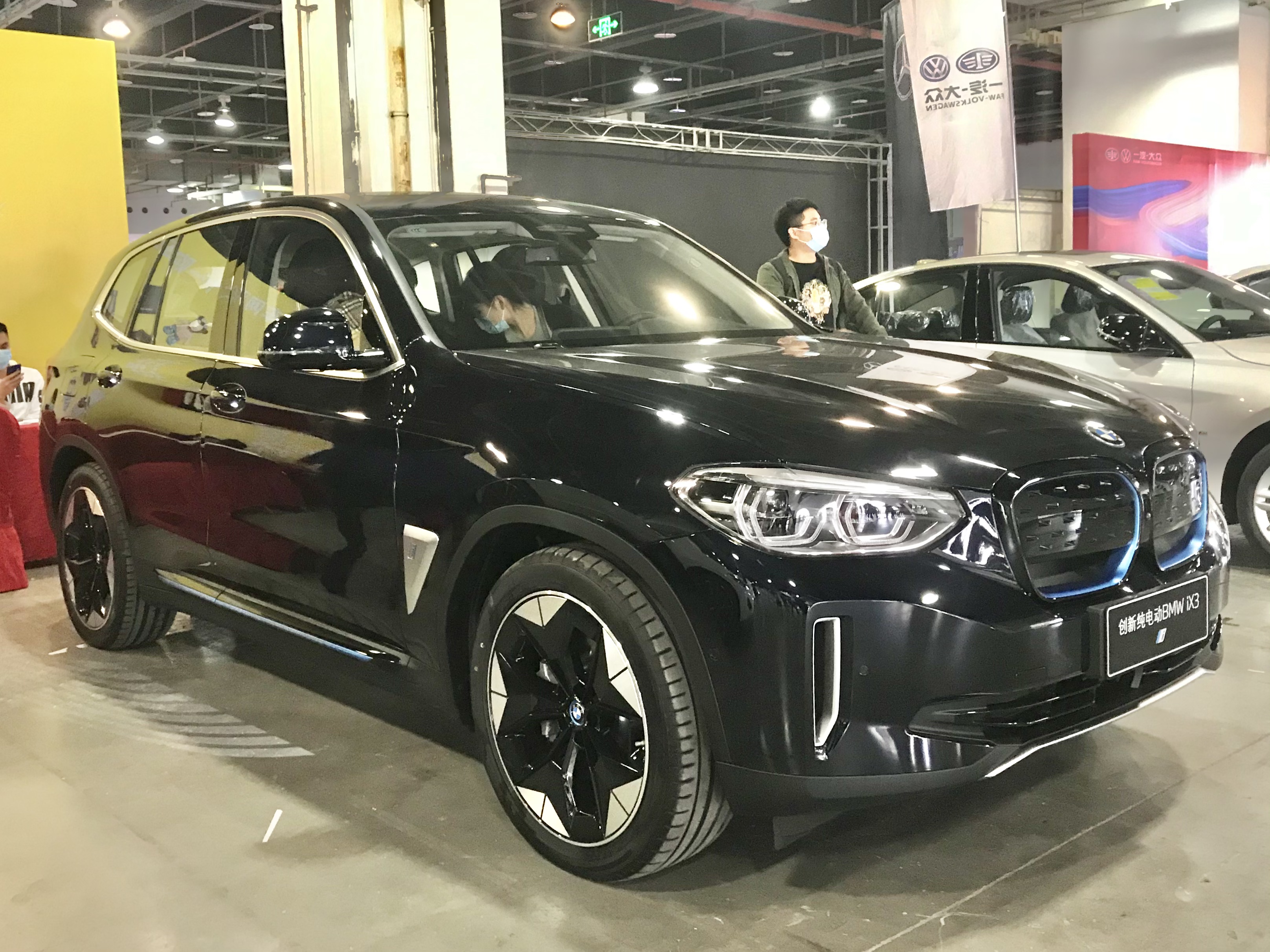
Bmw Ix3
"And there's a BMW ix3 that does 500 miles a range with a smaller battery. [804.5s] And it's a bit heavier, I think as well, which is bizarre."
They mention the BMW ix3 because it’s an electric BMW that can go a long way on a charge. The point is that it achieves that range without needing a huge battery.
The BMW ix3 is referenced as an EV with a claimed long range, but with a smaller battery than the speaker expects for the performance being discussed. It’s used to highlight the tradeoff between battery size, range, and overall EV packaging efficiency.
BYD
"I'd be expecting it to have some, you know, I think it was another, it was BYD, [817.2s] wasn't it, where they've announced they're basically on the cusp of a five minute or"
BYD is an electric-car company that’s been talking about very fast charging. They’re brought up here because the host is comparing what BYD claims versus what this new car is actually delivering.
BYD is mentioned as the EV maker that has publicly claimed very fast charging times. The speaker uses BYD as a benchmark for how quickly an EV could charge if the technology is truly ready at launch.
three minute charge time
"if this came out of the gates and they were like, right, [825.9s] it's move the volt game on, this will charge up in three minutes, you know,"
They’re talking about an EV charging claim: how fast it could charge in just a few minutes. The host is saying that would be a big deal because it would require the car to accept a lot of power very quickly.
“Three minute charge time” is a shorthand for an EV’s headline fast-charging claim—how quickly it can add enough energy to be meaningfully usable. The speaker frames it as a major technology step forward because it would imply the car can sustain extremely high charging power.
drag coefficient
"it doesn't look sleek, you know, it's extremely, it's got an extremely low drag coefficient, so it is meant to be very, very slippery,"
Drag coefficient is a number that describes how much the air “pushes back” against the car. Lower is better because it helps the car use less energy and travel farther.
Drag coefficient is a measure of how easily air flows around a car. A low drag coefficient helps an EV go farther and feel less “wind-limited,” because it reduces aerodynamic resistance at speed.
platform sharing
"It's not no platform sharing rubbish or anything like that. It is a Ferrari designed ground up electric car."
Platform sharing is when different cars are built on the same basic “bones.” The host is saying Ferrari is trying not to do that here, so the EV can be designed to fit its goals better.
Platform sharing is when multiple models use the same underlying architecture to reduce cost and speed up development. The host is saying Ferrari Luce avoids that “platform sharing” approach and is instead engineered as a dedicated EV, which could help with driving feel and packaging.
Formula E
"And with four electric motors, I mean, you can do absolute wizardry with them, you know, Formula E show and not to get too into the boring stuff,"
Formula E is a racing series where the cars are fully electric. It’s used here as an example of how advanced EV technology can be pushed hard and still work.
Formula E is an all-electric racing series that showcases EV control strategies under extreme performance conditions. The host references it to suggest the same kind of advanced electric-motor “wizardry” could translate to the Ferrari Luce’s driving dynamics.
pure torque
"but they'll also be able to do stuff when you're turning the wheel and having brake and accelerator inputs, you know, effectively pure torque factoring without any, any need for like diffs and stuff like that."
Torque is the force that makes the car pull. Electric motors can send that force to the wheels very quickly, which helps the car respond smoothly when you’re turning and using the pedals.
Torque is the twisting force that actually moves the car, and EVs can deliver it instantly. The host is emphasizing that with electric motors, the car can use torque control during steering and braking/throttle inputs without relying on mechanical differential-based strategies.
diffs
"but they'll also be able to do stuff when you're turning the wheel and having brake and accelerator inputs, you know, effectively pure torque factoring without any, any need for like diffs and stuff like that."
A differential is a mechanical part that helps the wheels turn at different speeds, especially when you’re cornering. The host is saying EVs can handle a lot of that with software and motor control instead.
“Diffs” is short for differentials, the mechanical parts that split torque between wheels (and help manage speed differences in turns). The host is arguing that EV motor control can reduce the need for traditional differential-based behavior because torque can be managed electronically.
mechanical switches
"Suddenly seeing it in situ and with the mechanical switches with it, I'm like, okay, now it's kind of getting out."
Mechanical switches are real physical buttons you can press. People like them because you can use them by feel without taking your eyes off the road as much.
Mechanical switches are physical buttons/controls with a tangible feel, as opposed to touch-only interfaces. In car design, they’re often discussed because they can improve usability while driving and reduce “look-and-tap” distraction.
Love From
"So what the team at Love From have done is they've gone right, well, let's make it really simple."
Love From is the design team behind the cabin layout being described. They’re trying to make the car easier to use while driving by mixing screens with real buttons.
Love From is credited with designing the cockpit approach being discussed—specifically, simplifying the driver interface. The idea is to reduce distraction by combining a touchscreen with physical controls for key functions.
touchscreen
"There is a touchscreen, but it looks all very clear and very iPad-y in the sense."
A touchscreen is a screen you control by touching it. In cars, it can be convenient, but it can also pull your attention away from driving if it’s too complicated.
A touchscreen is a display you interact with directly using touch gestures. In car cockpits, it’s often used for menus and settings, but it can be distracting if it requires lots of attention while driving.
physical buttons
"But there's loads of physical buttons for shortcuts for all the stuff that you need."
Physical buttons are the kind you can press by feel. The point is that you don’t have to look away from the road to operate important functions.
Physical buttons are real, tactile controls you can press without looking at the screen. In performance and EV cockpits, they’re commonly used for shortcuts so drivers can change key functions quickly and with less distraction.
retro style wheel
"And it does look really smart. I think the wheel as well, because it's the retro style wheel, it's really nice."
A retro style wheel refers to a steering wheel design that intentionally looks classic rather than purely modern. The host is using it as a design cue that helps the cockpit feel cohesive with the rest of the interior.
dials
"Because even the dials are absolutely beautiful. Yeah. They're really lovely."
Dials are the round gauge-style displays you can read quickly. The host likes that they look clear and traditional, but still feel updated.
Dials are analog-style gauges (like speed or drive-mode indicators) typically read at a glance. The host praises them as crisp and clear while still having a modern look, contrasting them with a “slab of screen” approach.
tactile
"You know, people that have sat in it have said, it just feels lovely. Everything is so tactile."
“Tactile” here means the controls feel good to use—like buttons and switches have a satisfying feel instead of being vague or purely screen-based.
In car interiors, “tactile” describes how physical controls feel to the driver—things like button/knob resistance, travel, and feedback. It’s often used to mean the cabin has a satisfying, mechanical-feeling interface rather than everything being purely touch-based.
analog buttons
"Yeah. Not necessarily the sports car [1157.1s] interior. But I mean, just for the car itself, just there's analog buttons where you need it. [1163.4s] There's some tech in there for touch screens and stuff so you can access some of your information."
“Analog buttons” are real physical buttons you can press or turn. The idea is they’re easier to use while driving because you don’t have to rely only on touchscreens.
“Analog buttons” refers to physical, mechanical controls (buttons/knobs/switches) rather than digital-only interfaces. In modern interiors, enthusiasts often prefer them because they provide direct feedback and can be operated without looking away from the road.
transmission tunnel
"Now, it could just be a camera positioning thing, but I think you'd imagine in an EV, [1209.6s] they can put the pedals kind of wherever they want. They don't have to worry about a transmission [1212.4s] tunnel."
A transmission tunnel is a hump/raised section in the floor that’s there to make room for drivetrain parts. The host is saying an EV may not need that same layout, so the pedals can be positioned more freely.
A transmission tunnel is the raised channel in the floor that houses parts of the drivetrain (commonly the driveshaft and transmission area) in many cars. EVs often package the drivetrain differently, which can free up floor space and affect where pedals and other components can be placed.
line in the sand
"This isn't just Ferrari doing an electric car. [1264.5s] This is, for me, a line in the sand. This is, I would say, an even more bigger deal than it is [1271.0s] already being made out to be because this is Ferrari going, okay, we're not just a supercar"
“Line in the sand” means a big turning point. The host is saying Ferrari’s EV plan feels like a serious commitment, not just a small experiment.
“Line in the sand” is a metaphor for a major strategic shift—an explicit point where a company changes direction or signals a new priority. Here, the host frames Ferrari’s move into EVs as more than a one-off product: it’s a statement about the brand’s future.
in-house
"But like this car clearly is full of, I'll actually just fact check myself, but they, you know, the battery tech, the motors, et cetera, it's all in-house. So this is, as you say, a statement of tech."
“In-house” in this context means Ferrari develops key EV components itself—specifically the battery technology and electric motors—rather than sourcing them from suppliers. The host contrasts this with the common approach of building an EV by combining a purchased battery/motor package with a company’s existing chassis know-how.
battery tech
"the battery tech, the motors, et cetera, it's all in-house. So this is, as you say, a statement of tech."
“Battery tech” refers to the engineering behind the EV’s battery system—how the cells are designed, packaged, and managed. The host uses it to argue the Luce is a genuine technology statement, not a rebranded EV built from off-the-shelf parts.
off the shelf
"It's not them going, okay, we're going to buy stuff off the shelf and then just make an EV using our, you know, chassis know-how"
“Off the shelf” describes using commercially available EV components rather than designing everything from scratch. The host contrasts this with Ferrari’s claimed approach of building the Luce as an in-house product from the ground up.
chassis know-how
"buy stuff off the shelf and then just make an EV using our, you know, chassis know-how, which a lot of other brands would do."
“Chassis know-how” refers to a manufacturer’s expertise in vehicle structure and dynamics—how the body and suspension are engineered to work together. The host implies that some brands rely on their existing chassis expertise while sourcing EV powertrain parts externally.
Luca Montesemolo
"prancing horse, which reminds me of the Luca Montesemolo's response was, I mean, it's in Italian, so there's no direct, you know, you can't get an exact, yeah, but it's, you know,"
This is Luca di Montezemolo, a former top boss at Ferrari. In this segment, they’re talking about his reaction to a Ferrari branding/announcement controversy.
Luca di Montezemolo (often referenced as Luca Montesemolo in transcripts) was a key executive at Ferrari. He’s discussed here in connection with a public response involving the Ferrari “prancing horse” branding and the fallout from that announcement.
Dino
"They could have done what they did with the Dino back in the day, you know, where they had an offshoot and it never ran the prancing horse and became a sort of a side brand."
Dino was a Ferrari-related name used for some cars, separate from the main Ferrari badge. They’re using it as an example of how Ferrari could have used a different logo approach.
“Dino” refers to Ferrari’s Dino sub-brand, created for cars associated with Dino Ferrari and used to distinguish certain models from the main Ferrari lineup. The hosts mention it as an example of an offshoot logo strategy that didn’t use the prancing horse directly.
impact on their chair price
"It just feels like a real shock to the system. And clearly, it's had an impact on their chair price. Well, I mean, "
They’re talking about the company’s stock price dropping after the announcement. It’s basically saying the market reacted negatively.
“Chair price” appears to be a transcription error or mishearing for “share price,” meaning the stock price of Ferrari’s parent/company shares. The hosts are claiming the announcement affected Ferrari’s market valuation.
Enzo Ferrari
"But this is a man that was known as El Comendatore, the commander. And I think he was dubbed that by Enzo Ferrari himself. Yeah. So this is a man who was literally chosen as Enzo's successor."
Enzo Ferrari was the founder of Ferrari. The hosts are saying he personally gave a nickname to the later Ferrari leader they’re discussing.
Enzo Ferrari founded Ferrari and is the historical figure behind the brand’s identity and leadership. Here, the hosts connect him to Luca di Montezemolo by saying Enzo himself gave him the nickname “El Comendatore.”
the man who introduced the paddle shift gearbox
"that it is today. High tech, even to be honest, you know, as the man who introduced the paddle [1534.1s] shift gearbox, bought loads of Formula One tech into Ferrari, made Formula, Ferrari the"
They’re talking about the inventor/driver of paddle shifters. Paddle shifters are the little buttons on the steering wheel that let you change gears without moving a gear stick. The host is saying this person helped bring racing-style tech into Ferrari.
The host is referring to the person credited with bringing paddle shifters to mainstream performance cars. Paddle shifters let the driver change gears without using a traditional gear lever, which is common in Formula 1–inspired road cars. The point here is that this Ferrari-linked figure helped transfer racing tech into Ferrari’s gear-changing philosophy.
Formula One tech
"[1534.1s] shift gearbox, bought loads of Formula One tech into Ferrari, made Formula, Ferrari the [1539.3s] Formula One powerhouse that it is, or even more so."
“Formula One tech” refers to engineering ideas and systems developed for Formula 1 racing that later influence road cars. In this context, the host is tying Ferrari’s performance hardware and control strategies to racing-derived development. It’s a way of saying the tech isn’t just styling—it’s meant to improve how the car drives.
V8s
"[1566.3s] do I want it? No, I don't want a Ferrari EV. Do I appreciate a design that's clean and not [1571.7s] aggressive for once? Absolutely. Fair point. More of this please, but with V8s and less weight [1577.4s] and fewer doors."
A V8 is a type of engine with eight cylinders arranged in a V shape. People often associate V8s with a particular sound and driving feel. Here, it’s being used as shorthand for wanting the classic Ferrari “engine character” even if the car is electric.
A V8 is an engine with eight cylinders arranged in a V shape. The host is quoting a comment that wants a Ferrari EV but still wants the character of a V8, implying a preference for the sound and feel associated with V8-powered Ferraris. In an EV discussion, it’s shorthand for “keep the traditional engine vibe.”
CGI edits
"As I said at the start, like the [1617.1s] some of the edits, the CGI edits, some people have been not using AI or whatever they're doing [1621.4s] to edit this Luce design into a more, um, a more Ferrari silhouette."
CGI edits are digital mockups made with computer graphics. People are changing the Luce’s design on-screen to see how it would look with different styling. It’s basically a visual “what if” test for the car’s shape.
CGI edits are computer-generated visual modifications used to mock up how a design might look with changes. In this discussion, listeners are using CGI to reshape the Luce concept into a more recognizable Ferrari silhouette. It’s a way to evaluate styling choices before any real production design exists.
powertrain
"The interior is nice. The exterior is pretty standard EV and the powertrain is going to feel like other EVs just a bit faster."
Powertrain is the car’s “go” system—what makes it move and how that power reaches the wheels. In an electric car, it’s mainly the battery, electric motors, and the drivetrain parts.
Powertrain is the set of components that generate and deliver motion—on an EV, that typically means the electric motors, battery, and the drivetrain hardware that sends torque to the wheels. The host argues the Luce’s powertrain will likely feel similar to other EVs, just “a bit faster.”

Porsche Taycan
"Look at Porsche with the Taycan and the Cayenne, which is even more physics. I mean, they are fantastic to drive."
The Porsche Taycan is Porsche’s electric performance car. The point of bringing it up is that some EVs can still be enjoyable to drive, not just quick in a straight line.
The Porsche Taycan is Porsche’s all-electric sports sedan, used here as an example of an EV that can still feel engaging. The host points to it as proof that EV powertrains can be tuned to deliver a genuinely fun driving experience, not just fast acceleration.

Audi Etron
"And I drove an RS e-tron GT recently that felt like it had, was drastically different to the one I drove when it first came out, a bit driving a heck of a lot better."
The RS e-tron GT is Audi’s electric performance car. The host is saying that when they drove it again later, it felt much better than the first time—so EVs can get improved and feel more exciting with the right setup.
The Audi RS e-tron GT is a high-performance electric grand tourer, and the host uses it as a real-world example of how EV driving feel can improve over time. They say a more recent drive felt drastically different—better—than the earlier one, suggesting software/vehicle tuning and development can materially change how an EV behaves.
four motors
"And I think they are going to, with the four motors in particular, they're going to have such flexibility to make this thing drive however they want."
Having four motors means the electric car can control power to the wheels very precisely. That can help the car feel more responsive and stable, because it can adjust grip and acceleration wheel-by-wheel.
Four motors means the EV uses a motor at (or effectively controlling) multiple wheel positions, which can improve traction and allow more precise torque distribution. The host suggests this gives Ferrari flexibility to “drive however they want,” because the car can adjust how much force each motor applies.
EV curse
"I like some of the ideas and do think the interior is a great bit of design... But it suffers from classic EV curse of being too tall and ungainly."
The host means that many electric cars end up looking a bit awkward because the battery takes up space. They’re saying the Luce’s shape looks too tall and not as sleek as it could be.
“EV curse” here is a shorthand for a common EV packaging tradeoff: batteries and cooling hardware can force a taller, bulkier body shape. The host claims the Luce suffers from this by being “too tall and ungainly,” implying the design compromises show up in proportions and stance.
clean sheet design
"NJJ, if it had a Lancia badge, we'd possibly applaud it for its clean sheet design slash fresh start."
“Clean sheet design” means the car was designed from the ground up, not built by modifying an older design. For EVs, that can help the car fit the battery and motors more efficiently.
A clean sheet design means engineers start from scratch instead of adapting an existing platform or components. In the EV context, it often implies more freedom to optimize packaging, battery placement, and aerodynamics for electric power.
Lancia
"NJj, if it had a Lancia badge, we'd possibly applaud it for its clean sheet design slash fresh start."
Lancia is an Italian car brand the hosts bring up as a hypothetical badge swap for the Ferrari Luce. They frame Lancia as a “technology pioneer” historically, and argue that putting a Lancia badge on an EV could make it feel more credible to enthusiasts.

Lancia Delta S4
"And while I would love twin charged Delta S4s and supercharged O37 recreations, I know that that's not going to happen."
The Lancia Delta S4 is a famous rally car from Lancia’s past. The hosts bring it up to show what they think of as “real Lancia” performance heritage.
The Lancia Delta S4 is a legendary rally homologation special known for its high-performance turbocharged setup. The hosts mention it as an example of the kind of motorsport heritage they associate with Lancia, contrasting that with the modern EV direction.
Stellantis
"Could you imagine, however, Stellantis forking out hundreds of millions, if not billions on developing something like this and then slapping a Lancia badge on it"
Stellantis is a big car company that owns several car brands. The hosts are basically saying: “Would they really spend all that money on an EV just to slap a Lancia badge on it?”
Stellantis is the multinational automaker that owns multiple brands, including Ferrari’s competitors and (historically) Lancia as part of the broader group context discussed here. The hosts speculate about Stellantis spending huge money to develop an EV and then using a Lancia badge for marketing/identity.
company car buyers
"And also, it slotted in because of the pricing into a pretty popular segment. You know, they were a wealthy business owners and company car buyers who were clearly using it as their choice in that regard."
A company car buyer is someone who gets a car through work (or for work purposes). The hosts are saying that kind of buyer is a different market than the ultra-wealthy tech crowd they think Luce targets.
Company car buyers are people who choose vehicles primarily for business use under an employer-provided or employer-sponsored arrangement. The hosts use this to explain why a previous Lotus SUV could fit a broader, more conventional buyer segment than the Luce seems to.
fleet emissions
"So it's a heck of a lot. I mean, to find 9,000 people that are going to buy these cars, but hey, it's going to bring their fleet emissions down. It is really good."
Fleet emissions means the pollution from a company’s whole set of cars. If companies replace some of their gas cars with EVs, their total emissions go down.
Fleet emissions refers to the total greenhouse-gas output from a company’s vehicle fleet (the combined emissions of many cars). In the segment, the hosts argue that even if only a small number of buyers purchase the Ferrari Luce, it could still help reduce emissions for fleets that switch to EVs.
V12
"people just buy them because they know they want the next big V12."
A V12 is a type of engine with 12 cylinders. The host is saying some people want the classic Ferrari-style engine experience, not an EV.
A V12 is an engine configuration with 12 cylinders arranged in a “V” shape. In the transcript, the host suggests some buyers may be chasing the next big V12 experience—i.e., the traditional Ferrari sound and character—rather than the electric direction.
V8
"I don't even think it needs that growl of a V8 to start up."
A V8 is a type of engine with eight cylinders. The host is saying that the dramatic sound people associate with a V8 is part of what makes a Ferrari feel special.
A V8 is an engine configuration with eight cylinders arranged in a V shape. The host mentions the “growl of a V8” as a key part of the emotional impact Ferrari fans expect—something an EV may not replicate in the same way.

Ford Anglia
"...ate to a little bit more is a topic from Pride of Anglia and they see a canal boat. Yeah, I know. This is ..."
The Ford Anglia is an older Ford model from the past. In the podcast, it sounds like it’s being mentioned as part of a story or reference, not because someone is reviewing its performance. It’s a classic car name people recognize.
The Ford Anglia is a classic small car from Ford’s earlier era, often remembered for its place in motoring history and popular culture. The podcast context suggests a wordplay or reference to “Pride of Anglia,” tying it to a specific theme rather than technical details. It’s mentioned because it’s recognizable as a classic Ford model.

981 base Cayman
"I have a 981 base Cayman, which has been brilliant and also an S2000, which is also superb, but due to limited garage space, I want to get one car to replace the two."
A Porsche 981 Cayman is a mid-engine Porsche sports car. The host is saying they already have one, and they’re trying to replace two cars with a single option.
The Porsche 981 Cayman is a mid-engine sports coupe from Porsche’s 981 generation, known for its balanced handling and everyday usability compared with more extreme exotics. In this segment, it’s the current “base” Cayman the listener already owns, setting the benchmark for what they want to replace with one car.
stored outside on the driveway
"I do love a convertible in the summer, but also want something I can use all year round, which will be stored outside on the driveway. Has anybody got any suggestions?"
If a car sits outside, it gets more exposure to rain and sun. That can wear things out faster, so the host is asking for cars that can handle that situation.
Storing a car outside exposes it to weathering—rain, UV, temperature swings—which can accelerate deterioration of paint, trim, and rubber components. The speaker is using this constraint to narrow down which alternatives are realistic for year-round use.

TVR Griffith 500
"Because obviously naturally, because I saw a 996 as well in budget, which is quite nice, but I haven't gone for that. I've gone for a TVR Griffith 500. I love these cars and this one's in red and I forgot how brilliant the wheel design was on this."
The TVR Griffith 500 is a quirky, old-school British sports car. The host is recommending it as a different option from the usual Porsche choices, and they’re talking about whether it can handle being stored outside.
The TVR Griffith 500 is a British sports car known for its raw, characterful driving feel and typically loud, naturally aspirated performance. In this segment it’s presented as a “slightly left field” alternative to the Porsche Cayman/Boxster route, with the host arguing it can still work for a car that’s stored outside.
33,000 miles on the clock
"it's £25,999. And look, it's a 1998 car, just 33,000 miles on the clock. So this is a gorgeous car."
“Miles on the clock” just means the car’s mileage shown on the odometer. It’s one of the first things people look at when judging a used car, though maintenance history matters too.
“Miles on the clock” is a common way to describe the odometer reading, i.e., how far the car has been driven. In used-car shopping, lower odometer readings can matter, but they’re only part of the story compared with service history and condition.
cover
"Now, I know this is a car that's supposed to live outside all year round and I don't know whether these are as, you know, Sivlike as some other TVRs, but I believe that they're pretty, pretty good. You could get cover for it."
A car cover is a protective sheet you put over the car when it’s parked outside. It helps keep rain and sun off the paint and interior.
A car cover is an aftermarket protective layer used to reduce exposure to rain, dust, and UV when the vehicle is parked outside. The host suggests it as a practical mitigation for a TVR that they believe can still live outdoors.
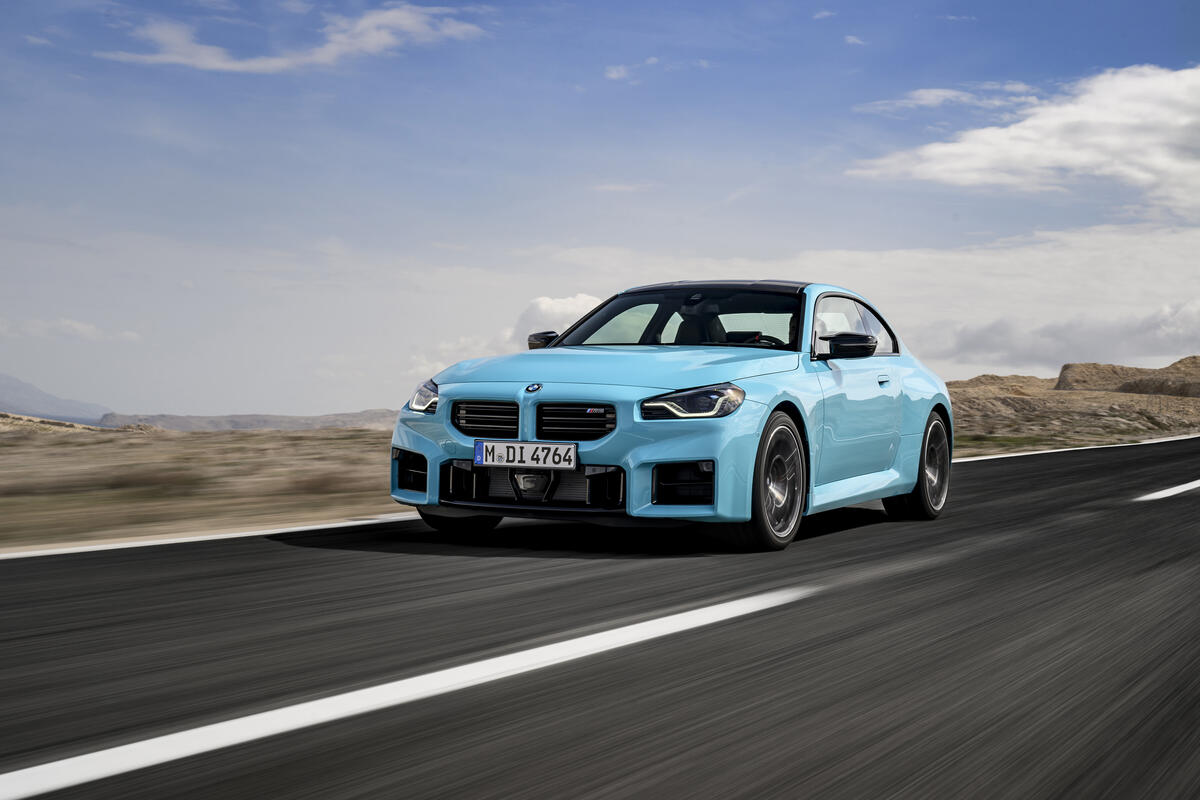
2019 BMW M2 competition
"whereas a much more modern alternative, a 2019 BMW M2 competition, I think could live [2486.8s] quite happily on your driveway."
The 2019 BMW M2 Competition is a small BMW sports car meant for real driving, not just looking fast. They’re suggesting it as a more modern alternative you can live with day-to-day.
The BMW M2 Competition (2019) is a compact performance coupe built for driver-focused handling, and it’s sized so you can actually use it on UK roads. The hosts also connect the “Competition” badge to a stronger engine choice, contrasting it with the N55 mentioned later.
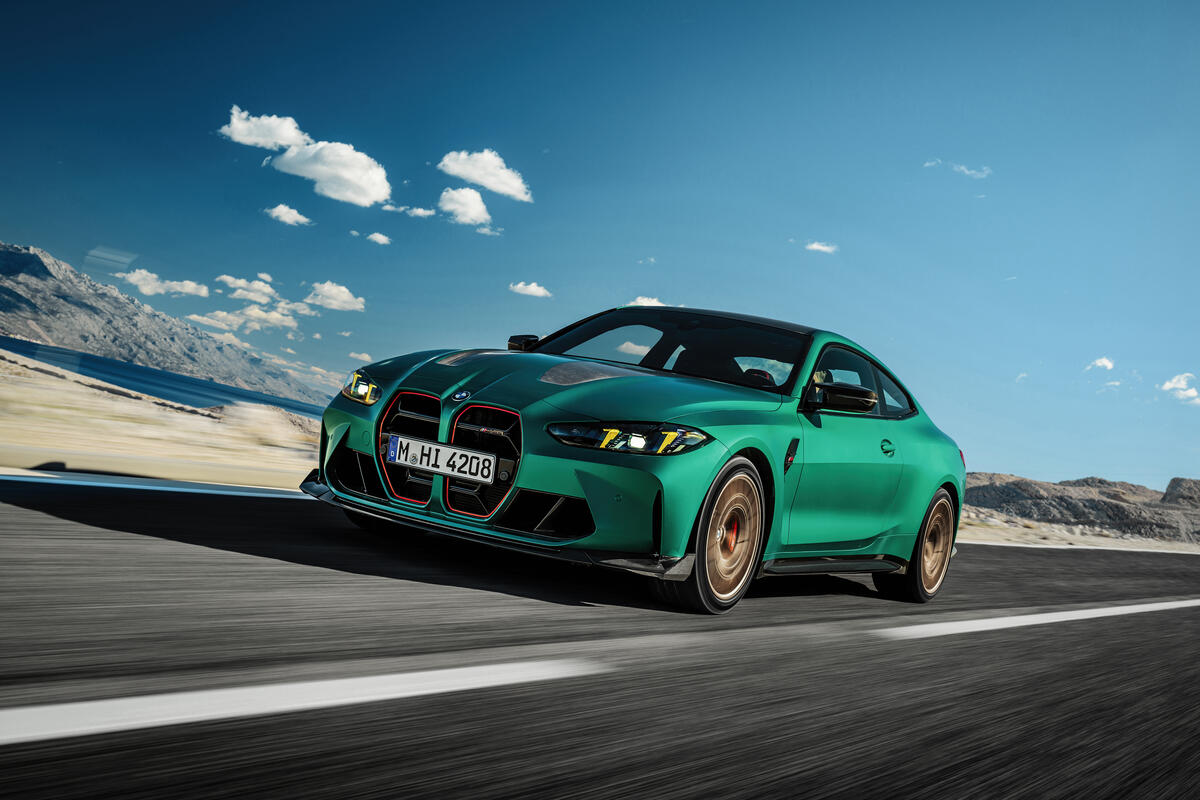
M4
"Would you have one of these over an M4? I like the M2 more. Yeah. I'm an M2 guy. [2496.1s] I think these are [2496.1s] perfect size."
The BMW M4 is a bigger, more powerful BMW sports car. They’re comparing it to the M2 and saying they’d choose the M2 instead.
The BMW M4 is BMW’s larger, more powerful M-badged coupe/convertible relative to the M2. In this segment, it’s mentioned as the alternative the hosts are comparing against, with the speaker preferring the smaller M2 size for UK roads.
M4 engine
"And [2501.0s] being a competition means that it does have the M4 engine as well, so it's a proper M engine versus [2504.6s] the N55."
They’re talking about which BMW performance engine family the car uses. The claim is that the M2 Competition shares the kind of engine you’d expect from the M4, which makes it feel more like a true M car.
When people say a car has the “M4 engine,” they mean it uses the same (or closely related) engine family associated with BMW’s M4 performance model. In this context, the hosts are arguing that the M2 Competition is more “proper M” than alternatives because of its engine lineage.
N55
"being a competition means that it does have the M4 engine as well, so it's a proper M engine versus [2504.6s] the N55."
The N55 is a BMW engine used in some performance models. The hosts are saying the M2 Competition feels more like an M car because it’s not just using the N55.
The N55 is a BMW inline-six turbocharged engine used in various non-M performance models. Here, it’s used as the comparison point to argue that the M2 Competition is “more proper” because it’s associated with the M4 engine rather than the N55.

S2000
"This is actually a really great shout because if you think about what they've got at the moment, yes, the Cayman's mid-engined, but I mean, it feels like the more natural combination of an S2000 and a Cayman."
The Honda S2000 is a small, lightweight sports car known for revving very high and feeling very connected to the driver. Here it’s being used as a comparison for the kind of driving feel someone wants.
The Honda S2000 is a lightweight, rear-wheel-drive roadster famous for its high-revving engine and driver-focused feel. In this discussion, it’s used as a reference point for what the speaker wants to “combine” with the Cayman’s mid-engine character.

BMW M240I
"...e not driven the current M2. I've only driven the M240i, but I don't know, which is brilliant, by the way..."
The BMW 2 Series is a smaller BMW car line. The podcast is talking about a more powerful version (the M240i) and how good it is to drive. It’s mentioned because it’s a compact option for sporty driving.
The BMW 2 Series is a compact car line, and in performance trims it’s known for a sporty driving feel. The podcast context mentions the M240i, which is a stronger, more performance-focused version of the 2 Series. It’s discussed because it can be a compelling option for people who want something smaller than larger performance models.
M2 Cs
"But the new M2 comp, I'll be driving one next month. And I'm really excited to because they've really, it was a CS actually, it's an M2 CS. It's got the lovely dovetail spoiler on the rear."
The BMW M2 CS is a sportier, more performance-focused version of the BMW M2. In this segment they’re excited to drive it because it has a distinctive rear spoiler and a more aggressive setup.
The BMW M2 CS is a track-leaning version of the BMW M2, built to feel sharper and more focused than the standard car. It’s specifically called out here for its rear “dovetail” spoiler and for being the speaker’s upcoming drive.
dovetail spoiler
"And I'm really excited to because they've really, it was a CS actually, it's an M2 CS. It's got the lovely dovetail spoiler on the rear."
A dovetail spoiler is a shaped rear wing that narrows toward the back, giving the car a specific look. It can also help with stability at speed, not just style.
A dovetail spoiler is a rear spoiler shape that tapers and “steps” toward the trunk area, creating a distinctive silhouette. It’s often used on performance cars to improve aerodynamic stability while also signaling a more track-oriented design.
WLTP
"This is pre when all the massive filters were thrown on everything, wasn't it? Just, I think. No, it was post. Is that post WLTP? 2019. Yeah. So it will need a little bit of work."
WLTP is a European testing rule for how cars measure emissions and fuel use. When it came in, many cars had to add extra emissions equipment, which can change exhaust sound and require more work if you want it louder.
WLTP (Worldwide Harmonised Light Vehicles Test Procedure) is the emissions and fuel-economy testing standard used in Europe. The speaker is connecting it to when stricter emissions hardware (like additional exhaust after-treatment) arrived, which can affect how a car sounds and what exhaust changes are needed.
cat back
"But, you know, you've got 750 quid there in the tank left over from that budget. Go whack a cat back on it. Yeah, exactly."
A cat-back exhaust is an upgrade that changes the exhaust parts after the catalytic converter. People do it to improve sound (and sometimes performance) while keeping the emissions hardware in place.
A cat-back exhaust is an aftermarket exhaust system that replaces everything from the catalytic converter rearward. It’s a common way to change sound and flow without touching the catalytic converter itself.
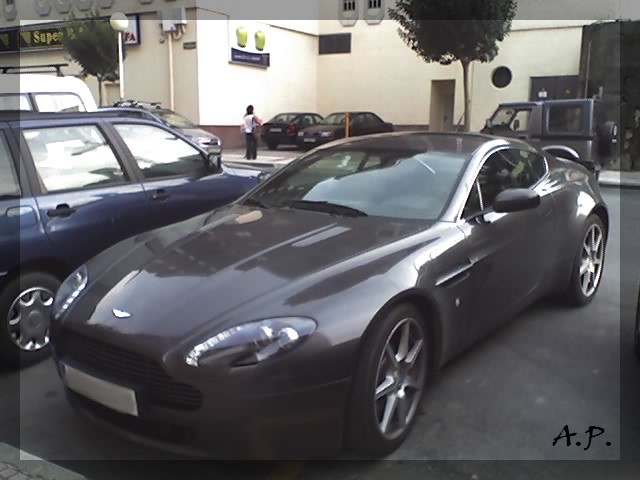
Aston Martin V8 Vantage
"That said, something that definitely doesn't need help in the exhaust department is my final choice, which is a 2006 Aston Martin V8 Vantage. I mean, I've always loved the V8 Vantage. Delicious."
The Aston Martin V8 Vantage is a British sports car with a V8 engine and a very distinctive Aston Martin look. Here it’s the speaker’s top pick, and they’re praising its character and styling.
The Aston Martin V8 Vantage is a performance grand-tourer built around Aston Martin’s V8 engine and a classic, muscular sports-car stance. In this segment, the 2006 V8 Vantage is presented as the speaker’s “final choice,” with emphasis on its sound and color.
Dolby Pro Logic 2
"you've got everything from, I mean, the sound system, the 700 watt upgraded Dolby Pro Logic 2 sound system, that's so of the time."
It’s a way of turning regular stereo music or movies into a surround-sound style experience. So instead of just left and right speakers, it tries to make it feel more like multiple speakers are involved.
Dolby Pro Logic 2 is a surround-sound audio decoding format that takes stereo sources and creates multiple channels for a more “surround” listening experience. It was common in older infotainment systems and aftermarket audio setups.
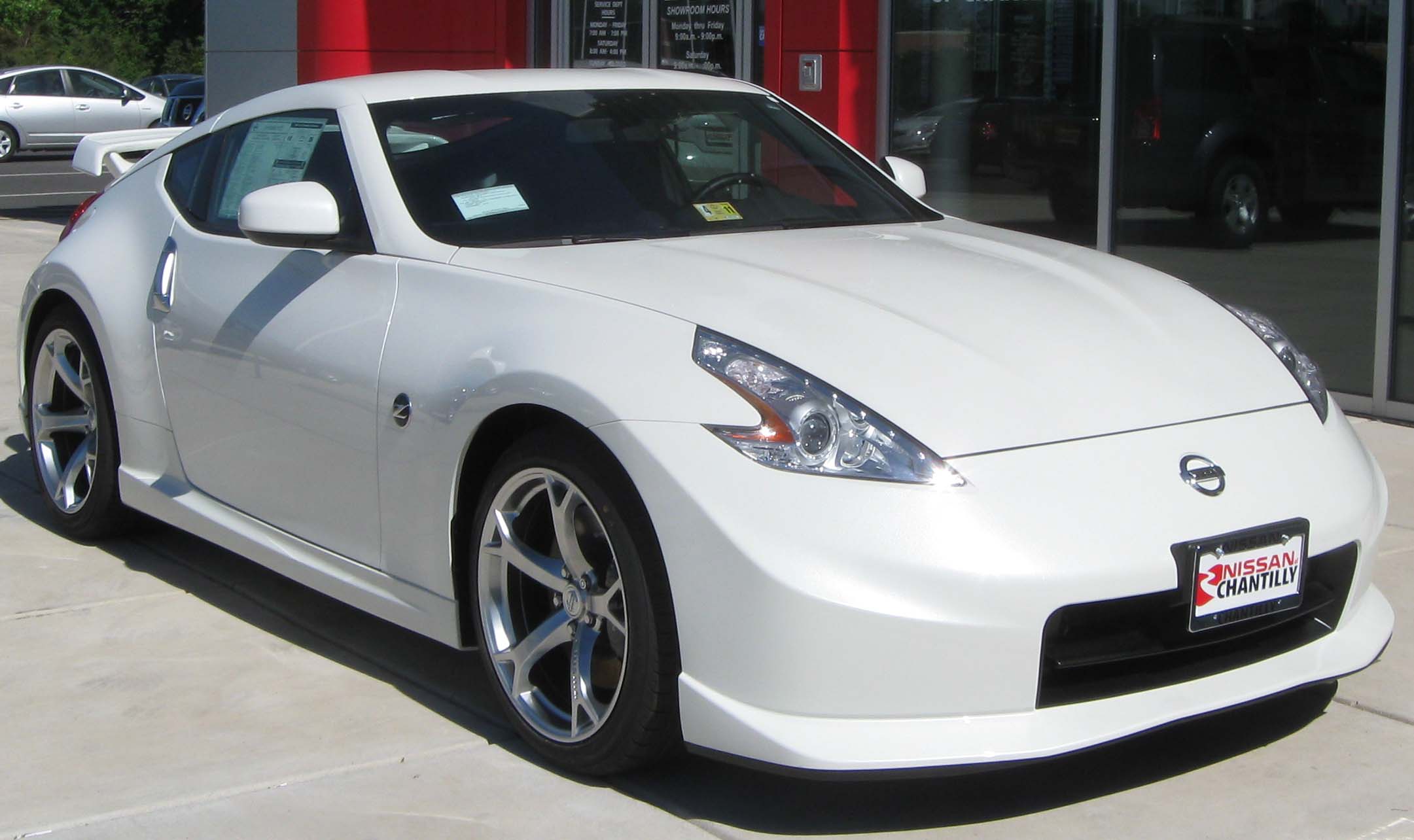
Nissan 370Z Nismo
"the next one is actually, this one's relatively left field, but it's a Nissan 370Z Nismo. I drove a 350Z recently for our sports car triple test..."
This is a sportier, more driver-focused version of the Nissan 370Z made by Nismo. The idea is to make it feel more exciting and more “ready to drive hard” than the regular car.
The Nissan 370Z Nismo is a performance-focused version of the 370Z, tuned by Nissan’s Nismo division for sharper driving feel. It’s known in enthusiast circles as a more track-oriented take on the Z-car formula, with upgraded hardware and calibration compared to the standard model.

Nissan 350Z
"I drove a 350Z recently for our sports car triple test that we did with a Honduras 2000 and a Mazda RX8."
The Nissan 350Z is an older Z-car from Nissan that the host says they recently drove. They’re using it as a reference to explain how the newer 370Z might feel.
The Nissan 350Z is the earlier Z-car generation that the host used as a comparison point for the 370Z. It’s often remembered for its engaging, analog-feeling driving character and strong enthusiast following.
Request an Explanation
Heard something you'd like explained? We'll add it to this episode.
Sign in to request explanations for terms you heard.
Want to learn more?
Browse our glossary for plain-English explanations of automotive terms, jargon, and concepts.
Help improve this episode
See something that's not quite right? Our annotations are AI-generated and can sometimes miss the mark. Click the flag icon on any annotation to suggest a correction.