
We’ve driven the new Jaguar! | The Car Podcast #84
About this episode
Goodwood springtime banter kicks off the show, then the gang dives into a standout Jaguar week: Jaguar Classic’s jaw-dropping collection, a track day at Gaydon where Chris and friends sample multiple Jaguars, and a first drive of Jaguar’s new electric model—praised for ride/steering and “Jaguar-ness,” but questioned on brand messaging and market timing. The episode also covers Goodwood members meeting highlights, a long-running bird-poo-on-cars debate, head-up display opinions, and a “two-car Jaguar garage” fantasy roundup.
Get your tickets to the Great British Jaguar Day at Bicester Motion below!
https://bicestermotion.com/calendar/great-british-jaguar-day
Get your tickets to HOWL below!
https://thruxtonracing.co.uk/event/howl
https://thruxtonracing.co.uk/event/chris-harris-live-podcast
Download Car & Classic’s app today to see our 2CG’s, and our weekly pick of our favourite listings:
https://candc.li/App_Download_
(00:00) Intro
(00:06) Things we've done in cars this week / any interesting news
(34:01) Why do birds only **** on cars?
(51:39) Heads-up displays - yes/no?
(1:03:39) 2CG with Car & Classic
(1:16:16) Music
Hosted on Acast. See acast.com/privacy for more information.
Goodwood members meeting
"So I think three of us went to the Goodwood members meeting, Manish didn't."
Goodwood is a famous racing venue in the UK, and the Members’ Meeting is an event where car people gather. The hosts are saying some of them went there this week.
The Goodwood Members’ Meeting is a motorsport and car-event weekend held at the Goodwood circuit in the UK. It’s mentioned as a place where several of the hosts went, framing the episode’s “what we did this week” segment.
Jaguar Classic
"In fact, Mr Cooper and I went up to Jaguar heritage first. [213.2s] Sorry, Jaguar Classic."
Jaguar Classic is about the company’s older cars and history. It’s like a heritage program where you learn about the brand’s past before looking at newer models.
“Jaguar Classic” refers to Jaguar’s heritage and classic-car division/program, focused on the brand’s history and preservation. The hosts mention going to Jaguar heritage first, which is a common setup for understanding a brand’s past before discussing current products.

Jaguar XJ12
"Eventually, they pulled out a Jaguar XJ12 from the mid 80s, a Targa V12, which had the original brick phone in it."
The Jaguar XJ12 is an old Jaguar with a big V12 engine. It’s the kind of car collectors love because it’s luxurious and sounds/feels very special, and this one is from the mid-1980s.
The Jaguar XJ12 is a classic Jaguar flagship from the 1970s/1980s era, known for its V12 engine and grand-touring comfort. In this segment, it’s described as a mid-80s example with a Targa-style roof and period-correct details, which helps set the scene for Jaguar Classic’s collection.
Targa V12
"Eventually, they pulled out a Jaguar XJ12 from the mid 80s, a Targa V12, which had the original brick phone in it."
“Targa” refers to a roof style where the car has a removable roof section (or openable panel) while retaining structural elements like a roll bar/upper frame. Pairing it with a V12 highlights the classic Jaguar formula: open-air cruising with a smooth, high-displacement engine.
brick phone
"Eventually, they pulled out a Jaguar XJ12 from the mid 80s, a Targa V12, which had the original brick phone in it."
That “brick phone” is the huge, old-style mobile phone people used in the 1980s. The host is saying the car still has the original one, which makes it feel like a real time capsule.
The “brick phone” is a reference to the bulky, early mobile phones used in the 1980s—often installed in cars as a status feature. Mentioning it as “original” emphasizes period authenticity and how Jaguar Classic preserves not just the car, but the era-correct accessories.

Renault 25
"...an 80s advert with Rosalind Landau that wasn't a Renault 25 ad. Give me the next JS."
The Renault 25 is a car model from the 1980s that was made for normal everyday driving. The podcast mentions it in the context of an old advertisement. It’s basically a reminder of how common and well-known the model was at the time.
The Renault 25 is a mid-to-large family sedan from the 1980s, known for being a mainstream, everyday car rather than a sports model. The podcast references an 80s advertisement that wasn’t actually for a Renault 25, which points to how recognizable the model was in that period. It’s discussed here as part of that era’s car culture and marketing.
5.3-litre V12 engine
"When I turned her over, 5.3-litre V12 engine was just going like this."
A 5.3-liter V12 is a large-displacement V12 engine, meaning two banks of six cylinders arranged in a “V” shape. In classic Jaguars, this kind of engine is prized for its smoothness and strong character at idle and low speeds—exactly what the host is reacting to when he says it’s “going like this.”
low-loading forklift truck
"Imagine a low-loading forklift truck that goes up to a car from the front. And these two bars come out like this and they open like that behind the front wheels."
This describes a specialized vehicle-handling system used in collections or workshops: a low-loader that can lift a car from the front and then roll it into position. The key idea is controlled, repeatable positioning without needing to drive the car around the facility.

Jaguar Type Jaguar
"... that nukes the concept of an R107 is a Series 1E type Jaguar. In exactly those colours, Deep Metallic."
The Jaguar F-Type is a modern sports car from Jaguar. It’s built to be fun to drive and to look like a proper sports car. The podcast connects it to classic Jaguar styling and colors.
The Jaguar F-Type is a modern Jaguar sports car designed for performance and driver engagement. The podcast references it in a comparison that mentions “Series 1E type Jaguar” and specific colors, using the F-Type as a contemporary example of that classic spirit. It’s discussed because it brings Jaguar’s sports-car identity into a more modern package.
Deep Metallic Grey with Oxblood leather
"Deep Metallic Grey with Oxblood leather, they had one for just £230,000 in the showroom. I just couldn't stop salivating."
They’re describing the car’s exact color and interior trim. On classic cars, the right paint and leather combo can make the car feel more “right” and can also affect collector interest.
This is a specific paint-and-interior color combination: “Deep Metallic Grey” exterior with “Oxblood” (a deep reddish-brown) leather upholstery. Color specs like this matter a lot on classic Jaguars because original or correctly restored combinations can strongly affect desirability and value.
track called Gaiden
"And then we went on to the big Jaguar place, which had a track called Gaiden. And I did something I've never done in my life."
“Gaiden” is mentioned as the track at the “big Jaguar place,” framing the segment as a track-driven experience rather than a static showroom evaluation. For listeners, it signals that these Jaguars were tested dynamically on a real circuit.
Jaguar Type Convertible
"...say, five different cars. And I got to drive the type convertible with a 3.6 straight six. And I had that really t..."
“Jaguar” here means the car brand. The podcast talks about driving different Jaguar cars, including a convertible with a 3.6-liter straight-six engine. It’s mentioned because the brand makes multiple types of cars.
In the podcast, “Jaguar” is used as a brand reference rather than a single specific model, and it’s tied to the idea of driving multiple Jaguar cars. The host mentions driving a “Type convertible” with a 3.6 straight-six, which points to a classic Jaguar model and engine configuration. It’s discussed because Jaguar’s lineup spans both classic and modern sports and luxury cars.
third to second
"And I got to drive the type convertible with a 3.6 straight six. And I had that really tricky third to second. That was, that was crazy."
He’s talking about downshifting from 3rd gear to 2nd. On some older manual cars, that shift can be awkward unless you time it just right.
“Third to second” refers to a downshift sequence where the driver moves from 3rd gear into 2nd. On older manual cars, this can be “tricky” due to gear spacing, synchro behavior, and the need to match engine speed to avoid harshness or missed shifts.

Jaguar XJ6
"Then we got to drive the XJ6 V12, which was pretty goddamn unbelievable. Then we got to drive Steed's XJC 12."
This is a Jaguar XJ6 that’s been fitted with a V12 engine. A V12 makes the car feel more special and more exciting than the usual straight-six XJ6.
The Jaguar XJ6 V12 is a V12-powered version of the XJ6, combining the XJ6’s long-wheelbase luxury with a much more dramatic engine note and power delivery. In classic Jaguar circles, the V12 swap/variant is a big deal because it changes the car’s personality from “smooth cruiser” to “proper grand tourer.”

Jaguar XJC 12
"Then we got to drive Steed's XJC 12. Oh my God. I was doing 110 miles an hour down the back straight."
This is another Jaguar XJ variant with a V12 engine. The “12” is the important part—it’s the engine that makes it feel like a proper big, fast grand tourer.
The Jaguar XJC 12 refers to an XJ6/XJ12-era Jaguar with a V12 (“12”) configuration, often discussed as a later/variant form of the XJ line. The key point is that it’s a V12 XJ, so it’s aimed at effortless high-speed cruising with a more exotic engine character.
pothole road
"Then we went on the pothole road. You couldn't feel any potholes in this car."
Potholes are bumps in the road that hit your tires and suspension. If the car makes them feel mild, it means the suspension is doing a good job soaking up the bumps instead of jolting you.
A “pothole road” is a real-world test of how well a car controls impact harshness and keeps the wheels in contact with the road. If you “can’t feel” potholes, it usually means the suspension is tuned to absorb bumps without transmitting harshness into the cabin.
vinyl roof
"It was actually Alibaba's carpet with a vinyl roof. It was unbelievable."
A vinyl roof is a plastic-looking roof covering that’s used for style. It’s usually not about performance—more about how the car looks and sometimes how it feels inside.
A vinyl roof is a covering material used to mimic the look of a traditional soft-top or to add a classic styling cue. It’s mostly an appearance choice, but it can also affect how the roof is insulated and how the car feels in terms of cabin comfort.
invited to the inner sanctum of a car company
"There's something intoxicating about being invited to the inner sanctum of a car company. Feels like a privilege. ... When it's really serious, they invite you to drive the car in the car company"
They’re describing how car companies sometimes invite journalists into their factories and give special access. The hosts suggest that this experience can make reviewers feel more positive about the car.
This describes an automaker’s media/analyst invitation model: bringing reviewers into the factory or brand environment before or alongside a test drive. The idea is that access and hospitality can influence impressions, leading to more favorable reviews.
make or break
"because normally, and I say this without my cynical hat on, in this instance, it's a very serious moment for Jaguar really is make or break."
“Make or break” means this is a do-or-die situation. If it goes well, things improve; if it goes badly, it could hurt the company a lot.
“Make or break” describes a moment where the outcome will determine the future success or failure of a company or product. In this context, the host is saying Jaguar’s situation is critical and the drive is tied to that high-stakes perception.
Maranello
"You go and drive a terrible Ferrari, but spend the day in the factory at Maranello and they drive the fear on a test track."
Maranello is where Ferrari is based in Italy. The host is using it to illustrate how being at the heart of the brand can change how you feel about the car.
Maranello is the famous Italian town associated with Ferrari’s headquarters and factory operations. Mentioning it reinforces the “inner sanctum” idea—being physically at the brand’s core can shape the emotional context of a review.
test track
"and they drive the fear on a test track. You'll probably give it a slightly kinder review."
A test track is a special driving course where cars are evaluated. It’s designed to let you test performance in a consistent way, which can affect what you think of the car.
A test track is a controlled circuit used by automakers and media to evaluate vehicle behavior under repeatable conditions. The host implies that track driving—especially when paired with factory access—can strongly influence how reviewers describe a car.

Infiniti M45
"...So we had a lovely little drive up the M1 and the M45. In the Bentayga."
The Infiniti M45 is a luxury car that’s meant to feel more powerful than the standard versions. The podcast mentions it during a highway drive, showing it’s used for normal road trips. It’s basically a comfortable sedan with extra performance.
The Infiniti M45 is a performance-oriented luxury sedan from Infiniti, with the “45” indicating a larger engine and a more powerful setup than the base models. In the podcast, it’s mentioned alongside a drive on the M1 and M45, placing it in the context of real-world highway driving. It’s brought up because it represents a more performance-leaning take on a comfort-focused sedan.

Bentayga
"So we had a lovely little drive up the M1 and the M45. In the Bentayga. In the Bentayga."
The Bentley Bentayga is a luxury SUV from Bentley. It’s the kind of car people use when they want comfort and a premium feel for a longer drive.
The Bentley Bentayga is Bentley’s luxury SUV, known for a very upscale interior and a smooth, powerful ride. In this segment, it’s mentioned as the car they used for the drive, highlighting the “grand tour” vibe rather than any specific performance detail.
Bistro Scramble
"There's two very, very fun special cars that they've allowed us to borrow for the Bistro Scramble to arrive in. So if it's Bistro Scramble on the Sunday after this, you're in for hopefully a little bit of a fun treat."
“Bistro Scramble” sounds like a specific event format tied to the members’ gathering—likely a fun, timed or staged arrival/drive-in for borrowed cars. The key point is that the hosts are coordinating special cars to show up for that event.

Porsche Cayenne
"Very good week. No Clifford. [850.0s] I bought a Porsche Cayenne, 97,000 miles."
A Porsche Cayenne is Porsche’s SUV. It’s basically a Porsche you can drive like a normal car, but with Porsche-style performance. The host is saying they bought one even though it has a lot of miles.
The Porsche Cayenne is Porsche’s SUV, known for blending everyday usability with performance and handling. In this segment, the host mentions buying one with high mileage, which is a common way enthusiasts evaluate whether a used Porsche can still make sense as a daily or weekend car.
clause that means that if it doesn't meet with his expectations, it's going back
"He makes sure that somewhere written down, there is a clause that means that if it doesn't meet with his expectations, it's going back. And on this one, I know he's used the phrase, every button has to work."
They’re talking about a written promise in the deal. If the car doesn’t match what the buyer was expecting, the buyer can return it.
This describes a contractual return/recall-style protection: a written clause that allows the buyer to send the car back if it doesn’t match agreed expectations. In practice, buyers often use this to cover issues discovered after purchase, especially when features don’t work correctly.
every button has to work
"And on this one, I know he's used the phrase, every button has to work. Now I think that's a fecking tall order for a sweaty, old Porsche."
“Every button has to work” is a buyer’s standard for complete functional verification of the car’s controls and infotainment/comfort switches. It’s essentially a checklist approach: if any button or function fails, it can trigger a return under the contract.
service history
"All I ask is, does everything work? Every single button does what it should. Is that correct? Please could you reply to my email and confirm that. And once I've got that, I feel covered. Clearly, I'm not covered at all. There's no buttons inside the internal combustion engine. And I've looked at the service history and it's olive green metallic."
Service history is the log of work done on the car—like oil changes and repairs. It helps you understand whether the car was maintained properly.
A car’s service history is the record of maintenance and repairs performed over time. It helps buyers judge how well the car has been cared for and can reveal recurring issues or deferred maintenance.
internal combustion engine
"Clearly, I'm not covered at all. There's no buttons inside the internal combustion engine. And I've looked at the service history and it's olive green metallic."
An internal combustion engine is the kind of engine that burns fuel to make the car move. They’re making a joke that there aren’t literal buttons inside the engine.
“Internal combustion engine” refers to engines that burn fuel inside the engine to produce power. The joke here is that there aren’t “buttons inside the engine,” contrasting physical controls with the mechanical powerplant.
demonstration
"And obviously, he's braver than me. He was racing or pretending to race. I think he was in a demonstration, wasn't he? In a touring car."
A “demonstration” in motorsport context typically means a controlled on-track display—often for showcasing a car, driver, or event—rather than a competitive race. It helps explain why someone might be “pretending to race” while still staying within event rules and safety limits.
racing suit
"[1030.8s] walking around in racing suits. [1032.7s] He did look good in his racing suit, didn't he? [1034.9s] Yeah, he was born to it. ... [1057.7s] I think the racing suit, if you could just wear a racing suit [1061.1s] and not go around the track, maybe I'll do that next time."
A racing suit is the special outfit drivers wear at the track. It’s made to be safer and more comfortable than normal clothes when you’re driving hard.
A racing suit is purpose-built driver apparel designed to improve safety and comfort during motorsport. Beyond looks, it’s typically made from fire-resistant materials and helps reduce risk and movement during high-speed driving.
Steve McQueen
"[1037.5s] He's our Tom and looking very sophisticated [1039.4s] with a hint of Steve McQueen in there, isn't it? [1043.1s] I wouldn't go that far."
They’re referencing Steve McQueen, who was famous for both acting and being into racing. Here it’s just a way of saying the guy looks like that classic “cool racer” type.
Steve McQueen is a cultural reference to the actor who was also a well-known racing enthusiast and driver. Mentioning him here is a “look/attitude” comparison—evoking the classic, cool racer image rather than discussing any specific car or tech.
Ken Miles vibe
"[1043.1s] I wouldn't go that far. [1044.7s] A bit of Ken Miles vibe, you know. [1048.4s] That's good, yeah."
They’re comparing the person’s look to Ken Miles, a famous race driver. It’s more about the attitude/style than anything technical.
“Ken Miles” refers to the legendary British-American racing driver known for his aggressive style and Le Mans/GT racing success. Calling it a “Ken Miles vibe” is a stylistic comparison—suggesting the person’s look resembles the classic racer persona associated with Miles.
revival
"[1066.1s] But yeah, so good with Magic Hall. [1068.0s] If you don't do revival, Mr Cooper, you're wrong about that. [1072.2s] You need to do that because it's..."
They’re talking about doing a special event that brings back the vibe of classic racing. Instead of skipping it, they’re saying you should go because it’s part of the fun and the culture.
In this context, “revival” likely refers to a motorsport or racing event/experience that brings back classic racing culture or a brand’s heritage. It’s the idea of participating in a modern event that’s themed around past racing eras, rather than just watching from the sidelines.
Jaggy
"[1077.6s] And so that was great. [1079.5s] Jaggy was amazing. You guys will talk about it. [1081.8s] You know, I always felt there was one..."
“Jaggy” is a nickname for Jaguar, and here it’s clearly shorthand for an experience or event involving Jaguar. Since the episode title mentions “the new Jaguar,” this is likely a reference to time spent with the brand’s latest model(s).
away day
"So, I started off by going up to meet the current classic team at their away day in a hotel that couldn't have been more inconvenient for me, which is brilliant."
An “away day” just means the team goes somewhere else for an event. It’s like a club trip—sometimes for driving or meeting up.
An “away day” is a team outing or event where a group meets somewhere other than their usual base. In car culture, it often means a club meeting, track day, or social drive organized away from home.
M25
"And for me, it's that bit round the other side of the north of the M25 Essex Way. If you live in the southwest,"
The M25 is a big ring road around London. People use it to describe where you are and how long a drive might take.
The M25 is the major motorway that circles London, and it’s commonly referenced in UK driving routes. Mentioning it signals the speaker’s location and the kind of traffic/commute planning UK drivers deal with.
M11
"but it always takes forever to get somewhere near the M11. I think in my head, I just shut down. We've all got, we'll do that."
The M11 is a big highway in the UK. They’re basically saying that area is usually slow or congested, so trips can take longer than you’d expect.
The M11 is a major UK motorway. Saying it “always takes forever” near the M11 is a real-world reference to traffic and travel time, which helps listeners picture the driving conditions being discussed.
bogey part of the UK
"What's your bogey part of the UK? That is a good one. I met the current classic sales team, a bunch of super passionate, knowledgeable people,"
They mean a part of the UK that’s a pain to get to or deal with. It’s more about frustration and experience than anything car-related.
“Bogey part of the UK” is a colloquial way to describe a place that’s especially annoying, difficult, or frustrating to deal with—often due to traffic, logistics, or personal experience. It’s not a technical automotive term, but it frames the travel/route discussion that follows.
stages of the shunt
"[1298.2s] He was describing an accident he had at Le Mans once [1301.4s] in a Porsche. [1303.3s] And he said, he was trying to describe [1306.5s] the different stages of the shunt when he realized he was in trouble."
A “shunt” just means a crash. Saying “stages” means the crash happens in steps—first impact, then the car gets pushed and crumples, and then things like steering or other systems may stop working. It’s a way to explain what happened in order.
“Shunt” is a UK term for a collision or impact, and “stages of the shunt” refers to how the crash unfolds over time—initial contact, vehicle rotation/deformation, and the subsequent loss of systems. In safety discussions, breaking a crash into stages helps explain why certain components fail when they do.
steering wheel stopped working
"[1312.6s] And he then said, I quote, [1315.0s] and then the steering wheel stopped working. [1319.5s] I thought it was very good."
If the steering wheel stops working after a crash, it usually means the steering system got damaged or the help system failed. That can make the car hard or impossible to control even if the wheels are still turning.
When the steering “stopped working” in a crash, it usually means the steering system was damaged or the steering assist/control was lost due to impact forces. In modern cars, steering can be hydraulic/electric-assisted, and severe crashes can disable assist or break linkages.
dynamic exercise to drive the new electric Jaguar
"[1336.7s] because they got everyone through earlier in the year. [1339.7s] It was a dynamic exercise to drive the new electric Jaguar. [1344.0s] And also the opportunity to drive some classic cars to provide context and support."
They’re calling it a “dynamic exercise,” meaning it’s a real driving evaluation, not just looking at the car. With an electric car, it’s especially about how it feels when you accelerate and how stable it is while driving.
A “dynamic exercise” in this context means a structured test drive focused on how the car behaves—acceleration, braking, steering feel, ride quality, and stability—rather than just static impressions. For an electric car, it often includes evaluating torque delivery and how the vehicle manages traction and balance.
heritage
"[1350.7s] Some of the materials Jaguar is now presenting, hopefully, [1354.2s] and we think Justify will be celebrating its heritage. [1357.9s] There was nothing exceptional about the way they laid it out."
“Heritage” means the brand’s history and what it’s known for. Jaguar is trying to connect the new electric cars to the things people associate with the brand from the past.
“Heritage” here refers to how Jaguar frames its past—design, motorsport, and brand identity—as part of its current product story. In an electrification era, heritage messaging is often used to reassure buyers that the brand’s character is still present even as powertrains change.
Rodin Glover
"[1360.4s] If you've done these things before, it made a lot of sense. [1363.5s] Rodin Glover was there, who was the boss. [1366.0s] And it was a real privilege to have the boss there."
Rodin Glover is referenced as “the boss” at the Jaguar event. This is a people/leadership mention rather than a technical automotive term, but it can be useful for listeners who want to connect the discussion to who’s steering the brand’s direction.
ride and handling
"This is a dynamic surprise, this car. It's at the very top end of anything I've driven before in terms of the way that it rides and handles... But the ride and handling, especially the ride, is extraordinary."
“Ride and handling” is how comfortable the car feels over rough roads and how well it steers and stays stable when you drive hard. The host is saying this car is excellent at both, especially the comfort part.
“Ride and handling” refers to two different aspects of driving quality: ride comfort over bumps and control/response during steering and cornering. A car can be very fast yet still feel composed and comfortable, which is what the host emphasizes here.
a thousand horsepower
"I don't think there's any surprise that a vehicle that's got a thousand horsepower, whatever it's got, is very fast despite the fact that it weighs as much as a celestial orb."
“Thousand horsepower” means the car has a huge amount of power. With that much power, it’s usually very quick. But the host is also hinting that how it drives (ride and control) matters as much as raw power.
“Thousand horsepower” is a shorthand for extremely high engine output, typically associated with supercar or high-performance EV/ICE applications. At that power level, acceleration and top speed potential are usually very high, but the real story becomes how the car manages traction, weight, and stability.
weighs as much as a celestial orb
"...is very fast despite the fact that it weighs as much as a celestial orb. It's very, very fast. But the ride and handling, especially the ride, is extraordinary"
The host is joking that the car is extremely heavy. Heavy cars can feel less agile and can make braking and cornering harder, but they’re saying this one still feels impressive anyway.
The host uses a humorous exaggeration to describe very high vehicle mass, which matters because weight affects braking distances, tire grip, and how the suspension can keep the ride composed. The key point is that even with big mass, the car still feels fast and well-controlled.
jaguar-ness
"...and I think is suffused with a jaguar-ness that left me very, very comfortable with where they've headed with the dynamics of the car."
“Jaguar-ness” is the idea of a specific driving feel that Jaguar is known for. The host is saying the new car still feels like a Jaguar in how it rides and handles.
“Jaguar-ness” is a brand-feel description—how a Jaguar is supposed to drive and feel. Here, the host suggests the car’s dynamics are tuned to deliver Jaguar’s signature comfort and composure, not just performance numbers.
marketplace that they're entering
"I still fear for the marketplace that they're entering. If I'm honest with you, sorry, it's entering."
The host is talking about the competition and customer expectations in the segment Jaguar is trying to join. Even a great car has to fit what buyers in that category are looking for.
“Marketplace they’re entering” refers to the competitive segment the new Jaguar is targeting—its rivals and customer expectations. For listeners, it’s a reminder that car success depends not only on engineering, but also on positioning versus what buyers in that segment want.
flat-floor
"The 1961 flat-floor E-Type we all drove must have felt like a spaceship to people in 1961. And this car is a similar leap in some areas."
“Flat-floor” refers to a cabin floor shape that helps packaging and can improve perceived space and ergonomics. In the context of the 1961 Jaguar E-Type, it’s part of what made the car feel unusually modern for its era.
electric steering
"I don't know how you make a car of that weight with electric steering steer that well. Steering was exceptional."
Electric steering means the car helps you turn using an electric motor. Because it’s controlled electronically, engineers can tune how heavy or light the steering feels.
Electric steering refers to steering assist systems that use an electric motor (commonly electric power steering) instead of relying purely on hydraulic pressure. It can improve packaging and efficiency, and it also allows tuning the steering feel and assist characteristics more precisely.
accelerated
"And I was just, when I accelerated, the prowl rose. Yeah. That's clever, because that doesn't happen in modern cars. Normally you accelerate cars to this flat, but it just did a little rise."
They’re talking about how the car’s body moves when you put your foot down. Some cars stay very flat, while others lift or rise a little as the suspension shifts weight.
The hosts are describing how the car’s body reacts under acceleration—specifically a small rise rather than the usual flat, settled attitude. That kind of motion can be influenced by suspension geometry, damping, and how the chassis manages weight transfer.
weight transfer
"Normally you accelerate cars to this flat, but it just did a little rise. And I thought, that reminds me of being in the next J-12, which is great."
Weight transfer is what happens to the car’s “balance” when you speed up or slow down. The suspension reacts, so the car may squat or lift a bit depending on what the chassis is doing.
Weight transfer is how the car shifts load between tires when you accelerate, brake, or corner. Under acceleration, the rear typically takes more load, and the suspension can extend or compress in response, changing ride height and attitude.
great British Jaguar Day
"We're all, all four of us are involved in making the great British Jaguar Day a success with our friends at Car and Classic and Vista Motion. ... the great British Jaguar Day is not about nostalgia."
“Great British Jaguar Day” is an event they’re putting on. The hosts say it’s meant to be about Jaguar’s whole story—where it came from, what it is now, and where it’s going.
“Great British Jaguar Day” is presented as an event concept, and the hosts emphasize its purpose: not nostalgia, but showcasing Jaguar’s past, present, and future. That framing helps listeners understand why the day exists and what the audience should expect.
Vista Motion
"... making the great British Jaguar Day a success with our friends at Car and Classic and Vista Motion."
Vista Motion is another partner helping with the Jaguar event. They’re mentioned alongside other car-focused groups, implying they contribute to the experience.
Vista Motion is named as another partner for the “Great British Jaguar Day.” The mention suggests a collaboration with a company that likely supports automotive events or experiences, helping bring the day to life for attendees.
engineering prototype
"The car was, as soon as you got into it, it's an engineering prototype. I've never driven an engineering prototype with all the big red buttons and somebody in the back acting as a minder."
A prototype is a near-finished test car. It’s built so engineers can check how the systems work, and it may have unusual controls or extra people to help during testing.
An engineering prototype is an early, test-focused version of a car built to validate engineering decisions before the production model exists. The “big red buttons” and the presence of a minder highlight that prototypes are often instrumented and operated differently than customer cars.
167 miles an hour
"...to go into the chapter, I think I did 167 miles an hour on the outward straight. It's got a beautifully linear feel."
They’re talking about how fast the car was able to go on a straight during testing. The point is that it felt stable and composed at speed.
This is an example of top-speed capability or test speed achieved on a straight, used here to emphasize how confident and stable the car feels at high velocity. Rather than focusing on the exact number, the key takeaway is the prototype’s ability to sustain very high speed.
electric cars
"Quite often electric cars, this sort of this thing just felt like it was and you described it beautifully, Chris."
Electric cars use motors instead of a traditional engine, and they often feel different when you accelerate. The hosts are saying this one didn’t feel like the usual EV “instant shove” stereotype.
The hosts compare the prototype’s behavior to typical electric-car characteristics, especially how it delivers torque and how the car feels under acceleration. They’re pointing out that this car’s response felt “grown up” and more linear than what they associate with many EVs.
uncamouflaged
"We've seen it uncamouflaged. It'll be revealed later this year."
Uncamouflaged means the car is being shown without the usual disguise panels. It suggests the final design is getting close to ready for people to see.
“Uncamouflaged” means the car was shown with its bodywork largely free of disguise (or with minimal coverings). That usually indicates the design is close to final and the manufacturer is moving from testing secrecy toward public reveal.
Nürburgring
"But to drive it, it was, the car that we drove, they've driven to the Nürburgring and back."
The Nürburgring is a very famous race track in Germany. Automakers use it to test cars hard, because it’s tough on the car and reveals problems quickly.
The Nürburgring is Germany’s famous motorsport circuit (often called “the Green Hell”) used by manufacturers for durability and performance testing. Mentioning that Jaguar drove the car there and back signals real-world validation on a track known for stressing chassis, cooling, and braking.
four-wheel steer
"And the second thing is, the four-wheel steer for me was really subtle. So, you know, you pointed out, I think it's 2.7 tons."
Four-wheel steering means the back wheels can turn too, not just the front wheels. That can make the car easier to steer at low speeds and more stable at higher speeds. In this case, they’re saying the effect is smooth and not obvious, but still helpful.
Four-wheel steering is a system where both the front and rear wheels can turn, improving low-speed maneuverability and high-speed stability. When it’s “subtle,” it usually means the system helps without making the car feel twitchy or overly dramatic.
2.7 tons
"So, you know, you pointed out, I think it's 2.7 tons. This is, you know, a big car, it's a heavy car, but I'm not a racing driver."
They’re talking about how heavy the car is—about 2.7 tons. A heavier car often feels smoother and more stable, but it can also feel less agile. They’re basically saying the car is big and heavy, yet it still feels good to drive.
“2.7 tons” is the car’s approximate curb weight, which matters because heavier vehicles typically feel more stable but can require more effort to change direction. The hosts connect the weight to why the car feels composed and why they’re not trying to drive it like a race car.
160
"So, you know, you pointed out, I think it's 2.7 tons. This is, you know, a big car, it's a heavy car, but I'm not a racing driver. I didn't get it to 160."
“160” appears to reference a speed they didn’t reach during the drive. Rather than focusing on exact numbers, the takeaway is that the evaluation was likely done at normal road speeds, emphasizing comfort and steering feel over outright top-end performance.
confidence improving lap after lap
"But just turning it in, my confidence obviously improved lap after lap. I did three on the main circuit, third time round."
They’re saying that after a few laps, they started to feel more comfortable and in control. That usually happens when you learn how the car grips the road and where it wants you to brake.
The host describes building confidence over multiple laps, which is a common track-driving progression as you learn the car’s grip, braking points, and how it reacts through corners. It’s essentially a feedback loop: more laps reveal more predictable behavior and allow faster, smoother inputs.
silent engine
"has been seeking a kind of automotive silence for, you know, the end of the century, hasn't it? It's been looking for the silent engine."
They’re talking about how electric cars can be much quieter than normal gas engines. The idea is that Jaguar wanted a more refined, quiet experience, and electric power helps achieve that.
“Silent engine” here is about reducing or eliminating the sound you associate with traditional internal-combustion engines. The host argues that an electric powertrain can deliver the kind of near-silent operation Jaguar was “seeking,” tying it to the brand’s luxury identity.
group tests
"It won all its group tests. It was just the car. It was the 205 GTI of its era, wasn't it?"
“Group tests” are evaluations where multiple cars are tested side-by-side under the same conditions to compare performance, handling, comfort, and overall usability. Winning group tests usually signals that a car was consistently strong across different measures, not just in one headline metric.

Peugeot 205 GTI
"It was just the car. It was the 205 GTI of its era, wasn't it? Yeah. It just won everything."
The Peugeot 205 GTI was a super popular “hot hatch” back in its day. People loved how it drove, and it was seen as the best kind of small performance car for that time.
The Peugeot 205 GTI is a famous hot hatch that became a benchmark for its era, known for sharp steering, strong performance for the time, and a driver-focused feel. When the hosts compare another car to the “205 GTI of its era,” they mean it dominated tests and was widely regarded as the go-to enthusiast choice.
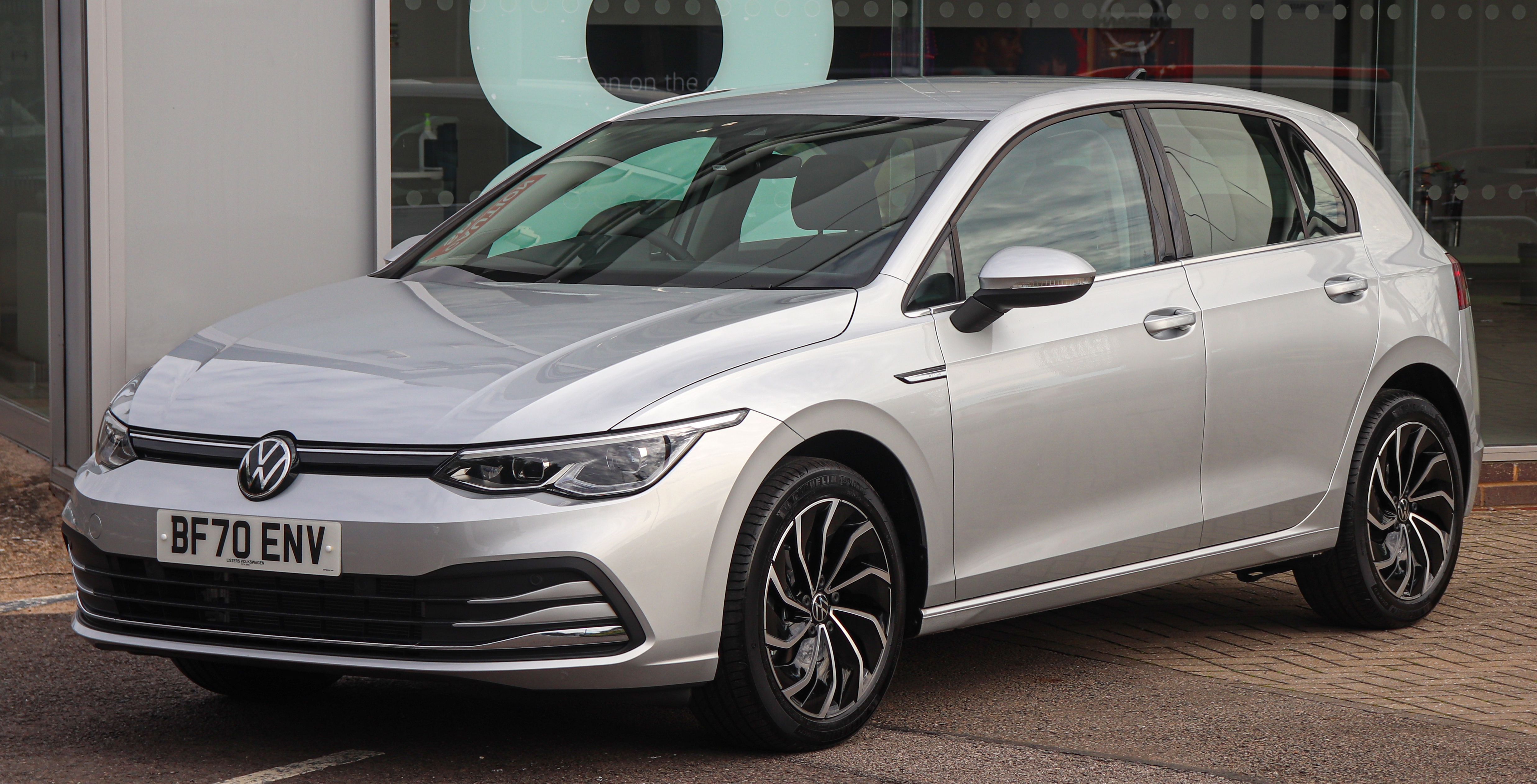
Volkswagen Gti
"It was just the car. It was the 205 GTI of its era, wasn't it? Yeah."
The Volkswagen Golf is a popular compact car. The podcast compares it to a famous sporty version of another car, suggesting it was a key “go-to” sporty model for its time. In simple terms, it’s a normal car that also had a fun, performance side.
The Volkswagen Golf is a widely used compact car, and the podcast compares it to the “205 GTI of its era,” meaning it was a benchmark hot hatch for its time. That kind of comparison points to the Golf’s role in making practical cars feel sporty and fun. It’s discussed because it’s influential and has been a reference point for driving dynamics in its class.
original racing car
"And this is an original racing car from a well-known family that used to race, Alfa Romeo. And it didn't go to plan, let's just say."
An original race car is one that’s meant to be run like it was in its racing days. Because it’s older, it can be more temperamental, so small problems can cause big trouble.
An “original racing car” implies a historic competition vehicle that’s being run as authentically as possible, often with period-correct components and setup. These cars can be less forgiving than modern machinery—small issues like fuel delivery or carburetion problems can quickly turn into stalling or failure to qualify.
carburetor
"I was a bit down in power, and we thought we found an issue with carburetor. And then I was driving it on the warm-up lap to the start of the race."
A carburetor is an older-style part that mixes fuel with air so the engine can run. If it’s not working right, the engine can feel weak or may not run properly at all.
A carburetor is a fuel-mixing device used on many older engines, where it blends air and fuel before it enters the cylinders. If the carburetor is misbehaving—like being out of adjustment or suffering from fuel delivery issues—it can cause poor power, hesitation, or even stalling.
warm-up lap
"And then I was driving it on the warm-up lap to the start of the race. I could feel a bit more inertia in the engine, and it just wasn't pulling as well."
A warm-up lap is a lap you do right before the race to get everything working properly—engine, tires, and brakes—so the car feels right when you launch.
A warm-up lap is a short circuit lap done before the race to bring the engine, brakes, and tires up to operating temperature. It helps the car respond more predictably once the race starts, especially for older engines or cars with carburetion.
chicane
"And then it conked out as I rounded the very final chicane to go onto the grid. And she didn't make the race."
A chicane is a twisty section of track made of quick turns to slow you down. If your car stalls there, it’s hard to recover because you’re not going fast enough to regain momentum easily.
A chicane is a sequence of tight turns designed to slow cars down and add technical driving. In racing, stalling or losing power right after a chicane can be especially damaging because you’re already at lower speed and need immediate throttle response to accelerate onto the next straight.
scrutineers
"He had a lot of attention from the scrutineers, but I think it was really difficult for him to deal with."
Scrutineers are race officials who check cars to make sure they follow the rules. If they’re paying a lot of attention, it usually means there were questions about whether everything was compliant.
Scrutineers are officials who inspect race cars to ensure they meet the rules—things like safety equipment, eligibility, and technical regulations. Getting “a lot of attention from the scrutineers” often implies the car was under close scrutiny for compliance.
first motor race
"And it was challenging to live vicariously and watch someone do their first motor race. He bought the car in really good faith in January, with a view to doing some racing."
Racing for the first time is hard because it’s not just about speed. You also have to get the car ready and deal with the rules and practical stuff that comes with events.
“First motor race” is a big step because racing a car is more than just driving fast—it involves prep, rules, and logistics. New racers often run into unexpected issues with setup, compliance, and track-day/race procedures.
navigate all the policing
"It's a really tough thing buying a car and going racing and trying to do it yourself, and trying to navigate all the policing and everything else. No one really helps you."
“Policing” here likely refers to enforcement of racing rules—scrutineering, technical compliance, and on-track regulations. For first-time racers, this can feel like constant obstacles because the car may need specific safety or technical requirements to be allowed to compete.
buying a car and going racing
"It's a really tough thing buying a car and going racing and trying to do it yourself, and trying to navigate all the policing and everything else. No one really helps you."
Buying a car to race it is different from buying one to drive normally. You usually need to prepare it and make sure it’s suitable for track use and the event rules.
Buying a car “with a view to doing some racing” highlights the difference between a road car and a track/race-prepped car. Racing typically requires additional planning and upgrades (or at least verification) to meet event requirements and to survive repeated use.
bird shit
"Or more curious for me, do birds not like cars? And therefore there is some sort of little different world over here where birds have a shitting on cars championship... And you end up within a day of three or four massive bird shits on the car."
Bird droppings can actually hurt your car’s paint if you leave them there too long. They’re easier to remove when you clean them soon, and special wipes or cleaners can help lift them without scrubbing too hard.
Bird droppings are acidic and can etch paint and clear coats if they sit on the surface. That’s why people talk about cleaning them quickly and using products meant to lift the contamination without damaging the finish.
polishes
"Plus, and I think there is, I can't remember the name of the lovely company that does all the polishes and the foam and the cloths... Yes, they do these lovely little baby wipes, frankly, that are designed just to get bird shit off your car."
Polish is like a paint “refresher.” It helps make the paint look shiny again and can remove small marks, but it’s not the same as a protective wax layer.
Car polish is a paint-care product used to restore gloss and remove light surface defects like oxidation or fine swirls. It’s different from wax or sealant because polish is focused on correcting the paint surface rather than just adding protection.
foam and the cloths
"Plus, and I think there is, I can't remember the name of the lovely company that does all the polishes and the foam and the cloths. And you know, the one that's got the little royal, it's got the, you know, the king."
Detailing foam and soft cloths help lift dirt without grinding it into the paint. If you wipe something dirty while it’s dry, it can cause scratches.
Foam and microfiber cloths are common in car detailing because they help loosen grime and reduce the chance of scratching. Using the right tools matters because dried contaminants (like bird droppings) can be abrasive if you wipe them dry.
baby wipes
"Yes, they do these lovely little baby wipes, frankly, that are designed just to get bird shit off your car. Because there's a challenge, isn't there? But when it dries, what do you do?"
These are special wipes made for removing bird droppings without damaging your paint. They’re handy because they’re quick, but you still shouldn’t scrub hard or let the mess sit too long.
Detailing wipes marketed for bird droppings are designed to safely lift and neutralize contamination before it can etch paint. They’re a convenience product, but they still work best when used promptly and without aggressive rubbing.
paint etching from dried contaminants
"Because there's a challenge, isn't there? But when it dries, what do you do? And I've been, I've been known to use my finger because you're then paranoid, aren't you?"
If bird droppings dry on your car, they can stick and even damage the paint. That’s why people try to clean them quickly and avoid rubbing them when they’re dried on.
When bird droppings dry, they can become harder to remove and may bond to the clear coat. If left too long, the acids can etch the paint, making later removal harder and increasing the risk of scratching during cleaning.
PPF
"[2362.5s] PPF. [2364.8s] Which I think is frankly a bit of a con now I think about it because it's much more expensive and actually repainting your car five times."
PPF is a clear protective sheet that you stick onto your car’s paint. It’s meant to keep bugs, small scratches, and road grime from damaging the paint underneath.
PPF stands for paint protection film: a clear, tough layer applied to a car’s painted surfaces. It helps protect against small impacts, road debris, and some chemical staining, which is why people use it on high-wear areas like the hood and front bumper.
guano
"[2425.5s] Well, bird poo guano is acidic. [2429.8s] It's uric acid and that isn't good for paint."
Guano just means bird droppings. The key point is that it can be acidic, which can damage the paint if it sits there.
Guano is bird droppings, and in this context the hosts are pointing out that it’s acidic. Acidic deposits can attack paint and clear coat, which is why quick cleaning matters.
uric acid
"[2429.8s] It's uric acid and that isn't good for paint. [2433.4s] That's absolutely true."
Uric acid is part of bird droppings. It’s the chemical that can make the paint finish get damaged if you don’t wash it off quickly.
Uric acid is a component of bird droppings that can be harmful to automotive paint. Because it’s acidic, it can etch the clear coat if it isn’t removed promptly.
acid doesn't like paint and paint doesn't like acid
"[2433.4s] That's absolutely true. [2436.4s] Acid doesn't like paint and paint doesn't like acid."
It’s basically saying acids can damage paint. That’s why you shouldn’t let bird droppings sit on the car for long.
This is a simplified way of describing chemical etching: acidic substances can react with paint and clear coat, weakening the surface. In practice, it’s why bird droppings are treated as an “act fast” situation rather than something to clean later.
satellite tracking
"They use satellite tracking from the Chinese to literally spot your car. I hate it."
They’re making a joke that birds can track your car, but birds do tend to go where they can land and feed. The practical takeaway is to avoid parking under places birds like to hang out and to wash the mess off fast.
The hosts are joking about birds using satellite tracking to find cars, but it points to a real behavior: birds often target predictable perches and open areas. In practice, the “solution” is reducing exposure by parking away from common bird roosts and cleaning droppings quickly.
repolished
"And if you try to get it off once it's dried, it leaves that kind of really annoying jigsaw shaped blob that needs a complete, clean and repolished. My only other thought about this is when I was nine, I went on the Isle of Wight ferry with my mother and sister and I got shat on."
Repolishing means buffing the paint to make it look smooth and shiny again. If the bird mess has been sitting, it can leave marks that need buffing to fix.
“Repolished” implies using polishing compounds to remove surface contamination and restore gloss after staining or etching. If droppings have etched the clear coat, polishing may improve appearance, but deeper damage can require more involved correction.

Seagulls
"no passers-by. The seagulls disappeared because there was no scavenging oppor..."
A seagull is a type of bird. The podcast is saying the seagulls left because there wasn’t anything for them to eat. It’s not a car—just part of the scene being described.
In this podcast context, “Seagull” refers to a bird, not a car model. The line about seagulls disappearing because there was no scavenging opportunity suggests the discussion is about how birds behave around waste or food sources. It’s mentioned as an observational detail rather than an automotive topic.
COVID-era seaside silence
"So apart from this rather eerie sense of sort of almost this pre or post-apocalyptic sense of, [2602.7s] not just because it was COVID, but this sort of eerie silence... [2615.6s] ...snatching ice creams and blah, blah, blah..."
They’re talking about how, during COVID, there were fewer people around beaches. With less food around, the seagulls changed their behavior and the whole place felt unusually quiet.
The hosts describe how COVID restrictions and fewer people changed behavior in seaside areas, including fewer seagulls and less scavenging. It’s a “what changed in the world” observation tied to how animals and humans interact around cars and public spaces.
Goodwood car park
"Yesterday, when we got back in the car at Goodwood in the end of the afternoon, [2634.2s] apart from how much dust collects on your car if you park in the Goodwood car park..."
Goodwood is a well-known UK motorsport and automotive venue, and its car parks are part of the on-site experience. The hosts mention dust buildup from parking there, which is relevant to real-world car care after events.
convertibles with the roof open
"there were a couple of brave souls out in those days, you park their lovely cars, [2644.0s] convertibles with the roof open, thinking that's going to be a cleaning job when you come back..."
If you leave a convertible’s top down, dust can get inside and onto the car more easily. They’re joking that people think it’ll be easy to clean later, but it often isn’t.
Leaving a convertible’s roof down exposes the cabin and exterior surfaces to fine dust and debris. The hosts connect this to why some people end up with extra cleaning work after parking outdoors.
fine dust
"...thinking that's going to be a cleaning job when you come back, [2648.4s] because it's that very, very fine dust. [2650.0s] Anyway, got back in the car..."
Fine dust is the kind of tiny dirt that sticks to the car. It can be harder to wipe off cleanly, so you may need a proper wash.
Fine dust can be especially annoying because it clings to paint and glass and can be harder to remove without proper washing. The hosts use it as a practical example of why parking outdoors at events can lead to extra detailing.
don't park under a tree
"[2734.9s] I mean, don't park under a tree. [2736.2s] I mean, you should never... [2737.1s] I've got..."
Birds often sit in trees and can drop stuff on your car. If you can, park somewhere without trees overhead to avoid getting mess on the paint and windows.
This is a practical anti-bird-poop tip. Trees attract birds, and droppings can land on paint, glass, and trim, creating extra cleaning work and potential staining if left too long.
birds poo on cars
"[2746.9s] Because if someone spent three years, some really clever students spent three years working [2750.5s] out why birds poo on cars and where you should park and gave an issue to some guidance after [2755.9s] that, I think we'd all pay for that research."
Bird droppings are a common car annoyance. The idea is that where you park and how fast you clean up can make a difference.
The hosts are referencing a real-world problem: bird droppings and why they happen. It’s a reminder that small environmental factors can affect vehicle cleanliness and finish, so parking choice and quick cleanup matter.
bird droppings eating through the lacquer
"And when the birds eat that and they poo on your car, it's so acidic that if you leave it there for a couple of days, it's going through the lacquer. It takes the lacquer off the paint."
Bird poop can be surprisingly corrosive. If it sits on your car’s paint, it can burn through the protective clear layer, leaving damage that often can’t be fixed with a quick wash.
Bird droppings can be highly acidic, and if they sit on paint they can attack the clear coat (lacquer) and damage the finish. Once the clear coat is compromised, the paint may need a respray to restore the surface.
rolling road
"And we took it to a rolling road, which we'll be in a film... let's just say it did some really quite impressive numbers."
A rolling road is basically a dyno test where the car stays put and its wheels spin on rollers. The equipment measures how strong the engine is so you can see what changes improved (or hurt) performance.
A rolling road is a dynamometer setup where the car’s wheels are driven on rollers while sensors measure performance. It’s commonly used to quantify power and torque and to validate engine tuning before/after work.
polished it all up
"And I came back and he polished it all up. And I remember..."
Polishing is how you buff the paint to make it look shiny again. It can remove small marks, but if the paint’s protective layer is damaged, you may still need more than polishing.
Polishing is a paint-correction process that uses abrasives to remove fine surface defects and restore gloss. It can improve appearance after contamination or minor clear-coat damage, but if the clear coat is actually eaten away, polishing alone may not fully fix it.
Magpies like shiny things
"And we know that Mag, you know, the old thing your grandma would say to you, well, magpies like shiny things, they do. Cars, there's no doubt."
Some birds, like magpies, are curious about shiny or reflective things. If your car is very clean and reflective, it can attract them more than a duller car.
The hosts are describing a real-world behavior: magpies are attracted to reflective surfaces. A very clean car can act like a mirror, which may make it more likely to draw birds to it.
removing seagull poo
"[2953.1s] When you come back, why would there be, unless there are humans running around throwing bags [2957.2s] of bird pill in your car? [2959.2s] Anything I would say is, anything I would say is, when you remain, [2963.7s] removing seagull poo is a skill and it's, there's more grit in there than you realise. [2969.7s] You cannot just wipe it off."
Bird droppings can hurt your car’s paint if you don’t remove them the right way. Don’t just wipe them dry—let them soften first, then wash gently so you don’t scratch the surface.
Seagull droppings are acidic and can etch paint quickly, so they shouldn’t be wiped dry or scrubbed aggressively. Proper removal usually means soaking/loosening the contamination first, then gently washing to avoid damaging the clear coat.
Brillo pad
"[2969.7s] You cannot just wipe it off. [2971.5s] If you wipe it off, you might as well take a Brillo pad to your paper. [2975.0s] If you go in with your finger, then you instantly regret it."
A Brillo pad is basically a rough scrubber. It can scratch your car’s paint, so it’s not a good idea for removing stains from the clear coat.
A Brillo pad is a scouring pad that can be too abrasive for automotive paint. Using one on paint or clear coat can cause micro-scratches and dullness that may require polishing to correct.
Request an Explanation
Heard something you'd like explained? We'll add it to this episode.
Sign in to request explanations for terms you heard.
Want to learn more?
Browse our glossary for plain-English explanations of automotive terms, jargon, and concepts.
Help improve this episode
See something that's not quite right? Our annotations are AI-generated and can sometimes miss the mark. Click the flag icon on any annotation to suggest a correction.