
Why Technicians Are Leaving the Industry | Adam Matz
About this episode
Adam Matz, a 22-year dealership technician, explains why technicians are leaving: burnout, greed, and a system that underpays diagnostics while adding approval delays, software-only fixes, and ever-more complex electrical problems. He contrasts Japanese reliability vs European “electrical headaches,” criticizes warranty/CSI processes that punish shops, and argues dealerships price labor so high that customers and techs both drift to independents. He also discusses mentorship vs “gravy work,” toxic culture, and the financial pressure technicians face. Adam hints at a future teaching role to help the next generation.
Like the show? Show your support by using our sponsors.
Promotive can help you find your dream job. Touch HERE to see open jobs.
Need to update your shop systems and software? Try Tekmetric HERE
Wanna go to Tekmetric's first ever industry training event Tektonic? Register HERE
Launch your tool game to the next level with Launch Tech USA! HERE
In this episode, Jeff is join by Adam Matz to discuss challenges facing dealership mechanics today. They talk about stagnant wages, rising labor rates, and management practices that impact technician morale and retention. The conversation also brings up the growing technician shortage and the need for better support and fair compensation to sustain the industry.
Timestamps:
09:42 Starting in the car industry
11:42 Challenges with car repairs
20:53 Training and mentoring younger workers
27:00 Challenges with customer feedback
31:44 Talking about car audio setups
36:44 Warranty pay limits for repairs
42:57 How mechanics are paid
44:26 Mentoring young mechanics and mistakes
52:25 Feeling undervalued at work
55:47 Generational views on mental health
59:39 Keeping technicians happy
01:07:38 Challenges of modern living
01:13:47 Struggles of young adulthood
01:20:13 Building trust with employees
01:23:10 Frustrations with dealership management
01:27:47 Challenges in fair technician pay
01:36:00 The value of trade education
01:38:05 Challenges in industry and workforce
01:44:04 Dealing with toxic employees
Follow/Subscribe to the show on social media!
TikTok - https://www.tiktok.com/@jeffcompton7
YouTube - https://www.youtube.com/@TheJadedMechanic
Facebook - https://www.facebook.com/profile.php?id=100091347564232
Toyota
"Started out in the Toyota T10 program. Graduated from that a long time ago back in, oh, 2004, around there, 2005."
Toyota is referenced as the speaker’s starting point in dealership technician training. The episode uses Toyota as a baseline for how pay and training differ when moving between brands.
Mercedes-Benz
"The majority of my career up till this point has been around jlr, Mercedes Benz, those type of products. And for a few years, I was also an Aston Martin technician here in Atlanta, which."
Mercedes-Benz is one of the car brands the guest worked on a lot. Working on European cars usually means you learn more specialized tools and repair methods.
Mercedes-Benz is mentioned as the main European brand the guest worked on for much of their career. European brands often require more specialized diagnostics and can be more complex to service than many mainstream vehicles.
Aston Martin
"And for a few years, I was also an Aston Martin technician here in Atlanta, which. Which was a pretty cool job and definitely learned a lot."
Aston Martin is a luxury car brand the guest worked on. Working on cars like that can teach you extra attention to detail and specialized repair skills.
Aston Martin is cited as a brand the guest worked on as a technician in Atlanta. Super-premium brands like Aston Martin often involve more specialized systems and careful assembly/disassembly procedures.
Lamborghini
"And when you. When you're putting a Lamborghini back together, you need to be just that little bit careful. You know what I mean?"
Lamborghini is an exotic car brand. The point being made is that when you’re repairing or reassembling a car like that, you have to be extra careful because mistakes are costly.
Lamborghini is mentioned in the context of being careful when putting one back together. Exotic cars often have tight tolerances, complex packaging, and expensive components, which increases the importance of correct procedures.
flat rate
"Like I, I, from 2004 till 2014, I was making literally the same amount, a dollar rate on flat rate. And this was even after the recession."
Flat rate means you get paid based on the job’s estimated time, not exactly how long it takes you. That can make pay feel higher or lower depending on the shop and the work.
Flat rate is a pay system where technicians are paid based on predetermined labor times for each job, rather than hourly time spent. It can strongly influence technician income and incentives, especially when comparing different dealerships or brands.

Land Range Rovers
"...They don't deal with the electrical headaches like you do when you work on European cars. They don't deal with the chassis issues like you do when you work on Range Rovers..."
The Range Rover is a luxury SUV. The speaker is using it as an example of a vehicle that can be complicated to work on, especially with problems that involve the car’s structure and systems.
The Land Rover Range Rover is a luxury SUV often associated with complex electronics and systems. Here it’s mentioned as an example of “chassis issues” that technicians deal with.
Rivian
"...especially after working for Rivian for two and a half years, which again, was another great place to work. Honestly, I loved it. I love the product..."
Rivian is a company that makes electric trucks and SUVs. The speaker is saying the cars are great, but their job experience felt overly controlled.
Rivian is an EV maker known for vehicles like the R1T pickup and R1S SUV. In the episode, it’s used as an example of a workplace where the speaker liked the product but felt constrained by corporate processes.
trouble code
"...when I've looked at the older Mazda's, older Mazda sometimes, but especially Toyota, Honda, like it was almost always you when you scan it for a trouble code..."
A trouble code (often read via an OBD-II scanner) points to a fault detected by the vehicle’s computer. The speaker contrasts cases where the code points to a component versus cases where the underlying issue is wiring or a circuit problem.
green corrosion
"...You would show them green corrosion or something on some of the things I can remember talking."
Green corrosion is a sign that moisture has gotten into an electrical connection and started damaging it. That can cause weird, intermittent electrical faults.
Green corrosion typically indicates oxidation on electrical connectors, often caused by moisture and salt. The speaker uses it to describe how corrosion can create intermittent electrical problems and complicate diagnosis.
EVAP faults
"...vent solenoid faults and evap faults. Like it was always the canister and the vent valve..."
EVAP (evaporative emissions) is the system that captures and routes fuel vapors instead of venting them to the atmosphere. EVAP faults often involve components like the charcoal canister, vent valve, or related sensors and can be triggered by leaks or control issues.
module
"...to replace a module or something expensive."
A module is an electronic control unit (ECU) that manages a specific system, like body electronics or emissions controls. The speaker notes that warranty approval often gates module replacement because modules are costly.
extended warranties
"...the only customer service work that we get is extended warranties. And then when you have, let's say you got a shop full of 10 technicians, well, if six or seven of them are speaking to extended warranty advisors during the day..."
An extended warranty is extra coverage you buy so repairs later are paid for (at least partly). It can add paperwork and approval steps before repairs are authorized.
Extended warranties are coverage plans beyond the factory warranty period, typically requiring approval and documentation for repairs. The episode highlights how warranty/approval workflows can create downtime and add friction for technicians.
supply chain issues
"...we still have supply chain issues, as you know. And that's the other side of it that the customer just doesn't see."
Supply chain issues refer to disruptions that delay parts availability and shipping. The episode ties this to longer repair timelines when parts must be approved and shipped internationally, which customers often don’t see.

Mercedes S Class
"...puts more money in the pocket of people who, you know, whatever manager is driving the $200,000 new S Class that, you know, hey, yeah, I drive a Mercedes."
The Mercedes-Benz S-Class is a top-tier luxury car. The speaker uses it to illustrate how some managers benefit while technicians feel the financial squeeze.
The Mercedes-Benz S-Class is a flagship luxury sedan often associated with high-end dealership customers. In the episode, it’s used as an example of a manager driving a new luxury car while technicians feel underpaid and undervalued.
ABS
"...they do a brake job and maybe a tire falls off or maybe they do a brake job and the ABS and the parking brake light continues to flash after because something didn't get followed on the process."
ABS is a safety system that helps your brakes not lock up. If warning lights like ABS stay on after brake work, it can mean something wasn’t set up or connected correctly.
ABS (Anti-lock Braking System) helps prevent wheel lockup during hard braking. The transcript mentions ABS and the parking brake light continuing to flash after brake work, illustrating how incomplete procedures can trigger warning systems.

Toyota Land Cruiser
"...oing, you know, 10 hour 60k services on 80 series Land Cruisers in the early 2000s because, well, they stopped ma..."
The Toyota Land Cruiser is a large SUV built to handle tough roads and last a long time. People often keep older Land Cruisers running with regular, sometimes frequent maintenance. That’s why it’s discussed—because it’s meant to be used hard and kept going.
The Toyota Land Cruiser is a body-on-frame SUV known for durability and long-distance capability. The podcast’s mention of frequent, high-mileage service on an 80 Series highlights how these trucks were often kept running for very demanding use. It comes up because owners and shops treat it like a maintenance-intensive, longevity-focused vehicle.
scanner to bleed the brakes
"...but you definitely need the scanner to bleed the brakes."
On some newer cars, bleeding the brakes isn’t just opening a bleeder screw. You may need a scan tool so the car can run the brake service procedure correctly.
Some modern brake systems require electronic procedures to bleed or service the brakes, often using a scan tool to control valves and pumps. The speaker emphasizes that this isn’t a simple DIY job because the vehicle needs the correct electronic commands.
service writer
"...who you have to hold accountable is the people that make the decisions. That's who you have to hold accountable as a technician, your service writer, when they fail to get all the information that you need to diagnose the car."
A service writer is the person who talks to you about the problem and creates the repair order. They’re important because the technician depends on the details they collect.
A “service writer” (service advisor) is the front-desk role that interviews the customer, writes up the work order, and coordinates with the technician. The speaker argues technicians are affected when the service writer fails to gather the right information or sell enough diagnostic time.
lug nuts
"...you get a car that comes back that's missing a couple of lug nuts on a tire, and three of them are just, you know, loosely baiting right there. And the wheel almost fell off the car..."
“Lug nuts” are the fasteners that secure a wheel to the vehicle’s hub. The speaker uses a wheel coming loose scenario (missing lug nuts after a tire rotation) to illustrate how small mistakes can become serious safety issues and lead to repeat visits.
tire rotation
"...because it had a tire rotation two days ago, and somehow the customer put, you know, 50, 60 miles on it."
Tire rotation is when the tires are moved to different wheel positions to wear evenly. It’s usually routine, but mistakes during the job can still cause problems.
A “tire rotation” is routine maintenance that moves tires between positions (front/rear, left/right) to promote even tread wear. The speaker references it to show how a recent service can correlate with a later safety-critical mistake like missing lug nuts.
warranty
"If you can't fix their car under warranty, they will not. No matter what they'll give someone in the aftermarket 3, 4, 5 chances to fix their car before they'll begrudgingly go back to the dealer."
Warranty is the manufacturer’s promise to pay for certain repairs for a limited time. If the dealer can’t fix the problem while it’s covered, many customers won’t keep coming back after it expires.
“Warranty” is the manufacturer’s coverage that pays for repairs when a vehicle is within the warranty period. The speaker emphasizes that customers often won’t return to the dealer once warranty ends if the issue can’t be fixed under warranty.
aftermarket
"...No matter what they'll give someone in the aftermarket 3, 4, 5 chances to fix their car before they'll begrudgingly go back to the dealer."
“Aftermarket” refers to non-dealer repair shops and parts/services outside the manufacturer’s dealer network. The speaker notes that customers may try multiple aftermarket options before returning to the dealer, especially when warranty coverage is no longer available.
over-the-air software update
"...I know a over the air software update's gonna fix it which a lot of places would love to just charge for that. I mean me personally, I'm not charging for anything over the air."
An over-the-air update is software the car downloads by itself through its connection. The point is it can fix issues without a big repair visit.
An over-the-air (OTA) software update is a remote update delivered to the vehicle via its connectivity system, without a technician needing to plug in a laptop. The episode frames OTA updates as a low-effort, high-value fix that some shops might otherwise try to bill as extra work.
60,000 mile service
"...if they're coming in buying a, you know, a 60,000 mile service..."
A 60,000-mile service is a planned maintenance visit at that mileage. It can include several checks and services, so it may take time and cost more.
A “60,000 mile service” is a scheduled maintenance interval where multiple items may be inspected or replaced based on the manufacturer’s maintenance plan. The speaker uses it to illustrate how shops can bill significant labor time even for routine work.
brake caliper bolts left loose
"...where they come in for a noise complaint and they just went to this other repair shop over there to have brakes put on. And then, you know, half the brake caliper bolts were left loose."
Brake caliper bolts hold the brake caliper in place. If they’re left loose, the brakes can work incorrectly and become dangerous.
Leaving brake caliper bolts loose is a serious safety defect that can affect brake alignment and clamping force. The speaker uses this as an example of negligence from another shop and highlights the importance of thorough inspection after brake work.
service advisor
"...you're going to hear me go on the service advisor thing because I think it's something that in 2026 really needs to be brought."
A service advisor is the person who talks to you about your car’s service and sets up the work. The speaker thinks that part of the process needs to be better.
A service advisor is the dealership/shop role that interfaces with customers, writes up service orders, and coordinates with technicians. The speaker argues that the service-advisor process needs improvement because it affects how work is sold, authorized, and communicated.
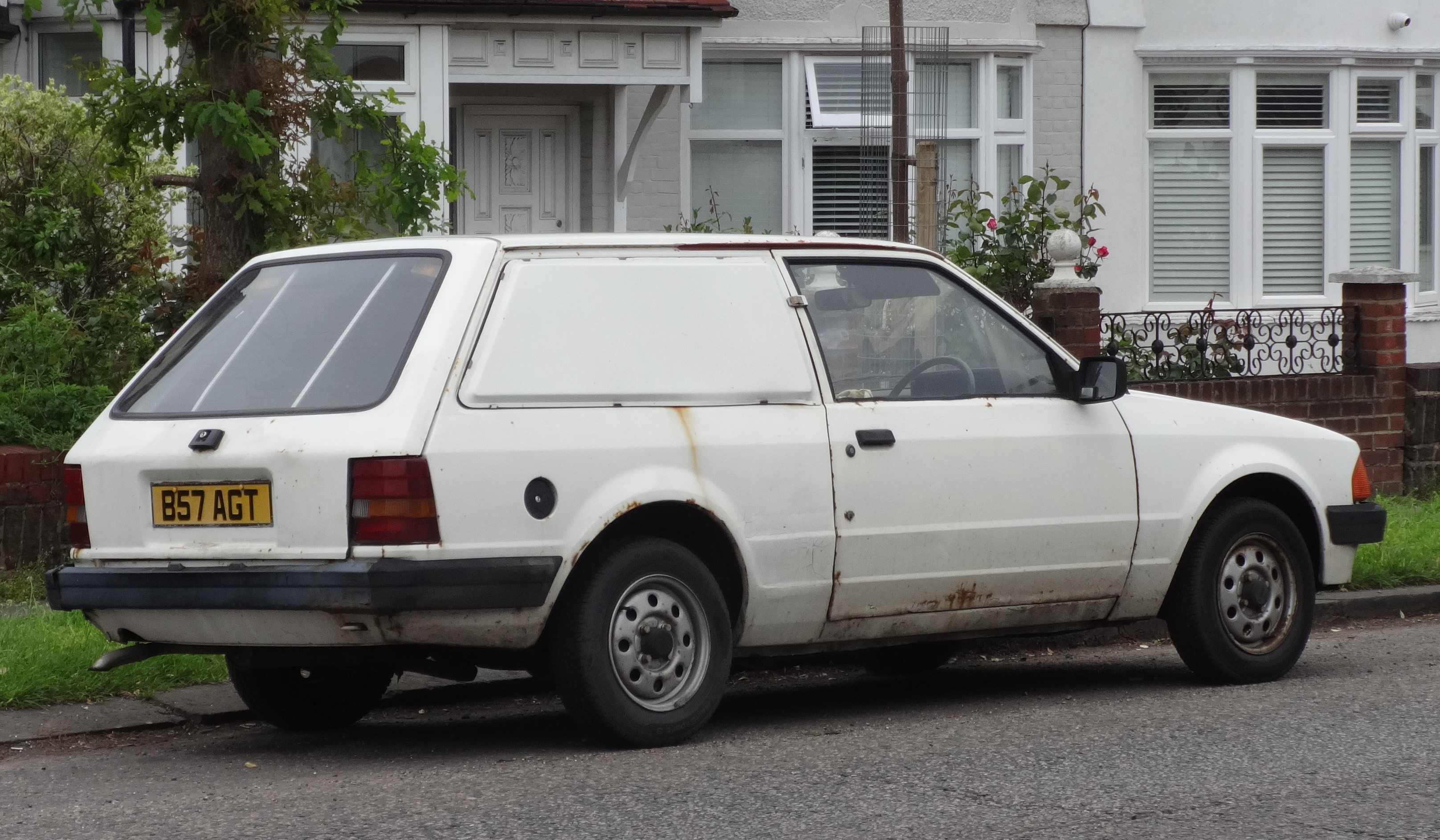
Ford Escort station wagon
"...my mom bought a brand new family Ford Escort station wagon with air conditioning as an option on it for less than $11,000 brand new in 1995."
They’re talking about a 1995 Ford Escort wagon. The point is that a brand-new car used to cost far less than it does today, even with comfort options like air conditioning.
The speaker is referencing a 1995 Ford Escort station wagon, highlighting how affordable new cars used to be. They mention it had air conditioning as an option, which was a notable comfort feature at the time.
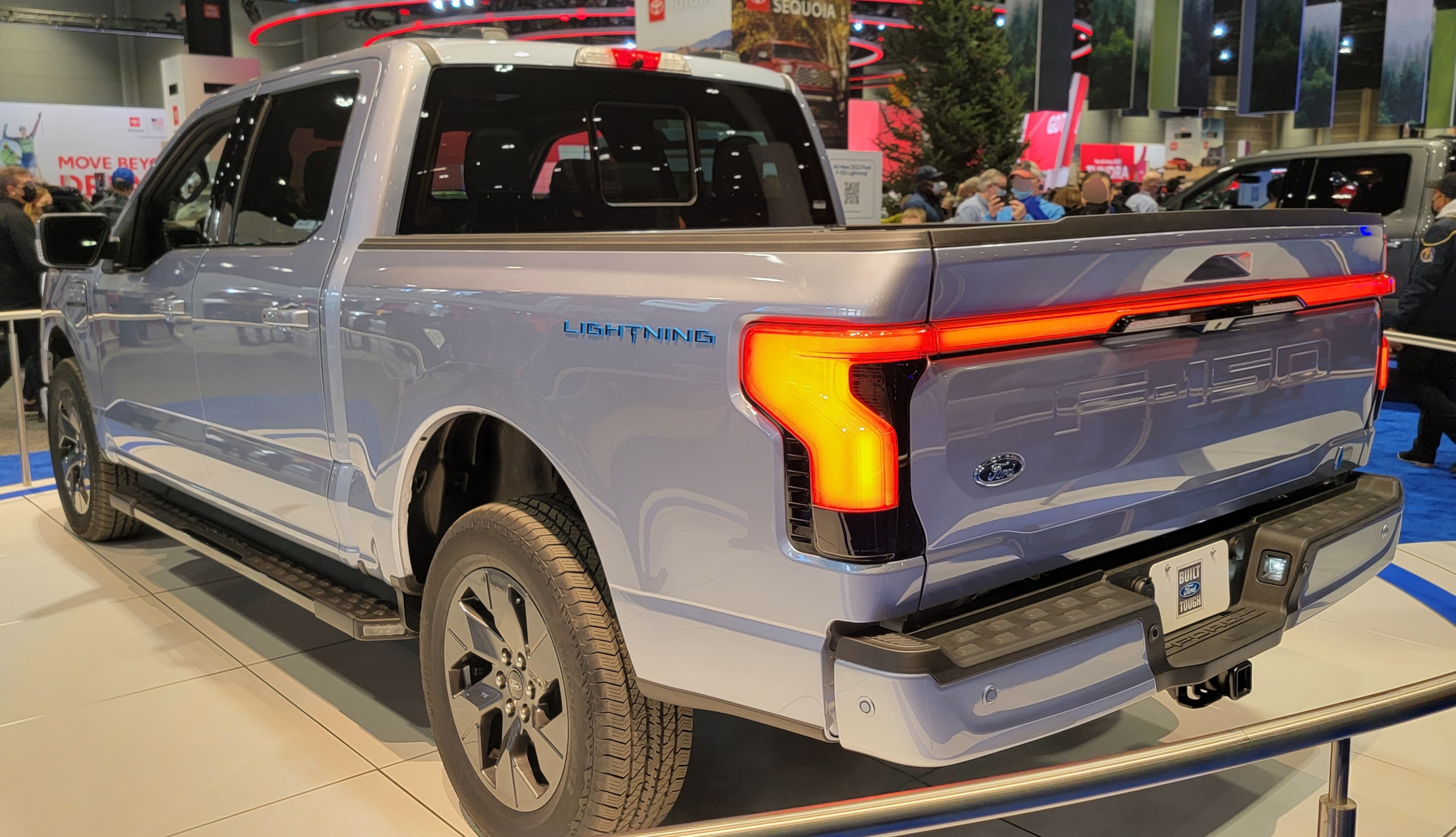
Ford F150
"...ving the new $200,000 car or the new $80,000 Ford F150 that they'd really like. And what are you driving..."
The Ford F-150 is a large pickup truck. People use it for hauling, towing, and general daily driving. It’s mentioned because it’s a very common choice for many drivers.
The Ford F-150 is a full-size pickup truck that’s widely used for work and everyday driving. In the podcast, it’s brought up in the context of what people are actually driving versus expensive cars, which makes it a relatable “real-world” vehicle. It’s often discussed because it’s common, versatile, and available in many configurations.

Suburban
"...he drives a 25 year old freaking Suburban and he loves it."
They’re talking about a Chevrolet Suburban, an older big SUV that someone can keep driving for years. The takeaway is that older vehicles can make financial sense.
The Chevrolet Suburban is cited as a long-lived, older vehicle the speaker’s friend drives—chosen for practicality and durability. It’s an example of keeping an older full-size SUV running instead of buying something newer.
secondhand cars
"Yeah. And you know, there's a lot of secondhand cars on the market right now that, you know, instead of putting ten thousand dollars down on a new eighty thousand dollar car, go on, buy this thing for ten grand, have no car payment."
They’re talking about buying used cars instead of new ones. Used cars can cost a lot less up front, so people can avoid big payments.
The segment discusses the appeal of used vehicles as an alternative to expensive new cars. The speaker frames it as avoiding large down payments and monthly payments while still getting basic transportation.
ripple effect
"If that hadn't happened. I mean, can you imagine the ripple effect that would have in our society? I mean that would, that would be a great Depression all over again."
They mean one big problem can spread outward and cause more problems elsewhere. If auto jobs disappear, other businesses and communities can suffer too.
“Ripple effect” describes how job losses in one sector can spread into other parts of society. In the episode’s framing, losing auto jobs could cascade into broader economic instability.
cattle trailer
"I, you know, I have no desire to haul a cattle trailer, so I'm not buying anything that anytime soon."
A cattle trailer is a specialized trailer designed to transport livestock. Mentioning it highlights the difference between vehicles bought for real work (towing livestock) versus vehicles bought for convenience or status.
10 millimeter
"Here's hoping everyone finds their missing 10 millimeter, and we'll see you all again next time."
The “10 millimeter” is a running joke among mechanics: the idea that the most-used tool is always missing. It’s commonly used to represent the chaos of shop life and the reality that small tools disappear during repairs.
Request an Explanation
Heard something you'd like explained? We'll add it to this episode.
Sign in to request explanations for terms you heard.
Want to learn more?
Browse our glossary for plain-English explanations of automotive terms, jargon, and concepts.
Help improve this episode
See something that's not quite right? Our annotations are AI-generated and can sometimes miss the mark. Click the flag icon on any annotation to suggest a correction.