Exploring the financial dynamics of YouTube car channels, this episode reveals why many big creators are struggling despite high production costs. Chris and guest Courage discuss the contrast between lavishly produced content and grassroots creators who achieve similar view counts with minimal investment. They delve into the importance of storytelling in video creation, the challenges of adapting to changing algorithms, and the sustainability of different content strategies. The conversation highlights the evolving landscape of automotive content on YouTube and the potential for indie creators to thrive.
This episode of Cool Cars with Chris explores the real cost of car YouTube, breaking down how big YouTube car channels spend thousands of dollars per video on production, cars, marketing, and crews—often with poor ROI. Chris and Courage discuss car content creation, YouTube algorithms, indie car creators, short-form vs long-form video, and why relatable automotive content often outperforms high-budget productions. Topics include YouTube car reviews, automotive YouTubers, car podcasting, content marketing for creators, platform risk, video monetization, podcast marketing, creator burnout, and sustainable growth strategies for car enthusiasts building YouTube channels, podcasts, and social media brands.
With YouTube filled with million-dollar car collections, massive production teams, and cinematic car content, we ask the real question—is it actually worth it? And more importantly, who’s really winning right now: the big-budget car channels or the indie creators building content from their garages?
This conversation dives deep into the real cost of car YouTube, exploring ROI, production expenses, algorithm dependence, and why relatable, repeatable content often outperforms flashy productions. Chris and Courage also unpack the differences between short-form vs long-form video, how algorithms shape visibility, and why creators need to think beyond just YouTube to protect their content and audience.
If you’re a car YouTuber, podcaster, or content creator, this episode offers a grounded, honest look at what actually works in 2026—without chasing burnout, debt, or unrealistic expectations.
In this episode, we cover:
Why big YouTube car channels spend thousands per video
The real ROI problem with high-budget car content
Indie car creators vs massive production teams
Short-form vs long-form video strategy
Why relatability beats production value
How YouTube algorithms impact car creators
Platform risk and creator dependency
Sustainable ways to create car content long-term
00:00 🚗 Why Big YouTube Car Channels Cost So Much
02:00 🎥 Short-Form vs Long-Form Car Content Explained
05:00 🏎️ Million-Dollar Car Collections vs Garage Builds
08:00 💰 The Real Cost to Produce Big Car YouTube Videos
11:30 📉 ROI Problems with High-Budget YouTube Content
14:00 🔄 Why Relatable Car Content Wins
17:00 🎞️ Film Industry Flops & Content Risk
19:30 🔧 Grassroots Car Creators vs Mega Productions
"I tend to now like, I actually just recently put out a short, just a small plug on just a car company that I feel like people just have forgotten about this company Vector from like the 90s, early 2000s, and just came, you know, researched some cool facts and pulled it together."
Vector was a car company that made fast and stylish sports cars in the 90s and early 2000s. They are remembered for their cool designs and powerful performance.
Vector was an American manufacturer known for producing high-performance sports cars in the 1990s and early 2000s. They are particularly famous for their unique designs and advanced engineering, which included features like aerodynamics and powerful engines.
"...buy Lamborghinis, Ferrari's, Corvettes and just, you know,..."
Ferrari is another luxury car brand that makes very fast cars. They're known for their racing heritage and stylish designs.
Ferrari is a renowned Italian sports car manufacturer famous for its high-performance vehicles and success in motorsport, particularly Formula 1. Models like the 488 and LaFerrari are highly sought after.
"...ealthy where you can buy Lamborghinis, Ferrari's, Corvettes and just, you know, flip them, trade them, work o..."
The Chevrolet Corvette is a fast and stylish sports car made in America. It's famous for being fun to drive and looks really cool, making it a popular choice for people who love cars. Many people talk about it because it's a great mix of speed and price compared to other fancy cars.
The Chevrolet Corvette is an iconic American sports car known for its performance, distinctive design, and relatively affordable price compared to other high-performance vehicles. It has a long history dating back to 1953 and has become a symbol of American automotive engineering and culture. The Corvette is often discussed for its impressive speed, handling, and value in the sports car market.
"...ensive. And to try to do that week after week for SL Indie creators, it's impossible."
The Mercedes-Benz SL is a fancy convertible car that is both powerful and very comfortable. It's known for looking great and having a lot of cool features, which makes it popular among people who want a luxury driving experience. Many people mention it because it's a symbol of high-end cars.
The Mercedes-Benz SL is a luxury roadster that combines high performance with elegant design, making it a favorite among enthusiasts and collectors. Known for its advanced technology and comfort, the SL has been a staple in the luxury sports car segment since its introduction in the 1950s. It is often discussed for its blend of style, power, and prestige.
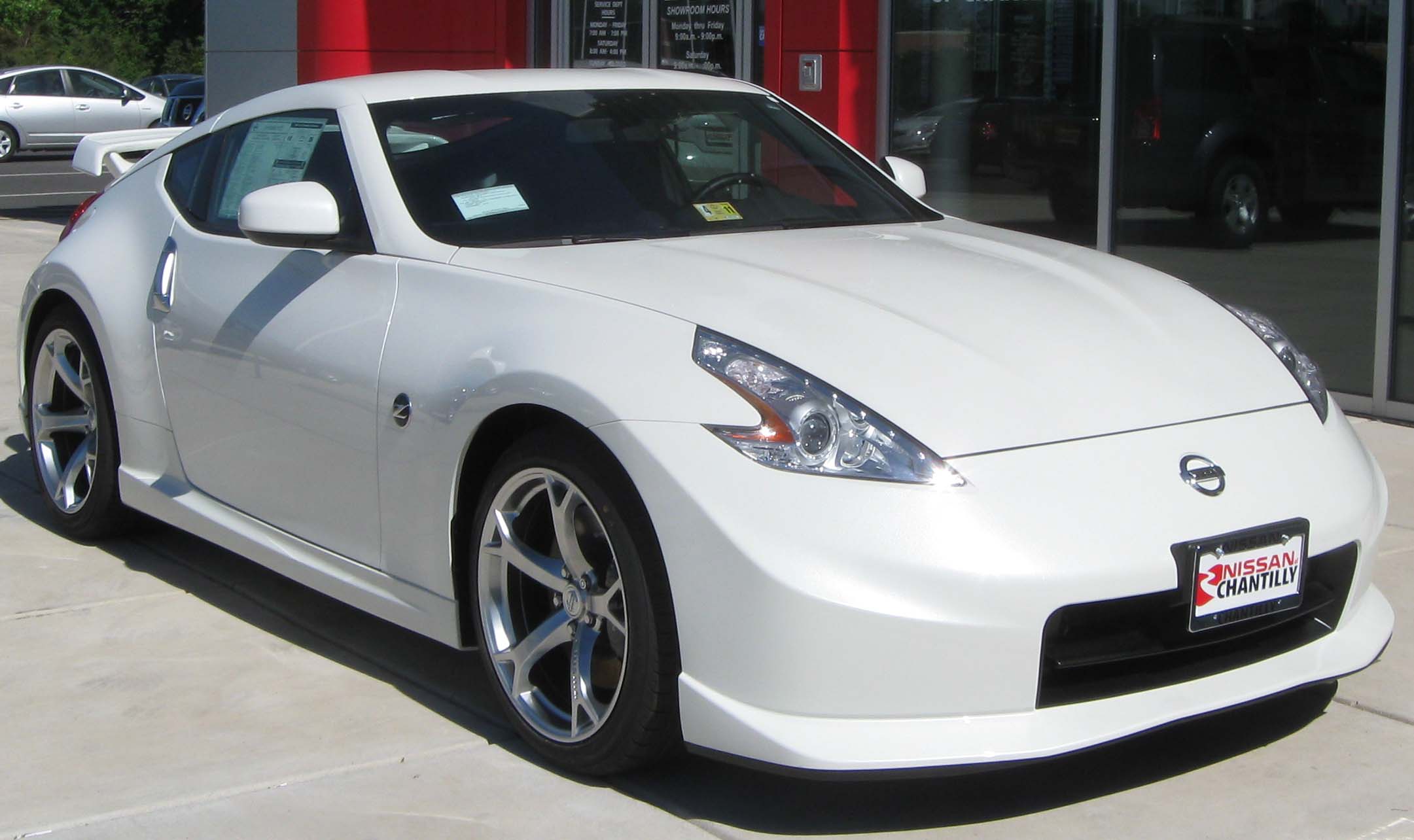
"Oh, they got a 370Z, I have a 370Z. Oh, they're doing that on the Z."
The Nissan 370Z is a sporty car that many people enjoy driving. It's known for being fast and fun, making it a favorite among car lovers.
The Nissan 370Z is a sports car known for its performance and handling, part of Nissan's Z series. It's popular among car enthusiasts for its rear-wheel-drive layout and powerful V6 engine.
"...they're told they're allowed to release them. There's a big, you know, the embargo concept is real."
An embargo is like a rule that says journalists can't share their reviews about a new car until a specific time. This helps companies control when news about their cars is made public.
An embargo in the automotive industry refers to a restriction placed on journalists and reviewers regarding when they can publish their reviews or articles about a new car. This ensures that all media coverage is coordinated and released at the same time, often coinciding with a manufacturer's marketing strategy.
"I know that like when the new Bronco came out, we heard about the new Bronco coming out for years..."
The Ford Bronco is a type of SUV that Ford brought back after many years. It's popular for driving off-road and has a tough look that many people like.
The Ford Bronco is a classic SUV that was reintroduced in 2020 after a long hiatus. It's known for its off-road capabilities and rugged design, appealing to both enthusiasts and casual drivers alike.
"They had like a Z or something that became like their glue for their channel."
The Nissan Z is a sporty car that many people love to drive. It's fast and fun, and a lot of car fans make videos about it because it's exciting to talk about.
The Nissan Z is a sports car that has been popular among enthusiasts for its performance and styling. It's known for its rear-wheel-drive layout and powerful engine options, making it a favorite for car enthusiasts and content creators alike.
"...the Lamborghini Diablo Diablo. So I say, yeah, I say Diablo and I've like always said that."
The Lamborghini Diablo is a famous sports car made by Lamborghini. It was built in the 1990s and is known for being very fast and having a cool look.
The Lamborghini Diablo is a high-performance sports car produced by Lamborghini from 1990 to 2001. It is known for its striking design and powerful V12 engine, making it a symbol of luxury and speed.
🚗 Why Big YouTube Car Channels Cost So Much
🎥 Short-Form vs Long-Form Car Content Explained
🏎️ Million-Dollar Car Collections vs Garage Builds
💰 The Real Cost to Produce Big Car YouTube Videos
📉 ROI Problems with High-Budget YouTube Content
🔄 Why Relatable Car Content Wins
🎞️ Film Industry Flops & Content Risk
🔧 Grassroots Car Creators vs Mega Productions
🚘 Press Cars, Embargoes & Car Reviews
📱 Why Short-Form Video Drives Discovery
🚫 Logos, Watermarks & Cross-Posting Mistakes
🧠 How Algorithms Really Control Visibility
🎯 Marketing vs Relying on the Algorithm
🎙️ Podcasting vs YouTube Platform Risk
🔁 Repeatable Content Without Burnout
🚦 Standing Out in a Crowded Car Space
🌱 Passion, Longevity & Finding Your Audience
Select text to request an explanation
Over on YouTube, you've probably seen a lot of super cool car collections.
I mean, YouTube is filled with amazing rides with amazing content creators.
But did you know that each and every single video they make costs thousands?
I mean, thousands and thousands of dollars to make each single video they produce for their channel.
Now, that adds up real fast.
I guess the real question is, if you spend that much money on a YouTube video, is it worth it?
Is it worth it to them?
Does it actually bring in the eyeballs to your channel?
Well, maybe, maybe not.
We're going to find out all that and more on this episode.
Let's go.
Okay. I got the legend himself.
Mr. Big YouTube Courage on the line.
What's up?
Hey, Courage.
How are you doing today, buddy?
Hey, I'm doing well.
Given that we're going to be talking about big YouTubers,
I don't think I can wear that hat today.
But I guess I'm in that crowd, so I'll take it.
Oh, most.
You know, you've been doing YouTube for a little while,
and then you've done YouTube with other things and other projects.
And when you create a video on YouTube, you have to think about all the structure,
all the things, paint it all out, I guess, or draw it all out and figure it all out
and do the thing.
I know that you've done a lot more on shorts versus long form type stuff.
Do you find one easier or about the same to do?
Or what do you like better, you know, going back and forth?
Yeah, it's a bit of a mixture.
Like I definitely am fighting for the long form content because I just know that that's
one that's just, I enjoy making that more because you just,
you have the ability to really like tell a story and you have the time to tell a story.
And to be totally honest, like I just, I really get frustrated with like filming things in portrait mode.
It's my biggest thing because obviously with shorts and Instagram reels,
like, you know, your videos have to be in that nine by 16.
Yeah, but you can crop it that way.
I've done that too.
I did a video test run yesterday with my camera in the studio here,
and I was going to clip it and make something for Instagram.
And I thought, like, well, maybe if I can edit this in my photos or whatever on my phone,
and I was able to crop it into that long, you know, length phone version style.
And it'll get okay. I think it does. Okay.
You know, so you can crop things and edit things for, you know, social media clips.
Yeah. No, there's definitely ways to make it work.
And yeah, I've had a few clips where, you know, I've maybe shot it as a long form
and I'll go back and go back and reframe it for more like a real or short.
But I definitely, I like both.
I think they really do both have their place.
I tend to now like, I actually just recently put out a short, just a small plug on just a car
company that I feel like people just have forgotten about this company Vector from like the 90s,
early 2000s, and just came, you know, researched some cool facts and pulled it together.
And it actually is doing pretty well.
Like it's one of my shorts in a while where like the overall engagement has been really strong.
And it was just, you know, it's cool to kind of, you know,
get back to maybe something that I was doing before and actually see some,
you know, see some fruition from that.
But I still am, you know, toying with, you know, now,
how do I want to structure the channel where I do want to continue to do long form?
Like I want to continue to come up with ideas that allow me to make a longer form video.
Well, we see long form on YouTube.
What is like a time limit for like a long form?
What would you consider like a long form video?
Basically it's anything over.
I think the YouTube actually considers anything over four minutes.
I think it's a long form video.
Yeah. Yeah.
So, I mean, you could make, yeah, like, you know, technically,
if you made just a four, because the limit on shorts is three minutes.
You used to be one minute, I thought, or it was one and a half.
Yeah. They extended it a few years ago.
But yeah, you're right.
Before it was, it was a minute and that was, you know,
you figured out how to get whatever point across you.
You wanted to get across in a minute, but now it's three minutes.
But yeah, anything longer than that is considered a long form video.
Really for, you know, three minutes and beyond.
So, I mean, we're talking three minutes.
We got people now that do like, you know, 30, 40 hour long videos now,
you know, all of those get clumped into that long form
type video style now at this point in YouTube's mind.
Yeah. Well, I mean, I love watching some YouTube,
although I have not watched as much YouTube.
Honestly, I haven't watched as much YouTube as I did a while ago.
And I think a lot of people, generally speaking,
probably haven't watched as much as they did, like say during the pandemic.
When a lot of people were locked up during lockdown and what do you do?
You watch Netflix, you watch whatever's on TV,
watch the same movies you've seen years ago
because they were not making new movies.
And then you watch tons of YouTube content
because you're sitting home, sitting there,
physically in front of a screen, doing your Zoom calls for work
or school or whatever you're doing.
And then you just sit there and watch whatever YouTuber is doing
great, wonderful YouTube stuff.
But unfortunately for a lot of those guys,
if they were like car related content,
there's only so much stuff you can do as a car content creator.
I guess if you're like in the multitude of like very well off,
very, very wealthy where you can buy Lamborghinis,
Ferrari's, Corvettes and just, you know,
flip them, trade them, work on them, showcase that stuff.
Or perhaps maybe even like a big, like a big media company
that has a big YouTube channel that covers the kind of same stuff.
Yeah. It's an interesting space.
I definitely have some go-to YouTubers that I watch.
I really enjoy their content.
I feel like they find ways to really tell stories
with their content that almost sort of transcends
the car industry itself.
I really love history of car companies
and learning about things about either certain cars
or that company that really defined maybe like an era of cars
or like a genre of cars.
And so there's some YouTubers that I feel like
really have carved out a niche of bringing something to the table
that's not just maybe the generic,
I bought a supercar and I'm like modding the supercar.
I'm taking it to these events.
They found a way to really sort of transcend that a bit,
but it's costly to figure out what really works.
And if the algorithm changes or people's interest level changes,
if you're not able to roll with those punches,
like I think we were talking about previously,
you have to be able to adapt or else you're gonna find yourself
in a situation where you're just sticking to something like,
oh, this is gonna work forever.
It just doesn't. We've seen that multiple times.
Especially as a content creator,
whether you're doing content for cars or content for anything,
really, I guess it kind of depends on getting new people
interested in your content and what makes people
interested in your content and what makes your content
greater or better than somebody else's content.
And I think in the car space,
when it comes to cool cars and cars on YouTube
car content creators,
a lot of my found are either the average people
that are like wrenching on their cars in their garage
and showing you like modifications they've done.
And it seems a little more like grassroots,
a little more like in the garage with a buddy kind of a thing
working on a car.
And then he got the exact opposite,
which is like these multimillion-dollar collections
of these like, you know, rich YouTubers
that are taking their Ferrari out,
their Lamborghini out,
they're going to the dealership,
talking about trading cars and looking at cars
and they're going to car auctions
and they're going raceways.
And they got these like big production companies
that are making these YouTube videos
that are very, very well produced.
They are literally the cost to make one of those YouTube videos
has got to be maybe $100,000 per video to make that,
just to create the video.
You got multiple cameras.
You got, you know, I mean,
lots of people that are paid on the payroll
that are there, multiple locations,
and some multiple vehicles you're using,
you know, paying for the vehicles,
maintenance of the vehicles,
buying the vehicles, even renting the vehicles.
You know, you have all these moving parts
that it's literally like a movie production
every single video.
So you have to have a solid return on your investment.
And what the funny thing is,
is that the guy who's doing the little shop in his garage,
you know, working on his old like VW bug or whatever,
he might get just the same amount of eyeballs
on his videos as the mega shows do.
But the mega shows cost way more to produce.
So they're probably, yeah,
they're probably hurting in the long run.
If the views go down, the algorithm changes,
something happens, then what do they do?
Yeah, yeah.
No, I think you're really hitting the nail on the head there
because I mean, if you're looking at this really,
you know, because people do look at YouTube as a business.
Like it's an opportunity, you know,
if you're taking it seriously and you're willing
to get to the requirements of doing so
with like YouTube's algorithm and everything,
like if you're looking at this as a way
to generate some type of income, whether big or small,
like you kind of have to look at it like a business.
And ROI is obviously one of the biggest parts of a business
is, you know, what's my return on investment
for when I'm investing in the product
that I'm bringing to the market,
you know, obviously of video and content
and things you're bringing to the YouTube platform
and you're looking for some kind of monetary benefit from that.
Even if it's something you really enjoy,
you got a passion for, like the reason
why you're really building out the videos
because you want to bring that to people
that are probably going to enjoy it.
And yeah, what you said about, you know,
people that are kind of doing this,
they have more of that grassroots mentality
to, you know, creating content,
they have that ability to max out their ROI with,
you know, again, it's just them filming,
like maybe they have a few different cameras,
but, you know, they're not going crazy
with a whole production team and editors
and things like that, writers and all of those kinds of things
versus, you know, I think there was a wave of,
you know, maybe more corporate entities
seeing just the growth that some of these channels
were having and saying, oh yeah, we can create this,
you know, and, you know, we got the resources
to create, you know, to fund it
and have all of these production teams
and things like that.
Let's pump money into this and create this,
you know, grandiose content that, you know,
on the surface, like, I mean, you would think,
like just put more quality and production into it
and it'll make it awesome.
But at the end of the day,
I think we really started to see that, like,
you know, those channels started to just blend
right into the grassroots channels.
And like for like, one, does it make sense
when, yeah, you spend $100,000 on a video
and get X amount of views?
Whereas like the other guy down the street
that's just got a couple of cameras
and filming something in his garage
can do the same view count
and didn't spend anywhere near that.
I think you just got to-
Yeah, but on that same note though,
like the bigger budget companies
have the bigger marketing teams behind it
where the smaller guy, like you, me,
we don't have a big marketing team
so we can't spend, you know,
an additional $100,000 on marketing
because a lot of those bigger YouTube channels,
I know they got to be pushing marketing somewhere,
ads and stuff everywhere.
Doesn't YouTube allow you to buy ads for your channel?
You can do that, right?
Have you ever thought about doing that
or how does it work?
I looked into it because when I was getting,
you know, really getting serious about it,
I do actually use a course that, you know,
sort of gives you the ability to kind of look through,
you know, do title analysis
and different things like that.
But I looked into it, but I really have, you know,
tried to do both sides of things.
The positives of doing that, which, you know,
are obviously you get more views
or, you know, you drive more traffic,
but I've saw a lot of negatives on the side of,
you know, it's because it's inflating
really the numbers and it's technically artificial.
I've seen that work against a lot of channels
as I've done more research on it.
And so it's, it's not something I've done yet.
And really as I've started to research it more,
it's I'm leaning towards not really doing that
because it seems like in the long run, if, you know,
without creating that general,
general organic, you know, traffic to your channel,
anything that's pumped in and inflated
is really short-lived.
And it doesn't really bolster
the overall growth of the channel.
But that's just my opinion.
Yeah, but you also have to have like that sticky factor.
I mean, getting people to press play
once is easy.
Getting them to press play twice, that's a little difficult.
Getting them to subscribe way difficult.
And so even if someone's subscribed to your channel,
I've noticed this too, there's plenty of channels
I subscribe to in car related shows.
And if the algorithm is kind of a one and done.
If the algorithm isn't seeing me like watch that type of content,
it's only going to feed me content.
It sees me interested in or watching in the moment.
And that's the thing with these algorithms.
They kind of change around.
So a lot of these shows, all these YouTube channels
are constantly pivoting,
trying to find ways to get people interested in their content.
And like I said, one way is they could probably dump more money into production,
dump more money into crazier cars, crazier stunts, crazier stuff.
I mean, look at Mr. Beast videos where we're crushing a Lamborghini
or we're giving Lamborghinis away or whatever a crazy stunt is.
And that's kind of how I think in the car space,
it was what people don't really think about is that
if you were a content creator in the car space,
especially on YouTube, is that when you're filming content,
what kind of content is that?
And can you like easily recreate that content week after week,
video after video easily?
And if you're doing like, oh, we're buying a new Ferrari this week,
or we're going to take our Ferrari to this track,
or we're going to be racing this,
or we're going, if it's a lot of production, a lot of stuff,
that's a lot of money, man.
Each video could cost like $100,000.
They'd be more than that.
I don't know, but it's very expensive.
And to try to do that week after week for SL Indie creators,
it's impossible.
We can't keep up with that.
We can't try to compete with that kind of stuff.
So I'd say like, why try to compete with that kind of
production level as an Indie creator,
I think we find your own way and do what works best for you,
what you can control.
Yeah, I think that's it.
There maybe are some things that you can pull and take away
and try them out on your channel to see how that drives growth.
But in terms of thinking like, oh, that recipe of just
keep going bigger, keep going bigger.
I think people are knowing now that that really just isn't,
that isn't the way.
Unless you just really have the expendable income to do it.
Right.
Or maybe like a big name too.
Cause I think that like, say Jay Leno's garage or whatever,
you know, he's got a big name celebrity kind of stuff.
It pulls in celebrities and a lot of these YouTubers,
a lot of these even podcasters and stuff too,
that have big names on their show and they have big celebrities
that come in and it's all shot and camera.
It looks great and everything.
I like great stuff.
But just because you make this wonderful like piece of content
that looks great and everything and all that great stuff,
doesn't mean that anyone's going to listen to it or watch it.
There's no guarantee anyone's going to like it.
Doesn't guarantee you that stuff.
You know, it's like people in the, you know, film industry.
When you create a movie, like a real movie,
you spend, you know, $200 million to create even like an average movie.
I mean, there's no guarantee it's going to make anything back.
It can be told a lot.
Flops happen all the time.
It's probably very, very risky.
So many examples of, yeah.
So many examples of, you know, we hired all the right cast,
all the right everything and then that movie flopped.
One example I keep hearing about is the,
the Lone Ranger movie that came out with Johnny Depp.
Did you see that movie?
No.
I saw in the theater, it was kind of,
it has a good action in the beginning,
slow in the middle and good action at the very end.
That's basically what the movie is.
And so it did not that great.
It was, it was basically considered a flop really,
but they spent a ton of money on the movie.
And one thing I keep hearing about with that particular movie
was that Disney said, well, maybe nobody really knows about the movie.
It's not the movie.
It's, the movie is great according to them.
It's a great piece of great movie.
Maybe the problem is nobody knows about it.
So let's dump more money into marketing.
So they dumped more money into marketing and it's basically still flopped.
So they didn't create the problem,
which was making a good movie in the first place.
They decided to dump more money into it,
more money into it, more money production,
more money and that kind of stuff,
paid Johnny Depp a ton of money, that kind of stuff.
And so, but I thought I was okay.
I took the kids to see it, you know, and they're real little, of course,
but you know, I mean, sometimes when you think about like your content,
whether it's a YouTube channel or even Instagram page or something,
you think like, oh, just dump more, more money into the content,
more money into the cars, more money into the builds,
more money into the cameras and the angles
and all the, all the crazy special effects and crazy transitions.
I don't know how well today, if that really makes a difference,
as far as like people really like connecting to your content, you know, like,
like when I see, when I was just watching some of those, like,
I guess big time YouTubers have always car collection
and they're talking about their different crazy cars
and different things that I could never relate to.
Like things that I will never do.
I'll never drive Ferrari down the road or whatever.
Like I'll never do that stuff.
So it didn't feel very relatable to me.
So the car content that I used to watch a lot on YouTube
was stuff that I could relate to.
Oh, they got a 370Z, I have a 370Z.
Oh, they're doing that on the Z.
I can do that on my Z, that kind of stuff.
That's what was the channels that I like to watch
and the channels that I like gravitated towards.
Yeah, no, I, relatability is, is at the end of the day
is I think the word that we, we have to do,
we as, as any kind of creator that you strive for is like
to make something that's relatable.
And the, the tricky thing is like, you know,
you really have to ask yourself relatable to who, you know,
if you never really know really where your content lands,
like, you know, you never really know who gravitates to,
you know, maybe you'd like your example,
maybe in your, you know, in that specific space,
like obviously if, you know, somebody does content on a car
that somebody has, like that group of folks
that are in that realm are probably more likely
to be the who in that situation.
But, but relatability is what I'm really seeing
is, is kind of the ticket to really start
to really get engagement with your content.
For me personally, like I, and I think we talked about this too,
is, you know, I, I, I definitely have noticed that,
you know, anything that gets people to, you know,
ask a question, answers a question for them or, or again,
just again, the relatability factor,
like I've been through that experience before,
something of that sort.
I feel like is really the content that starts
to really grab eyes and, and get people to really engage with.
But it's, it's, it's really just, unfortunately,
the biggest thing is just the time and effort
that it takes to really start to, to, to find,
like where, where do you relate to people in a way
that you can then duplicate over and over again?
I think if, you know, really for my, you know,
just this couple of years of this journey,
you know, doing content, like the two things
that I think are like what, what I strive for with content is,
is, you know, duplication and relatability.
Like how do you find like the perfect intersection
of those two things?
And when you do find it, how do you, how do you hold on to that?
While also keeping your eyes on the swivel to know,
like, should I adapt in a certain way?
Do I need to maybe slightly, slightly pivot
in a different direction if things are changing?
But you're always still searching for those two intersections
of relatability and, and duplication.
Yeah, I'd have to agree.
And that's why I think that when you're trying to do a YouTube
channel where you are constantly taking, you know,
these very expensive cars out for repairs or maintenance
or drives or whatever it is.
And if you're trying to keep up with that every single week
or whatever you do videos, it can get very expensive.
Just the, just the payments alone and the insurance costs
alone, not to mention any kind of video production stuff.
I'm talking just the actual car itself costs money.
And if you have multiple cars like this,
and if you're taking them out on multiple things,
that's why I saw a lot of car, car YouTubers
kind of go into that, like a collective video,
like review route, you know, like Doug is a good one.
There's a few other ones out there that do that.
They get press kits. I don't know how this happens,
but they actually get a press kit where they actually get to go to,
you know, a, I guess a press thing of whatever new cars
getting coming, coming out or whatever, by whatever company.
And they get to do their whole review, their GoPros,
their stuff. They get to do all the video stuff of that car
for the day, do their whole review, their whole video.
But I noticed that they don't release them until they're told
they're allowed to release them.
There's a big, you know, the embargo concept is real.
Right.
I know that like when the new Bronco came out,
we heard about the new Bronco coming out for years
and the day he actually got released by Ford,
all the YouTube videos dropped that same day.
I noticed all their viewers dropped all their videos
on them the same day.
So they went somewhere in secret and got to see them all
and do their little video about it and stuff.
And then the second that Ford says,
says it's okay to talk about it,
then they all dropped their videos at the same day.
So, you know, I mean, even that like takes money
to travel to wherever that event is being held at.
Yeah.
Doug's talked about that a lot.
Because yeah, that embargo deal is pretty real
and still pretty common with a lot of different reviews.
They, you know, will sort of do it differently now where,
I mean, even if they don't film them all in the same location,
it's still like if it's a car, you know, an upcoming car
that, you know, that company wants to, you know,
kind of set a press date where people are allowed
to drop their videos, it doesn't really matter.
Usually they're still going to provide them the car at some point,
but it doesn't really matter if all of those were filmed
on the same day or in the same location.
But they do have strict, you know, requirements
that you can't talk about certain aspects of the car
or you can't release videos on the car
until that embargo date hits.
And, you know, that's a lot of legal around that.
So, you know, people were really tight lipped
when they, especially when it's a hot car on the market
about, you know, I can't say, I can say maybe
that I've had the experience of, you know, checking out this car
and like, you can maybe say little things and that,
but they're really, I think the real big thing
they're really hesitant on is like sharing opinions,
because sharing an opinion ahead of an embargo,
I've, you know, I've heard of people getting
in pretty big legal trouble around that.
And that's usually when they really make themselves.
Not just cars, it could be like, you know,
tech stuff too.
Tech reviews, okay. Yeah.
Like the latest, whatever computer and stuff like that
and later whatever gadget and stuff like that.
So, I mean, I get it.
It's all the company probably uses to their advantage.
They use these YouTubers to help get their information
about their car.
Because you think about years and years and years ago,
before there was even a YouTube really,
or even YouTube baby YouTube back in the day
that there was not a lot of like car stuff
on whatever particular car was coming out,
you might find like a commercial or promo spot
from the car company.
But that was pretty much it, really.
There wasn't any like deep dive YouTube,
you know, creator content stuff.
In fact, one of my videos that I shot back at the audio,
auto show back in, gosh, it was 2009.
It's on my YouTube channel.
One of the most popular videos I have.
It was like literally a one minute clip of the 370Z
when it first got announced.
It was at the auto show.
I don't turn table and they were spinning around
and the girl was talking about the car
with her microphone out, doing her thing.
I thought a one minute shot, shot on a crappy camera
way back in the day, of course.
And I was kind of thinking because back then
I put that video up, you know, and it's doing fairly well.
But it's not very good.
It's only a one minute clip, but not in detail, really.
It's not much too, but it's probably back then,
it's all that we really had.
Because I don't think there was much YouTubers
doing car related content back then.
I don't think there was much of that at the time.
And like there is today or whatever.
But I do think that is a really easy way
to get content out there.
If you can figure out a way to get a press pass
to go to these events and do your filming,
do your thing, do your stuff.
And then, or even I've seen a lot of other YouTubers
do the same thing where they get in this rhythm
where they have a relationship with a certain dealership
and they're allowed to take out whatever car they have
to do a video on.
You seen those two?
A lot of guys do that.
Rady, Rady's Rides does that.
He does a lot of reviews on a lot of his stuff.
In fact, I got to get a guy on the show
speaking of which I can reach out to that dude.
But I've seen that happens where it's very repetitive.
So when I see those kind of videos like that,
at least my perspective anyways,
when I see a channel like his
or any of those channels like that,
is that if there's only,
if there's a car that I'm actually interested in,
I'll watch maybe that video.
But if it's another car I don't care about,
I'll skip.
I'll skip.
Do you do the same thing
when you see videos like that?
Yeah.
Doug's big on that.
Rady's Rides, usually with those two.
I love Doug D'Amio's content,
so I do tend to watch some cars
that might not necessarily have been interested in.
I'll watch it just because I know
I'm going to learn something interesting
or quirky about it.
But more of like the,
yeah, like the, you know,
Rady's Rides, like some of those
are more like, yeah, I'm just curious.
I might be curious about that particular car,
but I'm not like kind of binging that content
because it's, you know,
it's just facts and things that I'm not like,
you know, it's just not really what I'm looking for.
One guy though,
I'm not sure if you're familiar with him,
Forest Auto Reviews.
He does, he basically kind of mastered like,
basically doing car reviews, but in short form.
He, he's like super good.
He's got a, he had a camera guy from the start.
Him and this guy, like you would tag team.
Like he was one of like the first like real rapid fire.
Like, you know, here are the facts about this car.
Like here, here's this feature.
Here's that feature.
Here's the stats.
Here's this, a quick little like acceleration video.
Like here are the power figures.
And he'd do that all in like about a minute or so clip.
And he really mastered that to the point
where like he's, he's one of the top auto reviewers,
but he purely does it in short form.
Are you sure he doesn't take long form and cut it down?
No, I mean, because he's,
he has some long form videos on his channel
and he actually started to, you know,
three, two, three years ago.
He actually started, you know,
he did a couple of like longer form views and videos.
And they, you know, at the time,
they didn't perform very well.
They've performed well now
because his shorts were so popular.
But you can tell that like when you go to his like video history,
he, he still, you know, makes new shorts now,
but the last long form video he made was like two years ago.
Really?
So he, he fully committed to this sort of short form rapid fire auto review style.
And it's, it's worked for him.
But you know what's interesting when you say that,
I just thought about this is that
you take say a one minute video,
like you're saying a rapid fire review video
and shot very well.
It's one minute long.
It's in that short form, you know, vertical, you know, format.
That same video.
I do the same thing is that you take that same video
and it's not exclusive to Tik Tok YouTube.
It can be on all the places.
They all can take it because it's,
it's set up designed for social media.
It's designed for that format
and it sits under like the one minute mark
or if it's around one minute or so,
most platforms take it.
Some platforms go longer or shorter.
It just depends what platform it is.
But I think that if you can keep your videos
in a like universal package
that can be used across multiple platforms,
you can grow, I think easier.
You can have audiences all over the place
versus say one place YouTube is like YouTube long form.
YouTube long form video
is only ever going to work on YouTube.
On YouTube.
Yeah.
It's not going to work on it.
I mean, you could put,
I've seen some people take,
like you can tell,
tell it's like a long form video
that was supposed to be for YouTube.
I see them,
somehow they put it on like X
or they'll put it on Instagram somehow.
And they'll do that.
I've seen them do that
because you can tell it's not cropped or anything.
It's the standard like 16 by nine format or whatever.
Yeah.
And so you say, okay, well I see that.
I see them do that.
And I guess that works too.
But maybe you have to have so many like viewers
or how subscribers or whatever
to even get to the level.
To get, yeah,
to get to make that,
you know,
that type of content work on something
that's more tailored towards the shorter form nine by 16.
Like,
Right, right, right.
So I think that if,
if you were a content creator listening right now
and you're thinking about doing like short form video,
I would try to aim for somewhere around the one minute mark
just so you can have access to put that same content
on all the different platforms.
And it isn't a trick and tip I've heard is that
if you can somehow keep any of the other logos off the video,
I know like TikTok, for example,
the very end they had that TikTok logo
at the end of their videos.
Or I think some,
is the TikTok,
does TikTok put like a logo on top of their video
like a watermark?
I'm not sure if they do.
They do.
Yeah.
Yeah.
Instagram does as well,
which,
you know,
I'm guilty of this because I,
you know,
I pull a lot of my like,
if I'm doing like for like B roll,
like, you know, or things like that,
I'll use,
I'll just pull it off Instagram
because certain videos allow you to actually download them.
I've heard that the algorithm sees that
and it kind of pushes it deeper in the file.
It's, it doesn't,
it doesn't,
I mean,
I'm saying if you pulled the TikTok video
and put it from TikTok directly on Instagram,
Instagram is not going to favor that video
over our different video
because they see somebody else's logo on there,
especially a competitor's logo in there.
Can you imagine that you see a competitor's logo on something?
It's like,
it's like if you were to like,
walk into the Coke store drinking a Pepsi,
they're like,
get out of here with that, you know?
Yeah.
So they're not going to be too happy about that.
So,
so if you're going to do that,
try to make a clean copy
that you can put it all in different places
that,
I mean, it's the same copy,
it's the same version,
the same video,
just move it to different places.
You can go to different platforms.
Yeah.
Yeah.
But I know some people say,
oh, I just like to upload it on here
and like in TikTok or whatever,
and then I can share it out that way
or some whatever,
make it easy.
I get it.
I get it easy,
but the algorithm does not like you to do that
because they want to make sure that
whatever you post on their platform
is only for them.
They don't want you cheating
with other platforms.
They don't want you doing that.
And so if you,
you are doing that,
they frown upon that.
That's one thing I've heard.
They've got this assumption
and that they're the only ones.
Oh yeah.
Oh yeah.
Oh yeah.
Definitely.
These other platforms don't exist in our mind.
Oh no.
And that's kind of why I think YouTube
started doing shorts in the first place.
That's why we're also doing that kind of content.
And they can kind of master and tailor the algorithm quicker,
probably that way too.
I'm sure the algorithm for these short form platforms
is way different than like long form algorithm stuff
because you don't know,
you're almost playing like,
like roulette or whatever,
when you flip them through your phone
on like, on reels or shorts or whatever it is,
you have no idea what's coming up next.
You don't like,
I tend to like,
when I'm going on YouTube as a consumer of YouTube,
I say like, you know, those,
the way, at least,
because I'm usually on my phone,
like, you know,
every once in a while,
if I'm using my computer for something,
I'll be on there,
but for the most part on my phone,
and the, you know,
the way the initial page is when you open it
is usually you're recommended like four random shorts
or depending on who you subscribe to,
if you're subscribed to like a bigger channel,
like they might be part of that,
like for four short,
you know,
kind of grouping that they put up top,
but usually there's like a couple of long form videos,
but then like right in the middle of that screen,
you'll have like four shorts recommended.
And usually depending on whatever short you,
you click on initially,
if you go,
if you're going down that rabbit trail,
is going to lead you down like a different path
of what's kind of recommended after that.
Yeah.
The algorithm kind of kicks into place
and starts doing a spin.
Yeah.
And I tend to not necessarily scroll
like to an additional real or additional,
you know,
short that's this kind of selected
after the one that I selected first.
Usually I'm like,
I'm clicking on that one specifically
because I was interested in that.
And then I'm going back to like my main page
because I was looking for something specific.
But, but yeah, to your point,
like, you know,
some folks are just there in the loop.
And so once they start,
once they start watching it,
they're going to whatever's next,
whatever's next, whatever's next.
And again, yeah, the algorithm is kind of evolved
to that point to like say,
well, you were interested in this right now.
So let's just keep you down that rabbit trail.
Let's recommend some things around that.
But just to backtrack,
I mean, I think your advice is really solid.
Like I'm listening to this too,
as obviously somebody that's actively making content
is that I really do think that,
finding a way to have,
at least on the short form side,
to have something that's duplicatable
over multiple platforms.
And yeah, ideally,
you're not maybe shooting yourself in the foot
by having your remnants of those other platforms
on the new platform that you're uploading to,
but having content that can really be cross-platform,
because it makes sense.
All of those platforms have sort of this short mentality.
So why not have something
that works on all those other platforms?
The long form sector of it,
like I said, really only tailors to YouTube.
And so if people still have that ambition to do that,
let the algorithms from all of these other platforms
start to feed into your long form content
and drive traffic to it.
And then you start to maybe experience growth on both sides.
By, I tend to, when I post a short,
it gets a lot more views
in a lot shorter amount of time on the short side,
even specifically on YouTube,
than they do on the long form side.
And my mind always goes to let the short form drive
possibly newer traffic to the overall channel
to then hopefully if your content really gravitates
with them and is sticky enough
to then get them to click on the long form content.
Now, just if you can multiply that
and have that over multiple different platforms,
Instagram, TikTok,
have all of that now working towards your favor
on the long form side of YouTube,
I think you really kind of add on to your odds
of creating some type of traction and growth in that realm.
But like I said,
I think you're pretty spot on with that mentality for sure.
You know, one thing that like with podcasting,
for example, here, like I call it podcasting classic,
which is my definition of it,
which is basically like a typical audio podcast,
like the original podcasting, you know,
how most people think of a podcast,
think of like an audio podcast.
Now, there's many different places
to listen to this podcast.
You can listen to on Spotify, Apple, iHeart,
Amazon, so on and so forth,
go down the line.
There's a bunch of places to listen to this thing at.
And you should do that, by the way,
if you have to listen to it.
And the thing is, is that if,
if whatever reason we say something that
Apple does not like for whatever,
or you can't say whatever, you know, or something,
and Apple says your show is kicked off, right?
Well, it can still be played on Spotify, Amazon,
go down the line of whatever places you want to listen to it.
You can still listen there.
Versus if you're on YouTube and you get those three strikes,
you're done.
Like you are done off YouTube.
What do you do?
Go down to the YouTube down the street?
Well, what is that place?
It doesn't exist.
They own the monopoly.
I mean, is it Vine?
Is it Vine?
I'm thinking of what's the other video place
that does like similar to YouTube?
There's another place out there.
Oh, I don't know.
There is another one.
Oh, yeah.
It was like Vimeo or something like that.
Maybe that's what it is.
I'm thinking of.
But I thought there was another one out there,
very similar to YouTube, but not as popular.
I mean, I mean, YouTube is a mega giant, you know.
And so, yes, there are other places you can go to.
And I guess the same thing with podcasting too,
like Apple's like the big guy.
And if Apple kicks you out or whatever,
you know, Spotify or whatever else is out there,
you can still listen.
If possible, you're not completely dead in the water.
But I just think that like with the YouTube channel
is that if something goes wrong,
you do get the platforms on YouTube.
It's very, very hard to like get that back.
I guess it goes with any social media.
The thing about social media, even with YouTube,
is that like really you are at their mercy
of their algorithm.
And you're at their mercy of like playing nice.
You're at their mercy of that.
Something doesn't go wrong.
Where they kick you out.
They're restriction terms.
Right, right.
You could do something.
Even it's an accident.
You can do something that you were intending to do.
And if they kick you out, you're screwed, you know.
That's why I think it's important to have your content
spread across as many places possible.
If possible.
Like if Instagram kicks you out,
say you got TikTok.
If TikTok kicks you out,
say you got YouTube shorts or whatever.
And go down the line, you know,
of different places.
And I think no matter where you put your content,
I think that the core thing
is that your brand and your content
should really like be like the main thing, you know.
And I think being like a car, a YouTuber,
I said, unless you have like repeatable content
that you can do over and over again,
that's not just repeatable.
Like it's good too.
It has to be good, of course.
You can't put out crap, boring stuff.
You don't matter how much you repeat,
you know, crap is good.
It's still crap.
Right, right, right.
So I think there's that too, of course.
You know, there's a format to all this stuff.
But I think the thing about audio podcast,
I shared this with you, but is that
there's no typical algorithm in an audio podcast
versus a YouTube channel or Instagram
or TikTok or those kind of things.
Algorithms all feed that stuff.
Algorithms, you know, push your content out
to everybody, you know, to see it.
With an audio podcast,
there is no typical algorithm.
So we have to use other tools and other means
like social media and other algorithms,
other places to help like get it out there
to more people or marketing it.
I said this to somebody recently,
I was saying how like, you know,
most popular podcasts
or most popular shows I see out there
are really good at marketing.
If you want to have a really, really popular show,
really a successful show, really,
you have to get really good at marketing,
really good at podcast marketing,
really good at marketing.
If you're not good at marketing,
then your show is probably just going to be
just a plain Jane, you know,
not get a lot of listens or views
and sit there or whatever.
And I think a lot of people, like YouTubers,
they will rely on the algorithm
to do all the work for them.
But I think you still have to like
do some marketing on your own too.
You can't 100% rely on the algorithm
to take it off and do its thing
because it may not be tuned for your content.
It might not be, I don't know.
I mean, I think that like when you have a show
that like an episode does well,
sometimes the algorithm does help push it out more.
I know that.
But the marketing is important.
Yeah, and I feel like, you know,
marketing is, there's a lot to it,
you know, with YouTube and social media in general,
like, you know, your packaging of the video,
the title, the thumbnail,
that's part of marketing your video.
Your title and thumbnail are essentially really the gating item
for anybody even given like your content a shot,
no matter how good or not good it is.
And so, you know.
Well, of course, it has to be sticky too.
It has to build like, even if you get them in the door,
they have to like look around and say,
Oh, what a shop here, you know,
like having the coolest looking like neon sign
and like the coolest doorfront is great.
But getting them inside the shop
and the shop's like empty shelves
and like one guy in the back picking his nose,
you're like, okay, well, this is not for me.
I'm leaving.
I will say though, the interesting thing about that though
is kind of back to like an earlier point is
really once you have command of your audience,
like, you know, some people distance themselves
a little bit more from like a little bit more
of a rapid fire type, like, you know,
kind of hook based, I guess, you know,
approach to like intros and things in videos.
Like I've noticed that some people actually, you know,
they want things to have, you know,
go back to more of like the, you know,
just the just flow of content,
like, you know, conversational type content
and things like that.
And it all, I think that part of it
really depends on your audience.
Like, you know, your, you know,
your video can be sticky to say like an audience
that really enjoys just feeling like
they're having a conversation with the person
that's creating a video and different things like that
versus like on the other side of the things,
like your content can be sticky to like, you know,
the younger generation, I'll just say like me,
that like enjoys like maybe a little bit of the flashier,
like, you know, jump cuts and, you know,
some editing tricks and things like that.
Go jump cuts, man.
Yeah.
Jump cuts, yeah.
And I feel like I'm in a balanced area
where like, you know, I got to at least
kind of know what's going on.
Like I feel like there's a lot of content now
where it's just like jump cut after jump cut
and you just don't really know what's going on.
That's usually works best to like the short form of stuff
because you have like that one minute place to put in like,
you got to add 30 minutes down to one minute.
I can see jump cut city, you know?
And I can see it happen.
Yeah, jump cut city.
But it does get annoying after a while.
When we put you on a video where you get to jarring
where you're watching them, it's like a 30 second clip
and it's like jump cut after jump cut after jump cut
and you're like, what, what, what, what?
Yeah.
You know, it doesn't feel natural.
Your brain kind of like does is like, what?
You know, I mean, I get it.
I get it because you're,
obviously edited, heavily edited,
and you're trying to make a point across.
You got to, you got to edit down like literally 30 minutes
into one minute.
I mean, I get it.
You got to do what you got to do for your,
for your time allowed in space.
And, you know, again, and again, your audience,
like I said, you know, unfortunately,
you know, I don't want to say unfortunately,
but like, you know, there's,
everybody has, and this is one thing
that I kind of got from that perspective of,
you know, using that course that kind of initially
got me into wanting to start up my YouTube channel was,
you know, everybody, you know,
all the content out there has an audience.
It's like, you, you might have to do the work
to really, you know, find out what,
who that audience is and who really gravitates
to your style of content creation,
but everybody has an audience.
Like we can't, we can't think that like,
you know, we're the only ones in the world that,
that our type of creation style is going to resonate with,
but it just takes time to flesh it out.
Like we're not going to be, you know,
we're not going to be the best at it,
you know, right out of the gate.
You know, we got to take time to do it.
And, you know, I think one thing that I just,
I keep in mind that I would say I would leave folks with,
you know, at all in terms of just like encouragement
in this world of, you know, again, it's tough.
Like, you know, it's really tough to like,
stand out above the crowd and create something
amongst all of what's already out there.
You know, there's a lot of saturation
in the car content realm and all of that.
But, you know, I think, you know,
really we're getting into a mentality where, you know,
if you got a passion for doing something,
you got to just be willing to kind of stick with it long enough
and continue to take yourself back to,
I'm doing this because like this is something
that I truly enjoy doing.
Like, you know, because if we're trying to make something
work that we really just don't enjoy doing
because we think like it's going to create
like the monetary result we want.
Like even if we do create the monetary result,
like it's going to be hollow at the end of the day anyway.
It's like we got to tell ourselves,
like if this is something we feel like we, you know,
really are passionate about and enjoy doing,
like it's worth some of this, like, you know,
some of the downside of needing to find your audience
and needing to understand how to get your content out there
and market your content and all of the hard stuff
that you got to go through.
Because, you know, there's an audience for people out there.
They just, you know, we just got to kind of fight to get to it.
And that's what I tell myself all the time,
even when I'm going through those slumps of,
I don't know what to make a video about now.
Like, it's like, I have no idea.
I think having, like you have your cool car,
you can always make videos about your car.
You always can like figure out things to work around your car.
Like your car can be the, I guess, the glue to your channel,
you know, the end car.
You can always use that.
That's one thing I noticed with some of these other guys.
They had like a Z or something like that.
That became like their glue for their channel.
It was the car they had.
They would do right along, was talking about the car,
working on the car, adding a modification to the car,
things like that.
That kind of, I kind of felt like some relatability
because they're like, oh, I have the same car.
Oh, I could probably do that to my car or whatever,
things like that.
And so, so I think that as a car content creator,
I think you have to find a way to create content
easily that works best for you, that is relatable to an audience
that doesn't burn you out, of course,
because if you're burnt down and you're doing your thing,
and then it's game over, man.
You know what you could do, but,
but yeah, I think that it's, it's not easy
being a YouTuber in the car space
with so much competition out there,
even like the, like the review ride type shows.
There's a bunch of those out there.
We've mentioned a few already, but I'm sure,
like if I'm reviewing say the next whatever car
and you're reviewing that same car
and so on down the streets reviewing the same car
and then most of, so the actual car is literally
the same car.
So that is the core is the same car.
The only thing different would be how I talk about the car
or how you talk about the car or the next guy
talks about the car, which kind of goes back
to like your own brand and your own personality.
So if you can figure out a way to make your brand
and your personality stand apart
from everybody else's, then I think,
I think it's what you have to do these days.
There's just so much competition.
There's just so many people out there.
Yeah. Yeah.
I mean, it's a way to personalize it
because it's, we're just, I don't think we're,
I'd say this now, but you never really know,
but I don't think we're in a realm
where we can really just carve out
this new grandiose thing that just hasn't been done yet.
Like it's, I don't think we're in a realm
where we can really do that, but.
Unless you've gotten millions of dollars
to like think big and like,
like on this next episode of cool cars with Chris,
I'm going to be driving a Lamborghini
and courage is driving the Lydice Ferrari
and we're going to go head to head
and do a demolition derby.
Find out next on tomorrow's episode.
Yes. Yeah. I was like, I was like,
all of this has been done.
And then you do demolition derby and I was like,
okay, that's different.
We're playing who's funding this now.
Right. Right. We're going to jump over each other
blindfolded while our cars are on fire.
It's like, literally what Mr. Beast has to do,
like he has to up, up his game so much to even like get, like,
I mean, now it's become like another episode
of like a game show every time it does a thing now.
I think there's a level you get to,
especially at a Mr. Beast level where, I mean,
I don't want to say that you could just like do nothing
and still, you know, and still get views.
But you, but you've created a brand
and you created a following and you posting and putting
at least enough effort to create something that
that's true to the content that people enjoy from you will,
I mean, yes, it might be you, if you look metrics wise,
like, yeah, you might have some drop offs here and there,
but I mean, you would really have to be,
you do something completely wrong to just not,
you know, generate the level of views that his videos
generate just in an instant when he posts,
because, you know, you just have that followership,
you have that audience that is just into what it is that you do
and you're in the way you think and the way that you create content.
But that dude is like living and breathing YouTube 217.
100%.
Like that guy, that's all he, he has an entire team
and a team on that team that all they dedicate towards
is thumbnails and the thumbnail doesn't do well
after like so many views or so many hours or whatever.
They swap it out for another one.
Well, you know, you too, you know,
that's something you can do as like, as a, well, you know that
because you've, you've created a really like played around
with that feature that much.
Like I'm so like out of the loop when it comes to YouTube stuff,
like, like I know how to upload and like how to put the title
together in the thumbnail,
but that's about where my YouTube expertise goes.
You got the timestamps down really well too,
which is something that on this show was because
when I put this timestamps into the show notes on the podcast,
they transfer over and I figured that was pretty,
I figured little tip here, guys,
is that I've gone up a timestamps in your videos.
All you have to do is put them in the description part
of your YouTube video.
And the way you do that,
it's got to be formatted in like the,
the four digit timestamps will be like
00 colon 00 will be the start and like,
you know, 00 one minute, whatever seconds, that kind of thing.
So if you do it in that style,
YouTube figures that out and puts there and that the video,
but it has to be into the show notes.
So let's just another way to do it.
I don't know about,
but that's the way that I figured how to do it.
And that's what works.
But, but yeah, YouTube is a beat.
Is it another piece?
I don't understand.
It's like, it's always changing.
And, you know,
one thing I was going to add on,
on Mr. Beast, though, that YouTube aside,
all of, like, all of, you know, the challenges aside,
one of the coolest things that I think about,
Mr. Beast is, is the video that like,
has now gotten like over like a hundred million views now.
But when he made it, didn't was a video to himself
five or 10 years in the future.
I don't know if you've ever seen that on YouTube,
but obviously now, since his, like, you know,
his persona, his brand, his channel has grown to what it is.
Now that video started obviously got recommended more
and like everybody's seen it now.
But he basically just, you know,
it was just him sitting in his room,
completely unedited, just him sitting talking to himself
saying like, you know, man, like, you know,
I'm going in on this YouTube thing.
I'm, you know, five years down the road,
like, you know, it'd be great to have, like,
a hundred thousand subscribers, maybe a million,
like, you know, different things like that.
You know, he's just talking through, like,
these random ideas on this video.
And then to kind of know where he's at now,
everything aside, algorithm, all of that.
Like, you know, just the fact that, like, he,
you know, he, he had a dream for something.
Like I said, dude, the guy lives and breathes YouTube 24 seven.
He put in, he put in the effort.
He, you know, he, he, he again, yeah, he eats at eight slept,
breathed YouTube and, and made it work.
But, you know, at the time where he was making that decision,
he was just some little kid that I don't even think he was,
he had graduated high school at that point,
was just creating videos in his room.
And, you know, I just think that it's cool
that that video came out where you just saw like that genuine,
like, you know, I would love to be here at this point
and like I'm committed to doing it
and then seeing it actually come, come to fruition is just,
it's a cool thing to watch for sure.
But there's also a downside when you get to the level
of any kind of success, especially even, even on YouTube,
really, when you get to that, that I would,
I would say a successful level on YouTube would probably be
into the hundreds of thousands of subscribers,
maybe even millions of subscribers.
Maybe get to that level, like a million subscriber level.
Things, it's like being a celebrity, you know,
and I think, I don't know, like, when you get to level of fame,
it's not all, you know, glamorous.
It's not all like, sunshine and rainbows.
It's, it's not.
Oh, 100%. I know a lot of, I mean,
there's, there's channels that I watched though,
where I'm like, I'll see that, I'll like get one video
recommended to me and, and I'll watch it
and not even realize kind of how big that
particular like channel is.
And I'll go in and see that they have like 200,
300,000 subscribers and like,
I literally have never heard of this channel before.
And the type of content that they make is not like
something where like, you know,
everybody walking down the street is going to know,
like there's, there's still a level, I think,
of YouTube and, you know, particular or anything out there
where you can still have like a level of
anim, animinity or whatever that word is.
Yeah.
And I think one good way to do it is to have a,
have a total faceless, like audio show.
That's one way to do it.
Cause normally you could see you, you know.
That's, yeah.
But I, I mean, they even, even people that do, you know,
but just kind of, you know, I mean,
people that see, they see their face on YouTube, like,
or see their face on social media, like they,
there's a level of that where, you know,
yes, when you're getting, you know,
maybe when you get to like a million or so, like,
you know, you're, you're in that realm.
And again, if you're in a very popular, you know,
niche, then yeah, like it's probably inevitable that people
are going to just start to like recognize you.
But I still think there's, and I know like some examples
of some folks where like, I mean, they, they,
people don't know them.
They only know them, like if they are in that realm,
which, you know, is kind of a small niche in and of itself,
you, it really just depends, you know, at the end of the day.
It's, I definitely agree with you that like, you know,
most of the people that are in that limelight right now
don't really want to be there.
They're like, you know, introverted.
And those are trying right now to get there,
really want to be there. You know, they really,
oh, I wish I'd be famous. I knew this podcaster,
YouTuber, what do you want to call the guy?
Years ago, he would tell me that he really wanted to be famous.
He's supposed to make him want to be,
he wanted to fame, want to be famous.
Like, like why? Why would you want that?
Like, why would you want that?
I think, I think his thinking process is that if I am famous,
then quote unquote, I am rich and I have nice things.
I think he's kind of comparing the two together.
Well, you can still have nice things.
You still be rich and not to be famous.
There's plenty of rich people
who are not famous that are out there right now.
And so, and being fame, you have to accept the good with the bad.
And you know what I know, YouTube is notorious for like bad comments.
It's the hate and like, I mean, you said how like,
people that leave negative comments have like,
literally no followers.
It's, it's always the people with zero,
zero subs, no content that they've ever posted.
So I wonder if those like bots, if those are fake things,
if they're not real people or how it works, you know,
cause I got one recently and I quickly got rid of it.
But I was kind of wondering about that.
The same thing.
It was somebody who had no content of any kind,
no nothing of any kind.
And I'm like, who is this clown?
Like, what, you know, they just go on there
and just, just to bash everybody, the typical trolls.
And you get a lot of that stuff.
The bigger you get, the more of those you get.
I think a hundred percent.
Yeah. I seriously have yet to have that.
Like, and I purposely, like if I, and it doesn't,
it hasn't really happened that much with me at least,
but, but I'll purposely kind of go and like, you know,
just, just click the profile and just check to see.
I've, I've yet to be proven wrong that like, you know,
it's even on Instagram, like,
cause Instagram, it happens a lot more to me at least
than with YouTube, you know, where, you know,
it's just somebody like rag, and especially like with the,
with the Hyundai, like, you know, they, you know,
there's people that got a lot of negative conception
about Hyundai and everything.
And so, you know, you'll see a lot of that on Instagram,
go to the profile, you know, three posts, four posts,
you know, two followers or three followers or something,
you know, and it just, it's just the trolls.
Don't feed the trolls.
One thing though, I just happened just recently on a video
that I just uploaded.
It was a short, the one that I was talking to you about
that I did on the company vector automotive
that actually has done like surprisingly well,
like in terms of engagement and everything,
like out of an abnormally out of like some of the content
that I've done in that same realm.
So just to expose myself on this is I,
I guess the way that I pronounce the, like,
the Lamborghini Diablo Diablo.
So I say, yeah, I say Diablo and I've like always said that.
And when I posted that video and I talked about it,
I had like five to six people, totally different comment threads
comment on the fact that I say it that way.
But I'd never really clued into it until I saw that.
And I was like, yeah, that is kind of weird
because really like it should, you should like Diablo.
Like that's probably how like a lot of people say it.
But like nope, they weren't rude about it.
Like they were, they just kind of laughed.
Like they had a little laugh emoji or whatever.
But I like comment on each one and I was like,
man, like to be totally honest, I never thought about it that way.
Like I've never really kind of heard the way that I say it
in any other way just because it's just me saying it.
And that was the one time where like, yes,
it could be considered a negative comment,
but I like took that as genuine criticism
to like kind of think about like, you know,
how I say a certain word or something like that.
Right, right.
You know, it's funny thing you say that.
I think that if they're going on there to really criticize
the way you said Diop, Diop.
Thank you.
Thank you.
Can you say it?
They have me all screwed up now Diablo.
Then they have the perfect life.
They've got it good because that's the biggest problem
they're worried about right now.
Their life is good and chances are it's not.
And we all know it's not, you know?
So I think that, you know, man, people are going to hate,
people are going to go on, people are going to retrolls,
people are going to say negative things
and people are going to be like,
especially the bigger you get an episode,
bigger you get your channel or whatever it is,
the bigger it gets, the bigger it grows, the more hate you get.
And you get love too, but you get hate too.
And it seems like the hate sticks out more than the love does.
Yeah.
You know, you can get like a bunch of positive comments
on something, but you get like one negative nasty comment.
That's all you think about.
You're like, oh crap, maybe my whole show is like horrible
or maybe my video is trash.
And that's just our human nature, unfortunately.
It's like, for some reason, like we gravitate more
to the negative than we do the positive.
And going back to the car YouTubers having to deal
all that kind of stuff.
I mean, that they keep doing it.
I think that they have a,
because they're getting paid to do it, of course,
if their YouTube channel is making money
and they're making money off the stuff,
they get to do their thing.
It becomes their regular like full-time job.
I know a lot of the guys that you mentioned,
I've known in stuff that do the YouTube full-time,
that's their full-time job.
That's not like a special little fun hobby to them.
It's literally a paycheck.
It'd be like, you know, you go into your job
and someone, you know, telling you
you're doing your job incorrectly or it's horrible.
And the person hasn't even done your job before.
Like how'd that feel?
That wouldn't feel cool, you know?
So, but YouTube is changing, I think.
And people on YouTube are changing their directive
when it comes to creating car content.
And I think personally for me,
I thought of this yesterday or today,
I thought like, you know, we live in an age now
where you can make AI anything, literally,
like AI, whatever you want, a lot of AI stuff out there.
See something that's not quite right? Our annotations are AI-generated and can sometimes miss the mark.
Click the flag icon on any annotation to suggest a correction.
Report incorrect info
Suggest better explanations
Flag missing cars
More from Cool Cars with Chris: Car Talk, Driving Tips & Auto Life