
#077 - The Internet VS The Xterra, F1 Edition CT5-V Blackwing, More Recalls, Cancelled EVs & More
About this episode
The hosts spend much of the episode pushing back on internet car culture’s assumptions about pricing, dealer margins, and what a “starting price” really means. They back it up with real-world examples from Nissan, Porsche, used EVs, and bargain hunting across the market. From there, the conversation jumps to a Ford-backed Bullnose build, canceled EVs, a Cadillac CT5-V Blackwing special edition, and a Bronco recall, with plenty of side chatter about sports streaming, distracted driving, and entertainment news.
Support Clutch Culture Content by ordering The Complete Detail Kit from hyperCLEAN: Support those that support the show!
We're building the biggest online car club in the world. Join the community! clutch.club
Clutch Culture Hoodies BACK IN STOCK: https://hypercleanstore.com/collections/gear-up/products/clutch-culture-hoodie
Enjoying the show? Drop us a 5 Star rating AND review. Thanks in advance!
Sharing the show is the best way to help it grow!
Email your questions, topics, stories: [email protected]
If you're a parts manufacturer or supplier that want's to be apart of either the 2003 LX470 or 2014 Gen 1 SVT Raptor, get in touch with us via email at [email protected]
Follow the show on social @ClutchCulturePod on Instagram & TikTok
Nissan America
"what the CEO of, you know, Nissan America said the price could be, which was sub 40,000. [19.7s] And it kind of just hit like a lot of the other ones have, so can I just pan it over to you?"
They mention “Nissan America,” meaning Nissan’s U.S. business. The hosts bring it up because Nissan’s leadership talked about pricing for a new car.
“Nissan America” refers to Nissan’s regional organization for the U.S. market. In the segment, it’s tied to a CEO comment about pricing, which is part of the broader debate about how automakers present starting prices versus what’s included.
starting price
"now making things, you know, a cheaper starting price, which is what everybody's told us they want. [40.5s] You know, if you look through comments of anybody's automotive opinions, it's like, I want cheaper. I want cheaper."
“Starting price” is the cheapest price you’ll see for a car. It usually means the most basic version, and you often have to pay extra for features you actually want.
“Starting price” is the lowest advertised price for a vehicle, typically for the base trim with minimal options. The hosts argue that buyers shouldn’t assume the starting price includes popular features—options and higher trims usually cost extra.
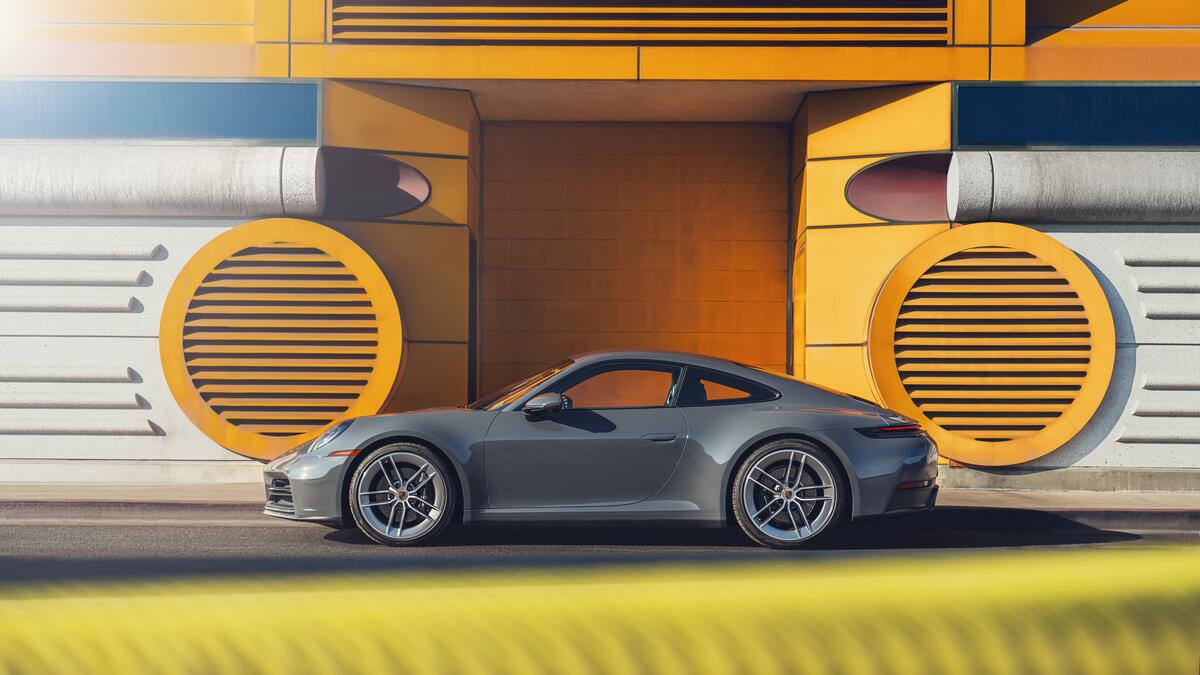
Porsche 911
"That doesn't happen in any brand. You know, if you get the base 9-11 and you strip out all the options, you aren't getting a GT3. [89.8s] I mean, it's not rocket science, but as consumers and as enthusiasts, we've gotten very comfortable and we crack more jokes than anybody."
The hosts use “base 9-11” as a shorthand for the Porsche 911 base model, contrasting it with a higher-performance variant like a GT3. The point is that the cheapest version of a model line won’t be the same as the top track-focused trim once you account for options and equipment.
Jim Farley
"So let's be clear. We talk about Jim Farley. We talk about Caniscus changing his tune. [106.3s] I mean, we give a lot of gruff out into the automotive world."
Jim Farley is referenced as a public automotive executive whose statements are being discussed in the context of changing messaging. The hosts use him as an example of how automakers and leaders can shift their tone over time.
Caniscus
"We talk about Jim Farley. We talk about Caniscus changing his tune. [106.3s] I mean, we give a lot of gruff out into the automotive world."
They mention another person’s name (spelled “Caniscus” here) and say they changed their tune. The exact person isn’t clear from the transcript, but it’s part of the discussion about shifting statements in the auto industry.
“Caniscus” appears to be a misspelling or mis-transcription of a person’s name tied to the automotive world, referenced alongside Jim Farley. The segment’s theme is leadership messaging changing over time, but the exact identity is unclear from the transcript.
Honda
"A brand that was bankrupt or on the verge of bankruptcy 12 months ago was looking like they were going to get gobbled up by Honda seems to be doing all the right things..."
Honda is referenced as a company that would be involved in acquiring a struggling brand. The discussion is about corporate consolidation—bigger automakers absorbing brands that are financially weak.
internet car culture
"So we try to hold people accountable. ... because it's permeating throughout all of internet car culture. ... You've made a really good distinction of what car culture is and what internet car culture is."
They’re talking about two different worlds: real-world car culture (people who build, sell, or fix cars) versus internet car culture (people who make money by posting car videos online). The point is that the internet version can be more about content than actual car experience.
The host is contrasting “internet car culture” with traditional car culture. In this context, it refers to online creators and media ecosystems that profit from car content rather than people who work in the automotive industry directly.
Internet hype vs real-world value
"Of course, like most things on the Internet today, right? Let me start by pulling this one out. I hope I have them in order here for us to look at."
This part is about how people online can get really confident about cars without having the full picture. The host is basically saying: don’t confuse loud opinions with what’s actually true.
The speaker is criticizing how online opinions can diverge from real-world pricing and product reality. The underlying idea is that social media and forums can create “massive opinions” that don’t match what the vehicles actually cost or how they compare.
regional service centers
"Cell Direct to Consumer Regional Service Centers to which somebody replied."
Regional service centers are bigger repair shops that handle maintenance for many customers in a region. They’re often part of a plan where the car company manages service instead of relying on local dealers.
Regional service centers are centralized facilities that handle vehicle maintenance and repairs for a larger area. In a dealership-free or DTC setup, these centers often replace the service role dealerships traditionally provide.
direct-to-consumer
"Cell Direct to Consumer Regional Service Centers to which somebody replied."
Direct-to-consumer means the car company sells to you directly, instead of using regular dealerships. The idea is that the company also helps with things like service through its own locations.
Direct-to-consumer (DTC) is a sales model where a brand sells cars straight to customers instead of going through traditional dealership networks. In the transcript, it’s discussed alongside service centers, implying a shift in who handles sales and after-sales support.
invoice
"And you have zero idea what dealers pay invoice versus what they sell for."
In car sales, “invoice” usually refers to the price a dealer pays the manufacturer for the vehicle (often called the dealer invoice). The transcript contrasts what dealers pay on invoice versus what they sell for, which is central to how dealer profit is discussed.
wholesale
"If they sell it wholesale at 62 K. I hope this helps you."
Wholesale is the price a business pays or sells at, not the price you’d pay as a customer. The host is using it to show how the numbers don’t match what people claim online.
Wholesale refers to the price at which a vehicle is sold through the supply chain—typically between businesses rather than directly to the end customer. In the context here, it’s used to show that the “real” transaction numbers can differ from retail pricing.
dealer
"I strongly believe we need to eliminate the dealer. ... Many of you don't know matter of fact, the reason all the BS to get sold in the finance office has happened."
A dealer is the store that sells the car to you. The host is saying the dealer’s profit can be limited by the company that makes the car, which changes how the whole buying process works.
The speaker is talking about the role of a car dealer in the sales process—how cars are priced, sold, and financed through a dealership network. They argue dealers are being squeezed by manufacturers, which affects how much profit dealers can make on each sale.
math
"I'm doing this because there's so many of you that think you know how the system works when you don't. ... which this guy wasn't agree to disagree on the math. There's nothing to agree or disagree with."
They mean the price calculations people do online. The host is saying the numbers people use are wrong, so there’s nothing to “agree to disagree” about.
Here “math” refers to the pricing calculations people make online about how much dealers and manufacturers should be making. The speaker argues there’s no real disagreement—people are just using incorrect assumptions about invoice, wholesale, and dealer profit.
BS warranties
"So now you get sold all these BS warranties in the finance office because that's where they actually have to make money on the car."
Dealers sometimes sell extra warranty plans after you pick the car. The host thinks these add-ons are often oversold or not worth what they cost.
“Warranties” in this context refers to add-on coverage sold at the dealership, often in the finance office. The host is calling them “BS” to criticize how they’re marketed and how they may not be as valuable as buyers expect.
finance office
"So now you get sold all these BS warranties in the finance office because that's where they actually have to make money on the car."
At many dealerships, there’s a desk where they finalize the paperwork and try to sell extra add-ons. That’s also where they can make extra money on top of the car price.
The “finance office” is where dealerships handle paperwork and sell optional products like extended warranties, vehicle service contracts, and financing terms. It’s also where the dealership can earn additional profit beyond the car’s base price.
independent PPI
"You did an independent PPI. You got the vehicle checked over. You knew the things you were in for."
A PPI is an inspection you do before you buy a used car. It helps you find hidden problems so you don’t get surprised after you pay. “Independent” means the inspector isn’t working for the seller.
A PPI (pre-purchase inspection) is a professional inspection done before buying a used car. “Independent” means it’s performed by a shop not tied to the seller, so the findings are less likely to be influenced by the dealership’s interests.
pre-purchase inspection
"You did an independent PPI. You got the vehicle checked over. You knew the things you were in for."
A pre-purchase inspection is a thorough check of a used car before you buy it. The goal is to spot problems early, especially ones you might not notice right away.
A pre-purchase inspection (PPI) is a detailed check of a used vehicle’s condition—often including a visual inspection, scan for trouble codes, and evaluation of wear items. It’s meant to uncover issues that aren’t obvious during a quick test drive.
margin
"They would have on a high ticket item anywhere between 20 and 35% margin built in so they could sell it at 20 to 30% margin. They sell it at like eight."
“Margin” here means how much profit the seller is making on top of their cost. Higher margin usually means the price has more room for profit built in.
In dealership talk, “margin” is the profit spread between what the dealer pays for a vehicle (or item) and what they sell it for. The speaker contrasts typical dealership markup with how some brands or sellers may structure pricing differently.
floor planning
"...some of the things we've talked about from time to time, which is like floor planning or the, you know, the back end deals, or the do they write up the interest rates..."
Dealers often borrow money to buy cars before they sell them. That borrowing is called floor planning, and the dealer pays interest while the cars are waiting on the lot.
Floor planning is how dealerships finance their vehicle inventory. A lender typically provides money so the dealer can buy cars, and the dealer pays interest while those cars sit on the lot.
back end deals
"...some of the things we've talked about from time to time, which is like floor planning or the, you know, the back end deals, or the do they write up the interest rates..."
Sometimes a dealer makes extra money after the sale, not just from the car’s price. This can be tied to the financing or extra products they add.
“Back end deals” are additional compensation or profit that can come to a dealership after the sale, often tied to financing terms, warranties, or other add-ons. It’s a way dealers can earn money beyond the sticker price.
interest rates
"...or the do they write up the interest rates or what all that stuff can be learned."
If you finance a car, the bank charges interest. A higher interest rate usually means higher monthly payments and more total cost.
Interest rates determine how much extra you pay when financing a vehicle. Even small changes in the rate can noticeably affect the monthly payment and total cost over the loan term.
markup
"...People are so delusional with this markup thing. 99% of cars in the history of the car business have been sold with zero markup, and a large percentage of those have been sold below MSRP."
A markup means the dealer charges more than the usual price. If a car is marked up, you’re paying extra compared to MSRP or the expected selling price.
A markup is when a dealer sells a car for more than its reference price (often MSRP). Markups can be used to capture profit when demand is high or inventory is limited.
MSRP
"...99% of cars in the history of the car business have been sold with zero markup, and a large percentage of those have been sold below MSRP."
MSRP is the price the manufacturer says the car should cost. Dealers may sell for more (markup) or less (discount) than that number.
MSRP (Manufacturer’s Suggested Retail Price) is the price a carmaker recommends dealers sell the vehicle for. It’s commonly used as a reference point when discussing markups or discounts.
history of the car business
"That's our next viral clip right there. We're talking about the history of the car business. Not the last five years."
They’re talking about how car pricing and sales have changed over the years. The point is to compare today’s situation to what happened in the past.
This is a discussion about how car sales and pricing have worked historically, contrasted with recent years. The hosts use it to argue about whether markups are “new” or actually common over time.
signed on a dotted line
"And yourself, because if you made the purchase and you signed on a dotted line, you're hating the purchase. [947.7s] By the way, you signed on like 25 dotted lines."
It means you officially agreed to the deal by signing the contract paperwork. In car buying, that’s when the purchase becomes real.
This phrase is a shorthand for completing a car purchase contract. It points to the idea that buying a car involves formal paperwork and legal agreements, not just casual verbal promises.

F-150 Raptor
"When you signed the paperwork for your Raptor, did you just sign in one place? [957.2s] No, you signed a million paperwork."
“Raptor” is Ford’s off-road version of the F-150 pickup truck. They’re just saying the buyer had to sign lots of paperwork when purchasing it.
“Raptor” usually refers to the Ford F-150 Raptor, a performance off-road pickup built for rough terrain. In this segment, the hosts are talking about the paperwork process when someone bought one, not technical details.
Porsche 911 Turbo
"And let me tell you what I can do by a 911 Turbo with no markup. ... Like, where did you go buy a 911 Turbo at? And they go, well, you know, there's a $75,000 markup."
The Porsche 911 Turbo is a high-performance 911 model with a turbocharger for extra power. The discussion here is about whether you can actually buy one for the price people say online.
A Porsche 911 Turbo is the turbocharged version of the 911, built for strong acceleration and high-speed stability. In this segment, the hosts use it as an example of how real-world pricing can differ from what people claim online.
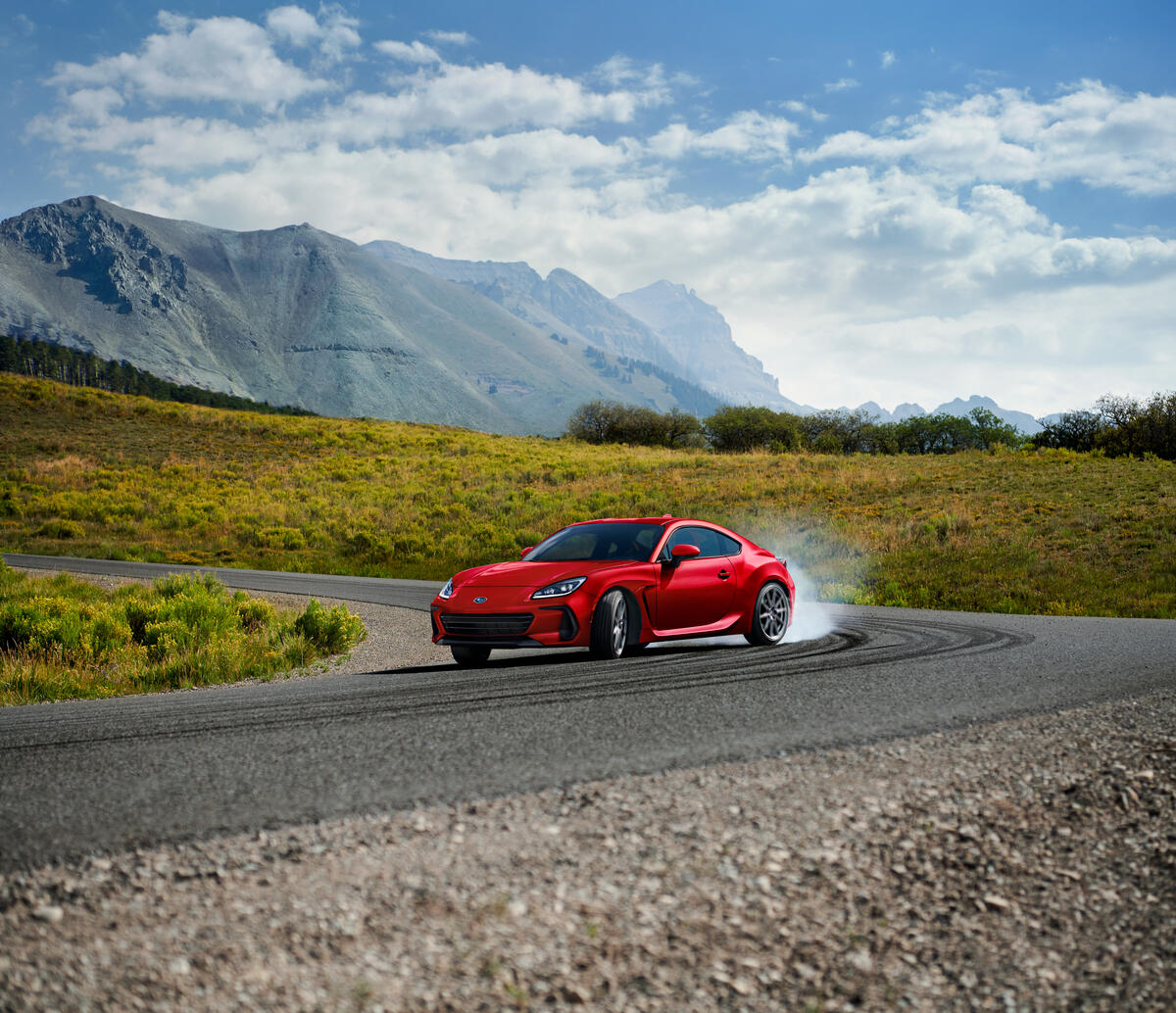
Subaru BRZ
"... now as we do this on the show. Look, they had a BRZ, you know, manual BRZ that kind of sits on this p..."
The Subaru BRZ is a small sports car. The podcast mentions a manual version, meaning you shift gears yourself instead of the car doing it for you. They’re talking about the car as part of what they’re showing or discussing on the episode.
The Subaru BRZ is a compact sports coupe that’s known for offering a driver-focused setup, including versions with a manual transmission. The podcast references a “manual BRZ” and describes it as sitting on the show’s setup, implying it’s part of a hands-on or visual discussion. That makes it relevant as an example of a particular BRZ configuration and how it feels/looks in context.

Toyota BRZ
"Look, they had a BRZ, you know, manual BRZ that kind of sits on this podium on the super lot that you can walk. ... It's a manual."
The Toyota BRZ is a small, sporty car that’s popular with drivers who like a manual. The hosts are just pointing out they saw one at the dealership.
The Toyota BRZ is a compact sports coupe known for being lightweight and fun to drive, often offered with a manual transmission. Here it’s mentioned as a car on the dealership’s “super lot” that the hosts can walk up to and inspect.
six speed
"I look and I go, it's got a six speed. There's no markup on that invoice."
“Six speed” means the car has a manual gearbox with six forward gears. You shift between them yourself, and it can make the drive more fun.
“Six speed” refers to a manual transmission with six forward gears. More gears can help keep the engine in its power band during different speeds, which is part of why manual sports cars feel engaging.
manual
"You guys want to go buy a sports car? It's a manual. Probably get it under MSRP, too."
A “manual” is a car where you shift gears yourself using a clutch and a stick. The hosts are pointing out they saw a manual sports car available.
A “manual” transmission means the driver uses a clutch pedal and gear lever to select gears. In enthusiast circles, manuals are often valued for driver control and engagement, and the hosts use it to highlight what’s actually available on the lot.

Porsche Taycan
"And it's like, it's not true. And I can go buy a Taycan or Taycan or whatever people want to say how it said."
The Porsche Taycan is Porsche’s electric car. It’s brought up here as another example while they debate real pricing versus internet rumors.
The Porsche Taycan is Porsche’s all-electric performance sedan. The host mentions it as another example in the broader argument about what prices and availability are actually like versus what people claim online.

Porsche Cayenne
"You realize I found an under 50,000 mile Gen 1 Cayenne for nine grand. [1157.2s] Did you buy it?"
They’re referring to an older, first version of the Porsche Cayenne SUV. It’s the kind of Cayenne you can sometimes find cheaper used than the newer ones.
The speaker is talking about a first-generation Porsche Cayenne (often called “Gen 1”). The Cayenne is Porsche’s SUV, and the first generation is known for being a more budget-friendly entry point compared with newer Cayennes.
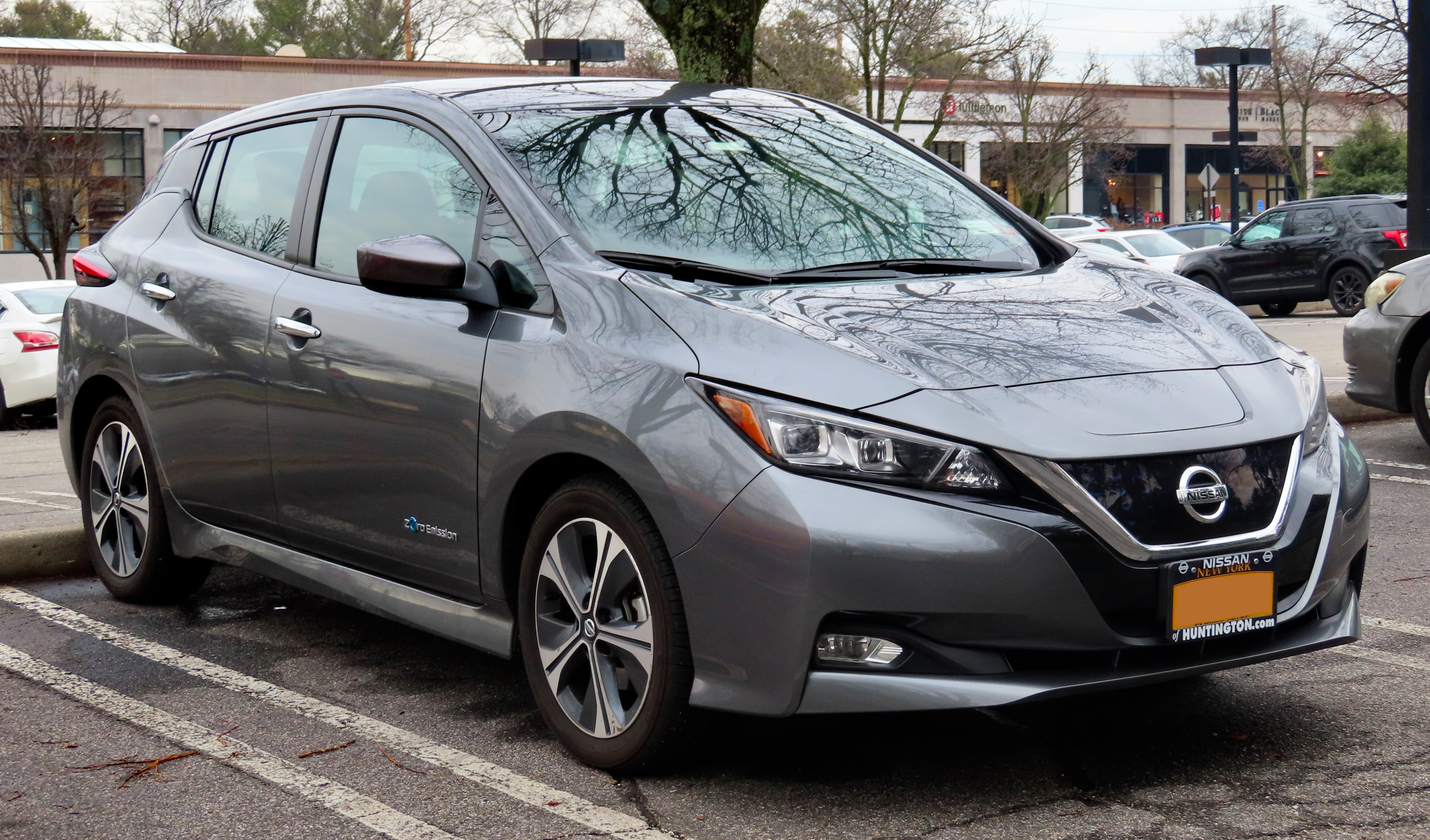
Nissan Leaf
"How much do you think you can buy an Nissan Leaf for under 30,000 miles on it? [1214.2s] Under 30,000 miles for a leaf."
The Nissan Leaf is an electric car. They’re basically asking what kind of Leaf you can find used for under $30,000 with low miles.
The Nissan Leaf is an all-electric compact car. The speaker is using it as an example to compare what you can buy for under $30,000 in terms of used mileage and EV availability.
Cayans
"[1274.0s] 50,000 miles, cars under 10 grand under 50,000 miles, you know, things like that. [1280.4s] And I did it because I go, God damn these Cayans are cheap."
They mean the Porsche Cayenne SUV. The host is surprised because it seems to be priced lower than you’d think for a Porsche.
“Cayans” refers to the Porsche Cayenne, Porsche’s SUV line. In the context of the episode, the host is saying these SUVs are showing up as unusually cheap compared with what people expect from Porsche.
search results
"[1300.0s] I mean, first of all, you have to eliminate, if you want to actually have search results, [1304.1s] you can go through it. [1304.7s] you got to eliminate Hyundai and Kia because they'll just flood."
They’re talking about how to narrow down online car listings. If one brand has tons of listings, it can make the search results less useful for comparing prices.
The host is describing how to refine online car listings by filtering out brands that generate too many results. In practice, this is about controlling the dataset so comparisons (like price and mileage thresholds) aren’t skewed by one brand’s volume.
Hyundai
"[1300.0s] I mean, first of all, you have to eliminate, if you want to actually have search results, [1304.1s] you can go through it. [1304.7s] you got to eliminate Hyundai and Kia because they'll just flood."
Hyundai is a car brand. The host is saying that if they include it in their search, it generates so many results that it makes it harder to find the cheaper cars they’re trying to compare.
Hyundai is a mass-market automaker, and the host says to “eliminate” it from search results because it would “flood” the results. That implies Hyundai listings are so numerous (or broadly priced) that they overwhelm the specific budget/mileage filters they’re trying to use.
Kia
"[1304.7s] you got to eliminate Hyundai and Kia because they'll just flood. [1307.6s] That'll be like the first 8,000 pages of the losses."
Kia is a car brand. They’re saying Kia shows up so often in cheap-car searches that it drowns out the other brands they want to look at.
Kia is another mainstream automaker mentioned alongside Hyundai. The host’s point is that Kia listings are so common that they would dominate the search results, making it harder to isolate cars that match their “cheap” criteria.
Cadillac
"That entire Cadillac EV lineup, you can get a lot of vehicle for 30 grand."
Cadillac is a luxury car brand. Here, they’re talking about Cadillac’s electric cars and saying you can get a lot for about $30,000.
Cadillac is a luxury brand within General Motors. In this segment, the hosts mention the brand’s EV lineup as something you can buy for around $30,000, framing it as a value deal.
special fuel
"[1889.9s] You know, I'm going to say if you need special fuel because you're a desert of fuel as well, [1895.0s] you really can't talk much. [1896.4s] All right. [1896.9s] You need special fuel that's extra taxed and has a rainbow flag on it otherwise you can't [1901.4s] get it."
“Special fuel” usually means a type of gas that isn’t the normal stuff at the pump. Some cars need it to run correctly, while others can use regular gas.
“Special fuel” is a casual way to refer to fuel that’s different from the regular pump gas—often higher-octane gasoline or a different fuel blend. People bring it up when a vehicle’s engine is designed to require that specific fuel for proper performance and to avoid knocking.
AC bill
"Because I just had a second AC bill on the Raptor this past weekend. Yeah, what happened? Oh my God."
They mean the money they had to pay to get the air conditioning fixed. Usually that involves finding the leak, fixing it, and then refilling the refrigerant so the A/C can cool again.
An “AC bill” here refers to the cost of diagnosing and repairing an air-conditioning refrigerant leak, plus the labor to recharge the system. Vehicle A/C service commonly includes finding the leak, repairing the failed component, and then restoring the correct refrigerant charge.
Schrader valves
"It was one of the Schrader valves. It was just another leak along the, you know, 14 year old system. So you know, unexpected, but another five and this is what I was going to say too when"
Schrader valves are the little valve parts on the A/C system where technicians connect tools. If one leaks, the air conditioner can lose refrigerant and stop cooling well, so you end up paying to fix and recharge it.
Schrader valves are the small valve stems used on many vehicle A/C systems for connecting gauges and for pressurizing the refrigerant circuit. If a Schrader valve leaks, the system can lose refrigerant over time, which reduces cooling and triggers repeated service.
recharge the system
"Are you going to fix it? Are you going to recharge the system or whatever breaks? So anyway, but it's fixed and now it's great because it's starting to get real hot."
Recharging the A/C means putting refrigerant back into the system. If there isn’t enough refrigerant, the air conditioner can’t cool well, so it needs to be refilled after the leak is fixed.
“Recharge the system” means adding refrigerant back into the A/C system after a leak or service. Refrigerant is the working fluid that absorbs heat inside the cabin; if the level is low, the A/C won’t cool properly even if the compressor is working.
CVT
"There's always something to complain about CVT this, they're going to mark it up."
CVT means “continuously variable transmission.” It’s a type of automatic gearbox that can smoothly change ratios instead of shifting like a normal car.
CVT stands for continuously variable transmission. Instead of fixed gear ratios, it uses a belt/chain and pulleys to keep the engine near an efficient operating point across a wide range of speeds.
safety features
"Well, if they took all the safety features out, that would reduce the price."
“Safety features” are the car’s systems that help avoid crashes or lessen injuries, often using sensors and computers. If you remove part of that system, the car may need major rework to function correctly.
“Safety features” refers to driver-assistance and crash-mitigation systems (like sensors and automated braking) that help prevent or reduce the severity of accidents. These systems are integrated into the vehicle’s electronics and calibration, so removing components can require re-engineering.
sensor
"If they take one sensor out, they got to rebuild their whole safety platform."
A sensor is a part that “notices” things—like distance, lane position, or wheel behavior—and sends that info to the car’s computer. If you remove one sensor, the safety system may not work the way it was designed.
In modern cars, sensors are hardware inputs (often for radar, cameras, or wheel/engine monitoring) that feed data to driver-assistance and safety systems. The transcript’s point is that removing even one sensor can disrupt the whole safety platform because the systems are designed to work together.
doom scrolling
"[2116.4s] I mean, that's that's the nature of the Internet. [2118.7s] I mean, they call it doom scrolling things like that now. [2121.7s] Right."
“Doom scrolling” means getting stuck scrolling online, usually through stressful or negative stuff. The hosts are saying it can pull you away from making smart, real-world choices—like researching a car properly.
“Doom scrolling” is the habit of endlessly reading bad or alarming content online. In a car-shopping context, it can distract you from practical research and lead to poor decisions.

Tesla Model Y
"...a Model Y is what 40 grand. [2168.3s] Yeah. [2168.9s] 40, 45,000 dollars."
The Tesla Model Y is an all-electric SUV. They’re talking about how much it costs and why the price isn’t lower, based on how the car business and markets work.
The Tesla Model Y is a compact electric SUV. In this segment, the hosts use its price as an example of how pricing and market access affect what buyers can realistically pay.
BYD
"...everybody that's getting [2189.1s] caught up in this Chinese BYD low price, this and that, that's great, man."
BYD is a car company from China that makes electric cars. The hosts mention it when discussing why some Chinese EVs seem cheaper and how that affects prices and availability in America.
BYD is a Chinese automaker known for producing a wide range of electric vehicles and batteries. Here, it’s referenced in the context of “low price” Chinese EVs and how that pricing compares to what’s available in the U.S. market.
flood America with Chinese cars
"If you want to say let's flood America with Chinese cars, then don't say you're pro America. [2208.5s] Yeah. [2208.9s] Because you don't really know why that's being done..."
“Flood” here is a market concept meaning a large influx of vehicles into the U.S. market. The hosts are arguing that trade/market access and competitive dynamics influence pricing and availability, not just manufacturing cost.
tilt the table in your favor
"And so you have no chance to tilt the table in your favor and there's absolute ways to minorly tilt this in your favor compared to every other consumer."
They’re talking about getting leverage in a car deal. It means you set things up so you’re less likely to get taken advantage of and more likely to pay a fair price.
The hosts are using a sales/negotiation metaphor: “tilting the table” means structuring a car deal so you have leverage and fewer downsides. In practice, it can mean shopping timing, knowing pricing, and avoiding add-ons that worsen the deal.
greenlit
"He pitched this idea to Ford and they greenlit it."
“Greenlit” just means the company said “yes” and gave the project approval to proceed. Here, Ford approved the idea that was pitched.
“Greenlit” is industry jargon meaning a company officially approved an idea or project to move forward. In this context, Ford approved the pitch to create the custom concept.
bullnoses
"And on top of that, I can't believe they chose a bullnose for this project. For those who don't know bullnoses are 1980 to 1986 Ford F 150, 250 and 350."
“Bullnose” is a nickname for a certain early-1980s Ford pickup look. It helps people quickly refer to that exact front-end style.
“Bullnose” is an enthusiast nickname for the 1980–1986 Ford F-Series trucks (F-150/F-250/F-350) with the distinctive front-end styling. The term is used to identify that specific body/face design era.
Ford F 150
"For those who don't know bullnoses are 1980 to 1986 Ford F 150, 250 and 350. They're some of the best trucks ever built..."
They’re referring to a specific older generation of the Ford F-150 pickup (from the early 1980s). People like it because it’s a popular platform for customizing and upgrading.
The speaker is talking about the Ford F-150 (1980–1986) in the “bullnose” styling era. This is a classic full-size pickup generation that enthusiasts often modify for off-road and hot-rod builds.

Ford F 350
"For those who don't know bullnoses are 1980 to 1986 Ford F 150, 250 and 350. They're some of the best trucks ever built..."
They’re mentioning the Ford F-350 from the early 1980s. People like this truck because it’s a common starting point for upgrades and custom builds.
The speaker includes the Ford F-350 in the 1980–1986 “bullnose” era. This generation is known for being a straightforward platform for swaps and upgrades, which is why it’s popular with truck enthusiasts.

Ford F 250
"For those who don't know bullnoses are 1980 to 1986 Ford F 150, 250 and 350. They're some of the best trucks ever built..."
They’re also talking about the Ford F-250 from the early 1980s. It’s a tougher, bigger version of the same pickup family that people often modify.
The speaker groups the 1980–1986 “bullnose” trucks, including the Ford F-250. The F-250 is the heavier-duty variant in the same generation, and it’s commonly used as a base for engine and suspension swaps.
big block
"Not to mention it's extremely easy to drop in a rowdy small block or big block. And because that twin-traction beam..."
“Big block” means a larger V8 engine. People talk about it when they want more power and a more serious engine for a custom build.
A “big block” is the larger-displacement V8 engine category compared with “small block.” Enthusiasts often mention it in the context of engine swaps because it’s typically associated with higher power potential and heavier-duty components.
small block
"Not to mention it's extremely easy to drop in a rowdy small block or big block. And because that twin-traction beam..."
“Small block” means a smaller V8 engine design. People like it for swaps because it can be easier to install and modify than larger engine options.
A “small block” refers to a family of compact V8 engines (commonly associated with Ford’s and other manufacturers’ V8 designs). In hot-rodding, it’s often chosen because it’s relatively compact and easier to fit and build.
twin-traction beam
"And because that twin-traction beam is one of the weirdest factory suspensions ever designed, it offers lots of room to make something"
“Twin-traction beam” is a type of front suspension used on some older Ford trucks. It’s a bit different from modern setups, and it can make the truck easier to modify in the front.
“Twin-traction beam” is a specific front suspension design used on some older Ford trucks. It’s known for being unusual compared with more common independent front suspensions, and it can create packaging space that makes certain modifications easier.
Carrot Customs
"super epic with some parts from Carrot Customs. [2394.7s] We're going to be fabbing up this chassis with the Carrot Customs [2398.0s] long travel TTB kit,"
Carrot Customs is the company whose parts are being used in this build. They’re providing things like the suspension kit and other custom components.
Carrot Customs is referenced as the source of parts and the suspension kit used in the build. In this context, it’s a brand/vendor identity for aftermarket components.
Custom Car emblems
"And look how awesome those Raptor emblems are from Custom Car emblems. [2394.7s] We're going to be fabbing up this chassis"
They’re talking about a company that makes custom badges/emblems. Here, it’s specifically the Raptor emblems they’re showing off.
“Custom Car emblems” is mentioned as the maker of the Raptor emblems. This is a consumer-facing aftermarket branding reference tied to exterior appearance rather than performance.
long travel TTB kit
"We're going to be fabbing up this chassis with the Carrot Customs [2398.0s] long travel TTB kit, and we're going to be blasting that 600 horsepower"
This is an off-road suspension upgrade that lets the wheels move up and down more than stock. “TTB” is the specific front suspension style the kit is built around, and the kit is meant to handle rough terrain better.
A “long travel TTB kit” is an aftermarket suspension setup designed to let the truck’s suspension move farther (more wheel travel) for off-road use. “TTB” refers to Twin Traction Beam, a front suspension design used on some trucks that uses two beams to control wheel motion.
600 horsepower
"...long travel TTB kit, and we're going to be blasting that 600 horsepower [2402.4s] small block through the desert."
Horsepower is a number that tells you how much power the engine can make. Here, they’re saying the build is aimed at about 600 horsepower.
“600 horsepower” is a measure of engine power output. In this context it’s describing the target power level of the build they’re talking about, which helps listeners gauge how serious the performance goal is.
headers
"In the production of these engines lapsed during COVID, Steve at FPA [2407.8s] had literally given away the jig to make these headers. [2410.6s] I got them to track them down"
Headers are special exhaust parts that change how the engine’s exhaust exits. They can help the engine breathe better, which often improves power on modified builds.
Headers are exhaust manifolds that route exhaust gases through individual tubes before they join into the rest of the exhaust system. They’re often used to improve exhaust flow and can help performance, especially on older or heavily modified engines.
FPA
"In the production of these engines lapsed during COVID, Steve at FPA [2407.8s] had literally given away the jig to make these headers."
FPA is the shop or person they’re referencing for the header-related work. The key point is that Steve at FPA helped with the tooling/production for the headers.
FPA is referenced as the place/person (“Steve at FPA”) connected to producing or supplying the headers. The acronym isn’t expanded in the excerpt, but it’s clearly a shop or supplier involved in the parts.
jig
"Steve at FPA [2407.8s] had literally given away the jig to make these headers. [2410.6s] I got them to track them down"
A jig is a tool that helps you make parts the right way every time. It holds things in place so the result comes out consistent—like for building headers.
A “jig” is a specialized tool or fixture used to hold parts in the correct position so they can be made or assembled consistently. Here, it’s the tooling needed to manufacture the headers accurately.
ceramic coated
"They're dyno tested, ceramic coated and super awesome. [2420.9s] So this is the official end of day one of this build."
Ceramic coating is a heat-resistant coating applied to parts like exhaust components. It helps keep temperatures under control and can make the parts last longer in hot conditions.
“Ceramic coated” refers to applying a ceramic-based coating to parts like headers to help manage heat. The coating can reduce under-hood temperatures and may improve durability by protecting the metal from heat cycling.
dyno tested
"[2414.0s] And it can make you a set too. [2415.5s] They are officially back in production. [2417.6s] They're dyno tested, ceramic coated and super awesome."
“Dyno tested” means they tested the setup on a machine that measures engine power. It’s a way to confirm it performs correctly before selling or installing it.
“Dyno tested” means the engine or vehicle was run on a dynamometer (dyno) to measure outputs like horsepower and torque under controlled conditions. It’s used as a quality check to verify the build performs as expected.
suspension project
"[2476.4s] I still love driving this thing. [2477.4s] Finally, I've had parts on back order for the suspension project. [2480.5s] So they're supposed to be in late May. [2482.5s] And it's funny, you know, we're way past beyond this whole COVID era."
A suspension project is work done to the parts that help the wheels move smoothly over bumps. It can change how the truck rides and handles.
A “suspension project” means modifying the truck’s suspension system—typically components that control ride height, damping, and handling. In this segment, they specifically mention springs and other suspension parts being delayed.
parts on back order
"[2476.4s] I still love driving this thing. [2477.4s] Finally, I've had parts on back order for the suspension project. [2480.5s] So they're supposed to be in late May. [2482.5s] And it's funny, you know, we're way past beyond this whole COVID era."
“Back order” means you ordered the parts, but they’re not in stock yet. So the project has to wait until the parts arrive.
“Back order” means the parts are sold but not currently available, so the buyer is queued to receive them later. For suspension projects, back-ordered components can delay the entire install because many upgrades require multiple parts to be installed together.
COVID era
"[2480.5s] So they're supposed to be in late May. [2482.5s] And it's funny, you know, we're way past beyond this whole COVID era. [2486.5s] But like he even said on that motor or those headers during that era, a lot [2489.7s] of things did get disrupted where if you were a smaller guy and you weren't"
They’re talking about the time when COVID caused delays in making and shipping things. That affected how quickly car parts could be produced and delivered.
The “COVID era” refers to the period during and after the initial COVID-19 disruptions, when supply chains and manufacturing capacity were affected worldwide. The hosts connect it to delays in getting suspension and exhaust-related parts made and shipped.
springs
"[2492.4s] like a huge conglomerate, the odds of you getting back on track with any [2495.0s] kind of manufacturing was really tough. [2496.5s] And same for other springs and suspension parts. [2499.0s] I think people, you know, we obviously have some conflicts going on around the"
Springs are the parts that help absorb bumps and keep the truck sitting at the right height. If springs are on back order, the suspension work can’t be finished.
Springs are key suspension components that support the vehicle’s weight and help determine ride height and how the suspension responds to bumps. When springs are delayed, it can stall suspension upgrades because they’re often replaced as part of a matched setup.
handling
"[2569.9s] So the 27 gets a handling, a speciale sharpens the SUV's sports car edge. [2576.3s] You like this, right?"
“Handling” is how the car behaves when you turn—how well it grips the road and how smoothly it follows your steering. A car with “good handling” feels controlled and predictable in corners.
In automotive context, “handling” refers to how a vehicle responds to steering inputs and how well it stays composed while cornering. It’s often discussed in terms of grip, balance, steering feel, and how predictable the car is at speed.
SUV's sports car edge
"[2569.9s] So the 27 gets a handling, a speciale sharpens the SUV's sports car edge. [2575.6s] This thing looks so good."
They mean the SUV is being tuned to feel more sporty, like a sports car. That usually comes from changes that make it turn and corner more confidently instead of feeling big and slow to respond.
This phrase describes the idea of making an SUV drive more like a sports car—typically by improving steering response, suspension tuning, and overall chassis balance. The goal is to reduce the “floaty” or body-roll feel many people associate with SUVs.
four door sedan
"And if I'm not mistaken, Ferrari has announced a four door sedan... Speaking of EVs, we'll shift over to that one as we speed run through this."
A four-door sedan is a car with two rows of seats and a trunk, and you get in through four doors. The hosts are saying it would be a big deal if Ferrari actually makes one.
A four-door sedan is a passenger car body style with two rows of seats and a trunk, accessed through four doors. In this context, the hosts are treating it as a notable model direction because it would broaden Ferrari’s typical supercar-focused image.
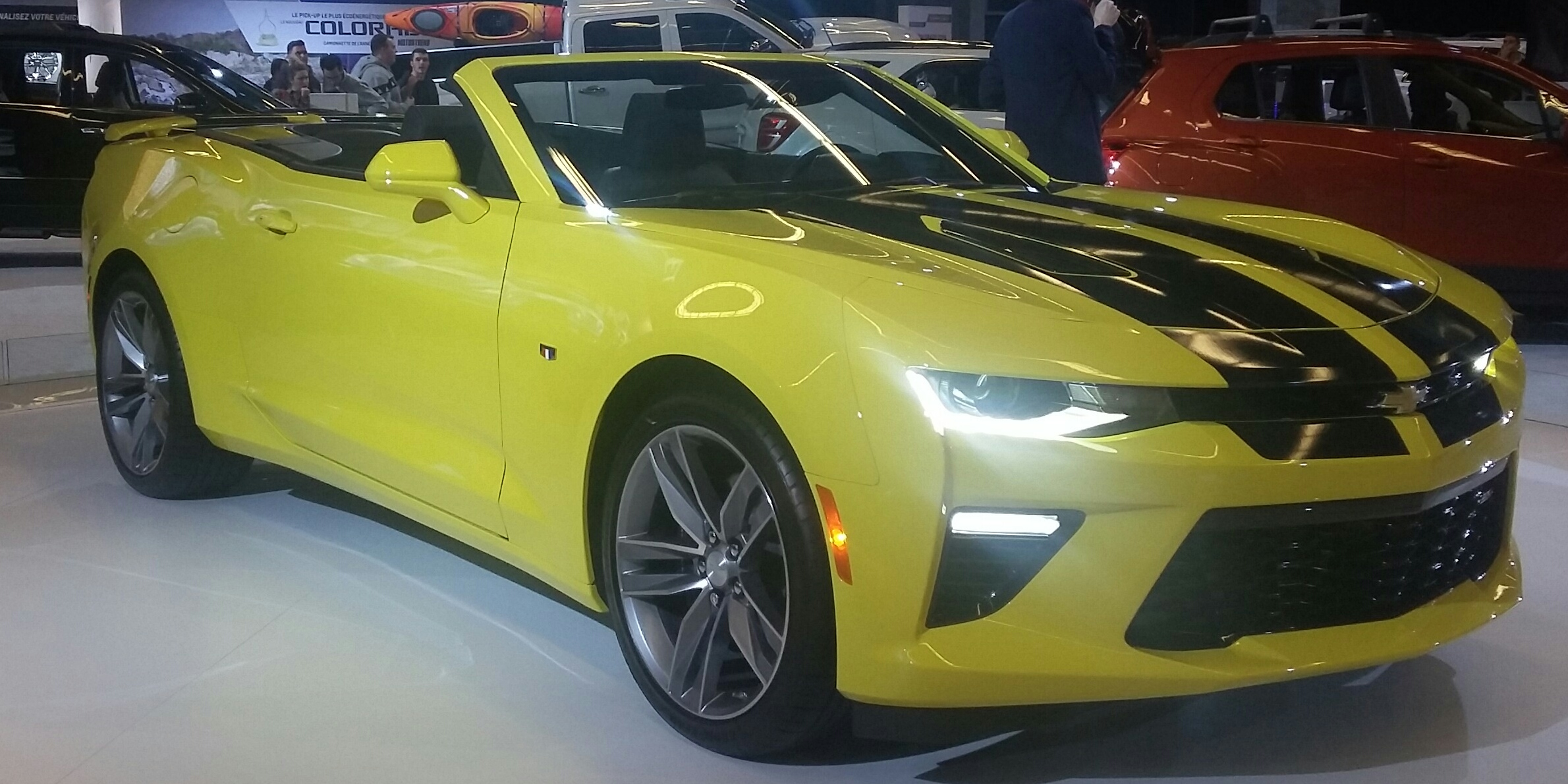
Chevrolet Camaro
"...o be coming in that, you know, going back to the Camaro conversation from like that's going, that might b..."
The Chevrolet Camaro is a sporty two-door car designed for performance. It’s the kind of car people talk about when they’re discussing what models are popular or returning. In the episode, it’s brought up as part of that bigger conversation.
The Chevrolet Camaro is a performance-focused coupe that’s often discussed as a “muscle car” style option with a strong enthusiast following. The podcast references it while talking about what might be coming back, suggesting it’s part of a broader conversation about trends and future availability. That’s why it shows up in the discussion.

Acura Rsx
"But Acura RSX, what a shame that they didn't make this into a small affordable economical sports car for the for the public. It was going to be an EV and they're just not going to make it all together."
The Acura RSX is a small sporty Acura that people liked for being fun and relatively affordable. Here, the hosts are saying it was supposed to become an EV, but that plan got canceled.
The Acura RSX is a compact sports coupe from Acura that’s best known as a fun, affordable alternative in the early 2000s. In this segment, the hosts are lamenting that an RSX EV plan didn’t happen, so listeners don’t get a modernized version of the RSX formula.
Infinity
"They should take some notes from Infinity and Nissan right now, honestly."
They’re talking about Infiniti, which is Nissan’s luxury brand. The point is that Infiniti and Nissan are doing more with EVs than some other makers.
“Infinity” is almost certainly a reference to Infiniti, Nissan’s luxury brand. The hosts are using it as an example of a company that’s taking EV direction more seriously than others.

Chevy Bolt
"BMW i4 BMW ix BMW or sorry, the Chevy Bolt. The Bolt was a slept on car way back in the day."
The Chevy Bolt is a small electric car. They’re saying it didn’t get enough attention, and they’re also talking about it being canceled as Chevrolet’s EV plans change.
The Chevrolet Bolt is a compact electric car known for offering a relatively practical range for its size. The hosts say it was “slept on,” then suggest it could have been paired with the Volt’s identity—before discussing that it’s being canceled due to shifting EV strategy.

Bmw I4
"BMW i4 BMW ix BMW or sorry, the Chevy Bolt."
The BMW i4 is BMW’s electric car. In this discussion, it’s brought up as part of the EV lineup that may not be coming as planned.
The BMW i4 is BMW’s electric 4-series–based sedan/coupe-style EV. It’s mentioned here as one of the EVs that won’t make it to the “revitalized list” of 2027 plans, reflecting how product lineups can change quickly.

Bmw Ix
"BMW i4 BMW ix BMW or sorry, the Chevy Bolt."
The BMW iX is BMW’s electric SUV. They mention it while talking about which EV plans are being scaled back.
The BMW iX is BMW’s electric flagship SUV. The transcript says “BMW ix,” which is likely the iX, and it’s included in the list of EVs that may be canceled or delayed.

Chevrolet Volt
"The little car, the Volt, rather the Volt. Yeah, the Bolt could have been with the Volt should have just like a small, really good, reliable, like, you know, energy efficient, whatever car."
The Chevy Volt was a plug-in hybrid—meaning it could drive on electricity, and then it had a gas engine for longer trips. They’re using it as a reference point for what they think a small EV should be.
The Chevrolet Volt was a plug-in hybrid that could run on electricity for daily driving, then switch to a gasoline engine when needed. In the segment, the hosts compare the Volt’s role to what the Bolt could have been—essentially arguing for a small, efficient EV that fits a clear niche.

Chevy Equinox
"It looks like a small equinox. Equinox. Yeah, it's just like, what are we doing?"
The Chevy Equinox is a compact SUV. They’re saying the EV looks like a smaller version of that, which makes it feel kind of generic.
The Chevrolet Equinox is a compact SUV, and the hosts say the EV “looks like a small equinox.” This is a commentary on how EVs are sometimes designed to resemble familiar crossover shapes, which can make them feel less distinctive.

Hyundai Ioniq
"Yeah, that's heinous. I mean, it's Hyundai Ioniq 6. We do that."
The Hyundai Ioniq 5 is an electric car that’s shaped like a crossover. In the podcast, it comes up because the speakers are talking about the Ioniq lineup and may be comparing or correcting which model they’re referring to. It’s mainly part of that model identification conversation.
The Hyundai Ioniq 5 is an electric crossover designed to be practical while still feeling modern and tech-forward. The podcast mentions it in the context of “Ioniq 6,” indicating a comparison or mix-up between related Ioniq models. That’s why it’s referenced during a discussion about which specific car they mean.

Hyundai Ioniq 6
"I mean, it's Hyundai Ioniq 6. That I don't know how that made it out of anybody's brain."
The Hyundai Ioniq 6 is an all-electric car. Here, the hosts are basically saying people online have very strong reactions to how it looks.
The Hyundai Ioniq 6 is an all-electric sedan known for its streamlined, low-drag shape. In this segment, it’s mentioned as an example of an EV that drew strong opinions online.

Hyundai Kona
"The Kona EV, the EV, a lot of Kia, Hyundai. Well, it's like I told you, you got to be careful when you're search results looking for cars..."
The Kona EV is an electric version of the Hyundai Kona. They’re mentioning it as one of the EVs that comes up a lot when people search online.
The “Kona EV” is Hyundai’s electric version of the Kona crossover. The hosts mention it alongside other Hyundai/Kia EVs that show up in search results and are being discussed in the context of cancellations.

Kia Niro
"Another Kia. The Niro EV, that one looks OK. It looks all right."
The Kia Niro EV is an electric crossover. In this moment, they’re saying it looks better than some of the other EVs being talked about.
The Kia Niro EV is Kia’s electric crossover variant of the Niro lineup. The hosts say it “looks OK,” contrasting it with other EVs they’re calling out as being canceled or mocked online.

GMC Safari
"... this look weird dynamically. Like they wanted a safari up, but keep it luxury. And like you could have ..."
The GMC Safari is a van-style vehicle meant to carry people. In the podcast, the speakers are talking about how its styling looks—like it tries to look rugged but also upscale. They’re basically saying the overall look doesn’t quite make sense to them.
The GMC Safari is a vehicle name associated with a people-hauling van, and in this podcast segment it’s discussed as having an unusual styling direction. The hosts describe it as wanting a “safari” look while still trying to feel luxurious, and they question how that combination works dynamically and visually. That’s why it’s brought up—it's an example of a design concept they find odd.
Lamborghini EV
"Well, but is anybody buying or hyped up about buying a Lamborghini EV?... It's just not your brand."
“Lamborghini EV” refers to the idea of an electric vehicle built under the Lamborghini brand. The hosts are debating whether an EV can fit Lamborghini’s customer expectations and brand identity, and whether buyers would actually want it.
Sony
"Yeah, this is a Sony Fila... They were like, hey, we got this Sony Honda partnership, and this car is going to cost two hundred and ten thousand dollars."
Sony is being talked about as a partner brand connected to a car idea. The hosts’ point is that even a famous tech brand can’t make a super-expensive car automatically appealing.
Sony is mentioned in the context of a partnership tied to a specific car concept. The hosts are implying that brand collaborations can help marketing, but they don’t guarantee buyers will accept the product—especially at a high price.

Tesla Model S
"Well, first, we do these. You want to see our new car? Obviously, we know about the Model S and the by the way, another one that comes up."
The Tesla Model S is an electric luxury car. People talk about it a lot because it’s one of Tesla’s main models, and it can be a good option if you’re looking at used EVs.
The Tesla Model S is an all-electric luxury sedan from Tesla. It’s one of the brand’s most well-known models and often comes up in discussions about EV value, used-car pricing, and long-term ownership.
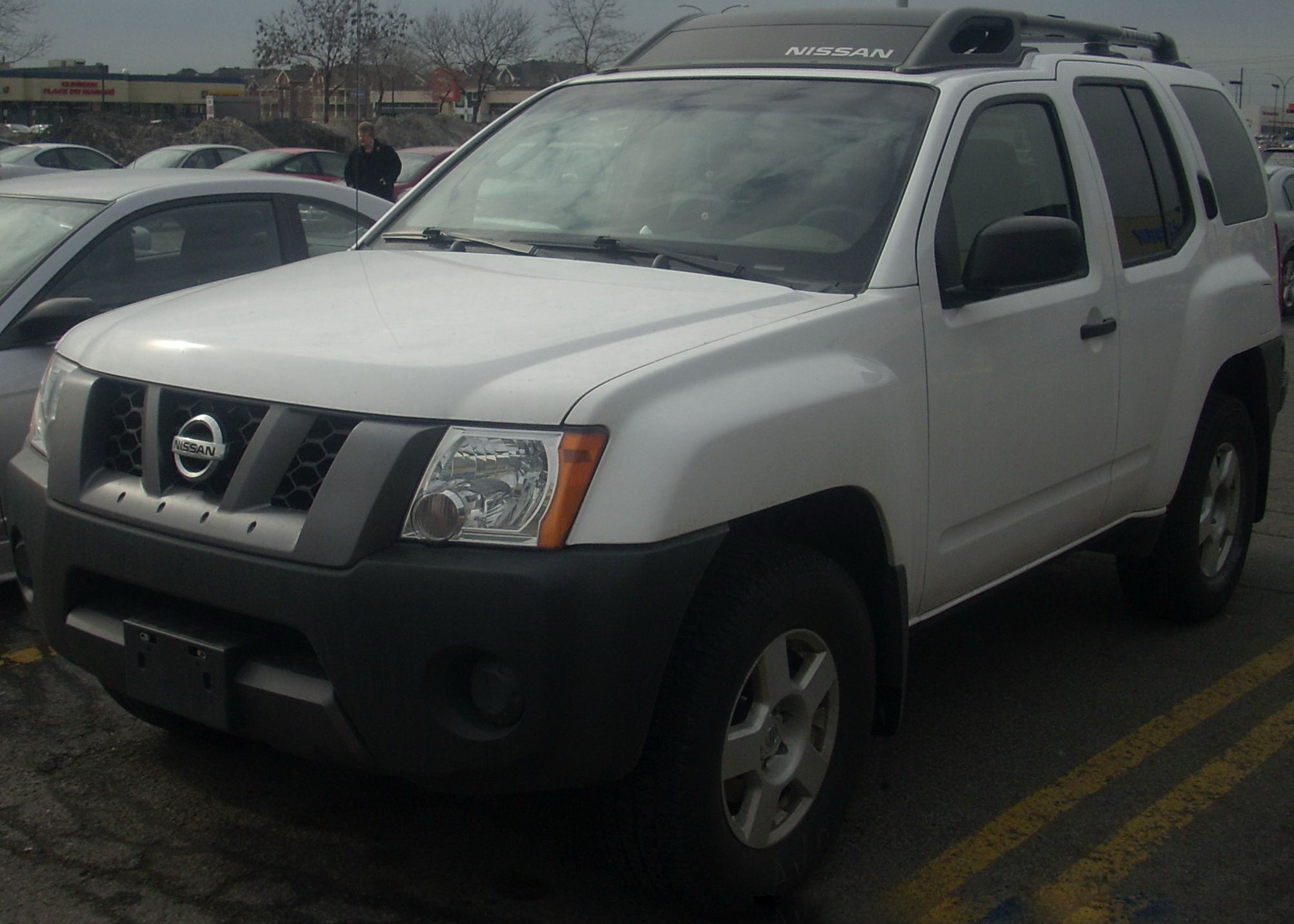
Nissan Xterra
"Axe, obviously, we know the X. I was never the biggest fan of we've talked about it before, but."
The Nissan Xterra is a tough-looking SUV that’s built for rough roads and off-roading. Here, it’s mentioned because the hosts have strong opinions about it.
The Nissan Xterra is a rugged, body-on-frame SUV known for off-road capability and a simple, durable layout. In this segment, it’s referenced as a car the hosts have discussed before, likely in the context of design or ownership impressions.

Ford Falcon
"...st fan of we've talked about it before, but. The Falcon doors were stupid. Yeah, it's pretty dumb."
The Ford Falcon is a Ford car model. In this episode, the hosts are criticizing the way its doors look and saying they don’t like that design. It’s being mentioned as an example of a styling choice they dislike.
The Ford Falcon is a model name that has appeared on Ford’s lineup, and in this podcast segment it’s specifically tied to a critique of its door design. The hosts call the Falcon doors “stupid” and “pretty dumb,” focusing on how the styling choice doesn’t work for them. That’s why it’s discussed here—more as a design example than a performance one.
Falcon doors
"The Falcon doors were stupid. Yeah, it's pretty dumb."
“Falcon doors” are fancy car doors that open upward like a scissor motion. They look cool, but they can be harder to use in tight parking spaces.
“Falcon doors” is a nickname for a type of scissor-style door that hinges near the front and swings upward/outward. They’re meant to look dramatic and improve access, but they can be awkward in tight spaces and may add complexity versus conventional doors.
goal wing type doors
"Do you like those kind of doors in general, just like goal wing type doors? Yeah, on goal wing."
“Goal wing” doors are doors that open upward/outward instead of swinging out normally. They’re popular on some sports cars because they look flashy and make getting in/out feel special.
“Goal wing” doors are a door style that opens upward and outward, similar in concept to scissor-style or upward-swinging doors. The name is often used by enthusiasts to describe dramatic, supercar-like door motions that can improve visibility and access.
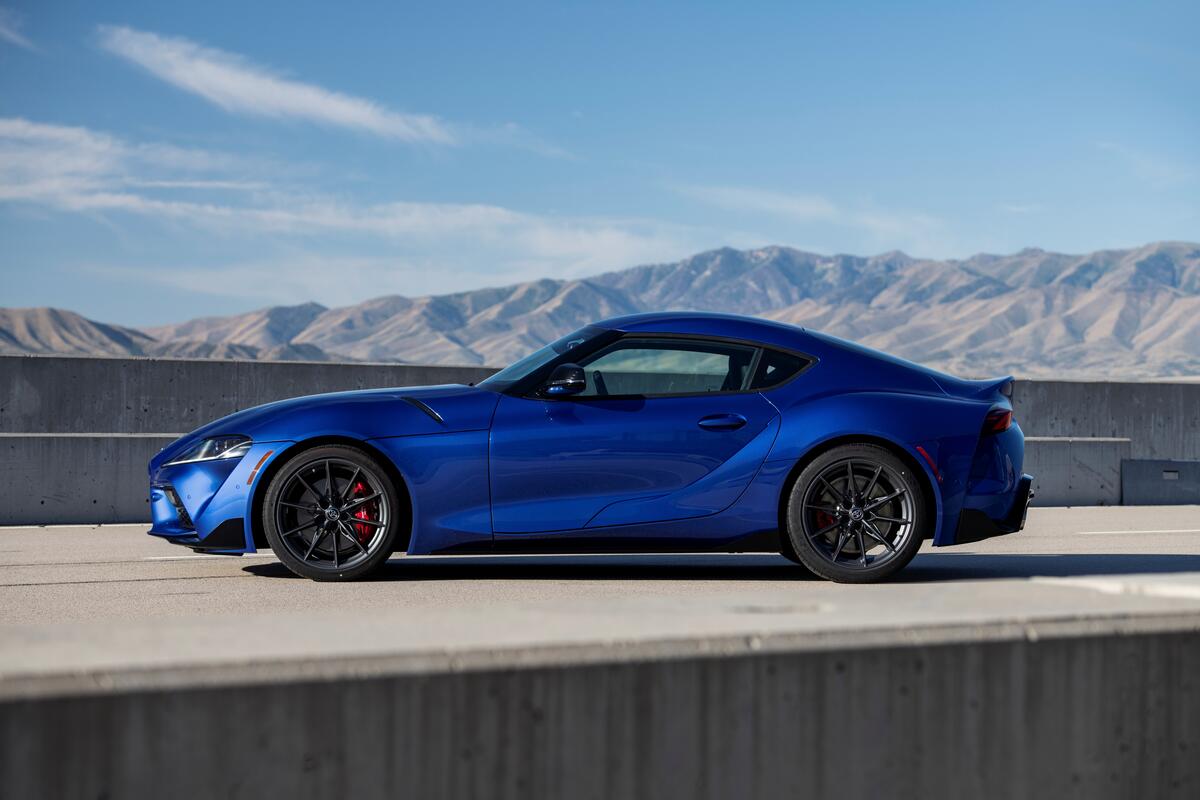
Toyota Supra
"It wasn't cool on your Supra. You're not cool unless you pee your pants."
The Toyota Supra is a well-known sports car. The hosts are basically saying they didn’t think that door style looked right on it.
The Toyota Supra is a performance sports car nameplate that’s been used across multiple generations. In this segment, it’s referenced as another car where the hosts didn’t like the door style being discussed.

Volkswagen Id
"The Volkswagen ID form. They've had a lot of problems with some of these ID cars."
Volkswagen’s ID line is their electric-car lineup. The hosts are saying some of these EVs have had problems, which affects how people feel about buying them.
The Volkswagen ID family refers to Volkswagen’s electric vehicles built on the ID platform (for example, ID.4 and ID. Buzz). The hosts mention that “ID cars” have had problems, pointing to the broader topic of EV reliability and early-production issues.
Stellantis numbers
"By the way, do you see the Stellantis numbers?"
Stellantis is a big car company that owns multiple brands. When they say “Stellantis numbers,” they mean the company’s recent results like sales or financial performance.
Stellantis is the automaker behind brands like Jeep, Dodge, Chrysler, and Peugeot, among others. “Stellantis numbers” likely refers to the company’s financial or sales figures being discussed in the context of the broader automotive news cycle.
starting V8
"[2960.2s] I mean, I think you can get a starting V8 at what, 43? [2963.5s] Yeah, 45. [2964.9s] This is so funny."
“Starting V8” means the cheapest trim/option that still comes with a V8 engine. They’re saying you don’t necessarily have to pay a huge amount to get a V8 in this SUV.
“Starting V8” means the least-expensive version of a model that still uses a V8 engine. The hosts are using it to argue that buyers can get into a V8-powered SUV at a relatively accessible price point.
Request an Explanation
Heard something you'd like explained? We'll add it to this episode.
Sign in to request explanations for terms you heard.
Want to learn more?
Browse our glossary for plain-English explanations of automotive terms, jargon, and concepts.
Help improve this episode
See something that's not quite right? Our annotations are AI-generated and can sometimes miss the mark. Click the flag icon on any annotation to suggest a correction.