
#079 - Single Cab TRX? Porsche Cayenne Daily? M3 Prices Go Up, GTI Polo EV, Lease Deals & More
About this episode
Hosts kick off by unpacking how “car culture” creators explain the buying process—and why viewers sometimes read it as defending dealers or manufacturers. They pivot into market reality: aggressive lease and financing promos, how to avoid lease penalties, and why used-car prices (like cheap Cayennes and rising M3s) often come with catch-up work. The conversation also hits TRX “street truck” ideas, manual-transmission value, and a few specific deal examples (S500, Taycan, and a black-on-black manual SS).
Support Clutch Culture Content by ordering The Complete Detail Kit from hyperCLEAN: Support those that support the show!
We're building the biggest online car club in the world. Join the community! clutch.club
Clutch Culture Hoodies BACK IN STOCK: https://hypercleanstore.com/collections/gear-up/products/clutch-culture-hoodie
Enjoying the show? Drop us a 5 Star rating AND review. Thanks in advance!
Sharing the show is the best way to help it grow!
Email your questions, topics, stories: [email protected]
If you're a parts manufacturer or supplier that want's to be apart of either the 2003 LX470 or 2014 Gen 1 SVT Raptor, get in touch with us via email at [email protected]
Follow the show on social @ClutchCulturePod on Instagram & TikTok

F-150 Raptor
"...he complete detail kit. I actually got to hit the Raptor with some eco one or something to get the dust of..."
The Ford F-150 is a large pickup truck. The podcast mentions using a product to clean dust off an F-150 variant (the Raptor). It’s part of a conversation about keeping the truck looking good.
The Ford F-150 is a full-size pickup truck and one of the most common trucks on the road, known for versatility and available powertrains. The podcast mentions hitting an Raptor with an “eco” detail kit to remove dust, which suggests hands-on ownership or maintenance talk. It’s included because the F-150 family is often discussed in the context of real-world care and customization.

Toyota Crown
"Toyota crown office chairs straight out of a Toyota crown."
The Toyota Crown is a Toyota car model that’s popular in Japan. Here, the hosts are joking about getting Toyota Crown seats/chairs as office furniture, showing how car brands sometimes make non-car products too.
The Toyota Crown is a long-running Toyota nameplate best known in Japan for being a premium sedan. In this segment, the hosts are talking about Toyota Crown-branded office chairs, which are a quirky example of how car brands can extend into lifestyle products.
seat belt
"And by the way, they kept the seat belt thing there. Yes, it's actually a USB port, by the way."
A seat belt is what you buckle in to stay safely in your seat. They’re saying the chair includes a seat-belt-style feature too.
A seat belt is a restraint system designed to keep occupants secured during a crash. Here, the hosts say the chair setup “kept the seat belt thing,” meaning the product includes a seat-belt-like feature for authenticity or styling.
USB port
"Yes, it's actually a USB port, by the way. Oh, OK, that's not."
A USB port is the common connection you use to plug in devices like a phone charger. They’re pointing out the chair has one, like a modern gadget.
A USB port is a standardized connector used to power and/or transfer data to devices like phones and accessories. The hosts mention it as a feature on the Toyota Crown office chair setup, emphasizing that it includes modern convenience tech.

Dodge Charger SRT8
"Somebody sent me a video of 2006 Dodge and Veil's the Charger SRT8. Now, for those of you that don't remember, I actually remember this."
The Dodge Charger SRT8 is a high-performance version of the Charger. The hosts are talking about a specific 2006-era SRT8 in a video, including the “cop chase” vibe people associate with Chargers from that time.
The Dodge Charger SRT8 is a performance-focused Charger variant from Dodge’s SRT (Street and Racing Technology) lineup. In this segment, the hosts describe a 2006 Dodge Charger SRT8 being chased by a cop Charger, tying the car to the era’s “muscle car” culture and media presence.
art imitates life
"Essentially, art imitates life, as we all know. They know who they were going to be selling these cars to."
This phrase means stories and videos often mirror real life. They’re using it to say the video feels like it matches what would really happen with cars like that.
“Art imitates life” is a common phrase meaning creative media often reflects real-world events and behavior. The hosts use it to connect the Charger video’s “what happened” vibe to how people expect these cars to be used and portrayed.
rabbit hole
"“...our conversation last week led me down what's under $20,000 in the around the country. What's I started going down this rabbit hole?”"
A “rabbit hole” is when you start looking into something and suddenly you can’t stop. In car terms, it’s like one deal or article leads you to keep digging into more cars and prices.
“Rabbit hole” is a metaphor for getting pulled into a deep, time-consuming research spiral. In car shopping terms, it often describes how one listing or article leads to lots of related searches—prices, trims, and comparable cars—until you end up with a full shopping strategy.
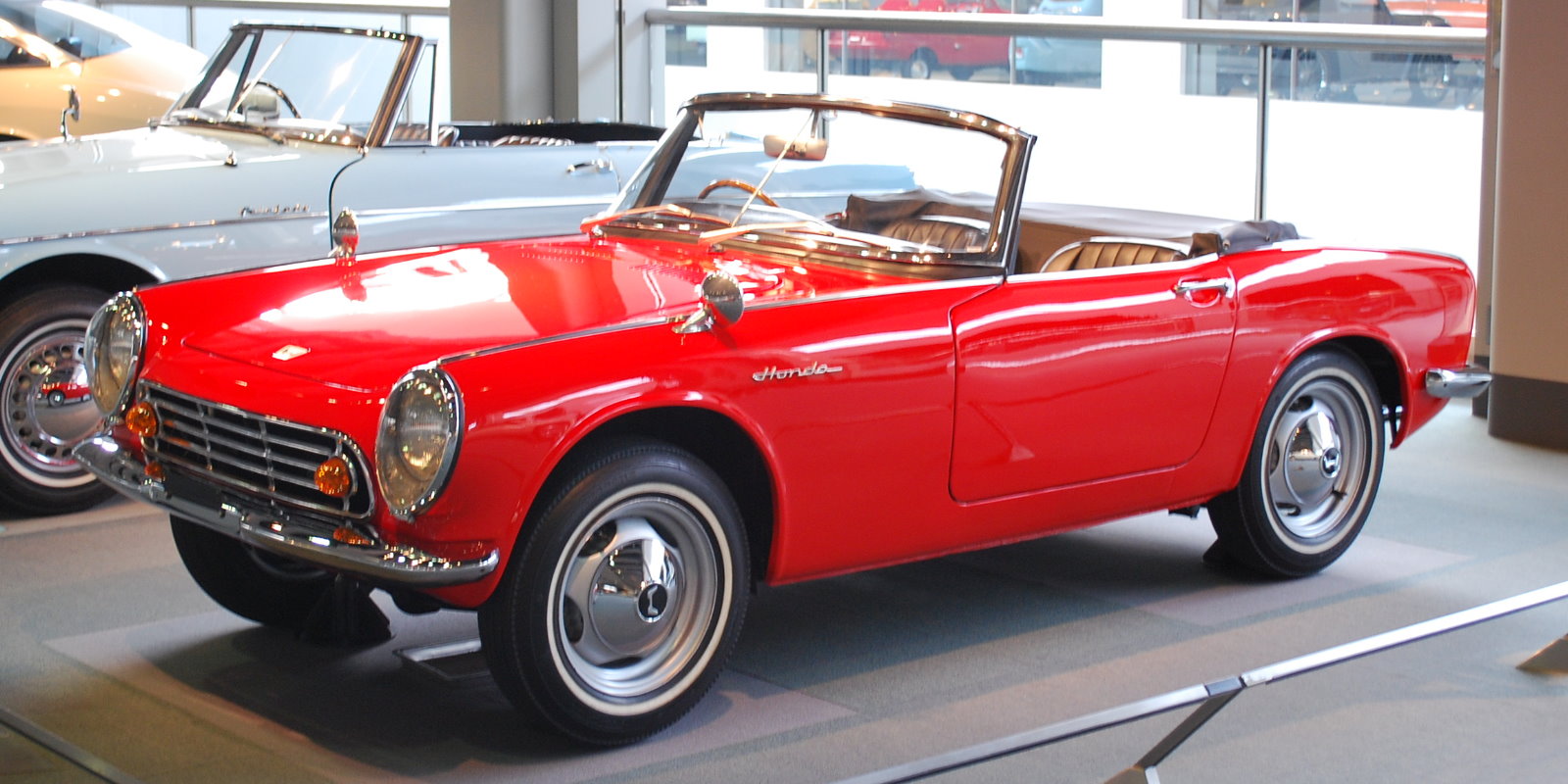
Honda S500
"... this rabbit hole? My buddy Brian just sent me an S500 for $16,000. $16,000. Yeah. Is he going to buy it..."
The Honda S500 is an older, classic Honda sports car. The podcast is talking about one being offered for $16,000 and whether someone will buy it. It’s mentioned because classic cars like this are often judged by price and condition.
The Honda S500 is a small, classic Honda sports car from earlier decades, known for its lightweight, fun-to-drive character. The podcast mentions a buddy sending one for $16,000 and asks whether he’ll buy it, which highlights how these older cars can become targets for enthusiasts. It’s discussed because pricing and availability for classic sports cars is a big part of the buying decision.
Taycans
"“Shout out Brian for sure. Great, great part of the hyper clean specialist group in the whole ecosystem. Cayans, excuse me, Taycans, M3s.”"
“Taycans” refers to the Porsche Taycan, Porsche’s electric car. People bring it up when they’re talking about what you can buy for the money, especially used or discounted deals.
“Taycans” is a reference to the Porsche Taycan, Porsche’s all-electric performance sedan. It’s often discussed alongside other Porsche models because used pricing and lease deals can make it a more accessible way to get into Porsche EV ownership.

Porsche Taycan
"... group in the whole ecosystem. Cayans, excuse me, Taycans, M3s. I mean, depending where you're looking and ..."
The Porsche Taycan is an electric car made by Porsche. It’s designed to be fast and exciting to drive, not just a normal commuter. The podcast mentions it alongside other performance cars people compare when shopping.
The Porsche Taycan is Porsche’s electric performance sedan, known for quick acceleration and a high-tech driving experience. The podcast groups it with other performance cars (like M3s and other models) while discussing what people are looking at in the “ecosystem.” It’s mentioned because it represents the electric side of Porsche’s performance lineup.
lift kit
"...you're really thinking about, you know, lift kit, you know, front bumper, rear bumper with the swing out, you know, with the swing out tire."
A lift kit raises the car higher off the ground. It’s commonly done to fit bigger tires and look more off-road, but it can make the vehicle harder (and sometimes more expensive) to maintain.
A lift kit raises a vehicle’s ride height by changing suspension components. That creates more clearance for larger tires and gives an off-road stance, but it can also increase wear and make repairs more expensive.
swing-out tire carrier
"...lift kit, you know, front bumper, rear bumper with the swing out, you know, with the swing out tire."
A swing-out tire carrier is a spare-tire mount at the back that swings open so you can reach the spare. It’s typical on off-road setups, but it adds extra parts that can wear out or be more expensive to fix.
A swing-out tire carrier is a rear-mounted mount that lets the spare tire swing outward for access. It’s common on off-road builds, but it adds weight and complexity to the rear door/hardware, which can affect durability and repair costs.
auction market pricing
"...Where do you hit sell? Well, when I was following the auction, I thought to myself, I'm going to say how I think about it. I'm not saying this is right."
Auction market pricing is what a car actually sells for when people bid on it. The hosts are saying prices can move around a lot based on what buyers want right now.
Auction market pricing refers to how cars’ values are set by what buyers bid at auction rather than a fixed retail sticker price. The hosts discuss how the same model can swing in value depending on the current demand cycle and how people perceive the platform.
platform misperception
"...I'm not saying this is right. The E 90 platform has has always in this whole run up of E 92 and E 46 and all this kind of stuff. People have thought about the platform wrong, in my opinion."
They’re basically saying people can misunderstand what a car’s “base design” is really like. In this case, they think the market has been judging the BMW platform the wrong way, which affects prices.
“Platform misperception” here means buyers and the market misunderstanding what a vehicle’s underlying architecture (platform) is actually good for. The hosts argue that people have judged the BMW E90 platform incorrectly during a broader value run-up across related models.
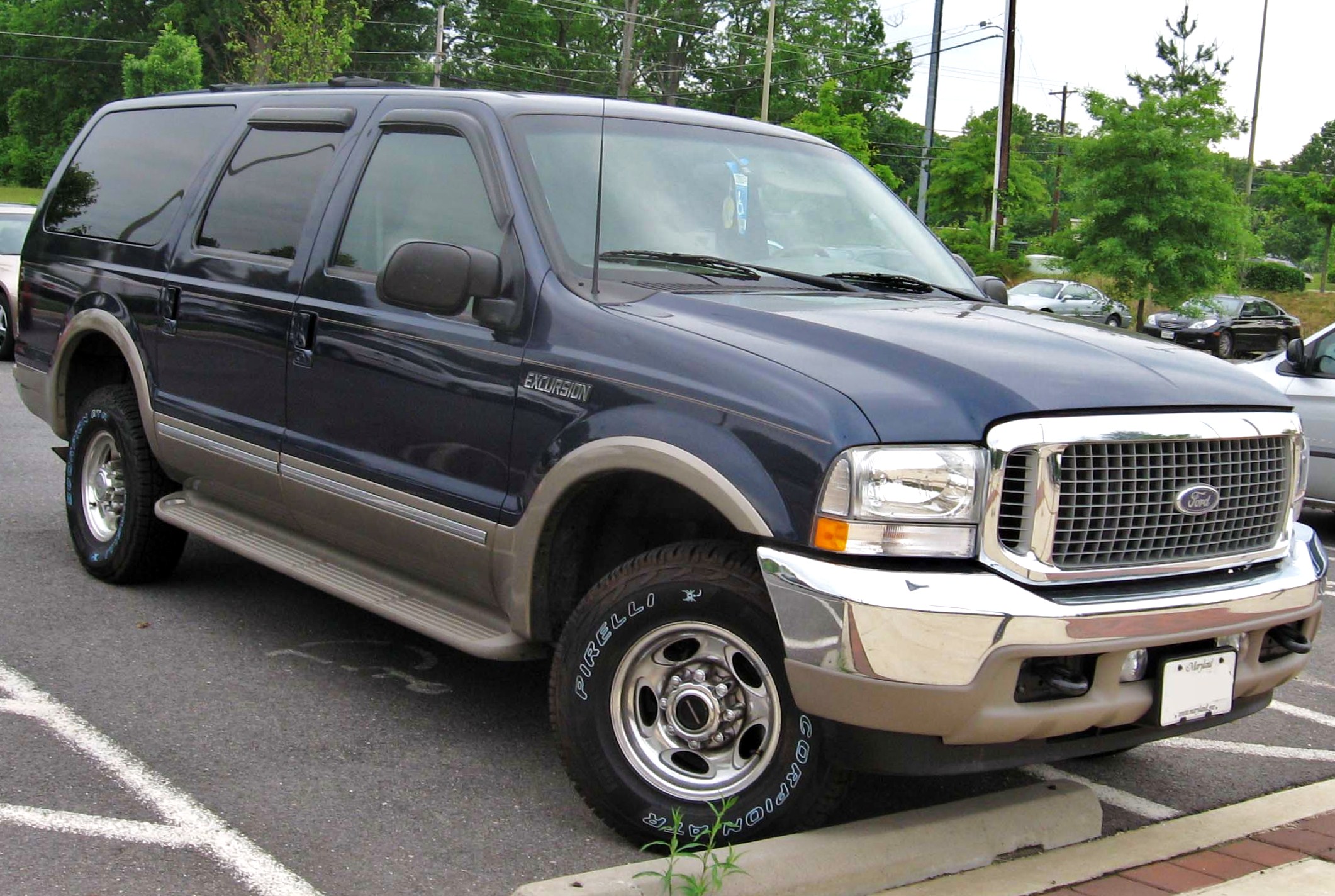
Ford Excursion
"...get me wrong. But now I'm probably taking that to excursion. I'm taking that to wagon. I'm taking that and th..."
The Ford Excursion is a very large SUV. The podcast mentions it as a choice for where to take something, likely because it’s roomy and capable. It’s being discussed as an option based on size and practicality.
The Ford Excursion is a large, full-size SUV known for its big size and truck-like practicality. The podcast references taking something “to excursion” and “to wagon,” implying it’s being considered as a vehicle choice for a particular purpose or setup. It comes up because the Excursion’s size and capability make it a distinct option compared to smaller vehicles.
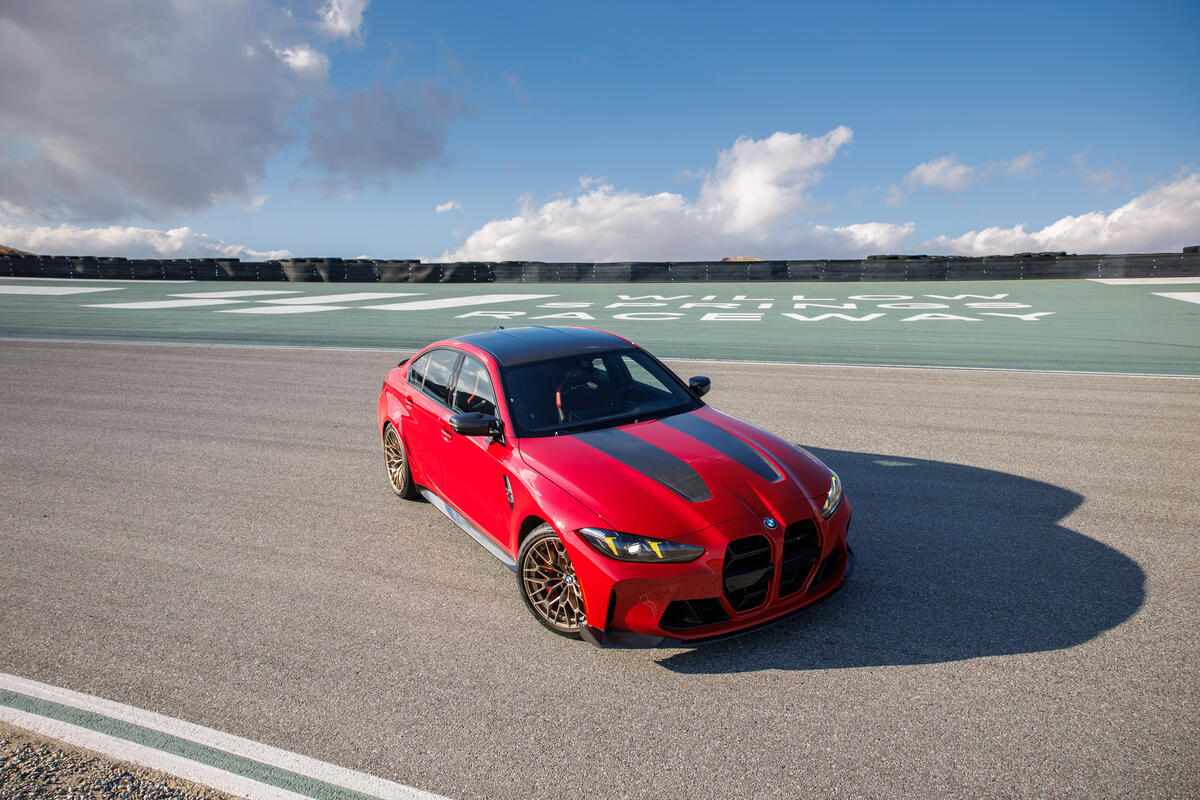
BMW M3
"that are not meant to be flipped. And this would be a lot of these M threes are not going to be flipped in the next five years, right? They're going to stay with somebody, you know, because [1306.4s] they want they just want them to keep going."
The BMW M3 is BMW’s high-performance version of the 3 Series. Here, the hosts are saying people tend to keep these cars because they really want to drive and own them, not just resell them for profit.
The BMW M3 is BMW’s performance-focused “M” model, known for being a driver’s car with a strong enthusiast following. In this segment, they’re talking about how many M3s are likely to be kept by owners rather than flipped quickly, which ties into how the model’s demand affects pricing.
asset return
"Most people buying that is because they want to own it. It's not some kind of collection piece or some asset by I mean, asset stuff, you're looking at, you know, 250, 550, a million, a million and a half. Those are where people think they're going to see a real return, whether they do or not, you know, time tells if they pick the right platforms."
They’re talking about whether some cars can act like investments. The idea is that you might buy a car expecting it to be worth more later, but it’s not guaranteed—time will show if you picked well.
The hosts are discussing cars as an investment “asset,” specifically whether certain models will deliver a real return over time. They mention that the outcome depends on choosing the right platforms, and that “time tells” whether the price gains actually materialize.

Chevy SS
"How did that? How did you not pull up a Chevy SS by now? Oh, I did. I had those already saved. You just dinged on your phone. I got a bunch of those. Yeah. Yeah. There's a 17 black on black. I don't want black. But yeah, I agree. Yeah, Black on black, pretty low miles for like [1396.9s] 43. And I'm like, damn, that's a good price. It's undervalued. It's a really good price."
The Chevrolet SS is a performance sedan that enthusiasts like because it’s a real driver’s car. Here they’re saying a particular Chevrolet SS—manual and low miles—is a great deal because most similar cars are automatic and priced higher.
The Chevrolet SS is a performance sedan from Chevrolet’s lineup that’s especially known in enthusiast circles for being a relatively rare, V8-powered, rear-wheel-drive car. In this segment, they focus on a specific market situation: a low-mileage, black-on-black example with a manual transmission being “undervalued” compared with the many automatic cars available.
manual transmission
"It's undervalued. It's a really good price. It's a manual as well. There's a ton of automatics out there. There's only like seven or eight [1404.3s] manuals right now on the market."
A manual transmission is the kind of car where you use a clutch pedal and a gear stick to choose gears. The hosts are pointing out that manual versions are rare, which can make them more desirable.
A manual transmission is a gearbox where the driver selects gears using a clutch pedal and a shift lever. Enthusiasts often prefer manuals because they provide more direct control of engine speed and gear selection, and this segment highlights how uncommon manuals are in the Chevy SS market.
wrap
"So [1409.2s] I thought to myself, man, I could get it wrapped really well. But I like, I just something about [1412.5s] me doesn't want to wrap it."
A “wrap” is a vinyl covering you put over a car’s paint to change the look or protect it. They’re saying this car might be better left alone rather than covered up.
In car culture, “wrapping” usually means applying a vinyl film over the paint to change color, add protection, or update appearance. The hosts are debating whether wrapping this particular car makes sense aesthetically or practically.
PPF
"Would I change the color of the LX with colored PPF? The answer is yes. Oh, that's right. We're kind of far down that road of exact colors and but I'm letting the kinks get worked out of color PPF."
PPF is a clear protective film you stick on your car’s paint. It helps protect the paint from small damage, and some versions can be tinted or colored for a different look.
PPF (paint protection film) is a clear protective layer applied to a car’s paint to help prevent chips, scratches, and light abrasions. In the episode, they’re talking about using PPF to change or protect the look of a car’s color—specifically mentioning colored PPF.
used-car price increases for enthusiast cars
"Well, let's go the opposite direction real quick, because this was pretty interesting at what the prices of these are doing. Tell me what you think these are going for right now... Most of you who listen to us are enthusiasts... somebody is driving around an Audi now and they're like, I always wanted to own a civic SI."
They talk about how used-car prices—especially for enthusiast models—have been going up. They also discuss how that changes what people end up buying.
The hosts pivot into a discussion about how prices for certain cars are moving upward (and how that affects buyer expectations). They use the Civic Si example to illustrate the broader market shift and then connect it to how enthusiasts are buying (or not buying) what they want.

2000 civic SI
"Never mind. What's a 2000 civic SI with 50,000 miles, I think it is. I mean, I would have guessed 50, but oh, really? Okay, 39, 9."
The Honda Civic Si is a sportier version of the regular Civic. Here, they’re talking about how much a 2000 Civic Si with low-ish mileage is selling for today.
The Honda Civic Si is a performance-focused trim of the Civic, typically aimed at drivers who want a more engaging, enthusiast-friendly version of a compact car. In this segment, the hosts discuss how a 2000 Civic Si with about 50,000 miles has risen in price, framing it as a “what it’s going for right now” market conversation.
exhaust
"These weren't a $20,000 experience when they were new. No, they were like a $12,000 experience. Unless you put the mode tech system exhaust and the just said 12 grand."
The exhaust is the system that carries gases out of the engine. Changing it (like with an aftermarket exhaust) can affect how the car sounds and feels, and it can also affect resale value.
An exhaust system is the set of components that routes engine gases from the engine to the tailpipe. The episode mentions an aftermarket exhaust as part of what can change the car’s value—specifically referencing the “mode tech system exhaust.”
Mode Tech
"Unless you put the mode tech system exhaust and the just said 12 grand."
Mode Tech is referenced as a brand name for an aftermarket exhaust system. In enthusiast circles, specific exhaust brands can matter because they’re associated with particular fitment, sound, and perceived quality.
going backwards
"But you've already kind of gone to a certain level. So I see a lot of people going backwards and [1578.4s] and the reason I say this is I get a lot of these phone calls."
“Going backwards” here is the idea that once you’ve gotten used to a higher tier of car—typically comfort, refinement, and daily usability—downgrading to something cheaper or less premium can feel disappointing. The hosts frame it as a mismatch between nostalgia/childhood favorites and what the car is actually like once you’re paying real money for it.
modifications
"I'm going to buy this. I'm going to do all the modifications. I'm going to do it all to a high [1649.0s] level. And then I'm going to make this thing awesome."
They’re talking about adding aftermarket parts or upgrades to make the car better than it comes from the factory. Their warning is that the total cost can get way higher than people expect.
In this context, “modifications” means aftermarket changes intended to improve the car’s look or performance beyond stock. The hosts emphasize that if you plan to modify a Civic Si to a high level, you should price out the total cost today—because the “$40k” purchase can quickly balloon once parts and labor are included.
Honda Civic
"...rst was released. It's obviously based off of the civic platform, but it looks good. It's like wide. Has ..."
The Honda Civic is a compact car made by Honda. The podcast mentions a Civic that looks wider and more aggressive, even though it’s still based on the Civic’s main design. It’s being discussed for its appearance and platform connection.
The Honda Civic is a widely sold compact car known for being practical, efficient, and easy to live with. In the podcast, it’s brought up in the context of a newer-looking Civic that’s based on the Civic platform but has a wider, more aggressive stance. That kind of styling shift is often discussed because it changes how the car looks and feels on the road.

Acura Legend
"...ple are going to be shocked. I'd rather have that Acura Legend two-door Grand Coupe. No, you wouldn't really. He..."
The Acura Legend is a luxury sedan made by Acura. The podcast talks about liking a two-door “Grand Coupe” version instead of another style. It’s mentioned because people have preferences for certain body styles.
The Acura Legend is a luxury sedan from Acura’s lineup, known for comfort and a more upscale driving experience. The podcast mentions preferring a two-door “Grand Coupe” style Legend, indicating a discussion about specific body styles and what enthusiasts like. It’s brought up because the Legend can be a desirable classic for people who want a particular look and feel.

Acura Integra
"...g, they weren't my thing. If you're, if you're an Integra guy, I would obviously say buy the Integra. Didn'..."
The Acura Integra is a compact car from Acura. The podcast is saying that if you like the Integra, you should buy one. It’s mentioned because it has a loyal group of fans.
The Acura Integra is a compact performance-oriented car that’s often associated with enthusiast driving and strong aftermarket support. The podcast frames it as “if you’re an Integra guy, buy the Integra,” which highlights how the model has a dedicated following. It’s discussed because buyers often choose it based on identity and driving character rather than just specs.

Acura CL
"...h, absolutely. And for everybody at once, I had a CL type S Acura, one of the best coupes I've ever ow..."
The Acura CL is a luxury coupe. The podcast talks about owning a CL Type S and really liking it as a car. It’s mentioned because it’s a specific trim people associate with a more exciting feel.
The Acura CL is a luxury coupe known for its comfort and classic coupe styling. The podcast mentions having a CL Type S and calls it one of the best coupes they’ve owned, which points to the car’s appeal as a personal, enjoyable daily or weekend car. It’s discussed because the Type S trim is often remembered for adding a sportier character.

Toyota Corolla
"...an by it's not coming back, like you can buy a GR Corolla, right? So at least with Toyota, you have somewhe..."
The Toyota Corolla is a common, everyday compact car. The podcast talks about whether a particular Corolla-style option is returning, and mentions the GR Corolla as a performance version you can buy. It’s part of a discussion about what Toyota offers now.
The Toyota Corolla is a mainstream compact car that’s known for dependable daily transportation and strong value. The podcast references the idea of not having a certain model “coming back,” then points to the GR Corolla as an option within Toyota’s lineup. That’s why it comes up: people compare what’s available versus what they want from a performance-oriented Corolla.
infotainment
"That dumb infotainment they have too in the new ones is unbelievably terrible. [1784.3s] we're going to stay down doing it wrong."
Infotainment is the screen and electronics in the car that handle things like music, maps, and phone features. The host is saying Acura’s infotainment hasn’t been good in the newer models.
Infotainment is the car’s integrated system for functions like navigation, audio, phone connectivity, and touchscreen controls. The host criticizes Acura’s infotainment in newer cars, implying it’s difficult to use or poorly designed compared with expectations.
low mileage
"It's a Z28, but it's an SS 2000 miles, 2500 miles actually. What is it going for? [1811.1s] 48. Survey says 35 to"
Low mileage means the car has been driven very little. For older cars, that often makes them more desirable and can raise the price.
“Low mileage” refers to how few miles a car has been driven, which often matters a lot for older vehicles. In collector markets, very low mileage can increase value because it suggests less wear and tear and potentially fewer deferred maintenance items.
GM plastic
"I personally love this car. [1829.1s] Man, that GM plastic dude. I know my GM, my 95 GMC had the same interior."
“GM plastic” is a nickname fans use when they think a GM car’s interior feels like cheap hard plastic. The host is basically saying the Camaro’s interior reminds them of their older GMC.
“GM plastic” is an enthusiast shorthand for the perception that certain General Motors interiors used a lot of hard or low-cost-feeling plastics. In this segment, the host compares the Camaro’s interior materials to their experience with a 1995 GMC.

Chevrolet Cavalier
"It is terrible. That's off the Cavalier, by the way. And it was so bad."
The Chevrolet Cavalier is a compact car that was sold for a long time. People sometimes modify them because they’re common and relatively inexpensive to work on.
The Chevrolet Cavalier was a compact car sold in multiple generations, especially popular in the 1980s–2000s. In enthusiast circles, it’s often referenced as a common base for cheap modifications and “button”/cosmetic upgrades.
parking brake
"Yeah, yeah. The buttons. Three C's. Got the got the parking brake jacked up all the way. I mean, look at that cloth."
The parking brake is the brake you use to keep the car from rolling when it’s parked. It’s separate from the main brake pedal.
The parking brake (also called the handbrake) is a secondary braking system used to hold the car stationary when parked. Some cars use a lever or foot pedal, and the hosts are describing it being “jacked up all the way,” likely as part of a visual/fit-and-finish critique.
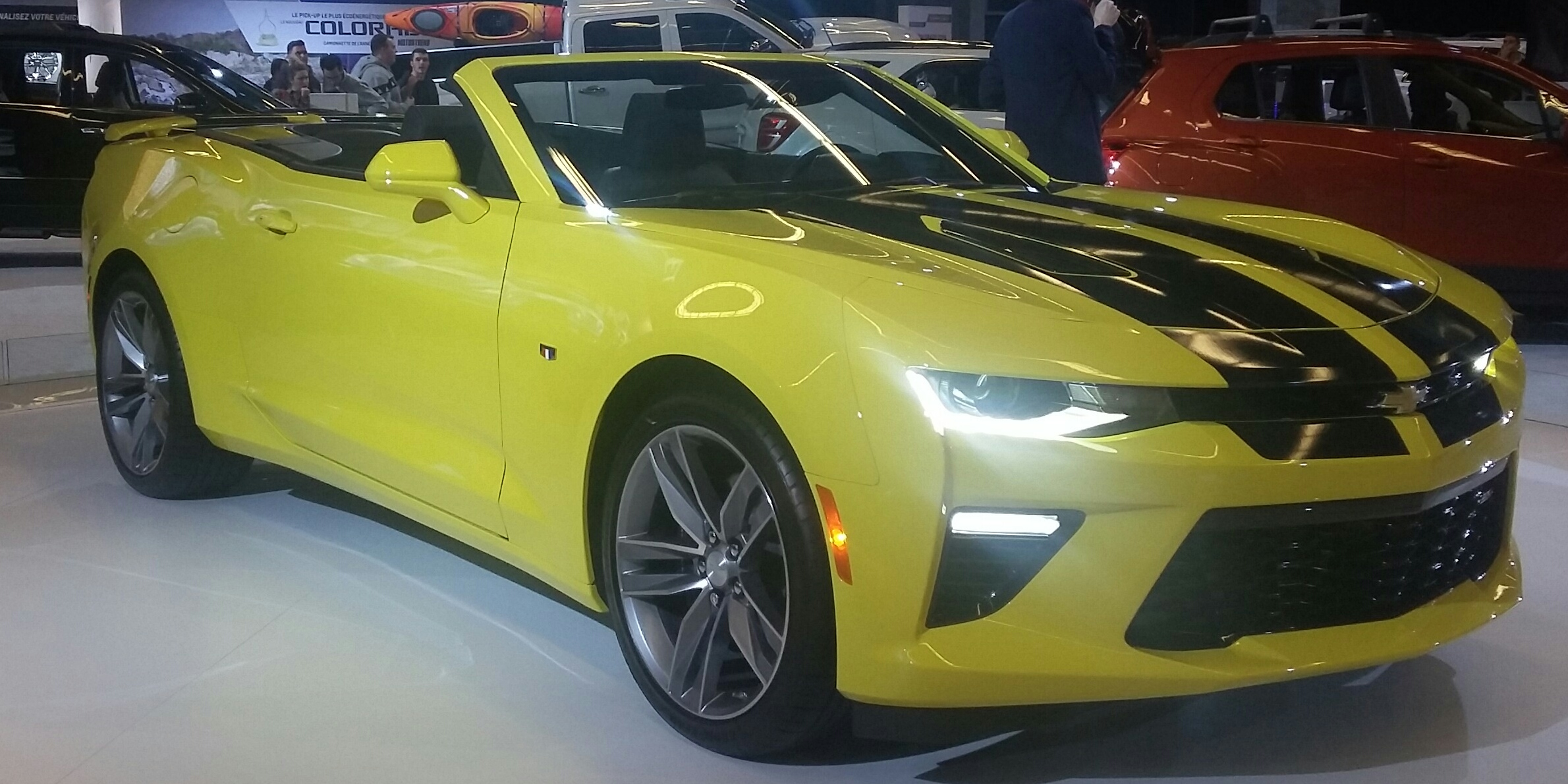
Chevrolet Camaro
"Hey, you can fit, you can fit car seats back there. That is pretty roomy for 2000 Camaro, now that I think about it."
The Chevrolet Camaro is a classic American sports car. They’re talking about how much room it has in the back seats compared with other cars.
The Chevrolet Camaro is a long-running American pony car known for its sporty styling and V8/track-friendly heritage. The hosts are discussing rear-seat usability, comparing it to a “2000 Camaro,” which highlights how practical (or not) these cars can be for passengers.
chrome
"We all love chrome back in the day. By the way, if you have chrome, just use acid. ... I don't necessarily want it on my stuff. I just kind of like, you know, I just kind of like knowing it's there."
Chrome refers to a shiny metal finish (often chrome plating) used on trim and wheels to create a reflective, “bling” look. The hosts debate whether adding chrome is worth it, and mention using acid to polish chrome—reflecting how enthusiasts historically maintained that finish.
spinners
"Give somebody a nod. Here's the thing. If they brought spinners back and they caught fire back, oh, okay. Yeah, All right. Yeah. I like you got those on there."
Spinners are wheels that move/spin on their own for a flashy look. They’re the kind of wheels people either love or think are too much.
Spinners are aftermarket wheels designed so the wheel face rotates independently, creating a “spinning” effect when the car moves. The hosts mention bringing spinners back and joking about them “catching fire,” which points to the stereotype of flashy, sometimes problematic wheel setups.
softening market
"As Nick said, softening market. Yeah, it's, you and I have been sharing some videos back and forth. There is a lot of 0%."
A “softening market” means fewer people are paying top dollar right now. When that happens, dealers often add better deals—like discounts or cheap financing—to sell cars.
A “softening market” means demand is easing and buyers have more leverage, so manufacturers and dealers respond with stronger incentives. In this segment, the host connects it to financing promos (like 0% deals) and discounts, which are meant to move inventory.
0%
"There is a lot of 0%. There's a lot of 0% plus 7,000 off. Guys, you have to look around... I've heard a lot of 0%, 72 months, 0%, 60 months, 0%, 7K off, 8K off."
“0%” means the financing deal has no interest charge. That can make the monthly payment cheaper than a normal loan, depending on the loan term.
“0%” here refers to a promotional auto loan interest rate of 0%, meaning the lender charges no interest for the financing term. It’s often paired with a specific duration (like 60 or 72 months) and can be used to make monthly payments look lower even if the vehicle price is unchanged.
Tesla
"Have you looked at recent lease deals from Tesla to Yoda? Because they're great. They are great. Yeah, the lease deals."
Tesla is the company that makes the electric cars being discussed. Here, the host is using Tesla’s lease offers to show whether the market is getting more or less expensive.
Tesla is an automaker known for selling many vehicles through direct-to-consumer channels and using leasing incentives to manage demand. In this segment, Tesla lease deals are used as a real-world signal of how pricing and incentives are changing.
fleet sales
"What you're also going to see is you're going to see a lot of fleet sales, right? You're going to see a lot of those, you know, which would be sort of on the commercial side of the business."
Fleet sales are when companies buy cars in larger quantities for their own use. The host says you can often see more of this when the overall market is slowing down.
Fleet sales are bulk vehicle purchases by businesses that operate many cars—like delivery, service, or rental operations. The host connects increased fleet sales to a commercial-side push and uses it as another sign of a market that’s getting softer.

2026 Tesla Model 3
"but this was so interesting. I was like, huh, 2026, model three, rear wheel drive, 10,000 mile allowance, $299. I mean, that's a no Brent. What's it? What's do it signing? 34."
The Tesla Model 3 is an electric car model. The host is talking about a 2026 Model 3 lease and breaking down the deal terms like how many miles you’re allowed and what it costs per month.
The Tesla Model 3 is Tesla’s mainstream electric sedan, and this segment focuses on a specific 2026 Model 3 lease offer. The host highlights key lease terms like rear-wheel drive, a 10,000-mile allowance, and a monthly payment structure to illustrate how lease pricing is shifting.
mileage allowance
"2026, model three, rear wheel drive, 10,000 mile allowance, $299... Guys, the thing on leases, let me, let me tell you how to not lose on a lease. Don't go over the mileage."
On a lease, there’s usually a limit on how many miles you can drive. If you go over that limit, you often pay extra money when the lease is over.
A mileage allowance is the number of miles you’re permitted to drive during a lease term without penalty. The host emphasizes that staying within the allowance is crucial because exceeding it typically triggers extra charges at lease end.
trade-in
"checked into it. Don't get dings and scratches and stuff like that. They'll ding you on trade-in."
A trade-in is when you give your old car to the dealer to help pay for a new one. If your old car has damage, the dealer may offer you less money.
A trade-in is when you turn in your current vehicle to a dealer as part of the purchase of another car. Dealers often adjust the trade-in offer based on the car’s condition, so damage can reduce what you’re paid.
lease
"They are going to go over it and I have some customers that have done Tesla lease deals before... So just so we're clear on leases, don't let the car get all dinged up. Don't let the interior get destroyed and also do not go over your mileage."
A lease is a contract where you pay to use a car for a set term and mileage limit, then return it. Lease agreements typically include end-of-lease charges for excess wear and mileage, which is why the host emphasizes avoiding dings and staying under the mileage allowance.

Toyota RAV4
"And then the other one that really stuck out is Toyota's RAV4. The RAV4 is such a sought after platform and they're all, I think, I think they're all hybrids at this point"
The Toyota RAV4 is a popular SUV. The host says most of them are hybrids now, which can make them more in-demand—especially for lease deals.
The Toyota RAV4 is a compact SUV that’s become extremely popular in the U.S., and the host notes it’s largely hybrid-equipped now. That popularity and the hybrid trend can affect pricing and availability, especially when leasing.

Toyota Grand Highlander
"but RAV4, which is the new Grand Highlander size, basically, yeah, dude, they're big."
The Toyota Grand Highlander is a bigger Toyota SUV with more room. The host mentions it to describe how large the newer vehicles feel.
The Toyota Grand Highlander is a larger, three-row version of the Highlander family. The host uses it as a size reference for the current RAV4 lineup, implying the model has grown in perceived “big SUV” direction.
Toyota Care
"And they have the Toyota care for two years, you have no maintenance essentially."
Toyota Care is Toyota’s included service plan for routine maintenance. The host likes it because it can mean fewer maintenance bills while you’re leasing.
Toyota Care is a bundled maintenance plan offered by Toyota that can cover routine service for a set period. The host highlights it as part of the lease value because it reduces the chance you’ll be responsible for maintenance costs during the contract.
tax wise
"this this kind of stuff speaks to for those of you that don't own a business leasing a car through your business is is really powerful tax wise."
The host is saying leasing through a business can sometimes be better for taxes than buying. It depends on the business situation and how the lease is set up.
The host is referring to how leasing a vehicle through a business can have tax advantages compared with buying, depending on how the vehicle is used and how the lease is structured. This is why some business owners prefer leases for higher-end vehicles.

Land Rover Range Rover
"... of people get into big lease deals on, you know, Range Rover, right, instead of buying it, they could buy take..."
The Range Rover is a large luxury SUV from Land Rover. The podcast mentions it because some people choose to lease it with big monthly deal offers instead of buying. It’s about how people handle the cost.
The Land Rover Range Rover is a large luxury SUV known for comfort, off-road capability, and high-end features. In the podcast, it’s referenced in the context of leasing versus buying, especially “big lease deals.” That makes it a common topic when people discuss total cost and ownership decisions for expensive luxury vehicles.
write off the payments
"big right off and pay for it or you can, you know, lease it and just write off the payments. [2413.4s] These lease deals being this aggressive tells you"
“Write off” usually means you can potentially deduct certain costs from your taxes. If you’re using the car for business, lease payments may be deductible, but it depends on your situation.
“Write off the payments” refers to treating lease payments as a deductible business expense, which can reduce taxable income for qualifying owners. Whether it applies depends on how the vehicle is used and the owner’s tax situation.
preparing a car-shopping "experiment"
"The options don't come from walking into [2476.0s] a dealer uneducated and saying, I hope they give me a good deal. So this part of the [2482.2s] experiment of buying a car, I think people need to get a little more comfortable with."
The hosts frame car buying as an “experiment,” emphasizing research and side-by-side comparisons rather than walking into a dealership unprepared. The key idea is to model total costs and options before negotiating or committing.
phantom costs
"So this part of the experiment of buying a car, I think people need to get a little more comfortable with. [2485.9s] Yeah. And while you're at it, doing that, that's a great suggestion. Go through and find all of [2489.6s] the things that might be phantom costs for financing versus leasing, incorporate your gas,"
“Phantom costs” are extra expenses that aren’t obvious at first. They can show up later—like fees, insurance, or other ownership costs—so you want to include them when comparing options.
“Phantom costs” are hidden or easy-to-miss expenses that don’t show up clearly in the headline price or monthly payment. In car shopping, these can include fees, insurance differences, taxes, and ongoing ownership costs that change between financing and leasing.

Rolls-Royce Phantom
"... through and find all of the things that might be phantom costs for financing versus leasing, incorporate y..."
The Rolls-Royce Phantom is a very expensive luxury car. The podcast mentions the “costs” of owning it and compares financing versus leasing. It’s about how you pay for the car and what that can mean for your total expense.
The Rolls-Royce Phantom is a flagship luxury sedan built for maximum comfort, quietness, and high-end appointments. The podcast references “phantom costs” in the context of financing versus leasing, which is a common topic because these cars are expensive to own. It’s discussed to break down how payment structure can change the total cost picture.
financing versus leasing
"Go through and find all of [2489.6s] the things that might be phantom costs for financing versus leasing, incorporate your gas, [2493.1s] incorporate or unless it's an EV, incorporate your insurance, incorporate everything that you [2496.5s] would the maintenance of whatever the mileage you're driving and calculate it down to the mile."
Financing means you buy the car with a loan and pay it off over time. Leasing means you pay to use it for a set period. Comparing them means looking at the total cost, not just the monthly payment.
“Financing versus leasing” is the comparison between buying a car with a loan (financing) and paying for temporary use (leasing). The best choice depends on total cost over your expected driving period, including fuel/energy, insurance, and maintenance.
EV
"Go through and find all of [2489.6s] the things that might be phantom costs for financing versus leasing, incorporate your gas, [2493.1s] incorporate or unless it's an EV, incorporate your insurance, incorporate everything that you"
EV means electric vehicle. Instead of buying gasoline, you usually pay for electricity to charge it, so your running costs can be different.
EV stands for “electric vehicle,” meaning the car is powered primarily by an electric motor and battery rather than a gasoline engine. The transcript notes that EVs change the cost comparison because you’d model energy costs differently than gas.
Capricorn
"“Are you familiar with Capricorn, the hypercar builder? I wasn't too familiar with him.”"
Capricorn is mentioned as a company that builds very high-end, rare supercars. The hosts are basically saying they learned about it through this Zagato project.
Capricorn is referenced as a hypercar builder, meaning it’s a company involved in creating or commissioning ultra-rare, high-performance cars. The hosts say they weren’t familiar with it until they started seeing the Zagato-related project.
Zagato
"“Instead, I started until I started seeing this, this whole Zagato thing… It’s basically a 900 horsepower V8… Zagato. Basically, they took an F8 hood…”"
Zagato is an Italian company that makes special, custom-style versions of exotic cars. Here, they’re talking about a Zagato-built hypercar prototype with very limited numbers and unique design details.
Zagato is an Italian coachbuilder known for lightweight, distinctive bodywork and one-off or limited-run supercar projects. In this segment, the hosts describe a Zagato hypercar prototype built around a Ferrari F8 base, with custom styling and limited production expectations.

Ford V8 Ford
"... me in the clips. It's basically a 900 horsepower V8 Ford V8 under this. And it is unbelievable. One of 19...."
This is a Ford sedan that has a powerful V8 engine. The podcast says it makes around 900 horsepower, which is extremely high for a car like a sedan. It’s brought up because it’s an impressive performance example.
The Ford V8 Sedan referenced in the podcast is described as having a very high-output V8, with the host saying it’s around 900 horsepower. That kind of build is significant because it turns a sedan into a serious performance machine, which is exactly the sort of thing enthusiasts talk about. It’s mentioned as an attention-grabbing example shown in clips.
carbon fiber
"“Look at this. Look at that. Got a bin fiber. That's how you know you're getting an upcharge.”"
Carbon fiber is a strong, lightweight material used on performance cars. They’re basically saying “if you see this, you know it’s a high-end, pricey build.”
Carbon fiber is a lightweight composite material commonly used in performance cars to reduce weight while maintaining stiffness. The hosts mention it as a visual cue that the build is expensive, since carbon fiber components are typically costly.
upcharge
"“Got a bin fiber. That's how you know you're getting an upcharge.”"
An upcharge is extra money you pay for an upgrade. They’re saying the carbon fiber parts are the kind of option that costs more.
An upcharge is an additional cost added for a specific option or upgrade beyond the base price. Here, the hosts connect carbon fiber to an upcharge, implying it’s a costly add-on.
hypercar prototype
"“Yeah, so this one is still considered a prototype, so it won’t be one of the 19.”"
A prototype is basically a “test” version of a brand-new super expensive car. They’re saying this one hasn’t fully entered the final limited production yet.
A hypercar prototype is an early, pre-production version of an ultra-high-end car used to validate design, engineering, and sometimes manufacturing approach. The hosts note it’s still a prototype, meaning it may not be part of the final limited production count.

Koenigsegg Jesko
"...ommissioned it. It's kind of along the lines of a Jesko. How funny, Gordon Murray. Didn't we just use tha..."
The Koenigsegg Jesko is a very rare, extremely fast supercar. The podcast compares something to it, saying it’s similar in spirit. It’s mentioned because the Jesko is a well-known performance benchmark.
The Koenigsegg Jesko is a high-end hypercar built for extreme performance, typically discussed in the context of top-speed and track-focused engineering. The podcast mentions it as being “along the lines of a Jesko,” connecting it to another supercar being compared. It’s brought up because the Jesko is one of the most talked-about modern performance cars in its class.

Gordon T50
"...t this would interest me a lot more. Click on the T50, that hyperlink right there. I did actually. It's..."
The Gordon Murray Automotive T.50 is a supercar made by Gordon Murray Automotive. The podcast mentions it because they think it would be interesting and encourages looking it up. It’s brought up as a car worth researching.
The Gordon Murray Automotive T.50 is a modern supercar designed around a driver-focused philosophy and advanced engineering. The podcast says it would interest them and points to clicking a link, implying the conversation is about learning more or evaluating the car. It’s discussed because the T.50 is a notable, enthusiast-oriented alternative in the supercar world.
V12
"But I mean, having a V12 in this, I think that's what it says... Yes, a V12."
A V12 is a type of engine with 12 cylinders arranged in a V shape. It’s often associated with smooth, exciting power and a special sound—so people get excited when a car still uses one.
A V12 is an engine with twelve cylinders arranged in a “V” shape. It’s known for smooth power delivery and a distinctive sound, and it’s become rarer as automakers shift toward smaller engines and hybrid systems.
horsepower
"But it's cool to see people realizing that, you know, horsepower has become almost a punchline at this point... maybe not get to the exact horsepower that everybody's talking about..."
Horsepower is a number that describes how much power an engine can make. The host is saying people talk about it so much that it doesn’t always tell you how good the car feels to drive.
Horsepower is an engineering measure of an engine’s power output. The host’s point is that “horsepower” has become a marketing talking point (“a punchline”), and they prefer cars that deliver real driving feel even if they don’t top the charts.
driver experience
"So now if you can build these cars with driver experience and, you know, maybe not get to the exact horsepower that everybody's talking about all the time, I think it's awesome..."
“Driver experience” means how fun and satisfying the car feels to drive day to day. The host is saying it’s better to make a car enjoyable to control than to just brag about big power figures.
“Driver experience” is the idea that a car should feel rewarding to drive—through steering feel, throttle response, shift/gearbox behavior, and overall control—rather than focusing only on peak performance numbers. The host argues that modern hypercars should prioritize this even if they don’t chase the biggest horsepower claims.

Nissan Frontier
"We got a special frontier exclusive debut, I guess yesterday. There's no pricing for it, but there is a new Nissan Frontier Sport Package, which is going to be like a budget friendly off-roader."
The Nissan Frontier is a midsize pickup truck. They’re talking about a new Sport Package that’s meant to make it more capable for off-roading without costing as much.
The Nissan Frontier is a midsize pickup truck known for being a practical, truck-based platform that can be configured for off-road use. In this segment, the hosts focus on a new Frontier Sport Package, positioning it as a more budget-friendly way to get off-road capability.
off-roader
"There's no pricing for it, but there is a new Nissan Frontier Sport Package, which is going to be like a budget friendly off-roader. And I love that they use"
An “off-roader” is a vehicle meant for dirt roads and rough terrain. The idea here is that the truck’s setup is aimed at going off pavement.
An “off-roader” is a vehicle set up to handle rough, unpaved terrain—typically with features like higher ground clearance, tougher tires, and suspension tuning. The host is using it to describe the Frontier Sport Package’s intended use case.
off-road capable
"Yeah, but this is going to be the 27 sport, you know, off-road capable Frontier below the Pro [3087.2s] and the Pro 4 FX. Pro 4X. Yes, Pro."
“Off-road capable” is a marketing phrase meaning the vehicle is designed to handle rough surfaces better than a typical commuter setup. It usually points to things like suspension tuning, tires, and drivetrain/traction features intended for dirt, gravel, and uneven terrain.
budget friendly
"Pricing is obviously an issue. You got to take [3149.9s] that out. What do you mean? That sport right there, that's egregious behavior."
“Budget friendly” is a marketing way of saying “this should be cheaper.” The hosts are basically questioning whether the price will actually live up to that promise.
“Budget friendly” is a pricing/positioning phrase used in automotive marketing to suggest a model will be cheaper than expected. In this segment, the hosts challenge that framing because they’re discussing how pricing information and “budget” claims may not match reality.
teasers
"The front looks all right too. Yeah, I like it. We're getting way too many good teasers to wear. [3201.3s] If none of this pans out, we're never talking about Nissan again."
“Teasers” are sneak peeks from the manufacturer. They show something to get people excited, but the full details (like price) may come later.
Automotive “teasers” are short marketing reveals—often partial images or details—meant to generate interest before full specs and pricing are released. The hosts mention “way too many good teasers,” implying the brand is building hype while key information is still missing.
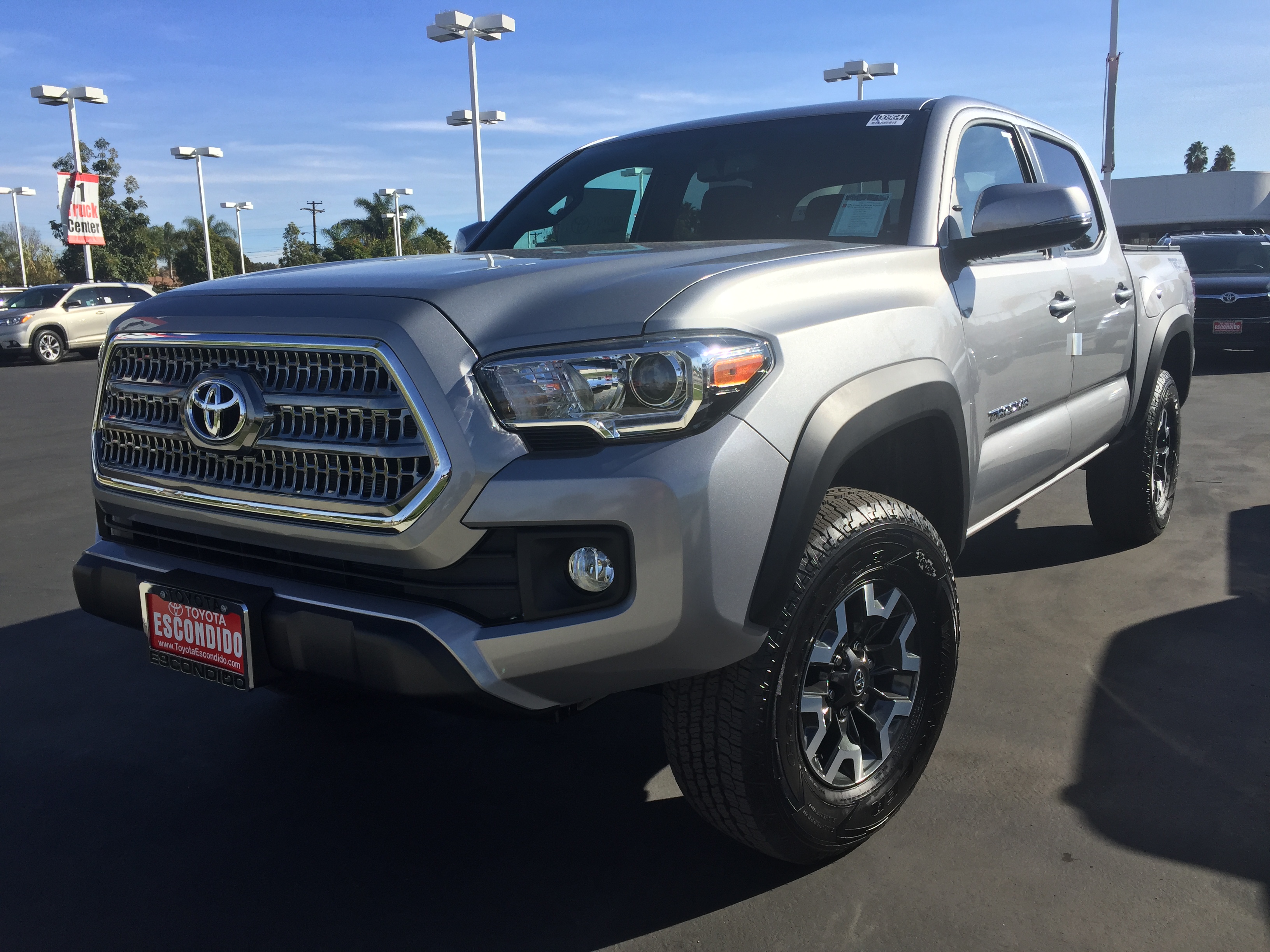
Toyota Tacoma
"...ld be for those of you that don't want to pay the Tacoma tax. This is something to think about if it's all..."
The Toyota Tacoma is a midsize pickup truck. The podcast calls out a “Tacoma tax,” meaning the truck can be priced higher than you might expect. It’s mentioned to help people think about whether they’re paying extra for it.
The Toyota Tacoma is a midsize pickup truck that’s popular for its durability and off-road-friendly setup. The podcast mentions “Tacoma tax,” which refers to the tendency for Tacomas to cost more than some shoppers expect. It’s brought up as something to consider when deciding whether the truck is worth the premium.

Ford Maverick
"... where it should be. And like this could beat the Maverick if it's priced. They made the egregious going to ..."
The Ford Maverick is a smaller pickup truck. The podcast is comparing it to another vehicle and saying the other one could win if it costs less. It’s about which truck offers better value.
The Ford Maverick is a compact pickup truck designed to be more affordable and practical than many traditional trucks. The podcast compares it to another vehicle by talking about whether one could “beat the Maverick” if priced right. That kind of comparison usually comes down to value, pricing, and what you get for the money.
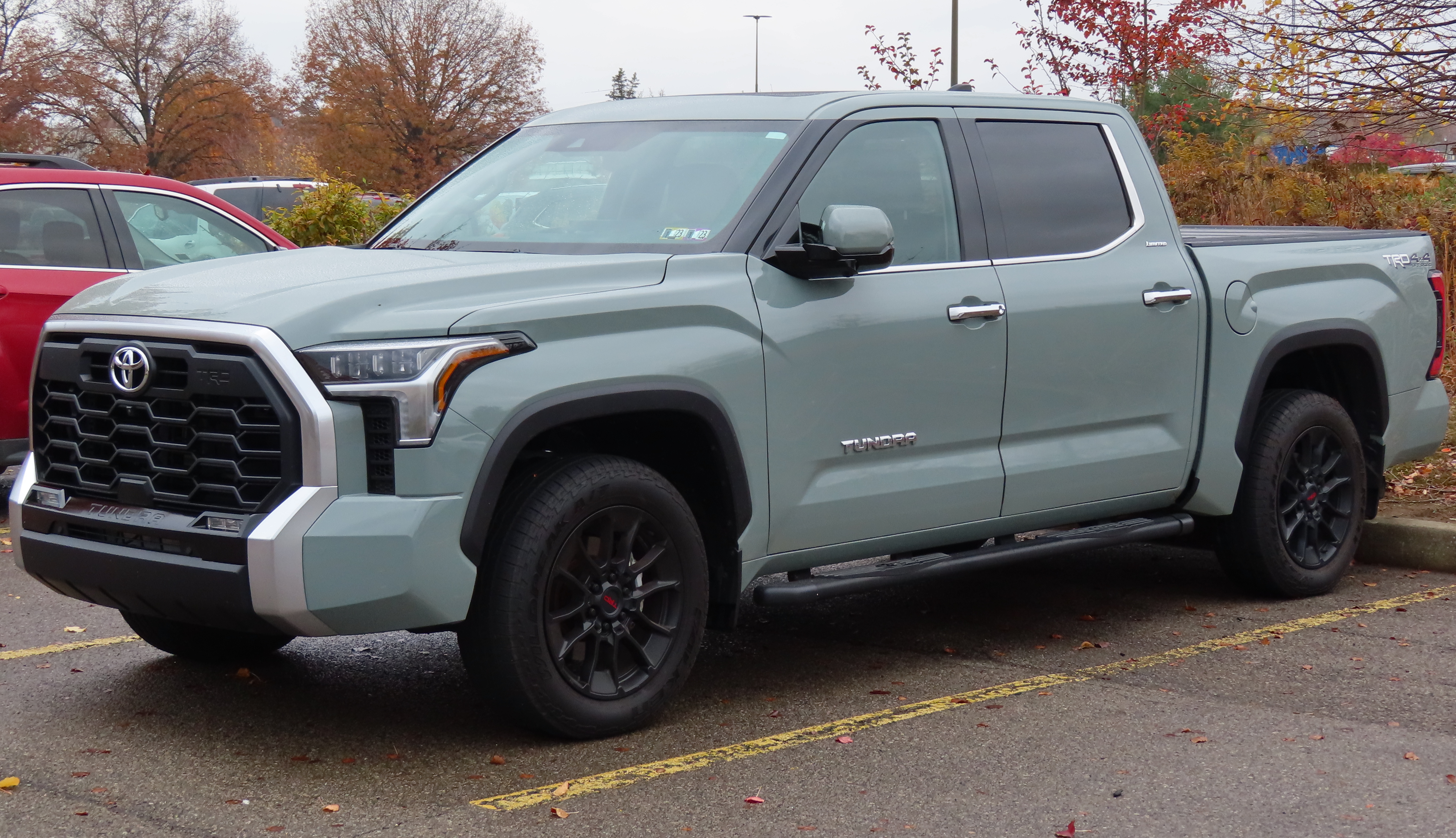
Toyota Tundra
"...gain to my boy Brian, who's been dealing with the Tundra tailgate issue from the day he bought the new Tun..."
The Toyota Tundra is a large pickup truck. The podcast mentions a problem with the tailgate that someone has had since buying a new one. It’s being discussed as an ownership issue to watch for.
The Toyota Tundra is Toyota’s full-size pickup truck, typically bought for towing, hauling, and long-distance comfort. The podcast specifically mentions a “tailgate issue” the host’s friend has dealt with since buying a new Tundra. That’s why it comes up: it’s a real-world ownership concern tied to a particular problem.

Beetle Vw Bug
"...ink that looks great, though. Yeah. That's a cool VW bug to drive around. It's not a bug. It is a Polo. Po..."
The Beetle is a small car with a very recognizable, rounded design. In the podcast, someone corrects the model name, saying it’s actually a Polo. It’s mentioned because they’re talking about what car it really is.
The Beetle is a compact, air-cooled classic from Volkswagen that’s known for its distinctive shape and long-running popularity. The podcast corrects the description—calling it a Polo instead of a “bug”—which suggests the conversation is about identifying the right model. It’s mentioned because people often talk about classic VW styling and how to recognize similar-looking cars.
street truck
"apparently Ram teased a TRX, a new TRX, but it was lowered more like a street truck."
A “street truck” generally means a pickup set up more for road use than for off-road work—often with a lower ride height and less emphasis on off-road suspension travel. In this segment, the hosts use it to describe how the teased Ram TRX looks more road-oriented than a traditional lifted off-road stance.

Ford Lobo
"...t gets some sort of... I mean, how are you not in Lobo territory looking around? Is it because you alrea..."
The Ford Lobo is being mentioned as a type of Ford vehicle you might consider. The podcast is using it like a category—basically saying you should look at something in that range. It’s brought up as part of a buying discussion.
The Ford Lobo is referenced as “Lobo territory,” which sounds like a playful way to talk about a Ford truck or pickup being in a certain category or price/performance range. The context suggests the host is reacting to whether someone should be looking at something that fits that “Lobo” level. It’s mentioned because it’s part of a discussion about what you should consider buying.
Raptor
"How are you not in Lobo territory looking around? Is it because you already have a Raptor? Personally?"
“Raptor” means the Ford F-150 Raptor, a rugged pickup made to handle rough terrain. They’re using it as a reference for what the person already owns.
“Raptor” is shorthand for the Ford F-150 Raptor, a performance off-road version of the F-150 pickup. The hosts bring it up as a comparison point for why someone might not switch to another street-focused truck idea.
single cab truck
"I was like, can I justify a single cab truck? I'm like, why would I do that? I was like, we're not having two trucks."
A “single cab” pickup has seating only in the front (just two doors). In the conversation, they’re saying it might not make sense if you already have another truck.
A “single cab” is a pickup configuration with only two doors and a front bench/seat area—no extended rear seating like a crew cab. The hosts are debating whether a single-cab setup makes sense versus having a more practical second truck.
lowered truck
"if we're being for real, a lowered TRX with single cab truck would look insane. Yeah, how many driveways in your city could even house a Raptor and a TRX lowered street truck?"
A lowered truck sits lower than stock. That can make it harder to drive over bumps and park in places with steep driveways.
A lowered truck has its suspension adjusted so the body sits closer to the ground. That changes clearance and approach/departure angles, which is why the hosts immediately connect it to driveway fitment and daily practicality.
check engine light
"while. Uh-oh, check engine light came on. Let's get it to the mechanic and get this sold."
The check engine light is a warning that something in the engine or emissions system isn’t right. Usually you need a mechanic to scan the car to figure out what’s causing it.
The check engine light is the dashboard warning that the engine or emissions system has detected a fault. When it comes on, it usually means the car needs diagnostic scanning to identify the specific trouble code before you can fix it.

E 90
"And like my E 90 right now, this is the longest I've ever owned something. No, how long have you had it? Probably close to three years."
“E90” is a BMW 3 Series generation. They’re just saying they’ve had theirs the longest, as part of a discussion about how long they keep cars.
“E90” refers to the BMW 3 Series generation with the E90 chassis code (sedan). The host mentions their E90 as the longest they’ve owned a car, which is relevant because it frames their buying/ownership timeline rather than a specific performance spec.
12-18 month guy
"Yeah, I mean, I was sort of a 12 18 month guy. You know, I love that in theory. I love that as well."
This means the person usually keeps a car for about a year to a year and a half, then changes to something else. It’s basically a “short-term ownership” style.
“12–18 month guy” describes a short ownership cycle where someone buys a car and plans to move on within roughly a year to a year and a half. In car culture, this often ties to leasing, frequent upgrades, or rotating through different platforms while keeping cash tied up for less time.
car collection vs cycling vehicles
"where we bring you guys in and it's just basically a guy in his shop owning stuff that he's always wanted to own. Not as a car collection type of thing. I just don't that doesn't interest me as somebody's been in that world. That's a real headache."
They’re talking about owning cars in a different way: not just keeping a bunch forever, but switching between a few you really want. The idea is to enjoy them and then move on to the next one.
The host contrasts a traditional “car collection” mindset with a plan to own multiple vehicles and cycle through them over time. This is an ownership strategy where you rotate cars periodically to keep variety while still getting to experience the specific models you want.

Cadillac Escalade
"But he to me is like, that's that's the epitome of it, right, where he just like buys escalades from back in the day. And he's like, this is awesome."
The Cadillac Escalade is a big luxury SUV. They’re using it as an example of a vehicle someone might love owning and rotating through, not as a technical discussion.
The Cadillac Escalade is a large luxury SUV known for comfort, size, and a status-focused reputation. The host references buying Escalades “from back in the day” to illustrate the kind of personal, enthusiast-style ownership and cycling through vehicles they want to do.

Ford Raptor
"Really more than anything, space becomes the confining factor of it. It is, it is. It's already like, I'm going to pick up the kids really don't want to take the Raptor doesn't make sense. Move your car over because the way it's parked."
The Ford Raptor is a super capable off-road pickup truck. Here they’re basically saying it can be annoying in normal life, like when it’s hard to park or move around.
The Ford Raptor is a high-performance off-road pickup built for rough terrain, with suspension and tires tuned for durability and traction. In this segment, it’s mentioned as the kind of truck that can be hard to live with day-to-day because of how it fits in parking situations.
Request an Explanation
Heard something you'd like explained? We'll add it to this episode.
Sign in to request explanations for terms you heard.
Want to learn more?
Browse our glossary for plain-English explanations of automotive terms, jargon, and concepts.
Help improve this episode
See something that's not quite right? Our annotations are AI-generated and can sometimes miss the mark. Click the flag icon on any annotation to suggest a correction.