
Dialed In Podcast: April 24th, 2026
About this episode
Dialed In swings from Tesla FSD updates to a full garage-and-car build roundup. The host says he’s back to driving daily, then details progress on an E46 M3 (coilovers, braces, brakes, seats, and a needed exhaust fix), a completed and KW V3’d Integra Type R, and a rougher 2011 1M that he’ll assess after decon. He also covers an AP2 S2000 refresh, moldy seats, and commissioning GT Goods for a Porsche-level interior. Q&A hits: new lighting (linear, dimmable, no Lutron module), detailing pad-change rules, soap/foam cannon R&D, and business/vision plans.
In this episode, Matt dives into current car projects including the E46 M3, S2000, and BMW 1M, breaking down the process of refining and upgrading each build. Matt also talks through the ongoing garage expansion, design decisions, and how the business is shifting toward product development and outsourced installs. Plus, he covers upcoming product launches and wraps things up with a Q&A answering viewer questions on cars, gear, and future plans.
FSD
"I'm about 56% FSD. The other, you know, the other time, the other 44% I'm driving on myself as much as I can."
FSD is Tesla’s software that can help with driving tasks like steering and lane keeping. They’re describing it like a split between what the car does and what they still do manually.
FSD stands for Full Self-Driving, Tesla’s driver-assistance suite. When they say they’re “56% FSD,” they mean the system handles part of the driving while they take over for the rest.
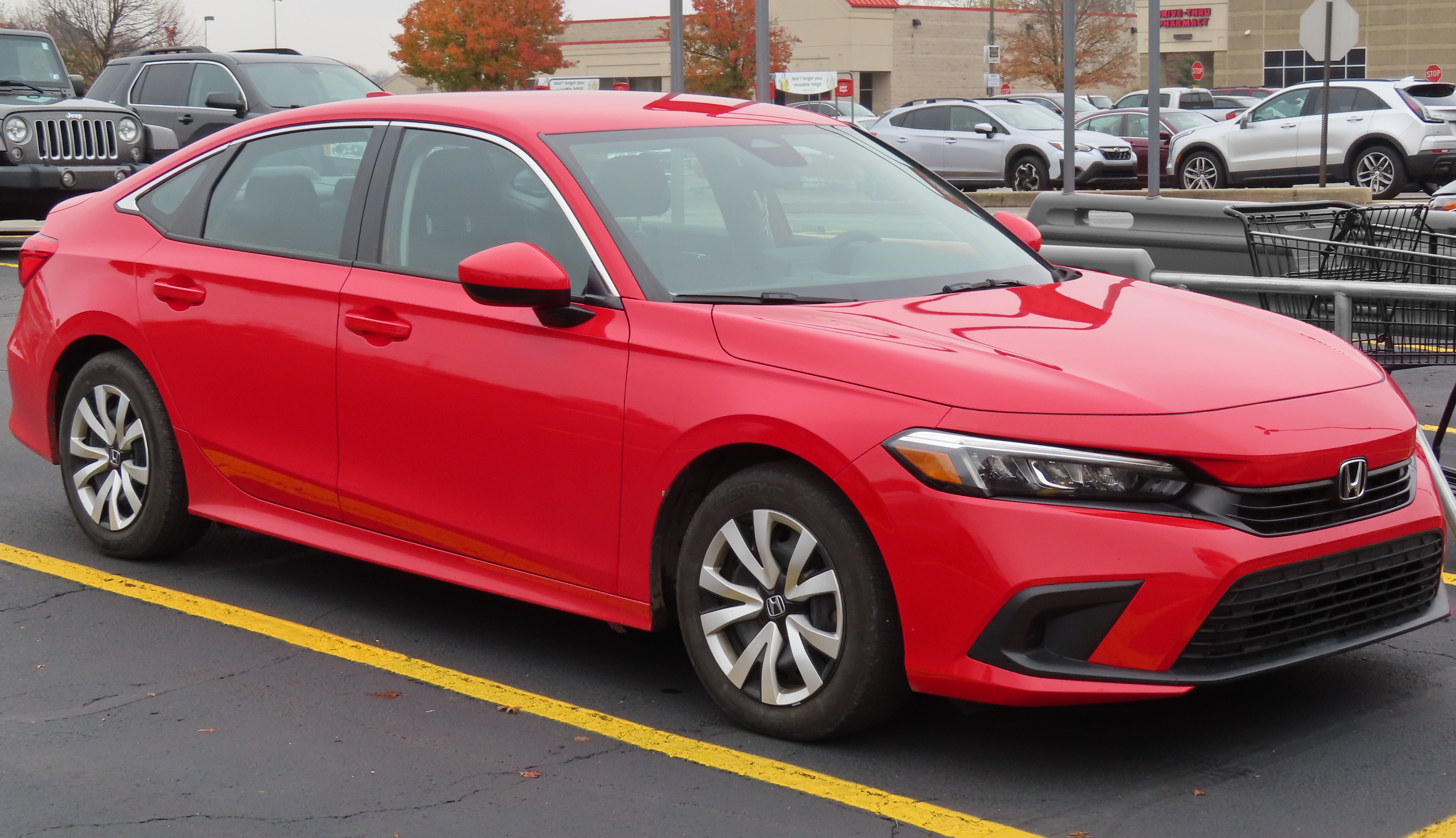
Type R
"And so I bought the Type R, it was the first car I got."
They bought a Honda Civic Type R. It’s a sporty version of the Civic designed to feel quick and fun to drive.
They’re referring to a Honda Civic Type R as one of their first cars. The Civic Type R is a performance-focused hot hatch known for its turbocharged engine and track-oriented setup.
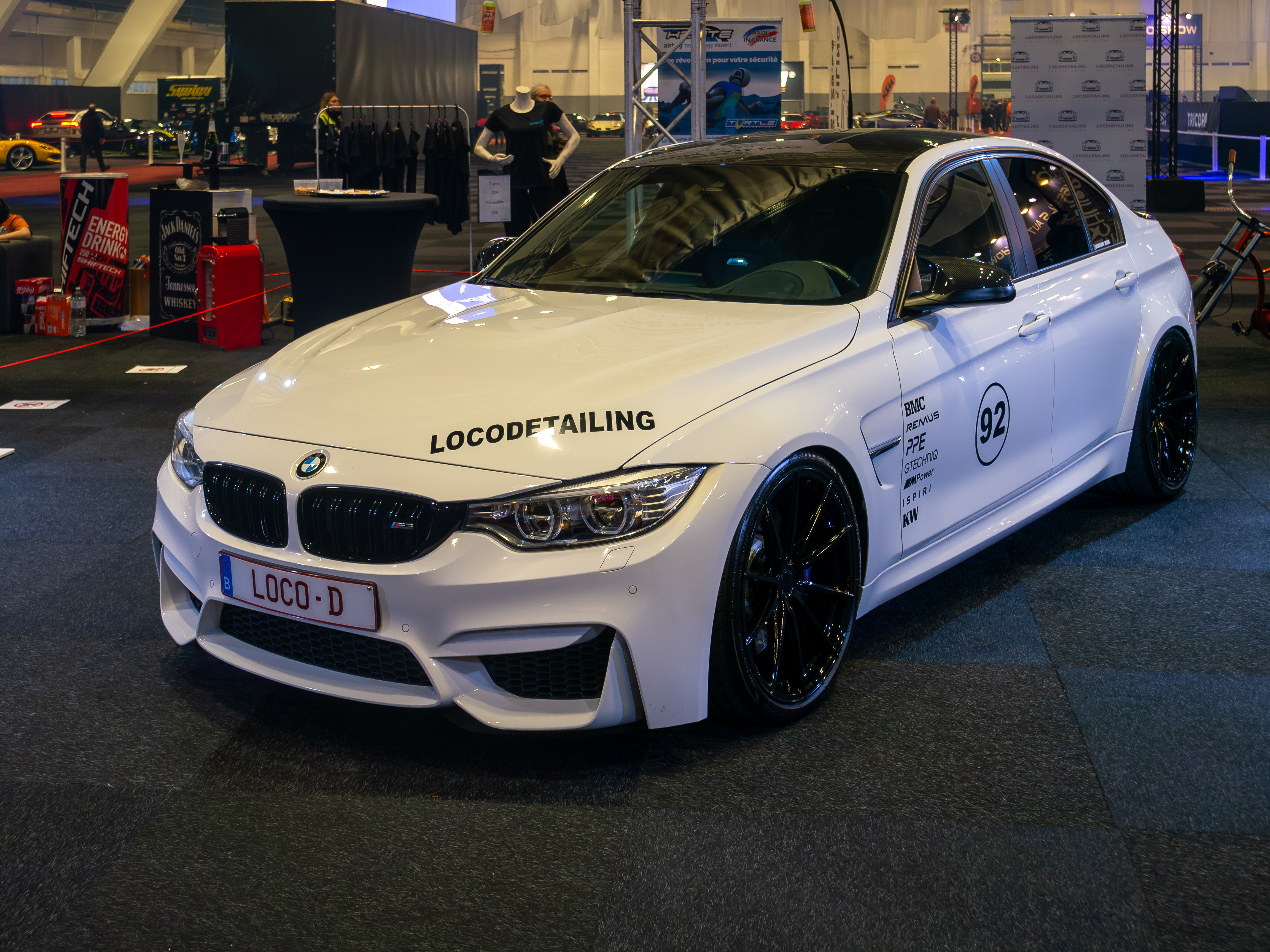
BMW M3
"So I got the E46 M3, I'm working on that. I just did the first wash on that, so that'll be up this weekend on this channel."
They’re working on an E46 BMW M3. That’s a well-known older BMW performance car, and they’re saying it needs some work to get it right.
The E46 M3 is the BMW M3 generation from the late 1990s to mid-2000s, known for its classic driving feel and enthusiast-focused chassis. They mention washing it and that it’s “requiring quite a bit of work,” implying deferred maintenance or planned upgrades.

2011 1M
"The future car, or the cars that were part of the future that are now present. I bought a 2011 1M, let's talk a little bit about there."
They bought a BMW 1M from 2011. It’s a rare, sporty BMW that’s known for being fun and a little special compared to regular 1 Series cars.
The BMW 1M is a limited-production, performance-focused version of the 1 Series, and “2011” pins down the model year. They’re treating it as part of their current lineup and discussing it as a future/present car they own.
coilovers
"That car is requiring quite a bit of work. I have still the coilovers to do, which I haven't gotten yet."
Coilovers are aftermarket suspension parts. They let you adjust how high or low the car sits and can improve handling.
Coilovers are adjustable suspension components that replace or modify the factory springs and shock setup. They’re commonly used to lower the car and fine-tune ride height and handling characteristics.
Star Tower Brace
"I have Star Tower Brace, which is kind of a bigger project. It's called the Slon Front stiffening brace, which requires you to do some epoxy and stuff like that."
A strut tower brace connects the two sides of the car’s front suspension so the body flexes less. That can make the car feel more solid and responsive, especially on twisty roads.
A strut tower brace is a chassis stiffening part that ties the left and right suspension mounting points together. The goal is to reduce flex, which can help steering feel and consistency when driving hard.
Slon Front stiffening brace
"It's called the Slon Front stiffening brace, which requires you to do some epoxy and stuff like that. And the brakes, I haven't ordered the brakes yet."
This is a front brace meant to make the car’s front end feel tighter. If it needs epoxy to install, you have to prep and let it cure properly so it doesn’t loosen later.
This appears to be a specific front chassis stiffening brace that the host says requires epoxy installation. Epoxy-based mounting typically means careful surface prep and curing time so the brace stays secure under load.
RaceTech, Brembo, USA
"So waiting on Sean to get me a connection with RaceTech, Brembo, USA, and figure that out. We're talking about carbon ceramics for it, but I don't want to spend that much money."
RaceTech and Brembo are performance-brake and motorsport-adjacent brands, and “USA” likely refers to a regional distributor or supplier. The host is shopping for brake components and trying to source them through a connection.
carbon ceramics
"We're talking about carbon ceramics for it, but I don't want to spend that much money. And then the seats are ordered, but I'm waiting on the seats."
Carbon-ceramic brakes use a carbon-fiber ceramic material instead of traditional iron rotors. They can offer strong fade resistance and low weight, but they’re expensive and require the right pads/rotor setup and proper operating conditions.
KWV3s
"So I did order KWV3s for it. Olin stopped making suspension for the DC2, and then I'm on the hunt for an interior."
KW V3s are aftermarket coilovers—springs and shocks combined. They let you adjust how the car rides and sits, which can improve handling.
“KW V3” refers to KW’s V3 coilover suspension system, which is an adjustable aftermarket setup. Coilovers let you tune ride height and damping, and they’re a common upgrade for track-focused or handling-first builds.

1M
"And then I got the 1M. So the 1M is a little worse than I'd hoped, but it's a 2011 only year. I wanted Alpine White, and I just started assessing it."
The BMW 1M is a rare, limited-production BMW performance coupe. The host is checking the car’s condition and talking about the color/options they wanted.
The BMW 1 Series M Coupe (“1M”) is a limited-production performance model built for a short run, and the host notes it’s a 2011-only year. They’re evaluating a specific car’s condition and mention desired options like Alpine White.
Alpine White
"I wanted Alpine White, and I just started assessing it. So after I get off this podcast here, I'm going to go assess the condition of it."
Alpine White is a BMW paint color—basically a clean, classic white. The host wanted the car in that color and is checking how it looks in person.
Alpine White is a classic BMW exterior paint color. The host wanted that specific color and is now assessing the car’s condition after purchase.
no navigation, no convenience package
"But the key is it's a no navigation, no convenience package car. And so that was important to me. I wanted that look."
This means the car was ordered without some factory tech and comfort features—specifically navigation and a convenience package. Some buyers prefer it because it can be simpler and sometimes cheaper.
“No navigation, no convenience package” describes a specific option/trim configuration—meaning the car lacks the factory navigation system and certain convenience features. For enthusiasts, deleting options can reduce weight, simplify wiring/controls, and sometimes lower cost.
moldy seats
"The only catch is that it has some moldy seats, which I've already conditioned."
They’re dealing with mildew on the seats. That usually happens when moisture gets trapped, and “conditioning” means cleaning and treating the material so it smells better and doesn’t keep coming back.
“Moldy seats” refers to mildew growth on upholstery, usually caused by moisture trapped in the cabin. Conditioning the seats typically means cleaning and treating the fabric/leather to remove spores and prevent recurrence.
GT Goods
"If you guys want to look it up, look up GT Goods on Instagram. I've commissioned them to do a Porsche-level interior."
GT Goods is a company the host found on Instagram. They’re being hired to upgrade the car’s interior to a very high standard.
GT Goods is mentioned as an Instagram account the host wants listeners to look up. They’ve been commissioned to do an interior work package described as “Porsche-level,” implying a high-end, detail-focused finish.
Porsche-level interior
"I've commissioned them to do a Porsche-level interior. And so I've commissioned them to do that."
They’re using “Porsche-level interior” as a compliment meaning “really high quality.” It usually points to better materials and very careful workmanship so everything looks and feels premium.
“Porsche-level interior” is a benchmark for fit, finish, materials, and craftsmanship—think tight panel gaps, premium surfaces, and careful detailing. It’s not a specific kit; it’s a quality target for how the interior should look and feel after work.
PL 6000 lifts
"If you've been watching this series, we've got the PL 6000 lifts, the parking lifts installed. Yeah."
They mention “PL 6000 lifts,” which are basically car lift systems. They’re installed already, and the host is using them as part of their setup for storing or working on cars.
“PL 6000 lifts” appears to be a specific model/series of vehicle lifts used for parking or servicing. The host says the “parking lifts” are installed, suggesting they’re using the lifts to manage multiple cars and/or protect them.
manual
"So we'll get them up here in the coming weeks to start getting them in some of these cars to get them to teach them how to drive a manual, and we'll see."
A manual transmission (stick shift) requires the driver to use a clutch pedal and shift gears manually. Learning to drive one is often about coordination—clutch control, gear selection, and smooth starts. The host is planning to teach new drivers how to operate a manual in some of the cars.

Honda S2000
"You know what's really cool? I just got in the S2000. I'm like 202 pounds, and it doesn't feel like I felt like it was so small and I couldn't fit in it when I was 240."
The Honda S2000 is a small two-seat roadster. The host is basically saying it feels roomy enough for him even though it’s a compact car. He’s also noting he hasn’t adjusted the seat yet, which affects how comfortable it feels.
The Honda S2000 is a lightweight, rear-wheel-drive roadster known for its high-revving engine and very direct driving feel. In this segment, the host is talking about how the cabin size and seating position work for a taller/bigger driver. That “fit” factor is a big part of why people love (or don’t love) the S2000.
Maxflow V2
"Any testing on the Active 3.0 or the new Maxflow V2? No, I haven't."
“Maxflow V2” sounds like an updated version of a product, but this clip doesn’t explain what it is. The host is asking if anyone has tested it yet. You’d want more details to know what it changes on the car.
“Maxflow V2” also appears to be a named product/version, likely related to airflow or a performance component, but the transcript doesn’t define it. The host is asking whether there’s been testing on the “new Maxflow V2,” suggesting it’s a newer iteration. More context would be needed to explain what it does and how it’s used.
Active 3.0
"Any testing on the Active 3.0 or the new Maxflow V2? No, I haven't."
“Active 3.0” sounds like a newer version of something, but the clip doesn’t say what it is. The host is basically asking if anyone has tested it yet. To understand it, we’d need to know what product or car system they mean.
“Active 3.0” sounds like a specific product or system the host is evaluating, but the transcript doesn’t provide enough context to identify whether it’s a vehicle model, a software feature, or an aftermarket setup. The question is whether there’s been testing on it, implying it’s new and performance/quality-relevant. Without more detail, listeners would need clarification on what “Active 3.0” refers to.
wash station
"The 635 is incredible. We are literally about to launch the wash station to design clients and inside the hex here any day."
They talk about launching a “wash station,” which sounds like a place or setup where cars get cleaned. It seems connected to helping customers directly. It’s more about the service process than a specific car part.
A “wash station” in this context appears to be a facility or setup for cleaning vehicles, likely tied to the host’s business operations. The mention of launching it “to design clients” suggests a customer-facing service workflow. For listeners, it’s a reminder that vehicle care and detailing can be part of a broader customer experience, not just a DIY chore.
6500 bucks
"I challenged the team to sell 100 of them. Now they're going to be 6500 bucks for a, you know, for a single and I don't know, something like 10 grand or 11 grand for a dual or something like that."
They mention a price—“6500 bucks”—for something they’re selling. They also hint that a different version costs more. The clip doesn’t fully explain what the item is, but it’s clearly part of a pricing decision.
The host is quoting pricing for a product or service, likely tied to the “wash station” or a related offering. While the exact item isn’t named in this snippet, the key takeaway is that they’re discussing a single-unit price and a higher dual-unit price. Pricing talk like this is useful for listeners evaluating costs of ownership or upgrades.
Type E version two
"So this is Type E version two where we had three versions. The third iteration wasn't very good."
“Type E version two” sounds like a second version of something they’re making—probably a soap or product formula. They’re saying they tried a few versions and are testing the next one.
“Type E version two” appears to be a product or formula iteration the speaker is working on (likely related to the soap mentioned earlier). The “version two” and “three versions” wording suggests they’re refining a recipe or process through testing.
foam cannon
"So he's making me another gallon that I may be able to use one ounce of soap in the foam cannon, which would make it, you know, pretty awesome."
A foam cannon is a tool you hook up to a pressure washer. It sprays soap as thick foam so you can soak the car and lift dirt before you scrub.
A foam cannon is an attachment for a pressure washer that mixes soap with water and sprays it as thick foam. It helps loosen dirt and makes the wash process more consistent, especially for paint-safe pre-soak steps.
inside the hex video
"TRA, RACP says, can you make an inside the hex video on your business plan with cars?"
“Inside the hex” sounds like a named video series or format they’re considering for their business. It’s basically asking whether the plan is just posting car videos or doing more.
“Inside the hex” sounds like a specific video format or content series for the speaker’s business plan. In this context it’s likely a branding/content-creation deliverable tied to filming cars and detailing work.
Gion
"“Neil White said, did Kyle Lee for Gion? … So, but yeah, he's Kyle's at Gion. And it seems like he's doing great.”"
They’re talking about a company called “Gion” where Kyle Lee works. The conversation is about why someone might switch jobs or roles, not about a specific car or mechanical topic.
“Gion” is mentioned as the organization Kyle Lee joined, and the hosts discuss it in terms of career moves and professional services marketing. In this context, it’s not a car or part—it's a company being referenced as part of the industry ecosystem around BMW enthusiasts and events.
Bimmer Invasion
"“I saw him at Bimmer Invasion. So, next question.”"
“Bimmer Invasion” is referenced as an event where the host saw Kyle Lee. “Bimmer” is a common enthusiast nickname for BMW, so this likely points to a BMW-focused gathering or show rather than a technical automotive concept.
2013 135i
"...would you go 2006 BMW E36 or 2013 135i? Let's see, 06 would be an E46 M3, not an E36. ...So the 135 would be an N54 car... Actually, I think a 13 might be an N55 car."
The 2013 BMW 135i is part of BMW’s 1 Series lineup and is known for its turbocharged inline-six engines. In this segment, the host discusses the engine family (N54 vs N55) and highlights that the N54 is associated with high-pressure fuel pump issues, while later revisions are generally improved.
N54
"So the 135 would be an N54 car. So, you know, you're going to have to deal with the issues that come with that. Those are high pressure fuel pump cars."
N54 is the engine code for a turbo BMW six-cylinder. The important part here is that some N54 cars are known for fuel pump issues, so you should research the specific car before buying.
N54 is BMW’s turbocharged inline-six engine family used in certain 135i models. In this segment, the host says the N54 is associated with high-pressure fuel pump problems, which is a major ownership consideration.
high pressure fuel pump
"So, you know, you're going to have to deal with the issues that come with that. Those are high pressure fuel pump cars."
This is the part that pushes fuel to the engine at high pressure. If it fails, the car can run poorly or not start, so it’s a big deal on certain BMW turbo engines.
A high-pressure fuel pump supplies fuel at very high pressure to the engine’s direct-injection system. The host notes that N54 cars are “high pressure fuel pump” vehicles, meaning this component is a known weak point and can drive repair costs.
N55
"Actually, I think a 13 might be an N55 car. So you might be okay there. Because I think they fixed the fuel pump issues in 2011 with the 1M."
N55 is a different engine version than N54, still turbocharged and similar in concept. The host is saying the N55 is generally less troublesome because BMW addressed some of the earlier fuel system problems.
N55 is another BMW turbocharged inline-six engine family used in later 135i applications. The host suggests that a 2013 might be an N55, and implies it’s better regarding the earlier N54 fuel pump issues.
Castro exhaust
"Especially if we can get this Castro exhaust going because the E46 M3 stock is the worst sound in car I think I've ever experienced."
This sounds like an aftermarket exhaust upgrade. The idea is that swapping the exhaust can make the car sound better than the factory setup.
“Castro exhaust” appears to refer to an aftermarket exhaust system brand/model used to change the sound and character of the car. Here it’s mentioned as a solution because the host dislikes the stock exhaust note on the E46 M3.
linear fixture
"So it's a linear fixture. It has the best lens I've experienced, better than Cree, better than HE Williams."
A linear fixture is basically a long, straight light bar/module. It’s designed to spread light along its length, and when you use multiple bars side-by-side you want the lighting to look smooth instead of having dark gaps.
A linear fixture is a long, straight lighting module designed to mount along a surface (often for automotive or garage lighting applications). The “linear” shape matters because it affects how light is distributed across the length and how multiple fixtures align for an even look.
HE Williams
"It has the best lens I've experienced, better than Cree, better than HE Williams. So the diffusion of the lens is great because you can't actually, like if you look through the HE Williams, it's not quite as bad as Cree."
HE Williams is a lighting brand they’re comparing against. In this segment, it’s mainly about how the light looks through the lens and whether there’s a noticeable shadow where two fixtures meet.
HE Williams is a lighting manufacturer/brand referenced for its lens and LED layout in comparison to Cree and the new prototype. The hosts discuss how HE Williams’ single-row LED placement and lens behavior affect shadowing and transitions when fixtures are placed next to each other.
Cree
"It has the best lens I've experienced, better than Cree, better than HE Williams. So the diffusion of the lens is great because you can't actually, like if you look through the HE Williams, it's not quite as bad as Cree."
Cree is a well-known lighting/LED brand. Here they’re comparing Cree fixtures to others based on whether you can clearly see the individual LEDs through the cover.
Cree is a major LED and lighting brand known for high-output LED components and lighting products. In the discussion, Cree is used as a comparison point for how clearly LEDs show through the lens and how the fixture performs when paired with another.
diffusion of the lens
"So the diffusion of the lens is great because you can't actually, like if you look through the HE Williams, it's not quite as bad as Cree."
Lens diffusion means the lens helps mix and spread the light. That way you don’t see bright individual LED dots and the light looks even.
Lens diffusion is how a lens spreads and softens light so the individual LED points aren’t visible. Better diffusion reduces “hot spots” and makes the beam look more uniform across the fixture.
shadowing
"so there's a little bit less shade or bleed or what do you want to call it, shadowing from, you know, so when the two fixtures butt up next to each other and the LEDs stop a little bit short, you get a little bit of a shadow effect on the very end of the lens and the transition."
Shadowing is when you get a dark spot or dim area where two lights meet. It usually happens if the LEDs don’t cover the seam evenly, so the light doesn’t blend smoothly.
Shadowing (or “shadow effect”) is the visible dark area that can occur when two light fixtures are placed end-to-end or side-by-side and the LED coverage doesn’t fully overlap. The hosts are describing how LED placement and lens design influence the smoothness of the transition at the fixture seam.
bleed
"so there's a little bit less shade or bleed or what do you want to call it, shadowing from, you know, so when the two fixtures butt up next to each other and the LEDs stop a little bit short, you get a little bit of a shadow effect on the very end of the lens and the transition."
Bleed is when light spreads a bit more than you want, or doesn’t stay perfectly contained. Here they’re talking about how that affects whether the seam between two light bars looks smooth or shows a noticeable change.
“Bleed” refers to unwanted light spill or imperfect control of where light spreads through/around the lens. In this context, they’re comparing how much light “leaks” or softens the seam between fixtures, affecting whether the transition looks seamless.
eight footer
"HE Williams lights, even the eight footers, so the eight footers have a, you know, where you can see there's a break in the middle."
An “eight footer” just means a light bar that’s about 8 feet long. They’re comparing how the light looks across that full length—especially near the middle or where the design changes.
An “eight footer” is an 8-foot-long lighting fixture/module length. The hosts use this size to compare how different LED/lens designs behave at the ends and whether the light output looks continuous along the full length.
seamless transition
"and then I believe on our new OG lights, we're only going to do four footers because of the shippability of it, the cost of it, and then we have a really, really seamless transition."
A seamless transition means there’s no obvious line or dark/bright spot where two lights meet. They’re aiming for the light to look continuous across the whole installation.
A seamless transition means the light output blends smoothly from one fixture section to the next with minimal visible change in brightness or color. The hosts connect this to fixture length planning (four-footers vs eight-footers) and lens/LED layout to reduce visible seams.
four strips of LEDs
"And then the structure of the light, the way that these are created is there are four strips of LEDs. So there's four strips that run down the middle, instead of one, there's four."
Instead of one LED strip, the light uses four strips. That can make the lighting more even and brighter overall. The speaker also says it helps keep costs down while improving the light quality.
The fixture design uses four separate LED strips running down the middle rather than a single strip. This can improve uniformity (more even illumination) and increase total light output without necessarily increasing power as much. The speaker also connects it to diffusion and cost efficiency.
duty cycle
"And then the way that those LEDs are driven, they're driven at like 25% duty cycle. And so we're not driving the lights as hard, which makes you, makes them more efficient, put off less heat and make them last longer."
Duty cycle is basically how “hard” the LEDs are being powered over time. If they’re not pushed as aggressively, they make less heat and tend to last longer. That’s why the speaker says the lights will be more efficient and durable.
Duty cycle is how much of the time an LED is actively driven versus off (or less driven). Driving at a lower duty cycle can reduce heat and electrical stress, which helps efficiency and long-term LED life. In this segment, they’re using duty cycle to explain why the fixtures last longer and run cooler.
diffused light
"And, and then because there's four strips of LEDs, we're getting more diffused light. So more light at less cost from an electric electrical standpoint, the fixtures going to be less expensive."
Diffused light means the light is spread out more evenly. Instead of bright spots and dark spots, you get a smoother look. The speaker says using multiple LED strips helps achieve that without spending as much.
Diffused light refers to spreading the light output so it’s more uniform and less harsh than a tightly focused beam. Using multiple LED strips can increase the overall diffusion, improving perceived brightness and reducing hotspots. The speaker ties this to getting “more diffused light” at lower cost.
triac dimming
"Oh, they are forward phase dimming. So they're triac dimming. So they don't need a zero to 10 volt control module."
Triac dimming is a way to make lights dim using the building’s electrical signal. It’s a standard dimming method that can be simpler to integrate. Here, it means you don’t need extra dimming hardware.
Triac dimming is a common method for dimming AC-powered lighting using a TRIAC (a switching device). It allows the fixture to dim without needing a separate low-voltage control interface. The speaker contrasts it with systems that require a 0–10V control module.
forward phase dimming
"Oh, they are forward phase dimming. So they're triac dimming."
Forward phase dimming is a common way to dim lights by “chopping up” the power signal. It’s one reason the fixture can work with typical dimmers. Here, it’s mentioned to clarify how the lights are controlled.
Forward phase dimming is a dimming technique where the dimmer chops the AC waveform in a particular way to reduce the effective power delivered to the driver. It’s often used with triac-based dimmers. The speaker uses it to explain compatibility and control simplicity for these LED fixtures.
zero to 10 volt control module
"So they're triac dimming. So they don't need a zero to 10 volt control module."
A 0–10V control module is extra equipment that some lights need to dim smoothly. It sends a small control signal to the light driver. The speaker is saying these lights can dim without that extra box.
A 0–10V control module is part of a lighting control system where a low-voltage signal (0 to 10 volts) tells the driver how bright to run. If a fixture doesn’t require it, installation can be easier because you can use a different dimming method (like triac/phase dimming). The segment specifically says these fixtures don’t need that module.
Lutron
"So they won't need the thousand dollars worth of Lutron crap... You can put them on a regular dimmer... Lutron, Lutron, Quesada, Leviton, doesn't matter."
Lutron makes devices that control how bright your lights are, like dimmers. The hosts are saying you might not need the expensive brand-specific stuff if a basic dimmer will work.
Lutron is a major brand of home lighting control gear, especially dimmers and smart lighting components. In the segment, they’re arguing you may not need premium Lutron-specific controls if your lights can be dimmed with simpler hardware.
dimmer
"You can put them on a regular dimmer, regular old dimmer, whatever you got... So it'll be naturally, regularly dimmable."
A dimmer lets you turn lights down or up instead of just on/off. If your bulbs or fixtures are made to be dimmed, you can usually use a regular dimmer.
A dimmer is a control device that reduces the power sent to a light so you can adjust brightness. The key point here is that if your fixtures are “dimmable,” you can typically use a standard dimmer rather than specialized lighting-control systems.
Leviton
"Lutron, Lutron, Quesada, Leviton, doesn't matter. So it'll be naturally, regularly dimmable."
Leviton is a company that makes common electrical parts for homes, like dimmers. They’re saying any mainstream brand can work as long as it matches the lights you’re using.
Leviton is another well-known lighting and electrical products brand, including dimmers and switches. The hosts mention it alongside Lutron to emphasize that the specific brand of dimmer isn’t the key factor—compatibility with dimmable fixtures is.
regularly dimmable
"So it'll be naturally, regularly dimmable. So, I mean, if you were doing like, let's say my garage back there..."
“Dimmable” means the lights are designed to work when you lower their brightness. If they aren’t dimmable, they can flicker or act weird when you try to dim them.
“Regularly dimmable” means the lighting fixtures (bulbs/LEDs/fixtures) are designed to work correctly when brightness is reduced. This matters because non-dimmable lights can flicker, buzz, or fail when used with dimmers.
node icon
"I have a node icon, PSB BP eights and PSB alpha P five ready to upgrade speakers and would like to try."
They’re talking about a piece of audio gear they already have. The point is that what speakers you buy next depends on how this device works.
“node icon” appears to be a home audio component (likely a network streamer or active-speaker controller) used to drive speakers. The host’s advice about going “active” suggests the device’s output and speaker type matter for the best setup.
PSB
"I have a node icon, PSB BP eights and PSB alpha P five ready to upgrade speakers and would like to try."
PSB is a speaker brand. They’re talking about upgrading your home speakers to better-sounding ones.
PSB is an audio brand known for loudspeakers. In this segment, the host is discussing specific PSB speaker models as an upgrade path for a home audio setup.
active speaker
"Since you have a node icon, you would want to do a active speaker."
An active speaker has its own power built in. That usually makes setup easier because you don’t need a separate amplifier.
An active speaker has built-in amplification, so it can be driven directly by a source component without an external power amp. The host’s advice implies the “node icon” setup is best matched with active speakers for simplicity and performance.
LID fives
"Since you have a node icon, you would want to do a active speaker. So your next step up would be to go to LID fives."
They’re recommending a different speaker model as the next upgrade. It’s presented as a step up from what the listener has now.
“LID fives” is likely a mis-transcription of a speaker model line (commonly “LiD”/“iD” style naming). The host frames it as the next step up, implying a meaningful performance jump within the same speaker ecosystem.
core fives
"And then your next step from there would be to do core fives. Core fives is a big jump."
They’re talking about a particular speaker upgrade that’s a big improvement. They also mention pairing it with other gear for best results.
“core fives” appears to be a specific speaker model the host recommends as a major upgrade. They emphasize it’s a “big jump” and discuss pairing it with other components, suggesting system-level matching matters.
core subcompact
"do the node icon with a set of core fives and a core subcompact. It's frickin' incredible."
They’re suggesting adding a small subwoofer to go with the main speakers. That helps the system sound fuller, especially with bass.
“core subcompact” likely refers to a subwoofer model intended to complement the “core fives.” Adding a subwoofer is a common way to extend low-frequency response and improve overall balance.
blue sound Pulse M
"Yeah, I'll put it in the chat. It's a, it's a Pulse M. So it's a blue sound Pulse M."
BlueSound makes wireless speakers, and the Pulse M is one of their portable models. They’re saying you can pair two for stereo sound if you want better separation.
BlueSound is an audio brand, and the Pulse M is a wireless speaker model. The hosts mention it as a portable option and note you can use it in stereo for a wider sound.
Griot's 1.5
"Deceitful J, update on the foam cannon for the 635. Yeah, just Griot's 1.5. Works fine. It's great."
Griot’s is a company that makes car detailing products. “1.5” sounds like the specific foam-cannon setup they’re using, and they’re saying it works well.
Griot’s Garage is an automotive detailing brand known for car-care products and wash tools. “Griot's 1.5” here likely refers to a specific foam cannon model/size or nozzle setup that’s being used for the foam cannon system.
ADS
"Speaking of your collab with ADS, are you looking to do an OG spec brand or will it be White Lab label that they sell outside OG?"
They’re talking about working with another company (ADS) to make or sell products. The main point is how the products will be branded—either as one label or another.
The speaker mentions a collaboration with ADS and discusses how products might be branded or sold under different labels. In automotive detailing circles, these kinds of collaborations often involve co-branding and contract manufacturing of chemicals or accessories.
White Lab label
"Speaking of your collab with ADS, are you looking to do an OG spec brand or will it be White Lab label that they sell outside OG?"
White label means one company makes the product, but it gets sold under someone else’s name. They’re deciding which branding route they want to use.
“White label” refers to products manufactured by one company but sold under another company’s branding. The speaker is weighing whether to sell under their own “OG spec” brand or as a white-labeled product through another channel.
foam really well
"I wanted to work really well in the bucket. I wanted to foam really well. I wanted to be super slick and I wanted to be pH neutral."
Foam is what helps the soap spread and grab dirt. If it foams well, it can help loosen grime so it rinses off more easily.
“Foam really well” refers to a soap’s ability to generate dense foam, which helps lift dirt and improve contact time during washing. In detailing, foam performance is often used as a proxy for how well a product suspends grime before rinsing.
pH neutral
"I wanted to be super slick and I wanted to be pH neutral. I wanted to smell decent and I wanted to be blue."
pH neutral means the soap is formulated to be gentle and not too harsh. That matters because harsh cleaners can damage or strip protective layers on your car.
pH neutral means the soap’s acidity/alkalinity is balanced to be gentle on automotive surfaces. Detailers often prefer pH-neutral cleaners because they’re less likely to strip waxes/sealants or irritate certain coatings compared with strongly acidic or alkaline formulas.
super slick
"I wanted to foam really well. I wanted to be super slick and I wanted to be pH neutral."
“Slick” means the soap makes the wash mitt glide with less friction. Less friction helps reduce the chance of scratching the paint.
“Super slick” describes lubricity—how well the soap reduces friction between wash media (like mitts) and the paint. Higher lubricity helps lower the risk of marring or micro-scratches during washing.
detailing line
"I don't really have a plan for the detailing line other than what I want to be able to do is pick the best product. Pick the product I like the most that fits into the process that I think is the best that currently exists."
A detailing line is basically a collection of car-cleaning products. They’re saying they don’t have a full plan yet, but they want to pick the best options that match the way they like to wash cars.
A “detailing line” is a set of related car-care products (often cleaners, soaps, and other chemicals) designed to work together in a specific washing or protection process. The speaker is describing how they’ll choose products based on performance and how they fit into their overall workflow.
contract manufactured
"Put that product in a press-all or put it in a more economical bottle that's still a better bottle than other bottles exist. Bryce had actually made one, so we're having those contract manufactured."
Contract manufactured means someone else makes the product for them. It’s often done to keep quality consistent and make it easier to produce at scale.
Contract manufacturing means the product is made by a third-party facility rather than in-house. The speaker says Bryce already made a version, and they’re having it produced for them, which can help with consistency and scaling.
Bilt-Hamber
"If there's a brand, let's say for instance, if Bilt-Hamber won't let me put it in a press-all bottle, then I would just send a Bilt-Hamber gallon and a press-all bottle and have you put it in there and have the label match all the others."
Bilt-Hamber makes car cleaning chemicals. The host is basically saying they want to repackage the product into their own bottles so it looks and labels the same as everything else.
Bilt-Hamber is a detailing/chemical brand known for car-care products like cleaners and decontaminants. In the segment, they’re talking about packaging and permissions to transfer product into custom bottles for consistent labeling.
Car Pro Eraser
"I love Car Pro Eraser. I want to put Car Pro Eraser in a bottle. It's already in the right color, so that's good."
Car Pro Eraser is a paint-prep cleaner used in detailing to remove oils, residues, and leftover contaminants before protection like wax, sealant, or ceramic coating. The host wants to bottle it themselves, emphasizing that the product is already the correct color and they have permission to repackage it.

Mazda Rx7
"Do you think you'll ever get a RX-7 or Supra? I don't think so. At least I'm not heading down that path."
The Mazda RX-7 is a sports car made by Mazda that’s famous for its rotary engine. The host is saying they’re not interested in buying one.
The Mazda RX-7 is a rotary-powered sports car best known for its distinctive Wankel engine and enthusiast following. In this segment, it comes up as a car the host doesn’t want to pursue, contrasting it with other brands they’re more excited about.

Toyota Supra
"Do you think you'll ever get a RX-7 or Supra? I don't think so. At least I'm not heading down that path."
The Toyota Supra is a popular sports car from Toyota. The host is saying they don’t think they’ll go down the path of owning one.
The Toyota Supra is a long-running performance coupe known for strong aftermarket support and, in modern generations, turbocharged power. Here, it’s mentioned alongside the RX-7 as a car the host doesn’t plan to pursue.
BMWs
"I'm super pumped about Hondas and Porsches and BMWs."
BMW is a brand that makes performance cars. The host is saying they’re excited about BMWs too.
BMW is a German automaker known for performance-oriented models and a huge aftermarket. The host groups BMW with Honda and Porsche as brands they’re excited about, suggesting their garage plans may include BMWs.
Porsches
"I'm super pumped about Hondas and Porsches and BMWs."
Porsche is a brand that makes high-performance sports cars. The host is saying they’re really excited about Porsche.
Porsche is a German sports-car brand known for engineering-focused performance and a large enthusiast community. The host says they’re “super pumped” about Porsches, indicating it’s a major interest area for them.
portable four-post
"Then it started out so what I wanted to do is I wanted a place where I could wash and then possibly do a portable four-post so I could do some dry ice cleaning."
A four-post lift is a device that raises a car using four posts. “Portable” means it’s meant to be set up in different spots rather than being permanently installed.
A four-post lift is a vehicle lift that supports the car at multiple points, typically used for storage and maintenance. “Portable” here suggests a lift system that can be moved or set up in different locations, which matters for planning a wash bay and detailing workflow.
dry ice cleaning
"Then it started out so what I wanted to do is I wanted a place where I could wash and then possibly do a portable four-post so I could do some dry ice cleaning."
Dry ice cleaning is a method where tiny pellets of very cold material blast off dirt. It’s useful because it doesn’t soak things with water like some cleaning methods do.
Dry ice cleaning uses compressed CO₂ pellets (solid carbon dioxide) propelled at the surface to remove grime and residue without leaving liquid water behind. It’s often used for delicate areas or when you want minimal mess, which is why it’s being considered alongside a wash bay setup.
shipping containers
"I'm doing two shipping containers under roof. The shipping containers are going to be air conditioned, and I'm going to set it up with all my wash equipment in one"
They’re using shipping containers like modular buildings. The plan is to put wash equipment inside them so the space is covered and more controlled.
Shipping containers are being used as modular structures for a garage/wash setup, including enclosed, climate-controlled spaces. In this context, the host is planning two containers under roof to organize equipment and keep the work area controlled.
Dimp Bend Pack two-post lift
"We're going to put a Dimp Bend Pack two-post lift in, so we're going to pour a giant concrete pad."
A two-post lift is a garage hoist that raises a car using two tall posts. It’s important because not every lift fits every car safely, and you need the right setup for the weight and lift points.
A two-post lift is a vehicle hoist that supports a car by its lift points using two posts. The “Dimp Bend Pack” portion sounds like a specific brand/model of lift, and it’s relevant because lift capacity, arm geometry, and installation requirements affect what cars you can safely raise.

Porsche 911 GT4
"I'm going to take my GT4. He's going to take his GT3 RS."
The Porsche 911 GT4 is a sportier, more track-oriented version of the 911. It’s the kind of car people choose when they want something fun to drive, not just something comfortable.
Porsche 911 GT4 is a track-focused variant of the Porsche 911 line, known for sharper handling and a more driver-oriented setup than standard 911 models. In this segment, it’s mentioned as the host’s car for the trip, which highlights how owners often use these cars for enthusiast outings rather than just commuting.

Tesla
"I think I'm going to take my Tesla up and take a couple-a-day road trip myself, and then I'll meet Mike up there."
Tesla is an electric car brand. If you take one on a road trip, you have to plan charging stops, but it can still be a great way to travel.
Tesla refers to the electric-car brand, and in this context it’s the host’s choice for a road trip. The mention is relevant because EVs change how you plan long drives (charging stops, route planning, and time management) compared with gas cars.
supercharged
"One, I got my black S2000, and two, I supercharged it, and that was too much."
Supercharging is a way to make an engine produce more power by forcing extra air in. More power is fun, but it needs the right parts and tuning so everything stays reliable.
Supercharging adds forced induction by using a belt-driven compressor to push more air into the engine. That increases power potential, but it can also raise stress on components and make the car harder to manage if the setup isn’t tuned appropriately.
OEM hardtop
"Okay, so OEM hardtop, which I got. That'll be here tomorrow. It's a ship from Miami."
An OEM hardtop is a solid roof made to match the car from the manufacturer. It usually fits better and looks more “factory” than cheaper aftermarket roofs.
An OEM hardtop is a factory-style, original-equipment replacement roof for a convertible/roadster. Using an OEM hardtop typically means better fitment and finish than generic aftermarket options, and it can also improve cabin noise and weather protection.
OEM AP-2 front lip
"I got an OEM AP-2 front lip, which is black. I have Jose Paynet, and then I'll do the Carbon District front lip splitter."
A front lip is a piece you add under the front bumper. It helps the car look lower and can help airflow over the front. “AP-2” is just the specific style/kit name, and black is the color.
An OEM-style front lip is an aftermarket front splitter/lip that mounts to the lower edge of the bumper to improve the car’s front-end aero. “AP-2” refers to a specific lip design/kit, and the black finish is mainly an aesthetic choice. In this context, it’s part of a wider front splitter setup.
Carbon District
"I have Jose Paynet, and then I'll do the Carbon District front lip splitter. I love that look of the lip with the lip splitter on the bottom, and the carbon fiber thing is pretty sick."
Carbon District makes aftermarket parts, and in this case they’re making a carbon-fiber front splitter. A splitter is the extra piece that sticks out lower to help manage airflow. People often choose carbon because it looks great and can be lighter.
Carbon District is an aftermarket brand known for carbon-fiber aero pieces. Here, they’re mentioned for a front lip splitter, which is the lower extension that hangs below the main lip to shape airflow and add downforce. Carbon-fiber parts are often chosen for weight savings and appearance.
Olin's DFV road and track
"Olin's DFV road and track. Roll center adjusters. On the front, I need roll center adjuster, plus the adjustable upper control arm to get the right camber."
Ohlins DFV is a type of performance shock/strut setup. It’s designed to be adjustable so the car can feel good on the street and also work better on track. The host is using it as part of a bigger suspension tuning plan.
Ohlins (spelled here as “Olin's”) DFV is a specific Ohlins damper/shock setup aimed at both road and track use. DFV typically refers to Ohlins’ valving/technology package designed for adjustable performance. The mention indicates the suspension is being tuned for mixed driving.
roll center adjusters
"Olin's DFV road and track. Roll center adjusters. On the front, I need roll center adjuster, plus the adjustable upper control arm to get the right camber."
Roll center adjusters are parts that help you tune how the car leans in turns. Changing them can make the car feel more stable or more responsive when cornering. It’s a track-oriented suspension tweak, not just a cosmetic one.
Roll center adjusters let you change the suspension geometry so the car’s roll behavior matches your setup goals. By altering roll center height/position, you can influence how the car transfers weight in corners and how it feels at the limit. This is a common track-focused tuning method.
adjustable upper control arm
"On the front, I need roll center adjuster, plus the adjustable upper control arm to get the right camber. I think that's the better move than doing the offset bushings."
An adjustable upper control arm lets you set the wheel angles more precisely. One key goal is getting the camber right so the tire sits better in corners. It’s a common upgrade for cars that see track driving.
An adjustable upper control arm allows you to fine-tune camber and other alignment-related suspension angles. Camber affects tire contact patch shape during cornering, which is crucial for grip and tire wear. This is typically used alongside other geometry changes like roll center adjustments.
offset bushings
"I think that's the better move than doing the offset bushings. I don't think you want to do both."
Offset bushings are a way to change alignment without buying fully adjustable suspension parts. They can move the suspension slightly to help with tire contact. The host is saying they’d rather use more direct adjustment instead of this method.
Offset bushings are used to change suspension alignment by shifting the effective mounting position of a control arm. They can be a cheaper way to adjust geometry, but they may not provide as precise or predictable results as dedicated adjustable arms or geometry hardware. The speaker suggests adjustable arms are the better move than relying on offset bushings.
Spoon rigid collars on the subframes
"I'll do spoon rigid collars on the subframes to keep those aligned because that can be a problem on the car."
Rigid collars are stiff inserts that reduce unwanted movement between the subframe and the rest of the car. That can help the suspension stay aligned when you’re driving hard. It’s the kind of change people make for better track consistency.
Rigid collars (here, Spoon-branded) are used to reduce compliance in the chassis/subframe mounting points. By limiting movement, they can help keep alignment more consistent under load, which matters for track driving. The speaker specifically mentions keeping the subframes aligned because it can become a problem on the car.
stainless lines
"Urge designs, flow, rear rotors, urge designs, stainless lines. I'm either going to do a J's racing or endless big brake kit in the front, 323 millimeter."
Stainless lines are brake hoses made from stainless material instead of rubber. They help the brake pedal feel firmer and more consistent, especially when you brake hard more than once. It’s a common upgrade for track-focused cars.
Stainless brake lines replace the factory rubber lines with stainless braided tubing. They reduce brake “sponginess” by minimizing expansion under pressure, which can improve pedal feel and consistency during repeated hard stops. This is commonly paired with upgraded brakes.
endless big brake kit
"I'm either going to do a J's racing or endless big brake kit in the front, 323 millimeter. We're going down to LHT and we're doing an NA build, which basically means we're going to leave stock cams."
Endless makes performance brakes. A big brake kit uses larger rotors and calipers so the brakes can cool better and stop more consistently during hard driving. The 323 mm number is the rotor size they’re considering.
Endless is a performance brake manufacturer, and an “Endless big brake kit” usually bundles larger rotors and matching calipers designed for stronger braking performance. The speaker specifies a 323 mm front size, indicating rotor diameter for increased thermal capacity and stopping power. This is a common track upgrade to reduce brake fade.
J's racing
"I'm either going to do a J's racing or endless big brake kit in the front, 323 millimeter. We're going down to LHT and we're doing an NA build, which basically means we're going to leave stock cams."
J’s Racing makes performance parts for cars, including brake upgrades. A “big brake kit” means bigger brake components so the brakes can handle hard driving without fading as quickly. They’re comparing it to another brand.
J’s Racing is an aftermarket performance company known for Japanese-market tuning parts, including brake kits and other track-oriented upgrades. Here it’s mentioned as a candidate for a front “big brake kit,” which typically includes larger rotors/calipers and improved brake hardware for better fade resistance. The speaker is weighing it against another brand.
NA build
"We're going down to LHT and we're doing an NA build, which basically means we're going to leave stock cams. There's not a lot to be gained there."
An NA build means they’re building a naturally aspirated engine—no turbo. They’re keeping the camshafts stock, so it’s not going for the most extreme power. It’s more about a balanced setup that still feels good.
An “NA build” means a naturally aspirated (non-turbo) engine build focused on extracting power without forced induction. In this segment, they’re planning to leave stock cams, implying a relatively conservative NA approach rather than a full cam swap. The goal is typically improved response and reliability while staying within certain rules or preferences.
ITBs
"I'm not going to do ITBs because they're too problematic for my taste. So we're doing a LHT long tube header, coated header, high flow cat, and then John's building me a titanium two and three quarter inch exhaust."
ITBs are individual throttle bodies, meaning each cylinder gets its own throttle. They can make the engine feel sharper, but they’re harder to tune and can be more annoying day-to-day. The host is choosing to avoid that complexity.
ITBs stands for individual throttle bodies—separate throttle plates for each cylinder. They can improve throttle response and airflow, but they’re often more complex to tune and maintain (fueling, synchronization, idle quality). The speaker says ITBs are too problematic for their taste, implying they prefer simpler, more reliable gains.
LHT long tube header
"So we're doing a LHT long tube header, coated header, high flow cat, and then John's building me a titanium two and three quarter inch exhaust,"
A long-tube header is part of the exhaust system that helps the engine breathe better. It can improve power, especially as the RPMs rise. “LHT” here is the specific header brand/style they’re using.
A long-tube header is an exhaust manifold design that uses longer primary pipes to improve scavenging and mid-to-top-end power on many naturally aspirated engines. “LHT” likely refers to the header manufacturer or a specific product line. The speaker pairs it with other exhaust components to support the NA build’s airflow goals.
high flow cat
"So we're doing a LHT long tube header, coated header, high flow cat, and then John's building me a titanium two and three quarter inch exhaust,"
A high-flow cat is a catalytic converter that lets exhaust gases pass more easily than a stock one. That can help the engine make a bit more power. Whether it’s street-legal depends on the exact part and where you live.
A high-flow catalytic converter (“high flow cat”) is designed to reduce exhaust backpressure compared with a restrictive factory cat. On naturally aspirated builds, that can help the engine breathe more freely and support power gains from headers and exhaust. It’s still emissions-compliant in many applications, but exact legality depends on the specific product and region.
titanium two and three quarter inch exhaust
"and then John's building me a titanium two and three quarter inch exhaust, and I think I'm going to try to talk him into designing it."
This is a custom exhaust made from titanium, which is lighter and resists rust. The “two and three quarter inch” part tells you how big the pipes are. Pipe size matters because it changes how the engine breathes.
A titanium exhaust is chosen for weight savings and corrosion resistance, while the “two and three quarter inch” refers to the exhaust pipe diameter. Exhaust diameter affects flow and tuning—too small can restrict, too large can reduce low-end response depending on the engine. The speaker is having a custom exhaust built to match the NA header/cat changes.
Mugen intake
"[2071.3s] I just sourced a Mugen intake from King. [2074.5s] So I got a brand new in a box Mugen intake. [2077.0s] I won't tell you what I paid for that."
A “mugen intake” is an aftermarket air intake meant to let the engine breathe better. The host is going to test it against a modified stock air box to see which one makes more power.
An intake upgrade replaces or modifies the air path between the air filter and engine to improve airflow and throttle response. In this segment, the speaker plans to compare the Mugen intake against an OEM air box mod to see if it actually makes more power.
OEM air box mod and intake power comparison
"[2078.2s] And then we're into the OEM air box mod and compare the two. [2083.0s] And then if the Mugen loses a bunch of power, I'll sell it."
The host is basically saying, “Let’s not guess—let’s compare.” They’re testing an aftermarket intake against a modified stock setup to see which one actually makes more power with the tune.
This is an example of a “test and compare” approach to performance mods: instead of assuming an aftermarket intake is better, the speaker plans to measure results against a modified stock airbox. It reflects how tuning outcomes depend on the whole system (intake, fueling, and ECU calibration), not just one part.
High pressure fuel regulator
"[2087.3s] High pressure fuel regulator with stock fuel pump, pondata flash pro, LHT tune, [2093.1s] the putty mod 444 gears, LHT brake master cylinder, LHT battery brace."
A fuel regulator helps control how much pressure the fuel system sends to the engine. If you’re tuning the car, you may need a different regulator so the engine gets the right fuel pressure.
A high-pressure fuel regulator controls fuel pressure delivered to the engine, which is critical when you’re changing fueling needs for performance. The speaker pairs it with a stock fuel pump, implying they’re trying to maintain correct pressure and flow for their tune.
Flash Pro
"[2087.3s] High pressure fuel regulator with stock fuel pump, pondata flash pro, LHT tune, [2093.1s] the putty mod 444 gears, LHT brake master cylinder, LHT battery brace."
FlashPro is a device/software setup that lets you reprogram the car’s computer. The host is using it so the engine can run correctly with the other mods they’re installing.
FlashPro is an ECU flashing/tuning tool used to reprogram engine parameters for performance. In this context, it’s part of a tuning package (“Flash Pro, LHT tune”) that likely coordinates fueling, ignition, and other settings with the intake/exhaust and fuel system changes.
444 gears
"[2087.3s] High pressure fuel regulator with stock fuel pump, pondata flash pro, LHT tune, [2093.1s] the putty mod 444 gears, LHT brake master cylinder, LHT battery brace."
Gears in the rear differential control how the car multiplies engine speed. A “4.44” style gear ratio usually makes the car feel quicker off the line, but it can raise engine RPM at cruising speeds.
“444 gears” refers to a specific differential gear ratio (likely 4.44:1) that changes how the car accelerates and how it sits at highway speeds. Shorter ratios (like 4.44) typically improve acceleration and responsiveness, especially in a track-focused setup.
Request an Explanation
Heard something you'd like explained? We'll add it to this episode.
Sign in to request explanations for terms you heard.
Want to learn more?
Browse our glossary for plain-English explanations of automotive terms, jargon, and concepts.
Help improve this episode
See something that's not quite right? Our annotations are AI-generated and can sometimes miss the mark. Click the flag icon on any annotation to suggest a correction.
1 community members have helped improve this episode.