
Guys Giving Free Car Advice Over The Air You Can Call Too
About this episode
Callers get real-time troubleshooting help for rough idle and drivability issues, especially when A/C is on—covering misfires, fuel delivery, engine mounts, and why scanner data can miss a single weak cylinder. The hosts also walk through practical diagnostics like leak down vs compression tests, unplugging sensors, and checking for carbon buildup on direct-injection engines. Later segments shift to fleet/police vehicle buying heuristics (mileage vs engine hours) and other shop-adjacent topics like core charges, plus a few non-engine issues (keys/BCM, HVAC blend doors, brake fluid warnings).
We are the Motor Medics working in our shop every day for decades now and broadcasting on over 250 radio stations and podcast helping people fix their cars and trucks since 1990. The call cost nothing but could save you thousands. Call us any day 866-594-4150 and leave us a message to get back to you or call live during the show. Thursdays from 9-11am Central. Here are today's callers.1. 09 Camry rough idle 2. 2016 Tahoe idle fluctuates 3. Do serpentine belts fail less these days? 4. F150 transmission recall 5. 21 F150 Rough idle 6. 12 Chevy 1500 locks itself 7. 20 f150 dash clicking 8. Discarding used parts 9. 09 Sierra brake leak 10. Choosing the right battery tender
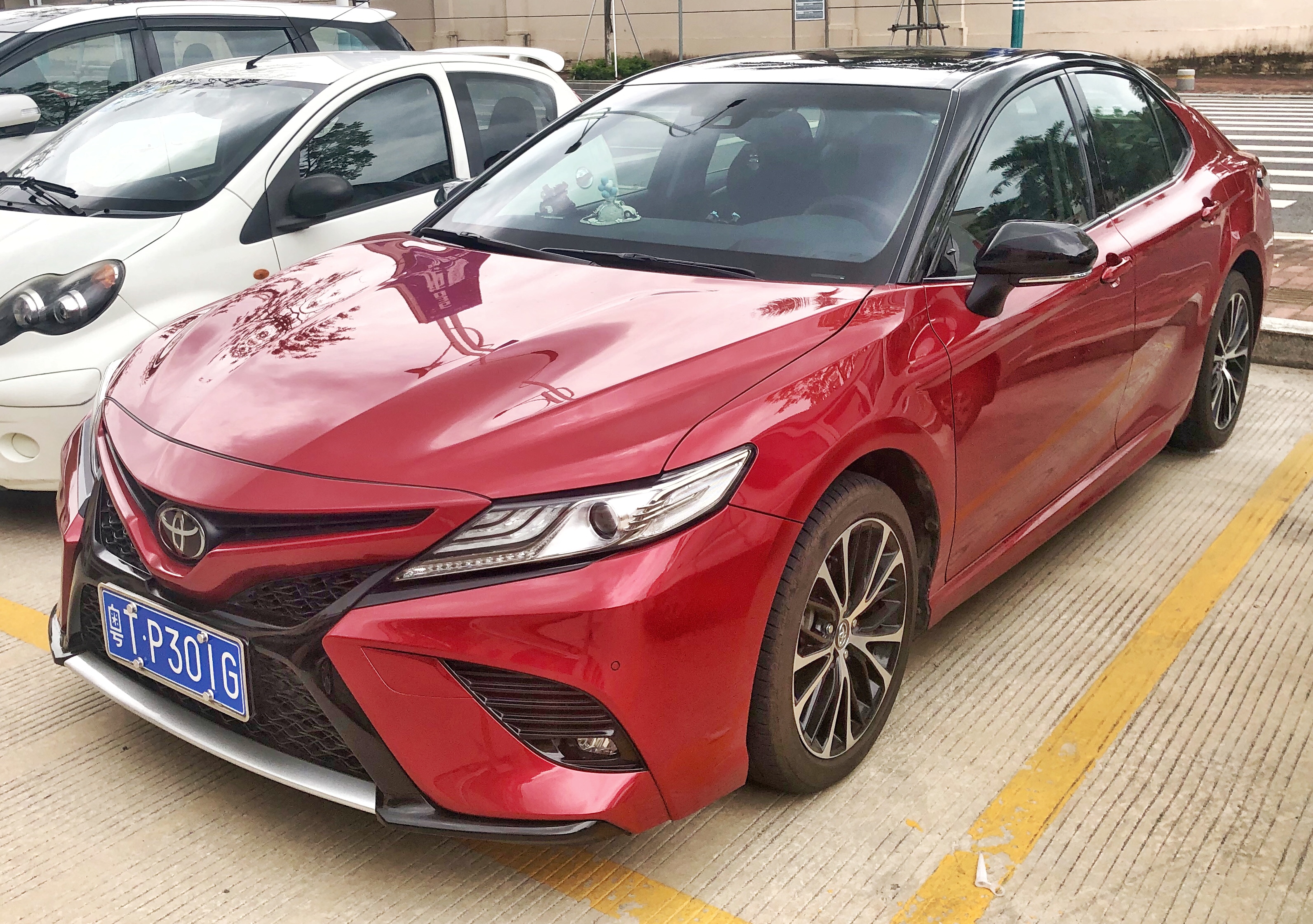
Toyota Camry
"So I have a 09 Camry with a four cylinder, the 2.4 cylinder, and it's got a rough idle only when I'm stopped at a light and I'm in drive."
This is a 2009 Toyota Camry. The problem they’re talking about is the engine shaking when the car is stopped at a light, especially when the air conditioning is running.
A 2009 Toyota Camry is a front-engine, front-wheel-drive sedan that commonly uses a 2.4-liter inline-four engine. In this segment, the host is diagnosing a rough idle condition that shows up only at idle in Drive and gets worse with the AC on.
rough idle
"and it's got a rough idle only when I'm stopped at a light and I'm in drive."
Rough idle means the engine is running unevenly when the car is stopped. It can feel like shaking or vibration at idle.
Rough idle is when an engine runs unevenly while the car is stationary and idling. It often points to an ignition, fuel, or air-control issue that becomes noticeable at low engine speed.
throttle body
"I've cleaned out the throttle body and the mass airflow sensor. It didn't seem to help very much at all."
The throttle body controls how much air the engine gets. If it’s dirty or not moving smoothly, the engine can idle rough.
The throttle body is the air-control valve that regulates how much air the engine can breathe at idle and during low-speed driving. If it’s dirty or sticking, it can cause unstable idle and hesitation.
fuel trims
"checked the fuel trims. They're good, like around two or three percent."
Fuel trims are the car’s way of fine-tuning how much fuel it injects. If the numbers are off, it can hint that the engine isn’t getting the right fuel-air mix.
Fuel trims are the ECU’s adjustments to injector pulse width to keep the air-fuel mixture correct. Checking them helps determine whether the engine is running too rich or too lean and whether the problem is likely fuel/air related.
ignition coils
"ChatGBT suggested that maybe ignition coils could be just marginal, only having a problem when it's idling and there's no codes or anything and it drives fine perfectly every other instance."
Ignition coils make the spark that lights the fuel in the engine. If a coil is weak, the engine can misfire and shake, especially when idling.
Ignition coils generate the high voltage needed to create the spark for each cylinder. If a coil is weak or failing, it can cause misfires—often most noticeable at idle under load.
misfire code
"Well, with a coil, you're either going to get a misfire or you're going to get a complete fire on a car like that. So if it's misfiring, you should have a misfire code and a dead cylinder."
A misfire code is an error the car logs when it detects that a cylinder isn’t firing properly. It can turn on the check-engine light and help point to the cause.
A misfire code is a diagnostic trouble code (DTC) stored when the ECU detects that one or more cylinders aren’t firing correctly. Many misfire-related issues trigger codes, though some intermittent problems may not.
dead cylinder
"So if it's misfiring, you should have a misfire code and a dead cylinder."
A dead cylinder means one cylinder isn’t working. When that happens, the engine can run rough and shake because not all cylinders are doing their job.
A dead cylinder is a cylinder that isn’t contributing to combustion—often because of a spark, fuel, or mechanical problem. When one cylinder is dead, the engine can shake noticeably, especially at idle.
engine mount
"It could also be an engine mount that is in poor condition. It's starting to sag a little bit... They'll flop around a little bit so the engine can shake a little bit at idle."
Engine mounts hold the engine in place and help reduce vibration. If the mounts are worn out, the engine can move more than it should and the car can shake.
Engine mounts isolate the engine’s vibration from the chassis. When mounts get worn—either stiff with age or rotten—they can let the engine “flop” and cause shaking, especially at idle or when the engine is loaded in gear.
compression check
"We do a cylinder leak down test on all the cylinders and compare them, see if they're all the same, compression check, see if they're all the same."
A compression check measures how much pressure the engine cylinder can build. If one cylinder is low, it usually means something inside isn’t sealing well.
A compression check measures how much pressure a cylinder builds during cranking, which reflects the condition of the engine’s internal sealing. Low compression on one cylinder often points to issues like valve leakage or ring wear.
clogged fuel injector
"So if you have, let's say number, the number one cylinder has a clogged fuel injector enough that it's giving an idle problem, but down the road it's fine."
A fuel injector is a nozzle that sprays fuel into the engine. If one gets clogged, that cylinder may not get the right fuel, which can make the engine idle rough.
A clogged fuel injector can’t deliver fuel in the right amount or pattern, causing misfire-like symptoms such as rough idle. Because one cylinder’s fueling is affected, the engine may compensate until the problem becomes obvious under certain conditions.
CRC guaranteed to pass the G2P emission system cleaner
"You might try some CRC guaranteed to pass the G2P emission system cleaner. And a partner of ours. Yeah. Put it in the tank, drive it a couple hundred miles, see if it changes."
This is a fuel additive/cleaner meant to remove gunk from the fuel system. The host suggests trying it first and then driving to see if the rough idle improves, which can point to clogged injectors.
This refers to an aftermarket fuel system cleaner marketed for emission-system compatibility, intended to dissolve deposits that can clog fuel injectors. The host’s diagnostic idea is to add it to the tank, drive, and see if idle smoothness improves—suggesting injector fouling rather than a mechanical failure.
cylinder head gasket
"I actually did most of those things. This has been going on for probably more than a year now, but a year ago, less than a year ago, I had the cylinder head rebuilt because the head gasket blew."
The cylinder head gasket is a thin seal inside the engine that keeps different fluids and gases from mixing. When it fails, the engine can run poorly and you may see leaks or overheating.
A cylinder head gasket is the sealing layer between the engine block and the cylinder head. If it fails, combustion gases and/or coolant can leak, which can cause misfires, overheating, and hard-to-diagnose running issues.
transmission mounts
"I have changed the transmission mounts because I had another separate problem in the fall that I thought was the problem. So all the engine mounts are new."
Transmission mounts are the parts that hold the transmission in place and help absorb vibration. If they’re worn, the car can shake or feel rough, even if the engine itself is fine.
Transmission mounts are the rubber (or hydraulic) supports that hold the transmission to the vehicle’s body or subframe. If they wear out, they can increase vibration and can make shifting/idle feel “off,” sometimes confusing the diagnosis of engine or fuel issues.
plugs
"So all the engine mounts are new. So new plugs as well with the head rebuilt. And then on the forums, I see a lot of guys talking about the same kind of problem"
Spark plugs are what create the spark that starts combustion in a gas engine. If they’re worn or dirty, the engine can misfire or idle strangely.
Spark plugs ignite the air-fuel mixture in gasoline engines. Replacing plugs can help if the old ones are worn or fouled, but they won’t fix issues like a failed head gasket or a fuel delivery problem.
funky idle
"But it did have a funky idle every once in a while. Now, I'm not saying that makes it right, but it wasn't so bad that it never died."
“Funky idle” means the engine doesn’t run smoothly when the car is stopped. It can feel rough, rev up and down, or even stall sometimes.
“Funky idle” refers to abnormal engine behavior while the car is idling, such as roughness, hunting RPM, or occasional stalling. It often points to issues like vacuum leaks, ignition problems, or fuel delivery problems, though it can also be caused by mechanical sealing problems.
leak down test
"have you done a leak down test? Not a compression test, but a leak down test to see if all the cylinders are sealing?"
A leak down test checks whether each cylinder is sealing properly. It can help find if the problem is inside the engine (like valves or rings) or from a gasket leak.
A leak down test pressurizes each cylinder to check how well it seals. It helps pinpoint where compression is escaping (rings, valves, or head gasket) rather than just measuring overall compression like a compression test.
compression test
"have you done a leak down test? Not a compression test, but a leak down test to see if all the cylinders are sealing?"
A compression test checks how much pressure the engine cylinders can make. It tells you if something is off, but it doesn’t always show exactly where the problem is.
A compression test measures how much pressure each cylinder can build during cranking. It’s useful for a quick health check, but it doesn’t tell you where the leak is coming from—so a leak down test can be more diagnostic.
fuel delivery
"Go back to the basics. And fuel delivery, fuel pump, fuel filter that you've checked all that probably?"
Fuel delivery is how the car gets gas from the tank to the engine. If it’s not working right, the engine can idle poorly or run rough.
Fuel delivery is the system that supplies the engine with the right amount of fuel at the right pressure. When fuel delivery is off, you can get idle issues, misfires, or intermittent running problems that can look like “engine” problems but are actually supply/pressure related.
fuel pump
"And fuel delivery, fuel pump, fuel filter that you've checked all that probably? Not the fuel pump, but I'm leaning towards, like you said, the"
The fuel pump moves fuel from the tank to the engine and maintains system pressure. A weak or failing fuel pump can cause lean running, misfires, and intermittent idle problems—especially under certain loads or temperatures.
injectors
"injectors because that's the only thing that's not as easy to check at this point."
Injectors are the parts that spray fuel into the engine. If an injector isn’t working right, that cylinder may not get the right amount of fuel, which can make the engine run rough. They’re saying injectors are harder to quickly verify than some other causes.
Fuel injectors are valves that spray fuel into the engine’s intake (or directly into the combustion chamber on some engines) in precise amounts and timing. If injectors are faulty or uneven between cylinders, they can contribute to rough idle and misfire-like symptoms. The hosts mention injectors as the one thing that’s “not as easy to check” at that point.
AC
"Air conditioning on, still hanging up, you know, in gear a little bit, that's just an extra load on the engine."
AC is the air conditioning system. Turning it on makes the engine work a bit harder, which can affect how the car idles. If the car shakes more with AC on, that’s an important clue for diagnosing the cause.
AC (air conditioning) adds electrical and mechanical load to the engine, which can change idle behavior and how the engine responds at stops. If idle becomes rough specifically when AC is on, it can point to issues like insufficient idle control, vacuum/air leaks, or engine mount vibration being more noticeable under load. In this segment, they’re comparing RPM and roughness with AC on vs off.
lockup
"it's not so bad that it's like a transmission that is not releasing the lockup or something like that. We're not talking about that bad."
Lockup is when an automatic transmission connects the engine to the transmission more directly to reduce slippage. If it doesn’t engage or disengage correctly, the car can feel rough or behave strangely when you slow down. They’re saying this situation doesn’t sound like that kind of transmission problem.
Lockup refers to a transmission feature where the torque converter clutch engages to mechanically connect the engine to the transmission, reducing slip and improving efficiency. If the lockup isn’t releasing properly, it can cause abnormal behavior like roughness or RPM changes during stops/low-speed operation. The hosts contrast the AC load issue with a “bad” lockup scenario.
RPM
"I checked the RPM. It doesn't seem to drop too low. I mean, it's about 650, both with and without the AC on."
RPM is how fast the engine is spinning, measured as revolutions per minute. When the engine is idling, RPM should stay fairly steady. If it drops too low or behaves oddly when you turn on AC, that can help point to what’s wrong.
RPM (revolutions per minute) is how fast the engine’s crankshaft is spinning. Idle RPM is a key diagnostic number because rough idle or abnormal RPM drop can point to issues like vacuum leaks, fuel delivery problems, or engine mount-related vibration. In this segment, they’re using RPM readings with and without AC to judge whether the engine is dropping too low.
fuel pressure
"Fuel filter, that idle, you should have plenty of fuel pressure at idle, you know, if it's running so good at higher idle, most likely."
Fuel pressure is how strongly the fuel system pushes gas to the engine. If pressure is too low at idle, the engine may run rough or shake. If it runs well at higher idle/load, that can suggest the fuel pressure problem isn’t happening (or isn’t severe) at idle.
Fuel pressure is the amount of pressure the fuel system uses to deliver gasoline (or other fuel) to the engine’s injectors. At idle, stable fuel pressure helps ensure the engine can maintain smooth combustion; if fuel pressure is low or unstable, idle can become rough even if higher-load running seems fine. The host is using the idea of “plenty of fuel pressure at idle” to argue the fuel system may not be the root cause.
fuel filter
"Fuel filter, that idle, you should have plenty of fuel pressure at idle, you know, if it's running so good at higher idle, most likely."
The fuel filter cleans the gas before it gets to the engine. If it gets clogged, the engine might not get enough fuel, which can make it run rough. The hosts are basically saying the idle behavior should match what the fuel filter/fuel pressure is doing.
A fuel filter removes contaminants from the fuel before it reaches the injectors. If it’s clogged, it can restrict fuel flow and cause drivability issues—often noticeable at idle or under certain loads. Here, the discussion ties the fuel filter to whether the car should have enough fuel pressure at idle.

Chevrolet Tahoe
"Hey, I have a 2010 Tahoe with 360 plus 100 miles on it, 1000. Sure, that deserves a clap. She's been around the block, but it was an old Border Patrol truck, so it was maintained very well."
This is a Chevrolet Tahoe (a big SUV). The problem described is that the engine idle speed goes up and down when the A/C is on, which usually means the car’s computer is struggling to manage idle under that extra load.
A Chevrolet Tahoe is a full-size SUV, and the 2010 model uses an electronically controlled engine management system that can change idle speed when loads like the A/C are turned on. In this segment, the host focuses on why the idle RPM fluctuates when the A/C is running, which points to how the Tahoe’s idle control and engine sensors respond to changing airflow and compressor load.
AC clutch
"But you know, if that, it will, as the AC clutch kicks on and off, if it's cold enough, you know, it cools itself down and it's, it's adjusted where it's kicking on and off,"
The A/C clutch is what turns the A/C compressor on and off. When it turns on, it adds load to the engine, and that can make the idle RPM change.
The A/C clutch is the mechanical/electromagnetic coupling that engages the A/C compressor. When the clutch cycles on and off, it changes the engine load, which can cause idle speed to rise and fall as the engine control system compensates.
electronic throttle
"That's got electronic throttle on it. There's no cable, nothing like that. So it's no idle air control motor."
Electronic throttle means the gas/throttle is controlled by sensors and a motor instead of a cable. Since the car is using sensors to decide how much air to let in, bad sensor data can make the idle speed bounce around.
Electronic throttle (often called drive-by-wire) replaces a physical throttle cable with sensors and an electronic actuator that controls the throttle plate. Because the throttle is controlled electronically, the idle control strategy can react quickly to sensor inputs and A/C load changes—so issues with sensor readings can show up as idle RPM hunting.
idle air control motor
"That's got electronic throttle on it. There's no cable, nothing like that. So it's no idle air control motor."
Some cars use a small motor to let extra air in at idle to keep the RPM steady. The speaker is saying this one doesn’t do it that way, so the idle problem is more likely tied to throttle/sensor control.
An idle air control motor is a component used on some vehicles to regulate idle speed by controlling extra airflow around the throttle. The speaker says this Tahoe doesn’t use that style of idle air control, implying idle stability is handled differently (via electronic throttle control and engine management).
mass airflow sensor
"then you probably got a mass airflow sensor that's, that's weak. And when it's actually plugged in and operating, it's got a lot of fluctuation."
The mass airflow sensor tells the engine how much air is coming in. If it’s reading wrong, the car may add too much or too little fuel, which can hurt gas mileage and make the engine feel weak.
A mass airflow sensor (MAF) measures how much air the engine is pulling in. The engine uses that airflow data to calculate how much fuel to inject, so a weak or unstable MAF can make the car run poorly, get worse fuel economy, and feel sluggish.
fuel economy
"They can fail within their range and not give a code and cause it to act up, cause fuel, fuel economy to be poor, things like that, response to be sluggish."
Fuel economy is basically how many miles you can drive on a gallon of gas. If the engine is getting the wrong information, it can waste fuel and you’ll use more gas than you should.
Fuel economy is how efficiently the engine turns fuel into distance, usually measured as miles per gallon (or liters per 100 km). If sensors like the mass airflow sensor are off, the engine can run too rich or too lean, which reduces fuel economy.
unplug them all the time to test the car
"but we unplug them all the time to test the car. You know, you can't really drive it, but you just unplug it, shut the car off, restart it."
They’re describing a quick test where you unplug a sensor and see how the car responds. The car may switch to backup settings, and that behavior can help figure out which sensor is the problem.
The host is describing a diagnostic shortcut: unplug a sensor, restart, and observe how the car behaves (idle, stalling, and response). Many ECUs use “fallback” strategies when a sensor is disconnected, which can help isolate which sensor is causing the symptoms.
throttle position sensor
"It's reading off the throttle position sensor when that's unplugged."
The throttle position sensor tells the car how much you’re pressing the gas (how open the throttle is). If it’s unplugged, the car may guess, and that can change how systems behave.
The throttle position sensor (TPS) reports how far the throttle plate is opened. When it’s unplugged, the engine may fall back to substitute readings, so the host is describing how the AC behavior can reveal what the ECU is seeing from the TPS.
mileage
"probably have been sitting and a lot of those have hour meters convert those to mileage, because if you've got one with 25,000 hours on it and it's only got 10,000 miles, you think, oh, look how this great mileage, where do I find the hours in the meter, the truck meter, you know, on the dash?"
Mileage is how far the car or truck has been driven. But for fleet vehicles, low mileage doesn’t always mean low wear if the engine ran a lot while idling.
Mileage is the distance a vehicle has traveled, typically shown on the odometer. In fleet buying, mileage alone can be misleading if the vehicle spent lots of time idling or doing short runs that build up engine hours.
hour meter
"Yeah. And you can convert. And I think a lot of the miles, you know what, I think a lot of the fleet patrol type vehicles, I think that's part of that kit that they, yeah, you want to, you want to go maintenance, it'll say base, it'll say change your oil at this many hours or this many miles. Because it's a real thing. I mean, sure."
An hour meter tells you how long the engine has been running. Two trucks can have the same miles, but the one that idled a lot will have more engine hours.
An hour meter counts how many hours a vehicle’s engine has run, regardless of distance traveled. That matters for fleet vehicles because idling, short trips, and heavy use can rack up engine runtime even when mileage looks low.
fleet patrol type vehicles
"And I think a lot of the miles, you know what, I think a lot of the fleet patrol type vehicles, I think that's part of that kit that they, yeah, you want to, you want to go maintenance, it'll say base, it'll say change your oil at this many hours or this many miles."
Fleet patrol vehicles are work trucks used repeatedly for duties like patrolling. They may idle a lot and start/stop frequently, so engine wear can come from hours of running, not just miles driven.
Fleet patrol vehicles are used for recurring service duties, often involving lots of idling, short trips, and frequent starts/stops. Because their usage pattern differs from typical personal driving, maintenance schedules may be based on engine hours as well as miles.
use of that vehicle is important
"I was going to say, Russ, you hit it right in the head. The use of that vehicle is important, and you don't always know that. You know, was that the one that they, was it the car that they,"
How the vehicle was used matters a lot. A truck that mostly idled and was started often can be more worn than one with similar miles that was driven normally.
The key idea is that how a vehicle was used can matter more than the raw numbers on the odometer. Two vehicles with similar hours/miles can have very different wear if one was idled and abused while the other was driven consistently.
well maintained fleet vehicle with good records
"But as a rule of thumb though, of a well maintained fleet vehicle with good records is a pretty safe vehicle to buy most of the time."
They’re saying fleet cars are often a good buy if you can see proof they were maintained. Service records help you know the vehicle was cared for, not just driven.
The hosts are emphasizing that fleet vehicles with documented maintenance history tend to be safer buys than unknown-condition vehicles. “Good records” help you verify that scheduled service happened on time, which is especially important when maintenance is tracked by hours and miles.
fleet manager
"But we have seen, there's that 10% where that fleet didn't have a good fleet manager, that they had problem vehicles that they're getting rid of."
A fleet manager is the person who runs a company’s fleet of vehicles. If they don’t manage maintenance and replacements well, some vehicles can get neglected or used in ways that cause problems.
A fleet manager is responsible for overseeing vehicle assignment, maintenance, and replacement decisions across a fleet. Poor fleet management can lead to inconsistent upkeep or vehicles being retired because they’re problem units.
serpentine belts
"And it seems like [1492.2s] back then we replaced a lot of serpentine belts in vehicles."
A serpentine belt is one long belt that powers several car accessories. If it wears out, multiple things can start acting up because the belt is what turns them.
A serpentine belt is the single long belt that routes power from the engine to multiple accessories like the alternator, air conditioning compressor, and sometimes the water pump. Because it drives several systems at once, its condition affects more than just one gauge or warning light.
glazed over
"Now belts have problems where [1528.1s] they don't crack, but they stretch, they start to get glazed over."
When a belt gets “glazed,” the rubber surface gets hard and slick from heat. That can make the belt slip when the car is asking a lot from the belt.
“Glazed” belt wear is a surface condition where the belt’s rubber gets hardened and shiny from heat and friction. It reduces grip, which can cause belt slip under heavy electrical or accessory loads.
slip
"They will slip at times when [1541.6s] you get a heavy load, like you get your alternator on your rear defoggers..."
Belt slip means the belt isn’t gripping and turning things as it should. When the car loads the system harder, the belt can squeal or fail to drive accessories properly.
Belt slip happens when the serpentine belt doesn’t grip the pulleys well enough to transmit power. Under higher loads, slip can show up as squealing, accessory performance issues, or belt coming off if the tensioner and pulleys aren’t right.
tensioners
"And they can come off when things happen, you get tensioners that go [1559.1s] bad, all those kinds of things."
The tensioner is what keeps the belt tight. If it’s not working right, the belt can slip or even fall off.
A belt tensioner is a spring-loaded (or sometimes hydraulic) component that keeps the serpentine belt tight. If the tensioner fails or weakens, the belt can slip, come off, or wear out faster even if the belt itself looks “okay.”
Deco
"We use Deco in our shop. They're [1589.0s] put a belt on."
Deco is a brand the mechanic mentions for a belt kit. The important part is that it’s a kit with the belt plus related parts.
Deco is referenced as the shop’s preferred brand/supplier for a serpentine belt package. The key point is that the kit includes multiple components, not just the belt.
idler
"Oh, well, now it's squeaking. Well, [1601.2s] why is it squeaking? Well, we didn't replace that idler."
An idler pulley is a small wheel the belt rides on. If that wheel or its bearing is worn, the belt can squeak and wear out sooner.
An idler pulley is a bearing-driven pulley that helps route and guide the serpentine belt. If the idler pulley is worn or contaminated, it can cause belt noise (like squeaking) and accelerate belt wear.
tensioner pulley
"they put one idler pulley on it. That may not fix it. So now they put a tensioner pulley on it."
A tensioner pulley keeps the belt tight. If the belt isn’t tight enough, it can slip and squeal—so replacing just one part may not solve the problem.
A tensioner pulley is part of the belt drive system that keeps the belt tight enough to transmit power without slipping. Many modern setups use an automatic tensioner, so replacing only one pulley can still leave the belt system with the same underlying tension or alignment issue.
component kit
"So with belts, a component kit is complete, but your first question there, are they different?"
A component kit usually means you replace the belt and the related pulley/tensioner parts together. Doing it as a set helps prevent the same squeal from coming back soon.
In belt-driven accessory systems, a component kit typically means replacing the belt along with the related pulleys/tensioner parts as a matched set. The point is to avoid mixing new and worn components, which can lead to the same noise returning shortly after a partial repair.
automatic tension
"Now, that's not, you've got automatic tension. Well, and it's going in and it's the serpentine belt that, you know, the serpentines, they're in there."
Automatic tension means the belt tension is maintained by a built-in mechanism, not by you adjusting it with a wrench. That helps keep the belt from squealing as it wears.
Automatic tension refers to belt systems that use a spring-loaded tensioner to maintain belt tightness as components wear and as temperatures change. That’s why modern belt drives often don’t require periodic manual readjustment like older designs did.

Honda Civic
"There are still some that aren't too old though, like a Honda Civic that still has manually adjusted belts, not the brand new ones."
The host mentions the Honda Civic as an example of a car that used to have belts you could adjust by hand. If the belt tension isn’t right, it can squeal and you may need to re-check it after a new belt.
The Honda Civic is used here as an example of an older design that may have manually adjusted accessory belts. The key point is that some Civics (in certain years) can require periodic belt tension readjustment to prevent squeaks.
manually adjusted belts
"like a Honda Civic that still has manually adjusted belts, not the brand new ones. I'm talking about you go back a few years, but they had manually adjusted belts."
Some older belt setups require adjusting the belt tension by hand. If it’s too loose, it can squeal, especially when you turn on A/C or use more electrical load.
Manually adjusted belts are belt systems where a technician sets belt tension by tightening/adjusting components with tools. If the tension isn’t set correctly, the belt can squeak—often showing up when you turn on the A/C or when the alternator is under heavier load.
timing belts
"And timing belts, they still have a chain, a change interval to them, which should really be followed, but we pull them off and they don't have cracks even though they're"
A timing belt coordinates the engine’s moving parts so the valves open at the right time. It has to be replaced on a schedule, because waiting until it looks cracked can be risky.
Timing belts synchronize the engine’s crankshaft and camshaft(s) so valve timing stays correct. Unlike accessory drive belts, timing belts are safety-critical and have a scheduled change interval (mileage/time), even if the belt looks okay.

21 F-150 with a 3.5 EcoBoost
"Bill, what can we do for you? I have a 21 F-150 with a 3.5 EcoBoost and I'm getting a rough idle. It's got 65,000 miles on it."
This is a Ford F-150 with a 3.5-liter EcoBoost engine. Because it uses turbocharging and direct fuel injection, carbon can build up on the engine’s intake valves and make the engine idle rough.
The Ford F-150 with the 3.5-liter EcoBoost uses a turbocharged setup paired with direct injection. That combination is prone to carbon buildup on the intake valves, which can cause a rough idle if the fuel/air mixture isn’t getting the right airflow.
direct GDI gas
"It could be that the fuel injection system is dirty on that. It's got a direct GDI gas, direct injected engine, and they do carbon up on the backside of the valves and they cause these things to run rough."
GDI means the engine injects gasoline directly where it burns. Since the fuel doesn’t clean the intake valves as much, carbon can build up there and cause problems like rough idling.
GDI (Gasoline Direct Injection) means the engine sprays fuel directly into the combustion chamber instead of into the intake tract. Because fuel doesn’t wash over the intake valves like it used to, carbon can build up on the back side of the valves and contribute to rough running.
carbon up on the backside of the valves
"It's got a direct GDI gas, direct injected engine, and they do carbon up on the backside of the valves and they cause these things to run rough."
Carbon can collect on the intake valves. When that happens, the engine can’t breathe and mix fuel-air as well, which can make it idle rough.
Carbon buildup on the back side of the intake valves is a common issue on direct-injection engines. The carbon changes airflow and fuel/air mixing, which can lead to rough idle and other drivability problems.
CRC GDI service kit
"The CRC GDI service kit, the direct injection service kit is great at cleaning that out to clean the back of the valves, the mass air flow sensor, the injectors themselves through the fuel tank, all of it."
CRC is a brand that sells cleaning products for cars. In this call, they’re recommending a CRC kit meant to clean carbon buildup on direct-injection engines.
CRC is a consumer/aftermarket brand that makes products for cleaning and maintenance. Here, the host specifically mentions a CRC GDI service kit as a method to clean direct-injection-related carbon deposits and related components.
valve train
"Because those three point, those EcoBoost motors... with the turbos, they get a little more carbon buildup in the valve train."
The valve train is the set of parts that opens and closes the intake and exhaust valves (including components like camshafts and related hardware). Carbon buildup in this area—especially on intake valves—can disrupt airflow and cause rough idle.
intake
"We've had some apart to replace the intake and you're like, oh, look at that shiny spot right there where it's spraying..."
The intake is how air gets into the engine. If carbon builds up in the intake area, it can block airflow and make the engine run rough.
The intake is the path and components that bring air into the engine. In turbocharged engines, intake flow can be affected by carbon buildup, which can change how well the engine breathes and can contribute to rough idle or reduced airflow.
valve seat
"...it's really not, I don't think it's really getting down in there and washing the valve seat off. It's just the back of the valve area."
The valve seat is the contact surface that helps the valve seal tightly. If carbon builds up there, the valve may not seal or behave properly, which can make the engine run poorly.
A valve seat is the sealing surface where an engine’s intake or exhaust valve closes against the cylinder head. If carbon buildup prevents proper sealing or cleaning, it can affect combustion and contribute to drivability issues like rough idle.
turbos
"But that, I mean, that is a thing though with those turbos. You just get a different, a different amount of carbon that gets back up inside that cylinder..."
A turbocharger is a device that uses exhaust to push more air into the engine. On turbo engines, carbon can build up in places that affect how the engine runs.
Turbos (turbochargers) use exhaust gas to spin a turbine that forces more air into the engine. That extra airflow can also change how carbon deposits form, so carbon buildup can become a recurring maintenance/diagnosis topic on turbo engines.
check engine lights
"If we're going down that road that we think that's what it is, assuming you don't have any other check engine lights..."
The check engine light is a warning that the car’s computer found a problem. Here, they’re saying if the light isn’t on, the issue might be something like carbon buildup instead of a sensor failure.
Check engine lights are dashboard warnings triggered when the engine control unit (ECU) detects a fault stored as a diagnostic trouble code. The host is saying that if there are no check engine lights, the problem may still be something like carbon-related airflow disruption rather than a sensor or major mechanical failure.
scanner
"...if they hook it up to a scanner, when it's running, you know, if the idle can be duplicated as rough..."
A scanner is a tool that plugs into the car to read the computer’s error codes and live data. They’re saying that if the scanner shows everything looks normal, the cause may be something like carbon affecting airflow.
A scanner (OBD-II scan tool) reads diagnostic trouble codes and live engine data from the vehicle’s ECU. The host is describing using a scanner while the engine is running to see whether readings look normal, which helps narrow the cause of rough idle.
fuel additive
"Okay. And that's a physical cleaning. That's not like a fuel additive. Well, that's where the, you know, Russ recommended. It's an additive, but it's also added in through the intake itself..."
A fuel additive is a cleaner you put into the gas. They’re saying it’s different from physically cleaning the engine parts, which may be needed if deposits are heavy.
A fuel additive is a chemical product mixed with fuel to try to clean or protect engine components. The host contrasts it with a physical cleaning done through the intake, implying that additives may not remove deposits as effectively as direct cleaning.

2012 Chevy 1500
"Got a 2012 Chevy 1500 and I have a crazy thing that happens to it. I, uh, when I get out of the truck, if I keep the keys in it..."
This is a 2012 Chevrolet pickup truck (the 1500 model). The caller is describing a strange behavior that happens when they get out of the truck and how they handle the keys.
A 2012 Chevrolet 1500 is a full-size pickup (Chevy’s Silverado 1500 line) that’s commonly used for towing and daily driving. In this segment, the host is responding to an issue that happens when the driver exits the truck, which points to a systems/starting or key-detection behavior rather than a typical engine wear item.
proximity walk away feature
"So I don't know what is that. Like, is that a proximity walk away feature that's not a 12? They didn't get that, they didn't get that until 14. No, I guess we're fancy."
This is an automatic lock feature that uses your key fob. When the car thinks you’ve walked away, it locks by itself so you don’t have to press the button.
A proximity walk-away feature uses a key fob’s signal to detect when you’ve walked away from the car. When it thinks you’re leaving, it can automatically lock the doors (and sometimes even enable “passive” locking).
aftermarket security system
"No, I guess we're fancy. If it's got an aftermarket security system of some sort on there or a remote start, it could be set to that to passive lock."
This is a car alarm or anti-theft system that was added after the car was built. It can sometimes make the car lock automatically in ways you don’t realize.
An aftermarket security system is an add-on alarm/immobilizer installed by a third party rather than the car’s original equipment manufacturer. These systems can change locking behavior—like enabling passive locking—so the car may lock even if you didn’t expect it.
passive lock
"If it's got an aftermarket security system of some sort on there or a remote start, it could be set to that to passive lock. And it, you may not even know it has it."
Passive lock is when the car locks on its own. You don’t have to press anything—usually it’s because your key fob is no longer close enough.
Passive lock means the vehicle locks automatically without you actively pressing a button. It’s typically triggered by the key fob being out of range or by a remote-start/security setup configured for automatic locking.
remote start
"If it's got an aftermarket security system of some sort on there or a remote start, it could be set to that to passive lock."
Remote start means you can start the car without being in it. Some add-on remote-start systems also connect to the car’s security/locking, which can cause the doors to lock unexpectedly.
Remote start lets you start the engine from outside the car using a key fob or app. Some remote-start installs also integrate with the car’s locking/security logic, which can lead to unexpected “walk away” locking.
non factory equipment
"or if it's dealer installed, that you just aren't aware of, you got to look under the dash and see if there's any non factory equipment."
Non-factory equipment refers to parts or modules that weren’t installed by the vehicle manufacturer. In this context, it means you should look for add-on wiring/modules under the dash that could be controlling locking or remote-start behavior.
telltale signs
"Is there any other telltale signs besides looking under the dash? It's going to be on the driver's side where the ignition wires are."
Telltale signs are observable clues that indicate something is present or has been modified. Here, the clue is wiring that doesn’t look factory—suggesting an aftermarket security/remote-start install.
factory plug-ins
"Got you. Compared to what factory plug-ins, factory connections look like. Factory wires, it just typically doesn't look factory."
Factory plug-ins (factory connectors) are the original electrical connections and harness plugs installed by the automaker. Aftermarket wiring often looks different—rougher, mismatched, or routed differently—so comparing to factory connectors helps you spot add-ons.
fob
"Okay. So it doesn't happen all the time. So out of all those keys, out of all those keys, do they each have a fob also? No, no, they do not. Okay. No, they do not. It will not start. Right. It will not start the truck. It'll unlock the truck."
A fob is the little remote you use to lock and unlock the car. Some cars also use it to let the engine start, so if the fob isn’t working right, the car may unlock but still won’t start.
A key fob is the small remote transmitter that communicates with the car to lock/unlock and, on many vehicles, allow keyless starting. In this segment, the fob can unlock the truck but the vehicle won’t start without the correct electronic authorization.
body control module
"Okay. So let's say he doesn't have an aftermarket up underneath there. Then what do we do next? It's probably going to need a body control module or at least need a reprogramming because it's not, not doing what it's supposed to. Everything is a function of that part."
The body control module is like the car’s main computer for the “body” features—things like locks and other convenience electronics. If it’s not working right (or needs an update), the car can act weird with keys and fobs, including not starting.
The body control module (BCM) is the car’s electronics hub that controls many body functions like door locks, lighting, and other convenience features. If the BCM is failing or needs reprogramming, the vehicle may behave incorrectly—such as not starting or not responding as expected to keys and fobs.
reprogramming
"It's probably going to need a body control module or at least need a reprogramming because it's not, not doing what it's supposed to. Everything is a function of that part."
Reprogramming is when a shop updates the car’s computer software so it can work correctly again. Here, they’re saying the car might need an update so the key and lock/start functions behave properly.
Reprogramming means updating the vehicle’s software/firmware so the control module behaves correctly with the rest of the car’s systems. In this context, reprogramming is suggested because the BCM may not be operating as intended for the key/fob behavior.
anti Brian to for Brian's keys plan
"When you said that, I flipped from anti Brian to for Brian's keys plan so fast. If it's the BCM plant a key because it's 10 more keys."
This is mostly a joke about a plan for managing keys. The real takeaway is that more keys can mean more programming and cost if the car’s computer has to learn them.
This is a humorous reference to a “keys plan” rather than a technical automotive concept. The underlying point is that adding more keys/fobs can increase cost and complexity when the vehicle’s electronics (like the BCM) must recognize and program them.
BCM
"If it's the BCM plant a key because it's 10 more keys. So it's going to cost you a little money on that one because you've probably got to buy a new one, I think, and program it."
BCM is short for the car’s body computer. If the BCM is the problem, the fix may involve replacing it and programming it so the car recognizes it and works correctly.
BCM stands for body control module. It’s the module that runs many vehicle convenience and body electronics, so if the BCM is the cause, you may need to replace it and then program it so it matches the vehicle.
blower motor
"Yeah. I have a 2020 Ford F-150 and when I, when it's cold outside and I jump in and turn on the heater or whatever, there is a funky noise. But then it doesn't, isn't a fan or anything like that because the fan still sounds the same high or low and it only works, you know, about five minutes and then it's gone. Blendor motor. Is it a thud or a click?"
The blower motor is the fan that moves air through the heater and A/C. If it’s going bad, it can make odd noises or stop blowing correctly.
The blower motor is the fan motor that pushes air through the HVAC system. If the blower motor itself is failing, you can hear clicking/thudding or see airflow issues; if the blower still runs normally but the noise only lasts a few minutes, the problem may be an HVAC door/actuator instead.
Blendor motor
"Blendor motor. Is it a thud or a click? It's kind of like a click. Yeah. Blendor motor broken. I've got one right now on one of these in our, in our shop that needs when you got to pull the whole dash to do it, but it turned out it had more than, more than a Blendor broken."
That “blend door” part helps the truck decide how much hot vs. cold air to send, and where to send it (like defrost or floor). If it’s failing, it can make a quick clicking noise when you first turn the heat on in cold weather.
“Blendor motor” is a common shorthand for the HVAC blend-door actuator/motor, which moves a door inside the HVAC box to mix hot and cold air (or to route air to defrost, floor, etc.). When it sticks or breaks, you can get a brief click/thud as it tries to move, and then the system may still work afterward.
dash
"Blendor motor broken. I've got one right now on one of these in our, in our shop that needs when you got to pull the whole dash to do it, but it turned out it had more than, more than a Blendor broken. It had the door broken, so it's going to need the dash replaced."
In this context, “dash” refers to the vehicle’s dashboard assembly. Some HVAC actuator/blend-door repairs require removing large portions of the dash to access the HVAC box and actuators, which is why labor costs can jump from “a couple hundred bucks” to much more if the dash has to come out.
HVAC box
"it's not just replacing the actuator, it's replacing the entire unit. HVAC box. Yeah. So we, we sell a lot of those. Let's hope it's not 2399.6s that."
The HVAC box is the main housing for the truck’s heating and air system. If a door inside it breaks, the shop may have to replace the whole unit because the parts are hard to reach.
The HVAC box is the housing that contains the heater core, blend doors, and air distribution components. If an actuator inside the HVAC box fails (like a blend door), the repair may involve replacing the entire unit rather than just one small part.
defrost
"no and that one's the one going for your mode that moves from, well you said you're going from cold to heat. You're not changing position like from defrost to. No, it's as soon as I, if I jump in the truck when it's cold out and start it and then turn the heat on or, you know, like hit the power button on it, it does that noise for about five minutes until it kind of warms up and then it's gone. The blower motor works great. I can change it from defrost to floor, you know, all that stuff works."
Defrost is the setting that blows air toward the windshield to clear it. If defrost works, it means the air-routing part of the system is probably okay.
Defrost is an HVAC mode that directs airflow to the windshield to clear fog and ice. The speaker notes that the truck can switch between modes like defrost and floor, which suggests the airflow routing works even if there’s a temporary noise at startup.
floor
"The blower motor works great. I can change it from defrost to floor, you know, all that stuff works. It's just that funky noise, you know, for the first five minutes that it's chilly."
“Floor” is the setting that sends warm air to the vents near your feet. If that works, the main air direction controls are likely functioning.
“Floor” is an HVAC airflow mode that routes air to the cabin floor vents. Mentioning that the system can switch from defrost to floor helps narrow the issue away from the overall mode control and toward a component that only misbehaves briefly in cold conditions.
recirculation door
"Yep. And they all work. That's weird. Even when that noise is working too. Then it's got to be the recirculation door motor because you wouldn't, that wouldn't affect anything coming out the dash, but you'll hear a change. If you hit the recirculation button, you should hear it go from a loud roar inside..."
That “recirculation door” is part of your car’s heating and A/C system. It decides whether the fan pulls air from inside the car or brings in outside air. If it’s stuck or broken, the sound and airflow behavior won’t change when you press the recirculation button.
In a car’s HVAC system, the recirculation door controls whether air is pulled from inside the cabin or from outside. When it’s set to recirculate, you’ll often hear a louder airflow/“roar” because the system is moving cabin air instead of fresh outside air.
recirculation button
"If you hit the recirculation button, you should hear it go from a loud roar inside because it's pulling air from inside the car. You turn that off to outside air, it should quiet down."
The recirculation button tells your A/C or heater to reuse the air already inside the car. Pressing it changes the airflow behavior, so you should notice a difference in sound and how the cabin air is handled.
The recirculation button tells the HVAC system to switch the airflow source to cabin air. That switch changes how the system sounds and how quickly it can cool or defog, because it’s no longer drawing in outside air.
remanufacturing
"We have a program within our computer system that we get from the United Recyclers Group that monitors five to seven different core companies that are interested in the items that are in demand for remanufacturing."
Remanufacturing means taking an old, worn car part and rebuilding it so it works like a properly functioning part again. The old part you turn in is called the core, and it’s what makes the rebuild possible.
Remanufacturing is the process of rebuilding worn automotive parts to like-new or specified performance. It relies on returned cores (old parts) so the materials and major components can be reused.
core charge
"And it automatically inserts a core charge onto our invoice. So we know there's a value to the old part. Or not. And it, and it could affect the pricing of the original part on how we do it."
A core charge is a deposit-like fee you pay when buying a rebuilt part. It encourages you to turn in the old broken part so it can be rebuilt again. If you don’t return the old part, you usually don’t get that money back.
A core charge is an extra fee added when you buy a remanufactured part, meant to ensure you return the old “core” (the worn original). If the core is returned, the charge is typically refunded or credited; if not, the fee may remain.
core wagon
"…have a scrap wagon and the things that are not in demand for core charges… end up in that core wagon."
In this context, a “core wagon” is the shop’s collection area for returned cores—used parts that customers bring back after paying core charges. Parts that can’t be reused or reclaimed are later sold for scrap or recycled.
scrap metal place
"And they usually take them to the scrap metal place and get rid of them."
A scrap metal yard buys old metal parts to recycle them. Shops sell unusable parts there to get some money back.
A scrap metal place is a recycling yard that buys used metal for processing and resale. In the episode’s shop workflow, parts that aren’t reusable are sold there to recover some value.
aluminum transmissions
"Or somebody will come by that will buy the aluminum transmissions or whatever it to be."
Some transmissions have aluminum parts. If a shop can’t reuse the transmission, they may sell the aluminum parts for scrap.
This refers to transmissions with aluminum components (often the case/housing) that can be sold as scrap if they’re not usable as cores. The key point is that the material type affects scrap value and recycling flow.

Gmc Sierra
"..., what can we do for you? Hi guys. So I got an O9 GMC Sierra 1500. And we were coming from camping the other d..."
The GMC Sierra EV is a pickup truck that runs on electricity instead of gasoline. Because it’s electric, it has different systems for power and charging than a regular gas truck. If someone calls in with an issue, the discussion usually focuses on what’s happening with the vehicle and how to fix it.
The GMC Sierra EV is an electric version of the Sierra 1500 pickup, designed to deliver the utility of a truck with an all-electric powertrain. It’s a relevant topic for a podcast because owners may have questions that are different from gas trucks, such as charging behavior and electric drivetrain-related diagnostics. In the episode context, it appears the caller is describing their situation with a Sierra and seeking help, which often leads to troubleshooting the vehicle’s systems.
traction control
"So I went out and looked into the hood and I noticed that my brake reservoir, brake fluid reservoir was way down. I was like, what the heck, how'd that happen, you know? ... service, traction control, service, park assist, park assist turned off, all that kind of stuff on my dash."
Traction control helps prevent your wheels from spinning when the road is slick. If it senses a problem, it can turn on warning lights on your dashboard.
Traction control is an electronic system that reduces wheel spin when the road is slippery. It does this by cutting engine power and/or applying brakes to the spinning wheel, which can trigger dashboard warnings when there’s a brake-fluid issue.
park assist
"We got home and it said, service, traction control, service, park assist, park assist turned off, all that kind of stuff on my dash. So I went out and looked into the hood and I noticed that my brake reservoir, brake fluid reservoir was way down."
Park assist is the feature that helps you park by warning you about obstacles and sometimes steering or braking to help you fit. If the car detects a braking-related problem, it may turn off park assist.
Park assist is a driver-aid system that helps with low-speed parking maneuvers, typically using sensors to detect nearby objects. When brake fluid is low, related stability/braking functions can fault, causing park assist to disable and show warnings.
brake fluid reservoir
"So I went out and looked into the hood and I noticed that my brake reservoir, brake fluid reservoir was way down. I was like, what the heck, how'd that happen, you know? ... yesterday I filled it up and I looked at it this morning and it's empty again."
The brake fluid reservoir is where the car stores the fluid that makes the brakes work. If it gets low or empties, it usually means there’s a leak somewhere, and the car will warn you.
The brake fluid reservoir holds hydraulic brake fluid that powers the car’s braking system. If the reservoir level drops, it usually means a leak or fluid being drawn into a brake-related component, which can trigger multiple warning messages and disable safety systems.
ABS
"A low brake fluid level will give you an indicator light and cause all those systems to give you warnings, ABS, park assist, stability track, everything."
ABS helps you keep steering control when you brake hard by preventing the wheels from locking. If the car thinks the braking system isn’t healthy (like low brake fluid), it can turn ABS off and light up warnings.
ABS (anti-lock braking system) prevents the wheels from locking up during hard braking by modulating brake pressure. When brake fluid is low, ABS can disable and show warnings because it relies on proper hydraulic pressure to function.
stability track
"A low brake fluid level will give you an indicator light and cause all those systems to give you warnings, ABS, park assist, stability track, everything."
This is the car’s electronic system that helps you stay in control if you start to slide or lose grip. If the brakes aren’t working properly (like low brake fluid), the car may warn you and turn it off.
“Stability track” here refers to the car’s electronic stability control family of systems, which helps keep the vehicle pointed in the direction the driver intends. These systems often depend on brake hydraulic pressure, so low brake fluid can trigger warnings and disable them.
vacuum brake booster
"The only other place period it can go is into the vacuum brake booster if it is equipped with a vacuum brake booster. If it's not, it's leaking somewhere and you'll find it eventually. ... take the two nuts off that hold the master cylinder to the brake booster. ... if it's all wet, you're going to need a brake booster and a master cylinder."
The vacuum brake booster helps your brakes respond with less pedal effort. If brake fluid is disappearing but you can’t find a leak outside, it can be leaking into the booster area, and the fix may involve replacing parts of the brake system.
A vacuum brake booster uses engine vacuum to multiply the force you apply to the brake pedal. If brake fluid is low and you don’t see an external leak, the fluid may be leaking into or through the booster/master-cylinder area, which can require replacing the brake booster and master cylinder.
master cylinder
"your master cylinder's gone bad and you're going to have to put the booster on it too because the booster will be full of fluid. Does that make sense to you?"
The master cylinder is the part that makes brake fluid pressurized when you press the brake pedal. That pressure is what actually helps the brakes clamp down at the wheels.
The master cylinder is the hydraulic pump in a car’s braking system. When you press the brake pedal, it pressurizes brake fluid and sends that pressure to the wheel brakes to slow the car.
seal
"Because that means you have a seal out in the back of the master cylinder and it's allowing it to go inside of there."
A seal is a rubber-like barrier that prevents fluid from leaking. If it fails, brake fluid can seep out and you may see wet spots around the master cylinder area.
A seal in the master cylinder is what keeps brake fluid from leaking past internal components. If a seal fails, fluid can escape and wet surrounding areas, which is why the advice is to check whether it’s wet back there.
rusted brake line
"Most likely, it's a rusted brake line. Most likely, it's a rusted brake line and it's seeping out fluid and it's getting rust nailed it."
A brake line carries brake fluid to the brakes. If it rusts and starts leaking, you can lose braking performance—and the leak may be hard to spot because dirt and mud can hide it.
A rusted brake line is a brake hydraulic pipe that has corroded, often leading to seepage or leaks. In cold climates, corrosion can hide for a while, and fluid can collect in dirt and mud before you notice the problem.

2020 Highlander
"I've got like a 2015 Lexus and a 2020 Highlander. They got the AGM batteries and everything in it."
They’re using a 2020 Highlander as another example of a car that doesn’t get driven regularly. The main point is picking a battery tender that works with the battery type you have.
The speaker mentions a 2020 Highlander to discuss battery tender sizing and features for a car that sits. The important takeaway is matching the charger/maintainer to the battery chemistry (like AGM).
AGM batteries
"They got the AGM batteries and everything in them"
AGM is a type of car battery that’s sealed and designed to handle vibration. It often needs a charger that specifically supports AGM so it charges correctly and stays healthy.
AGM (Absorbent Glass Mat) batteries are a sealed, vibration-resistant battery type that uses fiberglass matting to hold the electrolyte. They usually require a charger/maintainer that supports AGM charging profiles to avoid undercharging or damaging the battery.
Request an Explanation
Heard something you'd like explained? We'll add it to this episode.
Sign in to request explanations for terms you heard.
Want to learn more?
Browse our glossary for plain-English explanations of automotive terms, jargon, and concepts.
Help improve this episode
See something that's not quite right? Our annotations are AI-generated and can sometimes miss the mark. Click the flag icon on any annotation to suggest a correction.