
Midweek Motorsport s21 e17
About this episode
Midweek Motorsport s21 e17 moves quickly from endurance and rally previews into a long, technical motorsport deep-dive. The hosts cover Spa, Miami, Watkins Glen and Balaton Ring, then spend plenty of time on motorcycle racing, Super GT, IMSA, IndyCar and Formula 1 strategy. Along the way they unpack penalties, balance of performance, tire behavior, setup sensitivity, and how tiny margins, weather, and pit calls can completely reshape results.
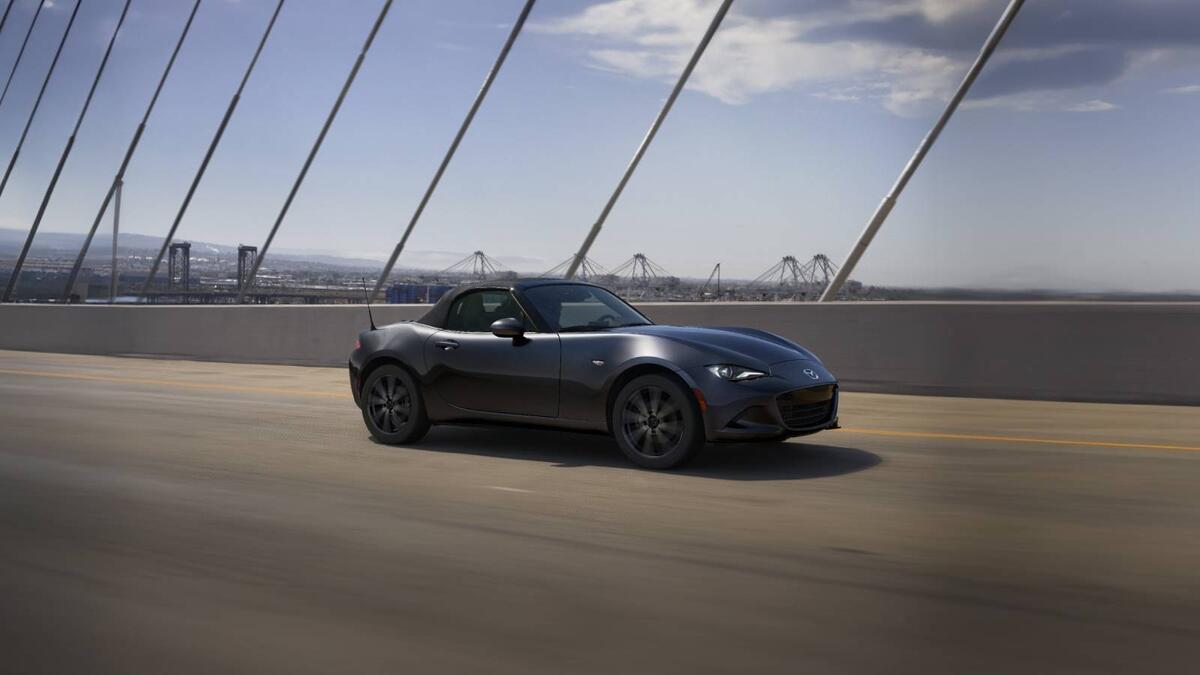
Mazda Mx5
"Justin Adaconis, yes, he's in school, but probably, oh you know he might be, it's still the afternoon. Anyway, he's up in North Carolina and we'll be talking to him as the wheel and Mazda MX-5 Cup is taking a bit of a break at the moment before we get them back at Mid-Ohio on the Inter package which is the next Mid-Ohio, the next Imsa race."
The Mazda MX-5, also known as the Miata, is a small two-seat sports car. It’s popular because it’s light and fun to drive. The podcast references the MX-5 Cup, which is a racing series that uses these cars.
The Mazda MX-5—often called the Miata—is a lightweight, two-seat roadster famous for its balanced handling and driver-focused feel. The podcast mentions the “Mazda MX-5 Cup,” which is a spec racing series built around these cars, making it a key platform for grassroots-to-club motorsport. That’s why it’s likely discussed as a known quantity in racing.
back straight
"I think I hit 162. Really? Yeah, on the back straight."
A back straight is a long straightaway on the track where you go fastest. The goal is to accelerate hard and set up the next turn.
A back straight is the straight section of a race circuit where cars or bikes accelerate at high speed. Lap time gains often come from how well you can carry speed into the following corner.
entry corner
"And a much faster entry corner. Anyway, let's talk about the weekend."
The entry corner is the first part of a turn where you set up braking, turn-in, and initial steering. How you enter determines your speed and traction through the rest of the corner.
Balaton Ring weekend
"Anyway, let's talk about the weekend. We were at the Balaton Ring... It now becomes 15 in a row for Nicola Booliger."
They talk about a racing weekend at Balaton Ring and mention a winning streak. It’s basically an event update.
This segment shifts into discussing a race weekend at the Balaton Ring and the outcome streak being discussed for Nicola Booliger. It’s a track-event recap rather than a technical explanation.
super bikes
"But, well, super bikes were. Yes."
“Super bikes” are fast, race-focused sport motorcycles. They’re built to accelerate hard and handle well at high speeds.
“Super bikes” refers to high-performance sport motorcycles used in racing, typically in the top production-based classes. They’re known for strong acceleration, advanced braking, and high cornering grip.
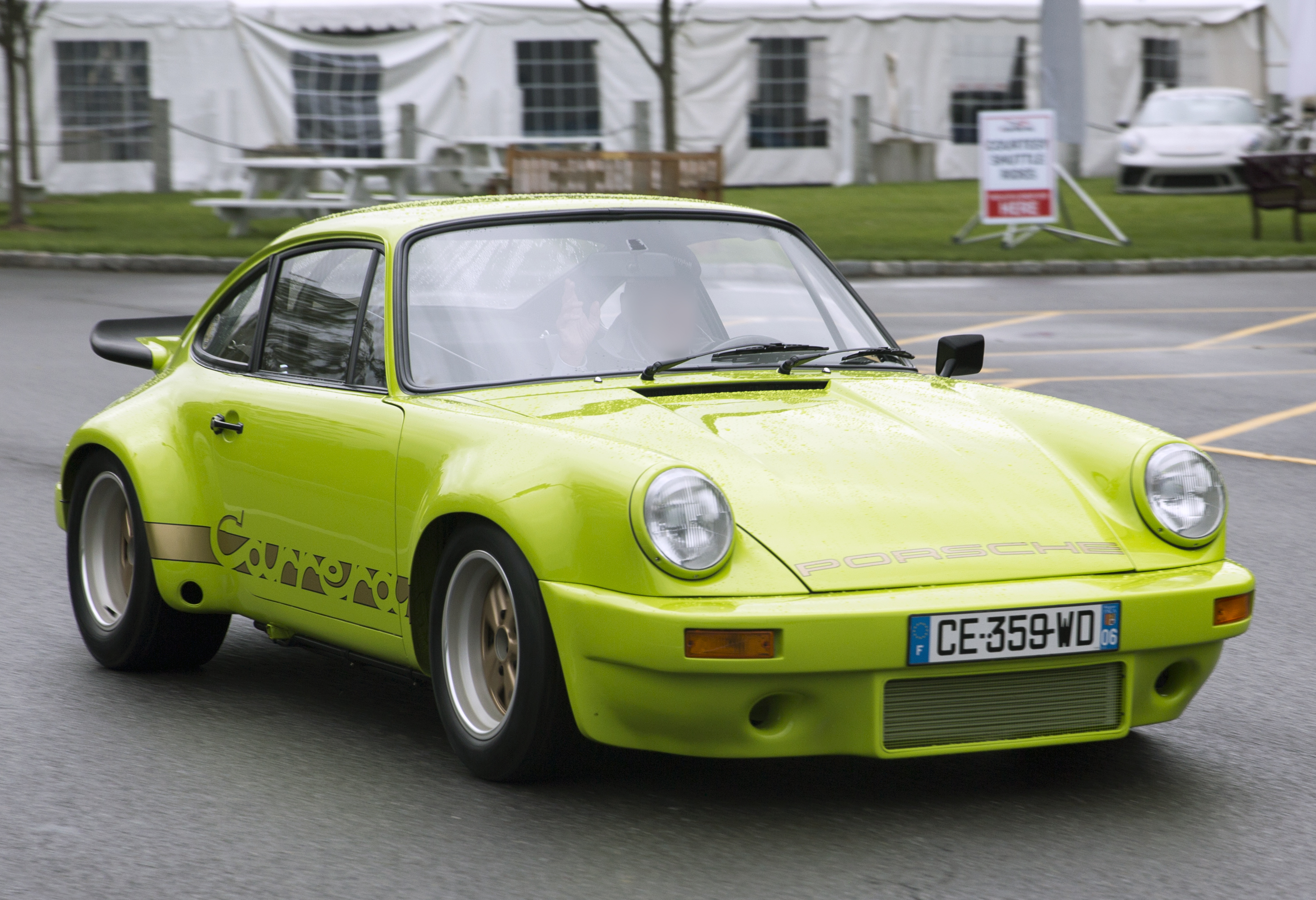
Porsche Carrera
"Maxi Jazz, yeah. When he was driving in Porsche Carrera Cup. Yeah, we went there, and I did the barbecue,"
The Porsche Carrera RS is a high-performance version of the 911. It’s the kind of car people talk about when they’re discussing Porsche’s racing history. In this episode, it’s brought up alongside Porsche racing events.
The Porsche 911 Carrera RS is a performance-focused, track-oriented variant of the 911 line, built to deliver a more extreme driving experience. In the podcast, it’s mentioned in connection with Porsche Carrera Cup, which is a one-make racing environment where 911s are central. That makes the Carrera RS a relevant reference point for discussing Porsche racing heritage.

Porsche 963
"There was a key decision made by Imza that has allowed him to continue to compete. And that is they didn't force him to do the evil updates on his Porsche 963."
The Porsche 963 is a purpose-built Porsche race car used in endurance racing. Here, they’re talking about whether the team had to make certain required changes to keep racing.
The Porsche 963 is Porsche’s modern Le Mans prototype race car built for the top-tier endurance ruleset. In this segment, the hosts mention it in the context of “updates,” implying how rule/tech changes can affect what car configuration a team is allowed to run.
rule/tech updates
"And that is they didn't force him to do the evil updates on his Porsche 963. So he's running the 2025 car."
Race series sometimes require teams to change parts or software to match new rules. The hosts are saying a decision meant they didn’t have to do those required changes on the Porsche 963.
In endurance racing, governing bodies and series organizers can mandate technical changes—often called updates—that teams must implement to remain eligible. The segment suggests a decision was made that avoided forcing a specific update package on the Porsche 963, which let the driver keep racing with the 2025 car.
Porsche-Pensky Motorsport
"The Porsche-Pensky Motorsport teams, the 6 and the 7 teams are running the new car."
This is the racing team that runs Porsche cars in endurance events. They’re mentioning it to explain which cars/entries are using which version.
Porsche-Pensky Motorsport is the racing team/operation running Porsche entries in endurance competition. The hosts use it to distinguish which team numbers (6 and 7) are running the new car versus the car John keeps running.
aerodynamic upgrades
"on his car because that was mainly aerodynamic upgrades on that car."
Aerodynamic upgrades are modifications that change how air flows around the car. The goal is usually more grip in corners and less resistance on straights.
Aerodynamic upgrades are changes to bodywork or airflow management intended to improve downforce and reduce drag. In racing, that can affect cornering grip and straight-line efficiency, so teams often treat aero parts as a major performance lever.
re-homologated again
"All the cars were re-homologated again at the end of last season."
Re-homologated means the race series re-approves the car’s setup. If the team changes parts, the organizers have to confirm those changes are still legal.
“Re-homologated” means the car’s approved configuration is re-certified by the series after changes or at the start of a new phase. In practice, teams may update parts, and the governing body re-checks that the car still complies with the rules.
baseline car
"So his baseline car is what he had at the beginning of last year."
A baseline car is the reference setup the team starts from. It’s the “starting point” before the race rules adjust performance.
A “baseline car” is the starting configuration used for comparisons under the rules. When BoP adjustments are applied, the baseline helps define what the team begins with before any added restrictions or allowances.
spares
"He didn't have to go and buy a whole load of spares. The stuff that he had was allowed by Imza to continue."
“Spares” are extra replacement parts teams keep on hand. If something breaks or wears out, they can swap it quickly.
In motorsport, “spares” are replacement parts carried to repair or swap components during a season. Teams manage spares because race damage, wear, and rule-driven changes can require quick turnaround.
Imza Technical
"That was a really interesting decision by Imza and Imza Technical in consultation with Porsche"
Imza Technical is mentioned as the group that helps make the technical rules decisions. They’re involved in what parts and setups are allowed for racing.
“Imza Technical” is referenced as the technical authority involved in decisions affecting the racing cars’ eligibility and rule compliance. The segment suggests they coordinate with manufacturers and the series to determine what can continue and what must change.
balance of performance category
"But of course, as you know, it is a balance of performance category. So we saw from, where was it the first one?"
BoP is a set of race rules meant to make different cars race more evenly. Race organizers may add weight or limit power so one car doesn’t automatically have an advantage.
A “balance of performance” (BoP) category is a racing rule set that tries to keep different cars competitive by adjusting things like weight and engine output. Instead of everyone running identical hardware, officials apply standardized performance limits so no single design dominates.
Long Beach
"So we saw from, where was it the first one? Long Beach. They split the balance of performance"
Long Beach is the race location being used as a reference point. The hosts are saying the rules changed there first.
Long Beach is referenced as the first event where BoP was split/adjusted between model years. It’s being used as a timeline marker for how performance balancing changed across races.
16 kilo brick
"they got a 16 kilo brick and the GDC car got an 8 kilo brick. So still quite a big difference."
A “brick” here is extra weight (ballast) that teams add because the rules require it. More ballast usually makes the car a bit slower and harder on tires. They’re saying one car had double the ballast of the other.
In endurance racing, a “brick” usually refers to ballast weight added to a car to meet balance-of-performance rules. A 16 kg ballast means the car is intentionally carrying extra mass, which affects acceleration, braking, and tire wear. The segment contrasts it with an 8 kg ballast on the GDC car, implying different rule-mandated weights.
8 kilo brick
"they got a 16 kilo brick and the GDC car got an 8 kilo brick. So still quite a big difference."
The GDC car is carrying 8 kg of extra weight because of the race rules. Since it’s less weight than the other car, it may be able to accelerate and brake a little better. It also changes how the tires are used.
This “8 kilo brick” indicates the GDC car is carrying 8 kg of ballast, likely due to racing regulations that equalize performance. Compared with the 16 kg ballast mentioned earlier, this suggests the GDC car is allowed to run with less added weight. That can translate into better lap times and different setup priorities.
Michelin Post-Race Tech
"and then in Michelin Post-Race Tech, actually we got a slightly longer interview with him."
This is a technical breakdown after the race, put together by Michelin. They look at what the tires and cars did during the event. The hosts are pointing listeners to that analysis for more detail.
This refers to a post-race technical segment or content produced by Michelin, focused on analyzing what happened during the race. In this context, it’s used to discuss differences between car setups/updates and how those changes played out. It’s a structural reference to where the deeper technical discussion lives.
Porsche Motorsport
"It seems that Porsche Motorsport are supporting GDC and that has undoubtedly made a difference."
“Porsche Motorsport” is Porsche’s racing division, responsible for factory-backed competition programs and technical support. Here, the hosts say Porsche Motorsport is supporting GDC, implying additional engineering resources, development input, or logistics that can improve results. In endurance racing, manufacturer support often shows up as better setup guidance and faster iteration.
performance window
"the evolutions were to open up the performance window, if you like, for the 963."
The “performance window” is basically the set of conditions where the car feels and grips the best. If updates widen that window, the car is less picky and can be made to work well on more tracks. It usually means easier setup and more consistent speed.
“Performance window” is the range of conditions where a race car can deliver its best behavior—typically tied to tire temperature, grip level, aerodynamic balance, and traction. When updates “open up” the performance window, it means the car stays effective across more track layouts and weather/track evolution. That reduces how sensitive the car is to setup choices.
aerodynamic and setup window
"because that's still running the slightly narrower aerodynamic and setup window. It's very, very sensitive to rake, the 25 car."
Race teams adjust things like ride height and wing angles. The “setup window” is the sweet spot where the car’s balance and aero work well together.
In racing, the “setup window” is the range of car settings where the aerodynamic behavior and balance stay predictable. If the car is sensitive, small changes can move it out of that window and hurt lap times.
rake
"It's very, very sensitive to rake, the 25 car. So getting the balance between the front ride height and the back ride height correct is absolutely crucial to its performance."
Rake is how much higher or lower the car sits at the front compared to the back. Changing it can change how much grip the car has, especially at speed.
Rake is the difference in ride height between the front and rear of the car. In downforce-focused cars, rake strongly affects airflow under the floor, which changes grip and stability.
front ride height
"So getting the balance between the front ride height and the back ride height correct is absolutely crucial to its performance."
Front ride height is just how high the front of the car is off the ground. Teams change it to help the car handle and stick better.
Front ride height is how high the car’s front end sits relative to the ground. Together with rear ride height, it determines rake and therefore how the car’s aerodynamics and tire loading behave.
back ride height
"So getting the balance between the front ride height and the back ride height correct is absolutely crucial to its performance."
Back ride height is how high the rear of the car sits off the ground. Changing it helps teams tune grip and stability.
Back ride height is the car’s rear ride height relative to the ground. It works with front ride height to set rake, which influences underbody airflow, downforce, and traction.
40-odd kilo as the 100 pounds
"It's interesting that when they got the 40-odd kilo as the 100 pounds, Jonathan Dugud and the rest of the Porsche Penske team went to Laguna Seca to test the heavier car"
They’re talking about adding weight to the car (ballast). More weight can make the car slower and harder to balance, so teams must adjust the setup.
This refers to a ballast/weight penalty expressed both in kilograms and pounds. Extra weight changes acceleration, braking, tire wear, and how the car’s aerodynamics and balance need to be tuned.
Porsche Penske team
"Jonathan Dugud and the rest of the Porsche Penske team went to Laguna Seca to test the heavier car before Long Beach"
This is the racing team behind the Porsche cars in the series—Porsche plus Penske. They’re the people doing the testing and setup work for races.
Porsche Penske refers to the racing team effort combining Porsche’s engineering with Penske’s motorsport organization. In this context, it’s the group running the Porsche entries and developing setups for specific tracks.
West Coast Swing
"because it was part of the West Coast Swing, of course. And I think the reason that they went to Long Beach"
It’s a stretch of races on the U.S. West Coast back-to-back. Teams plan around it because they have to travel and keep the car competitive at each track.
The “West Coast Swing” is a run of races on the U.S. West Coast, typically clustered close together. It affects logistics and how teams plan testing and car setup changes between events.
qualified
"They were clever. [1596.4s] Time and Vander Helm qualified the car. [1599.8s] He isn't as quick behind the wheel"
“Qualified” means the car/driver earned their starting spot for the race. It’s done before the main race, based on qualifying runs or rules.
In racing, “qualified” refers to earning a starting position based on qualifying sessions (or qualifying rules). The episode uses it to describe how the team’s drivers secured the car’s grid position before the race.
works driver
"He isn't as quick behind the wheel [1601.6s] as the works driver Heinrich, of course not. [1604.4s] He did his job."
A “works driver” is a top driver backed directly by the car company’s own racing program. The episode is basically saying one driver isn’t as fast as the factory driver, but still did what was needed.
A “works driver” is a factory-backed driver—someone officially supported by the automaker’s racing team. The contrast in the episode is between a driver who is not as quick as the factory driver, and the role-based execution needed to finish strongly.
GTPs
"but this is a question for our junior [1623.5s] to get the truth serum out next time we're on track [1626.4s] with the GTPs."
“GTPs” refers to a top-level prototype racing class. They’re saying the next time they’re racing against those cars, they want to confirm how much the EVO changes really matter.
“GTPs” is shorthand for the top prototype class in the IMSA WeatherTech SportsCar Championship era (Grand Touring Prototype). The hosts mention being “on track with the GTPs,” meaning they’re discussing how the 963/EVO compares against that class’s competition.
burning rear tires off
"They were burning rear tires off for fun. But once they got it set up, and at circuits that they could find a set up, it was pretty light on its tires..."
“Burning” tires off means the tires wear out very quickly. That usually happens when the car is slipping too much—like spinning the wheels or sliding—so the rubber gets overheated.
“Burning” tires off describes rapid tire wear, usually from excessive slip. In practice, it often happens when the car is too aggressive for the available traction, causing wheelspin or sliding that overheats and degrades the rubber.
tires to warm up
"and at circuits that they could find a set up, it was pretty light on its tires to the point where they were struggling getting the tires to warm up."
Racing tires work best when they’re warm. If they’re not warm yet, they don’t grip the road as well, so the car feels less stable.
Race tires need heat to work well. When they’re cold, grip is lower, so the car can feel slippery until the tire temperature comes up.
medium
"It warms up faster, and the new Michelin, particularly the medium, is really resilient."
“Medium” is the tire’s compound type—basically how soft or hard the rubber is. Softer tires usually grip sooner but wear quicker; harder ones last longer but may take longer to get up to temperature.
“Medium” here refers to a tire compound hardness. Softer compounds generally heat up and grip sooner but wear faster, while harder compounds tend to last longer but may need more time to reach temperature.
grip
"the winning of the race was because he had a car with more grip and more performance potential at the end of the race."
Grip means traction—how well the tires can “hold on” to the road. More grip helps the car go faster through turns and under acceleration without slipping.
Grip is how well the tires can hold the car to the track surface. More grip lets the driver accelerate, brake, and corner with less wheelspin or sliding, which can translate into better race results.
last lap pass
"And, you know, a last lap pass in between, coming out of turn four, that right-hander before you head to turn five and up the hill."
A “last lap pass” means someone overtakes near the end of the race. It’s risky because there’s almost no time left to fix mistakes.
A “last lap pass” is an overtake made on the final lap, when there’s little time left to recover if the move goes wrong. It usually depends on finding a better exit line and carrying more speed into the next braking zone.
speed advantage
"Just grip advantage, speed advantage, pace advantage through the centre of the corner."
“Speed advantage” means one car is going faster in a specific part of the track. Usually it’s because the tires and car setup let it keep more control at higher speed.
“Speed advantage” refers to being able to carry more velocity through a section of track—often by braking later, turning in better, or using the car’s traction to accelerate sooner. It’s commonly discussed alongside grip because traction is what enables higher cornering speeds.
pace advantage
"Just grip advantage, speed advantage, pace advantage through the centre of the corner."
“Pace advantage” means one driver can keep a faster rhythm for longer. It’s not just one quick lap—it’s the consistent speed.
“Pace advantage” is the overall speed difference a driver can sustain over multiple laps, not just a single fast moment. It reflects how well the car’s tires, balance, and strategy work together across a stint.
fuel strategy
"They got the pit stops nailed. They got the fuel strategy, which they went a different way from everybody else."
“Fuel strategy” is how teams decide when and how much fuel to run during pit stops to manage weight and avoid running out. In endurance racing, the timing of refueling affects lap times because more fuel means more mass, which can slow the car.
pit stops
"They got the pit stops nailed. They got the fuel strategy, which they went a different way from everybody else."
“Pit stops” are when the car comes into the pits during the race. Teams use them to refuel and change tires, and the timing can decide who’s leading.
“Pit stops” are scheduled stops in the pit lane to refuel and/or change tires. In endurance racing, the timing and execution of pit stops can swing race order because they affect both lap time and track position.
short-filled
"A lot of people short-filled early on to get track position."
“Short-filled” means the team put in less fuel than they could have. Less fuel usually makes the car lighter and quicker for a while.
“Short-filled” means taking less fuel than the maximum needed at that point in the race. Teams do this to reduce weight early for faster laps, then plan later refueling to complete the stint.
track position
"A lot of people short-filled early on to get track position."
“Track position” means who is ahead on the track. Being in front often makes it easier to control the race and attempt passes safely.
“Track position” is where a car sits relative to others on the circuit at a given time. In racing, track position can be more valuable than outright speed because it determines how easily you can defend or overtake.
full fuel fill
"They took the full fuel fill early on, and then they took the shorter fuel fill at the end,"
A “full fuel fill” means putting in a lot of fuel at the pit stop. That can make the car heavier at first, but it can help the team avoid extra stops later.
A “full fuel fill” is a pit stop where the team takes on a larger amount of fuel than a shorter top-up. It increases weight at the start of the stint, but can help with tire/pace planning and reduce the number of later stops.
tyres
"and was standing still for less amount of time, holding on to a set of tyres."
“Tyres” are the tires on the race car. They wear out and lose grip, so teams plan when to use them and when to change them.
In racing, “tyres” are the tires, and their grip level changes as they wear and heat up. Strategy often revolves around managing tire life so the car can stay fast for the required stint length.
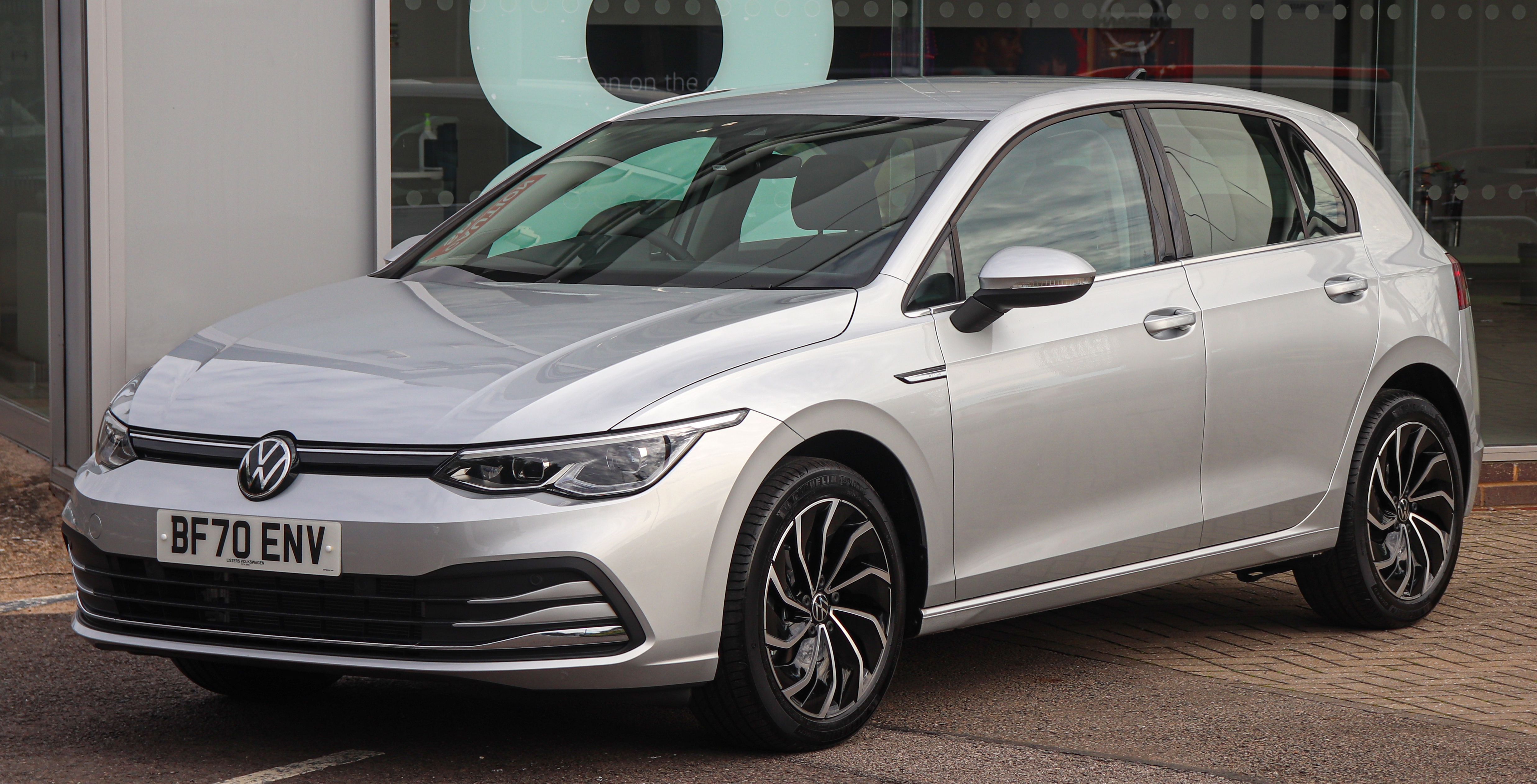
Golf Gtds
"...GTD Pro. A little bit more couldn't drive for the GTDs, where the Dex guys absolutely nailed it"
The Golf is a compact hatchback car. In this episode, it’s mentioned in a racing context with versions like “GTD Pro.” That suggests they’re talking about a specific performance setup used for competition.
The Golf is a compact hatchback platform that can be configured for different performance levels, including track-oriented variants. In the podcast, “GTD Pro” and “GTDs” are mentioned, which points to a racing or endurance context where specific Golf-based entries are competing. That’s why it’s relevant to a motorsport discussion.
caution
"Dylan started the race, and we had a caution, didn't we? Just about halfway, which suited a lot of people, and they basically won it in the pits."
A caution is when the race is slowed down because something happened on the track. Drivers and teams often change their strategy then, especially when deciding when to pit.
A caution is when race officials slow the field (often with a safety car or yellow flags) due to an incident on track. It changes strategy because pit stops during caution can be less costly in track position than pitting under green.
effective race lead
"They got through in the pits and never gave the effective race lead. There was a couple of people who steered out, but that was the turning point of the race."
The effective race lead is the position that matters most for control of the race, accounting for pit stops and timing rather than just who is physically first at a given moment. In many endurance races, a team can “take the lead” by pitting at the right time and then manage the gap to stay ahead when the race resumes.

McCombie-McAlea-Ford Mustang GT4
"they might be a tad disappointed that they were Paul's sitting team in the McCombie-McAlea-Ford Mustang GT4. The race was pretty much a full-hour, caution freight to the end,"
This is a race version of the Ford Mustang built for GT4 racing. GT4 cars are designed to be competitive but not as expensive as the top-tier race classes.
The Ford Mustang GT4 is a race-prepped version of the Mustang built to GT4-spec rules, which emphasize cost-controlled performance for club and pro-am racing. In GT4 racing, teams tune things like brakes, suspension, and aerodynamics for endurance stints rather than outright top speed.
IMSA
"If it wasn't, was it, was it IMSA? It was IMSA, yes. But not Laguna Seca."
IMSA is a big U.S. sports-car racing organization. If a race is “IMSA,” it’s part of their official racing series and rules.
IMSA is the International Motor Sports Association, the U.S.-based organizer behind major sports-car racing series. When people say “IMSA” in a race context, they usually mean one of its top prototype/GT championships and the specific race weekend format that comes with it.
Laguna Seca
"But not Laguna Seca. Because it was going to Miami."
Laguna Seca is a famous race track in California. The hosts are saying the weekend’s race wasn’t there.
Laguna Seca refers to WeatherTech Raceway Laguna Seca in Monterey, California, a well-known road course on the U.S. racing calendar. It’s often mentioned as a reference point because it’s a frequent stop for series like IMSA.
Miami
"Because it was going to Miami. B-Ranvenida, Miami."
They’re talking about a race in Miami, as part of the season schedule. It’s being used to locate which championship round they’re discussing.
In this context, “Miami” is shorthand for an IMSA race weekend held at a Miami-area circuit. The hosts are contrasting it with Laguna Seca and mapping it to a specific round of the championship.
Watkins Glen
"smart money is that we'll have the Michael Brace at... Watkins Glen. Zealand's six hours of the Glen."
Watkins Glen is a well-known race track in New York. The hosts are talking about an endurance race there that lasts several hours.
Watkins Glen is Watkins Glen International, a major road course in New York that hosts many top U.S. sports-car and touring-car events. When the hosts mention “Watkins Glen” and “six hours,” they’re pointing to a long-distance endurance race on that track.
28-second penalty post-race
"Both five car numbers, 6, 9, 37, 40, and 45, were all given a 28-second penalty post-race. And that changed the result quite dramatically because Callum Hedge no longer won."
A “post-race penalty” is a time penalty applied after the race ends, usually after officials review incidents, rules infractions, or timing/scoring issues. A “28-second penalty” can drastically change finishing order because it’s added to the car’s race time, potentially dropping it behind others.
safety car
"but what I did see seems to be behind the safety car. Did they do any actual racing?"
A safety car is a car that comes out during a race to slow everyone down when the track isn’t safe. It helps prevent more crashes until racing can start again.
A safety car is a pace vehicle used during a race when there’s danger on track (like an accident or debris). It controls the field’s speed and spacing until conditions are safe to resume full racing.
incident-filled
"The first race was, I think, described on Sports Car 365 as incident-filled."
“Incident-filled” just means there were lots of problems during the race, like crashes or spins. So it wasn’t a clean, straightforward event.
“Incident-filled” means the race had a lot of on-track problems—typically crashes, spins, or other events that interrupt normal racing. It’s a common motorsport way to summarize how chaotic a session was.
corkscrew
"who was coming down the hill at Rearney, turn nine, that down hill left under after the corkscrew."
A “corkscrew” is a track section made of twisting turns that can be tricky at speed. Here, it’s mentioned because the driver’s crash happened right after that part of the track.
A “corkscrew” is a specific type of race-track corner sequence where the car changes direction in a twisting, often high-speed way. In this segment, it’s referenced as a landmark just before the downhill left that leads into the crash.
barrel roll
"hit the wall, and bounced about 20 feet up in the air, did a barrel roll, landed on his wheels."
A “barrel roll” is when the car flips over in a rolling tumble. It usually happens only in very serious crashes.
A “barrel roll” is a rollover where the car rotates around its longitudinal axis, tumbling end-over-end in a dramatic way. In racing, it’s a sign of severe impact forces and typically triggers safety procedures.
safety net
"And when we saw him, he was on his wheels with his safety net down and he stormed up."
A “safety net” is protective netting near the track meant to catch or stop a car if it crashes and goes off course. It helps keep people safer.
In motorsport, a “safety net” is protective catch fencing installed around parts of the track to help contain a car if it leaves the racing surface. It’s designed to reduce the risk to spectators and track personnel during big impacts.

Honda Prelude
"Is it fair to say that they knew Honda Prelude isn't quite up to pace yet? Yes."
The Honda Prelude is a sporty Honda coupe. People bring it up when they’re talking about how fast it is on a track compared to other cars. In this episode, it’s mentioned as not quite keeping up.
The Honda Prelude is a sporty, front-engine coupe that Honda produced across multiple generations. It often comes up in discussions about how well a particular model performs compared with faster rivals, especially when someone says it “isn’t quite up to pace.” That makes it a natural topic for a motorsport or track-focused conversation.
Super GT
"Only three manufacturers have caught in a Super GT now. Super GT, yeah, GT 500. Next race for them, do we know when it is?"
Super GT is a big Japanese racing series for cars based on real models. The hosts are also talking about which class (“GT 500”) and when the next race is.
Super GT is Japan’s premier grand touring (GT) racing series, featuring teams running production-based race cars. The hosts also mention “GT 500,” which is one of Super GT’s main classes, and they’re discussing the next race on the Super GT calendar.
GT 500
"Super GT, yeah, GT 500."
GT 500 is the main, faster class inside Super GT. It’s the category the hosts are referring to when they mention Super GT.
GT 500 is the top class within Super GT, typically featuring higher-performance cars with more power and advanced aero. In this segment, it’s used to clarify what they mean when they say “Super GT.”

Shelby GT500
"Only three manufacturers have caught in a Super GT now. Super GT, yeah, GT 500. Next race for them, do we know when it is?"
The Shelby GT500 is a very powerful Ford performance car. It’s built for fast driving and is often used in racing contexts. The podcast mentions it when talking about upcoming Super GT events.
The Shelby GT500 is a high-performance muscle car built by Ford’s performance division, known for powerful engines and track-capable hardware. The podcast references “GT 500” in the context of Super GT, which indicates it’s being discussed as a specific race car category or entry. That’s why it appears in a motorsport-focused conversation.
rally 1 cars
"although there aren't perhaps as many rally 1 cars, [3185.7s] top class cars as we would like, certainly,"
“Rally 1” is the highest class of rally cars used in the WRC. It means the teams are running the most advanced, top-rule cars in rallying.
“Rally 1” is the top modern class in the World Rally Championship (WRC). These cars are built to a specific technical rule set and are designed for high-level competition on mixed surfaces like gravel, tarmac, and snow.
sharp end of the field
"certainly, [3189.9s] but the level of competition [3192.2s] at the sharp end of the field is extraordinary now."
“The sharp end of the field” just means the very front of the competition—where the best drivers are battling. The point here is that the top cars are so close that tiny timing differences decide results.
In rallying, “the sharp end of the field” refers to the front-running competitors who are fighting for the best stage times. When the gap between cars shrinks to fractions of seconds, it highlights how tightly matched the top teams are.
stages
"and I was stage commander in Kielder in those days. [3203.2s] And we were seeing gaps of minutes, multiple minutes, [3207.7s] sometimes minutes on stages. [3210.2s] You just don't get that now."
In rallying, “stages” are the separate timed sections of the route. Your time on each stage adds up, so being a little faster (or slower) can change who’s leading.
A rally is broken into timed “stages,” which are individual sections of road run against the clock. The winner is determined by total stage times, so even small improvements or mistakes on one stage can swing overall position.
stage commander
"when I was watching what was then the Lombard RAC rally [3199.1s] and I was stage commander in Kielder in those days. [3203.2s] And we were seeing gaps of minutes, multiple minutes,"
A “stage commander” is an official who helps run a rally stage. They’re responsible for making sure the stage is organized and safe while the cars are competing.
A “stage commander” is an event official responsible for managing a specific rally stage’s operations and safety. In practice, that role coordinates how the stage runs and ensures procedures are followed for competitors, marshals, and spectators.

Jeep Commander
"...at was then the Lombard RAC rally and I was stage commander in Kielder in those days. And we were seeing gaps..."
The Jeep Commander is a midsize SUV made for everyday driving and rougher roads. The podcast brings it up while talking about rally events and stage work. That suggests it was used or discussed in that motorsport setting.
The Jeep Commander is a midsize SUV designed for family use and off-road capability, depending on trim and drivetrain. The podcast mentions it in connection with rally work (“Lombard RAC rally” and stage commanding), which implies it’s being referenced as part of that motorsport era or operations. That makes it notable as a vehicle used around rally events.
World Rally Championship
"I think that's just a reality [3218.5s] of where the sport has gone with technology [3220.5s] and modernizing it."
The World Rally Championship is the top level of rally racing worldwide. The hosts are saying modern tech and preparation have made the cars closer together, so races are decided by very small margins.
The World Rally Championship (WRC) is rallying’s top global series, where teams compete across multiple events and surfaces. The discussion ties modern WRC technology and setup improvements to why results are now decided by tiny time differences.
pace notes
"We're obviously already preparing the pace notes and everything so yeah really looking forward to it"
Pace notes are like a detailed game plan for the route. They tell the driver what corners and hazards are coming up and how fast to take them. Rally drivers use them so they can go quickly even on roads they don’t know well.
Pace notes are the driver’s written (or read) instructions for each stage of a rally—what the road looks like and how fast to go through corners. They’re built from reconnaissance and are used to keep the car on the right line while maintaining speed. In rallying, they’re crucial because you’re often driving on unfamiliar roads at high pace.
tarmac rallies
"Regardless of you know where where Hyundai is on tarmac rallies at the moment ... there seems to be a shortage of performance when it comes to tarmac rallies"
Tarmac rallies are rally races on paved roads. Because the surface is grippy and predictable compared to loose gravel, the tires and driving style have to be different. Teams usually prepare differently for tarmac than for gravel.
Tarmac rallies are rally events run mostly on paved roads (as opposed to gravel or snow). Grip and tire behavior differ a lot on asphalt, which changes braking distances, cornering style, and how the car’s setup feels. Teams often develop different strategies and car setups for tarmac versus gravel.
Hyundai
"Regardless of you know where where Hyundai is on tarmac rallies at the moment ... seeing the development of your manufacturer Hyundai?"
Hyundai is the car brand the team is talking about. They’re discussing how Hyundai’s rally cars and team are doing on different road surfaces. The brand’s progress is being used as a benchmark for expectations this season.
Hyundai is the manufacturer being discussed in the context of rally performance and development. The speaker references how Hyundai’s rally program has been progressing on different surfaces like tarmac and gravel. This matters because rally results depend heavily on how well the team adapts the car and strategy to each terrain.
damage limitation
"You know really the tarmac rallies have been about damage limitation so far this year"
“Damage limitation” means trying to avoid making things worse when you can’t go as fast as you want. In rallying, that often means driving more carefully to prevent crashes or mechanical problems. The goal is to still finish and keep points instead of taking big risks.
In motorsport, “damage limitation” means focusing on minimizing losses when outright speed or results aren’t there. In rally terms, that can mean avoiding crashes, reducing mechanical risk, and finishing stages to protect points. It’s a strategic mindset used when conditions or car performance make pushing too hard more dangerous than beneficial.
gravel
"Once we get Japan done then the rest of the season's only gravel ... the team is optimistic for the gravel events"
Gravel rallies are driven on loose rocks instead of pavement. The tires can lose grip more easily, so drivers have to be careful with braking and steering. It often feels less predictable than tarmac, so the car and technique need to adapt.
Gravel rallies are rally stages run on loose stone, which makes traction variable and braking more complex. Drivers must manage wheel slip and maintain momentum because the surface can “move” under the tires. Car setup and driving technique typically differ significantly from tarmac events.
break in the MX 5 cup schedule
"It's this break in the MX 5 cup schedule has been good to me ... as much as I want to be racing, I've got other obligations"
This is talking about a gap between races. During that time, teams and drivers can reset and prepare better for the next round.
A break in the race schedule is a pause between rounds, which can affect momentum, car development, and driver focus. In series like the Mazda MX-5 Cup, teams often use the downtime to analyze data and improve the next race package.
St. Petersburg
"Yours was the first on the streets of St. Petersburg ... after that first bad result ... in Saint-Peters to get back and and get top points in the second race"
St. Petersburg here is where one of the races took place. Street circuits are usually narrow and bumpy, so it’s easier to make a mistake and harder to recover.
St. Petersburg is referenced as the location of one of the series races, and it’s known in motorsport for being run on a street circuit. Street circuits tend to be tight and unforgiving, so mistakes can quickly turn into bad results.
draft
"Second year, it's so much easier to kind of adapt and learn and use the draft and all that play use all your tools that you got because you When it was a rookie last year, you know, you really don't know what's what's going on in half the time"
Drafting means driving close behind another car to reduce wind resistance. That can help you go faster or catch up more easily.
In racing, “draft” (also called slipstream) is the aerodynamic advantage you get by following closely behind another car. The lead car pushes air out of the way, so the trailing car experiences lower aerodynamic drag and can carry more speed or close the gap.
pack racing
"You're trying to figure out people around you try to figure out the car What you want out of the car and then they got to add in this whole draft and pack racing craziness So come back to Daytona the second time was a lot easier"
Pack racing is when lots of cars are bunched up and racing side-by-side. When you’re in a tight group, it’s easier to get caught up in other cars’ moves.
“Pack racing” is when many cars run close together for long stretches, trading positions frequently. It increases the importance of aerodynamics, timing, and traffic management because small mistakes can affect multiple cars at once.
Daytona
"So come back to Daytona the second time was a lot easier [3704.8s] And I really appreciated that and I think we had a ton of speed there"
Daytona is a famous race track. Because it’s fast and cars run close together, drafting and positioning matter a lot.
Daytona refers to Daytona International Speedway, a high-speed oval circuit known for drafting and pack dynamics. Races there often reward drivers who manage traffic and aerodynamics well.
P2
"You know that race one again, P2 is great race to have a little mistake at the start and That drive-thru penalty, but it was a good rebound good points whole at the end of that one fish 10"
“P2” means finishing in second place (P = position). In race reporting, it’s a quick shorthand for where a driver placed relative to the rest of the field.
drive-thru penalty
"That drive-thru penalty, but it was a good rebound good points whole at the end of that one fish 10 And say Petersburg was really good."
A drive-thru penalty means you have to go through the pit lane without stopping, usually at a limited speed. It makes you lose time compared to the cars around you.
A drive-thru penalty is a race penalty where the driver must pass through the pit lane at the required speed without stopping. It costs time immediately, and the driver must then rejoin the race behind other cars.
transponder issue
"The car and I think if we didn't have that little transponder issue and race one, which was no fault of the team Just one of those things that just pops up the racing that always is"
A transponder is a small electronic tag used to track your lap times during a race. If it malfunctions, timing/scoring can get messed up.
A transponder is an electronic device used for race timing and scoring. If there’s a transponder issue, the car may not be timed correctly or may trigger scoring problems, which can affect results even if the on-track performance was strong.
middle-high
"So I'm really excited to get to middle-high. That's another track that I really like and got a lot of time that Actually won both the races when I ran spec mix 5 and 20 24 won both races there that weekend"
This sounds like a reference to another race track, but the exact name is unclear in the transcript. Different tracks require different driving styles.
“Middle-high” appears to be a track name reference, but the transcript is unclear on the exact circuit. Track names matter because each circuit has different braking, cornering, and tire-wear demands.
diff
"sequential box the different diff the Multimatic suspension etc etc about the only thing that stock actually is the the 2.0 180 horsepower engine"
“Diff” is short for differential, the gearbox component that allows the left and right wheels to rotate at different speeds while cornering. Race differentials are often tuned (and can be different between setups) to change traction and how the car rotates in turns.
Multimatic suspension
"Multimatic suspension etc etc about the only thing that stock actually is the the 2.0 180 horsepower engine Which is being sealed when it came from the factory"
Multimatic is a motorsport-focused brand known for designing and supplying advanced suspension systems and components. In racing contexts, “Multimatic suspension” usually implies a higher-end, track-oriented setup than what comes on a stock road car.
sealed
"Which is being sealed when it came from the factory to to the fliss brothers who put all the cars together so First of all thinking back to last year Justin."
In racing, an engine being “sealed” means it’s locked down so teams can’t make internal changes beyond what the rules allow. Sealing helps enforce parity by preventing performance modifications that would otherwise be hard to police.
cup car
"What was it like making the jump into the cup car rather than the spec car? Yeah, I'll be honest. I thought it would be a lot easier"
A “cup car” typically refers to a specific racing series’ homologated race car ruleset, where cars are built to a common spec within that competition. Compared with a “spec car,” the cup car often has different performance characteristics and setup allowances that change how you drive and race it.
spec car
"What was it like making the jump into the cup car rather than the spec car? Yeah, I'll be honest. I thought it would be a lot easier"
A “spec car” is a race car built to a standardized ruleset where key components are controlled to keep competition closer. Because the hardware is more uniform, the driving challenge can shift from car-to-car differences toward mastering racecraft and tire management.
Michelin slick tire
"You know, I think with the Michelin slick tire that they've got it It's a big jump from spec mix 5"
A slick tire is a race tire with smooth rubber and no tread. It grips the track really well in dry conditions, which is why racers use them.
A slick tire is a race tire with no tread pattern, designed to maximize the contact patch and grip on dry track surfaces. Michelin is the tire brand, and slicks are commonly used in top-level racing because they provide very high traction.
sequential gearbox
"But when you get in that was my cup car and you got you know the sequential gearbox You got the Michelin slick tire you got, you know, you look around you in the cockpit."
A sequential gearbox is a racing-style transmission where you shift step-by-step. It’s designed to help drivers change gears quickly and reliably during hard driving.
A sequential gearbox lets you shift up or down in order (typically with a paddle or lever), rather than using an H-pattern. In racing, it’s valued because it can make gear changes faster and more consistent under load.

BMW X5
"... I was done racing and then It's up to the second X5 car after getting the shootout in so 2024 and the..."
The BMW X5 is a larger family SUV made by BMW. It’s designed to be comfortable for daily driving, but some versions can be quick. The podcast mentions it in connection with racing activity involving an X5 entry.
The BMW X5 is a midsize luxury SUV known for combining everyday practicality with strong performance options. In the podcast context, it’s referenced as a “second X5 car” around the 2024 timeframe, which suggests it’s being discussed in a racing or team setting. That’s why it may come up alongside other competition machinery.
X5 Cup race
"…get me this point where there's all the fans just watching me rate And and everyone in X5 Cup race. It's it's super cool…"
They’re talking about a specific race called the X5 Cup. The main idea is how the racing works and what makes the driving challenging to watch and do.
The hosts are discussing the X5 Cup race and what it’s like for fans to watch the driver compete. It’s presented as a specific racing environment where driving style and car control matter.
Road America
"…Cleveland junk team was at last season of the season before now at Road Road America They want to come in…"
Road America is a famous race track. When they mention it, they’re talking about a real event held there.
Road America is a well-known road course in the United States, often used for professional and amateur racing. Mentioning it signals the episode’s discussion is grounded in real race weekends and track-specific competition.
mid-corner speed
"Because this is a very particular way of driving Justin, isn't it? These aren't powerful cars You can't just floor it to get yourself out of trouble. It's all about mid-corner speed…"
Mid-corner speed means how fast you go while you’re in the turn. If the car doesn’t have a lot of power, you usually win time by keeping the car moving quickly through the middle of the corner.
Mid-corner speed is how fast you are while the car is actually turning, not just at entry or exit. In cars that aren’t very powerful, lap time often comes more from maintaining momentum through the middle of the turn than from accelerating hard afterward.
floor it
"These aren't powerful cars You can't just floor it to get yourself out of trouble. It's all about mid-corner speed…"
“Floor it” means giving the engine full throttle. The speaker is saying that in this kind of racing, you can’t just mash the gas to recover from problems—you have to drive the corner correctly.
In racing talk, “floor it” means using full throttle—pressing the accelerator all the way down. The point here is that with these cars, full throttle can’t fix mistakes, so the driver has to manage speed and traction through the corner instead.
NASCAR open meal stuff
"That they go from x5 cup and then jump in you know NASCAR open meal stuff and and they're fast [4270.5s] They're fast right away in that because these cars teach you so much about the basics of"
This is referring to open-wheel racing—cars where the wheels are exposed. The host is saying some drivers can switch from one kind of racing to open-wheel and still be quick.
The phrase “NASCAR open meal stuff” is likely a transcription error for “NASCAR open-wheel stuff,” meaning open-wheel racing (like IndyCar-style cars). The host is comparing how drivers adapt between very different car types and still succeed.
entry-level run on the sports car ladder
"And a lot of people don't realize that for what [4274.5s] Being fast really and the series itself is so competitive that I think a lot of people don't realize that for what [4282.7s] People do think is like a entry-level run on the sports car ladder"
In racing, people talk about a “ladder” where you start in smaller steps and work your way up. The point here is that this series is sometimes treated like an easy starting point, but the drivers are actually very good.
“Sports car ladder” is a motorsport progression idea: drivers move up through increasingly competitive series. The host is arguing that this particular series is often *assumed* to be an entry step, but in reality the competition level is very high.
SRO GT4
"You put them in [4295.0s] you know Porsche Cup car you put them in [4297.5s] Whatever you want really and and they'll be good and you can see that with Tyler Gonzalez Western workmen [4302.6s] They're going out to SRO GT4 and pretty much comedy in that right now"
SRO GT4 is a type of sports-car racing organized by SRO. It’s meant to be a step below the biggest GT series, but it’s still competitive and requires real driving skill.
SRO GT4 refers to GT4 racing organized under the SRO Motorsports Group umbrella. GT4 is a class designed to be more affordable than top GT categories, but it still demands strong car control and racecraft.
Mazda MX-5 Cup
"other smiles at the smiles per mile is [4323.0s] Something outstanding in in wheel of Mazda MX five cup you touched on the shoot it and one thing that Mazda [4329.1s] MX five cup down through the years"
Mazda MX-5 Cup is a racing series where lots of drivers race the same basic kind of car (the Mazda MX-5). Since the cars are similar, it turns into a real test of driving skill—so it’s not “easy mode” just because it’s a feeder series.
Mazda MX-5 Cup is a one-make racing series built around the Mazda MX-5 (Miata). Because it’s a spec-style format, driver skill and setup details matter a lot, and it’s known for being competitive even for newcomers.
every result matters
"[4578.4s] This is where the every result matters [4580.8s] So I'm looking forward to getting to Ohio and hopefully get super good results there"
In many racing series, you earn points based on where you finish each race. Later in the season, those points add up fast, so even a small difference in finishing position can matter a lot.
In a season-long racing championship, points are awarded race by race, so late-season standings can swing dramatically. That’s why the “middle stage to end of the season” is often described as high-pressure: small finishing-position changes can decide who leads or qualifies for end-of-season outcomes.
hairpin
"I saw safe Monaco historic and I think one of these Williams. He put sideways in the wall at the [4643.0s] It's called the Fairmont hairpin now. I would call it those hairpin. Well, I'd call it the station hairpin [4649.9s] Nick Damon, what would you call it?"
A hairpin is a very sharp, slow corner that turns the car back on itself. Drivers usually have to brake hard and be careful not to lose grip while turning.
A hairpin is a very tight, slow corner—typically a near-180-degree turn—where braking and traction are critical. In historic circuits, hairpins are often named after nearby landmarks and can be major overtaking or setup points.
Request an Explanation
Heard something you'd like explained? We'll add it to this episode.
Sign in to request explanations for terms you heard.
Want to learn more?
Browse our glossary for plain-English explanations of automotive terms, jargon, and concepts.
Help improve this episode
See something that's not quite right? Our annotations are AI-generated and can sometimes miss the mark. Click the flag icon on any annotation to suggest a correction.