
Midweek Motorsport s21 e20
About this episode
Midweek Motorsport s21 e20 opens with what the show covers and where it’s recorded, then jumps into a packed motorsport rundown. The hosts preview a Canadian Grand Prix team-by-team review, recap the Indy 500—highlighting Felix Rosenquist’s 0.02s win and a record 70 lead changes—and debate race-control calls, red flags, and yellow-flag effects. Later, they pivot through F1 strategy and incidents, then broaden out to endurance and GT3/GT racing, including Spa 24 Hours prologue talk and GT3’s future under FIA rules.
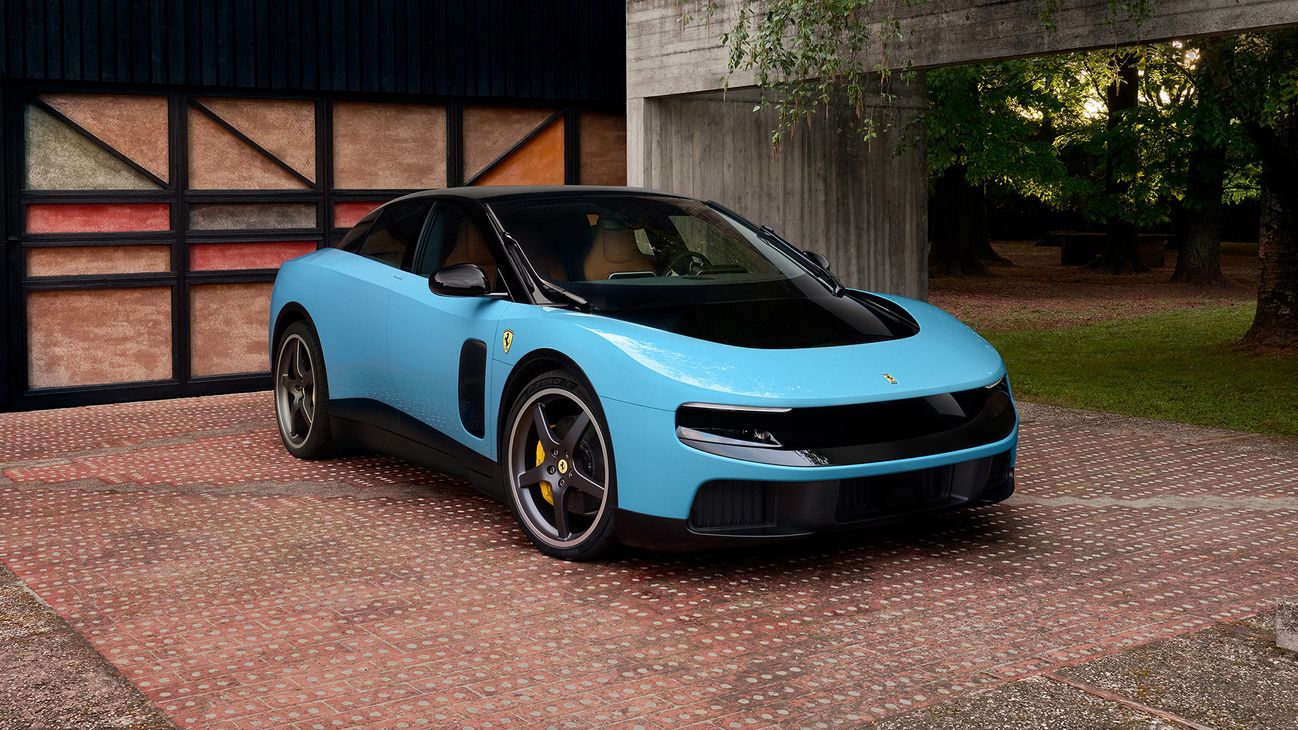
Ferrari Luce
"... but no sausage or fennel in it. Let's ignore the luce. Well, the luce is a necessary cart for Ferrari t..."
The Ferrari Luce is a car model associated with Ferrari. In the podcast, the host briefly mentions it and then moves on, without explaining details. Based on the snippet, it’s mainly being brought up as a named Ferrari in the conversation.
The Ferrari Luce is referenced in the podcast as a Ferrari model, with the speaker joking about “ignoring the luce.” The key takeaway from the context is that it’s being discussed as part of a Ferrari lineup or topic, likely in relation to how the car is positioned or interpreted. Because the transcript doesn’t provide technical details, the discussion appears more about the name/model mention than specific performance specs.
Indy 500
"And we're going to start with the Indy 500 [477.3s] and the closest finish ever"
The Indy 500 is a famous American race held at Indianapolis. Cars race for 500 miles on an oval track, and it’s one of the biggest motorsport events in the U.S.
The Indy 500 is the Indianapolis 500-mile race, one of the biggest events in American open-wheel racing. It’s run at Indianapolis Motor Speedway and is known for high-speed oval racing, pit strategy, and close finishes.
Felix Rosenquist
"Congratulations to Felix Rosenquist, [488.8s] who took the lead on the final lap [491.6s] and won by 0.02 seconds."
Felix Rosenqvist is a race car driver who competes in top open-wheel racing. Here, the hosts say he won the Indy 500 by a tiny amount after taking the lead late in the race.
Felix Rosenqvist is a professional open-wheel racing driver who competes in series like IndyCar. In this segment, he’s credited with taking the lead on the final lap and winning the Indy 500 by an extremely small margin.
0.02 seconds
"and won by 0.02 seconds. [496.4s] He took the lead as he crossed the 13 rows of bricks"
0.02 seconds is a super tiny difference between the winner and second place. It’s basically a photo-finish decided by race timing equipment.
A margin of 0.02 seconds is an extremely tight finish—so small that it’s essentially a photo-finish. In motorsport, such margins are typically decided by timing systems and can reflect how close the cars were at the finish line.
lead change
"That was the 70th lead change, [517.4s] which is also a record. [518.8s] There have never been that many lead changes in the Indy 500"
A lead change means the race leader switches from one driver to another. Lots of lead changes usually means the race is very competitive.
A lead change is when the driver in first place switches to someone else during the race. Indy 500s can have many lead changes because of drafting, pit stops, and late-race strategy.
red flag
"[559.4s] There was only one red flag, wasn't there? [561.7s] The others were safety cars. [563.6s] There were two red flags, weren't there?"
A red flag is the signal that the race has to stop right away because something unsafe happened on track. Cars usually slow down and stop so officials can fix the problem.
In motorsport, a red flag means the race is stopped immediately for safety reasons (like debris, an accident, or hazardous conditions). It’s different from a safety car, which keeps cars circulating under controlled pace rather than halting the race.
safety cars
"[561.7s] The others were safety cars. [563.6s] There were two red flags, weren't there? [565.5s] There were two red flags."
A safety car is a pace car that comes out when the track isn’t safe for racing. Everyone slows down behind it until officials say it’s okay to race again.
A safety car is used to control the pace when there’s danger on track, such as an accident or debris. Cars follow the safety car at reduced speed until the track is cleared, after which racing resumes.
Formula One had aborted start
"[571.6s] or there could have been more. [573.7s] And then they got cracking again, [576.2s] and it was nice that Formula One had aborted start"
An aborted start in Formula One is when the race start procedure is stopped and the field doesn’t complete the intended launch. The cars remain under control and the event is restarted later, often to ensure safety or correct procedure after an issue.
Indianapolis 500
"[595.3s] First win for Felix Rosenkrist and Mike Schank. [599.2s] Mike Schank racing, winning it. [603.4s] Yes, their second Indianapolis 500."
The Indianapolis 500 is one of the biggest races in the U.S. for open-wheel cars. Winning it is a huge deal and it’s famous for being fast and challenging over a long distance.
The Indianapolis 500 (often shortened to the Indy 500) is a premier American open-wheel race held at Indianapolis Motor Speedway. Winning it is a major career milestone, and it’s known for its high speeds, long-distance strategy, and intense qualifying.
closest finish
"[625.5s] Because? [627.0s] Just one lap. [628.2s] It's not very difficult to have a closest finish if we just run one lap."
A closest finish means the race result was decided by a tiny difference between the top cars. It usually comes down to who makes the best calls and stays out of trouble at the end.
A closest finish refers to an extremely tight race result where the winner is separated from the runner-up by a very small margin. In motorsport, this often comes down to strategy, pit timing, and clean execution at the end of the race.
Nürburgring
"when the Europa Cup final is in Frankfurt? [1151.2s] The Nürburgring. [1152.9s] Correct! [1154.4s] The Nürburgring."
The Nürburgring is a well-known race track in Germany. Car fans and manufacturers use it to test how fast and how well a car handles, because the track is long and challenging.
The Nürburgring is a famous motorsport venue in Germany, best known for its long Nordschleife (“North Loop”) circuit. It’s widely used as a benchmark for car development and lap-time bragging rights because it includes lots of corners and elevation changes.
lapped
"He was being lapped Bottas got lapped, Perez got lapped Yeah, I mean"
“Lapped” means one car is a full lap behind another. If you get lapped, you’re basically being passed and losing ground by a whole lap.
In racing, “lapped” means a driver has been overtaken by another car and is one or more full laps behind. When multiple cars get lapped, it often indicates a big pace gap and can affect how drivers are able to race for position.
tail
"they are very much bringing up the tail and they're not really interesting Alonso in the end retired from the race"
Here “tail” means being behind other cars. If you’re stuck at the back, it can be harder to race cleanly and make progress.
In this context, “tail” refers to a car being at the back of the field or trailing other cars. That matters in racing because being stuck behind slower traffic can change strategy, braking points, and how safely drivers can find clean racing lines.
reclined
"which he put down having the seat too far reclined and this is like an absolute agent"
“Reclined” means the seat is leaned back. In a race car, the seat angle can affect how the driver feels and how well they can stay in position while driving hard.
“Reclined” describes the seat angle being laid back. In race cars, seat recline is tightly controlled because it affects driver posture, comfort, and the ability to maintain consistent control inputs under high loads.
aerodynamic reasons
"for aerodynamic reasons but the position they got into was causing him so much pain"
“Aerodynamic reasons” means they changed something to make the car cut through the air better. In racing, even small changes to how someone sits can affect speed.
“Aerodynamic reasons” means the driver’s position was adjusted to reduce drag or improve airflow around the car. In open-wheel and prototype-style racing, small posture changes can alter the shape of the airflow, which can affect lap times.
sprint qualifying
"so he didn't get to sprint qualifying [1673.9s] and the sprint was just a test session"
In some race weekends, there’s a short, fast race before the main qualifying. The results help decide where cars start for the big race.
Sprint qualifying is a shorter, race-like qualifying format used in some Formula 1 weekends. Instead of only setting the grid with a single qualifying session, drivers race a short “sprint” to determine starting positions and sometimes award points.
soft tyres
"he hadn't run any fast laps [1680.0s] on soft tyres to have problems"
Soft racing tires grip the road better, so you can go faster. The trade-off is they wear out sooner than harder tires.
“Soft tyres” are high-grip racing tires designed to deliver faster lap times, but they wear out more quickly. In motorsport, tyre choice strongly affects pace and strategy because the softer compound trades durability for traction.
intermediate tyres
"who were on [1685.5s] who started intermediate tyres"
Intermediate tires are for damp or lightly wet tracks. They’re meant to handle water on the road without being as extreme as full “wet” tires.
Intermediate tyres are a tyre compound used when track conditions are wet but not fully flooded. They have tread designed to channel water and maintain grip, so cars can keep racing at higher speeds than on full wet tyres.
unguided missile
"and then some, you know [1690.9s] unguided missile piloted by an Australian [1692.8s] clunked him one"
It’s a dramatic way of saying the car that hit him didn’t seem to be controlled or planned. Basically, it was an aggressive crash.
“Unguided missile” is a motorsport slang description for a car that hits another without control or with a sudden, unpredictable impact. It emphasizes that the collision was forceful and not a careful, deliberate maneuver.
hydraulics
"of practice with [1759.8s] hydraulics [1760.2s] so they said it was power stream, it was all the hydraulics"
Hydraulics are systems that use pressurized fluid to make parts move quickly. If the hydraulics aren’t working right, the car may not shift or engage gears properly—especially when you’re trying to launch.
Hydraulics in a race car refers to systems that use pressurized fluid to move or actuate components—often including clutch/gearbox actuation or other rapid-response mechanisms. A hydraulics-related failure can cause problems like delayed or failed engagement of gears, especially during starts and shifts under load.
power stream
"[1760.2s] so they said it was power stream, it was all the hydraulics [1762.4s] and then they found they couldn't think into neutral"
“Power stream” is basically how the car’s power gets from the engine to the driving parts. They first thought the problem was in that power path, but later realized it was actually caused by the hydraulics.
"Power stream" here sounds like a team/series shorthand for the drivetrain’s power delivery path—how power is transmitted and controlled through the car’s systems. The speaker is saying the initial diagnosis pointed to power delivery, but it turned out to be a hydraulics issue instead.
emergency neutral switch
"they found they couldn't think into neutral [1765.0s] with the emergency neutral switch [1766.6s] they got fined I think 30,000 euros"
It’s a backup button that can put the car into neutral if something goes wrong with the normal shifting controls. The goal is to make the car easier and safer to handle if the gearbox won’t behave normally.
An emergency neutral switch is a safety/backup control that lets the driver command the gearbox to a neutral state if the normal drivetrain controls fail. In practice, it’s meant to prevent the car from being stuck in gear, which can be dangerous for both the driver and marshals.
sprint race
"sprint race ok, Limba did really [1790.1s] really well qualifying, both races qualified very well [1792.1s] for the main race"
A sprint race is a shorter race than the main one. It often helps determine where cars line up for the main race, so problems in the sprint can hurt your chances later.
A sprint race is a shorter race format used in some series to set up the main Grand Prix/feature race. Results can affect grid position for the main race, so issues during sprint weekend starts can have knock-on effects.
engage gear
"he couldn't engage gear on the first of the [1795.9s] many, the first of the many abortive starts [1797.7s] for the main race"
Engaging a gear means putting the gearbox into the gear you need so the car can actually move. If it won’t engage at the start, the car may not be able to launch properly.
To "engage gear" means to move the gearbox into a selected gear so the drivetrain can transmit torque to the wheels. If the car can’t engage gear during a start, it typically points to a gearbox actuation/control problem—often related to hydraulics, clutch control, or shift mechanisms.
abortive starts
"he couldn't engage gear on the first of the [1795.9s] many, the first of the many abortive starts [1797.7s] for the main race"
An abortive start is when a race start attempt doesn’t go through as planned. If the car can’t get into the right gear at the beginning, the start can be stopped or repeated.
Abortive starts are start attempts that are stopped or fail to complete properly—often due to a technical issue, incorrect gear engagement, or a safety intervention. In racing, repeated abortive starts can indicate a serious drivetrain/gearbox control problem that prevents the car from getting into the correct gear at launch.
10 second penalty
"which first of all damaged his wing [1967.9s] and then he got a 10 second penalty as well [1970.8s] on top of it"
It means the driver gets extra time added because of a rules violation. The race officials decide how it’s applied, but the effect is the same: it makes it much harder to finish near the front. Here, it happened after the incident that also damaged Albon’s wing.
A 10-second penalty is a race penalty that adds time to a driver’s result. Depending on the rules, it’s either served as a drive-through/stop-and-go or applied as an added time after the race. In this segment, it’s tied to contact/damage from Piastri’s attack on Alex Albon.
wing
"which first of all damaged his wing [1967.9s] and then he got a 10 second penalty as well"
A wing on an F1 car is there to help the car stick to the track, especially in turns. If it gets damaged, the car can feel less stable and slower because it can’t “push down” as well. That’s why the incident can quickly snowball into worse results.
In Formula 1, the wing is an aerodynamic surface that helps generate downforce, keeping the car stable and fast through corners. If a wing is damaged, the car can lose grip and become harder to control, often forcing the driver to slow down. The segment notes Piastri’s attack damaged Alex Albon’s wing.
gearbox gave way
"I think he was up to 7th or 8th already [1980.8s] and then of course his gearbox gave way [1983.5s] so"
The gearbox is what lets the car change gears. If it “gives way,” it breaks and the driver can’t use the car properly anymore. In racing, that often means you can’t finish, so you score no points.
“Gearbox gave way” means the transmission failed—often from mechanical damage or internal wear—so the car can’t keep driving normally. In F1, a gearbox failure usually ends the race or forces retirement, which is why the host calls it a “0 point day.” The segment says Lando Norris was running well before the gearbox failure.
0 point day
"so [1983.9s] a 0 point day for McLaren [1987.6s] most of their own making"
It means they didn’t earn any championship points from that race. In F1, only certain finishing positions get points. If you retire or finish too far back, you end up with zero.
A “0 point day” means the driver/team finished outside the points-paying positions (or didn’t finish). In Formula 1, points are awarded only to the top finishers, so a retirement or very low finish yields zero. The segment uses it to summarize McLaren’s outcome after Norris’s gearbox failure.
main pack
"because obviously Piastri's problem [1989.7s] wouldn't have happened if he had been stuck in the main pack [1992.5s] and you never know what would have happened with"
The main pack is basically the main group of cars racing together. If you stay with that group, you’re less likely to get into trouble with gaps, slower cars, or sudden incidents. The host is saying staying with the pack would have helped avoid the situation that caused the penalty and damage.
The “main pack” refers to the main group of cars running together at the front of the field. Being in the pack reduces the chance of getting caught in messy traffic or incidents, and it helps drivers stay in a position where they can score points. The host argues Piastri’s problem wouldn’t have happened if he’d stayed in the main pack.
Mercedes
"it just goes to show that [2093.3s] they didn't really need their own engine [2095.8s] having a Mercedes kind of solved most of the problems"
Mercedes is a top Formula 1 team and engine maker. Here, they’re saying that using Mercedes power helped fix a lot of the technical issues.
Mercedes is a major Formula 1 constructor and engine supplier. In this segment, the host is referring to Mercedes power/engine involvement as solving key performance problems for another team.
Red Bull
"[2098.7s] next is Red Bull [2104.0s] interesting weekend for Red Bull [2106.0s] they were quite on the pace [2111.5s] whilst the car now is easier to drive for both drivers"
Red Bull is a Formula 1 racing team. The host is talking about how their car feels and how fast it is, and how that changes depending on the tires and the race.
Red Bull is a Formula 1 team whose car behavior is being analyzed here—pace, consistency, and tire performance. The host notes the car is easier to drive than earlier races, but still not consistently fast across sessions and race conditions.
medium tyre
"[2137.2s] but once you got onto the medium tyre [2138.7s] it had problems warming them up"
A medium tyre is less grippy than the soft tyre, but it lasts longer. The host says Red Bull had trouble getting the medium tires working properly during the race.
The medium tyre is a harder compound than the soft, typically offering less peak grip but better durability. The host’s point is that Red Bull struggled once it switched to the medium tyre because the car couldn’t get the tires up to temperature quickly.
warming them up
"[2138.7s] it had problems warming them up [2140.5s] which is why the Saffons went past Hamilton"
Tyres need heat to work well. If the car can’t get the tyres hot enough, they don’t grip properly and the car can lose positions.
“Warming them up” refers to getting the tyres into their optimal temperature range. If a car can’t build tyre temperature—especially after a compound change—it can feel slow and lose grip, which can explain why rivals pass during that phase.
Monaco
"the thought is [2296.3s] that the next race at Monaco is the one [2298.4s] that's got the best chance at [2299.7s] but really? [2302.2s] because they've got a small turbo"
Monaco is a famous Formula 1 race on tight city streets. Since it’s slow and twisty, the car’s “pull” (torque) and how smoothly it drives can matter more than maximum top speed.
Monaco refers to the Monaco Grand Prix, a Formula 1 race known for its tight street circuit and slow-speed corners. Because it’s so stop-and-go, teams often talk about how the car’s torque delivery and drivability matter more than outright peak power.
small turbo
"but really? [2302.2s] because they've got a small turbo [2303.8s] they don't need big power, you need torque"
A “small turbo” is a turbocharger that’s built to react quickly. That can help the car feel more responsive when you’re accelerating out of slow turns.
A “small turbo” means the engine uses a smaller turbocharger than usual. Smaller turbos typically spool up faster, which can improve throttle response and make it easier to use torque effectively in slow corners like Monaco.
torque
"because they've got a small turbo [2303.8s] they don't need big power, you need torque [2305.6s] and buzz and everything else"
Torque is the twisting force that makes the car accelerate. If a track is slow and twisty, having strong torque helps you get moving quickly out of corners.
Torque is the engine’s twisting force that actually accelerates the car. In racing discussions, “you need torque” usually means the car should pull strongly at the lower speeds and frequent corner exits typical of tracks like Monaco.
harvesting
"there's going to be no issue with harvesting [2309.4s] in Monaco [2311.1s] they won't be able to use the power"
In Formula 1, “harvesting” usually refers to capturing energy during braking and other deceleration phases for later use. The idea is that certain circuits let you recover more energy, which can change how much power you have available later in the race.
George
"in fairness to [2329.2s] George who's been complaining about [2331.4s] bad luck"
“George” is likely George Russell, a Formula 1 driver. The host is saying he’s been frustrated by bad luck and hoping things improve.
“George” is a reference to George Russell, a Formula 1 driver. The speaker is tying his recent complaints about bad luck to the team’s outlook for upcoming races.
final hairpin
"both of them were unable to brake for the final hairpin [2344.4s] the car was upgraded"
A hairpin is a super-tight turn where the car has to slow down a lot and turn sharply. If it’s the final hairpin, it’s the last big corner before the next straight, so how well you brake and get back on the gas matters a lot.
A hairpin is a very tight, slow corner that forces the car to turn back on itself, usually at the end of a braking zone. “Final hairpin” implies this is the last major corner before the next straight, so braking and traction there strongly affect lap time.

McLaren
"the car [2349.3s] was on a par with the McLaren [2353.8s] it was obviously back to being three or four tenths faster"
McLaren is a top Formula 1 racing team. Here, they’re being used as the yardstick for speed—saying the other car was about as quick as a McLaren when things weren’t too chaotic.
McLaren is a Formula 1 constructor whose cars are often used as a benchmark for pace and competitiveness. In this segment, the speaker compares the upgraded car’s speed “on a par with the McLaren,” implying similar performance when not in traffic or close fights.
scrapping
"it was obviously back to being three or four tenths faster [2356.9s] than the McLaren [2356.9s] when they weren't scrapping [2359.4s] they were pulling away quite easily"
“Scrapping” here means racing very closely—cars are fighting for position and making it hard for each other to pass. When they’re not scrapping, it’s easier for the quicker car to pull away.
In racing, “scrapping” means close, aggressive wheel-to-wheel fighting where cars are trading positions and forcing each other to defend. When they stop scrapping, the transcript suggests the faster car can build a gap more easily.

Ferrari
"in fact from the Ferrari [2362.6s] and the Red Bull [2364.8s] obviously as soon as they started scrapping"
Ferrari is a famous Formula 1 team. The speaker is saying the other car was faster than the Ferrari and could open a gap—until the racing got close and the gap shrank.
Ferrari is another Formula 1 constructor that’s frequently a direct rival in race pace. The segment says the upgraded car was pulling away from the Ferrari, and that gaps shrank when the cars started fighting.
prologues
"it seems that a lot of series are now calling their tests prologues and it all started I think with WEC ... it's still a it's a test before the big race"
A prologue is a short practice/test session held just before a big race. Teams use it to make sure the car is working right and to adjust things before the real competition starts.
In motorsport, a "prologue" is a short pre-race test or session held right before a major event. It’s used to let teams shake down cars, check systems, and fine-tune setup before the main race weekend.
Audi
"but in Audi ended up being quickest for the second year in a row"
Audi is a car brand that competes in endurance racing. In this segment, they’re described as being the fastest during the test period before the main race.
Audi is the German manufacturer competing in top-tier endurance racing. Here, the speaker says Audi ended up quickest, indicating it had the best pace during the pre-race running window.
fastest lap
"Chris Haase with the fastest lap which actually happened on the opening morning"
A fastest lap means the quickest one full circuit time in that session. It’s a simple way to show which car was moving the best at that moment. If you hear “fastest lap,” it usually means the car had strong speed and grip.
A fastest lap is the single quickest lap time recorded during a session. It’s often used as a shorthand for outright pace, especially when track conditions are similar. In racing coverage, “fastest lap” helps validate that a car package (and setup) is competitive, not just that it finished well.
track conditions
"with the fastest lap which actually happened on the opening morning with the best of the track conditions"
Track conditions are how the race track is acting at that moment. Things like temperature and how much grip the surface has can change lap times a lot. The host is saying the conditions were ideal, so the performance is more impressive.
“Track conditions” refers to how the circuit is behaving at a given time—things like temperature, rubber laid down, wind, and whether the surface is wet or dry. These factors strongly affect lap times and tire performance, so comparing results across days requires considering conditions. The host emphasizes “best of the track conditions” to explain why the lap time is meaningful.
BOP
"especially in a BOP driven platform of GT3 so that means how well the car was built"
BOP is a set of rules that tries to make different race cars compete more evenly. Race organizers may add weight or limit power so one car doesn’t automatically dominate. The host is saying this Audi still stays competitive even with those limits.
BOP stands for “Balance of Performance.” It’s a rule set used in GT racing to reduce performance gaps between different cars by adjusting things like weight, engine output, and sometimes aerodynamics. When the host says the car is competitive “in a BOP,” they mean it still performs well even after those balancing adjustments.
EVO
"how well the car was built in its latest EVO its final EVO configuration"
“EVO” here means an updated version of the race car. Manufacturers make improvements over time based on what they learn from testing and races. The host is saying the latest update is part of why the car is still competitive.
In this context, “EVO” refers to an official evolution update of a race car’s specification. Teams and manufacturers use EVO packages to refine performance areas like aerodynamics, cooling, and mechanical reliability based on testing and racing feedback. The host specifically ties competitiveness to how well the car was built in its latest EVO configuration.

Audi R8
"the R8 LMS GT3 EVO 2 and then B there's still very capable drivers wanting to drive it"
This is a race-prepped version of the Audi R8 made for GT3 competition. The “EVO 2” part means it’s a later update of the car. The host is saying it’s still quick enough to race at the front, not just show up.
The Audi R8 LMS GT3 EVO 2 is a GT3-spec race car built for customer teams, with an updated “EVO 2” development package aimed at improving performance and competitiveness. It’s notable here because the host frames it as still being competitive in the GT3 category, especially under BOP rules.
Chris Haase
"you have Chris Haase who is one of the leading factory drivers back in the day and he's still leading the way with this car"
Chris Haase is a professional race driver who has been closely tied to Audi’s GT racing efforts. The host is mentioning him to show that skilled drivers are still choosing to race this car, not just less-experienced entrants.
Chris Haase is a long-time factory-level GT racing driver associated with Audi’s customer and works programs. The host uses him as an example of a top-tier driver still racing the R8 LMS GT3 EVO 2, arguing the car hasn’t become a “field filler.”
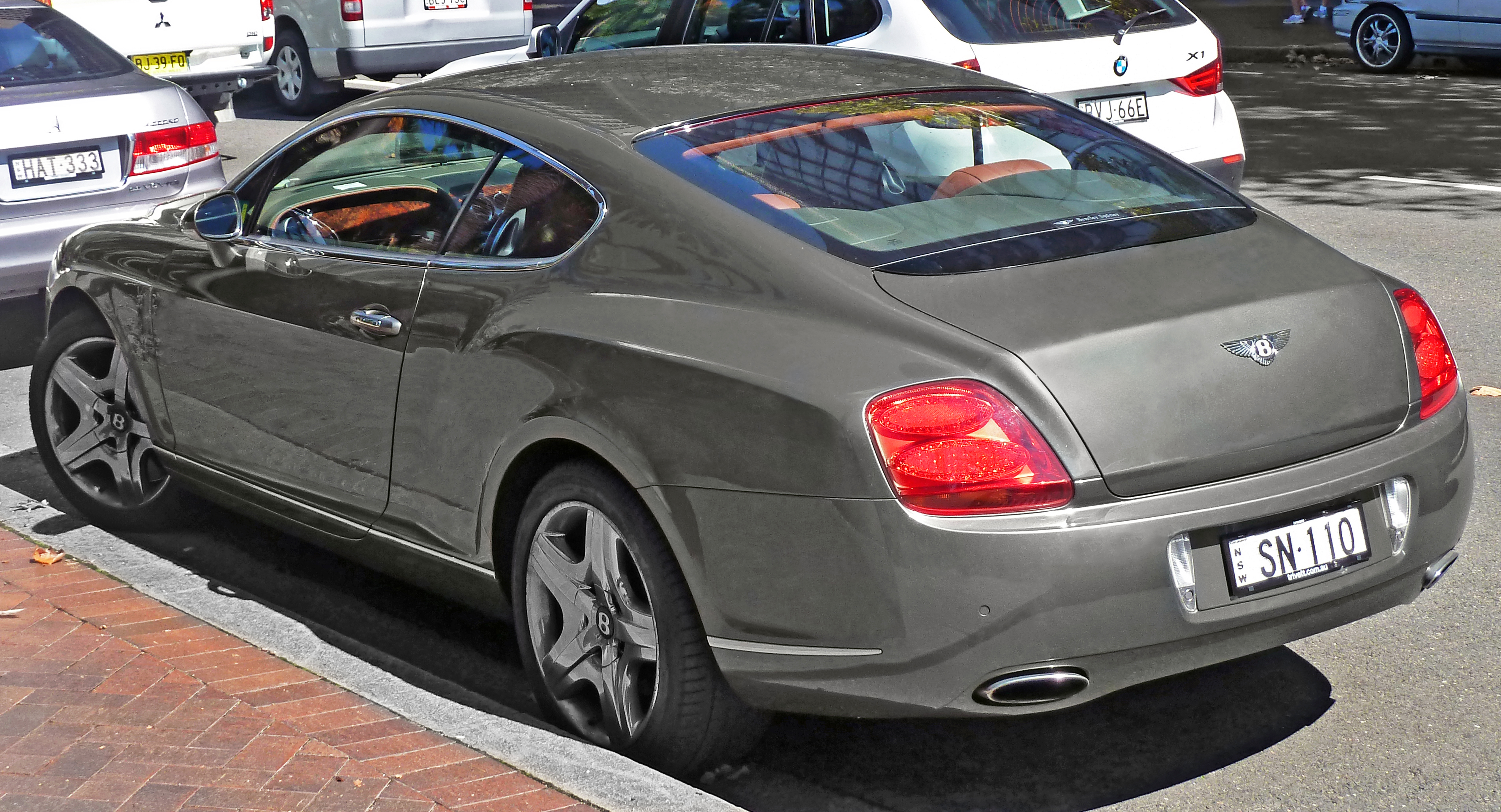
Bentley Continental GT3
"it almost reminds me of the Bentley Continental GT3 where I think Team Parker racing and a couple other teams that had run it after the factory had ceased that program"
This is a Bentley race car built to the GT3 rules. GT3 is a common racing format, so teams can run the same kind of car in different championships and keep it competitive for years.
The Bentley Continental GT3 is a GT3-spec race car built from the Bentley Continental platform for customer racing. GT3 cars are designed to compete in multiple series using standardized rules, which is why teams can keep them racing competitively even after factory support ends.
GT America
"it races competitively in America too in GT America"
GT America is a racing series in the U.S. for GT-style race cars. Saying a car does well there means it’s not just fast in one region—it can compete in American races too.
GT America refers to a North American sports-car racing series focused on GT-class cars. When the hosts mention a car racing competitively in GT America, they’re highlighting that it can perform well against other GT3/GT teams on U.S. tracks.
Memo Gidley
"it's good point with Memo Gidley he's leading the championship over there"
Memo Gidley is a professional race car driver. Here, they’re saying he’s leading the championship in the series they’re talking about, meaning he’s doing very well right now.
Memo Gidley is a professional race driver known for endurance and GT racing. In this segment, he’s mentioned as leading a championship in GT America, which signals he’s currently performing at the front of the field.
Spa
"in the new classic GT3 series at Spa and looking at the cars in the garage"
Spa is a famous race track in Belgium. It’s known for tricky corners and changing weather, so lap times can swing a lot depending on conditions.
Spa refers to Circuit de Spa-Francorchamps in Belgium, one of the most important road courses on the European racing calendar. It’s known for fast corners, elevation changes, and weather variability, which can strongly affect lap times and car setup.
24 hours
"from the cars that will be racing in the crowdstrike 24 hours in a couple of weeks"
A 24-hour race is a long endurance event where the car has to keep going for an entire day. Teams focus on staying consistent and not breaking parts, not just one fast lap.
“24 hours” refers to endurance racing where cars must keep running for a full day, managing tire wear, fuel, driver stints, and reliability. The host uses it to set context for upcoming endurance competition and compares pace to prior sessions.
factory-supported operation
"they're the team I sort of see as Porsche's next factory supported operation well they are literally ready"
“Factory-supported” means the car company is helping the racing team. That support can include technical help and parts, which makes it easier to stay competitive.
A “factory-supported operation” means a racing team is backed by the car manufacturer, often with technical support, engineering input, parts supply, and sometimes direct involvement in car development. In GT3, this can be a big advantage because it helps the team keep the car competitive as rules and rivals evolve.
European GT3 world
"there's a lot of changing of the guards per se in the European GT3 world but seeing them field a all pro"
GT3 is a popular type of race car category with rules that keep cars fairly comparable. When they say “European GT3 world,” they mean the big network of GT3 racing in Europe.
“GT3” refers to a class of race cars built to a standardized rule set so teams can compete in many countries with similar-spec machinery. The “European GT3 world” is the ecosystem of European GT3 championships, teams, and factory-supported programs.
GT World Challenge Endurance Cup
"they're committed with an all pro lineup for GT World Challenge Endurance Cup and Sprint Cup I believe too"
GT World Challenge Endurance Cup is a racing series for GT cars, where races last a long time. Teams have to manage tires, fuel, and driver changes to finish strong.
GT World Challenge Endurance Cup is a top-level endurance racing series for GT cars. Teams run multi-hour races where strategy, reliability, and driver consistency matter as much as outright speed.
Sprint Cup
"for GT World Challenge Endurance Cup and Sprint Cup I believe too in Europe so"
Sprint Cup means shorter races than the endurance events. The cars and teams usually focus more on quick pace and racecraft over a shorter period.
Sprint Cup refers to the shorter-race counterpart within the GT World Challenge structure. Compared with endurance events, sprints tend to reward sharper qualifying pace and aggressive race execution over a shorter time window.
GT World Challenge Europe Endurance Cup
"less that compete in the GT World Challenge Europe Endurance Cup season high class racing"
This is the European endurance championship for GT cars. The discussion is about how many Porsche cars enter it compared with other related series.
GT World Challenge Europe Endurance Cup is the European endurance championship within the GT World Challenge ecosystem. The hosts are contrasting how many Porsche entries show up there versus other GT World Challenge events.
intercontinental GT challenge entry car collections
"entered because there are intercontinental GT challenge entry car collections on the entry list"
This is talking about GT racing events that bring teams together from different places. “Entry car collections” just means the cars that are officially entered on the event list.
“Intercontinental GT challenge” refers to a broader set of GT events that can pull together cars and teams from different regions. The phrase “entry car collections” here means the list of cars entered for those events.
factory team
"that's an all factory factory team that car was taken out"
A factory team is a racing team backed by the car maker itself. Instead of being an independent outfit, they’re closely supported by the manufacturer and often run the manufacturer’s own race cars.
A “factory team” is a racing team directly supported by the car manufacturer, typically using manufacturer-developed cars and engineering support. That usually means more resources and tighter integration between the race program and the production/engineering side.
punctured tire
"I think he had a punctured tire and he was limping the car back"
A punctured tire is basically a tire that got damaged and started losing air. In a race, it makes the car harder to control, so the driver may have to drive slowly back to safety.
A punctured tire means the tire has been damaged enough to lose air pressure, which can severely reduce grip and stability. In racing, that often forces the driver to limp back carefully, increasing the risk of being hit by cars behind.

Mercedes AMG GT3
" [2882.6s] motorsports [2883.6s] Mercedes AMG GT3 [2886.3s] Lewis Williamson"
Mercedes-AMG GT3 is a race car made for a popular class called GT3. Teams buy or run it in endurance races, and the rules are designed so different brands can compete fairly.
The Mercedes-AMG GT3 is a purpose-built GT race car based on Mercedes-AMG’s GT platform, homologated for customer racing. In series like GT3 endurance events, it’s typically run by private teams and factory-supported squads, with standardized rules that keep competition close across brands.
AF Corsa
" [2899.3s] AF Corsa [2900.5s] a fifth [2901.7s] AF Corsa running all of the"
AF Corse is a racing team that’s closely tied to Ferrari. In many GT events, they’re one of the teams that runs Ferrari race cars.
AF Corse is a well-known Italian racing team and motorsport outfit, especially associated with Ferrari programs. When the hosts say AF Corse “running all of the Ferraris in the world,” they’re describing the team’s strong presence and Ferrari customer-racing role.
TF Sport
" [2916.0s] and Peter Dempsey [2917.5s] in that who comes across [2918.8s] from TF Sport"
TF Sport is a racing team. Here, the hosts are saying TF Sport is connected to the Corvette lineup for the event.
TF Sport is a motorsport team that competes in endurance and GT racing, often fielding cars for pro-am driver lineups. In this segment, it’s mentioned as the team associated with the Corvette entry, indicating who’s running that car.

Chevrolet Corvette
"from TF Sport at Corvette so that's an interesting little line up there for..."
The Chevrolet Corvette is a sports car made by Chevrolet. It’s designed to be fast and fun to drive, and it’s often used in racing or performance builds. The podcast mentioning TF Sport suggests someone is working on or preparing Corvettes for a specific purpose.
The Chevrolet Corvette is a performance sports car from Chevrolet, known for delivering strong speed and handling in a relatively accessible package. In the podcast context, mentioning TF Sport at Corvette suggests a specialist or preparation shop connected to the Corvette, which is often discussed when cars are set up for racing or high-performance use. It’s a common talking point because the Corvette has a long history in motorsport and enthusiast circles.
Porsche Penske
"after parting ways of Porsche Penske at the end of last year but"
Penske is a racing team/organization. If someone leaves a Porsche-Penske program, it typically means they’re switching to a different team or racing contract.
Penske is a major motorsport organization that has partnered with Porsche in various racing programs. When a driver “parts ways” with a Porsche-Penske setup, it usually means they’re changing teams and/or contracts within Porsche’s racing ecosystem.
Genesis
"again that's not a huge surprise because Genesis has given their drivers a lot of freedom"
Genesis is a car brand. Here it’s being described as the company that supports drivers and lets them race in different setups.
Genesis is the luxury automotive brand that supports and manages driver programs in motorsport. The host is saying Genesis gives its drivers more freedom to race with different teams and manufacturers.
Herbergring 24
"Danny Junkadea having just taken part in the Herbergring 24 in the Verstappen racing entry so"
This sounds like a 24-hour race at the Nürburgring. Instead of just speed for a short time, it’s about lasting the whole day—staying consistent and keeping the car running.
“Herbergring 24” appears to be a reference to a 24-hour endurance race at the Nürburgring. In endurance racing, 24-hour events test reliability, pit strategy, and driver consistency over long stints.
SRO
"and actually I think quite sensible from SRO for the CrowdStrike"
SRO is the organization that runs and promotes certain GT racing events. If they change qualifying, it’s because they’re setting the rules for how the event runs.
SRO is the promoter/organizer behind major GT racing events and series. When the host says the qualifying format is “from SRO,” they mean the event’s governing body designed the structure.
CrowdStrike
"from SRO for the CrowdStrike"
CrowdStrike is a company name showing up as a sponsor for the event. It’s part of the branding around the race rather than a racing technology.
CrowdStrike is a sponsor name attached to the event being discussed. In motorsport, sponsor branding often appears in official event titles and on-screen graphics, even though it doesn’t change the technical rules.
Super Paul
"but then it all gets a bit more complicated with a Super Paul on Friday that knocks out the bottom 16"
“Super Paul” sounds like a special qualifying stage used in this event. The key idea is that it trims the field by eliminating the slower cars before the final runs.
“Super Paul” appears to be a named session/format element in the event’s qualifying structure, acting as a filter that removes the bottom portion of the field. Without more context, it’s best understood as a specific stage in the multi-round qualifying process.
Fast 8
"and we get down effectively the Fast 8 and then the top four a single run each round spot"
“Fast 8” is a later round where only the quickest cars remain. Those cars then get another chance to set their positions before the final grid is determined.
“Fast 8” describes a knockout-style stage where the remaining fastest cars get a further chance to set positions. It’s a way to narrow the field after earlier rounds, similar in spirit to other multi-stage formats used in motorsport.
WEC
"Yeah at first when I sort of read this development I thought oh okay they're going to do something similar to what WEC has done with qualifying and hyper pull"
WEC is a major endurance racing series where cars race for long distances and often compete in different categories at the same time. The hosts mention it because they’re comparing a new format to something WEC has tried before.
WEC refers to the World Endurance Championship, a top-level endurance racing series run by the FIA. It’s known for multi-class racing and for experimenting with race-weekend formats, including how qualifying is structured.
knockout elimination round
"Yeah at first when I sort of read this development I thought oh okay they're going to do something similar to what WEC has done with qualifying and hyper pull but this is taking it to a whole other level where you have it, there's a knockout elimination round after"
Instead of everyone racing once and getting a final ranking, the field gets cut down step by step. The goal is to keep the competition intense until only the fastest cars are left.
A knockout elimination format means competitors race through rounds where slower cars are removed, until only the top few remain. In this context, it’s being used to make qualifying more dramatic by turning it into a head-to-head elimination bracket.
sports car 3, 6, 5
"and you'll be able to follow along with John's coverage and the rest of the sports car 3, 6, 5 team, John will be back"
That “3, 6, 5” sounds like a shorthand label used in the broadcast—like a specific car entry or category. It doesn’t clearly point to a single well-known car model from this snippet alone.
“Sports car 3, 6, 5” appears to be a shorthand for a sports-car racing class or entry list (likely a team/driver/series identifier) rather than a car model. Without more context from the full episode, it’s best treated as a broadcast-specific label.
Isle of Man TT
"Let's move Absolutely, let's move on to bikes now and the Isle of Man TT has got something out of the way so far"
The Isle of Man TT is a famous motorcycle race on real roads around the Isle of Man. It’s known for being extremely challenging and dangerous compared with normal closed race tracks.
The Isle of Man TT (Tourist Trophy) is a motorcycle road-racing event held on public roads around the Isle of Man. It’s famous for its high speeds, long-standing tradition, and the risk level that comes from racing without typical track barriers.
F1 calendar
"because the calendar has been the F1 calendar has not been released ... as long as there's no clash with F1"
The F1 calendar is the list of dates when Formula 1 races happen. They’re checking it because other racing events can clash with F1 weekends.
The F1 calendar is the published schedule of Formula 1 race weekends for the season. The hosts are discussing whether another driver’s plans will conflict with F1, which is a common scheduling issue across top motorsport series.
Montreal
"[3973.1s] but now this year it was Montreal [3975.5s] so maybe there will be a clash next year [3977.4s] and the other thing is"
Montreal is a city in Canada. In racing talk, it usually means a weekend at a well-known track in the area.
Montreal is referenced here as a location for a race weekend. In motorsport coverage, Montreal is commonly associated with the Circuit Gilles Villeneuve, which hosts major racing events.
Imsa Weathertech sports car championship
"[4005.1s] let's look ahead to the weekend [4007.3s] we're back in Imsa Weathertech [4009.4s] sports car championship [4011.5s] action"
IMSA’s WeatherTech SportsCar Championship is a major U.S. sports-car racing series. Cars of different types race in the same event, and the weekends are often built like endurance races.
IMSA’s WeatherTech SportsCar Championship is a top-level North American sports-car racing series. It features multiple classes of cars racing together, including prototype categories and GT cars, and it’s known for endurance-style weekends.
street race
"[4012.2s] the second and final street race [4014.9s] of the year, 21 cars [4016.8s] doesn't sound like a lot"
A street race is held on roads that are normally used by the public, rather than a purpose-built circuit. These events typically have tighter corners, barriers close to the racing line, and less runoff, which can make them more demanding and accident-prone.
GTP
"[4016.8s] doesn't sound like a lot [4018.3s] but it's 11 GTP"
GTP is the name of one of the racing categories in IMSA. It refers to purpose-built prototype race cars that are designed to go fast for long races.
GTP is a prototype racing class used in IMSA’s top-tier endurance competition. These cars are purpose-built race prototypes designed for high performance and long stints, and they compete alongside other classes in the same event.
downtown Detroit
"about the right amount [4026.1s] on what has been a track on downtown Detroit [4028.7s] John that has provided us quite a lot of controversy"
This is racing on city streets in Detroit instead of a purpose-built track. City tracks usually lead to more close calls because there’s less room for mistakes.
Downtown Detroit refers to racing held on city streets rather than a traditional closed circuit. Street circuits tend to create more contact and incidents because the track is narrower, has fixed barriers, and offers less run-off space.
Bel Isle
"I think there are some of us that wish it's back on Bel Isle [4066.5s] but it's [4067.1s] neither here nor there"
Bel Isle is a Detroit-area island that’s been used for racing. The host is saying some people prefer that venue over the current downtown street setup.
Bel Isle is an island in the Detroit River that has hosted motorsport events, including street-course-style racing. The speaker is contrasting it with the current downtown Detroit layout, implying differences in flow, safety, and incident frequency between venues.
Acura
"certainly Acura going for its third straight win at the race"
Acura is a car brand from Honda that also races competitively. Here, they’re saying Acura has been winning a lot lately and is trying to keep that streak going.
Acura is Honda’s performance-focused luxury brand, and it also competes in top-level sports car racing. In this segment, the hosts are talking about Acura aiming for a third straight win at the race, which signals strong recent competitiveness in that series.
Wayne Taylor Racing
"Wayne Taylor Racing did it back in 2024"
Wayne Taylor Racing is a racing team. The hosts are pointing out that this team has been winning recently, not just one-off results.
Wayne Taylor Racing (WTR) is a motorsport team that competes in endurance sports car series. The hosts mention it because the team previously won in 2024 and again last year with different drivers, highlighting its recent success.
Meyer Schenck
"and then obviously last year with Meyer Schenck"
Meyer Schenck is a professional race car driver. In this part, he’s mentioned because he was part of the winning lineup the hosts are referencing.
Meyer Schenck is a race driver associated with Wayne Taylor Racing in this segment’s discussion of recent wins. The hosts use his name to connect last year’s victory to the team’s driver lineup.
GTD Pro class
"and in GT the GTD Pro class it's multi-matic looking for back-to-back wins"
GTD Pro is one of the racing categories for GT cars, aimed at more serious, pro-level competition. The hosts are saying a team is trying to win again in that specific category.
GTD Pro is a top tier within GT racing that features professional driver lineups and manufacturer-backed or factory-supported teams. The segment contrasts it with other classes and explains that a team is targeting back-to-back wins in GTD Pro.
multi-matic
"it's multi-matic looking for back-to-back wins"
Multimatic is a motorsport and engineering company known for building and supporting race cars, especially in endurance racing. Here, the hosts say Multimatic is aiming for back-to-back wins in the GTD Pro class.
Mike Rockenfeller
"but it won't be with Mike Rockenfeller and Seb Perio because they're no longer full-season drivers"
Mike Rockenfeller is a pro race driver. The hosts are saying he won’t be racing full-time this season, so the team’s results and rhythm may change.
Mike Rockenfeller is a professional endurance and GT race driver. The hosts note he and Seb Perio are no longer full-season drivers, which affects the team’s momentum and who will be driving the car going forward.
Seb Perio
"and Seb Perio because they're no longer full-season drivers"
Seb Perio is a pro race driver. The hosts mention him because he and Mike Rockenfeller aren’t doing the full season anymore, changing who’s expected to carry the team’s momentum.
Seb Perio is a professional race driver mentioned here as part of the driver lineup that will not be continuing full-season. The segment uses his name to explain why the team’s momentum shifts to other drivers and entries.
Fred Ravish
"shifted towards the 65 car of Fred Ravish and Chris Meese"
Fred Ravish is a professional race driver. The hosts are saying he’s part of the team/car that’s now expected to be strong based on what happened last time.
Fred Ravish is a race driver referenced as part of the “65 car” lineup that the hosts say has gained momentum. The mention is used to connect driver changes and recent results to the current contenders.
Chris Meese
"Fred Ravish and Chris Meese who won last time out at Leather Tech Raceway Laguna Seca"
Chris Meese is a pro race driver. The hosts mention him because he helped win the last race, so he’s a key reason the “65 car” is seen as a contender.
Chris Meese is a professional endurance/GT race driver mentioned alongside Fred Ravish. The hosts tie him to the previous race win at Laguna Seca, using that as evidence for why this lineup is worth watching.
Leather Tech Raceway Laguna Seca
"who won last time out at Leather Tech Raceway Laguna Seca"
Laguna Seca is a well-known race track in California. The hosts bring it up because the last race winner came from there, so it’s a clue about what might happen again.
Laguna Seca is a famous road course in California, known for elevation changes and the iconic “Corkscrew” corner. The hosts mention “Leather Tech Raceway Laguna Seca” because it’s where the previous winner in this class/series came from, setting context for who’s likely to do well next.
Lexus
"and then also don't count out a second Lexus"
Lexus is a luxury car brand from Toyota. Here, they’re saying Lexus could still do well because there’s another Lexus car entered in the race.
Lexus is Toyota’s luxury brand and a frequent participant in endurance racing. The hosts say not to count out a second Lexus entry, implying Lexus has multiple cars that could contend even if the primary favorite shifts.
GTD class
"the races where there isn't a pro or a GTD class and this time it's going to be with Aaron Thielitz and Chaz Mostert defending"
GTD is a category in endurance racing for cars that are based on real production models. The idea is to keep the cars more evenly matched so they can compete against each other.
GTD is a racing class for production-based sports cars that are modified for competition but are intended to be closer to what you can buy than the top prototype categories. In endurance racing, it helps group cars with similar performance so they can race each other more fairly.
GR GT3
"family maybe in a higher capacity next year when the GR GT3 comes online."
GR GT3 refers to Toyota’s GT3-spec race car program (the “GR” branding for Toyota Gazoo Racing). GT3 is a global customer-racing rule set that standardizes things like aerodynamics and balance of performance so private teams can run competitive cars.
IndyCar Championship
"before he took over the IndyCar [4181.6s] Championship as well [4183.7s] and Indianapolis"
The IndyCar Championship is the main season in U.S. open-wheel racing. They bring it up to explain how Penske has been involved in major races for a long time.
The IndyCar Championship is the top-level season-long series in American open-wheel racing. The hosts mention it to connect Penske’s involvement with IndyCar to the broader context of racing events and scheduling.
Request an Explanation
Heard something you'd like explained? We'll add it to this episode.
Sign in to request explanations for terms you heard.
Want to learn more?
Browse our glossary for plain-English explanations of automotive terms, jargon, and concepts.
Help improve this episode
See something that's not quite right? Our annotations are AI-generated and can sometimes miss the mark. Click the flag icon on any annotation to suggest a correction.