Petroyle BMW M3 Touring, £60k seven seaters and car designs you once hated but now love
About this episode
Monaco and Le Mans set the tone, with the hosts daydreaming about F1 tech like “seamless shift” and chasing engine sounds. The conversation then lands on BMW estates: the rare Petroil-built E46 M3 Touring, why an M3 Touring sounded like a joke at first, and how carbon-fibre fabrication plus possible V10 swaps make it feel like a proper lifer. Along the way, they debate concept cars, “once-hated” designs, and wrap with more motorsport teases.
What if BMW put the E46 M3 Touring into production? Cam and Sam explore the ultimate automotive what-ifs, starting with Petroyle's incredible restomod before exploring the greatest concept cars that never made production.
Then it's on to a £60,000 premium seven-seater challenge, pitting Sam’s plush Bentley Bentayga against Cam’s sensible diesel BMW X7. Finally, they hit the forums to look at the controversial car designs that actually aged surprisingly well.
🏎️ Sell your car on PistonHeads auctions: https://www.pistonheads.com/sell/auctions
🎟️ Get your Annual Service 2026 tickets: https://www.pistonheads.com/events/annual-service
Chapters:
0:00 Intro
2:38 Petroyle M3 Touring
10:54 Best concepts that never made production
38:02 Premium seven seaters for £60k
53:11 Designs you once hated but now love
TOPICS:
Petroyle BMW M3 E46 Touring: https://www.pistonheads.com/news/ph-driven/petroyle-bmw-m3-touring-e46--uk-review/51256
Seven seaters for £60k: https://www.pistonheads.com/gassing/topic.asp?h=0&f=255&t=2141150
Car designs you once hated but now love: https://www.pistonheads.com/gassing/topic.asp?h=0&f=23&t=2143140&i=0
CARS:
Sam’s Bentley Bentayga: https://www.pistonheads.com/buy/listing/20253335
Cam’s BMW X7: https://www.pistonheads.com/buy/listing/20235464
FOLLOW US:
🗣 Facebook: https://www.facebook.com/pistonheads
📸 Instagram: https://www.instagram.com/pistonheads
🐦 X: https://twitter.com/pistonheads
V8
"[65.3s] No, give me a V8. [67.1s] My ultimate dream Formula One car to drive 2007 McLaren."
A V8 is an engine with eight cylinders arranged like a V. People associate it with a strong, distinctive sound and feel.
A V8 is an engine with eight cylinders arranged in a “V” shape, typically sharing a common crankshaft. In performance talk, V8 usually implies a specific sound and torque character compared with smaller engines or different cylinder counts.
V10
"Because then the howl of that V8 is ridiculous or a V10 of any sort. [80.5s] Yeah."
A V10 is an engine with ten cylinders in a V shape. It’s often linked with higher-revving, more dramatic engine noise.
A V10 is an engine with ten cylinders arranged in a V configuration. Compared with a V8, it often revs higher and can produce a different, more “exotic” sound profile—something the host is explicitly chasing in the F1 context.
seamless shift gearbox
"Do you remember the term seamless shift? [111.4s] Yeah. Where it's like, oh, they had a seamless shift gearbox where the ones at the back of the bridge."
A seamless shift gearbox is a special kind of racing transmission that changes gears with almost no “power break.” That means the car keeps pulling smoothly instead of feeling like it pauses between gears.
A “seamless shift” gearbox refers to a transmission system designed to change gears with minimal interruption to power delivery. In Formula 1, it was a notable technology because it helped keep acceleration continuous through shifts, improving lap-time consistency.

Audi RS5
"So, no, I'm very much looking forward to driving the Audi RS5 the day before. I went to the launch of it and I think it'd be a lot of fun to drive. I'm going to take on some nice twisty roads and then I'm going to watch somebody put it on pole."
The Audi RS5 is a high-performance Audi model (the “RS” badge). The host is excited to drive it and then watch how it does in a racing context.
The Audi RS5 is Audi’s performance-focused RS-series coupe/fastback, known for its punchy power and track-capable dynamics. In this segment, the host is looking forward to driving it and then watching it compete for pole position.
pole
"I'm going to take on some nice twisty roads and then I'm going to watch somebody put it on pole. And I'm not going to be there for the Grand Prix, but it doesn't matter because whoever is on pole on the Saturday, 99% of the time is the person who wins it on Sunday."
In racing, “pole” means the car starts first at the front of the grid. It usually comes from being the fastest in qualifying.
“Pole” refers to pole position in racing—starting first on the grid because the car set the fastest qualifying time. The host uses it as a shorthand for who is likely to win the race.
Grand Prix
"And I'm not going to be there for the Grand Prix, but it doesn't matter because whoever is on pole on the Saturday, 99% of the time is the person who wins it on Sunday. Well done, Lance Droll. Good win. Good win."
A “Grand Prix” is a big, high-profile car race. The host is talking about the weekend format: qualifying first, then the main race.
The host mentions a “Grand Prix,” which is a major motorsport race event (most commonly associated with Formula 1). Here it’s used to set up the idea of qualifying/pole on Saturday and the race on Sunday.
Lance Droll
"Well done, Lance Droll. Good win. Good win. So that's an estate car I'm very excited about, but there's another estate that I'm even more excited about that I can't drive."
The host is congratulating a race driver for winning. The name in the transcript looks a bit off, but it’s clearly someone who just won a Grand Prix race.
Lance Droll is mentioned as the driver who won (“Good win”). The name appears to be a transcription error for a Formula 1 driver, but the segment clearly treats him as the race winner in a Grand Prix context.
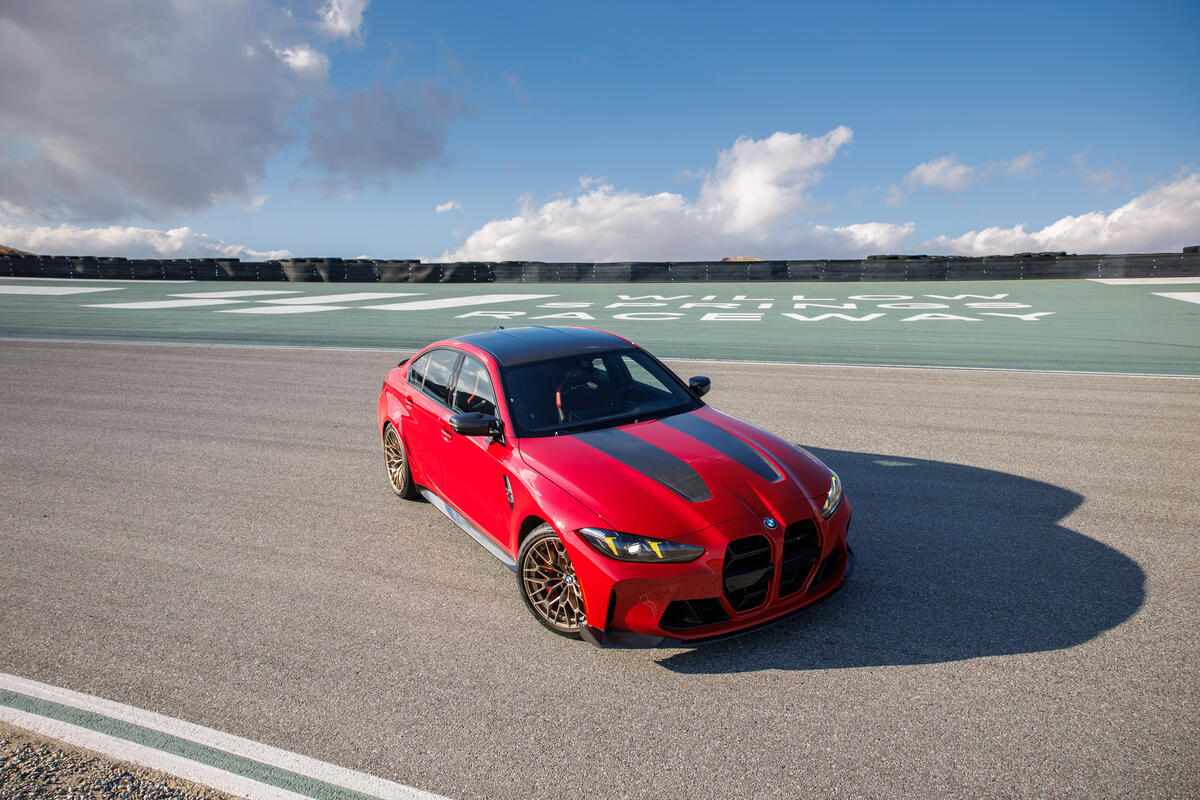
BMW M3
"It is the E46 M3 Touring that has been built by Petroil. Yeah. I don't know how you actually pronounce it properly."
This is a BMW M3, but in a wagon/estate body style (the “Touring”). It’s special because the E46 M3 Touring is uncommon, and this one is being recreated/updated by Petroil rather than just being an original factory car.
The BMW E46 M3 Touring is a rare estate (wagon) version of the E46-generation M3, built around BMW’s high-performance M3 platform. In this episode, it’s specifically described as being “built by Petroil,” tying the car to a modern restomod-style project based on the original E46 M3 Touring idea.

BMW E46
"...considerably older, but it's brand new. It is the E46 M3 Touring that has been built by Petroil. Yeah."
The BMW 3 Series is a popular BMW car line that’s meant to be comfortable but still fun to drive. The E46 M3 Touring is a special, rare version that’s shaped like a wagon but uses a high-performance M3 engine. The podcast is bringing it up because it’s uncommon and has been newly built by a custom shop.
The BMW 3 Series is a compact executive sedan that’s known for balancing everyday usability with sporty driving. In this episode, the focus is on the E46-generation M3 Touring, a rare wagon version of the high-performance M3, which makes it a standout collector discussion. It’s also mentioned as being “brand new” and built by Petroil, which adds an unusual, custom-built angle to the conversation.
Petroil
"It is the E46 M3 Touring that has been built by Petroil. Yeah. I don't know how you actually pronounce it properly."
Petroil is the company behind this special BMW wagon project. They’re the ones associated with building the E46 M3 Touring mentioned in the episode.
Petroil is referenced here as the builder behind the recreated BMW E46 M3 Touring. The episode frames it as a modern project that turns an older concept into something you can actually drive.
M3 Csl
"...like they made a S62 V8 version of the M, the E46 M3 CSL. Yeah, yeah."
The BMW M3 is a high-performance version of the BMW 3 Series. It’s made to be faster and more fun to drive than the regular versions. The episode is talking about a special M3 variant (the E46 M3 CSL), which is rarer and more performance-focused.
The BMW M3 is the performance model within BMW’s 3 Series family, built to deliver sharper handling and stronger engines than standard trims. The episode specifically references the E46 M3 CSL and mentions a “S62 V8 version of the M,” which ties into the idea of special, high-performance M3 variants. These cars are often discussed because limited-production models like the CSL are especially sought after by enthusiasts.
tail happy
"Never put it into production, but they were like, it was really tail happy and fun. Plus various other things."
“Tail happy” means the car’s rear end can get a little loose. It often feels fun and playful, but it can also take more driver control.
“Tail happy” is enthusiast slang for a car that’s prone to oversteer—meaning the rear end wants to step out when you accelerate or turn. It’s usually associated with a lively, playful chassis balance rather than a car that feels planted and neutral.
Nürburgring
"And then obviously they race it at the Nürburgring and it finished fifth at the end 24."
The Nürburgring is a well-known race track in Germany. Car makers use it to test how fast and how well a car handles under real racing conditions.
The Nürburgring is a famous German motorsport venue used as a benchmark for car development. In this context, the speaker says the car was raced there, highlighting how serious BMW’s motorsport validation is.
arrow advantage
"Did it have an arrow? Because they always have arrow advantages, don't know the longer the roof. I bet it had a bit of an arrow advantage."
They’re talking about aerodynamics—how the car’s shape can help it stay stable and go faster. A longer roofline can change airflow over the car, which can help or hurt depending on design.
“Arrow advantage” here likely refers to aerodynamic advantage—how a car’s shape and downforce help it go faster, especially at higher speeds. The host ties it to roof length, implying the bodywork affects airflow and stability.
SPX
"It was in a class called SPX, which is kind of like an anything goes class. So that it was joined by the HWA EVO and I think maybe the Glickenhouse used to raise an SPX."
SPX is a race class—basically a category of cars that are allowed to compete together under a specific rule set. The host is saying it’s a more open “anything goes” style class.
SPX is a racing class designation used in endurance motorsport rulesets, where cars are grouped by eligibility and performance balancing. The host describes it as “anything goes,” meaning the class is relatively open compared with tightly restricted categories.
HWA EVO
"So that it was joined by the HWA EVO and I think maybe the Glickenhouse used to raise an SPX. But anyway, so they put this, they showed it off and they were like, we built this and you're going to love it,"
HWA is a company that makes and supports race cars. “EVO” sounds like a particular version of one of their cars that was competing in the same race class.
HWA is a motorsport and engineering brand known for building and running race cars, often in Mercedes-related programs. “EVO” here reads like a specific race-car variant name used within that brand’s lineup.
Glickenhouse
"So that it was joined by the HWA EVO and I think maybe the Glickenhouse used to raise an SPX. But anyway, so they put this, they showed it off and they were like, we built this and you're going to love it,"
Glickenhaus is a car brand tied to special, high-performance vehicles and racing. Here, the host is saying it may have entered cars in the same SPX-style race class.
Glickenhaus refers to the Glickenhaus brand, associated with niche high-performance sports cars and motorsport efforts. In this segment, it’s mentioned as having been involved with an SPX entry, implying participation in that class.
BMW M3 Touring
"Several decades later, the G81 turns up, everybody loves the M3 Touring and BMW is now going, [351.9s] you know, maybe we should have done it"
This is a BMW M3, but in wagon/estate form. It’s built to drive like a proper performance car while still carrying more stuff than a normal sedan.
The BMW M3 Touring is a performance wagon: it combines BMW’s M3-level straight-line and handling hardware with a practical estate body. In this segment, the host also references the later “G81” generation, which is the modern M3 Touring that finally made it to production.
M3 running gear
"So the usual thing that people do is they'll take an E46 Touring, [407.3s] 330 or whatever. [409.0s] And then they'll shove M3 running gear in it and voila, you've got that."
“Running gear” means the key mechanical parts that actually make the car drive and handle. In this case, people swap in the M3’s parts so the wagon feels much more like an M3.
“Running gear” is the set of drivetrain and chassis components that make the car move and handle—here, specifically the M3’s parts. Swapping M3 running gear into an E46 Touring is a common conversion path to turn a regular wagon into something that drives like an M3.
E46 Touring
"So the usual thing that people do is they'll take an [399.0s] E46 Touring, [407.3s] 330 or whatever."
This is the wagon version of the BMW E46 3 Series. People use it as the base car because it already has the estate body, then they modify it to make it feel like an M3.
An E46 Touring is the wagon/estate version of BMW’s E46-generation 3 Series platform. In the context of this episode, it’s the common starting point for enthusiasts who convert a regular E46 wagon into an M3-like car by adding M3 components.
carbon fibre
"Whereas what the guys at Petroil have done is they've actually fabricated a lot of the touring parts out of carbon fibre. [423.4s] Oh, yeah. [424.0s] That's the way to do it."
Carbon fibre is a strong, lightweight material used in performance cars. Here, it’s used to make parts for the touring conversion, aiming to keep the build light and rigid.
Carbon fibre is a lightweight composite material used in performance builds to reduce weight and improve stiffness. In this segment, the host says Petroil fabricated many of the touring-specific parts in carbon fibre, which is presented as a way to build the conversion while keeping costs comparable to steel in their case.
torsional rigidity
"And it means that the torsional rigidity is incredible. So it's much stiffer and super light should drive brilliantly."
Torsional rigidity means how much the car’s body resists twisting. If it’s stiffer, the wheels can stay more “in control,” which usually helps the car handle better.
Torsional rigidity is how resistant a car’s body is to twisting under load. Higher torsional rigidity generally improves handling consistency because the suspension can work against a more stable platform.
rest-o-mod
"But because it's essentially a rest-o-mod, although not in the traditional sense of where what we're looking at here is the... It looks like a stock M3 touring."
A rest-o-mod is an older car that’s been upgraded with modern improvements. The goal is to keep the classic vibe, but make it drive and feel better.
A rest-o-mod is a restomod: a classic car that’s updated with modern engineering while keeping a familiar look. In this segment, the host says it’s essentially a rest-o-mod, but not “in the traditional sense,” implying the changes are more about materials/structure than a full modern drivetrain swap.
CSL style M3 touring
"However, they are going to do a carbon roof if you want a CSL style M3 touring. Kind of defeats them."
CSL is BMW’s name for a more hardcore, lighter M3. Here, they’re saying you can spec the touring to look like that CSL vibe, such as with a carbon roof.
“CSL” refers to BMW’s lightweight, track-focused M3 variant (the CSL badge). Calling it “CSL style” suggests the touring is being configured to resemble that more extreme, lighter-spec look—like adding a carbon roof—rather than being a literal CSL.
engine options
"But it's not only that. You can also get different engine options. So you could either take a..."
“Engine options” just means you can choose different engines for the car. That affects how it drives and how it performs.
“Engine options” means the project can be configured with different powertrains rather than a single fixed engine. For a restomod-style build, offering multiple engine choices is a major part of how buyers tailor performance and feel.
S54 straight six
"You know, if it's a donor car, you could use the S54 from that, straight six. They also apparently have some zero-mile S54 straight sixes."
The S54 is a BMW performance engine that comes from an inline-six design (six cylinders in a straight line). People like it because it’s a popular engine for swaps and builds.
The S54 is BMW’s high-revving inline-six engine family used in certain performance models (most famously the E46 M3). “Straight six” means the cylinders are in one line, and the S54 is known for being a strong, enthusiast-focused engine swap candidate.
donor car
"You know, if it's a donor car, you could use the S54 from that, straight six."
A donor car is a car you buy or keep just so you can take parts off it. People do this when they want to build or repair another car using those parts.
A “donor car” is a vehicle kept (or bought) mainly to harvest usable parts for another project. In this case, the speaker is talking about pulling the engine from a donor BMW to build something else.
zero-mile
"They also apparently have some zero-mile S54 straight sixes. Crazy. Zero miles."
“Zero-mile” means an engine (or car) that has essentially never been used—no real break-in or wear. Enthusiasts sometimes pay a premium for zero-mile parts because they expect maximum longevity and originality.
S65 V8
"But apparently, if you fancy something a little bit crazier, you can get an S65 V8 or an S85 V10. Now, that would be an all-rounder, wouldn't it?"
The S65 is a specific BMW performance V8 engine. A V8 means eight cylinders, and it’s the kind of engine people choose when they want a bigger, punchier setup for a build.
The S65 is BMW’s V8 engine used in performance applications (notably the V8-powered M cars of the era). Calling it an “S65 V8” signals a specific engine family rather than just any V8, and it’s often discussed as a swap option for projects wanting more displacement and character than an inline-six.
custom make bodywork out of carbon
"Given what you've just said and the spec of this car and the fact that they've had to custom make bodywork out of carbon, that's actually, when you think about this world, not a massively insane number."
They’re talking about making the car’s outer panels from carbon fiber. Carbon fiber is a lightweight material, but making custom panels is costly and labor-intensive.
“Carbon” here refers to carbon-fiber bodywork, which is lighter and can be made into complex shapes compared with traditional steel or fiberglass. Custom carbon bodywork usually means expensive fabrication work, often for one-off or highly modified cars.
manual gearbox
"Obviously, this isn't nearly as powerful, but what it does have is a manual gearbox. You can have a manual gearbox with it."
A manual gearbox means you change gears yourself using a clutch and a stick. Some drivers prefer it because it feels more connected and controllable.
A manual gearbox is a transmission where the driver selects gears using a clutch pedal and gear lever. In enthusiast circles, it’s often associated with a more engaging, driver-controlled feel compared with automatic transmissions.
lifer
"I think this is the sort of thing of where it's a lifer. Yeah."
A “lifer” is a car you plan to keep for a long time. The idea here is that once you buy it, you’re not really thinking about replacing it.
In car talk, “lifer” means a vehicle you keep long-term—often because it’s a personal “forever” car. The host is framing the rare M3 Touring as something you buy and then hold onto for years, not something you flip quickly.
prototype
"I think it was a prototype. I think it ran. But basically it was intended for production."
A prototype is an early build of a car used to test it. It might work well, but it still might never be sold if the project is too expensive or complicated.
A prototype is an early version of a vehicle built to test design, engineering, and feasibility before mass production. Prototypes can be running testbeds, but they may never reach the production stage if costs or other issues don’t work out.
V12
"7.5 litre V12, 750 horsepower, semi-auto six speed, you know, paddle shifter stuff."
A V12 engine has 12 cylinders arranged in two groups that form a V shape. More cylinders like this can make the engine feel smoother and produce lots of power.
A V12 is an engine with 12 cylinders arranged in a “V” shape (two banks of six). It’s often associated with smooth power delivery and high displacement, and it can produce strong torque and high-end performance.
paddle shifter
"7.5 litre V12, 750 horsepower, semi-auto six speed, you know, paddle shifter stuff. It was probably quite a violent paddle shift in those days."
Paddle shifters are little levers behind or on the steering wheel. You pull them to tell the car to change gears, usually without using a clutch pedal.
A paddle shifter is a set of small levers on the steering wheel that lets the driver manually command gear changes. In an automatic or semi-automatic gearbox, it’s meant to give a more “driver-controlled” feel without a traditional clutch pedal.
semi-auto six speed
"7.5 litre V12, 750 horsepower, semi-auto six speed, you know, paddle shifter stuff. It was probably quite a violent paddle shift in those days."
A semi-auto gearbox can shift on its own, but you can also tell it when to change gears. “Six speed” means it has six different gear ratios.
“Semi-auto” typically means the car can change gears automatically, but the driver can also request gear changes (often via paddles). A “six speed” indicates the gearbox has six forward gear ratios for different speed/load conditions.
mid-engine, rear-wheel drive
"But basically it was intended for production... mid-engine, rear-wheel drive, three and a half seconds to 60, 217 miles per hour, ticks all the supercar boxes..."
Mid-engine cars put the engine near the middle of the vehicle to help balance the weight. Rear-wheel drive sends power to the back wheels, which changes how the car accelerates and turns.
Mid-engine means the engine sits near the center of the car, typically behind the driver and ahead of the rear axle, which helps balance weight distribution. Rear-wheel drive means power is sent to the rear wheels, affecting traction and handling characteristics.
Ron 88
"Could you imagine filling up a 7.5 litre V12 with bloody Ron 88 or whatever they have in the States?"
RON 88 is a type of gasoline with an octane rating. Octane helps prevent the fuel from “knocking,” which is especially important for powerful engines.
“RON 88” refers to a fuel with a specific octane rating (Research Octane Number). Higher-octane fuels resist knocking better, which matters for high-compression or high-performance engines that need stable combustion.

Chevrolet C8
"...are some incredible American cars. We've sung the C8 praises on here. But this kind of felt like a rea..."
The Chevrolet Corvette is a sports car made by Chevrolet. It’s known for being fast and exciting to drive. The episode mentions the newer C8 generation, which changed the car’s engine placement to a more modern layout.
The Chevrolet Corvette is a long-running American sports car known for strong performance and a relatively attainable entry point compared with many supercars. The podcast references the C8 era, which is the mid-engine Corvette generation that helped modernize the car’s layout and driving feel. This makes it a natural topic when discussing what “incredible American cars” can mean in practice.
V6 hybrid
"[857.6s] Yeah. [857.9s] I mean, maybe it would have ended up being like a V6 hybrid or something nowadays. [861.2s] But you can certainly, I mean, a V12 would definitely sell these days."
It’s a car with a V6 engine plus an electric motor. “Hybrid” means it can use electricity and also recharge while driving.
A V6 hybrid is a car that uses a V6 engine (six cylinders arranged in a V shape) combined with an electric motor. The “hybrid” part means the car can use electricity and/or recover energy during driving to improve efficiency.
synthetic fuel
"[865.4s] Yeah. [865.8s] I mean, they could go, well, it's synthetic fuel. [867.9s] So it's all right."
Synthetic fuel is made in a factory rather than pumped from the ground. The idea is that it can be produced to reduce the climate impact compared with regular gasoline or diesel.
Synthetic fuel (often called e-fuel in the broader discussion) is fuel made from non-petroleum inputs, typically using captured carbon and renewable energy. The point in this segment is that it could make a high-emissions engine concept feel more acceptable “these days.”
Cadillac
"[868.4s] Well, Cadillac's making a, you know, has made a mega comeback in the last few years. [872.6s] Le Mans program, Formula One program. [875.4s] Yeah."
Cadillac is a well-known American car brand. The hosts are saying it’s been doing well lately, including in racing.
Cadillac is an American luxury brand that has been active in motorsport and performance marketing. In this segment, the hosts reference Cadillac’s recent resurgence and its racing programs as evidence that big-name brands can come back strongly.
Le Mans program
"[872.6s] Le Mans program, Formula One program. [875.4s] Yeah. [876.1s] In America, they got the Black Wings."
A Le Mans program is a carmaker’s effort to race at the famous 24-hour race in France. It usually means a lot of specialized engineering and team support.
A “Le Mans program” means a manufacturer’s racing effort aimed at the 24 Hours of Le Mans. It typically involves dedicated engineering, prototype/GT development, and long-term support to compete in endurance racing.
Black Wings
"[875.4s] Yeah. [876.1s] In America, they got the Black Wings. [878.6s] Bring back the CN, I say."
“Black Wings” sounds like a Cadillac performance name used in America. In this context, it’s part of their push to look and feel more sporty.
“Black Wings” here appears to refer to a specific Cadillac performance sub-brand/trim identity used in the U.S. The hosts mention it alongside racing programs, implying it’s part of Cadillac’s broader performance push.
Lotus
"[884.3s] Now, another one that potentially was killed off because of money and the brand associated [890.1s] you won't be surprised to hear is Lotus. [893.5s] The M250."
Lotus is a British company that makes sports cars. The hosts are talking about how Lotus had plans for new models, but those plans got derailed.
Lotus is a British sports-car brand known for lightweight engineering and driver-focused cars. In this segment, the hosts discuss how Lotus had plans for new models in the early 2000s, and how money and brand direction affected those ideas.
Lotus M250
"[893.5s] The M250. [895.4s] It was actually, I didn't know this because Lotus in the early 2000s again was planning [899.8s] on having the Elise at the entry level and then having this, whatever the M250 would"
The Lotus M250 is a name for a planned Lotus sports car. In this discussion, it’s described as a concept that would have been positioned above the Elise and below an Esprit, with a V6 and about 250 horsepower.
The Lotus M250 is referenced as a planned Lotus model (in concept form) that would have sat above the entry-level Elise and below a higher-tier Esprit. The hosts mention it with a target spec of around 250 horsepower and a 3.0-liter V6.
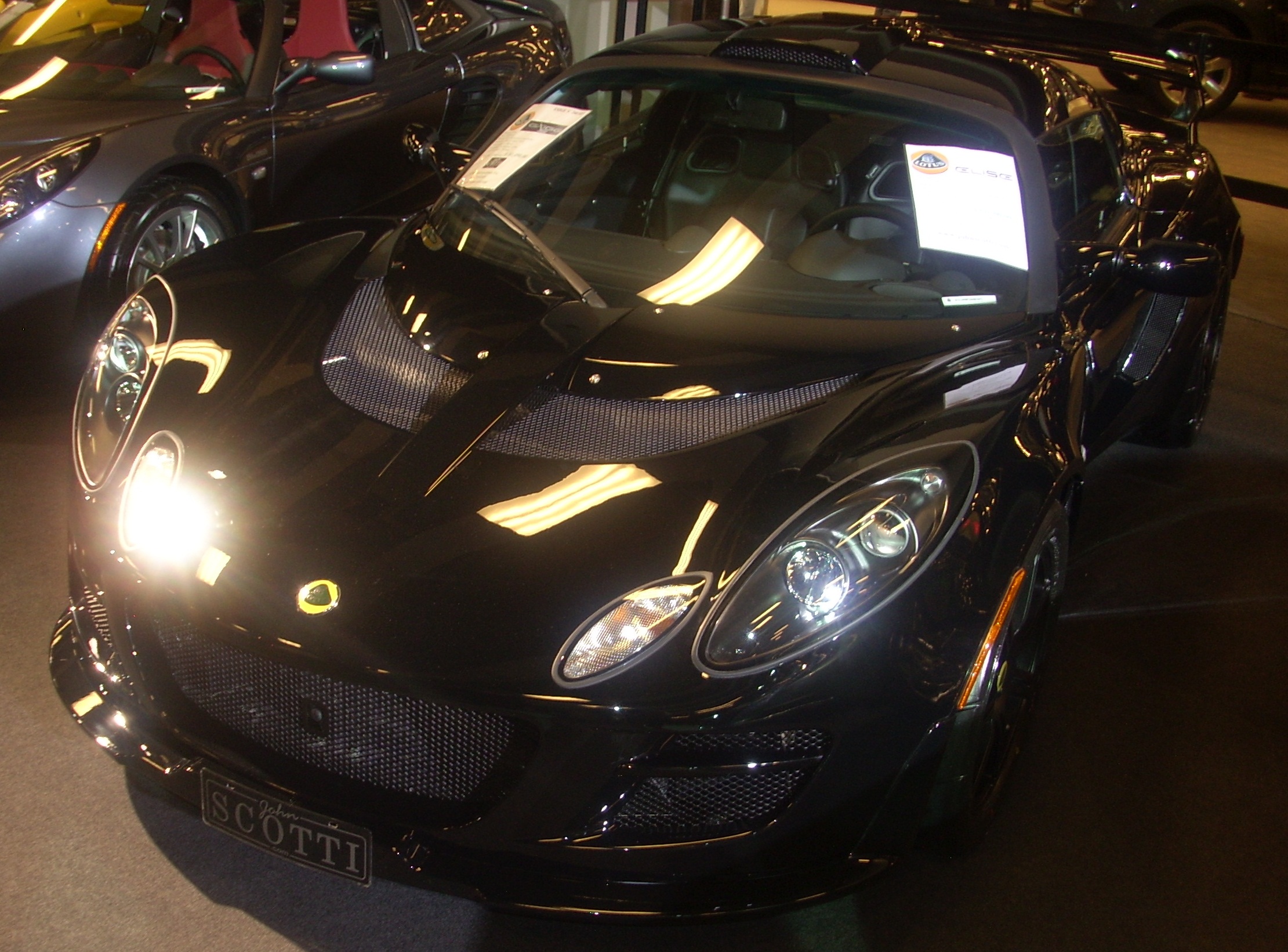
Lotus Elise
"[895.4s] It was actually, I didn't know this because Lotus in the early 2000s again was planning [899.8s] on having the Elise at the entry level and then having this, whatever the M250 would [905.3s] end up being called and then an Esprit."
The Lotus Elise is one of Lotus’s smaller, lighter sports cars. In this segment, it’s used as the baseline “entry-level” model in Lotus’s planned lineup.
The Lotus Elise is a lightweight, entry-level Lotus sports car that’s often used as the brand’s “starter” model. Here, the hosts say Lotus planned to keep the Elise as the entry point, then add the M250 above it and an Esprit further up the lineup.

Lotus Esprit
"[905.3s] end up being called and then an Esprit. [908.3s] Right. [909.0s] Yes."
The Lotus Esprit is a more upscale Lotus sports car than the Elise. The hosts are saying it would have been the top model in a lineup that also included the M250.
The Lotus Esprit is a higher-tier Lotus sports car historically positioned above the Elise in the brand’s lineup. In this segment, the hosts describe a planned early-2000s hierarchy: Elise at entry level, M250 in the middle, and Esprit at the top.
250 horsepower, three litre V6
"[909.1s] Yes. [910.5s] And so they had given this car in concept form a 250 horsepower, three litre V6. [915.7s] "
They’re quoting the concept’s goal: about 250 horsepower from a 3.0-liter V6 engine. That’s basically the engine size and how much power it was supposed to make.
This is a target performance and engine specification: “250 horsepower” is the power output, and “three litre V6” means a V6 engine with about 3.0 liters of total displacement. The hosts are using it to describe what the Lotus M250 concept was aiming for.
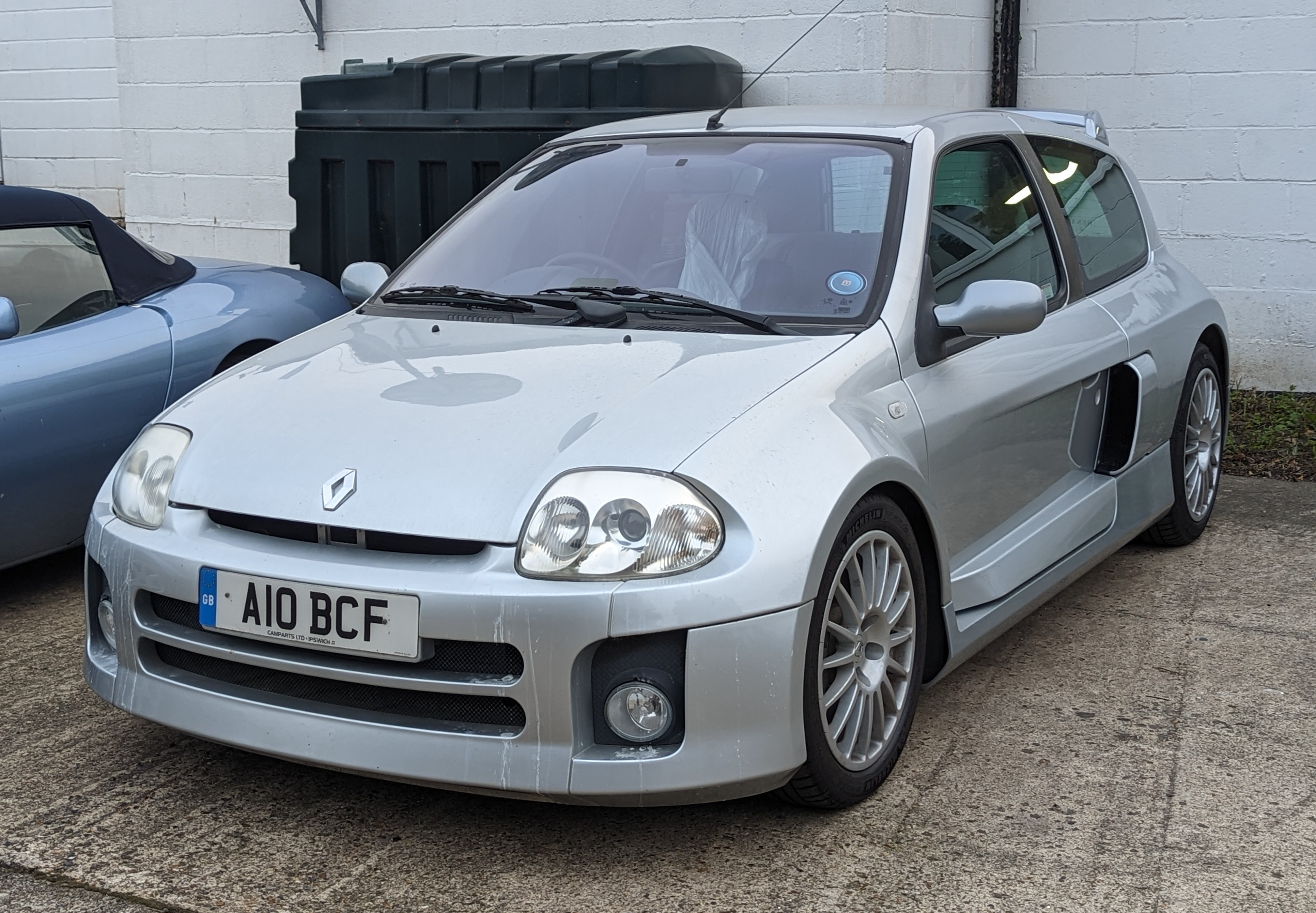
Renault Clio V6
"...pel engine. Obviously, Renault's V6 went into the Clio V6 and obviously Vox or Opel were putting theirs in ..."
The Renault Clio V6 is a special version of the Clio that uses a V6 engine. That’s unusual because most Clio models use smaller engines. The episode brings it up because it’s a rare, experimental performance car.
The Renault Clio V6 is an unusual, enthusiast-focused hot hatch concept that swaps in a V6 engine for a dramatic performance character. The podcast mentions Renault’s V6 being used in the Clio V6 and also references other brands’ V6 applications, highlighting how these engines were adapted for different projects. It’s discussed because the Clio V6 is memorable for being a rare, off-the-wall engineering experiment.
creature comforts
"But, you know, this was supposed to be a car that was going to build on the creature [937.6s] comforts of a Lotus Elise. [941.1s] I like in the listing I found online, it said, the creature comforts would include air conditioning, [946.9s] central locking, and electric windows."
“Creature comforts” means the convenience features that make a car feel more comfortable and easy to use. In this discussion, they’re talking about things like air conditioning, power windows, and central locking.
“Creature comforts” refers to convenience features that make a car easier and nicer to live with day to day. Here, the hosts list examples like air conditioning, central locking, and electric windows—things that the Lotus Elise is known for lacking.
grand tour-esque
"But it wasn't going to be quite as comfortable and grand tour-esque as what the Esprit that [962.3s] they were intending to also produce of the day would be."
“Grand tour-esque” means the car is meant to feel good for long trips, not just for quick drives. The idea is comfort and ease for cruising, not a bare-bones setup.
“Grand tour-esque” describes a driving style and car character aimed at comfortable long-distance cruising. It’s not just speed—think ride comfort, refinement, and features that make road trips easier, which the hosts contrast with the Elise’s spartan approach.
concept car
"So 2000, this concept came out, didn't make it anywhere... I'd just like to point out that the concept, the full-size concept, it's a clay model, so it didn't actually move."
A concept car is like a one-off prototype that shows off a new design. It’s often not meant to drive or be sold, but it can inspire real production cars.
A concept car is a prototype built to showcase new design ideas, technologies, or styling directions rather than to be sold to the public. In this segment, the hosts note that the full-size concept was a clay model that didn’t actually move, but it still influenced production cars.
single exit exhaust
"The back end is of aura through and through, right down to the triangular shaped exhaust, single exit exhaust."
“Single exit exhaust” means the exhaust comes out through one pipe/outlet. The hosts are using that shape and placement to describe how distinctive the rear design is.
A single exit exhaust means the exhaust system routes gases out through one outlet rather than dual outlets. The hosts describe a triangular-shaped exhaust area ending in a single outlet, using it as a key styling cue for the car’s rear design.

Lotus Europa
"And obviously Lotus did try and do something similar to that with the Europa. Yeah, exactly."
The Lotus Europa is an older Lotus sports car. The hosts are pointing out that Lotus tried to use a similar rear design idea on the Europa as well.
The Lotus Europa is a classic Lotus sports car known for its distinctive rear styling and packaging. Here, the hosts compare the concept’s rear-exhaust layout to the Europa, implying Lotus reused similar design themes across different models.

Renault Wind
"...e name Renault Zoom, I know it doesn't sound like wind, but it was like they clearly had a bit of an obs..."
The Renault Wind is a small Renault model with a name that sounds like “wind.” The episode is talking about the name and how it was marketed. It’s not being discussed as a performance benchmark, but more as a distinctive, unusual car.
The Renault Wind is a small, compact car that was offered with a distinctive design and a more open-air driving concept depending on the version. The episode’s mention of “Renault Zoom” and “it doesn’t sound like wind” points to how the name and marketing were tied to an idea of airflow or open-top fun. It’s brought up as a quirky model with an unusual identity rather than a mainstream performance choice.
shoehorned
"That was shoehorned, I think it's fair to say shoehorned, because it's a fair bit bigger than the V10, isn't it? Yeah."
“Shoe-horned” just means they had to cram it in. The host is saying the engine didn’t naturally fit, so they made it work anyway.
“Shoe-horned” is a colloquial way to describe forcing something into a space or packaging it in a way that’s not ideal. Here, it’s used to emphasize how the larger V12 (compared with a V10) was fitted into the existing R-rate Le Mans car architecture.
six-speed manual
"£493 brake horsepower, and best of all, a six-speed manual, not because they thought it was cool, because the DSG of the day just couldn't handle the torque."
A six-speed manual is a car where you change gears yourself using a clutch. The host is saying they chose six gears, but the engine’s torque meant fewer gears could still work fine.
A six-speed manual is a gearbox where the driver selects gears using a clutch and gear lever, with six forward ratios. The host is contrasting it with earlier five-speed setups, arguing that the car didn’t necessarily need six gears—especially given how torquey the engine was.
DSG
"because the DSG of the day just couldn't handle the torque. So they were like, well, we'll have to give it a manual. That is quite funny."
DSG is a type of automatic transmission that shifts gears quickly using two clutches. Here, the point is that the early DSG design couldn’t cope with the engine’s strong twisting force, so they used a manual.
DSG stands for “Direct-Shift Gearbox,” a type of dual-clutch transmission used by Volkswagen Group brands. In this context, the host is saying the older DSG couldn’t handle the engine’s torque, so they opted for a manual gearbox instead.
torque
"not because they thought it was cool, because the DSG of the day just couldn't handle the torque. So they were like, well, we'll have to give it a manual."
Torque is the engine’s pulling/twisting force. More torque usually means stronger acceleration, and it can also stress the gearbox if it’s too much for the transmission to handle.
Torque is the engine’s twisting force, which strongly influences how quickly a car accelerates and how hard it loads the drivetrain. The host’s point is that the torque output was high enough that the older DSG transmission couldn’t handle it.
five-speed
"I remember the Le Mans cars were five-speed, because they were so torquey, but they just didn't need six speeds to work. Just long five-speed."
A five-speed means there are five forward gears. The idea is that with a very torquey engine, you don’t always need more gears to drive effectively.
A five-speed gearbox has five forward gear ratios, which can be enough when an engine makes strong torque across a wide range. The host notes that Le Mans cars were using five-speed gearboxes because they didn’t need extra ratios to keep the engine in its power band.
low-reving engine
"The other thing is that that would be a very low-reving engine. It would."
A low-revving engine doesn’t need to spin very fast to work well. The host is saying this kind of engine can make strong pulling power without high RPM.
A low-revving engine is one designed to operate efficiently at relatively low engine speeds (RPM). The host is suggesting that a big, turbocharged diesel V12 would likely not need to spin very high to make the torque needed for racing.
Lancia Forvia
"what could have worked hand in hand with that [1529.5s] is the first concept of my list, [1531.4s] which is the Lancia Forvia. [1533.6s] Oh, yes."
The Lancia Forvia is a famous Lancia concept car. The key thing about it is its classic shape: a long front hood, a small cabin, and a separate rear section. The host is saying people wanted to bring that look back in the mid-2000s.
The Lancia Forvia is a classic Lancia concept car from the brand’s mid-century design era, known for its distinctive three-box layout. In this segment, the host talks about a mid-2000s revival idea (via FCA) that would bring back the Forvia’s original styling cues like the long hood and compact cabin.
three-box design
"Because it retained that very distinct three-box design [1572.0s] of the original Forvia. [1574.1s] You know, lovely long bonnet,"
A three-box design is a car shape that looks like it has three separate parts: the front hood area, the middle where people sit, and the rear trunk area. It’s a classic styling formula that helps a car look traditional.
A three-box design is a body layout where the car’s styling is clearly divided into three visual sections: the front engine bay, the passenger cabin, and the rear trunk/deck. The host uses it to explain why the revived Lancia Forvia concept would still look “classic” rather than modern-hatchback or crossover-like.
long bonnet
"[1574.1s] You know, lovely long bonnet, [1575.7s] tiny little cockpit,"
“Long bonnet” just means the hood at the front is stretched out. It’s a classic look that usually goes with older-style car proportions.
“Long bonnet” refers to a styling choice where the front hood extends farther forward than on more compact, cab-forward designs. It’s often associated with older, traditional proportions where the engine sits well ahead of the cabin.

Fiat Punto Mark II
"The original plan was to put it on the Fiat Punto Mark II. Oh, wow. That's, I mean, I had a Mark II Punto on my first car."
The Fiat Punto Mark II is a small Fiat car. They’re talking about using its underpinnings (the chassis) for an idea, but it turned out to be the wrong fit.
The Fiat Punto Mark II is a second-generation Fiat Punto small hatchback platform. In the segment, it’s mentioned as the original intended chassis for a different project, which helps explain how platform choices affect packaging and engineering feasibility.

Alfa Romeo Spider chassis
"we probably shouldn't put it on a Punto chassis. Let's put it on the Alfa Romeo Spider chassis instead. Yeah. Yeah."
The Alfa Romeo Spider is a roadster, and its chassis is the car’s main frame/underbody. They’re saying that chassis was a better starting point for the project than the Fiat Punto.
The Alfa Romeo Spider chassis refers to the platform used by the Alfa Romeo Spider roadster. The hosts call it “famously… a brilliant chassis,” implying it was well-suited for road driving and would better support the intended car than the Fiat Punto’s architecture.
financial crisis
"it was canned around about the time the whole world was involved in a financial crisis. I remember that."
A financial crisis is when the economy gets hit hard and money becomes harder to borrow or spend. The hosts are saying that kind of economic pressure helped kill the project.
A financial crisis is a broad economic shock that tightens credit and reduces consumer and corporate spending. In this segment, it’s used to explain why the planned car project was “canned” around the same time the global economy was under strain.

Fiat 124
"buddied up with Mazda to go and do the Fiat 124 Spider. Yeah."
The Fiat 124 GT Abarth is a sportier version of the Fiat 124. Abarth is known for making cars feel more performance-focused. The episode connects it to the idea of Fiat and Mazda working together on a modern 124-style roadster.
The Fiat 124 GT Abarth is a performance-oriented version of the 124, associated with Abarth’s tuning and racing heritage. In the podcast, it’s mentioned in connection with a “buddyed up with Mazda” effort that led to the Fiat 124 Spider. That relationship matters because it explains why the 124 nameplate has continued in a modern, performance-focused form.

Fiat 124 Spider
"buddied up with Mazda to go and do the Fiat 124 Spider. Yeah."
The Fiat 124 Spider is a small sports car designed for open-top driving. It’s meant to be fun and light rather than a big, heavy cruiser. The podcast mentions it was made with help from Mazda, which explains why it drives the way it does.
The Fiat 124 Spider is a modern-era sports roadster that carries the 124 name while focusing on lightweight, fun driving. The episode notes it was developed through a partnership with Mazda, which is significant because it helps explain the car’s engineering and driving dynamics. It’s brought up as part of the broader “124” performance story, linking older Abarth associations to a newer interpretation.

Opel Astra
"but I just can't unsee the Naughty's Astra headlights on it. I know that it's just a coincid..."
The Opel Astra is a compact car meant for everyday driving. The episode mentions it because the headlights stood out to the speaker. It’s being brought up for a styling detail rather than a technical feature.
The Opel Astra is a compact car line known for being practical and widely used as a daily driver. In the podcast, it’s mentioned alongside a comment about “Naughty’s Astra headlights,” which suggests a specific styling detail caught the speaker’s attention. That kind of reference usually comes up when discussing design quirks or memorable visual elements.
A pillar
"the roofline was almost a bit like [1762.0s] a Mercedes, [1763.1s] a second-generation Mercedes CL, [1765.1s] so it was kind of this beautiful arch, [1767.3s] kind of single arch that ran from A pillar to B,"
The A-pillar is the vertical metal support near the front of the car, by the windshield. It helps hold the roof up and defines the front edge of the side window area.
The A-pillar is the front vertical support structure of a car’s body, located just ahead of the windshield. When designers talk about roofline shapes running from the A-pillar to the B- or C-pillar, they’re describing how the roof and side glass are framed.
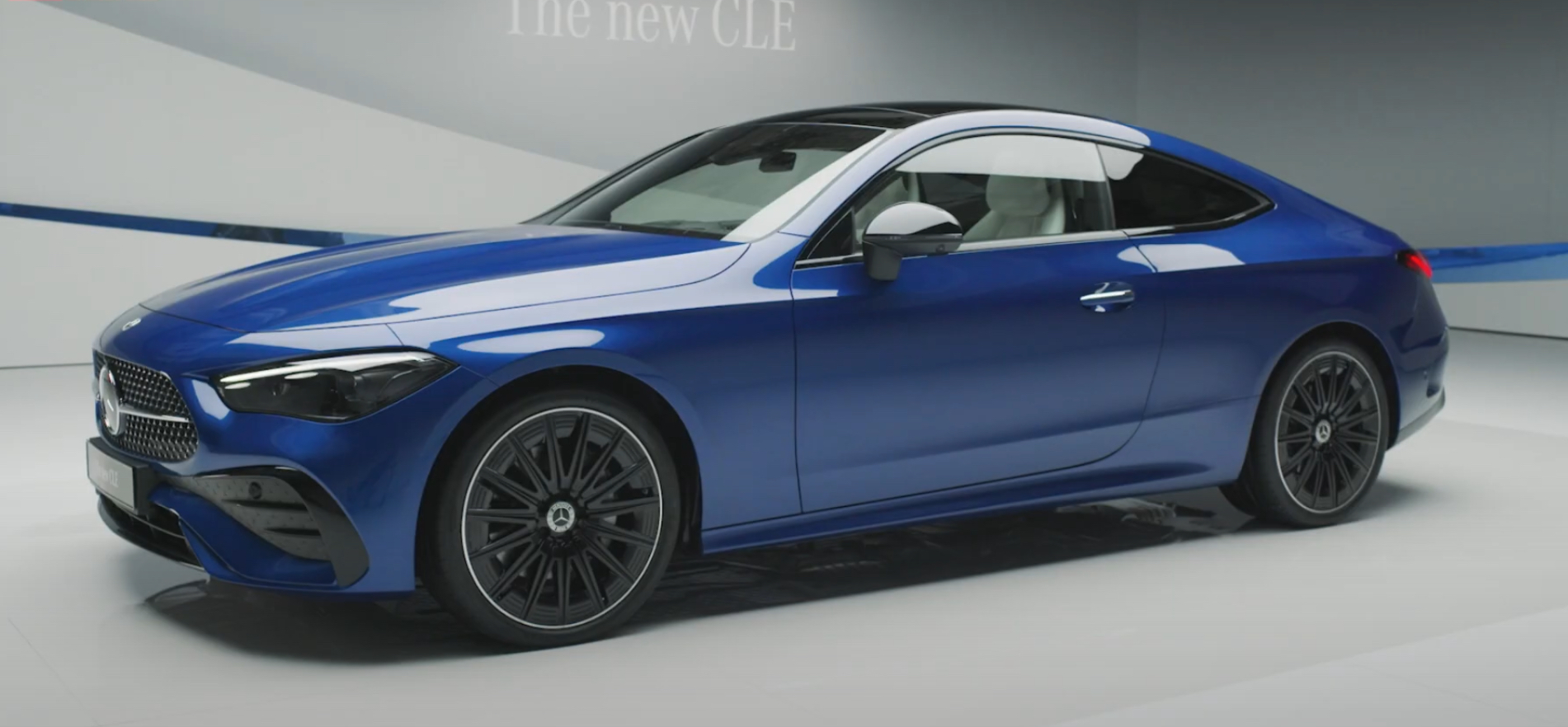
Mercedes CL
"the roofline was almost a bit like [1762.0s] a Mercedes, [1763.1s] a second-generation Mercedes CL, [1765.1s] so it was kind of this beautiful arch,"
Mercedes CL is a Mercedes luxury coupe model line. The speaker is using it as a visual comparison for the Rover’s roof shape—basically saying the roofline looks similar in style.
The Mercedes-Benz CL is a luxury coupe line known for its distinctive long hood and elegant, sloping roof shape. The speaker compares the Rover 75 Coupe’s roofline to a second-generation Mercedes CL, using it as a style reference for the “arch” roof profile.

Acura CL
"a Mercedes, a second-generation Mercedes CL, so it was kind of this beautiful arch,"
The Acura CL is a luxury coupe, meaning it’s a nicer-looking two-door car. The episode mentions its shape, especially the curved design details. It’s brought up because it looks distinctive as a luxury car.
The Acura CL is a luxury coupe from Acura, built to offer a more upscale look and feel than a typical mainstream coupe. The episode describes it as having a “beautiful arch,” and compares it to a “second-generation Mercedes CL,” which frames the CL’s design as part of a similar luxury-coupe style. It’s discussed because its styling and presence make it memorable in the luxury coupe category.
C pillar
"kind of single arch that ran from A pillar to B, [1767.3s] or C pillar. [1771.8s] Yeah. [1772.1s] I think there were..."
The C-pillar is the vertical support near the back of the car, behind the rear side window. It helps define the rear edge of the roof and window area.
The C-pillar is the rear vertical body support, typically located behind the rear side window. Like the A- and B-pillars, it’s used as a reference for how the roofline and glass are shaped in different body styles.
B pillar
"kind of single arch that ran from A pillar to B, [1767.3s] or C pillar. [1771.8s] Yeah. [1772.1s] I think there were..."
The B-pillar is the vertical support in the middle of the car’s side, between the front and rear doors. It’s part of what shapes the side windows and roof structure.
The B-pillar is the vertical body support between the front and rear side doors (on cars that have two rows of doors). It’s a key reference point for describing roofline and window framing—especially when comparing “pillar” vs “pillarless” door designs.
pillarless doors
"[1772.1s] I think there were... [1773.7s] Pillars. [1774.2s] Because I have pillarless doors. [1775.7s] Yeah. [1776.3s] It was a really very beautiful looking thing."
“Pillarless doors” means the door opening doesn’t have a fixed vertical post in the way. It can make the side look cleaner and more open, but the car has to be built strong enough to compensate.
“Pillarless doors” are doors that open without a fixed vertical pillar at the door opening (often achieved with a frameless or retracting window design). This creates a more open, uninterrupted look when the door is open, but it requires careful body rigidity and sealing.
financial troubles in 2005
"The only problem is that Rover went into [1782.8s] quite severe financial troubles in 2005. [1785.2s] Into the red. [1785.6s] As everyone knew. [1786.7s] Yeah."
The speaker is saying Rover ran into serious money problems around 2005. Because of that, the plan for this kind of car didn’t continue and was stopped.
This refers to Rover’s severe financial distress around 2005, which ultimately led to the brand’s collapse and the program being stopped. In automotive terms, “canned” here means the project was terminated before it could reach production.
Building concepts
"Building concepts that was... they never made it. He really wanted one, and he just went, well, I'm going to build it myself."
The speaker is talking about making a “concept” car idea real, even if the original plan never got produced. It’s basically a custom build based on a design someone wanted but couldn’t buy.
“Building concepts” here refers to creating a one-off or custom car concept—often inspired by an idea that never reached production. The speaker contrasts it with the fact that the concept “they never made it,” highlighting the difference between a planned concept car and an actual completed build.

Land Rover Range Rover
"and a Coupe, was the Range Rover SV Coupe. Yeah."
The Range Rover is a large luxury SUV from Land Rover. The SV Coupe is a special version with a coupe-like roofline instead of the usual SUV shape. It’s mentioned because it’s uncommon and different from the standard Range Rover.
The Range Rover is Land Rover’s flagship luxury SUV, built for comfort, off-road capability, and a high-end ownership experience. The episode specifically calls out the Range Rover SV Coupe, which is a rare, coupe-styled version of the Range Rover formula. That rarity and unusual body style make it worth discussing alongside more common SUV designs.
Range Rover SV Coupe
"the Range Rover SV Coupe. It was, as it sounds, an SV... Oh, sorry, a Range Rover, but two-doors Coupe-style"
This is a special two-door version of the Range Rover. It’s meant to look more sporty than a normal SUV, and it’s positioned as a very premium, limited kind of vehicle.
The Range Rover SV Coupe is a two-door, coupe-styled version of Land Rover’s Range Rover luxury SUV, aimed at buyers who want SUV practicality with a lower, sportier shape. In this segment, the hosts frame it as a “special” SVO-built halo car with very high pricing.
two-doors Coupe-style
"Oh, sorry, a Range Rover, but two-doors Coupe-style Land Rover had done something similar"
They’re describing a SUV that’s shaped like a coupe—lower roof and a sportier look—rather than the usual four-door SUV layout.
“Coupe-style” in this context means a body shape with a lower roofline and fewer doors than a typical SUV, aiming for a sportier silhouette. The hosts are contrasting this with the normal four-door Range Rover format.
SVO
"Because the idea was that it was going to be hand-assembled by SVO. So it was going to be a very special thing, indeed."
SVO is Land Rover’s special-vehicle team. It’s the group that handles the more customized, higher-end versions of certain Land Rover cars.
SVO refers to Land Rover Special Vehicle Operations, the division that builds higher-spec, more bespoke versions of Land Rover models. In this segment, the hosts say the Range Rover SV Coupe was planned to be hand-assembled by SVO, emphasizing its “special” positioning.
production run
"Maybe not that much. They planned on doing a production run of 999 examples. So we're gonna..."
A production run is the planned quantity of vehicles a manufacturer builds for a specific model or special edition. In limited-edition discussions, it’s often tied to rarity, pricing, and how quickly demand can be met.
supercharged V8
"And it had a 5.0-litre supercharged V8, obviously. I had to have that. I wonder if they shouldn't have announced..."
A supercharged V8 is a V-shaped engine with eight cylinders, and it has a device that pushes more air into the engine. More air usually means more power.
A supercharged V8 is an engine with eight cylinders arranged in a “V” shape, plus a supercharger that forces extra air into the cylinders. That typically increases power output compared with the same engine without forced induction.

Audi S8
"Exactly. They could have based it on an S8. Yeah."
The Audi S8 is a high-performance luxury sedan. It’s meant to be comfortable like a big car, but with stronger power than a regular model. The episode references it as a benchmark for what a performance luxury sedan could be like.
The Audi S8 is the performance-focused version of the A8 luxury sedan, combining high power with a full-size, comfortable platform. The podcast suggests that another car “could have based it on an S8,” which implies the S8 as a reference point for performance and executive-car capability. It’s mentioned because the S8 represents a blend of speed and luxury in a large sedan package.

Porsche 911
"And I'm hoping there's something, maybe RSR 911 related. I don't know."
The Porsche 911 is a well-known sports car from Porsche. It’s famous for its distinctive shape and rear-engine layout. The episode is suggesting a possible link to an RSR-style 911, which would be a more race-inspired version.
The Porsche 911 is an iconic sports car famous for its rear-engine design and long-running evolution across generations. The podcast hints at interest in an RSR 911-related idea, which would point toward track-focused 911 variants. That kind of connection matters because it ties the 911’s heritage to motorsport performance and special editions.

Porsche 919 Street
"but when I said that, they were like, but the last time they did a massive drop, the headline car was the 919 Street."
The Porsche 919 Street is a special Porsche concept that’s based on the company’s famous Le Mans race car. It’s basically a “street version” headline car that shows what Porsche’s racing tech could look like on the road.
The Porsche 919 Street is a road-focused concept/variant tied to Porsche’s 919 program. It’s notable because it’s derived from the Le Mans-winning 919 race car concept, but packaged as a “street” headline car for special releases.

Porsche 919
"The 919 was the Le Mans car that won Le Mans in 2015, 16 and 17. Also did a pretty good showing on its debut in 2014."
The Porsche 919 is Porsche’s famous race car from the 24 Hours of Le Mans. It won multiple years and used advanced hybrid technology, which helped it stay fast and efficient over long races.
The Porsche 919 is Porsche’s Le Mans prototype race car that won the 24 Hours of Le Mans in 2015, 2016, and 2017. It’s remembered for combining high-downforce endurance racing with hybrid powertrain technology, making it a benchmark for modern top-tier endurance performance.
laboratories on wheels
"I think the idea behind it was, these cars were laboratories on wheels. Laboratory, not laboratory."
“Laboratories on wheels” is a way of saying the race car is basically a rolling test platform. Teams use it to try new tech and learn fast because racing puts everything under extreme conditions.
“Laboratories on wheels” is a motorsport concept meaning the race car is used as a testbed for new technology. The idea is that racing accelerates development by stress-testing aerodynamics, powertrain systems, and control strategies in real competition.
V4 hybrid
"And they had a tiny little V4 hybrid that had to basically,"
“V4 hybrid” means the car has a four-cylinder engine arranged in a V shape, and it also uses electricity to help power the car. Race teams use this to get more efficient power and better control during long races.
A V4 hybrid describes a hybrid powertrain that uses a V4 engine layout (four cylinders arranged in a V shape) plus an electric system. In endurance racing, this kind of setup is used to improve efficiency and manage power delivery over long stints.

Bentley Bentayga
"Let's just get cracking with the one that I actually really like but breaks one of the rules. It's a Bentley Bentayga because... Amazing to think we can get one of those in budget... It's a Bentley... And it's a four-litre V8 one"
The Bentley Bentayga is a very expensive luxury SUV from Bentley. It’s the kind of car that’s built to feel comfortable and upscale, and this one is a 2018 model with a V8 engine.
The Bentley Bentayga is Bentley’s luxury SUV, known for combining a big, comfortable ride with high-end interior features. In this segment, the host highlights a 2018 example with a four-litre V8, and discusses how it can still feel “modern” despite being older than a typical budget/age rule.
Euler's compliant
"But, I mean, as the seller here says, it's Euler's compliant, so it's still modern in that sense. And also, being a Bentley, I mean, it's not going to feel dated massively"
“Euler’s compliant” is the idea that the car meets the latest rules it needs to be allowed on the road. The host is saying that even though it’s older, it still qualifies because it meets those requirements.
“Euler’s compliant” refers to meeting a specific emissions/legality standard so the car is still considered usable and “modern” under current rules. The host is using it to justify why an older (2018) car can still fit their criteria, even if it breaks an age limit.
infotainment systems
"because you're going to have all of the luxury equipment aboard. I mean, naturally, infotainment systems get aged quite fast. But, you know, it'll be fine."
Infotainment systems are the car’s touchscreen and electronics for music, maps, and phone features. The host is saying those screens and menus can get old faster than the rest of the car.
Infotainment systems are the car’s built-in electronics for things like navigation, media, and smartphone integration. The host notes that these interfaces can feel outdated quickly, which is why newer software/feature support matters when buying an older car.
CarPlay
"It'll have carplay, all the essentials. It'll have carplay, all the essentials. It's a Bentley."
CarPlay lets you connect an iPhone to the car and use apps like maps and music on the car’s screen. The host is saying this Bentayga should still have that modern phone feature.
CarPlay is Apple’s system for mirroring and controlling compatible iPhone apps through the car’s infotainment screen. The host mentions it as an “essential” feature, implying the older Bentayga should still feel current because it supports modern phone integration.
four-litre V8
"Yeah, it's a Bentley. And it's a four-litre V8 one which is not massive for a Bentley, but it's a lovely motor."
A “four-litre V8” is a powerful engine with eight cylinders. It’s described as four liters total, and the host is saying it’s a great-sounding, smooth engine for this Bentayga.
A “four-litre V8” describes an engine with eight cylinders arranged in a V shape, with a total displacement of about four liters. The host points out that, for a Bentley, this is relatively modest, but still delivers a “lovely” driving feel.
W12
"Yes, the W12. [2412.4s] The W12 is definitely the more desirable one,"
A W12 is a type of car engine with 12 cylinders arranged in a special compact shape. It usually feels smooth and powerful, but it can cost more to run and maintain than smaller engines.
A W12 is an engine configuration where the cylinders are arranged in a “W” shape, typically using four banks of cylinders that share a compact layout. It’s known for smoothness and strong low-end torque, but it can be expensive to maintain compared with smaller engines.
running cost
"but from a running cost perspective, [2417.3s] it's obviously considerably better"
“Running cost” means what it costs to keep the car going day to day. That can include things like fuel, servicing, and repairs.
“Running cost” is the ongoing expense of owning and operating a car, such as fuel, servicing, tires, insurance, and repairs. In enthusiast discussions, it often highlights how certain engines (like larger or more complex ones) can be cheaper or pricier to keep on the road.
V8 diesel
"With a big old V8. [2515.4s] V8 diesel as well. [2516.6s] Now, yes, I appreciate that this is a bit of an oddball."
A V8 diesel is a big engine with eight cylinders that uses diesel fuel. Diesel engines are often valued for good pulling power at low speeds, especially in heavy vehicles.
A V8 diesel is an engine that uses eight cylinders arranged in a V shape and runs on diesel fuel. Diesel versions are often chosen for their strong low-end torque and efficiency, which can make a heavy SUV feel more effortless when pulling or cruising.
hold their value
"That is absolutely wild. [2530.8s] But these really hold their value [2532.4s] because they just seem to be super cool, right?"
“Hold their value” means the car doesn’t lose much money when you sell it later. The speaker is saying these Land Cruisers stay desirable, so buyers still pay good prices.
“Hold their value” refers to how well a vehicle retains its resale price over time. The speaker is attributing that to the Land Cruiser’s reputation and desirability, implying strong demand in the used market.
Request an Explanation
Heard something you'd like explained? We'll add it to this episode.
Sign in to request explanations for terms you heard.
Want to learn more?
Browse our glossary for plain-English explanations of automotive terms, jargon, and concepts.
Help improve this episode
See something that's not quite right? Our annotations are AI-generated and can sometimes miss the mark. Click the flag icon on any annotation to suggest a correction.