S2 Ep5: Inside Japan's Exclusive Outlaw Race Club
About this episode
Tokyo’s midnight expressways become the backdrop for the rise of the Midnight Club, an exclusive, rule-bound group of older, well-connected drivers who treated high-speed runs like disciplined technical exercises rather than chaos. The episode digs into their strict etiquette, the danger of 160-mph public-road runs, and the legendary black Porsche 930 Turbo known as Blackbird, built with serious money and factory-level engineering. It also connects the club to Japan’s booming economy, the Bayshore Route, and the outlaw mountain scene that helped birth drifting.
Join us in the fifth installment of Past Gas: The Golden Era of JDM, as we dive into the history of one of Japan's most elusive car clubs, The Mid Night Club. What later became a popular video game started as a way for Japan's elite car tuners, enthusiasts and even Automotive Executives to test and tune their cars... on public roads.
Thanks to Warby Parker for sponsoring this episode! Our listeners can buy one prescription pair and get 20% off additional pairs at
https://www.WarbyParker.com/PastGas — and using our link helps support the show. #WarbyParker #ad
This episode is also brought to you by Chubbies! Chubbies is here to keep you comfy and looking good year-round. Get 20% off with code GAS at https://www.chubbiesshorts.com/gas #chubbiespod #ad
And also thanks to Rula for sponsoring this podcast! Rula patients typically pay $15 per session when using insurance. Connect with quality therapists and mental health experts who specialize in you at https://www.rula.com/pastgas #rulapod #ad
suspended highway over water
"It's 2.14 a.m. Tokyo is asleep. Out over the bay, a stretch of highway sits suspended over the black water below."
They’re talking about a road that’s built like a bridge—raised above the water. That kind of design has to be strong enough for cars and trucks and also resist damage from salty air.
The hosts describe a highway section that’s physically suspended over water, which is a common design for bridges and viaducts. These structures are engineered to handle wind, traffic loads, and long-term corrosion from the marine environment.
JDM
"This is episode five of The Golden Age of JDM, and we are now in it, guys, past four episodes."
JDM means “Japanese cars for Japan,” but people use it to talk about the whole Japanese car scene. This episode is using JDM as the theme for the racing and car culture they’re covering.
JDM stands for “Japanese Domestic Market,” referring to cars and parts made for Japan’s market, and it’s also used more broadly to describe the style and culture around those vehicles. The episode title uses JDM as a framing device for Japan’s performance scene and its evolution into drifting and outlaw racing.
Midnight Club
"It is the Midnight Club. We're going to be talking about all those insane cars that they were racing along. They were racing, sure, but it was more like research, or maybe just a way for rich guys to blow off some steam, but we'll get into that."
They’re talking about the “Midnight Club” as a group/scene behind the early late-night racing culture. The idea is that it wasn’t just about winning—it was also about learning and having fun.
The “Midnight Club” is referenced as the central subject of the episode, tied to Japan’s early street-racing/outlaw culture. The hosts connect it to the idea of racing as both experimentation and a social outlet for enthusiasts.
Tokyo's expressways
"And in the mid-1980s, Tokyo's expressways were already fast and crowded. With everyone chomping at the bit to get behind the wheel, the unstructured speed that had once promised a thrill had now turned dangerous."
The episode places the Midnight Club’s rise in the setting of Tokyo’s expressways—fast, crowded roads where speed and traffic density collide. That context matters because it explains why “unstructured” high-speed driving could become especially dangerous.
unsanctioned street racing
"And yet, outside of sanctioned motorsport, there was no accepted code for what responsible street racing looked like."
“Sanctioned” racing is organized and approved by an authority. “Street racing” usually isn’t, so there’s no official rulebook or safety framework everyone follows.
The segment contrasts sanctioned motorsport with unsanctioned street racing, which lacks an official rulebook or governing body. That matters because without shared standards, behavior and safety practices can vary wildly from one group to another.
apprentice level
"Those fortunate to be considered prospective members would begin at an apprentice level... Not through a dialogue, but through the observation of runs completed by certified Midnight members."
Instead of letting everyone jump in immediately, the club starts people at a beginner stage. They learn by watching how experienced members do the runs.
The segment describes a tiered membership system where prospective members start at an apprentice level. It emphasizes learning through observation and repeated exposure to how certified members conduct runs.
speedruns with deliberate spacing
"During Midnight's speedruns, cars were spaced deliberately, at least a full car length apart from one another at all times."
They describe keeping a big gap between cars during the run. The idea is to reduce the chance of crashing by not driving too close to the car ahead.
The episode claims that during Midnight’s speedruns, cars were spaced deliberately—at least a full car length apart at all times. That’s essentially a safety/discipline rule that reduces the risk of collisions and prevents overly aggressive “close-quarters” driving.
hazard lights
"Hazard lights were left on as a constant visual check-in. To reinforce safety, many members added auxiliary headlights in an effort to see further head down the road."
Hazard lights are the blinking lights that make your car very noticeable. In this story, they’re used like a signal so the cars behind can easily see what the lead car is doing.
Hazard lights (four-way flashers) are used here as a conspicuous “check-in” signal so following drivers can quickly confirm the lead car’s position and status. In normal driving they’re for emergencies, but in high-speed convoy-style behavior they’re being repurposed as visibility cues.
auxiliary headlights
"To reinforce safety, many members added auxiliary headlights in an effort to see further head down the road. What often gets lost in the recounting of the Midnight Club's rules is that they were far from arbitrary."
Auxiliary headlights are extra lights added to a car. They help you see farther ahead than the standard headlights, which matters when you’re driving fast and need more reaction time.
Auxiliary headlights are extra lighting mounted beyond the factory headlamps to extend the illuminated range and improve visibility. The transcript frames them as a safety modification for seeing farther down the road at speed, especially when following closely.
margin for error disappears at high speed
"At speeds north of 160 miles an hour, the margin for error almost completely disappeared. Steering inputs that would feel minor at regulation speed now feel registered as calculated commitments."
When you go that fast, you have almost no time to react if something changes. Even a small correction can be too late, because you’re covering so much ground every second.
At speeds “north of 160 miles an hour,” the available time to perceive, decide, and react shrinks dramatically. That’s why the transcript emphasizes that small steering inputs and minor errors become disproportionately consequential—there’s less distance and time to correct mistakes.
single car length rule
"This is why spacing was so important to these guys. It was its own form of etiquette. A single car length at these speeds gave drivers just enough time to read the road surface and process subtle movements from the vehicle ahead of them."
It means you keep about one car length between you and the car in front. At high speed, you don’t have much time to react, so that gap is meant to give you a little warning if something changes ahead.
The “single car length” spacing rule is about how much time drivers have to perceive what the car ahead is doing and react. At very high speeds, even small delays in reaction time can turn a minor mistake into a crash, so spacing becomes a safety buffer and a driving “etiquette.”
Bonneville Salt Flats
"My top speed, my high score is 193 at the Bonneville Salt Flats. I've driven on the Autobahn. We hit 176, I think, in a Golf R."
Bonneville Salt Flats is a well-known place for land-speed records. People drive special cars there to chase top speeds on a controlled surface.
The Bonneville Salt Flats are a famous land-speed racing venue where vehicles attempt speed records on a flat, hard salt surface. The transcript uses it to reference a personal “high score” speed, contrasting sanctioned record attempts with risky public-road behavior.
Autobahn
"I've driven on the Autobahn. We hit 176, I think, in a Golf R. There's no way that I would follow someone just one car length behind at 160 miles an hour."
The Autobahn is a German highway system known for very high-speed driving. Some parts don’t have the same speed limits you’d see in many other countries.
The Autobahn is Germany’s high-speed highway network, famous for sections without a universal speed limit. That context helps explain why the transcript discusses very high speeds as something drivers can encounter more directly than on typical public roads.
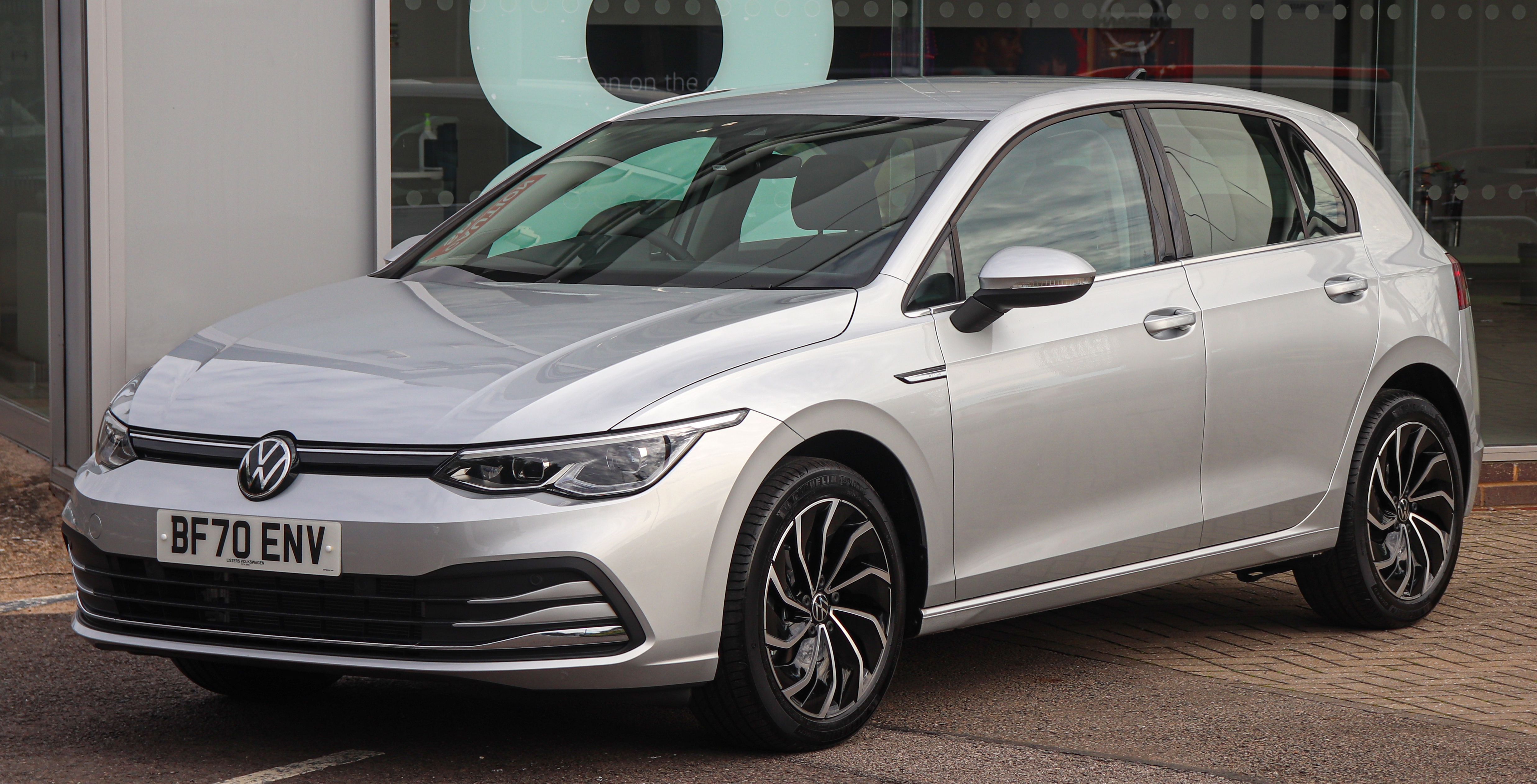
Golf R
"I've driven on the Autobahn. We hit 176, I think, in a Golf R. There's no way that I would follow someone just one car length behind at 160 miles an hour."
The Volkswagen Golf R is a sporty version of the Golf. The host mentions it because it’s an example of a normal-ish car that can still get very fast on the Autobahn.
The Volkswagen Golf R is a performance-oriented hot hatch known for strong acceleration and highway stability. In the transcript it’s used as an example of a real-world car that can reach very high speeds on the Autobahn.
IMSA GT racers
"GT racers in IMSA, that would not be that crazy. But these are guys that are having their headlights and their hazard lights on and taking safety super seriously."
IMSA is a racing series in North America. The host brings up GT racing in IMSA to compare how serious and controlled high-speed driving is on a track.
IMSA is a major North American sports-car racing series, and “GT racers in IMSA” refers to GT-class competition where cars run at high speed with professional drivers and track-specific rules. The transcript uses this as a comparison point for how close-following and tire-failure risk are handled in racing versus public roads.
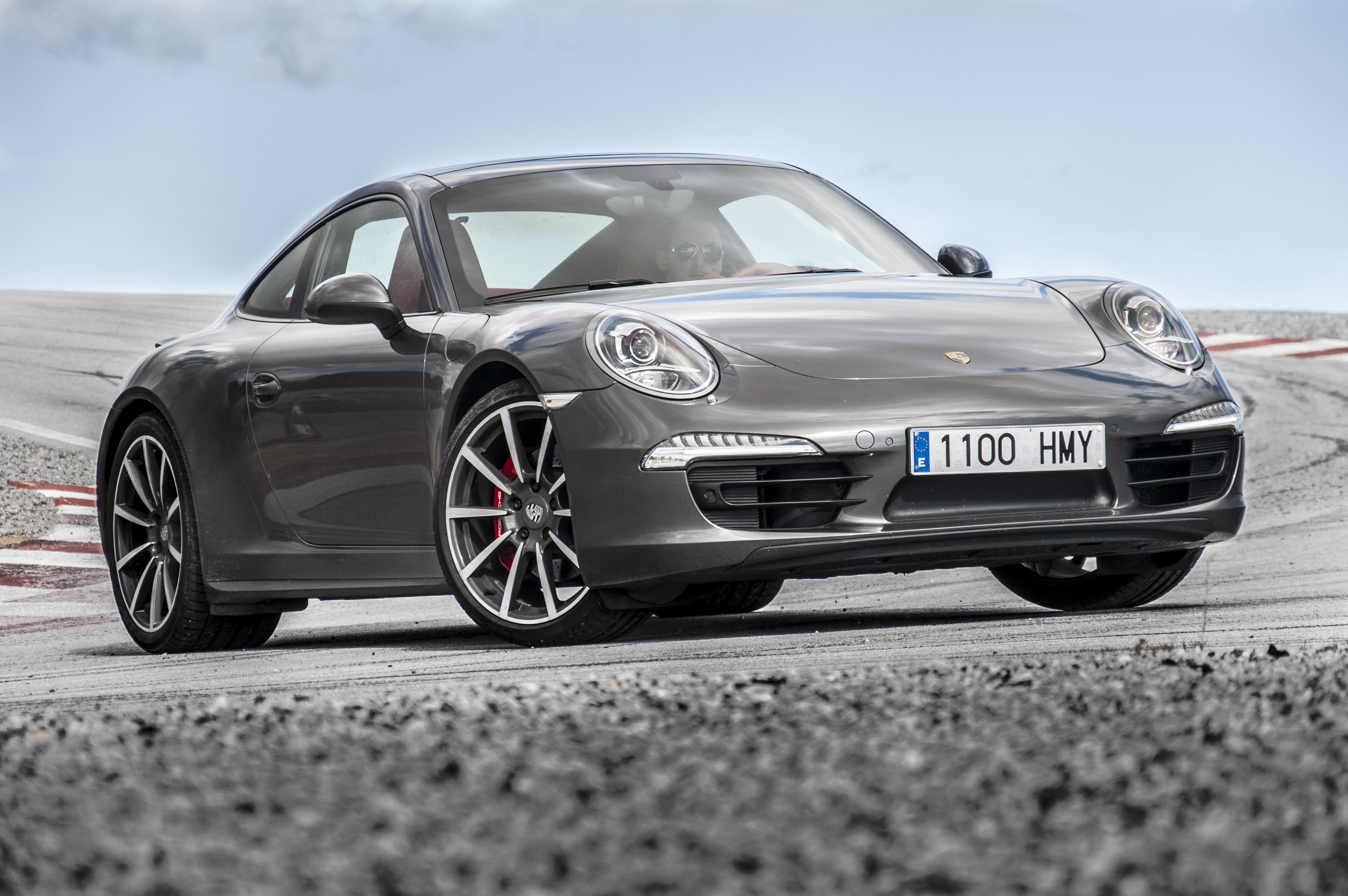
911 Porsche 930
"It was a black Porsche 930 Turbo, simply known as Blackbird. The legend surrounding Blackbird has grown over time as legends do, but the core facts have remained consistent."
This is a specific Porsche 911 generation: the “930 Turbo.” It’s known for being a strong, turbocharged performance car, and the episode uses it as the foundation for the “Blackbird” legend. The big idea is that this wasn’t a stock car—it was built and tuned for extreme driving.
The Porsche 930 Turbo is the turbocharged, performance-focused variant of the classic 911 generation code “930.” In the segment, it’s described as the basis for the outlaw-club legend known as “Blackbird.” The key point is that the 930 Turbo is already a serious platform, and the story centers on how far it was pushed.
verified top speed
"Member Y, letter Y, was known for one thing, pushing his 930 Turbo well beyond what was thought to be possible. On one occasion, Member Y recorded a verified top speed of just under 187 miles an hour on public roadways."
“Verified top speed” means someone didn’t just guess the car’s maximum speed—they measured it in a way they trust. It’s used here to show the car really did reach an extremely high number, not just that people talked about it.
“Verified top speed” means the car’s maximum speed was measured and corroborated rather than just claimed. In practice, verification might come from instrumented runs, GPS/telemetry, or repeatable measurement methods. The episode uses this to emphasize how extreme Blackbird’s performance was.
engine internals were reinforced
"There, engine internals were reinforced to withstand sustained high RPM. Fuel and cooling systems were upgraded to address the thermal load generated during prolonged top speed runs."
“Reinforced engine internals” means the inside parts of the engine were strengthened so they can handle extreme stress. If you keep an engine spinning very fast for a long time, weaker parts can wear out or break. Reinforcement helps the engine survive that kind of abuse.
Reinforcing engine internals means strengthening internal components (like rotating parts and high-stress elements) to survive higher loads and sustained high RPM. This is a common approach when a turbocharged engine is pushed beyond typical limits, especially for long, high-speed runs. The goal is to prevent failures such as overheating, bearing damage, or mechanical fatigue.
Fuel and cooling systems were upgraded
"Fuel and cooling systems were upgraded to address the thermal load generated during prolonged top speed runs. Aerodynamic adjustments were also implemented, not just for stylistic effect, but as a way to further stabilize the car at high velocities."
When a car is driven flat-out for a long time, it gets much hotter than normal. Upgrading the fuel and cooling systems helps the engine stay supplied with the right fuel and prevents overheating. That’s crucial for reliability when pushing extreme speeds.
Upgrading fuel and cooling systems is about managing heat and maintaining proper fuel delivery under extreme conditions. At sustained top speeds, engines generate significant thermal load, and turbo setups can be especially sensitive to fuel quality and cooling capacity. Better cooling and fuel control help prevent detonation, overheating, and power fade.
thermal load
"Fuel and cooling systems were upgraded to address the thermal load generated during prolonged top speed runs. Aerodynamic adjustments were also implemented, not just for stylistic effect, but as a way to further stabilize the car at high velocities."
“Thermal load” just means how much heat the car has to deal with. If you drive very fast for a long time, the engine can get hotter than it’s designed for. Upgrades help the car survive that heat instead of overheating.
“Thermal load” is the amount of heat the engine and related systems must absorb and reject over time. During prolonged high-speed runs, heat buildup can exceed what stock cooling and fuel systems can handle, leading to power loss or damage. The episode ties thermal load directly to why cooling and fuel upgrades were needed.
Aerodynamic adjustments
"Aerodynamic adjustments were also implemented, not just for stylistic effect, but as a way to further stabilize the car at high velocities. The aerodynamics were functional, and not just for aesthetics, suctioning the car to the Japanese roadways, pushing it into the asphalt."
Aerodynamic adjustments are changes to the car’s shape or add-ons that help it behave better at high speed. They can help keep the car stable and stuck to the road instead of feeling floaty. In this story, the aero is there to make extreme speed safer and more controllable.
Aerodynamic adjustments are modifications intended to improve stability and airflow at high speed. The episode frames them as functional—aimed at reducing lift and increasing downforce or traction—rather than purely visual. For high-velocity driving, aero can be the difference between “fast” and “controllable.”
organizational framework that treated public road speed as a technical problem to be solved
"It was iconic not just because it was fast, but because it represented the convergence of three forces. Mature aftermarket capability, concentrated private capital, and an organizational framework that treated public road speed as a technical problem to be solved."
The idea here is that they didn’t just drive fast—they approached it like a problem to engineer. They’d plan, test, and improve the car step by step. That’s why the builds could get so advanced over time.
This describes an approach where high-speed driving is treated like an engineering challenge—using resources, planning, and iterative tuning rather than relying on luck or bravado. In automotive terms, it resembles a “systems” mindset: measure, modify, and validate changes to achieve repeatable performance. The episode uses it to explain why the club’s builds became so extreme.
Bayshore route
"That place was the Bayshore route. Do you wear glasses? Do you want to simplify the glasses buying process?"
They’re talking about a particular road called the Bayshore route. The idea is that this was the place where the racers would go to drive fast and practice.
The “Bayshore route” is presented as the specific road/route where the midnight club could run and test speed. In the context of street-racing stories, naming the route matters because it ties the scene to a real geography and driving environment.
Wongan
"But by the early 80s, it would be a legend among car enthusiasts worldwide known as the Wongan."
In this episode, “Wongan” is basically a fan nickname for the Bayshore Route’s legendary status. It’s meant to signal that enthusiasts all over the world talked about it.
“Wongan” is used here as a nickname for the Bayshore Route’s reputation among car enthusiasts. The term matters because it frames the route as a legendary, enthusiast-focused driving environment rather than just a road.
Shuto Expressway system
"The Bayshore Route, officially Route B of the Shuto Expressway system, stretches roughly 38 miles along the edge of Tokyo Bay..."
Tokyo has a big network of expressways called the Shuto Expressway system. The Bayshore Route is one specific part of that network, which is why it’s able to move traffic efficiently even in a crowded area.
The Shuto Expressway system is Tokyo’s network of urban expressways. In the transcript, it’s important because Route B (the Bayshore Route) is part of this system, which helps explain why the route could support high-speed runs in a dense city.
reclaimed land
"The route ran over bridges, through tunnels, and along man-made sections of reclaimed land, skirting the dense urban grid inland..."
Reclaimed land is land that’s made by filling in water areas and turning them into usable ground. That’s relevant here because it lets the highway run along the bay instead of being limited by the natural shoreline.
Reclaimed land is ground created by filling in areas that were previously water or wetlands. The Bayshore Route uses man-made sections of reclaimed land, which helps explain why it can run along Tokyo Bay with long, continuous highway segments.
elevated viaducts
"What many pinpointed early about this route was the elevated viaducts that bypassed central Tokyo's congestion. This meant traffic could flow unimpeded for miles..."
Elevated viaducts are road bridges that lift the highway above the mess below. By avoiding the worst congestion, they help traffic keep flowing, which makes it easier to drive fast for longer stretches.
Elevated viaducts are raised road sections that can bypass slower, congested areas. In the transcript, they’re credited with keeping traffic moving smoothly for long stretches, which is a big reason the route became attractive for high-speed runs.
headlights stacked like beads of light
"Headlights stacked like beads of light. Engines reached steady crews rather than jerky bursts..."
It’s just a vivid description of what the road looks like at night—lots of headlights lined up. It helps set the scene for why this route felt special to drivers.
This is a descriptive way to talk about how traffic and lighting patterns look on a long, straight highway at night. While not a technical term, it supports the episode’s theme of the route becoming a high-speed, night-time driving environment.
steady crews rather than jerky bursts
"Headlights stacked like beads of light. Engines reached steady crews rather than jerky bursts. Speed limits, already higher than most urban expressways..."
This is describing smoother driving—less lurching and more consistent speed. The road conditions and traffic flow make it easier to keep the car moving smoothly.
“Steady” engine behavior versus “jerky bursts” implies smoother throttle inputs and more consistent speed. The transcript connects this to the route’s geometry and traffic flow, suggesting it encouraged sustained driving rather than stop-and-go acceleration.
coded messaging in mundane listings
"Messages were coded in the text of mundane listings, handbags for sale, discount prices, available at Daikoku parking area, midnight Thursday."
They didn’t just write “meet for racing” in an ad. Instead, they disguised the details inside normal ads so only the right people would understand what was going on.
The segment explains “coded messaging,” where details about meeting times and locations are disguised inside everyday classified-ad content. In car culture, this reduces the chance of outsiders or authorities noticing the real intent.
Daikoku parking area
"Built in the late 80s, the Daikoku parking area sat like an artificial island between looping ramps. What made it pop as a destination was that it was completely invisible from the street, only accessible by expressway."
Daikoku Parking Area is a famous spot in Japan where car people meet up at night. It’s set up in a way that makes it less obvious to the public, so it became a natural hangout for underground driving groups.
Daikoku Parking Area is a well-known Japanese expressway rest/meet spot that became famous in car culture as a staging location for late-night runs. Its appeal is partly that it’s hard to see from the street and is accessed via expressway ramps, which supports the “low visibility” vibe of outlaw clubs.
expressway-only access
"What made it pop as a destination was that it was completely invisible from the street, only accessible by expressway. In its earliest form, it was considered to be a staging area, a place to meet up before a run."
They point out that the place is only reachable from the expressway. That makes it harder for random people to stumble in, so it feels more secluded for the group using it.
The transcript highlights that Daikoku is only accessible via expressway routes, which naturally limits who can reach it and how easily. That kind of access control helps create a semi-private environment for car meets and runs.
Japanese Grand Prix
"He's like standing next to a Ferrari F40 before the Japanese Grand Prix in Daikoku. Dude is swagged out, man. Anyway."
The Japanese Grand Prix is a Formula 1 race in Japan. The hosts mention it to explain when and why a famous driver was posting about the Daikoku area.
The Japanese Grand Prix is referenced as a timing/context marker for when Lewis Hamilton posted about Daikoku. It’s a major motorsport event, so mentioning it ties mainstream racing attention to an underground car-culture location.
midnight run
"From the Daikoku parking area, a typical midnight run unfolded without drama. Cars ran one by one with spacing established immediately."
A “midnight run” is basically a secret, planned night drive where people race or run together in a controlled way. Instead of gathering loudly, cars usually leave one at a time and keep things orderly.
A “midnight run” is an informal, usually pre-planned street-racing style event where cars depart in sequence and follow a route with minimal stopping. The emphasis is on timing, spacing, and execution rather than showy meetups or crowds.
expressway reinterpretation
"That absence of space is what made the expressway so vulnerable to reinterpretation to begin with... it carried no history... the Midnight Club began to project meaning onto it."
They’re saying the expressway wasn’t originally “about racing,” but the Midnight Club changed how people saw it. Since it didn’t have old racing stories attached to it, their actions gave it new meaning.
“Reinterpretation” describes how a purpose-built expressway infrastructure—initially neutral and lacking local “folklore”—became repurposed in meaning by the Midnight Club. The episode contrasts it with mountain roads that already had decades of racing culture.
anonymity
"Despite their efforts to maintain anonymity, it was nearly impossible for the Midnight Club to remain completely invisible. Car magazines would eventually feature the group heavily..."
They were trying to stay anonymous so people couldn’t easily identify who was in the group. They didn’t publish names or rules, which made it harder for outsiders to copy them or for authorities to target specific people.
Anonymity here means the Midnight Club tried to operate without public identification—no confirmed rosters and no publicly stated rules. That’s a common strategy for outlaw or semi-clandestine groups, because it reduces direct accountability and makes enforcement harder.
counterfeiting
"A big trend that occurred involved cars not associated with the club appropriating their insignia. This included making counterfeits of the now iconic windshield banner..."
Counterfeiting here means fake badges or stickers meant to look like the club’s. The club saw it as pretending to be part of them, which could get your car damaged or worse.
Counterfeiting refers to copying the Midnight Club’s visual identifiers—like the windshield banner/sticker—to claim affiliation. The transcript treats this as a serious offense because it undermines the group’s “certification” system and invites retaliation.
windshield banner
"This included making counterfeits of the now iconic windshield banner that members wore proudly as they drove. Little did those posers know, counterfeiting this sticker..."
A windshield banner is a sticker or strip you put on the front glass of the car. In this story, it’s the recognizable sign that people associate with the Midnight Club.
A windshield banner is an aftermarket visual strip placed on the front windshield—here, specifically tied to the Midnight Club’s identity. The episode emphasizes it as “iconic” and as a key symbol used to signal membership/certification.
weight stopped being a liability
"You see, at 160+, weight stopped being a liability. The faster the road flowed, the more rewarded cars that could settle rather than react."
This is a driving-dynamics idea: at very high, sustained speeds, extra mass can help stability and traction rather than hurt performance. The hosts imply that when the road is flowing fast, the benefits of momentum and composure outweigh the usual downsides of heavier cars.
expressway weapons
"Which is why platforms like the Toyota Supra matured so naturally into becoming expressway weapons. What's interesting is that the Supra didn't begin as a performance statement."
“Expressway weapons” just means cars that feel really stable and confident on fast highways. The key is staying smooth and controlled over long stretches, not just accelerating hard.
“Expressway weapons” is a phrase describing cars that excel at sustained highway speeds and steady flow, not just short sprints. The hosts connect this to how certain platforms “settle” at speed—meaning they stay composed instead of constantly reacting to the road.

Toyota Supra
"Which is why platforms like the Toyota Supra matured so naturally into becoming expressway weapons. What's interesting is that the Supra didn't begin as a performance statement."
The Toyota Supra is one of Toyota’s best-known sports cars. Here, they’re saying the Supra became especially good at fast, straight, long-distance highway driving—not just quick bursts.
The Toyota Supra is a performance platform that evolved into an “expressway weapon” in this discussion—meaning it was well-suited to high-speed, steady driving. The hosts connect its maturation to how its chassis and balance reward cars that can settle at speed rather than constantly react.
inline 6 engine
"Reason being, Toyota had fallen in love with an engine type that didn't fit what they were working with. An inline 6 engine is long, and the Celica engine bay wasn't."
An inline 6 is an engine with six cylinders lined up in a row. It’s long, so it can be hard to fit into a smaller car without changing the front of the vehicle.
An inline 6 (I6) engine is a six-cylinder layout where all cylinders are arranged in a single straight line. The hosts point out that it’s physically long, which creates packaging challenges in a smaller engine bay like the Celica’s—driving Toyota to change the front-end layout instead of redesigning everything.
grand touring platform
"The Supra could become something else, a grand touring platform. This meant a longer wheelbase and more confidence at speed."
A grand touring (GT) platform is engineered to be comfortable and stable over long distances at higher speeds, not just quick in short bursts. In this segment, the hosts tie the GT direction to design choices like a longer wheelbase, which can improve straight-line stability and reduce nervousness at speed.
longer wheelbase
"This meant a longer wheelbase and more confidence at speed. And sure, some buyers might still prefer the agility of the Celica,"
Wheelbase is how long the car is between the front and rear wheels. A longer wheelbase often makes the car feel more steady when you’re going fast in a straight line.
Wheelbase is the distance between the front and rear axles. A longer wheelbase generally improves straight-line stability and can make a car feel more composed at speed, which is why the segment links it to “confidence at speed.”

Celica
"And sure, some buyers might still prefer the agility of the Celica, but those with taste would recognize exactly what Toyota was offering. This was the target audience they had in mind when Toyota officially split the Supra from the Celica in 1986."
The Toyota Celica is a smaller, more agile Toyota sports coupe that the Supra was contrasted against. The segment frames Toyota’s 1986 decision to split the Supra from the Celica as a way to target buyers who wanted a different balance—more stability and confidence at speed than pure agility.
Green Hell
"On a track that has been appropriately nicknamed the Green Hell. Toyota master driver Hiromu Narase once said, quote,"
“Green Hell” is a nickname for the Nürburgring, a very tough track. The idea is that if a car feels stable there, it’s likely to be solid in real driving too.
“Green Hell” is the nickname for the Nürburgring Nordschleife, a notoriously demanding German race track. The segment uses it to explain why Toyota’s development testing could reveal real-world stability and behavior under extreme, sustained loads.
Nürburgring
"Japanese circuits only reveal one-tenth of a car's performance, but the Nurburgring uncovered 100%. The A70 was pushed through sustained loads in long flowing sections where instability would be snuffed out."
The Nürburgring is a famous German test track. It’s so challenging that it can show how a car really behaves when pushed hard, not just in easier conditions.
The Nürburgring (specifically the Nordschleife) is famous for exposing a car’s weaknesses because it combines long, fast sections with constant changes in load and grip. The segment quotes Hiromu Narase to emphasize that Nürburgring testing can uncover a car’s full performance potential.

Nissan 300Zx
"...third generation Z-car, known to the world as the 300ZX, looked to elevate itself well beyond the famili..."
The Nissan 300ZX is a sports car from Nissan’s Z-car family. The third generation is the version people usually mean when they say “300ZX.” It’s known for trying to be more capable and comfortable than earlier Z cars.
The Nissan 300ZX is a sports car in the Z-car lineup, and the “third generation” is the one commonly referred to as the 300ZX. It’s significant because it aimed to move the Z-car further upmarket in terms of refinement and overall capability while still keeping a driver-focused feel. That’s why it often shows up in discussions about how the Z-car evolved into a more modern grand-touring style.

Datsun 240Z
"...looked to elevate itself well beyond the familiar ferocity brought on by the original Datsun 240Z and take it to the streets."
The Datsun 240Z was an early, iconic Z-car that people associated with a lot of excitement. The hosts are using it as a reference point to show how the later 300ZX was meant to be more usable on the street.
The Datsun 240Z is the original early Z-car that the segment uses as a baseline for “familiar ferocity.” By contrasting it with the Nissan 300ZX, the hosts highlight how Nissan tried to keep the Z-car spirit while making the newer car more street-oriented and refined.
wedge-shaped body
"Underneath its wedge-shaped body designed by Kazumasu Tagagi with Isao Sono, the Z31 abandoned the aging inline six of earlier Z-cars"
A wedge-shaped body is a car shape that looks like it’s “cut” from the front and gets narrower toward the back. It’s often used to help the car slice through air more efficiently.
A wedge-shaped body is an aerodynamic styling approach where the car’s front is lower and the shape tapers toward the rear. The segment ties this design to the Z31’s overall concept—modernizing the look while supporting improved street performance and stability.
inline six
"...the Z31 abandoned the aging inline six of earlier Z-cars"
An inline six is an engine with six cylinders lined up in a row. They’re saying the newer Z-car generation moved away from that older engine setup.
An inline six is an engine layout where six cylinders are arranged in a single straight line. The segment notes that the Z31 “abandoned” the aging inline six from earlier Z-cars, implying a significant powertrain change for the newer generation.
VG series V6
"and instead adopted the VG series V6, a decision that would go on to provide Japan with its first ever mass-produced V6 engine."
This is Nissan’s V6 engine family. The point is that Nissan moved to a V6 design and helped make V6 engines common in Japan. It was a big “first” moment for the industry at the time.
The VG series is Nissan’s V6 engine family. In this context, the host is saying Nissan switched to a VG V6, which helped make Japan’s first mass-produced V6 engine. It’s an important milestone because it shaped how Nissan approached powertrains in the mid-1980s.
digital dashboards
"which meant digital dashboards, voice-warning systems, and even adjustable suspension. Everything was so mid-80s with the way it pointed towards the future."
A digital dashboard replaces the normal needle gauges with screens. In the 1980s, that felt really high-tech and futuristic. It also lets the car show more information clearly.
Digital dashboards use electronic displays instead of traditional analog gauges. In the mid-1980s, this was a big “future” signal, and it also allowed manufacturers to present more information in configurable ways. The episode frames it as part of why the Z31 felt ahead of its time.
adjustable suspension
"which meant digital dashboards, voice-warning systems, and even adjustable suspension. Everything was so mid-80s with the way it pointed towards the future."
Adjustable suspension means you can change how the car rides and handles. It can make the ride softer or firmer depending on what you want. The host is using it as an example of how advanced the car felt.
Adjustable suspension lets the driver change ride/handling characteristics by altering damping and/or ride height. On a sports car, that can improve comfort for daily driving and sharpen response for spirited driving. In this episode, it’s mentioned as part of the Z31’s tech-forward “future” vibe.
voice-warning systems
"which meant digital dashboards, voice-warning systems, and even adjustable suspension. Everything was so mid-80s with the way it pointed towards the future."
Voice-warning systems are alerts the car speaks out loud. Instead of just a light or a beep, it tells you what’s going on. Back then, that was a pretty novel “tech” feature.
Voice-warning systems are in-car alerts that use spoken messages to notify the driver about conditions like warnings or reminders. In the 1980s, this kind of human-machine interface was relatively rare and helped sell the car as technologically advanced. The episode groups it with other tech cues to explain the Z31’s appeal.
Tokyo Auto Salon
"When it dropped at the Tokyo Auto Salon, people loved it. These styling choices lined up so perfectly with a larger cultural moment."
Tokyo Auto Salon is a big car show in Japan. It’s where a lot of exciting, modified, and futuristic cars get attention. The host is saying the Z31’s debut there helped it get noticed.
The Tokyo Auto Salon is a major Japanese auto show known for concept cars, aftermarket culture, and performance builds. The episode notes the Z31 debuted there and that people responded strongly to its design. It’s a useful context clue for why the car’s styling landed with enthusiasts.
illusion that they were
"as many were beginning to embrace the concept of machines doing more of the thinking, or at least the illusion that they were. You can understand why a car enthusiast at the time might be all over this, especially if they're working with a little bit of disposable income."
The host is talking about how people wanted to believe machines were “smarter” than they really were. Cars started to look and act more like gadgets, with screens and warnings. That made the whole experience feel futuristic, even when it wasn’t truly AI-level.
The episode is describing a broader cultural idea: people were increasingly drawn to machines that seemed smart, even if the “thinking” was limited. In automotive terms, this is the era when cars started to feel like consumer electronics—full of screens, alerts, and driver-assist-like features. It helps explain why the Z31’s tech presentation resonated so strongly.
turbocharged warfare
"Its foray into prototype racing with IMSA proved it was capable of enduring turbocharged warfare."
The phrase is basically saying “turbo engines going head-to-head.” In racing, turbo cars can get really hot and stressed because they’re working hard for a long time. The host is saying the car could survive that kind of tough competition.
“Turbocharged warfare” is a vivid way to describe intense competition where turbo engines are pushing hard for power and speed. In racing, turbocharged setups can be demanding because they generate heat and stress components under sustained load. The episode uses the phrase to suggest the 300ZX could handle that kind of pressure in prototype racing.

Nissan Z
"It has the roof of the Z, but pretty much everything else is like totally exaggerated, very wide body on this thing, very aerodynamic, lots of vents for cooling and such, side exit exhaust."
Nissan’s Z is a sports car line that’s been around for decades and is popular with enthusiasts. In this story, they’re comparing the roof shape of the race car to the Nissan Z’s silhouette.
The “Z” refers to Nissan’s Z-car line, a long-running sports coupe known for its styling and tuning potential. Here, the hosts describe a race car as having “the roof of the Z,” using the Z as a visual reference for the body shape.

Mazda Rx7
"They joined the RX-7, which had existed since the late 70s. This trio would define an era of Japanese coupes and usher in the Golden Era."
The Mazda RX-7 is a Japanese sports car known for its rotary engine, which is different from a normal piston engine. People love it because it responds well to tuning and has a strong racing and street-racing reputation.
The Mazda RX-7 is famous for its rotary engine (Wankel) and for being a highly tunable Japanese coupe. In this segment, it’s positioned as one of the defining cars of Japan’s “Golden Era” of coupes and street racing culture.
rotary powered
"No one can confirm who Mr. M was or why exactly he favored Mazda's rotary powered masterpiece, but maybe we can piece a couple things together..."
“Rotary powered” means the car uses Mazda’s rotary engine, which works differently than a normal engine. Instead of pistons moving up and down, it uses a spinning rotor, and that’s part of why RX-7s became so popular to modify.
“Rotary powered” refers to Mazda’s Wankel rotary engine, which uses a spinning rotor instead of traditional piston cylinders. Rotary engines have a distinct character and are known for high-revving behavior, which is why they became a tuning favorite in Japan’s street-racing scene.
Ari Amemiya
"His company, Ari Amemiya, had risen from a small tuning shop that specialized in rotary work to be a cornerstone of the aftermarket..."
Ari Amemiya is a tuning business tied to Mazda rotary cars. The hosts are saying it grew from a small shop into a big aftermarket name, helping shape what enthusiasts could build.
Ari Amemiya (and the related Amemiya tuning operation) became a major name in Japan’s aftermarket, especially for rotary-focused builds. In the segment, it’s presented as a bridge from small rotary specialty work to a broader influence on tuning culture.
RX-7 Rx7 Turbo
"Mazda had their finger on the pulse of the underground culture better than most companies. The RX-7 Turbo II was a street racer's dream. The engine was compact and relatively simple. Tuners could extract serious gains without having to redesign a car, something that was extremely sought after at the time."
The Mazda RX-7 is a small sports car made by Mazda. Some RX-7 models use a rotary engine, which is different from the normal piston engines most cars use. The Turbo II is mentioned because it was popular with people who wanted to modify and drive them hard.
The Mazda RX-7 is a compact sports car best known for its rotary engine, which allowed it to be light and responsive. In the context you provided, the RX-7 Turbo II is highlighted as a street-racer favorite, with an engine layout that tuners could modify for more power. It’s discussed because it became a key part of underground performance culture and a popular platform for upgrades.
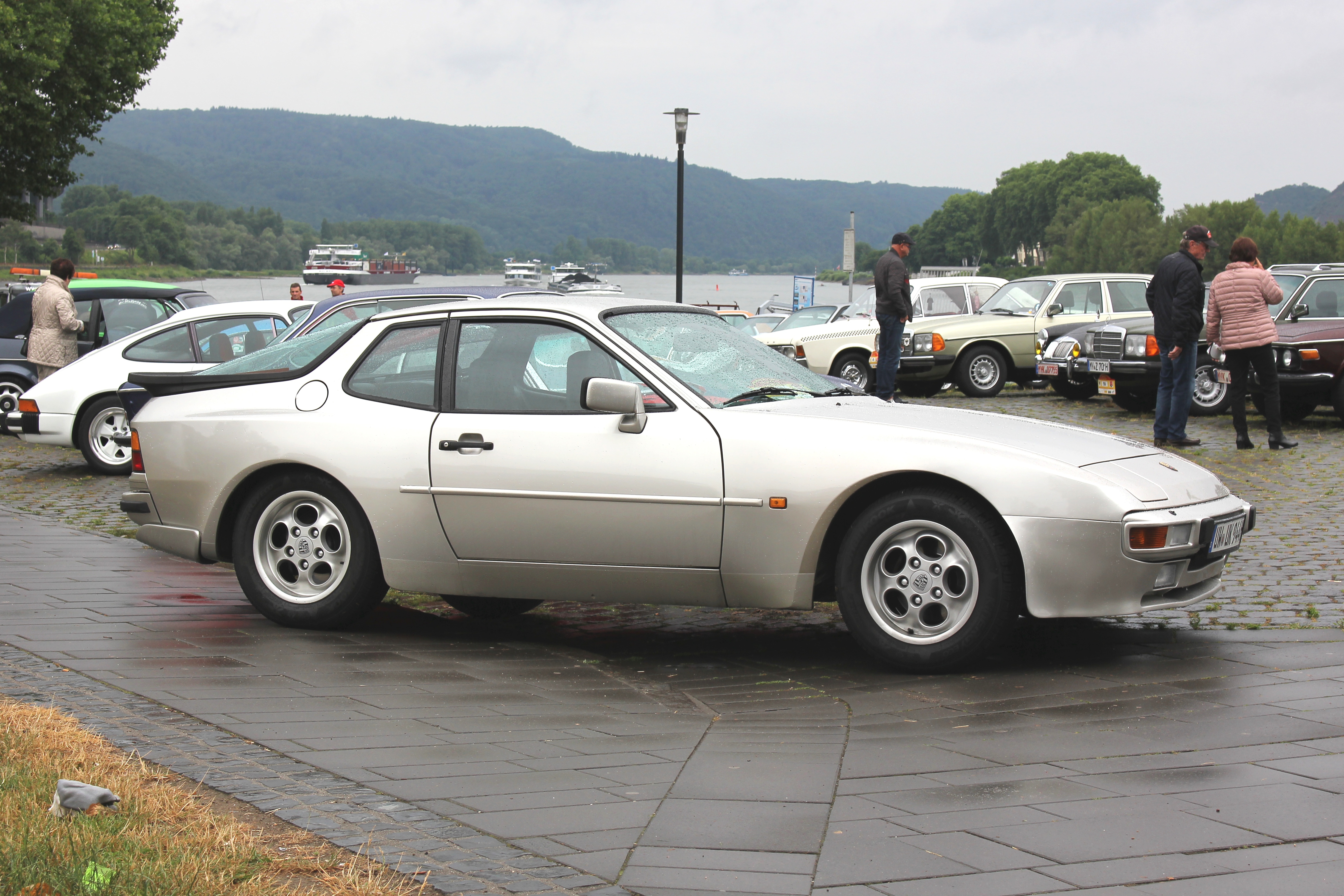
Porsche 944
"Aesthetically, it also took influence from European cars like the Porsche 944. Other European cars such as the Lamborghini Countach or the Ferrari Testarossa were also very popular amongst Midnight Club members."
They’re saying the RX-7’s style took inspiration from the Porsche 944. It’s an example of how Japanese car culture in the 1980s looked to European sports cars for design ideas.
The Porsche 944 is referenced as a European styling influence on the RX-7’s look, showing how Japanese street-racing culture borrowed design cues from established European sports cars. This kind of cross-pollination mattered in the 1980s, when “aesthetic credibility” was part of the scene’s identity.

Lamborghini Countach
"Other European cars such as the Lamborghini Countach or the Ferrari Testarossa were also very popular amongst Midnight Club members. They were the cars that fit the moment."
The Lamborghini Countach is a famous exotic supercar. The hosts are pointing out that cars like it were popular reference points for the Midnight Club crowd.
The Lamborghini Countach is mentioned as one of the European icons that resonated with “Midnight Club” members. In that era, cars like the Countach represented extreme, aspirational performance and helped shape what enthusiasts considered cool and desirable.

Ferrari Testarossa
"Other European cars such as the Lamborghini Countach or the Ferrari Testarossa were also very popular amongst Midnight Club members. They were the cars that fit the moment."
The Ferrari Testarossa is a well-known 1980s Ferrari. The point here is that Midnight Club members were into that kind of flashy, high-status European supercar vibe.
The Ferrari Testarossa is cited as another European car that Midnight Club members admired. Its bold styling and high-performance reputation made it a cultural symbol in the 1980s, influencing what enthusiasts wanted their own cars to evoke.
turbochargers
"These guys were the industry. These guys were Gordon Gekko, but instead of cocaine, they had turbochargers. And let's be honest, probably cocaine too, but who knows."
A turbocharger is a device that helps an engine make more power. It uses the car’s exhaust to spin a turbine and push extra air into the engine.
Turbochargers use exhaust gas to spin a turbine, forcing more air into the engine so it can burn more fuel and make more power. In the 1980s Japanese scene, turbocharging was a key path to big performance gains from relatively small engines.
high sustained speeds without disintegrating
"Think about what had to exist for the Midnight Club to even function. The expressway had to be flawlessly engineered. The cars had to be capable of extremely high sustained speeds without disintegrating."
They’re talking about being able to go fast for a long time without the car breaking down. That means the car has to stay cool and keep working reliably, not just hit a top speed once.
The phrase highlights the engineering reality of street racing: it’s not just about peak speed, but maintaining high speed for long stretches without overheating, losing traction, or suffering mechanical failure. That’s why reliability, cooling capacity, and drivetrain durability matter as much as raw power in these scenarios.
drift
"The 80s also saw the leap of this underground culture into the mainstream. All thanks to the legendary driver known as the Drift King. There was no one who understood the Toyota AE86 Corolla and its ability to maneuver the mountain terrain better than one Kaichi Tsuchiya."
Drifting is when a driver makes the car’s rear slide while still steering through the turn. It’s not just spinning out—it’s controlled sliding on purpose.
Drifting is a driving style where the driver intentionally over-rotates the car so the rear slips while maintaining control and speed through a corner. In competition, the goal is typically to keep the car sideways with good angle, line, and stability.

Toyota Ae86
"There was no one who understood the Toyota AE86 Corolla and its ability to maneuver the mountain terrain better than one Kaichi Tsuchiya."
The Toyota AE86 Corolla is a classic Toyota that became famous in drifting. People liked it because it’s light and handles in a way that makes it easier to slide around corners.
The Toyota AE86 Corolla is the lightweight, rear-wheel-drive platform that became iconic in Japan’s drifting scene. Its balance and predictable handling made it a favorite for learning and practicing drift techniques.
mountain terrain
"There was no one who understood the Toyota AE86 Corolla and its ability to maneuver the mountain terrain better than one Kaichi Tsuchiya. But his path to the Drift King title wasn't one traveled overnight."
Mountain roads have lots of twisty turns and changing conditions. Drivers often learn better control there because the road keeps challenging you.
Mountain-road driving emphasizes tight corners, elevation changes, and consistent grip transitions—conditions that reward smooth throttle control and precise steering. That’s why it became a natural training ground for drifting techniques and car setup choices.
Osui Toge
"Street racers known for prowling narrow passes like Osui Toge on late night rides."
In Japan, “toge” means mountain roads with lots of tight turns. “Osui” is basically a very narrow, tricky part of those roads. Street racers like the challenge, but it’s also where mistakes are unforgiving.
“Toge” refers to Japan’s mountain-pass roads, where drivers push through tight corners. “Osui” describes a narrow, tight section—so the idea is street racers “prowling” very constrained stretches at night. It’s a culture term tied to how these roads shape driving style and risk.
Fuji Speedway
"So much so that when he once discovered a racing event was being held at Fuji Speedway, he was compelled enough to ride a bicycle more than 100 miles to witness it in person."
Fuji Speedway is a well-known racing track in Japan. The story is saying he went there because he wanted to witness real racing firsthand. It connects the street racing world to official motorsport.
Fuji Speedway is a major Japanese motorsport circuit, making it a natural destination for drivers who want to see high-level racing in person. In the segment, it’s where the inspiring Skyline moment happens, tying street-driver culture to track validation. For listeners, it’s a key location in Japan’s motorsports ecosystem.

Nissan Gtr
"...tched one Kunimitsu Takahashi hurl a Skyline 2000 GTR through a corner in a moment that would stick wi..."
The Nissan GT-R is a fast, performance-focused sports car from Nissan. The podcast mentions a Skyline 2000 GTR moment, which is part of the GT-R family story. It comes up because it helped shape the reputation for strong performance.
The Nissan GT-R is a high-performance sports car built around the idea of delivering race-bred capability on the street. The podcast context references a specific moment involving a Skyline 2000 GTR, which is closely tied to the GT-R name and heritage. It’s discussed because it represents Nissan’s performance evolution and the kind of driving moments that helped build the GT-R’s reputation.
slid his car through the corners
"Unlike other drivers, Takahashi would slide his car through the corners rather than delicately tiptoeing through them."
Instead of turning smoothly like a normal drive, the driver lets the car’s back end slide a bit while still steering it. That can help the car rotate and keep speed through a corner. It’s harder to do safely and requires practice.
Sliding through corners is a drift-like technique where the car’s rear steps out while the driver maintains control. Compared with “tiptoeing” (smooth, minimal slip), sliding uses more tire slip angle to rotate the car and carry momentum. It’s a key skill in Japanese touge and track driving cultures.
public Toge roads
"That being said, it did take Tsuchiya a while to feel truly confident in racing on public Toge roads."
This is talking about mountain-road driving on regular public streets, not a closed race track. Those roads are narrow and dangerous, so you can’t practice the same way without real risk. The point is he built skill before pushing hard.
“Toge” on public roads highlights the difference between controlled track practice and real-world street driving. The segment emphasizes that Tsuchiya eventually gained confidence, but only after recognizing how tight and dangerous mountain roads are. It’s a reminder that the same driving techniques carry very different risk levels depending on environment.
heel-toe shifting
"Instead, he spent four years practicing heel-toe shifting, counter-steering, and car balance on farm roads and empty stretches,"
Heel-toe shifting is a way to downshift while braking so the engine speed matches the lower gear. It helps the car stay smooth and stable instead of jerking. Drivers use it a lot when they’re braking hard into turns.
Heel-toe shifting is a manual-transmission technique where the driver uses the left foot to brake while “blipping” the throttle with the right foot/heel to match engine speed during downshifts. The goal is smoother, faster gear changes without upsetting the car’s balance. It’s especially useful for maintaining traction when braking into corners.
counter-steering
"Instead, he spent four years practicing heel-toe shifting, counter-steering, and car balance on farm roads and empty stretches,"
Counter-steering means you steer the opposite way to what the car is sliding toward. It sounds backwards, but it helps you regain control and keep the slide going the way you want. It’s one of the key skills for handling a car in a drift.
Counter-steering is the steering input used to control oversteer—turning the wheel opposite the direction the car is rotating. In a slide, it helps the driver stabilize the car and set the desired yaw angle. It’s a core technique for controlled drifting and aggressive cornering.
Initial D
"Basically the plot to Initial D, which we'll get to in a few episodes, so stick with us."
Initial D is a popular Japanese racing story. They’re comparing the episode’s situation to that kind of rivalry.
Initial D is a Japanese racing franchise (manga/anime) centered on street and mountain driving rivalries. The hosts use it as a reference point for the “opponents seeking him out” storyline.
king of the mountain
"Through his own exploration of the craft and exercise and patience, Tsuchiya had taken himself from spectator to king of the mountain."
It’s a way of saying one driver became the top person to beat. Other racers kept showing up to try to prove they were better.
“King of the mountain” is a racing phrase for a driver who’s consistently at the top of a competitive scene, often by repeatedly beating challengers. In this context, it describes Tsuchiya’s rise from spectator to the benchmark driver others try to measure themselves against.
Fuji Freshman Racing Series
"In 1977, Tsuchiya entered his first professional competition in the Fuji Freshman Racing Series, an entry-level touring car championship."
This was an early racing series meant for up-and-coming drivers. It’s like a stepping-stone championship before higher-level competition.
The Fuji Freshman Racing Series is described as an entry-level touring car championship at Fuji Speedway. “Freshman” here signals a developmental ladder—an early proving ground where drivers learn racecraft in a more accessible class.

Sunny Nissan Sunny
"Here he'd take a Toyota Scarlet and Nissan Sunny and turn in nothing but victories."
The Nissan Sunny is a common compact car. Here it’s mentioned because Tsuchiya was winning races even when he was driving different cars.
The Nissan Sunny is a compact sedan that, in this segment, is used to illustrate Tsuchiya’s early success in professional competition. The hosts pair it with a Toyota to emphasize that his winning streak wasn’t tied to just one specific car brand.
sports car for the masses
"It was more than its sports car for the masses title, and Tsuchiya set out to prove so."
It means a “fun to drive” car that isn’t super expensive. The hosts are saying the AE86 could be more than just a budget car—it could actually perform.
“Sports car for the masses” is a marketing/identity idea: a car that delivers sports-car-like driving feel without being an expensive exotic. The segment frames the AE86 as fitting that concept, and Tsuchiya’s career as proof that it could compete at a high level.
cheating
"Carrot Flashpoint, as it was nicknamed, was the most dominant car on the track, so successful that many of his competitors accused Tsuchiya of cheating. Nothing was ever proven, and honestly, any accusation probably stemmed from the fact"
When someone wins too much, other people sometimes accuse them of breaking the rules. Here, they’re saying Tsuchiya was so dominant that people suspected something unfair.
The competitors’ accusations of “cheating” reflect how dominant performances can trigger suspicion in racing communities. In motorsport culture, claims like this often relate to perceived unfair advantages (setup, technique, or rules interpretation), even if nothing is proven.
Option Magazine
"Then, Option Magazine got involved... Option had spent years documenting the margins... But when it came to Touge culture and what the Drift King was doing, Option, and many of its competitors, had run into limitations."
Option Magazine is a Japanese car magazine that focuses more on car culture and modifications than “safe” mainstream reporting. Here, they’re described as getting involved because drifting needed better ways to show what drivers were doing.
Option Magazine is a Japanese automotive publication known for covering modified cars and motorsport-adjacent subcultures more aggressively than mainstream outlets. In this segment, it’s positioned as a driver of drifting coverage and as a catalyst for using video to capture technique.
touge culture
"But when it came to Touge culture and what the Drift King was doing, Option, and many of its competitors, had run into limitations... The very thing Tsuchiya had been refining for a decade on mountain roads that no one else had bothered to film."
Touge culture is about driving hard on twisty mountain roads in Japan. People focus on skill and style on these roads, and it’s where a lot of drifting know-how grew.
Touge culture refers to Japan’s mountain-pass driving scene, where drivers attack winding roads for speed and style. It’s closely tied to street-based drifting and the evolution of techniques that later became more formalized.
oversteer
"Print could wax on how oversteer worked, how angle was created, but it had a hard time showing it."
Oversteer is when the car’s back end wants to swing out more than you planned. In drifting, drivers use that behavior to keep the car sliding in a controlled way.
Oversteer is when the car rotates more than the driver expects—typically because the rear tires lose grip before the front. In drifting, oversteer is used intentionally to create and sustain the slide angle through the corner.
VHS cameras
"By the late 80s, consumer grade video equipment had matured. VHS cameras were affordable. Blank tapes were everywhere."
VHS cameras were affordable home video recorders. That meant fans could film what drivers were doing and share it, instead of relying only on photos or magazine stories.
VHS cameras and blank tapes made consumer video recording cheap and widely available, which changed how car culture was shared. For drifting and touge, video could capture the sequence of inputs and the motion that print couldn’t.
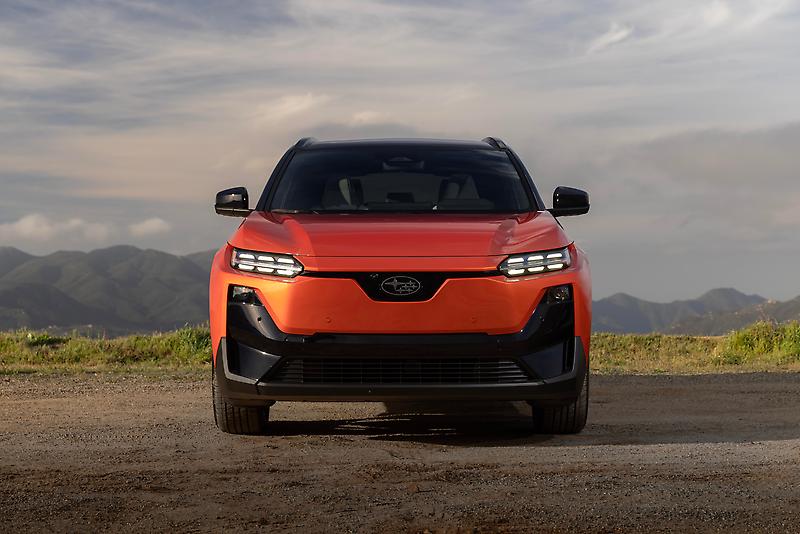
Subaru Uncharted
"...mpany, Option had never produced video. This was uncharted territory for them. And, let's be honest, most p..."
“Subaru Uncharted” doesn’t clearly match a specific Subaru car model name based on the information given. It sounds more like a project or special effort connected to Subaru than a particular car you can buy. If you share the exact model year or the full phrase from the podcast, I can explain the right vehicle.
“Subaru Uncharted” doesn’t appear to be a specific, clearly identified Subaru production car name in the way the other entries are. In your provided context, it sounds like the episode is discussing a project or media effort involving Subaru rather than a particular vehicle model. Because the car model isn’t clearly specified, there isn’t enough information to accurately describe a specific Subaru car’s purpose or specs.
sliding a Toyota down a mountain
"...the idea that a niche enthusiast produced tape capturing some dude sliding a Toyota down a mountain could reliably find its audience through retail alone was optimistic at best."
“Sliding” here means the driver is intentionally making the car lose grip in a controlled way, so the car rotates and moves sideways while going downhill. It’s a dramatic style of driving that became popular in enthusiast circles.
“Sliding” down a mountain implies controlled oversteer and loss of traction—what enthusiasts often call drifting. The key idea is that the video content is showcasing a specific driving style rather than normal road driving, which is why it appealed to a niche audience.
distribution network
"What Inada quickly realized was that Option magazine was already functioning as its own kind of distribution network. In the advert pages of each issue, they could easily market the tapes as something one could purchase directly from the magazine itself."
A distribution network is how something gets sold and delivered to people. In this case, the magazine’s ads were used like a built-in way to sell the tapes to fans.
A distribution network is the system that gets products to customers. Here, the hosts describe how Option magazine’s ad pages effectively acted as a direct-to-consumer sales channel for VHS tapes, helping the tapes spread as more magazines promoted them.
Kala Sports Suspension
"From here, Inada teamed up with Kala Sports Suspension, as well as Carboy Magazine, a publication that had really made its name focusing on drift culture."
Kala Sports Suspension is a Japanese aftermarket brand tied to suspension work. The segment uses it as an example of how companies partnered with drift media to reach fans.
Kala Sports Suspension is referenced as a tuning/suspension-related company that partnered on the VHS tape bundle. The mention is relevant because it shows how aftermarket brands were integrated into the drift media ecosystem, not just selling parts.
Carboy Magazine
"From here, Inada teamed up with Kala Sports Suspension, as well as Carboy Magazine, a publication that had really made its name focusing on drift culture."
Carboy Magazine is a Japanese magazine that was especially into drift culture. The hosts mention it because it helped connect the tapes with the people who already cared about drifting.
Carboy Magazine is described as a publication known for focusing on drift culture. In the segment, it’s part of the collaboration that helped package and promote the VHS tapes to the right audience.
Plus Spy Tuning Shop
"With the help of Plus Spy Tuning Shop, who agreed to sell a limited quantity of tapes as part of a bundle with the magazines, Inada and company set themselves up to change the automotive world forever, with the Drift King at the center of it."
Plus Spy is a tuning shop. The segment says they helped sell the tapes in limited bundles, which helped the whole drift-media idea spread.
Plus Spy Tuning Shop is mentioned as a tuning shop that agreed to sell a limited quantity of tapes as part of a bundle with magazines. This highlights how physical shops and aftermarket businesses helped distribute drift-related media.
Tsuchiya Kaichi
"The first was titled Durikin. Tsuchiya Kaichi, the Toge Part 1, followed shortly after by Part 2. Each contained roughly 20 minutes of footage,"
Tsuchiya Kaichi is the famous drift driver highlighted in these VHS tapes. The hosts are using his name to show that the videos weren’t random—they were built around a key figure in drifting.
Tsuchiya Kaichi is named as the driver featured in the VHS tape series. The segment uses him to anchor the content historically—these tapes are presented as early, influential drift media built around his driving.
VHS tapes
"Two colorized VHS tapes were produced in 1987. The first was titled Durikin. Tsuchiya Kaichi, the Toge Part 1, followed shortly after by Part 2."
VHS tapes were the common way people watched videos back then. The hosts are saying these tapes were an early way to share drift footage with fans.
VHS tapes were the consumer video format of the era, and here they’re used as a distribution method for drifting footage. The segment’s point is that limited runs and magazine bundles helped spread drift knowledge before modern streaming/social media.
weight transfer
"Viewers were given the opportunity to witness weight transfer as it happened. Choices made not as written claims, but as a visible proof of cause and effect."
Weight transfer is when the car’s weight shifts from one side or axle to another when you turn or change speed. In drifting, that shift affects which tires have grip and which ones don’t. The video showing it makes it easier to understand what the driver is doing.
Weight transfer is how a car’s load shifts between tires as the vehicle accelerates, brakes, or turns. In drifting, it’s especially important because the driver is intentionally managing grip and balance so the car can rotate while maintaining control. Seeing weight transfer “as it happened” is a big deal because it makes the cause-and-effect of driving inputs visible.
Plus B
"The name of these tapes have been forever immortalized as Plus B, thanks in part to the Plus Spy tuning shop in Kanagawa that had provided its customers with the first ever physical copies. Each one was sold with stickers, one for the Drift King, and one for Plus Spy."
“Plus B” is the name of the drifting tape series being discussed. The hosts say it was important because it showed driving technique clearly on video, not just as claims. They also explain how it reached more people through magazines and VHS.
“Plus B” is presented as the name of the drifting tapes that became culturally significant. The segment frames them as reference material that translated technique into a visual format capable of showing cause-and-effect. It also highlights how distribution (stickers, magazine ads, VHS-era context) helped the audience understand drifting.
Dorikin series
"quickly greenlit West of Sendai, the third installment of the Dorikin series, which featured Kaiichi drifting around the H-Land Circuit in the Miyagi Prefecture."
This is the name of a drifting video series mentioned in the episode. The hosts use it to explain how people started watching and sharing that kind of driving content.
The Dorikin series is presented as a specific installment of Plus B-related content, featuring drifting footage. It’s a named media franchise within the episode’s discussion of how outlaw-style driving spread through video.
H-Land Circuit
"which featured Kaiichi drifting around the H-Land Circuit in the Miyagi Prefecture. By the time of its release, Tsuchiya had already been made into a superstar, attracting some unwanted attention from the Japanese Automobile Federation in the process."
This is the name of the race track where the drifting scenes are filmed. It helps place the story in a real driving venue.
H-Land Circuit is the track location where the drifting footage is set in the Miyagi Prefecture. Mentioning the circuit grounds the story in real motorsport infrastructure rather than purely fictional or staged driving.
Request an Explanation
Heard something you'd like explained? We'll add it to this episode.
Sign in to request explanations for terms you heard.
Want to learn more?
Browse our glossary for plain-English explanations of automotive terms, jargon, and concepts.
Help improve this episode
See something that's not quite right? Our annotations are AI-generated and can sometimes miss the mark. Click the flag icon on any annotation to suggest a correction.
1 community members have helped improve this episode.