
The Automotive Advice Experts You Trust To Keep Your Car Going
About this episode
The hosts move through a string of practical repair calls, from a GM swap with a dead transmission computer to a Chevy pickup parking pawl problem and a Silverado that seems to be losing fluid into the transfer case. They also cover flex-fuel advice, a Ford Explorer no-crank tied to anti-theft, a likely failing fuel pump on an F-150, and a Chevy Sonic with broader electrical and communication trouble. The episode closes with thoughts on collector-car insurance, Ram transmission repair, and Tesla’s self-driving subscription.
Expert car repair advice! Call our show live and get help on the live show. Looking to save money on car repairs? Tune in to our latest episode of Under The Hood for practical automotive advice that can help you avoid costly repairs.
1. How to fix transmission troubles on a 55 Chevy LS engine swap car? 2. How do I fix a slipping transmission park gear on a 75 Chevy truck? 3. Can I use Flex Fuel e85 in my van? 4. Is security anti-theft causing my no start Ford Explorer? 5. Why does my 93 Silverado have no overdrive? 6. How to tell if my Ford fuel pump is failing? 7. Why does my Chevy Sonic have loss of computer data and funky door locks? 8. Adjusting bands in Ram Diesel transmission

Chevrolet Bel
"Yep. Go ahead, Tay. Yes, I have a 65 Chevrolet Bel Air that I have changed the engine and transmiss..."
The Chevrolet Bel Air is a classic car, and the podcast talks about a 1965 model. The owner says they changed the engine and transmission, which means the car isn’t exactly like it was from the factory. That can change how you maintain it and fix problems.
The Chevrolet Bel Air is a classic American car model, and the podcast specifically references a 1965 Bel Air. The guest mentions changing the engine and transmission, which is a common reason these cars are discussed—modifications can affect drivability, reliability, and how the car is maintained. It’s relevant to conversations about repairs and what it takes to keep a classic running.
program stuff
"And I talked to one of my buddies that this is all he does is program stuff. And he said that the batteries were dead."
“Program stuff” means setting up the car’s electronics so they work together. If you install the wrong computer or it loses its settings, it may need to be reprogrammed.
“Program stuff” here refers to programming and calibration of vehicle control modules (like the transmission computer). When a module is swapped or mismatched, it often needs to be programmed so it can communicate with the rest of the car’s systems.
batteries were dead
"And he said that the batteries were dead. And he said, evidently, you turn the key on and it wiped out the transmission computer."
If the battery is dead, the car’s computers can lose power and sometimes lose their settings. In this story, that’s blamed for the transmission computer not working afterward.
Dead batteries can cause control modules to lose power during critical initialization, and in some cases stored calibration/learned data can be lost. The caller’s buddy is suggesting that low voltage led to the transmission computer being wiped or corrupted, which then prevented the car from running.
GM
"...with the ever GM model of everything. ... you can replace that. And it's replaceable with pretty much any GM transmission computer that looks like that physically there."
GM is the car company being referenced. They’re saying some GM cars use transmission computers that can be swapped if they look the same and connect the same way.
GM (General Motors) is the automaker whose vehicle electronics and transmission control parts are being discussed. The hosts are saying the transmission computer can be swapped across many GM applications if the physical connector and housing match.
transmission computer
"And when you go into the transmission computer, just no connection. ... So that has a separate transmission computer. And then the main box under the hood, right?"
The transmission computer is like the transmission’s “brain.” It decides when to shift and how smoothly it should shift based on what the car is doing.
A transmission computer (often called the TCM) is the control unit that manages how the transmission shifts and how it responds to driving conditions. It uses sensor inputs (like throttle position and vehicle speed) to decide shift timing and shift feel.
TCM
"And when you go into the transmission computer, just no connection. ... So that has a separate transmission computer."
TCM means the transmission control module. It’s the part that controls shifting, and if it’s not working right, the car may shift poorly.
TCM stands for Transmission Control Module, the electronic unit that controls shifting behavior. When the TCM has a fault or loses communication, shift quality and drivability can be affected.
six liter engine
"...it's a, it's a six liter Cadillac engine, isn't it? ... Yes."
“Six liter” means the engine is about 6.0 liters in size. Bigger engines usually make more pulling power, and swaps may require matching the right electronics.
“Six liter” refers to engine displacement, meaning the total volume of all cylinders combined is about 6.0 liters. Larger displacement engines typically produce more torque, and in swaps like this they often come with specific transmission/ECU pairing requirements.
engine computer
"So if you can communicate with the engine computer, but not the transmission computer, the first thing I would do... Because when your scanner inside plugs in and it goes to the engine computer first"
Your car has a computer that controls the engine. When a mechanic plugs in a scanner, it often talks to the engine computer first to see what’s working and what isn’t.
The engine computer (ECU/PCM) is the car’s control unit that reads sensors and manages engine functions like fuel and ignition. In diagnostics, it’s important because many scan tools first connect to the engine computer before moving on to other modules like the transmission controller.
power and ground
"they'll want to check power and ground at that module and make sure those two communication wires are hooked up"
Every car module needs electricity and a good electrical connection back to the chassis. If it can’t communicate, mechanics check that it’s getting power and that its ground connection is solid.
In automotive electronics, power and ground are the supply and return paths that keep a module operating. If a module won’t communicate, technicians often check that the module has proper voltage (power) and a solid electrical reference (ground), plus that the communication wires are connected.
communication wires
"make sure those two communication wires are hooked up that go from the engine computer to that... and then it comes out of that and goes to the transmission module."
The car’s computers talk to each other through wires. If one computer can’t “hear” the other, the wires connecting them may be damaged or unplugged.
Communication wires carry data between control modules over the car’s internal networks. If the engine computer talks but the transmission module doesn’t, a common cause is damaged or disconnected communication wiring between those modules.
brick
"they call them brick. They just lock up when they get a power fluctuation sometimes like that."
“Brick” is a slang way of saying a car computer has died or locked up. When it happens, it may stop communicating with the scanner until it’s fixed or replaced.
“Brick” is a slang term for a control module that has effectively failed and won’t respond normally—often due to power fluctuations or internal faults. In this context, the module can “lock up” and stop communicating until it’s replaced or reprogrammed.

Cadillac Escalade
"...imes like that. We've had that in cars and those escalades and things. They were all together and Silverado..."
The Cadillac Escalade is a large luxury SUV. The podcast mentions it alongside other vehicles, which usually means they’re talking about similar problems or repairs. It’s the kind of vehicle people bring up when discussing issues that can happen across many big vehicles.
The Cadillac Escalade is a full-size luxury SUV known for comfort, size, and upscale features. In the podcast, it’s grouped with other vehicles like Silverados, suggesting the discussion is about troubleshooting or comparing similar situations across multiple trucks/SUVs. That makes it relevant when talking about common failure points such as starting or electrical issues.
jumpstart
"They were all together and Silverados, if the battery was dead and the customer tried to jumpstart it, then they, it wouldn't shift afterwards."
A jumpstart is when you use another battery to get a dead car started. If the car’s computers don’t like what happened during the jump, they can act weird afterward.
A jumpstart is using another vehicle’s battery (or a jump pack) to provide enough power to start a dead battery. Some vehicles can be sensitive to voltage spikes or communication glitches after a jumpstart, which can temporarily or permanently affect modules that control shifting.
module communication failure
"They couldn't get it to communicate. And we just plug in a new transmission computer and it was good."
“Communication failure” means the car’s computers aren’t able to talk to each other. If the transmission computer can’t communicate, the transmission may not shift until the problem is fixed.
Module communication failure means the transmission control module can’t exchange data with other vehicle systems (like the engine computer or body network). When that happens, the transmission may not shift safely, and the fix can involve replacing the module and/or repairing wiring/connector issues.
wiring harness
"It came with a, it came with the transmission computer engine, computer wiring harness, these locks and all of that wire to the transmission."
A wiring harness is the set of wires that connects the car’s computers and parts. If the harness is damaged, the new computer may still not work because the signals can’t get through.
A wiring harness is the bundled set of wires and connectors that routes power and signals between components. In module replacement kits, the harness matters because damaged connectors or wiring can prevent the transmission computer from communicating or controlling the transmission correctly.
transmission control module
"That transmission control module is probably the same as any like, I think 05, 6, 4, GM, truck, Escalade. It'll have a part number on it too."
The transmission control module is the specific computer that controls the automatic transmission. If you replace it, you usually need the right one—often found by matching the part number.
The transmission control module (TCM) is the specific electronic unit that controls the automatic transmission’s shifting and related behaviors. The hosts also mention using the module’s part number to cross-reference the correct replacement, which is important because TCMs are vehicle- and configuration-specific.
rodent damage
"But I would definitely be checking for some potential rodent damage if that was the case. A little bit of wire damage there."
Rodents can chew through car wiring. If the wires get damaged, the car’s computers may stop working correctly, so it’s worth checking the wiring for bite marks.
Rodent damage refers to animals chewing wiring and insulation, which can cause intermittent faults or total loss of communication between modules. The hosts suggest checking for wire damage because a damaged harness can mimic or cause control-module issues.
transmission pan
"[637.7s] And I was wondering if you got to pull a transmission to fix the pin, [641.0s] or can you get through the pan?"
The transmission pan is the bottom part of the automatic transmission that contains the fluid. If a repair needs parts inside, mechanics may have to remove this pan to get access.
The transmission pan is the lower cover on an automatic transmission that holds transmission fluid and filters. Removing it is often required to access internal components or to inspect/repair issues related to the valve body and shift/holding mechanisms.
park pall
"[644.8s] The park pall doesn't hold on the drum, right? [648.0s] Yeah."
They’re likely talking about the parking pawl—the part that locks the transmission when you put the car in Park. If it won’t hold on a hill, that locking part may be worn or not engaging correctly.
“Park pall” appears to refer to the parking pawl, the component that engages to lock the transmission in Park. If it doesn’t hold on an incline, the pawl or its engagement surface may be worn, misadjusted, or otherwise damaged, requiring internal transmission access.
valve body
"[648.3s] So you'll have to pull the transmission pan off and you'll have to pull the valve body [652.8s] out to get into that."
The valve body is like the control hub inside an automatic transmission that directs fluid to the parts that make the transmission shift and hold. If something isn’t holding properly, it may require getting to this area.
The valve body is the hydraulic control center of an automatic transmission. It routes pressurized fluid to control clutches and bands, so if the parking/holding function isn’t working, the valve body may need to be removed to reach the relevant internal parts.
park pawl
"I think I've done one or two park palls in that style transmission. ... Well, a lot of people on older cars, they were weaker. But if you were on a steep hill... and you didn't use the regular parking brake, that's what they were for. They would just overcome that and you would hear them ratchet, click, click... Or sometimes a new driver throw into park while it was still rolling."
When you put an automatic car in Park, a small metal piece called the park pawl locks the drivetrain so the car can’t roll. It’s not meant to take abuse—like if the car is still moving when you shift into Park, especially on a hill.
A park pawl is the locking mechanism inside an automatic transmission that engages when you shift into Park. It prevents the drivetrain from turning, but it can be stressed if the car is still rolling or if you rely on it instead of the parking brake on a steep incline.
automatic transmission
"I think I've done one or two park palls in that style transmission. But that comes from people, you know, people like, well, how does that park not hold on a vehicle?"
An automatic transmission is the kind of gearbox where you don’t have to shift gears yourself. When you put it in Park, it uses a locking mechanism to help stop the car from rolling.
An automatic transmission changes gears without the driver manually selecting them, using hydraulic control and internal clutches/bands. In many automatics, shifting into Park engages the park pawl to mechanically lock the drivetrain.
parking brake
"But if you were on a steep hill, you had a trailer behind it or something, and you didn't use the regular parking brake, that's what they were for."
The parking brake is the extra brake you use to keep the car from rolling when it’s parked. On a hill, it’s better to use this than to depend on the car’s “Park” lock.
The parking brake is a dedicated brake system (often separate from the hydraulic service brakes) used to hold the car stationary. On steep hills, it’s the safer choice than relying on the transmission’s Park lock because it’s designed to resist rolling forces.

Ford Flex
"...a 2013 Chrysler Counting Country minivan that's a flex fuel vehicle, but I've never ran a drop of E85 i..."
The Ford Flex is a crossover-style vehicle. Some vehicles like this can be made to use different fuel types, including ethanol blends. The podcast is talking about whether the car is set up to run E85, which matters for how it performs and whether it’s safe to use.
The Ford Flex is a distinctive, boxy crossover-style vehicle that was offered with flexible-fuel capability on some versions. In the podcast, it’s mentioned as a 2013 Chrysler minivan that’s flex-fuel, but the key point for the Flex is the broader topic of ethanol blends like E85 and whether the vehicle is designed to run them. That makes it relevant to discussions about fuel compatibility and operating costs.
flex fuel vehicle
"I have a 2013 Chrysler Counting Country minivan that's a flex fuel vehicle, but I've never ran a drop of E85 in it. Okay."
A flex-fuel vehicle can use more than one type of fuel. In this case, it’s usually gasoline or E85, which is a blend with lots of ethanol. The car is built to adjust to whichever fuel you put in.
A flex fuel vehicle is designed to run on different fuel blends, most commonly gasoline and E85 (85% ethanol). The car’s fuel system and engine control module are calibrated to handle the different fuel properties, like how ethanol changes fuel energy content and combustion behavior. That’s why the caller is asking whether they can switch to E85.
E85
"I have a 2013 Chrysler Counting Country minivan that's a flex fuel vehicle, but I've never ran a drop of E85 in it. Okay. And now."
E85 is a fuel blend with mostly ethanol (85%) mixed with some regular gasoline. It can change how far you get per tank, because it contains less energy than pure gasoline. The car may still run fine since it’s designed for it.
E85 is a fuel blend made of 85% ethanol and 15% gasoline. Because ethanol has less energy per gallon than gasoline, using E85 typically reduces fuel economy, even though the engine can be tuned to run it. The caller is asking about switching to E85 after never using it.
BTU
"...you're going to lose a lot of fuel miles per gallon by putting 85 in there because it's just not... the way it's going to run because of the, the BTU coming out of that fuel percentage... So it's a more BTU. So it's going to, it's going to keep your mileage up."
BTU is a way to measure how much energy is in the fuel. If the fuel has fewer BTUs per gallon, you usually have to use more of it to go the same distance.
BTU (British Thermal Unit) is a unit of energy content. The episode is using it to explain why ethanol blends can reduce miles per gallon: ethanol contains less energy per gallon than gasoline, so you burn more volume to get the same distance.
E30
"Normally you'd run E30 because that's going to be the lowest price... My car, when I run premium 91 octane or I run E30, I get exactly the same miles per gallon... And when I put E30 in and I pay $2 and 30 cents for it..."
E30 means the fuel is roughly 30% ethanol and 70% gasoline. It can be cheaper than pure gasoline, but it may still reduce your miles per gallon a bit.
E30 is a gasoline-ethanol blend with about 30% ethanol. Compared with higher-ethanol blends like E85, E30 usually reduces miles per gallon less, while still offering some potential cost savings if ethanol is priced favorably.

BMW E30
"...by running the E85 right now. Normally you'd run E30 because that's going to be the lowest price. And..."
The BMW 3 Series is a smaller luxury car that’s designed to drive well. The podcast mentions using different types of fuel blends, like E30 or E85, which can change how the engine runs. That matters because not every car is set up to use every fuel blend safely.
The BMW 3 Series is a compact luxury sedan known for performance-oriented driving and a wide range of engine options. In the podcast context, it’s discussed in relation to running different fuel blends like E30 and E85, which affects how the engine is tuned and what fuel system components must handle. That makes it relevant when talking about fuel compatibility and operating costs.
flex fuel car or truck
"fill it all the way up with any flex fuel car or truck. [949.1s] You want to run that tank very low and then completely fill it"
A flex-fuel vehicle can run on different fuel blends, including E85. The car adjusts how much fuel it injects so it can handle the higher-ethanol mix.
A flex fuel car or truck is designed to run on more than one fuel blend, including ethanol blends like E85. These vehicles use sensors and engine calibration to adjust fueling so the engine can operate safely across varying ethanol content.
oil change interval
"don't be going with really long oil changes. If you're somebody that changes it at 5 or 6,000... But three months, 3,000 is very important on this"
An oil change interval is how often you change your engine oil. They’re saying don’t stretch it out too long—especially with E85—because it can lead to more contamination in the oil.
An oil change interval is the schedule for replacing engine oil. The speaker is advising against long intervals and specifically recommends more frequent changes (e.g., around 3,000 miles) because E85 use can increase oil contamination from unburned fuel.
unburned fuel
"because you will get some of the unburned fuel in the oil system."
Unburned fuel is fuel that didn’t fully burn in the engine. If that happens, it can mix with the engine oil and make the oil less effective, so you may need more frequent oil changes.
Unburned fuel is gasoline/ethanol that doesn’t fully combust in the engine. If combustion is incomplete, some of that fuel can end up diluting engine oil, which is why the speaker emphasizes shorter oil-change intervals when running E85.
fuel gauge
"The gas fuel gauge is going to be dropping a lot faster than what he's used to. Does that help you out there, Al?"
The fuel gauge is the dashboard light/reading that tells you how much gas is left. With E85, you may burn through it faster, so the gauge can fall quicker than you’re used to.
A fuel gauge is the dashboard indicator that estimates how much fuel remains in the tank. With E85, the car often consumes fuel faster because ethanol contains less energy per gallon than gasoline, so the gauge may drop more quickly than the driver expects.
fuel injector cleaner
"Well, when you're running that much alcohol in there, you are running a massive fuel injector cleaner through there. It will clean everything out."
Fuel injector cleaner is a chemical additive that helps clean the parts that spray fuel into the engine. The idea here is that E85 can also have a cleaning effect, which might make things better—or sometimes temporarily cause weird behavior if it loosens buildup.
Fuel injector cleaner is an additive designed to remove deposits from fuel injectors and other fuel-system components. In this context, the speaker implies that running lots of alcohol (E85) effectively acts like a strong cleaning agent, which can either help by clearing buildup or potentially cause issues if deposits are disturbed.
octane
"because the racers there know they can purchase it there and they know what they're getting to put in their car as far as octane-wise. And then they tune the car according to the in that case. It wouldn't run on 40%."
Octane is basically how “knock-resistant” a fuel is. If the fuel can resist knocking, the engine can often be tuned to run more aggressively without damage.
Octane is a measure of a fuel’s resistance to knocking (premature combustion) in an engine. Higher-octane fuel generally allows more aggressive ignition timing or boost without knock, which is why racers may seek specific ethanol/gas blends and then tune the engine accordingly.
tune the car
"And then they tune the car according to the in that case. It wouldn't run on 40%. So they don't want to, you know, no crapshoot. They want to know for sure."
“Tune the car” means changing the car’s computer settings so the engine runs correctly with the fuel you’re using. Different fuels need different settings to burn cleanly and safely.
“Tune the car” means adjusting the engine control unit (ECU) settings—like fuel delivery and ignition timing—to match the fuel’s properties and the engine’s hardware. With ethanol blends, the tune is especially important because the fuel’s stoichiometry and energy content differ from gasoline, and using the wrong calibration can cause poor running or damage.
fuel mile
"But yeah, with yours, I think, you know, you can run it. But I would, if you've got it available in your area, I would try E30 and see if that gets you the price you want with the fuel mile that you want."
They’re talking about how efficiently the car uses fuel—how many miles you get for the amount you buy. With ethanol blends, that efficiency can change.
“Fuel mile” here refers to fuel economy—how far the car can go per unit of fuel—when comparing different ethanol blends or stations. Because ethanol blends can change energy content and how the engine is calibrated, fuel economy can shift even if the price per gallon is lower.
diesel engine
"It's great in a diesel engine in warmer climate, but boy, it just... You know, it looks like a can of Crisco."
A diesel engine is a type of engine that runs by compressing air until it’s hot, then injecting fuel. Because it works differently than a gasoline engine, it can behave differently in cold weather.
A diesel engine is an internal-combustion engine that uses compression ignition instead of spark plugs. Fuel is injected into hot, compressed air, which makes it especially sensitive to fuel properties and cold-weather behavior.
additives
"So that... It does that in your vehicle when it gets cold out. So you've got to have additives and stuff in there to..."
Additives are extra chemicals you put into fuel to help it work better—especially when it’s cold. They can help prevent fuel from behaving badly and keep the engine running smoothly.
Fuel additives are chemicals mixed into fuel to improve how it burns or to prevent problems. In cold weather, certain additives can help with issues like fuel gelling or poor combustion.

Ford Explorer
"...can we do for you guys? Well, I have a 1998 Ford Explorer SLT with a 5.0 in it. At first, it stopped like ..."
The Ford Explorer is a family-sized SUV. The podcast mentions a 1998 Explorer that has had an engine change, which can make it act differently than a stock one. That’s important when diagnosing problems like sudden stopping or starting issues.
The Ford Explorer is a midsize SUV that has been produced for decades and is commonly seen in both daily-driving and repair stories. In the podcast, a 1998 Explorer SLT is mentioned with an engine swap (“with a 5.0 in it”), which often leads to unique troubleshooting and maintenance needs. That’s why it’s relevant to a conversation about what happens when the vehicle stops or won’t behave normally.
fuel pump
"At first, it stopped like the fuel pump. There was no fuel coming to the..."
The fuel pump sends gas from the tank to the engine. If it’s not working, the engine may crank but won’t start because it isn’t getting fuel.
A fuel pump pressurizes and delivers gasoline from the tank to the engine. If the pump fails or isn’t delivering fuel, the engine can crank but won’t start because there’s no fuel reaching the fuel system.
neutral safety switch
"And I replaced the PVC. I replaced the neutral safety switch. And now I am not getting nothing. There's not turning over at all."
This switch is a safety feature that stops the starter from working unless the car is in the right gear. If it’s wrong, the engine might not crank when you turn the key.
The neutral safety switch is an interlock that prevents the starter from engaging unless the transmission is in the correct position (often Neutral or Park). If it’s faulty or misadjusted, the car may not crank at all even when the key is turned to Start.
PVC
"And I replaced the PVC. I replaced the neutral safety switch. And now I am not getting nothing."
This is related to a valve that helps manage engine crankcase vapors. If it’s stuck or failing, it can cause weird running problems, so people replace it while diagnosing.
In this context, PVC most likely refers to the PCV (positive crankcase ventilation) system, which routes crankcase vapors back into the intake to be burned. A failed PCV/related valve can cause drivability issues, and it’s often replaced during troubleshooting.
anti-theft system
"It's like the anti-tap or whatever it is. But it does flash and flashes all the time... Something's wrong with that anti-theft system then if it's doing that because it should."
The anti-theft system is the car’s security system. It checks whether the key is recognized, and if not, it will warn you (often with blinking lights) and may block starting.
A car’s anti-theft system is the set of electronics that tries to prevent unauthorized use. It typically uses sensors and a control module to decide whether the key is valid and whether to trigger warnings like flashing lights.
theft module
"The module's sending power to it to blink, but it's not running... It might need the theft module and they're replaced."
The theft module is the car’s security computer. If it’s not working correctly, it can cause the anti-theft warning lights to behave strangely or prevent the car from recognizing the key.
The theft module (often called an anti-theft control module) is the electronic unit that manages the security logic. It stores fault codes and controls behaviors like immobilization and warning light patterns based on key status.
scanner
"The next step on this is going to be to have a shop plug a scanner into it that can read it and see what the codes are in the anti-theft module..."
A scanner is a device a shop uses to talk to the car’s computer. It can pull up error codes so you know what’s wrong instead of guessing.
A scanner is a diagnostic tool that plugs into the car’s onboard diagnostic port to read stored fault codes. Those codes help pinpoint whether the anti-theft module is failing, needs configuration, or has a key-related issue.
programmed
"It might need to be programmed. It might need a different key."
When a car part like an anti-theft module is “programmed,” it means the vehicle’s electronics are configured with the correct settings and security data. This is often required after repairs so the module can properly recognize the key and operate the immobilizer logic.
different key
"It might need a different key. It might need the theft module and they're replaced."
Some keys have a chip inside that the car must recognize. If that key isn’t being read correctly, the anti-theft system can act up and the car may not behave normally.
Modern keys often contain transponder electronics that must match what the anti-theft system expects. If the key’s security data is wrong or the key is failing, the car may show abnormal anti-theft warning behavior.
inertia switch
"I was told that it might by possible be the inertia switch. ... That shuts off fuel only, that inertia switch."
An inertia switch is a safety device that can shut off fuel after a crash. In this case, the host says it wouldn’t stop the starter from turning the engine over—it only affects fuel.
An inertia switch is a safety cutoff used in many cars to stop fuel delivery after a crash or sudden impact. In this segment, the host is explaining that the inertia switch only shuts off fuel, so it wouldn’t prevent the car from cranking.
starter relay
"The cranking, that starter relay is controlled by the anti-theft module tells the engine computer that it's been allowed to start, go ahead and engage that relay if it's in park or neutral."
The starter relay is like a heavy-duty switch that tells the starter motor to crank the engine. If the car’s security system doesn’t allow starting, it can prevent that relay from working.
A starter relay is an electrically controlled switch that sends power to the starter motor when you turn the key or press the start button. Here, the host explains that the starter relay’s operation is influenced by the anti-theft system, which can stop the relay from engaging.
antivirus
"With one app, you get a VPN, antivirus, password manager, spam call protection, dark web monitoring, [1442.9s] and even up to $5 million in identity theft insurance..."
Antivirus is software that helps protect your phone or computer from harmful programs. It looks for threats and tries to stop them.
Antivirus software is designed to detect, block, and remove malicious software (malware). It typically scans files and web activity to protect your device from threats.
VPN
"With one app, you get a VPN, antivirus, password manager, spam call protection, dark web monitoring, [1428.0s] and even up to $5 million in identity theft insurance..."
A VPN is a tool that makes your internet connection more private by encrypting it. It can help prevent others from seeing what you’re doing online.
A VPN (virtual private network) creates an encrypted “tunnel” between your device and the internet. It helps hide your browsing activity from local networks and can reduce tracking by some third parties.
password manager
"With one app, you get a VPN, antivirus, password manager, spam call protection, dark web monitoring, [1442.9s] and even up to $5 million in identity theft insurance..."
A password manager is an app that safely stores your passwords. It can also help you create strong passwords without having to invent them yourself.
A password manager stores and encrypts your passwords so you don’t have to remember them all. It can also generate strong, unique passwords for different accounts.
dark web monitoring
"With one app, you get a VPN, antivirus, password manager, spam call protection, dark web monitoring, [1442.9s] and even up to $5 million in identity theft insurance..."
Dark web monitoring looks for signs that your personal info may have been leaked. If it finds your details in a breach, it alerts you.
Dark web monitoring checks whether personal information appears in leaked databases that circulate online. Services typically alert you if your email, username, or other details show up in known breaches.
identity theft insurance
"...dark web monitoring, [1442.9s] and even up to $5 million in identity theft insurance, all backed by 24-7 US-based fraud support."
Identity theft insurance helps pay for some of the costs that come with identity theft. It can make it easier to recover if someone steals your information.
Identity theft insurance helps cover costs related to recovering from identity theft. That can include expenses like legal fees, lost wages, and restoring your identity after fraudulent activity.
wheels
"Go to RoadReadyWheels.com and use their online vehicle selection tool to help you find the wheels that fit your vehicle."
Wheels are the rims your tires mount on. The right wheels have to match your car so they fit safely and don’t rub.
Wheels are the vehicle’s rims that tires mount to, and their fit affects safety and handling. Compatibility depends on bolt pattern, wheel width, offset, and tire clearance.
OEM
"Mercedes Cadillac Ford Chevy Chrysler and many more with the OEM fit and look that you want."
OEM stands for the original parts your car was built with. If a replacement part is “OEM,” it’s made to fit and look like the factory part.
OEM means “original equipment manufacturer,” i.e., the parts made by (or to the specifications of) the company that built the vehicle. When someone says “OEM fit and look,” they mean the replacement parts are designed to match the factory appearance and mounting points.
TPMS sensors
"Use your factory TPMS sensors and caps too."
TPMS sensors are the little devices that track your tire pressure. If you change wheels, you usually want to reuse your car’s original TPMS sensors so the warning system stays accurate.
TPMS sensors are tire-pressure monitoring sensors that measure tire pressure and send that data to the car. The segment specifically recommends using the factory TPMS sensors and caps when installing new wheels, to keep the system working correctly.
Berkeley One Classics
"That was before I met the professionals at Berkeley One Classics. I'm Shannon Nordstrom, host of the Under the Hood Show with Russ Evans and Chris Carter."
Berkeley One Classics is a company that helps insure collector and specialty cars. They’re described as offering coverage that’s based on an agreed value, so you’re less likely to get a low payout after a claim.
Berkeley One Classics is an insurance provider mentioned as specializing in coverage for specialty, rare, and antique vehicles. The host highlights their “agreed value” policy approach, which aims to avoid disputes about the car’s worth after a loss.
agreed value policy
"I'm Shannon Nordstrom, host of the Under the Hood Show with Russ Evans and Chris Carter. Berkeley One Classics ensured me with an agreed value policy. That means if you suffer a loss, there's no haggle over the value of your vehicle."
An agreed value policy means you and the insurance company agree on a car’s value ahead of time. If something happens to the car, the payout is based on that number, not a fight over what it was “worth” later.
An agreed value policy is an insurance contract where the insurer and owner set a specific value for the vehicle up front. If the car is totaled or stolen, the payout is based on that agreed amount, rather than a disputed “market value” at the time of the loss.
online quote tool
"Just visit them on the web at BerkeleyClassics.com and use their online quote tool or give them a call 1-800-603-3330."
An online quote tool is a website form that helps you get an estimated insurance price. The host says it’s quick and easy to use.
An online quote tool is a web-based form or calculator that gathers details and generates an insurance price estimate. In this segment, it’s presented as a fast way to get a quote from BerkeleyClassics.com.
car-part.com
"If you need parts, whether it be for a brand new car or going back about 20 years, it doesn't matter, check out car-part.com. It's fast and it's easy."
car-part.com is a website for finding car parts. The host says it’s quick to search and helps you locate parts for newer cars and older ones too.
car-part.com is a parts marketplace mentioned as a resource for finding replacement parts. The host frames it as fast and easy for sourcing parts for both newer cars and older vehicles (about 20 years back).
collector car coverage
"Congratulations from our friends over at Berkeley One Classics. They're celebrating over 50 years of collector car coverage. We've had a lot of Berkeley One Classics on the show today."
Collector car coverage is insurance designed for classic cars. It usually accounts for how valuable the car is as a hobby/collector vehicle, not just as a regular used car.
Collector car coverage is an insurance approach tailored to classic or enthusiast vehicles, which often differ from normal daily-driver policies. The key idea is that the car’s value and risk profile can change based on condition, rarity, and use—especially during restoration.
pre-restoration vs restored value
"If you have a car, let's say you bought one to restore... restored, it's worth $100,000, let's say. But you don't have it restored... What do you think that car is worth? And should you have insurance on it?"
They’re talking about how a car can be worth a lot more once it’s fully restored, but much less while it’s still being worked on. That difference can affect what you should insure it for.
The hosts contrast the car’s “restored” value (what it’s worth when finished) with its “pre-restoration” value (what it’s worth while it’s apart and not complete). This is a common insurance and valuation issue for projects because insurers may not automatically treat a disassembled car as if it’s already finished.
in the middle of restoration
"If you have a car, let's say you bought one to restore. And the car is worth, you're like, well, you know, restored, it's worth $100,000, let's say. But you don't have it restored... So you've got this car apart in your garage, everything's sitting there."
Being “in the middle of restoration” means the vehicle is partially disassembled and not in its finished, drivable condition. That matters for valuation and insurance because the car’s worth can be very different from both the original condition and the fully restored value.
coverage for a car being worked on (not road-worthy)
"You can cover the car, you're driving it on the street every day. Or you can cover a car that you're working on. They'll cover the car, they'll cover the parts."
They’re talking about two different insurance situations: a car you drive daily versus a car that’s in your garage and not ready to drive. The insurance can sometimes be set up to cover the car and parts while you’re working on it.
This segment distinguishes between insuring a car you drive on public roads versus insuring a car that’s not road-worthy and is being worked on in a garage. The key idea is that coverage can be structured to include the car and even parts/repairs, depending on the insurer’s terms.
insurance underwriters
"Obviously you've got to work with their underwriters to figure all that out. Exactly. They do a lot of things that you just don't hear of from a lot of companies."
Underwriters are the insurance company’s risk experts. They decide what they’ll cover and how much, so you have to coordinate with them to make sure your situation is covered.
Insurance underwriters are the people (or teams) at an insurance company who set the terms, coverage limits, and pricing based on risk. Here, the host says you have to work with the underwriters to structure coverage for a car that’s being worked on or stored.
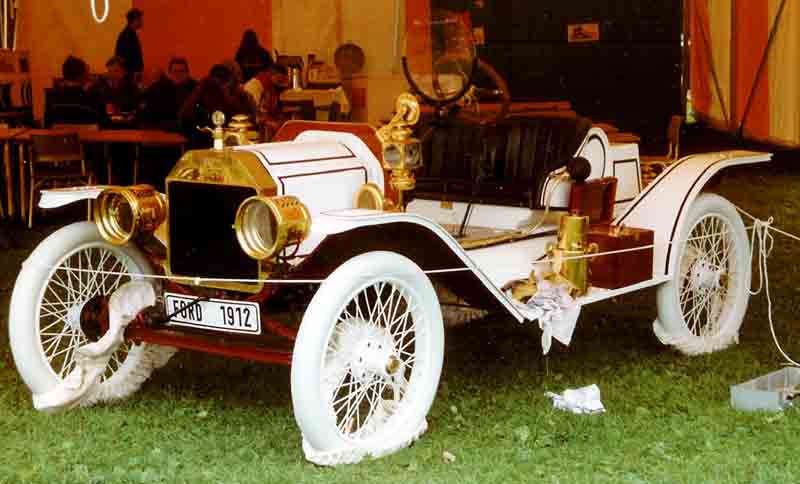
Ford Model T
"You know. I've got the Model T insured too. If I have a fire in the building or..."
The Ford Model T is a very old car from the early days of automobiles. The podcast mentions it because it’s insured, and classic cars often need special insurance. That’s especially relevant when talking about what happens if something like a fire occurs.
The Ford Model T is an early mass-produced automobile that played a major role in making cars affordable and widespread. In the podcast, it’s mentioned in an insurance context, which fits because classic cars are often insured differently due to their value and rarity. That’s why it comes up alongside other vehicles—people are discussing coverage and risk scenarios like fire.
project
"Sold it as a project. 866?"
A "project" car is a vehicle that’s being repaired, modified, or restored over time rather than driven normally. The transcript suggests it was sold before the work was finished, which is common when a project runs out of time or money.
overdrive
"I got a 93 Chevy Silverado driving to work the other day and kicking to overdrive. Kind of kicked back out again a few times... I never got my overdrive back and I'm losing like a cord every two days."
Overdrive is an extra “high gear” in an automatic transmission that helps the engine run slower on the highway. If it keeps turning on and off or won’t come back, something inside the transmission system may be malfunctioning.
Overdrive is a higher gear ratio in an automatic transmission that reduces engine RPM for better efficiency at steady speeds. When overdrive won’t stay engaged or won’t return after shifting, it can indicate issues like low transmission fluid, a sticking valve, or a failing transmission control component.
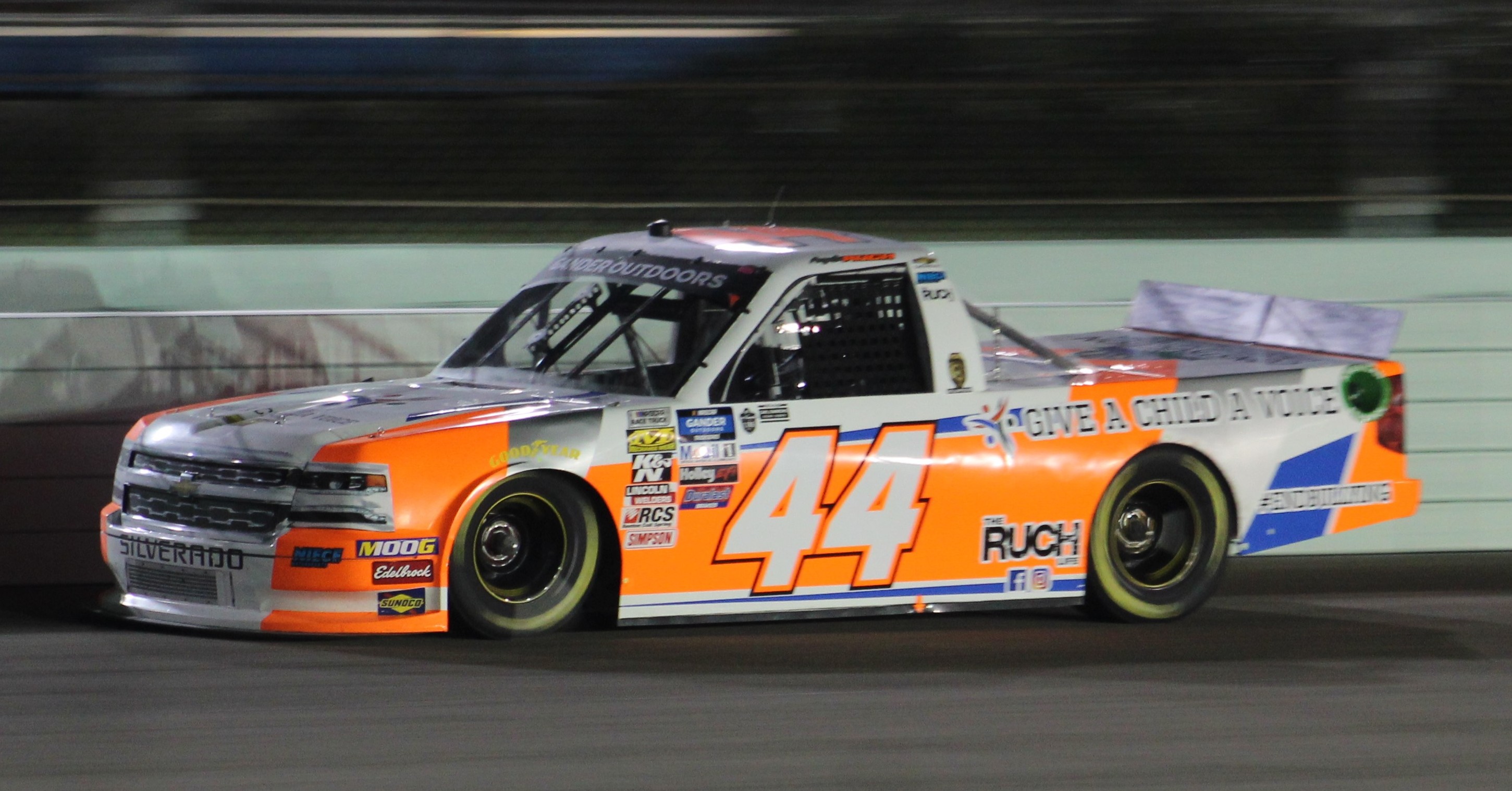
1993 Chevy Silverado
"Yeah. I got a 93 Chevy Silverado driving to work the other day and kicking to overdrive. Kind of kicked back out again a few times."
This is a 1993 Chevrolet Silverado pickup. The “overdrive” is a higher gear used for highway driving, and the fact it keeps switching in and out points to a transmission problem that needs checking.
A 1993 Chevrolet Silverado is a full-size pickup that commonly uses an automatic transmission with an overdrive gear for highway cruising. In this call, the truck “kicking to overdrive” and then dropping back suggests a transmission control or hydraulic issue rather than a simple driving habit problem.
4LC
"The 5.7. Okay. I'm guessing the 4LC."
“4LC” sounds like a code for the specific transmission setup in that truck. It matters because different transmission types use different parts and diagnostic steps.
“4LC” is likely the speaker’s shorthand for a specific transmission/overdrive setup used in that era of GM trucks. Because the transcript doesn’t clearly define it, it’s best treated as a model-specific transmission identifier that would affect troubleshooting and parts selection.
transmission fluid
"If you're losing fluid and you're fluid, there's nothing on the ground... What fluid, by the way? Transmission fluid."
Transmission fluid is the fluid that keeps the transmission moving parts lubricated and helps it shift gears. If the level is low, the transmission may shift wrong or not shift into overdrive, and sometimes leaks don’t leave a big puddle.
Transmission fluid is the hydraulic fluid that lubricates the transmission and provides the pressure needed for shifting. Low fluid can cause delayed or incorrect gear engagement—like overdrive not coming back—while leaks may not always show obvious puddles under the truck.
transfer case
"You're losing it from the transmission into the transfer case. It will come out the rear tail shaft housing, and the pressure from that transmission is greater than the no pressure with no pump in the transfer case, and it'll be filling it up."
The transfer case is part of a 4-wheel-drive system that sends power to the front and rear wheels. It has its own fluid, so if transmission fluid is getting into it, something inside the drivetrain is likely leaking.
A transfer case is the gearbox that sits between the transmission and the axles in a four-wheel-drive vehicle. It splits power to the front and rear driveshafts (and may provide low-range gearing), and it also uses its own fluid—so transmission fluid ending up there can indicate a seal or internal leak.
rear tail shaft housing
"It will come out the rear tail shaft housing, and the pressure from that transmission is greater than the no pressure with no pump in the transfer case, and it'll be filling it up. So if you go, if you've been, if you've been put, and you can only put so much in, because then it's full."
This is the back housing area of the transfer case where the drivetrain output comes out. If fluid is leaking from there, it often means a seal or internal part isn’t holding pressure correctly.
The rear tail shaft housing is the housing at the back of the transfer case that contains the output/tail-shaft area. If fluid is “coming out” there, it usually points to a seal or internal leak path that’s pressurizing the transfer case.
top fill plug
"But if you take the top fill plug where you check that transfer case out and it comes blasting out of there, that's where the fluid is going. If you take it out and you have a pan under it and you get like two quarts out of there before it's back to normal level, that's where it's been going."
The top fill plug is the access point you use to add fluid and check the correct level in the transfer case. If fluid shoots out of it, the transfer case is likely getting too much fluid.
The top fill plug is the service opening used to check and fill the transfer case to the correct fluid level. When the fluid “blasts out” of that plug, it indicates the transfer case is overfilled or being continuously pressurized by fluid coming from the transmission.
vacuum modulator
"The only other possibility is if somebody has replaced this transmission that's in it with something older that has a vacuum modulator on it, then it could be sucking it out through there into the vacuum line of the engine. But this truck didn't have a vacuum modulator."
A vacuum modulator is an older automatic-transmission part that uses engine vacuum to help control how the transmission shifts. If someone swapped in an older transmission, it can cause fluid to get pulled into vacuum lines instead of staying where it should.
A vacuum modulator is a device used on some older automatic transmissions to control shifting and line pressure based on engine vacuum. If a transmission with a vacuum modulator is swapped into a vehicle, it can pull fluid through vacuum lines, creating a leak path that doesn’t match the factory setup.
solenoid
"Because if you lost one solenoid, you're going to lose more than one gear because they do more than one gear. They just on and off in different combinations."
A solenoid is an electronically controlled switch/valve inside an automatic transmission. If one solenoid stops working, the transmission may lose more than one gear because it uses several of these signals together.
A solenoid is an electrically controlled valve that helps route hydraulic pressure inside an automatic transmission. If a solenoid fails, the transmission can lose multiple gears because the control system uses solenoids in combinations to command different gear ratios.

Ford F150
"Awesome. Thank you. Now, Wife has a 2013 F-150. Low mileage, about 54,000, uses it only to cart her horse around mostly."
The Ford F-150 is a large pickup truck. The podcast mentions a 2013 model that’s driven mostly for hauling a horse, which is a practical use case. That kind of routine use can affect what maintenance items you should watch for.
The Ford F-150 is a full-size pickup truck and one of the most common vehicles on the road, often used for both work and personal transportation. In the podcast, a 2013 F-150 with low mileage is mentioned as a vehicle used mainly to transport a horse, which highlights its practical, everyday role. That kind of use can influence maintenance needs and how the truck is evaluated over time.
starter cranked, but it didn't fire
"And I started it up after I'd been sitting for a few days. The starter engine cranked, but it didn't fire. The main engine did not fire."
The starter was turning the engine over, but the engine wouldn’t actually start. That suggests a problem with getting ignition or fuel to the engine, not just the battery.
“Cranked but didn’t fire” means the starter motor spins the engine, but the engine fails to ignite and start. This usually points to an ignition/fuel/sensor issue rather than a dead battery or a mechanical seizure.
rev control
"And then suddenly it did fire and for a brief while I didn't really have good control over the revs. The revs would go up when I was pumping the gas pedal, but wouldn't come down quickly."
They’re talking about how fast the engine spins (RPM). If RPM jumps when you press the gas but doesn’t come back down quickly, something in the engine’s idle/air control isn’t behaving normally.
“Control over the revs” refers to the engine’s RPM (revolutions per minute) responding normally to the throttle. If RPM rises when you press the gas but won’t drop quickly, it can indicate an idle/air control problem (like a throttle body or idle control system issue) or a vacuum/airflow leak.
fuel pressure
"...the act of turning on the ignition will repressurize the fuel line from the fuel pump to, I guess, the engine..."
Fuel pressure is how strongly the fuel system is pushing gas through the fuel line. If pressure drops after the car sits, turning the ignition on a few times can help bring it back so the engine starts.
Fuel pressure is the pressure in the fuel line that ensures the engine can inject the right amount of fuel. Cycling the ignition can temporarily rebuild fuel pressure, which is why the “turn it on, count to ten, off, repeat” method may help if pressure is bleeding off while the car sits.
fuel line
"...turning on the ignition will repressurize the fuel line from the fuel pump to, I guess, the engine."
The fuel line is the tube that carries gas from the pump to the engine. If gas leaks back when the car sits, the engine may not get the pressure it needs to start right away.
The fuel line is the plumbing that carries pressurized fuel from the pump to the engine’s fuel rail/injectors. If fuel drains back into the tank after sitting, pressure in the fuel line drops, which can lead to an “inability to fire when you crank.”

Volkswagen Derby
".... Let's go where we're going, maybe the Kentucky Derby, win some money. But get out of town, get a pric..."
The Volkswagen Derby is a Volkswagen model name. In the podcast, it’s mentioned in a casual way, not as part of a detailed repair or performance topic. So the main point is just that the car is being talked about.
The Volkswagen Derby is a model name used for certain Volkswagen vehicles, and in the podcast it’s brought up in a playful context about going to the Kentucky Derby. That suggests the car is being referenced as part of a broader conversation rather than a deep technical discussion. As a result, it’s likely mentioned for identification or personal context.

Chevrolet Sonic
"Hi. I have a 2015 Chevrolet Sonic LT. And for the last number of months, it actual..."
The Chevrolet Sonic is a small, everyday car. The podcast mentions a 2015 Sonic LT and says there’s been a problem for a few months. That usually means the conversation is about figuring out what’s wrong and how to fix it.
The Chevrolet Sonic is a compact car that’s commonly discussed because it’s affordable and practical for daily driving. In the podcast, a 2015 Sonic LT is mentioned, and the speaker says they’ve had an issue for several months, which points to a troubleshooting or reliability concern. That makes it relevant to listeners who want to understand what problems can show up on a specific model year.
sporadic issue
"[2531.1s] And there's no step pattern since it started. [2533.7s] This is sporadic issue that may happen like a couple trips in a row. [2540.3s] Then it may not happen for a couple of weeks, two or three weeks."
A “sporadic issue” means the problem comes and goes. That makes it tougher to diagnose because it might not happen when you try to check it.
A “sporadic issue” is an intermittent fault that appears randomly rather than consistently. Intermittent drivability problems are often harder to diagnose because they may not reproduce during a shop test, so technicians rely on patterns, freeze-frame data, and electrical checks.
loses some power
"[2546.0s] And I also noticed when it goes through one of these spells, I'll call it, it also loses some power. [2556.7s] Like I can tramp the pedal down to the baseboard and it'll go maximum of like 45 hour an hour."
“Loses some power” means the car doesn’t feel as strong when you press the gas. That can happen when the engine isn’t getting the right fuel/air or when the car detects a problem and limits performance.
“Loses some power” in this context suggests reduced engine output during the fault. When a car feels like it won’t accelerate normally, common causes include fuel delivery problems, ignition/misfire issues, or the engine computer limiting power due to a detected fault.
idles choppy
"[2574.9s] But within the last month, when I turn the ignition on, when I'm first getting ready to leave home, sometimes it'll... [2584.8s] Well, it always idols kind of choppy when I first turn it on. [2588.3s] It's like a choppy idol for like five seconds."
A “choppy idle” is when the engine doesn’t run smoothly at a stoplight or right after you start it. It can feel like it’s shaking or stumbling for a few seconds.
“Choppy idle” means the engine speed and combustion are uneven when the car is stopped or just starting. That can point to issues like misfires, idle-air control problems, or fuel/air problems that affect smooth running at low RPM.
power windows
"[2601.6s] That may be a separate issue. [2603.6s] And also during the course of all this, I lost the ability to draw up two of my power windows. [2612.2s] My one power window hasn't worked for like a couple of years. [2616.3s] These other two stopped working at the same exact time."
Power windows are the windows that go up and down with buttons instead of hand cranks. If two or more stop working together, it usually means there’s an electrical problem affecting the whole system.
Power windows are electrically operated window regulators controlled by switches and a window motor. When multiple windows stop working at the same time, it often suggests a shared electrical supply, a failed switch, or a control/module issue rather than two unrelated window motors.
loss of power
"And I can't remember exactly what we found on this one that did what you're saying, loss of power plus the door lock thing."
“Loss of power” means the car isn’t acting like it should—like it won’t respond normally. Sometimes it’s caused by an electrical problem, not just the engine itself.
“Loss of power” here refers to the car not responding normally—often because an electrical supply or control system fault is limiting operation. On modern cars, power-related issues can be caused by components like ignition switches or by a module failure that disrupts communication.
ignition switch
"You could have a power issue causing this in several things, ignition switch, something causing this."
The ignition switch is what turns the car’s electrical system on. If it’s worn out or failing, parts of the car’s electronics may lose power or act strangely.
An ignition switch is the electrical switch that powers up the car’s systems when you turn the key (or press the start button). If it’s failing, it can cause intermittent power to modules, leading to symptoms like locks, windows, or other electronics acting up.
CAN bus
"...a failure in a module bringing the can bus down so the communication network is getting interrupted."
CAN bus is the car’s communication system—like a shared network that the car’s computers use to talk to each other. If it breaks, multiple features can stop working at the same time.
CAN bus (Controller Area Network) is the car’s internal communication network that lets modules exchange messages. If a module failure “brings the CAN bus down,” other systems may lose communication, causing issues like power windows or door locks not working.
body control module
"I would look at that body control module because you've had door locks, you've had windows, some weird stuff going on... every module in the car said lost communication with BCM with body control module."
The body control module (BCM) is one of the main car computers for body features like locks and windows. If it’s failing, those features can act up and other computers may report communication problems.
The body control module (BCM) is a key computer that manages many body-related functions such as door locks and power windows. If the BCM fails or loses communication on the network, you can see widespread electrical weirdness across the car.
data interruption
"...you're finding that that module has failed and it's causing a data interruption on that line causing it to do this."
A data interruption means the car’s computers aren’t able to exchange messages properly. When that happens, some features may stop working because the system can’t “talk” to the right computer.
A data interruption means messages on the car’s network stop flowing correctly between modules. That can happen when a module is dead, powered incorrectly, or failing internally, leading to symptoms like losing windows/locks and “lost communication” messages.
check engine light
"...did you say whether the check engine lights were coming on or off or not? ... That check engine light's been on for like, it's been on there for years..."
The check engine light (CEL) is the dashboard warning that indicates the engine or emissions control system has stored a fault. In this segment, the hosts note that the CEL can be on for years, which may or may not be related to the body-electronics/network issue being diagnosed.
BCM
"But this has got to be a power or a BCM issue."
BCM means “Body Control Module.” It’s the car’s computer that runs a lot of the electrical features like lights and locks. They’re saying the problem might be connected to that module.
BCM stands for Body Control Module, a computer that manages many of the car’s body electronics like lighting, locks, and various sensor/actuator functions. The speaker suggests the issue could be a power problem or something related to the BCM.
wiring schematic
"There's somewhere that I would have them trace the main, get a wiring schematic out if they don't know and trace the main powers, the main grounds that go to each one of these circuits and check them all."
A wiring schematic is a map of the car’s wiring—what connects to what. The idea is to follow the power and ground wires to find where the problem is.
A wiring schematic is a diagram that shows how electrical components are connected, including power and ground paths. The speaker recommends having the shop pull the correct schematic and trace main power and ground circuits to isolate which part of the system is failing.
transmission band
"And he says the, the band on, on the transmission second plus a little bit. Is that something that easily, easily replaced or do the, because he said it catches sometimes and sometimes it doesn't."
Inside an automatic transmission, there are parts that use friction to control the gears. A “band” is one of those friction parts, and if it’s worn it can cause shifting problems—sometimes you can replace just that band.
A transmission band is a friction element inside an automatic transmission that helps hold or control gears by wrapping around a drum. If the band is worn or damaged, it can cause slipping or harsh/erratic engagement, and the repair may be limited to the band depending on what else is failing.
transmission overhaul kit
"they could take the transmission apart, look at the parts that are worn, replace what needs to be replaced and put it together or get an overhaul kit to do it."
When a transmission is rebuilt, shops often use a kit that includes the common worn-out internal parts. That way they can replace what’s bad and put the transmission back together properly.
An overhaul kit is a package of replacement internal transmission parts (often including friction components and seals) used to rebuild a transmission. The idea is to restore worn components while reusing any parts that still meet spec.
valves
"As long as the valves are still good, the rest of the pump and all that is still good."
Automatic transmissions use fluid pressure to control shifting. “Valves” are the internal parts that direct that fluid, and if they’re still working well, the repair may be simpler.
In an automatic transmission, valves control hydraulic fluid flow to apply clutches and bands for different gear selections. If the valves are still in good condition, a rebuild can focus on worn friction parts rather than replacing the entire transmission.
Request an Explanation
Heard something you'd like explained? We'll add it to this episode.
Sign in to request explanations for terms you heard.
Want to learn more?
Browse our glossary for plain-English explanations of automotive terms, jargon, and concepts.
Help improve this episode
See something that's not quite right? Our annotations are AI-generated and can sometimes miss the mark. Click the flag icon on any annotation to suggest a correction.