
About this episode
The “Cost of Cool” debate turns into a deep look at why Jeep coolness is expensive—financially and practically. Hosts Neil Simpson and Scott Brown break down how “wow factor” (tons/forties, flat fenders, doorless/topless looks, rock/wheel lights) often clashes with daily usability: tire wear, maintenance, comfort, noise, and even legality perceptions from non-Jeep drivers. They also compare generations of Wrangler “comfort upgrades,” discuss capitalism’s role in incremental improvements, and share personal stories—from towing and wheeling to Scott’s near-eye injury and selling his childhood truck.
We want to hear from you, Send us a Text
Being cool behind the wheel comes with a cost—and Jeep owners know it better than anyone. In this episode, we dig into the hidden price of turning heads on the trail and the street. From lifted suspensions and oversized tires to constant upgrades and unexpected repairs, driving a built Jeep isn’t just a vibe—it’s a commitment. Sure, a stock setup might be easier on your wallet and your weekends, but where’s the fun in that? We’re breaking down the real sacrifices that come with ditching stock and chasing that custom look, and why, for many, it’s still worth every penny.
Thanks for listening, give us a review and check us out on YouTube -SFJ4x4 and visit our website to grab some great gear or products for your Jeep, SFJ4x4.com. Don't forget, you can email [email protected] for special content requests, blind react videos, suggestions, special guests, or general questions. Check out our Patreon patreon.com/ISpeakJeep
SFJ 4x4 Studios
"SFJ 4x4 Studios presents ... SFJ 4x4 Studios presents ... A Jeep podcast starring industry experts"
SFJ 4x4 Studios appears to be the production/hosting studio behind the podcast. The “4x4” in the name signals an off-road focus, likely tied to Jeep and other four-wheel-drive builds.
Jeep
"In my oversized four-wheel drive Jeep ... We are really professional with Jeeps ... This is I Speak Jeep"
Jeep is a car brand that’s especially famous for off-road vehicles. When people talk about “Jeep” in podcasts like this, they usually mean trail-capable 4x4s and the gear people add to them.
Jeep is a well-known American off-road brand under Stellantis. In the Jeep community, “Jeep” often refers not just to the badge, but to a whole culture of trail-ready 4x4s and aftermarket upgrades.
four-wheel drive (4x4)
"In my oversized four-wheel drive Jeep ... SFJ 4x4 Studios presents ... In my oversized four-wheel drive Jeep"
Four-wheel drive means power goes to all four wheels. That helps the Jeep grip better on dirt, mud, rocks, or snow so it can keep going when conditions are tough.
Four-wheel drive (4x4) sends power to all four wheels to improve traction on loose, uneven, or slippery surfaces. It’s a key feature for off-road driving because it helps reduce wheel slip and keeps the vehicle moving when one axle loses grip.
drill press
"With mad scientist Scott Brown ... I use my drill press as a sort of lathe ... With mad scientist Scott Brown"
A drill press is a machine that holds a drill bit and drills holes straight and accurately. Here, they’re joking that they use it in a creative way—like a lathe—to work on parts.
A drill press is a stationary machine tool used to drill holes with precision. In this context, the host mentions using it “as a sort of lathe,” which implies repurposing the tool for shaping or machining parts rather than just drilling.
lathe
"I use my drill press as a sort of lathe ... I use my drill press as a sort of lathe"
A lathe is a tool shop machine that spins a part so a cutting tool can shape it. They’re saying they’re using a drill press in a similar way to do some shaping work.
A lathe is a machine tool that spins a workpiece while a cutting tool shapes it, commonly used for turning metal parts to precise dimensions. The transcript’s “sort of lathe” phrasing suggests improvising machining capability for fabrication or repair work.

Jeep Gladiator
"[152.1s] I was wrapping up work on the gladiator [154.8s] After tearing apart the front axle [156.3s] Replacing the seal [157.6s] Now she's ready for our 5,000 mile trip"
A Jeep Gladiator is Jeep’s pickup truck. They’re saying they worked on the front undercarriage/axle area and replaced a seal so the truck is ready for a long drive.
The Jeep Gladiator is a midsize pickup built on Jeep’s Wrangler-based platform. In this segment, the host mentions working on the Gladiator’s front axle and getting it ready for a long trip, which implies drivetrain/underbody maintenance before travel.
front axle
"[152.1s] I was wrapping up work on the gladiator [154.8s] After tearing apart the front axle [156.3s] Replacing the seal"
The front axle is the main hardware that helps the front wheels connect to the rest of the drivetrain. If it’s being taken apart, it’s often because something inside needs repair or a seal is leaking.
The front axle is the assembly that connects the front wheels to the drivetrain and supports steering and suspension loads. When someone “tears apart” the front axle, it usually means they’re servicing internal components or addressing a leak.
seal
"[154.8s] After tearing apart the front axle [156.3s] Replacing the seal [157.6s] Now she's ready for our 5,000 mile trip"
A seal is a rubber or metal barrier that keeps fluids from leaking. If it’s replaced, it usually means the axle/differential was leaking and now it should stay properly lubricated.
A seal prevents fluid from leaking out of a rotating or pressurized area, such as within an axle or differential. Replacing a seal typically restores proper lubrication and helps prevent wear or failure of internal components.
5,000 mile trip
"[157.6s] Now she's ready for our 5,000 mile trip [160.4s] Next week [162.1s] Got the RTT on"
A 5,000-mile trip is a long drive where small problems can turn into big ones. Fixing things like a leaking seal beforehand is a smart way to avoid getting stuck far from home.
A long-distance trip like this is a “stress test” for a vehicle, especially the underbody and drivetrain. Doing axle work and a seal replacement right before a big trip is a practical example of preventative maintenance to reduce the chance of a roadside failure.
RTT
"[160.4s] Next week [162.1s] Got the RTT on [164.1s] And my custom water set up [166.4s] Nevada here we come"
RTT usually means a roof-top tent—basically a tent that sits on top of the vehicle. It’s popular for road trips because you can sleep off the ground, but you have to set it up when you arrive.
RTT commonly means “roof-top tent,” a tent mounted on the roof for camping. It changes how you plan trips because you need clearance, secure mounting, and a setup routine before you park.
Pushing the envelope (automotive design/marketing)
"“You have to be innovative… You have to be pushing the envelope… You have to get people's attention”"
“Pushing the envelope” means trying something bolder than usual to stand out. In cars, that can be exciting, but it can also make the vehicle harder to live with or more expensive.
“Pushing the envelope” means going beyond what’s typical—trying new designs, tech, or styling to stand out. In automotive contexts, it often ties to balancing innovation with real-world usability and cost.
"Wow factor" vehicles
"“And if history teaches us anything… The wow factor vehicles… Are they actually easy to live with every day?”"
Some cars are built to impress—people look at them and say “wow.” But those same features can make the car less convenient or more annoying to live with every day.
“Wow factor” vehicles are the cars that look or feel exciting enough to turn heads, often through styling, size, or standout features. The trade-off is that the same traits that create attention can make daily ownership harder, such as practicality, comfort, or maintenance.
Daily-driver practicality vs show appeal
"“The wow factor vehicles… Are they actually easy to live with every day? Correct”"
A car can be really impressive to look at, but that doesn’t always mean it’s a good car to use every day. Practical stuff like comfort and how easy it is to own can matter more than looks.
This segment contrasts cars that are visually or conceptually “cool” with whether they work well as a daily driver. Listeners may benefit from understanding that fit, comfort, usability, and service costs often matter more than styling when you own a vehicle long-term.
Color-matched (painted) accessories
"“Everything's color matched… Stretch and wide tires…”"
Color-matched parts are pieces on the vehicle painted to match the main body color. It looks cleaner, but if something gets damaged, you may need to repaint to keep the match.
“Color matched” typically means aftermarket or body-related components are finished to match the vehicle’s paint color for a cohesive look. While it improves visual uniformity, it can also increase cost and complicate repairs if parts need repainting.
Stretch and wide tires
"“Everything's color matched… Stretch and wide tires… And all that kind of stuff”"
“Stretch and wide tires” refers to fitting wider tires and/or stretching the tire sidewall to a different wheel width for a more aggressive stance. It can change ride quality, steering feel, and how easily the tire protects the wheel—so it’s not just cosmetic.
"wheeling" (off-road driving)
"“Owning, wheeling, driving a flatty… The actual experience of driving it”"
“Wheeling” means taking the Jeep off-road on trails. It’s about actually using the vehicle in the dirt, not just owning it.
“Wheeling” refers to driving a vehicle off-road, often on trails with obstacles where traction and clearance matter. It’s a core Jeep-culture activity, and the hosts are contrasting it with just owning or looking at a vehicle.
straight piped
"It did not have a radio in it And it's straight piped And it has a rubber work truck package"
“Straight piped” means the exhaust is modified to be louder, usually by removing the muffler. Instead of a quiet, filtered sound, it lets the engine/exhaust noise come through much more. It can be fun, but it’s not great for comfort.
“Straight piped” means removing the muffler(s) and sometimes other exhaust restrictions so exhaust flows with minimal backpressure. The result is typically much louder sound and often a different throttle response. It’s a common mod on older trucks and off-road vehicles, but it can be annoying for daily driving.
rubber work truck package
"And it's straight piped And it has a rubber work truck package Flooring so it's not insulated"
They’re describing a work-focused interior setup, likely rubber flooring or protective surfaces. That kind of package is meant to be easy to clean and handle messes. The downside is it usually doesn’t insulate well, so the ride is louder and less comfortable.
A “rubber work truck package” here sounds like a factory or dealer option focused on durability and easy cleaning—often rubberized flooring or protective mats. The speaker ties it to the lack of insulation, which would make the cabin louder and less comfortable in cold or hot weather. It’s a tradeoff: tougher surfaces for work use vs. comfort.
not insulated
"And it has a rubber work truck package Flooring so it's not insulated ..."
They’re saying the cabin doesn’t have insulation. That usually means it’s louder inside and the temperature doesn’t stay comfortable as well. On a loud exhaust setup, it makes the whole experience harsher.
“Not insulated” refers to the lack of sound-deadening and thermal insulation in the cabin. Without insulation, you typically get more road and engine noise, and the interior temperature swings more in hot or cold weather. This is especially noticeable on straight-piped vehicles.

Tesla Semi
"...ed to drive the truck And it was a cool crew cab semi And it was doing the work"
The Tesla Semi is a large electric truck used to move goods. Instead of using gasoline or diesel, it runs on electricity stored in batteries. It’s mentioned because it’s built to do real trucking work.
The Tesla Semi is an electric heavy-duty truck designed for long-haul freight work. It’s notable because it represents a shift from diesel-powered trucking to battery-electric power for commercial hauling. In the podcast context, it’s brought up as a “cool” truck that’s actually doing the job—meaning it’s discussed in terms of real-world work, not just concept talk.
cool crew cab semi
"And it was a cool crew cab semi And it was doing the work And I liked listening to the exhaust"
A “crew cab” means the truck has rear seats with full-size doors, allowing more passengers than a regular cab. Calling it a “semi” suggests a heavy-duty truck configuration used for hauling, where comfort features like radio and insulation may be minimal.
no air conditioning
"I had no air conditioning And I had no radio Yep"
No air conditioning means the cabin can get hot, especially in summer. That makes long drives less comfortable and can be more tiring.
Lack of air conditioning is a major comfort difference versus most modern vehicles, especially in hot or humid climates. It also changes how people experience long drives—more cabin heat and less ability to reduce fatigue.
little to no insulation
"Yep Has little to no insulation Yep"
Insulation in a vehicle reduces noise and heat transfer, making the cabin quieter and more comfortable. “Little to no insulation” explains why the host could hear the exhaust and engine hum so clearly.
manual
"Rowan gears on a manual... She said... I have half doors... I'm a manual"
“Manual” means you shift gears yourself using a clutch and a stick. Some people like it because it feels more connected to driving, but it can be tiring in stop-and-go traffic.
A “manual” transmission means the driver shifts gears with a clutch pedal and gear lever rather than using an automatic. Manual gearboxes are often associated with more driver involvement, but they can be less convenient in traffic and may affect fuel economy depending on gearing and driving style.
half doors
"A lot of people don't understand... I have half doors... I'm a manual"
“Half doors” are doors that are shorter or removable, so you get more open-air driving. They can be fun and give great visibility, but they may be less comfortable in bad weather.
“Half doors” typically refers to removable or shortened doors found on some Jeep models (most famously certain Wrangler configurations). They change the cabin experience by opening up visibility and airflow, but they can also affect comfort, weather sealing, and security.
gas mileage
"I'm a manual... It doesn't get good gas mileage"
“Gas mileage” means how efficiently the car uses fuel. It depends on how you drive and what the vehicle is set up for.
“Gas mileage” is the fuel economy—how far the vehicle can go per unit of fuel. Off-road-oriented vehicles and manual transmissions can still vary widely in mileage based on tire size, gearing, driving habits, and whether the vehicle is used mostly in city vs highway conditions.
tire noise
"it's quiet... You can hear the radio... There's no tire noise"
“Tire noise” is the sound produced by tires as they roll over the road surface. Comparing a Jeep to a minivan, the host is pointing out that different tires, tread patterns, and cabin sealing can dramatically change perceived quietness.
flapping of the top
"There's no flapping of the top... Yes"
“Flapping of the top” refers to wind noise or movement from a convertible-style or removable roof setup at speed. Vehicles with removable tops can be louder and more sensitive to wind, and the owner is contrasting that with the quieter ride of a minivan.
Generational disconnect of owners
"And so now we have a generational Disconnect of owners And partly of this Is the coolness, like you're saying"
The hosts are talking about how different generations of Jeep owners can see the brand differently. If you start with newer, more refined Jeeps, older Jeeps may seem noisy or outdated—even if they’re part of the Jeep culture.
“Generational disconnect” here means different Jeep generations create different expectations about what a Jeep should be like—comfort, noise, and overall “feel.” The hosts connect this to how newer owners often start with modern models (like JL or even non-Wrangler Jeeps), so older Jeeps can seem less appealing.

Jeep Compass
"Or even yet They'll get a Compass or a Renegade And now they're part of the brand"
The Jeep Compass is a more modern, smaller Jeep crossover. The hosts are saying some people start with one of these and then later look at older Jeeps with different expectations.
The Jeep Compass is a smaller crossover that can serve as a newer entry point into the Jeep brand. The hosts suggest that starting with a Compass (instead of a classic Wrangler) can change how someone views older Jeeps.

Jeep Renegade
"They'll get a Compass or a Renegade And now they're part of the brand"
The Jeep Renegade is a small Jeep crossover. The hosts are using it to show that some people join the Jeep brand through these newer models, which can make older Jeeps feel less exciting to them.
The Jeep Renegade is another compact crossover that can be a first Jeep for people who aren’t coming from the classic Wrangler world. In the discussion, it’s used to explain how brand entry points affect whether older Jeeps seem appealing or “quaint.”

Jeep YJ
"But if we go back and we look at Why the YJ was what the YJ is It was intended to improve upon Everything that that iconic 76, 86 CJ lacked"
The Jeep YJ is a specific Wrangler-era Jeep. The idea is that Jeep redesigned it to be easier to live with—more comfortable and more reliable—so it could appeal to more people.
The Jeep YJ is the Wrangler generation that debuted in the late 1980s and is known for moving the Wrangler toward more comfort and usability. In this segment, the host frames the YJ as an intentional update to address shortcomings of earlier CJ models.

Jeep CJ
"Everything that that iconic 76, 86 CJ lacked It was wider, flatter springs Little lower, better power band"
The Jeep CJ is an older Jeep model line. In this discussion, it’s being used as the “before” example—what Jeep tried to fix when it made the newer YJ.
The Jeep CJ refers to the classic CJ (Civilian Jeep) lineup, especially the 1976–1986 era mentioned here. The host uses it as a baseline for what the later YJ was meant to improve—comfort, drivability, and everyday usability.
Power band
"It was wider, flatter springs Little lower, better power band More reliability Better heater, better wipers"
A “power band” is the range of engine RPM where it makes useful power and torque. When the host says the YJ had a “better power band,” they mean it was tuned or geared to feel stronger and more usable across the RPMs drivers actually use.
Wider, flatter springs
"Everything that that iconic 76, 86 CJ lacked It was wider, flatter springs Little lower, better power band"
Springs are what help the Jeep ride over bumps. Changing them to be “wider” and “flatter” is a way to make the ride feel better and more stable.
Leaf springs control ride height and suspension behavior on many Jeep-era solid-axle setups. “Wider, flatter” suggests a suspension geometry change intended to improve ride comfort and handling while keeping the Jeep capable off-road.
Heater
"More reliability Better heater, better wipers Exactly, right? Had some head air conditioning"
The heater warms the inside of the Jeep. Saying it was “better” means it likely worked more effectively, especially in colder weather.
A “heater” is the cabin heating system that uses engine heat (and/or a heat exchanger) to warm the interior. The host listing “better heater” implies the YJ was improved for cold-weather comfort compared with earlier CJ models.
Wipers
"More reliability Better heater, better wipers Exactly, right? Had some head air conditioning"
Wipers help you see in rain or snow. “Better wipers” means the Jeep likely cleared the windshield more effectively.
Wipers are part of the windshield visibility system, and improvements can mean better wiping performance, speed control, or reliability. Here, “better wipers” is used as evidence that the YJ focused on everyday usability.
Head air conditioning
"Exactly, right? Had some head air conditioning Their intention was to broaden the market"
This is talking about air conditioning for the cabin. The host’s point is that the newer Jeep was trying to feel more comfortable day-to-day.
“Head air conditioning” appears to be a transcription error for “dash” or “cab” air conditioning. The point is that the YJ added or improved cabin A/C, which is a major comfort upgrade versus earlier, more basic Jeep configurations.
Broaden the market / attract a new demographic
"Their intention was to broaden the market And attract a market demographic That previously was not buying jeeps"
This is basically Jeep trying to sell to more than just off-road diehards. They improved comfort and daily usability so more people would want a Jeep.
This is about product strategy: Jeep wasn’t only building for hardcore off-road buyers, but also trying to make the Wrangler platform more appealing to mainstream drivers. Comfort features and everyday improvements are often used to widen the customer base.
coil springs
"I don't like coil springs And so, you know, funny enough You had brought up So people go back to the TJ"
Coil springs are the parts in the suspension that help the Jeep ride smoothly over bumps. If the speaker doesn’t like them, they likely mean the ride feels too stiff or not to their taste.
Coil springs are the suspension springs that support the vehicle’s weight and help control ride height and motion. If someone “doesn’t like coil springs,” they may be referring to ride comfort, harshness, or how the suspension behaves compared with other setups (like different spring rates or aftermarket options).
20 years behind
"I am for some reason Jeep stuff too We're always like 20 years behind Mind it, you know How your Jeep is equipped Or even the public's understanding Of how the process works"
This is about how people don’t always understand the latest Jeep stuff right away. The hosts are saying the community can be slow to catch up on how things work.
“20 years behind” is a cultural/consumer-education concept: the idea that Jeep owners and the broader public often lag in understanding how modern Jeep systems, options, or ownership processes work. It’s less about a specific mechanical issue and more about the learning curve around equipment and features.
tops leak
"[787.5s] All I ever heard was [789.3s] The heaters sucked [790.3s] The tops leak on you [792.2s] Sure, well right"
When people say the top “leaks,” they mean rain or water gets inside the vehicle. With soft tops, this usually happens at the seals or where parts meet, and it can often be improved with proper adjustment and maintenance.
“Tops leak” refers to water intrusion through the soft-top seals, seams, or drainage paths. On Jeep-style soft tops, leaks are often tied to weather stripping condition, alignment, and whether the top is properly latched and maintained.

Jeep Cherokee Grand
"[793.5s] Because you came over [794.2s] From the Cherokee Grand Cherokee world [796.1s] Correct"
They’re talking about a Jeep Grand Cherokee. It’s one of Jeep’s main SUV models, and they’re using it as the background for what they’re comparing to later.
The speaker references the Jeep Grand Cherokee as the context for their experience. The Grand Cherokee is Jeep’s midsize SUV line, and it’s often discussed alongside other Jeep models because of shared heritage and drivetrain options.
soft top vehicle
"[796.5s] This is my first experience [798.0s] With a soft top vehicle [799.2s] And all my dad had told me"
A soft top vehicle uses fabric (or similar flexible material) instead of a hard roof. This changes weather sealing and cabin comfort—especially around wind, rain, and heat—so issues like leaks and heater performance become more noticeable.
car wash
"[811.5s] And I remember literally [813.2s] Going through a car wash [815.1s] I'm not getting wet"
Using a car wash as a test is a practical way to check for water intrusion—especially on soft-top vehicles. If water gets in during washing, it often points to seal wear, poor alignment, or drainage issues.
open-top driving (top off, doors off)
"[837.8s] With the top off [839.0s] And the doors off [840.1s] And it cooled me down [841.3s] And I was like, this is okay"
When you drive with the top and doors off, the car feels much more like being outside. That’s why it can get really hot in traffic, and why cooling systems don’t work as well as they do with everything closed.
Open-top driving with the top and doors removed changes airflow dramatically, making the cabin behave more like an outdoor space. That’s why the host mentions being hot in traffic and then using A/C even with the top off—cooling is possible, but the environment is still largely uncontrolled.
power doors
"[858.1s] Oh, it's a minivan [859.7s] It's got power doors [862.7s] It's power locks"
“Power doors” means the doors can be controlled electrically instead of by hand. Here, it’s being mentioned as a comfort/convenience feature that wasn’t common on earlier Jeeps.
“Power doors” typically means doors that can be operated electrically (often via switches/buttons). In this context, the host is listing convenience features that made the vehicle feel more like a family minivan than a bare-bones Jeep.
power locks
"[859.7s] It's got power doors [862.7s] It's power locks [863.7s] We had never had that before"
Power locks let you lock and unlock the doors with a button or switch. It’s a convenience feature compared with manually locking the doors.
Power locks use electric actuators to lock and unlock the doors, rather than manual linkage. The host is emphasizing that earlier vehicles didn’t have this convenience, while later Jeeps did.
Uconnect
"Let alone the Uconnect stereo system [870.2s] Was improving [871.3s] You make a phone call over your Jeep"
Uconnect is the Jeep’s built-in screen and electronics system. It lets you connect your phone and use things like calls and music through the car.
Uconnect is Stellantis/Chrysler’s infotainment platform used in many Jeep models. It typically combines the touchscreen, audio controls, and phone connectivity so you can place calls and use apps through the vehicle interface.
hard top
"You know, the hard top was a better design [877.1s] Than I've ever before [877.6s] So I think that we are sold"
A hard top is the Jeep’s rigid roof. It’s usually more solid and can feel more secure than a fabric/soft roof.
A hard top is the fixed, rigid roof panel on a Jeep (as opposed to a soft top). The host is arguing that the hard top design is better than what they’ve seen before, likely in terms of structure, fit, or overall feel.
comfort over cool factor
"Do pursue comfort over cool factor [914.0s] And I would say the JK and the JL [916.2s] It's made it a bigger divide [917.9s] Between the cool factor and the norm"
This is about choosing what feels good day-to-day instead of just what looks or feels “cool.” The host is saying some Jeep generations make that tradeoff more obvious.
“Comfort over cool factor” is the idea that buyers often prioritize everyday usability—ride comfort, convenience, and normal driving feel—over the more image-driven or off-road “cool” appeal. The host uses the JK and JL as examples of how Jeep’s character can create a noticeable tradeoff.
heated steering wheel
"[939.7s] Correct [940.5s] They're steering wheels warm [941.8s] How dare they [942.9s] Oh, man, I love that heated steering wheel [944.6s] God, it's my favorite"
Some cars have a steering wheel that gets warm. It uses heat inside the wheel so your hands feel better in cold weather.
A heated steering wheel uses an electric heating element inside the wheel to warm the rim. It’s designed to improve comfort in cold weather and can help reduce numbness during short drives.
"Tons and forties"
"[945.4s] And so ultimately, I think that if we talk [948.4s] About the tons and forties conversation [951.5s] That, and Geog Jeepers says [954.3s] Tons and forties are cool if you use them [957.0s] I think there's a vast majority of people [959.1s] Who just like the pictures [960.9s] They like the look of it, you know, as well ... [971.1s] When it was really hard to put [974.3s] 35s and 37s on a video [976.3s] I was literally just thinking [977.0s] Like back in the day [978.0s] When you had tons and forties"
“Tons and forties” sounds like Jeep slang for the big-tire look—think oversized tires that make a Jeep look tougher. People may chase the style even if they don’t do hardcore off-roading.
“Tons and forties” appears to be slang for a Jeep/4x4 look built around large tires (often roughly 40-inch class). The phrase is used to describe the “cool factor” of big, aggressive tire-and-lift setups, even when the vehicle isn’t necessarily used for extreme off-roading.
35s and 37s
"[969.0s] From back in the day [971.1s] When it was really hard to put [974.3s] 35s and 37s on a video [976.3s] I was literally just thinking [977.0s] Like back in the day [978.0s] When you had tons and forties"
“35s” and “37s” are shorthand for bigger off-road tires. Bigger tires can help off-road, but they can also make the ride and driving feel different on the street.
“35s” and “37s” refer to tire sizes commonly discussed in off-road Jeep culture. Larger numbers generally mean bigger tires, which can improve ground clearance and off-road capability, but also affect ride comfort, steering effort, and fuel economy.
lift kit
"Correct You were a fabricator You were a craftsman ... Order the axles they bolt in Order the lift kit relatively bolts in Fenders, all that"
A lift kit is what you install to raise a Jeep higher off the ground. It usually helps fit bigger tires, but it can also change how the steering and suspension feel, so it may require other adjustments.
A lift kit raises a vehicle’s ride height by changing the suspension geometry and/or adding spacers and longer components. On a Jeep, it’s often paired with larger tires and sometimes axle or steering upgrades to keep everything working correctly at the new height.
axles
"And now we're to a point where you can Set a credit card on fire Order the axles they bolt in Order the lift kit relatively bolts in"
Axles are the parts that connect the drivetrain to the wheels. Upgrading axles can make the Jeep tougher for off-road use, and sometimes it’s done by swapping in a complete axle assembly.
Axles are the components that transmit power from the drivetrain to the wheels and support the vehicle’s weight. When people talk about “ordering axles they bolt in,” they usually mean swapping in upgraded axle assemblies for stronger components or different gear ratios.
fenders
"Order the lift kit relatively bolts in Fenders, all that The world is your oyster"
Fenders are the panels around the wheel area. When you lift a Jeep or run bigger tires, you may need different fenders so the tires don’t rub.
Fenders are the body panels above the wheel openings that help protect the vehicle from rocks, mud, and debris. In lifted builds, fenders are often replaced or modified to provide clearance for larger tires and to match the new stance.
daily drive it
"And you can have a tons and forties or more And relatively daily drive it Where back in the day"
Daily driving means using the Jeep every day for normal errands and commuting. Even if it’s built for off-roading, you still want it to be comfortable and dependable on the road.
“Daily driving” an off-road build means using it for regular commuting and errands, not just weekend trail runs. That changes the requirements—comfort, reliability, and street manners matter more, even if the Jeep still has off-road hardware like a lift and larger tires.
boggers
"I remember, you know, you would have 35s per boggers Sure And that was a trail rig"
“Boggers” are mud/off-road tires with big, chunky tread. They’re great for traction in messy conditions, but they can be noisy and less comfortable on regular roads.
“Boggers” is slang for very aggressive, deep-tread off-road tires designed for soft terrain like mud and sand. They’re typically louder and less efficient on pavement than more street-oriented off-road tires.
trail rig
"And that was a trail rig Right You didn't go to the corner store"
A trail rig is a Jeep that’s built mainly for off-road trails. It’s usually set up for clearance and traction, not for normal daily driving.
A “trail rig” is a vehicle built primarily for off-road trails rather than everyday commuting. It typically prioritizes durability, ground clearance, and traction (often with lift kits, off-road tires, and reinforced drivetrain parts).
wrong impression
"Maybe inappropriately get kind of And conjure up the wrong impression about that Because while you can boot up the computer"
They’re saying it’s easy to get the wrong idea that buying the parts is the same as getting the right outcome. With Jeep builds, the details—fitment and setup—are what make it work well.
The hosts are warning about the misconception that because parts are available (and easy to order), the end result will automatically be correct. In vehicle builds, especially suspension and axle setups, compatibility and correct installation determine whether the vehicle performs safely and as intended.
bolt-in axle
"And you can order your forties You can order a bolt-in axle You can order an air quotes Bolt-in lift kit That doesn't mean that you can make it work well"
A bolt-in axle is an axle replacement that’s meant to install without major fabrication. But you still need to confirm it matches your Jeep’s brakes, wheel fitment, and drivetrain setup so it doesn’t cause vibration or handling issues.
A “bolt-in axle” refers to an axle assembly intended to replace the original axle using existing mounting points and hardware. In practice, axle swaps often require more than just bolting it in—things like brake compatibility, wheel/tire fitment, gearing, and driveline angles can affect whether it works well.
length of modification
"And because the length of modification That was required to do that Is you're just touching more products Are you getting the right recipe?"
The “length of modification” is basically how many extra changes you end up needing after the first big upgrade. A lift or axle change can affect other parts, so you may need more work than you expected to make it drive right.
“Length of modification” here points to how many steps and supporting changes are required to make a big upgrade actually work. Bigger lifts/axle changes usually cascade into other needs—alignment, steering geometry, brake lines, and sometimes drivetrain tuning—so the total effort is more than the first purchase.
intended use of the vehicle
"“And we have a good recipe / That works well with each other / And works well with the intended use of the vehicle”"
It just means you should set up the Jeep for what you’ll really do with it. If you build it for one purpose but drive it for another, you can get problems like rubbing or a worse driving experience.
“Intended use” is the idea that a vehicle should be set up for how you’ll actually drive it—daily commuting, off-roading, towing, or highway cruising. When parts are chosen without matching the vehicle’s real use, you can end up with annoying tradeoffs like poor ride quality or clearance issues.
tires going to rub in the fender wells
"“Am I actually going to be able to turn in a parking lot / Or are the tires going to rub in the fender wells?”"
Tire rub means the tire hits something inside the wheel area when you turn or move the suspension. It usually shows up after lifting, changing wheel/tire sizes, or adding bigger tires.
Tire rub happens when the tire’s size, tread width, or suspension/steering geometry causes contact with nearby body or suspension components—often the fender wells. It’s a common concern when upgrading tires, wheels, or suspension because it can affect drivability and can damage the tire or body.
control arms
"Am I going to hit the control arms and so on and so forth? That's one aspect of actual usability or functionality of having the vehicle"
Control arms are part of the suspension that keeps the wheels positioned correctly. If you scrape or hit them while driving over obstacles, you can bend them and then the car won’t handle as well.
Control arms are suspension links that connect the steering knuckles to the vehicle’s frame or subframe. They help control wheel movement and alignment, so hitting them with a curb or obstacle can cause damage and affect handling.
static vs real-world usability
"Anything can look cool sitting stationary in a picture Static And we as a society I think are easily fooled by that"
A car can look awesome in a photo, but that doesn’t mean it’s practical to live with. Real usability includes things like how often you’ll scrape parts, how tires wear, and whether it’s comfortable and reliable day to day.
The hosts contrast “static” cool—how a vehicle looks parked in photos—with real-world usability, like ground clearance, tire wear, and whether the suspension geometry survives daily driving. It’s a reminder that modifications should be evaluated in how they behave under normal use, not just in pictures.
tire wear from larger/aggressive tires
"He daily drives a tonned out 40, you know, 39 He has two sets of tires Yup Because he goes through tires so frequently Because the bigger the tire, the more propensity for wear that just exists"
Bigger and more aggressive tires usually wear out faster. Many off-road owners keep two sets of tires: tougher ones for trails and smoother ones for everyday driving to save money and reduce wear.
The segment explains that larger tires and more aggressive tread patterns tend to wear faster, especially when used for daily driving. Off-road setups often use two tire sets—aggressive tires for wheeling and less aggressive tires for commuting—to balance traction needs with longevity.
tire carriers
"And they're eight lug now So he has tire carriers had the change We had to do some R&D and stuff for simple things like a license plate bracket"
A tire carrier is the mount that holds your spare tire on the outside of the vehicle. If it’s not designed and installed well, it can rattle, rub, or even stress the mounting area over time.
Tire carriers are the hardware (often a swing-out or rear-mounted bracket) used to carry spare tires on the vehicle. They’re common on off-road builds, but they can require careful fitment and reinforcement because they add weight and stress to mounting points.
eight lug
"And they're eight lug now So he has tire carriers had the change We had to do some R&D and stuff for simple things like a license plate bracket"
“Eight lug” means the wheel attaches with eight bolts/studs instead of fewer. That changes what wheels and spare-tire parts will fit, so you can’t just swap components without checking compatibility.
“Eight lug” refers to a wheel hub pattern with eight studs/bolts, which is typical on many heavy-duty and off-road applications. Changing to an eight-lug setup can affect wheel/tire compatibility, brake hardware, and how spare-tire carriers and mounting components are designed.
license plate bracket
"We had to do some R&D and stuff for simple things like a license plate bracket 100% And a lot of people don't think about the license plate bracket piece"
The license plate bracket is the part that holds your license plate in place. When a Jeep is modified, the bracket may not fit right anymore, so you might need a custom solution so the plate sits correctly and doesn’t interfere with other parts.
A license plate bracket is the mounting hardware that holds the front or rear plate. On modified off-road vehicles—especially those with tire carriers or changed bodywork—fitment can become tricky, requiring custom brackets or development work to ensure proper placement and clearance.
low center of gravity
"And that could even be a 37 or a 38 that's on a low center of gravity build... But we don't want to decrease our low center of gravity or our steering geometry"
Your center of gravity is basically where the car feels “balanced.” Keeping it low helps the Jeep feel more stable and less tippy, even when you add lift and bigger tires.
Low center of gravity (CG) helps a vehicle feel stable by reducing body roll and rollover risk. Lift kits and bigger tires can raise the CG, so builders try to increase clearance without ruining handling or steering geometry.
37 or 38 tires
"And that could even be a 37 or a 38 that's on a low center of gravity build... But we now have to fine tune the bump stops"
“37s” and “38s” are huge off-road tires. They look cool and help off-road, but they can rub on the body and usually require suspension setup to fit correctly.
Tire sizes like 37-inch or 38-inch refer to very large off-road tires commonly used on lifted Jeeps. Bigger tires increase clearance and stance, but they also raise the vehicle’s effective mass and can require suspension tuning (like bump stops) to prevent rubbing.
bump stops
"But we now have to fine tune the bump stops. You don't want to, you know, constantly, you know, have no up travel and the tire eat the fender flare"
Bump stops are like safety cushions for the suspension. They keep the suspension from compressing too far, which helps stop big tires from rubbing the fender when you hit bumps or go off-road.
Bump stops are rubber or hydraulic components that limit how far the suspension can compress. When you lift a Jeep and run larger tires, you often need to fine-tune bump stop height/shape so you keep suspension travel while preventing the tire from contacting the fender flare or other body parts.
steering geometry
"But we don't want to decrease our low center of gravity or our steering geometry"
Steering geometry is the “math” of how your wheels are aimed and how they move. When you lift a Jeep or change tire sizes, that math can get off, which can make steering less precise or cause faster tire wear.
Steering geometry refers to the suspension and alignment angles that determine how the wheels point and how they track over bumps. Lifts, tire size changes, and suspension changes can alter angles like caster, camber, and toe, which can affect steering feel, tire wear, and stability.
cool factor / street cred
"But he does it because he loves the cool factor of having his Swiss Army knife jeep... And immediately he has street cred"
They’re talking about how a Jeep build can become a status symbol. When you invest in big tires and upgrades, people notice—and that can also lead to extra spending over time.
The segment is discussing how personalization and off-road hardware (tires, wheels, axles, lift kit, stereo) create social signaling—what the hosts call “cool factor” and “street cred.” In Jeep culture, these builds can become a visible identity, which can drive ongoing costs like frequent tire replacement.
embracing the suck
"And they're really embracing the suck of the flat fender If you're not getting whiplash and your spine isn't broken, are you really wheeling?"
“Embracing the suck” means you’re basically saying, “Yeah, this is uncomfortable and messy, and I’m okay with that.” In off-roading, people see that as part of the fun and the toughness.
“Embracing the suck” is off-road slang for accepting the uncomfortable, messy, and punishing parts of wheeling—bouncing, noise, heat, and risk—as part of the experience. It frames difficulty as a badge of authenticity rather than something to avoid.
rigid mount C
"Right, with your rigid mount C"
“Rigid mount” typically refers to a body or component mounted with minimal isolation, which can increase vibration and harshness compared to softer mounts. In off-road contexts, it can also imply a setup that’s meant to be more durable under stress, but it may feel rough on-road.
no windshield
"The jacket, the topless ... I had no windshield because I wanted to endure the suck"
“No windshield” means the Jeep is driven without the front glass. It feels more open and can be cooler, but you get less protection from bugs, wind, and flying debris.
Running “no windshield” is a common off-road/Jeep-culture modification for openness and ventilation, and to reduce obstruction when crawling or when you want a more raw, exposed driving experience. The tradeoff is less protection from rocks, debris, and wind.
Consumer Reports-style reliability and cost rankings
"And you see the reflected on a lot of consumer reports and that kind of stuff... Of like most maintenance or most this or worse gas mileage or that kind of stuff"
They’re discussing how car review sites and reports rank cars by things like maintenance cost and fuel economy. The point is that those numbers don’t always explain why someone would still choose a Jeep.
The hosts talk about how consumer-facing publications and lists (like “most maintenance,” “worse gas mileage,” and reliability rankings) shape perceptions of ownership costs. They’re pushing back on the idea that those metrics fully explain why people choose Jeeps.
Trade-offs between fuel economy and reliability vs off-road lifestyle
"I gotta be honest, JL owners still is just not it... They're giving up fuel economy... They're giving up the reliability of this 300,000 mile Toyota"
They’re saying that picking a Jeep for the lifestyle/off-roading can come with downsides like worse gas mileage and potentially less reliability than a typical everyday car. It’s about choosing what you value most.
The hosts describe a common ownership trade-off: choosing a vehicle for off-road capability and “cool” can mean worse fuel economy and different reliability expectations than a mainstream commuter. They frame this as part of why Jeep ownership is “fringe.”
wheel in your flannel in your willies flat fender
"If all you ever do is go out and wheel in your flannel in your willies flat fender..."
They’re talking about a Jeep culture vibe: dressing a certain way and driving a classic-looking Jeep for off-roading. The point is that the “cool” is tied to the whole scene, not just the car.
This phrase is describing a specific off-road “look” and activity loop—going wheeling in casual clothing while driving a classic-style “flat fender” Jeep. It’s an example of how subcultures build identity around both the vehicle and the lifestyle around it.
flatties and whatnot
"...Which is why two years ago at the willies reunion... Which is why two years ago at the willies reunion..."
“Flatties” is slang for Jeeps with flat-fender styling, usually tied to the classic Willys-era look. People use it to talk about a specific kind of classic Jeep vibe.
“Flatties” is Jeep-slang for flat-fender style Jeeps—typically referring to classic Willys-era bodywork or flat-fender conversions. The term matters because it signals a particular historical aesthetic and off-road heritage within the Jeep community.
willies reunion
"Which is why two years ago at the willies reunion... The battle cry was drive them Jeeps..."
They’re referencing a Jeep community get-together focused on Willys-style Jeeps. The discussion uses it as an example of how the group decides what’s “cool.”
The “willies reunion” is a community event reference, likely centered on Willys-themed Jeeps and enthusiasts. In context, it’s used to explain how Jeep “cool” is reinforced by who shows up and what vehicles represent.
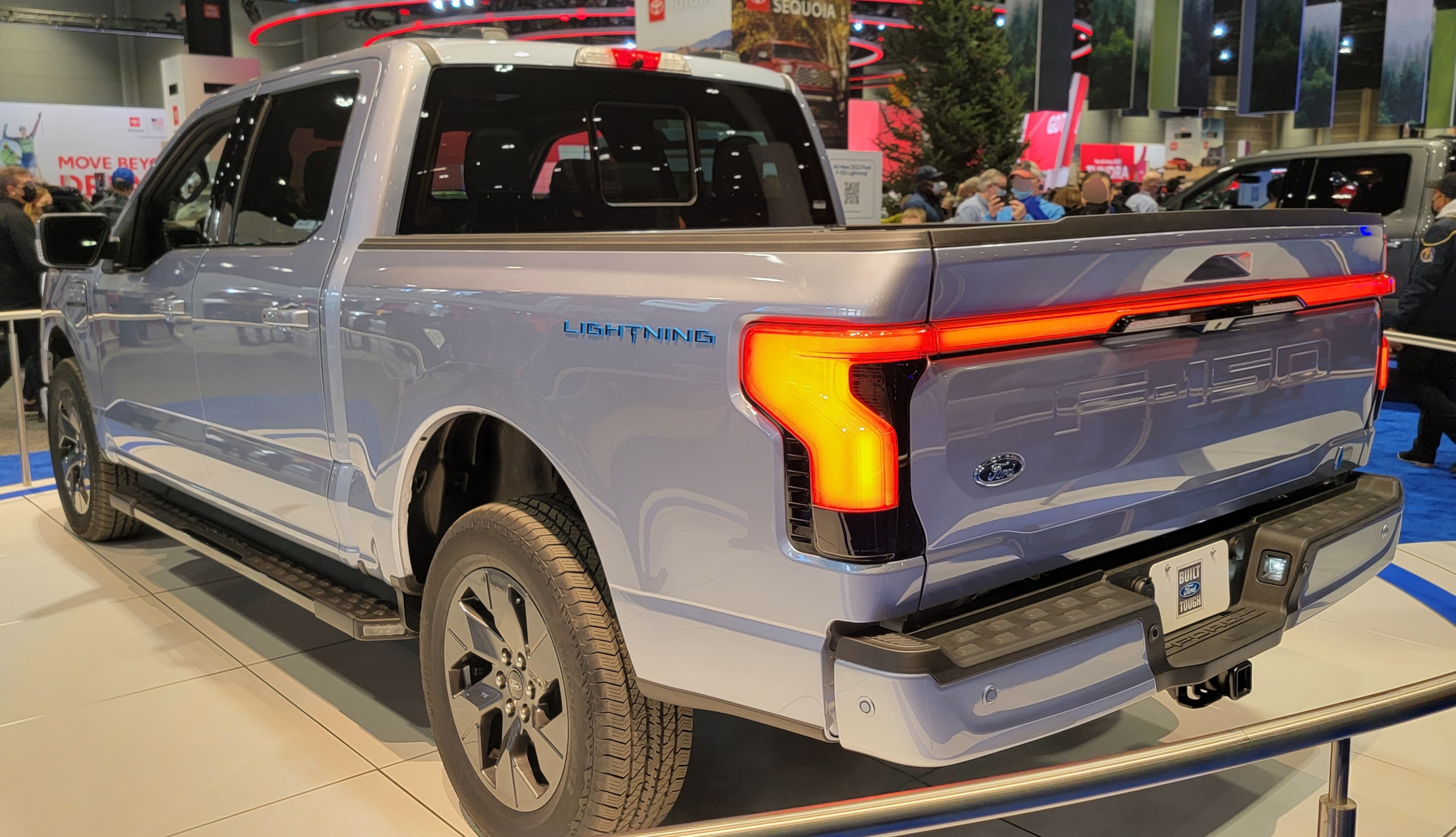
Ford F150
"So they jumped into their F-150 with the nice leather interior And they had a small trailer and they trailed their flatty in"
The Ford F-150 is a popular big pickup truck. People use it to pull trailers and tow other cars to places like off-road events.
The Ford F-150 is a full-size pickup truck commonly used for towing and road trips to off-road events. In this segment, it’s described as the tow vehicle with a small trailer, hauling another vehicle to the event.
wheeling hotspot
"And they would park at the hotel and then they would drive that flatty around their local wheeling hotspot And they called themselves to task"
A “wheeling hotspot” refers to a local off-road area where enthusiasts go for trail driving (often with obstacles like mud, rocks, and ruts). These spots become destinations for events and meetups, which is why they’re towing and driving the Jeep to the location.
monsoon
"It's always like a monsoon every time they do that too Oh my gosh And I've driven my flatty in those said monsoons and whatnot"
A “monsoon” here is used to describe intense, heavy rainfall conditions. For driving, that kind of downpour increases the risk of hydroplaning and reduces visibility and traction.
hydroplained
"I've driven my flatty in those said monsoons and whatnot I've done all of that I've hydroplained it The steering sucks in the rain"
Hydroplaning is when your tires can’t grip the road because there’s too much water. The car can feel like it’s sliding, and steering may not respond the way you expect.
Hydroplaning happens when water builds up between the tires and the road surface, causing the tires to lose contact and “float” on a thin film of water. It’s especially likely at higher speeds or on worn tires, and it can make steering feel vague or unresponsive.
make a good deal and let it go on its way
"And I've recently, yet again, I'm really trying to commit to this And make a good deal and let it go on its way I'm trying, I'm really trying hard folks"
They’re talking about selling the vehicle. The goal is to get a fair price and pass it to someone who will actually use it.
This phrase describes selling a vehicle to a new owner, likely after using it for years. In enthusiast circles, that often means finding the right buyer so the car continues to be used rather than sitting idle.
posh truck
"I'm actually selling it so that I could get into a more posh comfy vehicle [1640.0s] But that's in part because I want to be able to more comfortably [1648.0s] Get into my rig and run coast to coast"
“Posh truck” just means a nicer, more comfortable truck. They’re talking about choosing comfort and amenities over a rougher ride.
“Posh truck” is informal for a more comfortable, higher-end truck setup—typically emphasizing cabin comfort, amenities, and ride quality. The speaker uses it to compare comfort-focused choices against the harsher reality of less comfortable rigs.
coast to coast
"But that's in part because I want to be able to more comfortably [1648.0s] Get into my rig and run coast to coast in north to south"
“Coast to coast” just means a very long road trip across the country. The point is that the vehicle needs to be comfortable for hours and hours of driving.
“Coast to coast” refers to long-distance driving across a large region (in the U.S., typically from one coast to the other). It’s relevant here because the speaker is choosing a vehicle based on comfort and usability for extended highway trips.

Dodge Journey
"...e what I appreciate And not exactly the enduring journey And this is always the grass is greener concept"
The Dodge Journey is a crossover SUV meant for everyday family use. It’s the kind of vehicle people consider for practical transportation. In the podcast, it’s mentioned in a comparison about whether a choice really lives up to expectations over time.
The Dodge Journey is a midsize crossover SUV that was built for family-oriented daily driving. It comes up in conversation because it can be seen as a practical option, but the podcast context suggests a comparison to the idea of “enduring” versus something that feels like it doesn’t last as well or doesn’t match expectations. That’s why it’s referenced alongside the “grass is greener” theme.
enduring journey
"I want my destination to be what I appreciate [1659.6s] And not exactly the enduring journey [1663.3s] And this is always the grass is greener concept"
They’re contrasting the trip itself with just caring about where you end up. It’s basically saying the drive matters too, not only the destination.
“Enduring journey” contrasts with focusing only on the destination. In a vehicle context, it highlights the tradeoff between chasing comfort/arriving “cool” versus valuing the experience of the drive itself.
grass is greener concept
"And this is always the grass is greener concept [1666.4s] You literally have somebody in a posh truck comfortable"
It’s the mindset that someone else’s life looks better than yours. You might want a different truck or lifestyle because it seems more comfortable, but you don’t see all the downsides.
The “grass is greener” concept is the idea that another person’s situation looks better from the outside. In car/trucking terms, it often shows up as wanting a different vehicle or lifestyle because it seems more comfortable or impressive, even if the day-to-day reality is different.
roll down the window
"And I could like roll down the window over there because somebody needed to say something [1691.5s] Yes [1692.2s] So it's all relative"
Rolling down the window is a simple way to get air into the cabin. They’re basically saying it’s not as comfortable as having A/C.
Rolling down the window is a basic alternative to A/C for cooling the cabin. The speaker contrasts this with the comfort of having A/C, implying that the “less posh” truck relies on ventilation rather than climate control.
race industry
"And you know, I try to keep him in perspective as something that I was exposed to years ago [1704.7s] And it was about the race industry, that was what stood out to me [1710.1s] Absolutely"
The “race industry” refers to the broader ecosystem around motorsports—teams, trailers, logistics, and the lifestyle that comes with racing. The speaker uses it to frame their perspective on comfort and “cool,” contrasting everyday driving with the high-budget world of racing.
race trailer
"The guy in the million dollar race trailer that, you know, just [1716.6s] He's got his cold brew in his hand out of the fridge"
A race trailer is a specialized enclosed trailer used to transport equipment, tools, and sometimes living space for motorsports events. In the transcript, it’s used to illustrate the “million dollar” level of resources and comfort associated with professional racing.
cold brew
"The guy in the million dollar race trailer that, you know, just [1716.6s] He's got his cold brew in his hand out of the fridge"
Cold brew is just a type of coffee served cold. They mention it to paint a picture of comfort and luxury, not anything technical about cars.
“Cold brew” is mentioned as a lifestyle detail (a chilled drink from a fridge) rather than an automotive feature. It supports the speaker’s point about comfort and affluence in the racing/trucking world.
rusted out square body
"And then you got the guy with the rusted out square body [1735.1s] With the used garden trailer that's sort of working for a car hauler with the truck"
“Square body” is a common nickname for certain GM truck generations with boxy styling, and “rusted out” highlights the reality of corrosion on older vehicles. In the context of this story, it emphasizes how improvised setups and worn-out equipment are part of grassroots racing.
wheel just fell off
"The wheel just fell off the race car and him and his buddies pushed it on [1744.6s] And they got like lukewarm drinks and they're all just destroyed"
A wheel coming off is a serious mechanical failure, usually tied to a loose hub/bearing, failing wheel studs, or improper mounting. The hosts use it as a vivid example of how chaotic and dangerous race weekends can be, especially with older or improvised equipment.
Request an Explanation
Heard something you'd like explained? We'll add it to this episode.
Sign in to request explanations for terms you heard.
Want to learn more?
Browse our glossary for plain-English explanations of automotive terms, jargon, and concepts.
Help improve this episode
See something that's not quite right? Our annotations are AI-generated and can sometimes miss the mark. Click the flag icon on any annotation to suggest a correction.
1 community members have helped improve this episode.