Portaluppi on F&I Pay Plans, Fusco on Pricing Transparency, Crain on Video MPI | Daily Dealer Live
About this episode
Dealership leaders and compliance experts break down what’s changing across F&I, fixed ops, and pricing rules. Doug Fusco explains why compliance failures come down to “execution,” and how privacy, credit consent, and fraud workflows (including ID verification and “dead deals”) drive FTC exposure. On the commercial side, guests connect service-contract/VSC goals and revamped F&I pay plans to retention, while video MPI is tied to higher customer pay, service gross, and parts. Pricing tools like Feesync and TrueCar’s all-in displays aim to simplify FTC advertised-pricing compliance.
gas to liquids (GTL)
"affected by the straight of Hormuz closure and Qatar's Pearl GTL. That's the world's largest gas to liquids plant has been seriously damaged and taken offline indefinitely."
Gas to liquids (GTL) is a process that converts natural gas into liquid fuels or feedstocks. In the segment, Qatar’s Pearl GTL plant is cited as being damaged, which matters because those liquid products/feedstocks can feed into motor-oil production supply chains.
Toyota
"Toyota dealers received an internal bulletin dated April 30th instructing service managers to substitute certain oil viscosities for one service interval with 20% of vehicles requiring OW8 temporarily receiving OW16."
Toyota is mentioned because it told its dealers how to handle a shortage of motor oil. The guidance includes using a different oil grade temporarily for some cars.
Toyota is referenced as issuing an internal bulletin to dealers on how to handle a motor-oil shortage by substituting oil viscosity grades for certain service intervals. This is a practical example of how supply disruptions can change routine service parts/fluids.
motor oil viscosity
"Toyota dealers received an internal bulletin dated April 30th instructing service managers to substitute certain oil viscosities for one service interval with 20% of vehicles requiring OW8 temporarily receiving OW16."
Viscosity is basically how thick the oil is. Thicker or thinner oil changes how well it lubricates the engine, especially when the engine is cold.
Motor oil viscosity is how thick the oil is and how it flows at different temperatures. Automakers specify a viscosity grade for each service interval so the engine gets the right lubrication under cold starts and at operating temperature.
OW-16
"Toyota dealers received an internal bulletin dated April 30th instructing service managers to substitute certain oil viscosities for one service interval with 20% of vehicles requiring OW8 temporarily receiving OW16."
OW-16 is a different oil grade label. It’s being used as a temporary substitute when the usual oil grade can’t be supplied.
OW-16 (often written as 0W-16) is another motor-oil viscosity grade, used to describe how the oil flows in cold conditions and how it behaves at operating temperature. The transcript says Nissan/Toyota bulletins are temporarily substituting this grade when the originally specified oil isn’t available.
OW-8
"Toyota dealers received an internal bulletin dated April 30th instructing service managers to substitute certain oil viscosities for one service interval with 20% of vehicles requiring OW8 temporarily receiving OW16."
OW-8 is an oil label that tells you how the oil behaves when it’s cold. The hosts are saying some cars are being switched to a different oil grade temporarily because of shortages.
OW-8 (often written as 0W-8) is a motor-oil viscosity grade that indicates the oil’s flow behavior in cold temperatures. In this segment, Toyota is temporarily moving some vehicles from OW-8 to a different grade due to supply constraints.
genuine oil allocations
"Nissan's May 1st bulletin cap genuine oil allocations at 55% of year ago purchased volumes for dealers. The priority right now is proactive communication with customers and close coordination with suppliers before the situation gets even tighter than it is today."
Allocations mean how much of a specific product a dealer is allowed to receive. When supply is tight, the manufacturer limits how much each dealer can order.
Dealer allocations are the limited quantities of parts or fluids a manufacturer agrees to supply to each dealer. Capping “genuine oil” allocations at a percentage of last year’s purchased volumes is a way to ration scarce inventory during a shortage.
dealer retail sales growth
"that automaker closed fiscal year 2025 with 12 consecutive months of dealer retail sales growth. That's a 19.6% year-over-year jump in retail market share and more than 43,000 additional retail units sold compared to the year prior."
This is about how many cars dealers actually sell to regular customers. The hosts use it to show whether a brand is gaining traction with buyers.
Dealer retail sales growth measures how many vehicles dealers sell to end customers, not just how many vehicles are shipped or sold to other businesses. The segment uses it to describe Nissan’s performance and market share gains.
Nissan
"Now for some good news and this out of Nissan, that automaker closed fiscal year 2025 with 12 consecutive months of dealer retail sales growth."
Nissan is the car brand in the news here. They’re talking about both oil supply guidance for dealers and Nissan’s sales strategy in 2025.
Nissan is the automaker discussed for its 2025 dealer retail sales growth and for issuing dealer bulletins related to motor-oil supply. The segment ties Nissan’s sales strategy to shifting away from fleet sales and increasing U.S. localization.
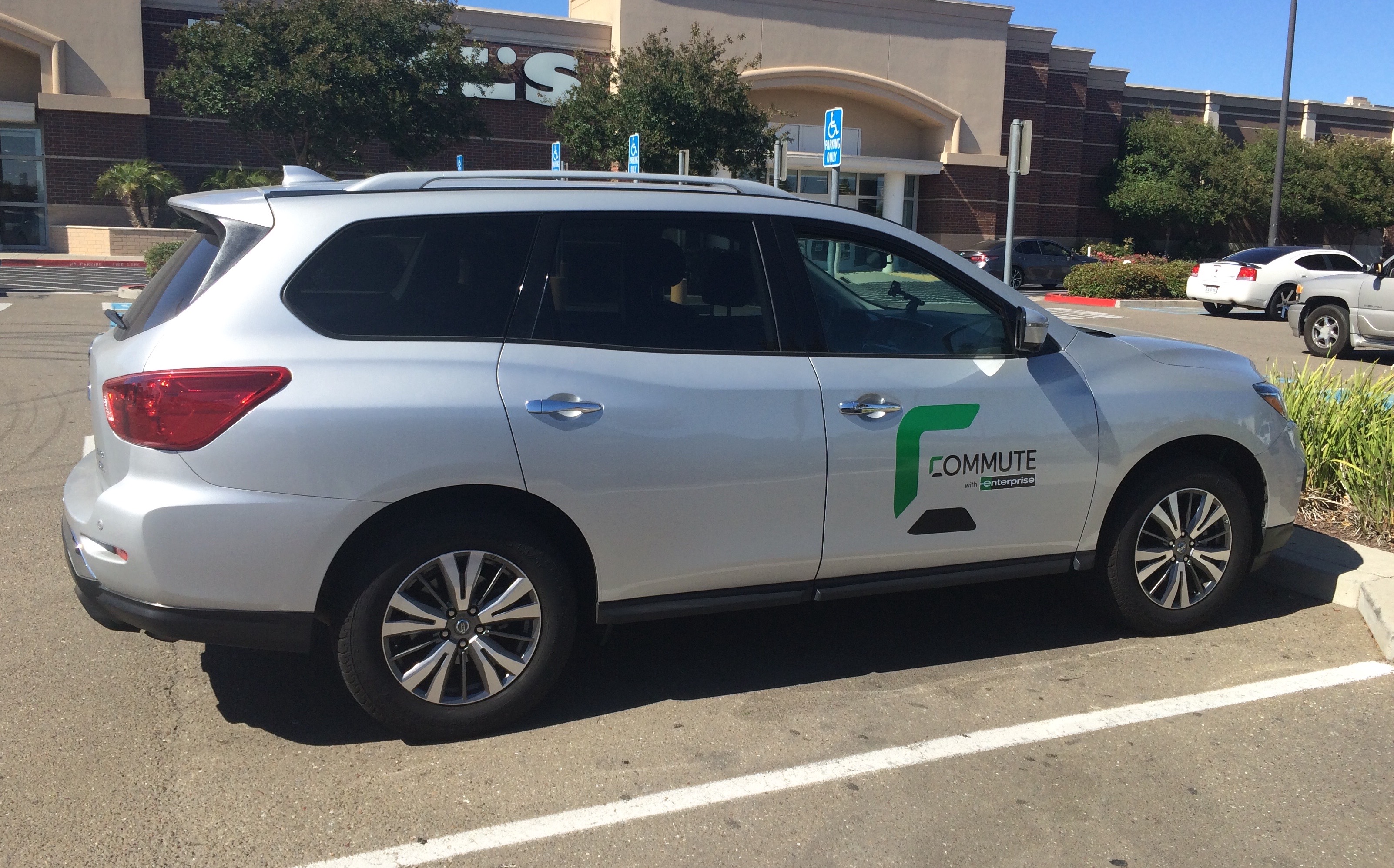
Nissan Pathfinder
"...s were led by trucks and SUVs. Armada was up 72%, Pathfinder up 44%, Rogue 17% and Frontier was up 15%. This i..."
The Nissan Pathfinder is a larger SUV that can carry more people, usually with three rows of seats. It’s the kind of vehicle dealerships watch because it sells well when families are shopping for bigger SUVs. The podcast mentions it as part of a group of Nissan models that saw sales increases.
The Nissan Pathfinder is a three-row midsize SUV aimed at families who need more seating and cargo space. It’s frequently discussed because sales performance and market demand for SUVs can shift quickly, and the Pathfinder is one of Nissan’s key volume models. In the podcast, it’s mentioned alongside other Nissan vehicles as part of a broader sales gain story.

Nissan Armada
"...e in 2025. The gains were led by trucks and SUVs. Armada was up 72%, Pathfinder up 44%, Rogue 17% and Fron..."
The Nissan Armada is a big SUV with three rows of seats, made for carrying more people. It’s also built for heavier-duty needs like towing and hauling compared with smaller SUVs. The podcast mentions it because its sales increased significantly.
The Nissan Armada is a full-size, three-row SUV intended for buyers who need maximum passenger space and towing/hauling ability. It’s a key part of Nissan’s truck-and-SUV lineup, which is why sales performance for the Armada gets called out in dealership discussions. In the podcast, it’s specifically noted as having a large percentage increase in sales.

Nissan Frontier
"...mada was up 72%, Pathfinder up 44%, Rogue 17% and Frontier was up 15%. This is all part of the re-Nissan del..."
The Nissan Frontier is a pickup truck, meaning it has a cargo bed for hauling things. It’s designed for people who want truck capability without going to the biggest truck sizes. The podcast brings it up because it also saw sales growth compared with other Nissan models.
The Nissan Frontier is a midsize pickup truck built for work and weekend use, typically offering good capability without the size of a full-size truck. It’s mentioned in the podcast alongside other Nissan models as part of a sales-growth breakdown. That kind of comparison helps show which segments—trucks versus SUVs—are performing best.

Nissan Rogue
"...s and SUVs. Armada was up 72%, Pathfinder up 44%, Rogue 17% and Frontier was up 15%. This is all part of ..."
The Nissan Rogue is a smaller SUV meant for regular daily driving. It’s popular because it’s practical and fits well for many drivers. In the podcast, it’s mentioned as one of the Nissan models that increased in sales.
The Nissan Rogue is a compact SUV that’s designed for everyday commuting, easier parking, and strong practicality. It’s often a major sales driver for Nissan because it appeals to a wide range of buyers looking for a smaller crossover. The podcast references it in the context of sales gains for Nissan SUVs.
fleet sales
"This is all part of the re-Nissan deliberate shift toward dealer retail and shutting fleet sales. US localization climbed from 44% to a peak of 65 during the fiscal year, cutting tariff exposure significantly."
Fleet sales are when companies buy cars in bulk for their own use. Retail sales are what individual customers buy from dealers.
Fleet sales are vehicle purchases by businesses or organizations (like rental companies, companies, or government fleets) rather than individual retail buyers. The segment contrasts fleet sales with dealer retail sales growth as part of Nissan’s shift in sales strategy.
Stellanus
"Next up today, Stellanus is set to unveil its new strategic plan Thursday at the company's Capital Markets Day and based on what Reuters is reporting ahead of it, the US is central to the turnaround story."
They’re talking about a company planning a big strategy update. The point is that the company wants to focus on certain brands and the U.S. market.
Stellanus is discussed as the company preparing a strategic plan at a Capital Markets Day. The segment frames it as a turnaround effort centered on the U.S. and a focus on specific brand groups.
Jeep
"CEO Antonio Fallosia is expected to outline a focus on four core brands, Jeep, Ram, Peugeot and Fiat out of the 14 brand global portfolio along with expanded joint ventures with Chinese automakers to reduce costs and utilize idle capacity. In 2025, Jeep accounted for 47% of US sales"
Jeep is a car brand. They’re saying it’s a key part of the company’s plan and that it’s selling well in the U.S.
Jeep is one of the core brands the CEO is expected to emphasize in the company’s turnaround plan. The segment also uses Jeep’s U.S. sales share as an example of brand momentum.
Fiat
"CEO Antonio Fallosia is expected to outline a focus on four core brands, Jeep, Ram, Peugeot and Fiat out of the 14 brand global portfolio along with expanded joint ventures with Chinese automakers to reduce costs and utilize idle capacity."
Fiat is a car brand. They’re saying it’s one of the brands the company plans to focus on in its new strategy.
Fiat is listed among the core brands expected to be part of the strategic plan. In this segment, it’s part of a brand portfolio reshaping tied to U.S. focus and partnerships.
Peugeot
"CEO Antonio Fallosia is expected to outline a focus on four core brands, Jeep, Ram, Peugeot and Fiat out of the 14 brand global portfolio along with expanded joint ventures with Chinese automakers to reduce costs and utilize idle capacity."
Peugeot is a car brand. It’s being called out as one of the brands the company wants to prioritize.
Peugeot is mentioned as one of the four core brands expected to be emphasized in the strategic plan. The segment frames this as part of a broader turnaround and cost strategy.
Ram
"CEO Antonio Fallosia is expected to outline a focus on four core brands, Jeep, Ram, Peugeot and Fiat out of the 14 brand global portfolio along with expanded joint ventures with Chinese automakers to reduce costs and utilize idle capacity."
Ram is a truck-focused car brand. They’re listing it as a key brand in the company’s new strategy.
Ram is named as one of the core brands in the expected strategic plan. The context is brand-level focus tied to U.S. sales and cost reduction efforts.

Jeep Brands Jeep
"and based on what Reuters is reporting ahead of it, the US is central to the turnaround story. CEO Antonio Fallosia is expected to outline a focus on four core brands, Jeep, Ram, Peugeot and Fiat out of the 14 brand global portfolio along with expanded joint ventures with Chinese automakers"
The Jeep Grand Cherokee is an SUV made for people who want a comfortable ride with options for tougher roads. It’s a well-known Jeep model, so it shows up when companies talk about improving or refocusing their brand. The podcast mentions it in the context of a larger plan for Jeep as a core brand.
The Jeep Grand Cherokee is a midsize SUV that’s positioned as a more premium option within the Jeep lineup, with available off-road capability and multiple trims. It’s often discussed in business and product strategy coverage because it’s a high-visibility model tied to brand performance and turnaround plans. In the podcast context, it’s referenced as part of a broader “Jeep… turnaround story” involving corporate focus on core brands.
FTC compliance
"And finally, up today on the FTC compliance front, two industry tools launched this week to help dealers get ahead of advertised pricing requirements"
FTC compliance means following the rules the U.S. government uses to prevent misleading advertising. For car shopping, it’s about making sure the price you see matches what you’ll actually pay after fees and add-ons.
FTC compliance refers to following rules enforced by the U.S. Federal Trade Commission about how businesses advertise prices and fees. In car retail, it matters because dealers can’t mislead shoppers about the “real” cost once fees and add-ons are included.
advertised pricing requirements
"two industry tools launched this week to help dealers get ahead of advertised pricing requirements, S&P Global Mobility announced Feesync."
Advertised pricing requirements are the rules about what a dealer has to show when they advertise a car price. The goal is that shoppers can see the real total cost, not just a low number that changes at checkout.
Advertised pricing requirements are the legal/consumer-protection rules that dictate what must be included (or clearly disclosed) when a dealer advertises a vehicle price. The segment focuses on ensuring advertised pricing reflects dealer fees and add-ons so shoppers aren’t surprised later.
S&P Global Mobility
"up today on the FTC compliance front, two industry tools launched this week to help dealers get ahead of advertised pricing requirements, S&P Global Mobility announced Feesync."
S&P Global Mobility is a company that provides automotive data and software tools. Here, they’re launching a tool to help car dealers keep their advertised pricing rules straight.
S&P Global Mobility is a data and analytics provider used by automotive companies and dealers. In this segment, it’s tied to a new compliance-focused tool called Feesync that helps dealers manage fee schedules across multiple partners.
TrueCar
"TrueCar, meanwhile, they updated their platform to display all-in pricing inclusive of dealer fees and add-ons with a breakdown visible to shoppers via a dedicated link"
TrueCar is a website/app that helps people find car deals and pricing. Here, they’re changing their display so buyers can see the full price, including dealer fees and add-ons.
TrueCar is a pricing and lead platform used in U.S. car shopping. In this segment, it’s described as updating its platform to show “all-in” pricing (including dealer fees and add-ons) with a breakdown link for shoppers.
all-in pricing
"they updated their platform to display all-in pricing inclusive of dealer fees and add-ons"
All-in pricing means the price shown to you includes the extra dealer fees and add-ons. So you get a number closer to what you’ll actually pay.
All-in pricing is a pricing display approach that includes dealer fees and add-ons in the headline number, rather than showing a base price that later changes. The segment highlights it as a way to reduce confusion and improve compliance with advertised pricing rules.
dealer fees and add-ons
"display all-in pricing inclusive of dealer fees and add-ons with a breakdown visible to shoppers via a dedicated link"
Dealer fees and add-ons are extra charges added on top of the car’s base price. They’re important because they change the total cost you should expect to pay.
Dealer fees and add-ons are extra charges beyond the vehicle’s base price—fees can be administrative or regulatory, while add-ons are often optional products or packages. The segment treats them as critical to “all-in” pricing because they affect the final advertised cost.
private personalized price
"He says it's a private personalized price for verified affinity customers. That allows dealers to offer a lower price to a specific qualified shopper"
A private personalized price is a deal offered to a specific buyer, not everyone who sees the ad. The idea is you can offer a better price to the right shopper without lowering the price everyone else sees.
A private personalized price is a targeted offer shown to a specific shopper (or shopper segment) rather than changing the publicly advertised price for everyone. In the segment, it’s used to let dealers offer a lower price to a qualified buyer while keeping the general ad price intact.
verified affinity customers
"He says it's a private personalized price for verified affinity customers. That allows dealers to offer a lower price to a specific qualified shopper"
Verified affinity customers are specific types of shoppers who qualify for special pricing. In this case, the platform verifies they meet the criteria before showing them a lower offer.
Verified affinity customers are shoppers who have been categorized and confirmed as belonging to a specific group or relationship (an “affinity”) that qualifies them for special pricing. The segment frames this as the eligibility mechanism behind the private personalized price offer.
full synthetic oil change
"[466.1s] DNC says, sounds like $50 full synthetic oil change deals might be challenging going forward."
“Full synthetic” is a higher-grade type of engine oil. An “oil change deal” is a discounted package to change the oil (and usually the filter) for a set price.
“Full synthetic” refers to engine oil made from chemically engineered base stocks rather than conventional crude-derived oil. An “oil change deal” is a promotional price for replacing that oil and the oil filter on a schedule.
service departments getting busy
"[487.4s] where temperatures are going up. So that means service departments are starting to get busy,"
As weather gets warmer, more people drive and book maintenance. That usually means the dealership’s service area gets more appointments and work.
When temperatures rise, service departments often see higher demand because more customers drive more and schedule routine maintenance. In dealership terms, that can translate into more work orders and higher throughput for technicians and advisors.
ROs per day
"[491.4s] 250 ROs per day. Let's go, says Marv 48. Let's dive into our first guest conversation."
“ROs” typically means repair orders—paperwork/work orders that document a customer’s requested service, parts used, and labor performed. “250 ROs per day” is a measure of service department volume and operational pace.
P4 Automotive
"[498.3s] Up first with us, owner, CEO at P4 Automotive, Leo Porto Lupi. Welcome to the show."
P4 Automotive is the dealership group Leo Porto Lupi runs. The discussion uses his company as the real-world example behind the business talk.
P4 Automotive is the dealership group Leo Porto Lupi leads as owner/CEO, with multiple locations around the Indianapolis area. In this episode, it’s referenced as the business context for how they handle dealership operations and performance.
Harley dealership
"Brand, there's good and bad to every brand, I think. There's a way to make it work. We have a Harley dealership. So that's something new."
A Harley dealership is a shop for Harley-Davidson motorcycles. They’re saying their group has experience running that kind of dealership too, not just car stores.
A Harley dealership is a store that sells and services Harley-Davidson motorcycles. The mention matters because it highlights the group’s experience with a non-car franchise and how they apply the same operational playbook across different brands.
fixed ops
"My background is fixed ops. I was a technician when I started. I was a service advisor and service manager."
Fixed ops is the dealership’s service and parts business—like repairs, maintenance, and selling parts. It can be harder to change quickly because it relies on the shop’s day-to-day operations.
Fixed ops (fixed operations) is dealership shorthand for the service and parts side of the business, as opposed to new-car sales. It often takes longer to improve because it depends on technician capacity, service process, and customer retention rather than just sales staffing.
expense control
"but maybe expense control is an area that we can help with. So we bring that to the table because we can share resources and we can do things."
Expense control is the operational effort to reduce or manage dealership costs—labor, overhead, and other operating expenses. In the context of dealership groups, it’s often part of the value they try to add when taking over or partnering with stores.
economy of scale
"So we bring that to the table because we can share resources and we can do things. As you grow, you get economy of scale and naturally economy of scale helps anything grow."
Economy of scale means bigger groups can often run more efficiently. Costs per store can drop because they share resources and buy things in larger quantities.
Economy of scale is the idea that as a group grows, it can spread fixed costs over more stores or customers and negotiate better pricing. In dealership groups, this can show up as lower per-store expenses and more efficient shared operations.
F&I pay plans
"So you recently went through and revamped your F and I pay plans. You did it at the structural level. Talk to us about what you did in F and I"
F&I pay plans are how a car dealership pays the people who handle financing and add-on products. Changing the pay plan can change how those employees work and how much money the dealership makes from those deals.
F&I pay plans are the compensation structures dealers use for the Finance and Insurance (F&I) department—typically salespeople who sell add-ons like warranties, financing, and other products. The plan affects how aggressively staff pursue those sales and how profits are distributed across the store.
F&I (Finance and Insurance)
"Talk to us about what you did in F and I and why do that in May of 2026 at a time when F and I seems to be a pretty crucial profit center"
F&I is the part of the dealership process where they set up your loan and offer extra products like insurance-related add-ons. Dealers often focus on it because it can be a big source of profit.
F&I refers to the dealership department that handles financing arrangements and sells insurance and finance-related add-ons after the vehicle sale. In dealer operations, F&I is often treated as a major profit center because it can add significant margin beyond the car’s base price.
Fusco on Pricing Transparency
"Portaluppi on F&I Pay Plans, Fusco on Pricing Transparency, Crain on Video MPI | Daily Dealer Live"
Pricing transparency is about being clear with customers about what things cost and why. The goal is fewer surprises and less confusion when buying.
Pricing transparency refers to how clearly and consistently a dealership communicates pricing details to customers. In F&I contexts, it often means reducing confusion around add-ons and showing how products are priced and earned.
retention
"Our intent was a refocus. So we wanted to focus heavily on retention... keep them coming back."
Retention here means getting customers to return to the dealership for service later. The pay plan is being designed to encourage that.
In dealership F&I and service strategy, retention means keeping customers coming back after the sale—often through service work and coverage plans. The pay plan is described as being refocused to reward behaviors that support that repeat-customer goal.
service contracts
"getting back to fixed ops, service contracts, drives a lot of that, right?"
A service contract is like an extended warranty or repair plan. It helps cover certain repair costs after the original warranty ends.
Service contracts are extended coverage agreements that pay for certain repairs and maintenance beyond the factory warranty. Dealerships often track how many are sold and how much they contribute to fixed-operations profit.
simplifying pay plans
"We're simplifying everything, all pay plans... We did away with all that and said, listen, everything counts."
They’re talking about making the pay rules easier to understand. If the rules are simpler, everyone knows what to do to earn money.
Simplifying pay plans means reducing complexity in how F&I staff earn money, such as removing convoluted rules and exclusions. The goal is to make the incentives clearer and align behavior across stores.
total product penetration
"we had to make it where PBR and total product penetration was the focus."
This measures how many “extras” customers buy along with the car. If a pay plan focuses on it, the team is rewarded for selling more add-on products.
Total product penetration is a metric for how frequently customers purchase the dealership’s F&I products as a bundle or across categories. When pay plans are built around it, F&I managers are incentivized to sell more add-ons overall rather than focusing on specific products like service contracts.
contract penetration
"we thought shifting it to contract penetration, service contract penetration was a key component"
Contract penetration just means “how often” customers are buying the extra coverage. It’s measured as a percentage of total sales.
Contract penetration is the share of sales that include an add-on contract—typically service or vehicle service coverage. Dealerships use it to measure how effectively F&I is converting customers into contract buyers.
VSC pen
"So what's your target on on VSC pen as a result of the new pay plan?"
VSC penetration is a percentage metric: out of the cars sold, how many customers also buy a vehicle service plan. Higher penetration usually means more revenue from those plans.
VSC pen refers to “VSC penetration,” meaning the percentage of vehicle sales where a Vehicle Service Contract is sold. It’s a key performance metric because it ties F&I compensation and dealership profitability to how often customers buy coverage.
exclusions
"We used to have a lot of exclusions. So cars with high miles were excluded... We did away with all that"
Exclusions are “rules that don’t count” for earning money. They’re saying the old plan had situations where deals were left out, and the new plan counts more of them.
Exclusions in a pay plan are specific conditions where certain deals don’t count toward earning incentives. Here, they mention removing exclusions like high-mileage vehicles so that “everything counts” under the new structure.
disappearing deductibles
"One thing we push is disappearing deductibles. You know, if they're coming in to us, they shouldn't pay a deductible."
It’s a benefit where your “out-of-pocket” deductible gets smaller the longer you stay with the same provider. So if you ever need a covered repair, you pay less.
Disappearing deductibles are an insurance-style benefit where the deductible you pay for a covered claim reduces over time as you keep doing business with the provider. The idea is to reward repeat customers and reduce out-of-pocket costs when they file a claim.
Chevy store
"if somebody buys a Chrysler Stellanus product from our Chevy store that we want to drive them back to the Stellanus dealership."
A “Chevy store” is a Chevrolet dealership. They’re saying customers should be sent to the dealership brand that best matches the car for service.
“Chevy store” refers to a Chevrolet-branded dealership location. The discussion is about using dealership networks to route customers to the most appropriate OEM service channel.
F&I
"Awesome. All right. Next up area, great focus on FNI, VSC pen. I agree with that."
F&I means “finance and insurance.” It’s the part of the dealership process where you talk about things like financing and optional protection plans.
F&I stands for finance and insurance. In dealerships, it covers products like service contracts and vehicle protection plans, and it’s also where dealers manage profit from financing, add-ons, and coverage products.
trade
"We retain that customer to the brand. We retain them to the group and get the opportunity to sell them more cars and to get trade ends."
In dealership language, a “trade” is the customer’s current vehicle used as part of the purchase deal for a new or used car. The speaker ties F&I and customer retention to the ability to earn more trades and repeat purchases.
auction
"we bought that six months ago, seven months ago, and we're buying way too many in the auction, but it's the only way to get what we need to get to."
An auction is where cars are sold by bidding. Dealers use it to buy used cars when they can’t find enough inventory elsewhere.
Dealers often source used inventory through auctions, where vehicles are sold to buyers in a competitive bidding process. The speaker says they’re buying “way too many” at auction because it’s the only way to get enough inventory.
buy center
"So we really need to focus on doing a better job with the buy center. This is one of the things that got disturbed. We had a good run of a buy center."
A buy center is the dealership’s used-car buying operation. It’s the group that finds and purchases cars so the dealer has inventory to sell.
A “buy center” is the internal process/team that identifies, evaluates, and purchases used vehicles for the dealership group. The speaker implies their buy center performance declined after expanding stores, leading to worse sourcing outcomes.
customer acquisition
"between that and heavily focusing on new cars, I mean, new cars is a acquisition, customer acquisition. So treating it that way to say, hey, we're going to acquire a customer, we're going to acquire a trade"
Customer acquisition just means getting new customers. The speaker is saying they want a plan to attract people and then keep them coming back.
Customer acquisition is the strategy of bringing new customers into a dealership’s ecosystem—often by treating sales, trade-ins, and follow-up service as a funnel. Here, the speaker contrasts it with simply focusing on inventory and frames it as a repeatable process.
franchises
"You've got a lot of franchises as part of your group there at P4. So you've got Chevy, Ford, Chrysler, CDJR, Hyundai, Nissan, GMC, it may have 25."
A franchise here means an authorized dealership for a specific car brand. The speaker is saying their group sells many different brands.
In dealership terms, “franchises” refers to brand-authorized dealership agreements that let a dealer sell a specific automaker’s vehicles. The speaker uses it to describe their dealership group’s spread across multiple OEM brands.
Ford
"You've got a lot of franchises as part of your group there at P4. So you've got Chevy, Ford, Chrysler, CDJR, Hyundai, Nissan, GMC, it may have 25."
Ford is an automaker brand the speaker lists among the dealership group’s franchises. It’s part of the broader discussion about which OEM brands are performing well versus struggling.
OEM
"Who is winning for you as an OEM and who is challenged? Who could learn?"
OEM means the carmaker itself—the company that makes the vehicles. Dealerships often talk about OEMs because they control a lot of the programs and incentives that affect sales.
OEM stands for “original equipment manufacturer,” meaning the automaker that designs and builds the vehicles sold under its brand. In F&I and dealership discussions, OEMs also influence dealer programs, incentives, and how vehicles are marketed and sold.

Jeep Cherokee
"...aiting for product. We're kind of waiting for the Cherokee to come out. We're waiting for some things, but I..."
The Jeep Cherokee is an SUV made for everyday driving, with options that can handle rougher roads. Dealerships talk about it when they’re waiting for the newest version or more units to be available. That’s why it’s mentioned in the context of “waiting for the Cherokee to come out.”
The Jeep Cherokee is a compact-to-midsize SUV known for being a mainstream daily driver with available off-road capability. It often comes up in dealership and product-planning discussions because new model timing, updates, and inventory availability can affect what shoppers can buy. In the podcast context, it sounds like they’re waiting for the Cherokee to arrive with certain changes or supply.
General Motors
"GM is my, we have four GM stores and GM is the one that gave me my start. They took a chance on me. So always have a special place in my heart for, for General Motors."
General Motors is a big car company. The host is saying GM helped their dealership succeed, even during the tough COVID period.
General Motors (GM) is a major automaker that sells vehicles through franchised dealerships. In this segment, the speaker credits GM with being disciplined and supporting dealer success, including during COVID-era demand and pricing conditions.
production
"we're trying to implement discipline and production so we don't have to over incentivize so the market doesn't get flooded."
In this context, “production” means how many cars and deals the dealership is able to generate. They’re saying they want steadier, controlled output rather than pushing too many incentives.
In dealership talk, “production” refers to generating sales volume and/or measurable output (like unit sales and related finance products). Here it’s paired with “discipline” to avoid over-incentivizing and flooding the market.
over incentivize
"so we don't have to over incentivize so the market doesn't get flooded."
“Over incentivize” means offering bigger discounts or deals than necessary to sell cars. The worry is that it can hurt overall pricing and make the market feel flooded with cheap cars.
“Over incentivize” refers to using too-large manufacturer or dealer incentives (rebates, discounts, special financing) to move inventory. The concern is that heavy incentives can weaken pricing power and flood the market with discounted vehicles.
Lexus
"I agree with that. Toad and Lexus are also doing extremely well. Mitchell, let's talk Zurich."
Lexus is Toyota’s luxury brand. The host is saying Lexus is performing very strongly in the luxury market.
Lexus is mentioned alongside BMW as a brand doing extremely well on the luxury side. It’s a quick brand-performance comparison rather than a technical discussion.
Zurich
"Today's episode is brought to you by Zurich. Dealers want to win now and build for what's next."
Zurich is the company sponsoring this part of the podcast. They’re talking about tools and services that help dealerships improve their finance-and-insurance work and manage risk.
Zurich is the sponsor of the episode segment and is positioned as providing dealership-focused solutions. The ad language emphasizes F&I-related processes, training, and risk management offerings.
Informative
"Next up today, let's turn to Doug Fusco, managing partner, dealer compliance at Informative. Doug, welcome to the show. ...managing partner of Informative originally founder of dealer safeguard solutions, which got rolled into Informative through an acquisition"
Informative is the company Doug Fusco works for. They help dealers with compliance—making sure the dealership follows the rules—and they use software to help enforce that.
Informative is the compliance-focused company Doug Fusco works for as managing partner of dealer compliance. In this segment, they’re described as providing an enforcement/compliance platform aimed at the front end of automotive.
dealer safeguard solutions
"As you said, managing partner of Informative originally founder of dealer safeguard solutions, which got rolled into Informative through an acquisition"
Dealer safeguard solutions is referenced as the earlier company Doug Fusco founded. The segment says it was later rolled into Informative via an acquisition.
F&I product
"That's great. So, actually, Safeguard, that's an FNI product. Were they related? No, dealer safeguards was really just based on the FCC safeguards rules."
F&I stands for finance and insurance. It’s the part of the dealership where they sell things like optional coverage and add-ons along with the car purchase.
An F&I product refers to finance and insurance offerings sold through a dealership’s finance department, such as add-ons and related coverage. In the segment, the host connects “Safeguard” to an F&I product context.
FCC safeguards rules
"No, dealer safeguards was really just based on the FCC safeguards rules."
FCC safeguards rules are government requirements from the FCC. The speaker is saying the “dealer safeguards” approach was built around those rules.
The FCC safeguards rules are compliance requirements tied to the U.S. Federal Communications Commission (FCC) framework. In this segment, Doug says dealer safeguards was based on those FCC safeguards rules, linking the product’s purpose to regulatory obligations.
penetration testing
"In June of 23, it was probably the technology stuff that got dropped on us with penetration testing and all those things."
Penetration testing is like a safe “hack attempt” to see if a computer system has weaknesses. Companies do it to find problems before criminals do.
Penetration testing is a cybersecurity method where testers attempt to find vulnerabilities in systems in a controlled way. The segment mentions it as part of what dealers may have focused on in June 2023, alongside other compliance-related concerns.
credit app
"do I take a picture of on my cell phone, direct violation or perhaps the statement, and they change to a credit app. There are two cases out there, recent cases..."
A credit app is the information you submit to get approved for financing. The speaker is saying that when it’s done quickly—like over the phone—people may be tempted to do the wrong thing.
A credit app (credit application) is the form or submission used to gather information for financing and credit decisions. The segment highlights how taking credit applications over the phone can create opportunities for temptation or misconduct if staff cut corners.
fraud
"And one of the biggest ones is fraud. When we're busy, that's when the bad guys come in."
Fraud means someone is intentionally lying or faking information to get a benefit. In this segment, they’re saying it’s more likely to happen when the dealership is rushed and people feel pressure.
Fraud is intentional deception to gain an advantage, such as misrepresenting income or other details to obtain credit or approval. The speaker argues that fraud risk increases during busy periods when staff are under pressure to close deals quickly.
red flags
"By the way, those are all red flags too, right? Those are problems as it relates to the theft. Absolutely. And they walked around the car, questioned her, put her in the back of the car"
“Red flags” are warning signs that something doesn’t look right. In this story, they’re clues that the situation might involve theft or fake documents.
“Red flags” are warning signs that something is suspicious—here, indicators tied to theft or identity/document fraud risk. The discussion frames them as signals that should trigger earlier verification steps.
machine learning
"There are machine learning where it looks a lot of license, it looks at the font, the position, the color, you know, the corners of the driver's license."
Machine learning is smart computer software that can spot patterns. In this case, it’s used to check whether a driver’s license looks real or fake by analyzing visual details.
Machine learning is a type of software that can learn patterns from data and then make decisions—here, to assess whether an ID/license looks authentic. The host describes using visual cues (like document features and layout) to flag likely fake IDs.
fake ID
"So I want a, this is a valid license or a fake ID. I don't want a, here's the 37 things we looked at. 21 of these look like they're good, but these 16 are bad, right? Just tell me what time"
A “fake ID” is a fake or altered driver’s license. The point is that the dealership wants to know quickly whether it’s real so they can prevent fraud.
A “fake ID” is a counterfeit or altered identification document used to misrepresent identity. The host contrasts it with a “valid license,” emphasizing that dealers want a clear yes/no result for fraud prevention rather than a long list of ambiguous checks.
FCRA
"shifts to, well, Mr. Dealer, not only have you violated your practice, David, you violated FCRA. We don't think Susie Q's an isolated case."
FCRA is a U.S. law that governs how credit reports and credit information are used. If a business mishandles credit information, it can lead to legal trouble.
FCRA stands for the Fair Credit Reporting Act, a U.S. law that regulates how consumer credit information is collected, accessed, and used. In dealer/F&I contexts, it can come up when credit-related actions are handled improperly, such as how information is obtained or communicated to consumers.
class action
"We don't think Susie Q's an isolated case. We're going to file a lawsuit, class action, lots of discovery, unfair deceptive acts and practices."
A class action is a lawsuit where one group of people can bring one case together. It’s used when many customers may have been treated the same way.
A class action lawsuit is a legal case where one or more plaintiffs sue on behalf of a larger group with similar claims. In dealership compliance discussions, it signals that regulators or attorneys believe many consumers may have been affected, not just one customer.
discovery
"We're going to file a lawsuit, class action, lots of discovery, unfair deceptive acts and practices. He wrote a check for $191,000 and they could go away."
Discovery is the phase of a lawsuit where both sides gather evidence from each other. It often includes documents and records that show what happened.
In U.S. litigation, discovery is the pre-trial process where each side requests evidence from the other side (documents, records, and sometimes testimony). In dealership compliance cases, discovery often focuses on deal records, communications, and internal procedures.
compliance audit
"Let's turn to Crest Cadillac. You say they hold the record for the highest compliant audit score in their dealer group twice a year consistently."
A compliance audit is an organized check to make sure a business is following the rules. In this context, it’s something the dealership does regularly to avoid legal problems.
A compliance audit is a structured review of a dealership’s processes to confirm they meet legal and regulatory requirements. Here, it’s described as happening twice a year and tied to maintaining a high “compliant audit score,” which implies measurable adherence to rules rather than informal checks.
Berkshire Hathaway
"Yeah. Crest is an interesting case that they were our very first client back in 2009 at the time they were part of Vantal and now they're part of Berkshire Hathaway."
Berkshire Hathaway is a big company that owns lots of different businesses. Here it’s mentioned because it influences how the dealership group runs compliance.
Berkshire Hathaway is a large conglomerate that owns businesses across many industries, including automotive dealership groups. In the transcript, it’s mentioned to explain Crest Cadillac’s ownership structure and why it has standardized compliance processes.
Vantal
"Yeah. Crest is an interesting case that they were our very first client back in 2009 at the time they were part of Vantal and now they're part of Berkshire Hathaway."
Vantal is mentioned as an earlier ownership group for Crest Cadillac. The speaker uses it to explain how the dealership’s parent structure changed.
Vantal is referenced as the dealership group’s prior ownership/affiliation before Crest Cadillac became part of Berkshire Hathaway. The point in context is ownership-driven process standardization and compliance oversight.
NADA
"And since then, we've invested in technology to automate everything we can think of. And if you go to NADA, the floor is littered with people you can spend money with, down to things as crazy as a key machine."
NADA is a big organization for car dealers. The speaker is basically saying there are lots of vendors selling dealership tools and services.
NADA refers to the National Automobile Dealers Association, a major U.S. dealer trade group. In the transcript, it’s used as a shorthand for the dealer-industry ecosystem where vendors sell tools and services to dealerships.
key machine
"And if you go to NADA, the floor is littered with people you can spend money with, down to things as crazy as a key machine. If you think about that, we make a capital expenditure in a key machine."
A key machine is a tool dealerships use to make car keys. Modern keys can be expensive and need to be programmed correctly, so dealerships invest in the equipment.
A key machine is specialized equipment used to cut and/or program vehicle keys, often including transponder or remote keys. The transcript frames it as a dealership capital expense because modern keys (and fobs) are costly and require correct duplication/programming to avoid security and customer issues.
fob
"If you think about that, we make a capital expenditure in a key machine. To protect a 400-dollar fob, we spend monthly support to maintain it,"
A fob is the key remote you use to control the car. It can be expensive, and dealerships need to handle it carefully.
A fob (key fob) is the remote device used to lock/unlock and often start a vehicle, typically containing a transponder for security. The transcript implies fobs are valuable and require proper protection and support systems at the dealership level.
digital deal jacket
"So what Crest did is invested in a platform... So when I grab that driver's license, a mobile app captures it, runs that fraud detection order, starts a digital deal jacket."
A “deal jacket” is the folder of paperwork for a specific car sale. “Digital” means it’s stored and managed on a computer instead of paper, which can make the process faster and easier to track.
A “deal jacket” is the organized packet of documents and data for a specific vehicle sale. Making it “digital” means the dealership stores and routes those documents electronically, which reduces paper handling and can speed up approvals and compliance steps.
VIN verification
"it's a digital credit app, privacy statement, wheel, VIN verification, make ready, buyer's guide."
VIN verification means checking the car’s unique identification number (VIN) to make sure it matches the paperwork. It’s a basic fraud-prevention step in the buying process.
VIN verification is the process of confirming the vehicle identification number matches the vehicle being sold and the deal paperwork. It helps prevent mismatches and can support fraud prevention in the digital deal flow.
buyer's guide
"it's a digital credit app, privacy statement, wheel, VIN verification, make ready, buyer's guide."
A buyer’s guide is paperwork that explains important details about the car and the coverage/warranty terms. It’s included in the deal documents the dealership prepares for the customer.
A buyer’s guide is a required disclosure document that summarizes key information about a vehicle, including warranty and major terms. The segment lists it as part of the digitized F&I “deal jacket” workflow.
make ready
"VIN verification, make ready, buyer's guide."
“Make ready” means getting the car ready for the buyer—making sure it’s inspected and prepared before delivery. The host is just listing it as part of the overall digital process.
“Make ready” refers to the dealership preparation steps performed on a vehicle before it’s delivered to the customer (e.g., inspections and readiness tasks). In this segment it’s mentioned as one of the items included in the digitized workflow.
credit abuse
"And because I have that transparency control, I eliminate those problems. I can also lock down my credit abuse. One of the things we see a lot in... dealers spending too much money on pulling credit reports"
Credit abuse means repeatedly checking someone’s credit without a good reason. The idea is to limit unnecessary credit pulls so the customer isn’t hurt and the dealership stays compliant.
Credit abuse is when a dealership (or its staff) pulls credit reports too often or without proper justification, which can violate rules and harm the customer’s credit profile. The segment describes controlling how many bureaus are pulled and when additional pulls are allowed.
credit reports
"One of the things we see a lot in... dealers spending too much money on pulling credit reports, right? They've got a process in place where not only can they only pull one bureau initially"
Credit reports are the lender’s record of how someone has handled credit. Dealerships use them to decide loan terms, and the segment explains limiting how many times they pull them.
Credit reports are the detailed records lenders use to evaluate a borrower’s creditworthiness. The segment focuses on how dealerships manage credit pulls—starting with a primary bureau and only proceeding to additional reports if the results fall outside a defined score range.
credit bureau
"They've got a process in place where not only can they only pull one bureau initially, their primary, but if that comes back above $720 or below $450, they can't go run another credit report"
A credit bureau is a company that keeps credit records for consumers. Dealerships can request reports from one bureau first, and only request others if certain conditions are met.
A credit bureau is a company that collects and maintains consumer credit information used by lenders. The segment discusses pulling from one bureau first (the “primary”) and restricting additional bureau pulls based on the initial results.
shotgun and three bureaus
"they can't go run another credit report, period end of story and that's defined by dealerships. So the days of shotgun and three bureaus are over."
This phrase means checking credit from multiple credit agencies quickly, like trying several at once. The point here is that dealerships are moving away from that approach and using tighter rules instead.
“Shotgun and three bureaus” describes the old practice of rapidly pulling credit from multiple bureaus in hopes of finding an approval quickly. The segment argues that this approach is outdated and replaced by controlled, rules-based credit pulling.
straw deals
"Igor Kay says, fraud ID is up. We're seeing more and more straw deals. And if your FNI managers are not paying attention, they can run into a world of pain."
A “straw deal” is when someone uses another person’s identity or credit to get a car deal approved. It’s a fraud risk, and the hosts say dealers need better monitoring to catch it.
Straw deals are a type of fraud where someone else’s identity or credit is used to obtain financing or benefits that the real buyer wouldn’t qualify for. The segment frames them as an increasing risk for F&I managers, especially if fraud controls aren’t actively monitored.
Grandma deals
"Igor Kay says, fraud ID is up... straw deals... Grandma deals, as he calls them, are growing and baked pay stubs to first steps."
“Grandma deals” is a nickname for a fraud scheme where a relative is used to make the transaction seem acceptable. The hosts say it’s growing and dealers need better detection.
“Grandma deals” is a slang term for a fraud pattern where an older relative is used as the apparent buyer or credit source to make the deal look legitimate. The segment connects it to straw-deal behavior and warns that F&I managers must actively detect it.
baked pay stubs
"Grandma deals, as he calls them, are growing and baked pay stubs to first steps. You're seeing that, right, Doug?"
“Baked pay stubs” means fake or altered paycheck documents used to make someone look like they earn enough money. The point is that dealers need systems to spot these tricks.
“Baked pay stubs” refers to falsified or manipulated proof-of-income documents used to qualify for financing. The segment treats it as part of the broader fraud toolkit that F&I teams need to catch using the right data and flags.
verified steps
"And again, one of the newer things that's come out is verified steps. It's one thing to collect the pay stuff. It's another thing to collect, you know, whatever the step may be, proof of income, proof of employment, proof of address, proof of insurance and have those run through a verified steps plan"
“Verified steps” means the dealership collects the documents it needs and checks that they’re real before moving forward. It helps prevent fraud and makes the process faster and more reliable.
“Verified steps” refers to a structured process for collecting and validating required documents (like proof of income, employment, address, and insurance) before a deal moves forward. In F&I workflows, it’s used to confirm the information is legitimate and to reduce fraud risk.
proof of income
"whatever the step may be, proof of income, proof of employment, proof of address, proof of insurance and have those run through a verified steps plan"
Proof of income is paperwork that shows how much money a customer earns. Dealerships use it to help confirm the customer can make the payments.
Proof of income is documentation used in financing to show a customer can afford payments. In subprime and other credit-sensitive deals, it’s typically part of the verification package required before funding or approval.
subprime customer
"have those run through a verified steps plan, especially if you have a big subprime customer, right? So it eliminates fraud, tells me that it's real, reduces kick deals"
A “subprime customer” is a buyer with lower credit scores or a less solid credit history. Because of that risk, dealerships may require more document checks before approving financing.
A “subprime customer” is someone with weaker credit history, which usually means higher financing risk. Dealerships often use extra verification steps for these customers to reduce fraud and speed up the path to funding.
encrypted platform
"they come in for a secure encrypted platform, drop into that deal jacket automatically and notify."
An “encrypted platform” is a secure system that protects sensitive information. It helps ensure customer documents can’t be easily read or stolen while being shared.
An “encrypted platform” is a system that protects sensitive data by scrambling it so only authorized parties can read it. In digital deal workflows, encryption helps keep customer documents and deal information secure while they’re transmitted and stored.
POI
"If you're billing clerks waiting for that POI to get it funded, the second that comes in, we let them know about it"
“POI” here means proof of identity—documents that confirm who the customer is. The dealership needs it before they can finish the financing paperwork.
“POI” is used here as an abbreviation for a proof-of-identity document needed to fund or finalize a deal. The point is operational: billing clerks wait for POI to arrive so the paperwork can be processed without delays.
CIT
"the second that comes in, we let them know about it, which helps with CIT. So wherever possible, that engagement has to be secure"
“CIT” sounds like an internal dealership timing metric—basically how long it takes to get the deal processed and funded. Faster document turnaround helps reduce that time.
“CIT” is referenced as a process metric affected by how quickly documents arrive and get processed. In dealership F&I operations, it commonly relates to time-to-funding or time-to-complete the deal once the paperwork is in motion.
sell cars virtually
"when the pandemic hit and nobody came into the showroom, we didn't shut our doors. We figured out how to sell cars virtually. We created those new on-ramps and off-ramps and they're helping the same standards for compliance as somebody in the showroom."
“Sell cars virtually” refers to completing parts of the sales process remotely rather than requiring customers to visit the showroom. The speaker connects it to maintaining compliance standards and using digital “on-ramps” and “off-ramps” to move customers through the workflow.
private information on personal devices
"Well, we do obviously lots of implementations every month and one of the most routine things we see is private information on personal devices, which again, it's a huge liability."
This means customer data ending up on someone’s personal phone or tablet. The concern is that it’s less secure and can create legal and compliance risk for the dealership.
“Private information on personal devices” refers to sensitive customer data being stored or handled on employees’ phones/tablets/laptops rather than approved dealership systems. The speaker flags it as a major liability risk, implying it can violate privacy/security expectations and compliance requirements.
Request an Explanation
Heard something you'd like explained? We'll add it to this episode.
Sign in to request explanations for terms you heard.
Want to learn more?
Browse our glossary for plain-English explanations of automotive terms, jargon, and concepts.
Help improve this episode
See something that's not quite right? Our annotations are AI-generated and can sometimes miss the mark. Click the flag icon on any annotation to suggest a correction.